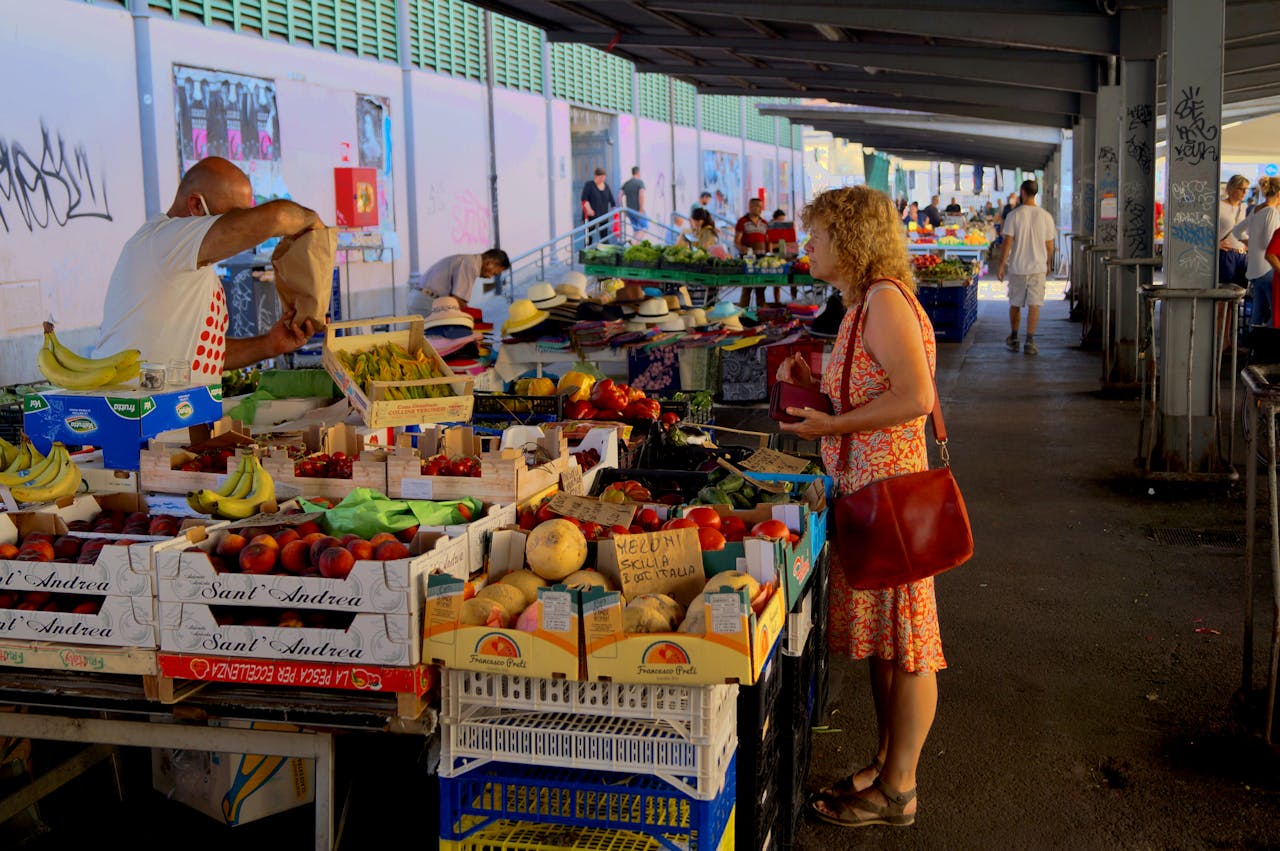
 Currently, the food system in Italy is failing many of its citizens. This will come as a surprise to many due to the nation being almost synonymous with good food and a lifestyle that is centered around it. Due to many factors, such as the COVID-19 pandemic and the recent aggressive position of Russia’s shocking supply chains, the weakness of food systems in Italy has been exposed, as those at risk of food poverty or food insecurity stand at 22.3% of the population. It is an alarming statistic for a world leader in many metrics.
The Fuzzy Approach
Various factors, including food insecurity, contribute to the lack of prosperity and poverty worldwide. Addressing poverty is inexplicably complex due to this multitude of factors. While focusing on a specific aspect, such as food poverty, might suggest a more straightforward solution, this view overlooks the broader, interconnected challenges and could be misguided. In addressing this complexity, the fuzzy approach attempts to more accurately analyze food systems and capture the existence of food poverty through an expenditure side metric.
Advocates of this innovative approach suggest that it offers more excellent results and insights than traditional binary set theory. The study utilizes data from an Italian Household Budget Survey of 2021, highlighting how current initiatives could be improved in creating stronger food systems in Italy to combat food poverty and insecurity.
Global Alliance Against Hunger and Poverty
In November 2024, Italy voluntarily joined the Global Alliance Against Hunger and Poverty. The Alliance hopes to eradicate hunger and poverty by supporting and reinforcing national political efforts to provide secure food to citizens, ameliorating global food systems. The Alliance has two “High-level Objectives,” seeking to sustain political drive by spurring collective agency between existing and emerging organizations and initiatives. It also wishes to improve mobilization and coherence between domestic and international efforts.
By committing to the Alliance, Italy has taken a crucial step to addressing food insecurity within its borders. Formally, Italy recognizes and acknowledges the growing prevalence of people facing food insecurity because of continuous structural poverty and inequality. In doing so, Italy also commits to the Alliance’s processes to address this issue, such as large-scale unified approaches transcending international, regional, national and local geographies.
Regarding domestic policy, Italy will, to the best of its abilities, “implement, improve and/or scale up” a range of policy initiatives, programs and instruments from the Alliance’s policy basket.
Domestic Policies
The following policies were already in place before Italy joined the Alliance. However, they will now be upgraded for a more significant impact. One newly initiated program is the Social Card, Dedicata a te (“Dedicated to You“). Initially implemented on July 18, 2023, the program was further strengthened in September 2024, reflecting Italy’s continued commitment to alleviating poverty within the country.
The budget for the program has risen, which, according to Fisco e Tasse, will result in an increase of families receiving the social card, from 1.2 million in 2023 to 1.33 million this year. The increased budget will also mean an increase in the median value of the card from $478.69 to $521.45 per month (+8.9%).
In 2023, 96% of the social card’s funds were spent on food products, with the remaining 4% on public transport. While the card is available for use other than alleviating food insecurity, the Italian public prioritizes its use for food. Globally, many are facing food insecurity, even in a “food-centric” country like Italy; it is inspiring to see policy initiatives such as the “Dedicated to You” even greater; it is not alone.
Coffee Fund
Another key tenant to the Alliance’s process is the value of policy cooperation and support. This is most clearly highlighted through the Apulia Food Systems Initiative (AFSI) 2024, launched in June by leaders of the G7. The key deliverable in this instance is the communication and support between member countries to enhance each member’s ability to alleviate food poverty.
Italy, through the AFSI, has announced a private-public fund for coffee. The Global Private-Public Coffee Fund seeks to support initiatives that strengthen coffee’s supply chain and minimize the industry’s shocks due to climate instability. To do so, the fund wishes to coordinate between existing efforts, thus sharing knowledge and resources and investing in research, technology development and infrastructure.
It further seeks to protect smaller businesses that make up the majority of the producing industry through “equitable value distribution” throughout the entire chain of supply.
Hope for the Future
While it may seem troubling that a rich, developed and food-centric country such as Italy is struggling to alleviate food poverty, significant progress is being made through various initiatives and programs. The Fuzzy analysis provides an in-depth understanding of food insecurity at a national and sub-national level. A greater understanding of the patterns of food poverty will aid initiatives seeking to improve food systems in Italy and abroad, such as the Global Alliance Against Hunger and Poverty.
The increased communication, awareness and mobilization that resulted from AFSI and its umbrella organizations and initiatives highlight the positives of the human spirit and our willingness to provide all with just and fair access to food.
– Laughlin Moeller
Laughlin is based in London, UK and focuses on Global Health for The Borgen Project.
Photo: Pexels

Microfinance in Egypt: A Tool to Ease Poverty
The Aim of Microfinance Loans
Among other things, microfinance in Egypt aims to extend loans and other financial services to women who need more collateral to access traditional banking services. The microfinance institution covers around 82% of Egyptian poor and low-income households. It not only empowers entrepreneurs and small businesses but stimulates local economies by promoting self-sufficiency and reducing poverty.
Crucially, microfinance loans have a positive effect on the household incomes of women borrowers. While women make up nearly half of Egypt’s population, they make up less than a quarter of the country’s total labour force, many of whom work in the informal sector. As a result of working for the informal sector, women often cannot access financial services, which is an issue that the use of microfinance loans could tackle.
Prioritizing Financial Inclusion
As part of Egypt’s Vision 2030, the national Egyptian government seeks to prioritize women’s financial inclusion and economic empowerment. Already, the Central Bank has begun initiatives to allow female owners of micro, small and medium enterprises (MSMEs) to be part of the formal financial system, according to the Economist Impact. This is important as the Central Bank’s policies indirectly impact the microlending system where its initiatives to enhance digital financial services and financial inclusion can heighten access to microloans for impoverished communities.
The International Monetary Fund (IMF) calculates that increasing the female labor force participation rate to the male level and increasing employment opportunities could increase Egypt’s GDP by 34%, the Economist Impact reports.
Further Developments
Additionally, to support the government’s efforts, HSBC Bank Egypt and Reefy Microfinance Enterprise Services signed a deal earlier this year to provide 150 million Egyptian pounds to micro businesses in Egypt, with one-third of that figure going towards female-led enterprises. On top of this, HSBC has pledged it will provide between $750 billion and $1 trillion dollars by 2030, to support sustainable financing, the Economist Impact reports.
Despite the significant improvements for some, a large number of old clients who have not seen an improvement in household income following the scheme, remain.
Moreover, there are operational risks such as fraud prevention and technology dependency. The risks of fraud are high considering the digital nature of many interactions whereby the implementation of robust fraud detection systems is crucial. Moreover, technology dependency appears to be another operational risk as “the increasing reliance on technology for loan disbursement and collection processes creates risks related to cybersecurity and system reliability,” according to Andersen. Other potential issues include market saturation or funding and liquidity management. Market saturation means that many “entities are competing for the same customer base,” a current example being Valu.
Overall, microfinance in Egypt offers a promising future for financial inclusion and economic empowerment, bar the potential for certain risks. By providing access to small loans and financial services, Microfinance enables individuals to meet their household needs, stimulate entrepreneurship and enhance livelihoods in underprivileged communities. The support from both government initiatives and NGOs has been extremely helpful in facilitating this process, aligning with Egypt’s Vision 2030.
– Amani Almasri
Photo: Unsplash
Air Pollution and Poverty in Trinidad and Tobago
High Air Pollution Levels
Trinidad and Tobago’s abundant petroleum and natural gas deposits have driven industrial development since the 1960s. However, environmental considerations were often overlooked, leading to severe air pollution. The nation’s industrial enterprises—many located in densely populated areas—are the primary source of harmful air pollutants. These pollutants contribute to rising rates of respiratory conditions and allergic reactions. Health professionals have also linked air pollution to diseases such as cancer, which spiked in 2019 alongside extreme air pollution levels. According to the World Health Organization (WHO), air pollution in Trinidad and Tobago causes approximately 20 deaths per 100,000 people annually.
Impact of Air Pollution
Globally, people living in poverty are more likely to experience the effects of air pollution because they often live and work near its sources. In countries with economies reliant on polluting industries, air pollution levels tend to be particularly high. This is especially true in Trinidad and Tobago, where industrial sites are the primary source of air pollution and are located in densely populated areas due to the islands’ small size.
These industrial sites not only dominate the job market but also expose workers to harmful levels of air pollutants, posing significant health risks. Long-term exposure can lead to serious illnesses and in Trinidad and Tobago, 19 out of every 100,000 working-age individuals die each year from occupational diseases linked to air pollution.
While Trinidad and Tobago offers free public health care through its national health insurance system, many people living in poverty face barriers such as lack of transportation and long wait times, making access to care challenging. Addressing air pollution at its source through stronger government regulations could alleviate these health care burdens and help protect vulnerable populations from compounding hardships caused by pollution.
Efforts to Combat Air Pollution
Trinidad and Tobago has taken steps to address air pollution:
The Environmental Management Authority (EMA), led by Managing Director Hayden Romano, acknowledged the challenges ahead: “We are aware of the adverse health effects of both short-term and long-term exposure to particulate matter and that no air quality standard can guarantee complete protection for all citizens against all possible adverse health effects of particulate matter.”
Looking Forward
Trinidad and Tobago has taken concrete steps to address air pollution through international commitments and updated regulations targeting industrial emissions. The government’s goals include reducing particulate matter levels and greenhouse gas emissions within established timelines. Furthermore, efforts to mitigate health risks associated with pollution remain ongoing, with officials emphasizing the importance of aligning national standards with global health guidelines. These initiatives represent a structured approach to reducing environmental hazards and their associated impacts on public health.
– Nivea Walker
Photo: Flickr
Food Systems in Italy: Poverty, Insecurity and Hope
The Fuzzy Approach
Various factors, including food insecurity, contribute to the lack of prosperity and poverty worldwide. Addressing poverty is inexplicably complex due to this multitude of factors. While focusing on a specific aspect, such as food poverty, might suggest a more straightforward solution, this view overlooks the broader, interconnected challenges and could be misguided. In addressing this complexity, the fuzzy approach attempts to more accurately analyze food systems and capture the existence of food poverty through an expenditure side metric.
Advocates of this innovative approach suggest that it offers more excellent results and insights than traditional binary set theory. The study utilizes data from an Italian Household Budget Survey of 2021, highlighting how current initiatives could be improved in creating stronger food systems in Italy to combat food poverty and insecurity.
Global Alliance Against Hunger and Poverty
In November 2024, Italy voluntarily joined the Global Alliance Against Hunger and Poverty. The Alliance hopes to eradicate hunger and poverty by supporting and reinforcing national political efforts to provide secure food to citizens, ameliorating global food systems. The Alliance has two “High-level Objectives,” seeking to sustain political drive by spurring collective agency between existing and emerging organizations and initiatives. It also wishes to improve mobilization and coherence between domestic and international efforts.
By committing to the Alliance, Italy has taken a crucial step to addressing food insecurity within its borders. Formally, Italy recognizes and acknowledges the growing prevalence of people facing food insecurity because of continuous structural poverty and inequality. In doing so, Italy also commits to the Alliance’s processes to address this issue, such as large-scale unified approaches transcending international, regional, national and local geographies.
Regarding domestic policy, Italy will, to the best of its abilities, “implement, improve and/or scale up” a range of policy initiatives, programs and instruments from the Alliance’s policy basket.
Domestic Policies
The following policies were already in place before Italy joined the Alliance. However, they will now be upgraded for a more significant impact. One newly initiated program is the Social Card, Dedicata a te (“Dedicated to You“). Initially implemented on July 18, 2023, the program was further strengthened in September 2024, reflecting Italy’s continued commitment to alleviating poverty within the country.
The budget for the program has risen, which, according to Fisco e Tasse, will result in an increase of families receiving the social card, from 1.2 million in 2023 to 1.33 million this year. The increased budget will also mean an increase in the median value of the card from $478.69 to $521.45 per month (+8.9%).
In 2023, 96% of the social card’s funds were spent on food products, with the remaining 4% on public transport. While the card is available for use other than alleviating food insecurity, the Italian public prioritizes its use for food. Globally, many are facing food insecurity, even in a “food-centric” country like Italy; it is inspiring to see policy initiatives such as the “Dedicated to You” even greater; it is not alone.
Coffee Fund
Another key tenant to the Alliance’s process is the value of policy cooperation and support. This is most clearly highlighted through the Apulia Food Systems Initiative (AFSI) 2024, launched in June by leaders of the G7. The key deliverable in this instance is the communication and support between member countries to enhance each member’s ability to alleviate food poverty.
Italy, through the AFSI, has announced a private-public fund for coffee. The Global Private-Public Coffee Fund seeks to support initiatives that strengthen coffee’s supply chain and minimize the industry’s shocks due to climate instability. To do so, the fund wishes to coordinate between existing efforts, thus sharing knowledge and resources and investing in research, technology development and infrastructure.
It further seeks to protect smaller businesses that make up the majority of the producing industry through “equitable value distribution” throughout the entire chain of supply.
Hope for the Future
While it may seem troubling that a rich, developed and food-centric country such as Italy is struggling to alleviate food poverty, significant progress is being made through various initiatives and programs. The Fuzzy analysis provides an in-depth understanding of food insecurity at a national and sub-national level. A greater understanding of the patterns of food poverty will aid initiatives seeking to improve food systems in Italy and abroad, such as the Global Alliance Against Hunger and Poverty.
The increased communication, awareness and mobilization that resulted from AFSI and its umbrella organizations and initiatives highlight the positives of the human spirit and our willingness to provide all with just and fair access to food.
– Laughlin Moeller
Photo: Pexels
The UN’s Role in Restoring Human Rights in Syria
UN’s Critical in Restoring Human Rights to Syria
On December 12, 2024, the U.N.’s Commission of Inquiry on Syria stated that they have a list of up to 4,000 human rights abusers from the Syrian government since 2011 when the civil war started. The commission, which has been investigating and collecting testimonies remotely, now hopes to finally gain access to Syria to help hold accountable those who destabilized the country and exacerbated its poverty. On the other hand, Geir Pedersen, the U.N. Special Envoy to Syria, has called for lifting sanctions on Syria imposed by the U.S. and the EU so work can begin on rebuilding the country and providing necessary aid. That way the UN and even other international organizations, backed by countries around the world, can start restoring human rights back to Syria step by step.
UN’s Political and Humanitarian Aid Efforts in Syria
The U.N. is putting effort into restoring human rights to Syrian institutions and people by providing life-saving aid to the most vulnerable and helping the interim government politically transition properly. Cindy McCain, head of the World Food Program (WFP), has stated that the U.N. is working to deliver food to the approximately 3 million Syrians who are struggling with severe food insecurity.
Similarly, Pedersen recently met with the key political leaders in the interim government to emphasize the need for a government that is inclusive and represents Syrians of all religions and groups. Although the U.N.’s efforts in Syria so far have been critical, it can only succeed with the backing of its member states who are also lending a hand in the rebuilding of a post-Assad Syria.
The Role of Countries in Rebuilding Syria Post-Assad
Restoring human rights values to Syria requires more than the goodwill of the U.N. and its NGO partners. It also requires the vast resources and connections of countries regional and around the world. For example, the Arab League countries have pledged to support the new Syrian government to ensure that the rights of women and minorities are respected while Turkey has recently reopened its embassy in Syria.
On the other hand, U.S. sanctions on Russia could pressure the Kremlin to hand over Assad to Syria or the international criminal court to face trial over his human rights abuses. In other words, the U.N.’s efforts to help Syria build a more inclusive government and lift millions out of poverty require the assistance of countries with the governance structure on which a post-Assad Syria could model itself.
Revitalizing Human Rights Norms in Syria
The overthrow of the Assad regime in Syria marks a new beginning for Syrians who have struggled with poverty, food insecurity and instability caused by the government. It is also a new beginning for international human rights activists who never even dreamed that this day could come sooner than later. The UN’s current efforts in restoring human rights to Syrian institutions is an opportunity to remind countries around the world why human rights still matter in this global era of politics.
– Abdullah Dowaihy
Photo: Unsplash
Solving the Illiteracy Crisis in Brazil
Furthermore, because of the pandemic, which started in 2020, schools in Brazil have been struggling to help their students get up to speed after some years of intermittent attendance. Brazilian schools sometimes suffer from resource scarcity, creating educational inequality. Pupils of schools that benefit from more wealth and allocation of funds generally receive better results than schools with fewer resources, often situated in more deprived areas.
Though this is typically the case, educators also make do with what they have. All schools have the opportunity to get good results. However, inequality poses a challenge to achieving total literacy in Brazil.
Adult Illiteracy in Brazil
One issue that is globally prevalent is functional illiteracy. This differs from “absolute” illiteracy in that, while someone may be able to read, they struggle to interpret the information or to read between the lines. The Brazilian Geographical and Statistics Institute (IBGE) states that not finishing 4th grade schooling is one of Brazil’s most significant indicators of adult functional illiteracy.
This means that those who complete at least the 4th grade or equivalent have a much better chance of being functionally literate, a key to being a productive citizen who can contribute even more to the greater society. Nevertheless, in one study, 8% of Brazilians aged 15-64 were not able to read or write, making them absolutely illiterate. Absolute illiteracy in Brazil is a significant factor that contributes to social exclusion and generally worse outcomes in life. Thus, this needs to be addressed urgently.
The Brazilian Government’s Promise to Reduce Illiteracy
The Brazilian Ministry of Education (MEC) has begun to support the ongoing effort to increase children’s literacy using various approaches. These approaches range from funding scholarship programs to providing educators nationwide with additional resources to capacitate students to read and write entirely. The promise intends to get all children to be literate upon completing 2nd grade.
The MEC can achieve its goal by working with a wide variety of professionals working in the educational sphere, from teachers to experts in universities and municipal representatives.
Lemann Foundation
Supporting the work done by the government to eradicate illiteracy in Brazil, the Lemann Foundation is a charity based in Brazil that aims to reduce the vast inequality by making sure all children can read by the 3rd grade. Its work includes supporting initiatives with partnerships in the third sector that strive for equality, especially for those with illiteracy in Brazil.
According to the United Nations Educational, Scientific and Cultural Organization (UNESCO), there are 754 million illiterate adults worldwide, nearly 10% of the population. Despite this, reading is an essential skill in almost all the most desirable jobs. Literacy opens doors to better education, career and critical thinking. Therefore, it is equally vital that illiteracy is eradicated so that poverty can also be eliminated. With that said, illiteracy in Brazil is part of a worldwide cause for concern about literacy inequality.
– Callum Bennett
Photo: Flickr
Migration to Guyana
An Overview
Why Is Migration to Guyana Increasing?
The country’s growing oil and gas sector demands a larger workforce and both Guyanese and foreign nationals respond positively. In the year following the discovery of oil reserves, Guyana experienced more people entering than leaving the country. This trend is set to increase throughout the 2020s.
Furthermore, the ongoing humanitarian crisis in Venezuela has prompted an influx of forcibly displaced Venezuelans into neighboring Guyana. Venezuelans constitute about 3% of Guyana’s population. Many are fleeing the collapse of their country’s socioeconomic and political infrastructure, seeking relief from poverty and food insecurity.
What Is Life in Guyana Like for Migrants?
Migrants must first apply for a work permit through a work visa. The pre-arrival recruitment process for migrant workers in Guyana typically takes about 90 days. However, the process does not always conform to ethical standards, with some migrants reporting they had to pay to apply for a job.
Migrants can also request stay permits, subject to renewal every three months. However, these permits do not grant foreign nationals the right to work. The United Nations High Commissioner for Refugees (UNHCR) reports that 23,412 forcibly displaced Venezuelans have received stay permits since 2018. As this figure does not account for undocumented migrants, the number is likely much higher.
Due to these challenges, many migrants work in informal places and thus lack social protection. As the International Organization for Migration (IOM) noted, “The informal economy accounts for a significant amount of employment and livelihood, with official estimates ranging from 45% to 52% of total Guyanese economic activity.” This exposes migrants to labor exploitation and even human trafficking. Informality increases in rural areas where many Indigenous Venezuelans from the Warao community have settled.
Warao migrants account for 10% of Venezuelan nationals in Guyana. IOM reported in 2023 that 48% of Indigenous Venezuelans had no recognized status in Guyana. This makes them more vulnerable to exploitation in a context where Indigenous Guyanese already face disproportionately high poverty rates. The UNHCR and The New Humanitarian shared that the Warao community faces limited access to food, clean water, sanitation and education.
Language barriers compound these difficulties as Guyana is the only anglophone country in South America. Additionally, there are escalating tensions between the Guyanese and Venezuelan governments, with Venezuela claiming Guyana’s western Essequibo region. This dispute risks causing friction between Venezuelan migrants and Guyanese citizens.
How Are the Migration Issues in Guyana Being Addressed?
Migration to Guyana has the potential to offer many domestic and regional benefits, including boosting the economy and providing refuge for Venezuelans escaping a humanitarian crisis. IOM reported that Guyana must welcome at least 100,000 people into its workforce to maximize its economic growth. Though it is uncertain how migration flows to Guyana will develop in the long term, organizations and world leaders are gradually seizing opportunities for improvement.
– Nesreen Yousfi
Photo: Flickr
Disability and Poverty in Mauritania
However, poverty remains a significant issue, especially in rural areas, where 41.2% of the population experience poverty compared to 14.4% of those in urban areas. Recent data also shows that the majority of those in poverty have disabilities. These numbers have enabled the Mauritanian government to look at disability and poverty in Mauritania with help from social protection projects and international organizations.
Poverty in Mauritania
The World Bank in 2019 estimated that only 15% of the rural population had access to sanitation services, which leaves 85% of the population vulnerable to diseases. Access to water remains a significant challenge in Mauritania’s desert climate. As of 2020, 78% of the population had access to water, a notable increase from 40% in 2010. However, 22% of the population still lacks access to water. The World Bank also estimates that only 47% of the population has access to electricity.
Not having the necessary amenities has made day-to-day life difficult in Mauritania for many people, especially for those with disabilities. A strong link exists between disability and poverty in Mauritania. Data collected by the Disability and Data Initiative from 2019 to 2021 shows that 85% of individuals with multiple functional difficulties live in poverty, often in rural areas in the country. In comparison to those with fewer or no functional challenges, 71.2% and 71.3% were found. The lack of public service institutions in rural areas leaves many disabled individuals without the proper care, treatment or education necessary for survival.
The Stigma Associated With Disability
Despite many Mauritanians living with some disability, the stigma and discrimination that affect them are very real. Mauritanian law prohibits discrimination against individuals with physical, sensory, intellectual or mental disabilities. Yet, a 2023 country report on human rights practices in Mauritania conducted by the U.S. Department of State found that this law is not enforced. It found that people with disabilities do not have access to education, health services or any other types of public services.
Solutions
Mauritania has been trying to help its needy citizens by adopting adaptive social protection. As of September 2024, 200,000 impoverished households are registered in the social registry database, where they can benefit from the Tekavoul National Social Transfer Program. This program provides families with cash transfers from the Mauritanian government every few months.
The Mauritanian government implemented this program with support from the International Development Association. The program allows families to spend the money on whatever they choose. However, people typically use it to buy hygiene products, school supplies and food. This program is meant to cover struggling families’ basic needs while encouraging them to invest in things like their children’s future.
To end the stigma surrounding people with disabilities, the World Vision Organization, a nonprofit organization, organized an inclusion project in partnership with the National Federation of People Living with Disabilities earlier this year. More than 120 explored disability issues through activities to break down stereotypes and promote a better understanding of the realities of living with a disability.
Overall, Mauritania is currently working to end poverty and reduce stigmatization for those who are disabled. It’s just going to take some time.
– Aya Diab
Photo: Wikimedia Commons
Gender Wage Gap in Ethiopia
Root Causes of Ethiopia’s Gender Wage Gap
The gender wage gap in Ethiopia stems from women being concentrated in low-paying informal sectors and traditional societal norms that undervalue their economic contributions. These roles lack stability and benefits, leaving women with limited income and fewer opportunities to build financial security. Cultural expectations exacerbate the problem and reinforce a cycle where unpaid domestic labor and caregiving take more importance over professional development for women. Ethiopia’s gender gap reflects structural inequalities that restrict women’s participation and potential. Women face barriers such as limited education and norms in society, which undervalue their contributions.
Women in Ethiopia also face many challenges when accessing loans and financial services due to limited financial literacy. The 2024 article: “Transforming the Lives of Women and Girls in Eastern and Southern Africa” states that women have “lower access to productive resources.” Overall, Ethiopian women have less access to vocational and training programs important for securing employment in higher-paying sectors like construction and technology. Current training programs fail to accommodate women’s dual work and caregiving responsibilities, which excludes them further.
Government and Organizational Efforts
The Ethiopian government is aware of the gender pay gap. Therefore, the government has been taking correct measures to help reduce gender inequality. According to the United Nations Development Programme (UNDP), a Gender Equality Strategy (GES) has been developed to “guide the country office on mainstreaming gender equality and women empowerment.” This gender strategy identifies priority areas and supports national efforts to get results. The government plans to build upon previous strategies to add to the policies the country already has in place. Current efforts to promote women’s education, access to credit and representation in decision-making are underway but require scaling up to achieve maximum impact. Local organizations and networks have also made many efforts to decrease the gender pay gap in Ethiopia.
The Ethiopian Women Lawyers Association (EWLA) is one organization that is doing fantastic work. EWLA is a nonprofit organization founded by a group of Ethiopian female lawyers to promote Ethiopian women’s legal, economic, social and political rights. EWLA has provided legal assistance to more than 200,000 women (2023). More than five million women have benefitted from EWLA collaborative efforts until 2020. EWLA has also been important in revising Ethiopian laws, such as family law and criminal codes, to align with women’s rights. The organization has also lobbied for gender-sensitive policies at governmental levels. Furthermore, the organization works with grassroots Civil Society Organizations (CSOs) to address challenges such as gender-based violence, particularly in regions like Amhara and Afar. EWLA’s priorities include finding sustainable funding and strengthening partnerships with other women’s organizations in the country.
Opportunities for Improvement
The gender wage gap in Ethiopia reflects the gender wage gap across Africa. Factors such as cultural norms, education gaps and smaller economies play significant roles. However, reducing Ethiopia’s gender wage gap requires a multi-faceted approach. Expanding access to girls’ education can help break cycles of poverty and inequality. Additionally, engaging communities to challenge stereotypes and fostering inclusive training programs can help women balance work and caregiving responsibilities. By implementing these strategies and building upon existing efforts, Ethiopia could make significant progress toward closing the gender wage gap and fostering economic growth.
– Ayat Aslam
Photo: Flickr
HIV/AIDS in Syria
Despite HIV prevalence remaining low in Syria and just 762 people diagnosed with HIV/AIDS in Syria between 1987 and 2011, the Middle East is one of the only regions in the world where HIV/AIDS infection is spiking. This spike can be attributed to factors such as increasing rates of poverty, labor migration and human trafficking, which can potentially manifest in an HIV/AIDS epidemic.
Vulnerable, marginalized groups such as female sex workers and intravenous drug users are at a significantly higher risk of contracting HIV than the general population. Therefore, the response to HIV/AIDS in Syria has to focus on these groups, as their behaviors have the potential to kickstart an epidemic.
Health Care in Syria
The Syrian health care system impairs many citizens’ ability to access medical professionals and treatment. As a result of the war, approximately 70% of health care professionals have left the country. Similarly, 50% of health care facilities have been obliterated. Consequently, Syria lacks the necessary staff, facilities, treatment options, funding and capacity to manage health problems effectively. This shortfall significantly affects the handling and control of communicable diseases such as HIV.
The country’s response to HIV/AIDS remains significantly lower than global targets in terms of preventative measures, diagnosis, testing and treatment. Those living with HIV/AIDS in Syria are significantly impacted by the lack of health care, as sexual and reproductive issues are often overlooked.
The civil war has induced unrest in the form of human rights violations, financial decline and environmental crises. health care costs have skyrocketed, with medical treatments and private care becoming increasingly inaccessible to the general public. In northwest Syria, approximately 2.3 million women and girls do not have access to medical care, including reproductive and sexual health, such as treatment for HIV/AIDS.
Stigma Surrounding HIV/AIDS in Syria
The availability of treatment for sexually transmitted infections (STIs) such as HIV is the least attainable because of the stigma attached to sexual diseases. This stigma affects the likelihood of certain groups being informed about HIV and understanding how to prevent infection. HIV/AIDS in Syria is most prevalent among intravenous drug users and female sex workers. These marginalized groups often face negative identity prejudice, which can hinder their access to HIV/AIDS education and health care due to discrimination.
A study by the United Nations Development Programme (UNDP) found that adequate knowledge among female sex workers, intravenous drug users and prisoners of HIV/AIDS was below 30%. Additionally, the study showed that despite the subgroups being predominantly aware of HIV/AIDS, the participants’ overall knowledge and understanding of risk factors was insufficient. They experienced very little exposure to HIV/AIDS health campaigns.
Tackling HIV/AIDS in Syria
To address HIV/AIDS in Syria, the Ministry of Information launched a nationwide media campaign across television, the press and radio stations. The campaign intended to raise awareness and improve knowledge about HIV/AIDS, empowering people to make better-informed decisions.
The Syrian Family Planning Association also implemented a program to improve HIV awareness among Syrians. This initiative included a peer education component designed explicitly for vulnerable groups such as young people, female sex workers and prisoners, aiming to educate them about HIV/AIDS and encourage safer choices.
These programs offer a foundational approach to HIV/AIDS education by providing valuable and potentially life-saving information that equips citizens with the knowledge to make well-informed decisions. Ultimately, this will contribute to the curbing of a war-induced HIV/AIDS epidemic.
– Ella Dorman
Photo: Wikimedia Commons
Lobito Trading Corridor: Growing Africa’s Economy
The Impact of The Lobito Trading Corridor on Africa
The Lobito Corridor is likely to improve international relationships. In August 2024, the first Lobito Corridor train carrying copper reached Lobito’s export port after its refurbishment. It took just six days to reach the port from the DRC, a journey that by road would usually take over 30 days, according to CNN. Before this, most of Africa’s resources went to Asia. Positive relationships between the U.S. and Africa hope to see increased trading efforts and economic growth for the developing country. Economic growth would allow continued building of Africa’s infrastructures and investment in humanitarian services.
Currently, 30% of Angola’s population lives below the poverty line. The country suffers from high and widespread unemployment, according to CNN. The Lobito Trading Corridor Initiative could bring many jobs to Angola and areas feeding the Lobito Corridor to keep the railway functioning. With more of its citizens in employment, poverty levels could decrease.
The Lobito Corridor could also provide transport assistance to support local businesses, such as agriculture. Businesses along the Lobito Corridor could use the railway to transport their crops and other services to regional communities or further afield. On a larger scale, the Angolan food production company, Carrinho Industry, also has the potential to benefit from this initiative. With initially poor road and communication infrastructure, transportation of food to supply Africa was difficult and expensive. However, with the more efficient Lobito Corridor, essential food supplies can reach those in need much faster, CNN reports.
The Future
Feasibility studies are currently taking place to assess the viability of extending the railway 800 kilometers to service Zambia, another mineral-rich African country. With more than 60% of its population living in poverty, the success of this phase could lead to economic growth and job security. Similarly, another future phase of the initiative is extending the railway to the Indian Ocean through Tanzania. This would allow an even more expansive trading opportunity for Africa.
– Millie Trussler
Photo: Flickr