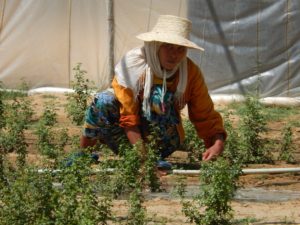
 Despite significant progress in gender equality in Tunisia, women still face considerable wage disparities compared to their male counterparts. The Global Gender Gap Index reports Tunisia ranked 115th out of 146 countries, in 2024, with a parity score of 0.668, reflecting persistent gaps in economic participation and wage equality.
Although the country has made significant improvements since 2023, Tunisia has stalled in closing the gender wage gap. Tunisia is among the five countries with the largest gender pay gaps, alongside Sudan (82%), Algeria (81%), Egypt (79%) and Morocco (77%). As neighboring nations tackle similar issues, Tunisia risks falling further behind unless it takes bold action to address the root causes of wage inequality.
The Gender Wage Gap: A Persistent Issue
In Tunisia, as in many other countries, the gender wage gap is not simply a result of educational differences. Women in Tunisia are well-represented in education, particularly in higher education, with more women graduating than men in many fields.
Despite higher literacy rates for females (79%) compared to males (72.2%), women remain underrepresented in higher-paying sectors.
Women often work in traditionally lower-paying fields like teaching, health care and administrative roles, while men dominate more lucrative areas such as engineering and finance.
This occupational segregation results in women earning less than men in some sectors, even with similar qualifications, and being less likely to be hired. For instance, in the IT sector, women with the same credentials as their male counterparts are 15 % less likely to receive a callback from employers.
Limited Leadership Opportunities
According to the World Bank, the country also faces a high degree of informal employment, Informal jobs tend to lack legal protections and social security benefits, intensifying economic insecurity for many women. Furthermore, women in Tunisia are significantly underrepresented in leadership positions, with only 26% of women holding middle and senior management roles.
A combination of cultural norms, economic segregation and insufficient policies has influenced this, hindering women’s equal participation in the workforce. Tunisia also falls significantly behind in Political Empowerment scoring 0.216, reflecting a gender gap in political representation and leadership roles.
Women in Tunisia also face higher unemployment rates than men, with 20.61% of women unemployed compared to 13.6% of men. This is partly attributed to family and cultural pressures, especially in rural areas, where women are less likely to seek or pursue employment. As highlighted by the UN, women aged 15 and above spend 21.9% of their time on unpaid care and domestic work, compared to just 2.7% for men.
Solutions
Several organizations and initiatives in Tunisia, such as UN Women, are actively working to address the gender pay gap and promote women’s economic empowerment. The UN Women office in Tunisia focuses on advocating for gender-sensitive policies and implementing programs to close the gender gap in education and employment. The UN Women: Strategic Note 2022–2025 focuses on three main pillars:
- Enhancing women’s access to economic opportunities and decent work
- Fostering women’s political participation and leadership
- Promoting women participation for peacebuilding and reconciliation
Key achievements in 2022 include:
- Training 43 civil servants to implement gender-responsive budgeting frameworks that ensure government spending promotes equality.
- Engaging 197 individuals in research to empower women and foster resilient communities in southern Tunisia.
- Equipping 62 specialized units with better tools to investigate crimes against women and support survivors.
One initiative focuses on providing rural women with skills to enhance their participation in the labor market. The program addresses barriers like unsafe transportation, limited childcare and inadequate workplace safety, enabling women to access better opportunities.
The program, part of a broader UN effort to close gender gaps under the Sustainable Development Goals (SDGs), worked closely with national and local governments to advocate for safer and more equitable workplaces fostering policy advocacy and community engagement.
While detailed numbers of beneficiaries are not yet available, the approach emphasizes systemic change by integrating gender equality into national policy and budgeting.
Looking Ahead
Tunisia has made progress in education and health, but women continue to face significant challenges, including wage disparities, higher unemployment rates, and disproportionate time spent on unpaid labor. Initiatives like the UN Women Strategic Note 2022–2025 tackle these issues by promoting economic opportunities, advocating for gender-responsive policies, and addressing key barriers such as unsafe transportation and childcare. These efforts, combined with policy reforms, aim to close the gender gap and ensure women achieve greater empowerment in Tunisia.
– Arianna Distefano
Arianna is based in London, UK and focuses on Politics for The Borgen Project.
Photo: Flickr

Gender Wage Gap in Tunisia: Challenges and Ongoing Solutions
Although the country has made significant improvements since 2023, Tunisia has stalled in closing the gender wage gap. Tunisia is among the five countries with the largest gender pay gaps, alongside Sudan (82%), Algeria (81%), Egypt (79%) and Morocco (77%). As neighboring nations tackle similar issues, Tunisia risks falling further behind unless it takes bold action to address the root causes of wage inequality.
The Gender Wage Gap: A Persistent Issue
In Tunisia, as in many other countries, the gender wage gap is not simply a result of educational differences. Women in Tunisia are well-represented in education, particularly in higher education, with more women graduating than men in many fields.
Despite higher literacy rates for females (79%) compared to males (72.2%), women remain underrepresented in higher-paying sectors.
Women often work in traditionally lower-paying fields like teaching, health care and administrative roles, while men dominate more lucrative areas such as engineering and finance.
This occupational segregation results in women earning less than men in some sectors, even with similar qualifications, and being less likely to be hired. For instance, in the IT sector, women with the same credentials as their male counterparts are 15 % less likely to receive a callback from employers.
Limited Leadership Opportunities
According to the World Bank, the country also faces a high degree of informal employment, Informal jobs tend to lack legal protections and social security benefits, intensifying economic insecurity for many women. Furthermore, women in Tunisia are significantly underrepresented in leadership positions, with only 26% of women holding middle and senior management roles.
A combination of cultural norms, economic segregation and insufficient policies has influenced this, hindering women’s equal participation in the workforce. Tunisia also falls significantly behind in Political Empowerment scoring 0.216, reflecting a gender gap in political representation and leadership roles.
Women in Tunisia also face higher unemployment rates than men, with 20.61% of women unemployed compared to 13.6% of men. This is partly attributed to family and cultural pressures, especially in rural areas, where women are less likely to seek or pursue employment. As highlighted by the UN, women aged 15 and above spend 21.9% of their time on unpaid care and domestic work, compared to just 2.7% for men.
Solutions
Several organizations and initiatives in Tunisia, such as UN Women, are actively working to address the gender pay gap and promote women’s economic empowerment. The UN Women office in Tunisia focuses on advocating for gender-sensitive policies and implementing programs to close the gender gap in education and employment. The UN Women: Strategic Note 2022–2025 focuses on three main pillars:
Key achievements in 2022 include:
One initiative focuses on providing rural women with skills to enhance their participation in the labor market. The program addresses barriers like unsafe transportation, limited childcare and inadequate workplace safety, enabling women to access better opportunities.
The program, part of a broader UN effort to close gender gaps under the Sustainable Development Goals (SDGs), worked closely with national and local governments to advocate for safer and more equitable workplaces fostering policy advocacy and community engagement.
While detailed numbers of beneficiaries are not yet available, the approach emphasizes systemic change by integrating gender equality into national policy and budgeting.
Looking Ahead
Tunisia has made progress in education and health, but women continue to face significant challenges, including wage disparities, higher unemployment rates, and disproportionate time spent on unpaid labor. Initiatives like the UN Women Strategic Note 2022–2025 tackle these issues by promoting economic opportunities, advocating for gender-responsive policies, and addressing key barriers such as unsafe transportation and childcare. These efforts, combined with policy reforms, aim to close the gender gap and ensure women achieve greater empowerment in Tunisia.
– Arianna Distefano
Photo: Flickr
UNICEF’s Oxygen Plant-in-a-Box
Before 2020 – The Situation
As of 2018, pneumonia was responsible for 16% of child deaths, with the majority amongst children below the age of 2. It killed more children than diarrhea and malaria combined. Almost all cases of pneumonia can be prevented through early diagnosis and access to antibiotics and oxygen treatment. The problem lay and continues to lie with access to this healthcare.
Pneumonia does not have a single cause, it is an acute respiratory infection of the lungs, developing from either viruses or bacteria in the air. Once infected lungs become inflamed which causes difficulty breathing. The most common symptoms are coughing, fever and difficulty breathing.
The Role of Oxygen
When pneumonia develops, inflammation of the lungs stops enough oxygen from entering the bloodstream and circulating through the body. Access to oxygen in these cases becomes lifesaving. However, it has previously been unavailable to those in countries without strong health systems, only available in higher-level facilities and hospitals.
As the leading cause of preventable child deaths, pneumonia is more deadly to children in 124 low to middle-income countries who have limited or no access to health care. It leaves around 4.2 million children under 5 with dangerously low oxygen levels. This group is more vulnerable due to exposure to polluted air and higher rates of malnutrition and diarrhea, which leaves immune systems weaker.
UNICEF’s Oxygen Plant-in-a-Box Project.
Since the COVID-19 pandemic, UNICEF and partners have worked to improve basic oxygen access, coming up with their innovative Oxygen Plant-in-a-Box Project. The Oxygen-Plant in a box produces enough oxygen to treat up to 100 children with severe pneumonia. The package contains everything necessary to install and operate a pressure swing adsorption (PSA) oxygen plant which is fully functional within days of being implemented at a health facility.
By December 2021, over 16 countries had ordered this product and were on the path to developing stronger health care systems. That month patients at the Soroti Regional Referral Hospital in Uganda were the first to receive life-saving oxygen from this project.
More about the Box
The package includes everything to produce large volumes of medical-grade oxygen for patients, with each plant holding the capacity to produce up to 720,000 litres of oxygen each day. These packages aim to support medium to large health facilities.
Kristoffer Gandrup-Marino, Chief of Product Innovation at UNICEF Supply Division, stated these plants could take up to six months to design and order, so they developed the pre-designed plants making the product cheaper and faster to manufacture and arrive, saving lives in the process.
Real Life Implementation
In Uganda, 6-month-old Constance suffered from a cough, fever and difficulty breathing. She went to her local hospital where they diagnosed her with pneumonia. Here, she was immediately provided with antibiotics and oxygen. UNICEF reports.
A few months prior this would not have been the case. Due to a deteriorating infrastructure, the Kayunga Regional Referral Hospital held very limited access to oxygen therefore constricting its ability to treat the increasing numbers of pneumonia cases in children. Now, with the Oxygen Pant-in-a-Box running, Constance is one of hundreds of children supplied with the proper medical care. The new plant covers an area of 2.8 million people, according to UNICEF.
Pneumonia is still the biggest infectious killer of children, with millions of children still contracting the infection. However, local and sustainable solutions will continue to be found to prevent more deaths from pneumonia. The Oxygen Plant-in-a-Box Project contributes to this goal, supplying oxygen to healthcare facilities and treatment to those who need it.
– Amelia Short
Photo: Flickr
Reducing Energy Poverty: Vietnam’s Renewable Energy
Renewable Energy Expansion
Vietnam has emerged as a leader in renewable energy within Southeast Asia, with wind and solar capacity reaching 16.5 gigawatts (GW) in 2021, up from 7.4 GW in 2020, according to the International Renewable Energy Agency (IRENA). PDP8 aims to increase renewable energy capacity to more than 30 GW by 2030, accounting for 47% of the total electricity supply. This shift reduces Vietnam’s reliance on fossil fuels, which supply about 50% of the country’s power in recent years and makes energy more affordable for low-income households. Renewable energy projects are also driving job creation.
The International Labour Organization (ILO) estimates that renewable energy development in Vietnam could create 139 million jobs by 2030, particularly in installation, maintenance and manufacturing—industries vital for rural communities. By encouraging economic diversification, these opportunities give rural regions a sustainable path out of poverty. Reliable, affordable energy also lowers operational costs for small businesses, fostering entrepreneurship and regional development.
Rural Electrification and Improved Livelihoods
PDP8 prioritizes rural areas and remote regions, addressing energy poverty in communities like the Mekong Delta, where 85% of the population depends on agriculture. Expanding electricity access to these areas has far-reaching effects. According to the World Bank, rural electrification programs can increase household incomes through improved agricultural productivity. For example, access to electricity enables farmers to run irrigation systems, store perishable crops and process agricultural products.
In the Quang Tri and Kien Giang provinces, where electrification efforts are concentrated, such improvements could directly enhance farming efficiency and income stability. Reliable electricity also improves living standards, providing lighting, heating and connectivity that support education and small businesses. In Vietnam, where nearly 70% of the population lives in rural areas, these advancements play a critical role in poverty reduction.
Innovations in Energy Storage and Research
To address the challenges of renewable energy intermittency, PDP8 includes the development of energy storage solutions, such as large-scale battery systems. These systems ensure consistent electricity supply, even in remote areas, where disruptions are more common.
Additionally, Vietnam is investing in renewable energy research hubs, which foster innovation and skills development. These hubs contribute to Vietnam’s green transition by advancing technology and training workers for jobs in renewable energy. According to McKinsey and Company, investments in green technologies could boost Vietnam’s GDP.
A Sustainable Path to Economic Resilience
Vietnam’s PDP8 aims to strengthen the economy by creating a robust renewable energy ecosystem. Affordable, reliable electricity shields communities from external shocks, such as fluctuating fossil fuel prices, while lowering costs for small businesses. The World Bank reports that improving energy access can reduce poverty by fostering entrepreneurship and expanding employment opportunities.
PDP8 is more than an energy strategy—it is a transformative plan for inclusive, sustainable development. By expanding renewable energy, promoting rural electrification and driving innovation, Vietnam aims to set an example for other developing nations seeking to reduce both energy poverty and economic inequalities.
– Edzhe Miteva
Photo: Flickr
Addressing Challenges in Higher Education in Nepal
Higher education is crucial for the overall development of Nepal as it cultivates human resources essential for managing the country’s remaining resources. Yet, Nepalese educational institutions face several significant challenges that drive students to seek opportunities abroad rather than studying at local universities. The university education system in Nepal is engendering deep distrust in academics and thus prompting a critical examination of its effectiveness. This essay is going to introduce five critical issues that hinder the effectiveness of higher education in Nepal.
Over Rapid Expansion of Enrolment
The rapid increase in student enrollment has outpaced the capacity of educational institutions, leading to overcrowded classrooms and strained resources. Many Nepalese educational institutions suffer from inadequate physical and educational facilities, including a lack of well-equipped libraries, classrooms and even basic amenities like toilets.
This exacerbates the challenges that educators face, as high student-to-teacher ratios make it difficult for teachers to tailor their methods to meet individual student needs. As a result, insufficient resources limit students’ opportunities to engage in cutting-edge research and apply their knowledge practically.
Under-Funding and Outdated Courses
Financial constraints significantly impact the quality of higher education in Nepal. Nepal spends only about 3.5% of its GDP on education, with a mere fraction allocated to higher education in Nepal. The majority of funding goes to a single institution, Tribhuvan University, leaving many other institutions under-resourced and unable to provide quality education.
This chronic underfunding affects the availability of modern teaching materials, research facilities and even the maintenance of existing infrastructure. As a result, students often find themselves in environments that do not support their academic and professional development, prompting them to seek education abroad where funding and resources are more robust.
The educational landscape often features outdated courses that do not align with the global job market’s demands. A lack of specialized programs, particularly in the field of technology and science, hampers students’ specific career aspirations. Additionally, administrative challenges lead to delays in conducting examinations and publishing results, further complicating the educational experience. These inefficiencies create an environment of uncertainty for students, who may find it difficult to plan their academic and career paths. The need for effective management and timely administrative processes is critical in ensuring that students receive the education they deserve.
Irrational Structure of the System
The design of courses and curricula often lacks coherence and modern relevance. Higher education in Nepal exhibits a notable emphasis on theoretical instruction at the expense of practical knowledge. Graduates may find themselves lacking hands-on experience and practical skills that are crucial in the professional realm. This disconnection between education and the job market likely further exacerbates the challenges that the graduates may have when they are seeking employment.
Quality Erosion
The expansion of educational institutions following the restoration of democracy has not been matched by a corresponding increase in quality. This decline in standards leads to a lack of trust in the academic system. Many prospective students are now questioning the value of a local degree, prompting them to explore educational opportunities abroad. The erosion of quality in higher education in Nepal not only affects individual students but also has broader implications for the country’s development, as it undermines the very foundation of human resource cultivation.
Impact of Poverty on Access of Higher Education
Low income remains a significant barrier to accessing higher education in Nepal. Many families cannot afford tuition fees, textbooks and other educational expenses, and this forces the students to abandon their academic dreams. The financial strain often compels students from low-income backgrounds to prioritize immediate employment over education and thus perpetuating a cycle of poverty.
Additionally, rural students face even greater challenges, including the costs associated with travel and accommodation in urban centers where most universities are located.
The government of Nepal with the assistance from the International Development Association (IDA)/World Bank, initiated the Second Higher Education Project (SHEP) in 2015 to tackle these challenges:
Transformative Government Initiatives to Elevate Education Quality
The Nepalese government has actively tackled the challenges in its education system by launching several targeted initiatives. These don’t all relate to higher education in Nepal specifically but improvements on Nepal’s overall education system may be a good starting point for Nepal to improve its higher education system as well.
Looking Ahead
Addressing these challenges is crucial for enhancing the quality and competitiveness of Nepalese higher education. By investing in infrastructure, updating curricula, and ensuring quality faculty, Nepal may be able to create an educational ecosystem that retains local talent. Furthermore, there is the potential to attract international students, ultimately contributing to the nation’s growth and development.
– Hoi Ieng Chao
Photo: Flickr
Global HIV Infections and Deaths Are Declining
Progress Through Antiretroviral Treatment
Antiretroviral (ART) drugs treat HIV by preventing the virus from replicating, which lowers the virus to undetectable levels and significantly reduces the risk of transmission to partners or unborn children. Since 2010, new infections have dropped by 39% and AIDS-related deaths have declined by 51%.
Despite this progress, challenges remain. In 2023, approximately 630,000 people died from AIDS-related illnesses, far from the United Nations (U.N.) target of fewer than 250,000 deaths by 2025. Over the past decade, new initiatives have expanded access to treatment in resource-limited countries, leading to significant improvements. However, barriers like HIV-related stigma, discrimination, social inequalities, national instability and conflict continue to hinder efforts to combat the epidemic.
Countries Leading the Fight
Countries Facing Significant Challenges
Looking Forward
Global progress in the fight against the epidemic has led to a decline in new HIV infections and deaths, but challenges remain in several countries. While nations like South Africa and Eswatini have made significant strides, others, including South Sudan, Nigeria and the Philippines, continue to face barriers such as health care gaps and stigma. Efforts from international organizations and local charities are crucial in addressing these ongoing issues and advancing treatment and prevention globally.
– Georgia de Gidlow
Photo: Flickr
Rwanda Leverages Technology to Become Africa’s Innovation Hub
Kigali Innovation City: A Catalyst for Growth
Kigali Innovation City lies at the center of Rwanda’s digital transformation. The city serves as a flagship project under the Smart Rwanda Master Plan. It drives the nation’s efforts to position itself as Africa’s hub for innovation. The City integrates university campuses, research and development facilities and business hotels to accelerate the digital transformation to stimulate regional economic growth. President Paul Kagame’s administration has led advancements in ICT infrastructure, laying the groundwork for Rwanda’s digital revolution.
Startups like Zipline and SafeMotos have become key players in Rwanda’s growing tech hub, revolutionizing health care and transportation. SafeMotos, a ride-hailing platform, provides safe and reliable motorcycle taxi services in Kigali. The startup is improving road safety and transportation efficiency while offering affordable mobility solutions to underserved communities. Zipline, a drone technology company, delivers life-saving blood and medical supplies to remote areas, addressing health care gaps worsened by poverty. These innovations highlight the role of technology in solving societal challenges and improving living standards, revealing Rwanda’s success in becoming a hub for innovation in Africa.
Technology’s Role in Poverty Reduction
The rapid growth of Rwanda’s ICT sector has had profound impacts on poverty alleviation, with tangible benefits across multiple areas:
A Model for Africa and Beyond
Rwanda’s transformation demonstrates how technology and strategic planning can potentially drive sustainable development and economic resilience. Indeed, by investing in innovation and digital infrastructure, the country has created solutions to address health care gaps, improve transportation and diversify its economy. This success positions Rwanda as a model for other nations seeking to reduce poverty and stimulate growth through technology. Furthermore, its journey highlights the potential for strategic leadership and innovation to create lasting progress across Africa and beyond.
– Edzhe Miteva
Photo: Flickr
The Recent Poverty Spike in Argentina
Poverty Spike in Argentina
Argentina is now grappling with an alarming surge in poverty, which has risen to levels not seen in over 20 years. As of mid-2024, more than 50% of the population is living below the poverty line, with 27 million people affected. The poverty spike in Argentina correlates to current economic instabilities. President Javier Milei has established particular austerity measures recently, primarily implementing a significant reduction in spending, that exists as a major factor in the South American nation’s monetary issues.
Milei, a staunch libertarian, came into power in late 2023 and proposed methods aimed at stabilizing an otherwise fluctuating economy. He focuses on three main areas: cutting funding to social assistance programs; layoffs in the public sector and freezing public investment. In the end; however, each inadvertently ended up doing more bad than good. For example, the government’s layoffs in the public sector have led to thousands losing their jobs, thus exacerbating unemployment, according to The Guardian.
Inflation and Purchasing Power
A spike in poverty like this is often the result of years of build-up, and for Argentina, it can be seen through its long-lasting fight with inflation. Annual inflation in Argentina sits at one of the highest on the globe at over 230%, The Guardian reports.
Such rampant inflation has drastically eroded purchasing power, leaving necessities like food out of reach for many. The cost of staple goods has soared, making daily survival a challenge for millions. A further damning scenario occurred in May 2024, with subway fares in Buenos Aires tripling, rising from 125 pesos (14 cents) to 574 pesos (64 cents).
Unsurprisingly, all of the recent living difficulties have been met with protests in response. In June 2024, anti-government protestors clashed with police forces in Buenos Aires in retaliation to the Argentine Senate passing Milei’s reforms. In spite of all this, Milei’s government has defended the situation, deferring away from the negative effects of his policies, instead “celebrat[ing] the fact that his administration had managed to lower spending to a level below tax income for the first time since 2008.”
NGOs Helping
There are efforts underway, working to address the challenging circumstances in Argentina, with several organizations actively working to alleviate the impacts of poverty and inflation. NGOs are playing a key role in supporting vulnerable populations by providing essential resources and services. For instance, organizations like the Red Cross are distributing food, offering shelter and facilitating access to health care.
Additionally, programs such as Project Noemi focus on promoting job training and small business development are helping individuals gain economic stability, contributing to longer-term solutions for affected communities.
Overall, the surge in poverty in Argentina is a stark reminder of the fragile balance between economic reforms and social equity. While the Milei administration’s austerity measures may have been established with positive intentions, aimed at stabilizing Argentina’s finances, their immediate impact has plunged millions into hardship. Navigating a path out of this crisis will require not only bold economic decisions but also a commitment to social justice and inclusion.
– Joe Lockett
Photo: Unsplash
Women’s Empowerment International: Disrupting Poverty
WE Organization’s Focus
WE focus on regions where women are in dire need and lack adequate social support from states or governments. The organization carefully selects nonprofit partners to deliver tailored programs for women in need. These partners develop and run high-impact programs aimed at improving the livelihoods of women below the poverty line. The programs address key issues such as violence against women’s sustainability and ensure regular and responsive communication among all participants.
WE measure the progress of its programs using the ‘WISE: Women’s Impact Sustainability and Empowerment Project’ data metric. This tool evaluates improvements in financial literacy, shifts in provider roles, changes in decision-making and business sustainability to ensure that women are the primary beneficiaries. WE’s expansive reach includes impactful work in Guatemala, San Diego, Haiti, Honduras, Uganda and El Salvador. Each program is specifically tailored to the goals of the women in each locale and the resources available to maximize success.
Honduras
In Honduras, 70% of the population lives in poverty, with half of the population in some areas surviving on less than $1.25 per day. Rural illiteracy rates are as high as 40% and child malnutrition exceeds 60%. Residents of these areas, often isolated with no transportation or access to clean water, primarily rely on subsistence farming, logging and livestock raising for income. Since 2007, WE has collaborated with the Adelante Foundation to offer small business loans to 2,100 women in these impoverished rural communities. It also provides educational resources, achieving a loan repayment rate of 94.4%. Women receiving loans support each other as guarantors, creating solidarity groups that foster collective success. These entrepreneurs have launched ventures ranging from local stores and bicycle repair shops to greenhouses, using their profits to educate their children and reinvest in their communities.
Guatemala
In Guatemala, WE has formed a partnership with Multicolores. The organization assists women in creating sustainable sources of income independent of formal education or long-term external aid. Based in rural villages, Multicolores supports Indigenous Mayan women through the ‘Stitching New Narratives’ program, which enhances their traditional stitching and design skills. This initiative not only celebrates their indigenous heritage but also enables them to produce garments that foster economic prosperity, helping to elevate them from poverty. The program supports these artists in their creative and economic development, which in turn improves their living conditions, health, well-being, and social mobility.
Uganda
Uganda has been severely affected by the AIDS epidemic, which has left many children orphaned. Thousands of grandmothers have become primary caregivers, often supporting up to six children single-handedly. In 2024, WE partnered with the Nyaka AIDS Orphans Foundation to launch the Nyaka Granny Microfinance Project. This initiative provides loans to grandmothers to start small businesses, generating income to support their families. More than 7,000 grandmothers have benefited from the program, engaging in activities such as animal husbandry, handicrafts, produce cultivation and crop sales. By earning an income, these grandmothers can improve their living conditions. Additionally, they can ensure their grandchildren receive an education, thus breaking cycles of poverty and empowering women across generations.
Driving Change
Women’s Empowerment International have made incredible strides in empowering women in areas of high poverty. Its programs enable women to develop the tools and infrastructure needed for sustainable economic progression. Furthermore, by providing initial assistance and resources, the organization allows women to drive their success rather than remaining dependent on external aid.
– Rebecca Barry
Photo: Flickr
Bridge International Academies: Education and the Poverty Cycle
Transforming Lives in Low-Income Communities
The link between education and poverty alleviation is well-documented. Children who receive quality education acquire skills to secure better jobs, earn higher incomes and lift themselves out of poverty. In countries such as Bangladesh and Kenya, organizations have invested in educating children from impoverished backgrounds to create generational change.
For example, the nonprofit organization Bridge International Academies in Kenya provides affordable, high-quality education in underserved communities. With more than 500 schools across Kenya, Uganda and Nigeria, Bridge International has helped students achieve scores significantly above national averages, creating a pathway out of poverty for thousands of students. Through affordable tuition, comprehensive teacher training and tech-integrated classrooms, Bridge International exemplifies how education can change the trajectory of low-income communities.
In Bangladesh, BRAC operates one of the largest education programs in the world. BRAC’s education model empowers young girls in rural villages to attend primary and secondary school. BRAC has proven that education dramatically reduces poverty and gender inequality: its alumni reveal a 30% increase in household income compared to nonparticipants, effectively breaking the poverty cycle within these communities. By prioritizing girls’ education, BRAC addresses poverty and promotes gender equity.
Challenges
Despite these successes, significant obstacles remain in delivering quality education to all children in poverty. In many developing countries, children face barriers, including inadequate school infrastructure, a shortage of qualified teachers and insufficient government funding.
Moving Forward
Ending poverty through education requires global cooperation and sustained investment in educational access and quality. Governments, NGOs and private organizations must work together to fund schools, train teachers and ensure equitable access to education. Programs that prioritize marginalized groups, improve teaching quality and address barriers like gender inequality and conflict could create the most substantial impact.
Countries that prioritize education see the rewards in their workforce, economy and social development. Bridge International Academies, BRAC and Teach For All demonstrate that breaking the poverty cycle through education is possible. While significant challenges remain, these success stories underscore the transformative power of education in reducing poverty globally.
– Olivia Barker
Photo: Flickr
5 Facts About Zambia’s Energy Crisis
Long Blackouts
These blackouts have lasted as long as three days, with some areas receiving only one or two hours of electricity daily. Zambia generates 84% of its electricity from water sources, 13% from coal and just 3% from “solar, diesel and heavy fuel” combined. Without sufficient hydroelectric power, the country struggles to meet its energy demands.
Many people visit restaurants not to eat or drink but to charge their phones and a growing business has emerged around charging phones for a fee. These blackouts have worsened matters considerably for a country that already struggles with energy distribution. “Less than half of Zambia’s 20 million people had access to electricity before Kariba’s problems.” Zambia’s energy crisis has only made matters worse.
Industries Impacted by the Blackouts
Health care facilities are under great strain. Hospitals in Zambia are in dire straits because their patients need electricity. “Fortunately, the government has installed huge generators in some markets, government offices and hospitals,” reports the BBC. Also, many small businesses cannot run during the day, putting immense pressure on owners to buy expensive diesel generators.
Mining, an important industry in Zambia, is struggling as well. In fact, two miners were recently saved after a power outage trapped them underground. Luckily, they were able to be rescued.
Political and Economic Ramifications
Zambia is “one of the most functional democracies on the continent,” says President Hakainde Hichilema. With no electricity, jobs or general well-being, Hichilema expresses fear about the future of that system. AP news reports that small businesses are “the backbone of the country,” and there is fear that an economic downturn will hurt the nation.
Economist Emmanuel Zulu notes that the energy crisis is weighing heavily on Zambia’s economy, contributing to rising unemployment. Meanwhile, Zambian economist Trevor Hambayi estimates that the crisis has cost the nation approximately $1.3 billion, around 5% of its gross domestic product (GDP).
Impact on Agriculture
Farmlands are also heavily impacted. The drought is not only creating an energy crisis, but it is also creating a historically dry farming season. Places that have been hit badly by the drought are producing “half” of the maize they usually make and “three-quarters” of Zambia’s livestock live in areas that have been hit particularly hard by the drought. Food and water have become increasingly scarce due to these developments, exacerbating food insecurity. This crisis has also contributed to a cholera outbreak, with 20,000 reported cases.
Solutions to Zambia’s Energy Crisis
The Zambian government is promoting a “solar explosion” as a solution to avoid relying on polluting energy sources such as coal and charcoal. Together with other organizations, the government is working to implement solar power to help alleviate Zambia’s energy challenges. The government has negotiated with China, India and Canada to bring in as much solar power as possible. In addition, it has made it easier for citizens to buy solar on their own by removing “imported duties and value-added taxes on solar equipment.”
Though the government is working to install major solar infrastructure in the future, this process may take some time. While that process continues, groups like SolarAid support businesses and people who need aid now. SolarAid is a charity that fights poverty, climate and energy crises by providing solar power to rural areas in sub-Saharan Africa.
SolarAid was founded in 2006 and since its start, the charity has distributed 2.3 million solar lights, provided 12.5 million people with light and saved many families $297.9 per year. SolarAid is working to make solar power available to as many Zambians as possible. Through its Zambian office, SunnyMoney, the organization has been working to create a thriving “solar market in Zambia.” Since its inception in Zambia in 2008, SolarAid has given out 413,000 solar lights. While Zambia’s energy crisis continues, the sales at SunnyMoney have gone up 540%.
Final Note on Zambia’s Energy Crisis
Zambia’s energy crisis is a massive problem for the nation. However, it may open the door for a brighter, more energy-resilient nation. Even more, Zambia’s energy crisis may lead the way for green energy, which could be an important example for the rest of the world.
– Michael Messina
Photo: Wikimedia Commons