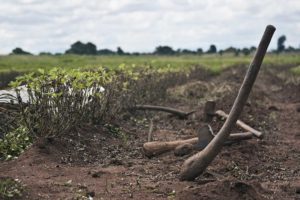
 In rural Malawi, where smallholder farming supports the livelihoods of more than 80% of the population, a new technological tool is empowering Malawian farmers to overcome challenges that once seemed insurmountable. The app Ulangizi, which means “Advice” in the local Chichewa language, is transforming how farmers access critical agricultural knowledge. By harnessing artificial intelligence (AI) and leveraging the widespread use of WhatsApp, Ulangizi is providing essential support to some of the world’s most vulnerable farmers.
The Need for Innovation in Malawian Agriculture
Unpredictable weather patterns, limited resources and a lack of timely access to agricultural expertise deeply impact agriculture in Malawi. The country’s farmers often face issues such as crop diseases, pest infestations and the devastation of climate disasters like Cyclone Freddy, which displaced more than 100,000 people in 2023. The loss of crops, including the crucial soy harvest, left farmers struggling to recover.
In this context, Opportunity International, a Chicago-based nonprofit, saw an opportunity to use AI to offer farmers practical solutions. Ulangizi, the app it developed, connects farmers directly to expert advice, offering them the guidance they need to manage everyday challenges and the unpredictable effects of climate instability.
AI at the Service of Farmers
Ulangizi functions through WhatsApp, a platform already popular in many parts of the world, including Malawi. This accessibility allows farmers to interact with the app through simple messages and receive tailored advice in their native language. The app uses AI tools, including data from ChatGPT and the Malawian government’s agricultural manual, to diagnose crop and livestock problems and suggest solutions.
For example, farmers can take a photo of a sick plant or animal, send it via WhatsApp and receive immediate feedback on the issue and how to address it. In one instance, a Malawian farmer used Ulangizi to identify and treat a health issue with her pigs, preventing further losses. This quick response is invaluable, as traditionally, farmers had to wait days or even weeks, for government agricultural extension workers to visit.
Addressing the Challenges of Rural Connectivity
While Ulangizi is empowering Malawian farmers, it also faces several challenges. In many rural areas, such as Ndodo, smartphones are scarce, with one device sometimes shared among 150 people. Connectivity can also be a significant barrier, as mobile network coverage in these areas is limited and data costs remain prohibitive for many farmers.
However, the nonprofit has designed Ulangizi to work on basic phones, ensuring that even those without access to advanced smartphones can benefit from the service. Opportunity International is also working to overcome these connectivity challenges by collaborating with local networks to improve access to affordable data.
Building Resilience
Malawi’s smallholder farmers are particularly vulnerable to climate-related disasters. In addition to cyclone damage, farmers often face erratic rainfall, droughts and soil degradation. Ulangizi helps farmers build resilience by providing knowledge on better agricultural practices, pest control and disease prevention.
With Ulangizi, farmers can make informed decisions about when to plant, what crops to grow and how to manage soil health. By increasing access to this knowledge, the app empowers farmers to improve yields, reduce losses and ultimately increase their income, making agriculture a more sustainable and reliable livelihood.
A Global Model for Smallholder Farmers
The success of Ulangizi in Malawi has caught the attention of other countries in sub-Saharan Africa, where smallholder farmers face similar challenges. Opportunity International plans to expand the app’s reach, building on the feedback collected during its pilot phase.
Globally, smallholder farmers produce a significant portion of the world’s food. Yet, they often yield far less than their potential due to limited access to resources, knowledge and technology. Ulangizi’s AI-powered approach could help bridge this gap, improving productivity and contributing to global food security.
– Georgia de Gidlow
Georgia is based in Watford, UK and focuses on Technology and Solutions for The Borgen Project.
Photo: Flickr

Foreign Aid to Burkina Faso
A Historical Look At Foreign Aid to Burkina Faso
Since independence from France in 1960, Burkina Faso has relied heavily on foreign assistance. In its early years, foreign aid to Burkina Faso focused on developing agricultural infrastructure. Key projects included irrigation and market development improvements, which were vital for an economy still largely dependent on agriculture, contributing 80% of the population’s income.
In the ’90s, international aid priorities shifted toward democratization and poverty reduction. Contributions from entities like the European Union (EU), the World Bank and the United States Agency for International Development (USAID) supported key development goals. However, by the 2010s, insurgencies in the Sahel region had disrupted these advancements, displacing millions and deepening the humanitarian crisis.
The Current Crisis: A Multifaceted Emergency
The insecurity situation in Burkina Faso, which escalated in the early 2010s, stems from armed conflict, displacement and economic instability. As of 2024, Burkina Faso has experienced increased violence caused by armed groups like al-Qaeda and ISIS-affiliated organizations. According to the United Nations Children’s Fund (UNICEF), targeted attacks on civilians, including worshippers at churches and mosques, have displaced more than 2 million people, including 32,768 children, in the first quarter of 2024 alone.
Terrorism and Displacement
Armed groups have forced families to flee their homes, leaving 2.7 million people in extreme food insecurity. More than one million individuals are trapped in blockaded regions such as Djibo, which is cut off from essential supplies and services. The ongoing violence has disrupted agriculture and livelihoods, further exacerbating the need for foreign aid to Burkina Faso.
Health Care and Education Gaps
The conflict has rendered 426 health facilities nonoperational, depriving more than 4 million people of essential medical care. Vaccination campaigns have reached approximately 3.4 million children, yet gaps remain due to restricted access.
Similarly, education has been severely disrupted, with more than 5,336 schools closed and 823,340 children unable to attend classes. UNICEF has supported the construction of temporary learning spaces, allowing 2,500 displaced children in the Sahel region to resume education while training teachers to manage emergency education needs.
International Humanitarian Response
The international community has mobilized resources to address these crises:
A Way Forward: Strengthening Resilience
While foreign aid to Burkina Faso is essential for immediate relief, the U.N. Conference on Trade and Development suggested sustainable development is critical for long-term recovery. These include diversifying the economy from agriculture and mining through investments in renewable energy and manufacturing. Therefore, as foreign aid to Burkina Faso continues to provide critical relief, the international community must focus on closing financial gaps and addressing structural challenges to ensure sustainable recovery.
– Mmanoko Faith Molobetsi
Photo: Wikimedia Commons
Hunger in Guinea-Bissau
Facts and Figures
Underlying Issues
Development Programs
International organizations are working with the government to reduce poverty and hunger in the country.
Towards A Sustainable Future
Guinea-Bissau faces daunting challenges, including high poverty rates, food insecurity and the impacts of political instability and weather events. However, through collaborative efforts between the government and international organizations and a focus on sustainable development, agricultural resilience and the promotion of food security, Guinea-Bissau can work towards a future where all citizens have access to basic needs and opportunities. Continued commitment and investment from the international community in these areas will be crucial to breaking the cycle of poverty and hunger in Guinea-Bissau.
– Maria Waleed
Photo: Wikimedia Commons
Child Marriage in Colombia: New Law and Future Implications
This law is pivotal considering the previous backlash towards attempts to make a change. While rights groups have campaigned to end the practice of child marriage in Colombia for 17 years, bills were shot down as many representatives of the country’s more than 100 Indigenous communities opposed the bill, The Guardian reports.
The Effects of Child Marriage
Indeed, this law had a detrimental impact on girls seeing as rates of childhood marriage in girls are about three times higher than for boys. Children living in poverty and rural or Indigenous communities are those who were particularly affected, being forced to drop out of school and likely becoming exposed to domestic violence, according to The Guardian. Therefore, child marriage in Colombia and around the world perpetuates the cycle of poverty by possibly preventing those children from seeking an education that may allow them to take up a tertiary or quaternary profession in the future.
Problematically, child marriages were often between girls in poverty and an older partner with economic power. While it is crucial to address child marriage to reduce poverty, it is still “most common in the world’s poorest countries and the poorest households.” Girls from poor families are twice as likely to marry before 18 as girls from wealthier families, and the girls who marry young are more than twice as likely to remain poor.
Food insecurity and malnutrition may lead to child marriage as families with limited food resources may try to marry their daughters to ease food concerns. Moreover, a lack of education can also be a fundamental barrier to the welfare of young girls in low-income communities. Girls with no education are three times as likely to marry by 18 as those with a secondary or higher education.
Positive Future Implications on Poverty
The approval of the law is an important first step toward positive change. It will lead to a national education program that gives young people the tools they need to think about their futures. Therefore, while poverty often exacerbates child marriage, programs that provide families with income-generation opportunities or financial support have the potential to tackle the roots of the problems that led to child marriage from the outset.
These initiatives and the new law could hopefully protect girls from child marriage and facilitate broader efforts to shift social norms. However, while this paves the way for improvements, there is still a long way to go. For example, Plan International stresses the importance of promoting equal rights for girls and adolescents in Colombia.
Overall, while November 2024 marks the beginning of legal change regarding child marriage in Colombia, ongoing efforts are necessary to shift social norms and move focus away from child marriage and into education systems. Child marriage, a byproduct of the economic strain of poverty, means that more work is necessary fix the roots of the problem. Indeed, investing in education systems and providing economic opportunities to impoverished communities can help resolve such issues.
– Amani Almasri
Photo: Flickr
Youth Unemployment in Algeria
Located in North Africa and part of the Maghreb, Algeria has long relied heavily on hydrocarbon revenues, which account for 90% of state income. Like many of its MENA region neighbors, Algeria depends on oil exports, but this reliance has limited job creation, particularly for young people. Rural areas are especially affected, with 29% of Algeria’s 44 million residents living outside urban centers.
The International Fund for Agricultural Development (IFAD) reports that young people in rural areas face higher levels of unemployment and poverty compared to their urban counterparts. Poverty rates are four times higher in rural areas, reflecting stark socio-economic disparities that demand targeted solutions.
The Rural-Urban Divide
In Algeria, a significant disparity exists between poverty levels in rural and urban areas. According to a study by the Economic Research Forum (ERF), young people in rural regions are 3.64 times more likely to live in poverty than those in urban areas, particularly in the north-central part of the country. This disparity stems from limited resources and inadequate infrastructure in rural areas compared to urban centers, which hinders employment opportunities.
Agriculture has traditionally been the primary source of jobs in rural areas, but employment in this sector has declined since 2021, according to the International Fund for Agricultural Development (IFAD). This decline has exacerbated challenges for young people seeking work, particularly in areas lacking proper educational institutions or vocational training centers.
Multidimensional poverty is also more prevalent in rural areas. An ERF study found that in the eastern part of Algeria, 31% of rural residents live in multidimensional poverty, compared to just 8% in urban areas. These socio-economic disparities highlight the urgent need for targeted interventions to address poverty and improve access to education and job opportunities in rural communities.
Government and NGO Efforts
The Algerian government has introduced measures to tackle youth unemployment, including unemployment benefits for young adults. Eligible recipients receive 13,556 dinars (approximately $100) along with medical benefits until they secure employment.
Nongovernmental organizations also play a key role in addressing youth unemployment. Injaz El Djazair, a nonprofit founded in 2010, focuses on encouraging entrepreneurship, enhancing employability and promoting financial literacy among Algerian youth. By 2021, the organization had supported more than 100,000 students and has since expanded its reach to 150,000 students. Injaz offers 20 specialized education programs designed to prepare students for professional success and equip them with essential skills for the job market.
Looking Forward
Youth unemployment in Algeria highlights the pressing need for economic diversification and targeted interventions in rural and urban areas. High poverty rates and limited job opportunities in rural regions have further widened the rural-urban divide, underscoring socio-economic disparities. Government programs and initiatives like Injaz El Djazair aim to bridge these gaps by supporting entrepreneurship, improving employability and equipping young people with essential skills. Addressing these ongoing challenges remains critical to ensuring sustainable economic growth and stability across Algeria.
– Aya Diab
Photo: Flickr
Empowering Malawian Farmers: AI-Driven Agricultural Solutions
The Need for Innovation in Malawian Agriculture
Unpredictable weather patterns, limited resources and a lack of timely access to agricultural expertise deeply impact agriculture in Malawi. The country’s farmers often face issues such as crop diseases, pest infestations and the devastation of climate disasters like Cyclone Freddy, which displaced more than 100,000 people in 2023. The loss of crops, including the crucial soy harvest, left farmers struggling to recover.
In this context, Opportunity International, a Chicago-based nonprofit, saw an opportunity to use AI to offer farmers practical solutions. Ulangizi, the app it developed, connects farmers directly to expert advice, offering them the guidance they need to manage everyday challenges and the unpredictable effects of climate instability.
AI at the Service of Farmers
Ulangizi functions through WhatsApp, a platform already popular in many parts of the world, including Malawi. This accessibility allows farmers to interact with the app through simple messages and receive tailored advice in their native language. The app uses AI tools, including data from ChatGPT and the Malawian government’s agricultural manual, to diagnose crop and livestock problems and suggest solutions.
For example, farmers can take a photo of a sick plant or animal, send it via WhatsApp and receive immediate feedback on the issue and how to address it. In one instance, a Malawian farmer used Ulangizi to identify and treat a health issue with her pigs, preventing further losses. This quick response is invaluable, as traditionally, farmers had to wait days or even weeks, for government agricultural extension workers to visit.
Addressing the Challenges of Rural Connectivity
While Ulangizi is empowering Malawian farmers, it also faces several challenges. In many rural areas, such as Ndodo, smartphones are scarce, with one device sometimes shared among 150 people. Connectivity can also be a significant barrier, as mobile network coverage in these areas is limited and data costs remain prohibitive for many farmers.
However, the nonprofit has designed Ulangizi to work on basic phones, ensuring that even those without access to advanced smartphones can benefit from the service. Opportunity International is also working to overcome these connectivity challenges by collaborating with local networks to improve access to affordable data.
Building Resilience
Malawi’s smallholder farmers are particularly vulnerable to climate-related disasters. In addition to cyclone damage, farmers often face erratic rainfall, droughts and soil degradation. Ulangizi helps farmers build resilience by providing knowledge on better agricultural practices, pest control and disease prevention.
With Ulangizi, farmers can make informed decisions about when to plant, what crops to grow and how to manage soil health. By increasing access to this knowledge, the app empowers farmers to improve yields, reduce losses and ultimately increase their income, making agriculture a more sustainable and reliable livelihood.
A Global Model for Smallholder Farmers
The success of Ulangizi in Malawi has caught the attention of other countries in sub-Saharan Africa, where smallholder farmers face similar challenges. Opportunity International plans to expand the app’s reach, building on the feedback collected during its pilot phase.
Globally, smallholder farmers produce a significant portion of the world’s food. Yet, they often yield far less than their potential due to limited access to resources, knowledge and technology. Ulangizi’s AI-powered approach could help bridge this gap, improving productivity and contributing to global food security.
– Georgia de Gidlow
Photo: Flickr
Protecting People with Disabilities in Gaza
Overview
Before October 7, 2023, 21% of Gazan households reported at least one family member with a disability. This population encompasses approximately 441,000 people, with 98,000 being children between the ages of 2 and 17. The humanitarian needs of these individuals are worsened by ongoing violence, as well as blockades that have restricted access to critical resources.
In addition to pre-existing disabilities in Gaza, the escalating conflict has led to a surge in individuals suffering from injuries that result in permanent disabilities. As of July 2023, the World Health Organization (WHO) estimated that over 22,500 people in Gaza have sustained “life-changing injuries” requiring extensive rehabilitation services, the Human Rights Watch (HRW) reports. These injuries include damage to the peripheral nerve, spinal cord and brain, as well as fractures, burns, and amputation of one or several limbs.
Disabled individuals in Gaza, like those with disabilities worldwide, depend on caregivers or assistive devices to meet their basic needs. Displacement, loss of property and often restricted movement make it increasingly difficult to maintain quality of life.
Organizations Stepping Up
In the face of these challenges, key organizations are working to address the urgent needs of individuals with disabilities in Gaza. These efforts aim to provide critical resources and improve access to humanitarian aid.
In December 2023, Humanity and Inclusion (HI) facilitated the entry of eight trucks loaded with critical aid supplies. Among the delivered items were 300 wheelchairs, 50 wheeled toilets, 250 crutches and 150 crutch tips alongside hygienic supplies, according to the HI website. The organization has been active in the West Bank and Gaza since 1996, working to promote disability inclusion and ensure that disabled individuals are systematically considered in humanitarian efforts.
United Nations Relief Works and Agency (UNWRA) plays a crucial role in promoting disability inclusion, both through direct and indirect services, such as health and rehabilitation services, assistive devices and inclusive education. Its 2023 – 2028 Strategic Plan continuously emphasizes the commitment to programs that meet the needs of persons with disabilities, and between October 7, 2023, and December 9, 2024, UNRWA supported 21,043 disabled persons with Psychosocial Support. Of these individuals, 7,752 received assistive devices and rehabilitation services.
Between October 7, 2023, and November 30, 2024, the International Committee of the Red Cross (ICRC) provided pre-prosthetic rehabilitation services to 179 amputation cases, 80 wheelchairs for individuals with double amputations or paralysis, and served 600 people through the support of the Artificial Limbs and Polio Center (ALPC). It also launched the registration and documentation process for those suffering from permanent disability, registering 2,451 individuals into the system.
Looking Ahead
Despite the substantial challenges that remain, continued advocacy and collaboration between international and local organizations offer a pathway to providing alleviation to those with disabilities in Gaza. By ensuring the integration of disability-specific needs into humanitarian response, organizations can help protect the rights and dignity of those most vulnerable.
– Olivia Young
Photo: Flickr
Tackling Elderly Poverty in Somalia
Since the collapse of Somalia’s central government in 1991, the country has faced decades of civil war and lawlessness. Political instability and ongoing conflict have driven widespread poverty, leaving Somalia as one of the world’s poorest nations. Regarding this, 69% of the population lives below the poverty line, earning less than $2.15 a day. Estimates indicate that the poverty rate among the vulnerable and the elderly ranges between 70% and 80%. As the country’s infrastructure deteriorated, so did its ability to provide services to its vulnerable demographic. Elders, who once held revered position in Somali society, now largely depend on their families for survival. However, widespread poverty among younger generations has weakened these traditional support systems. Instead, international organizations are implementing systems to tackle elderly poverty in Somalia.
Conflict Issues
Years of armed conflict between government forces, militant groups like Al-Shabaab and clan-based factions have caused mass displacement across Somalia. As of 2024, there are more than 3 million internally displaced persons (IDPs) in Somalia. Many elderly individuals, who often lack the physical ability to flee quickly, experience relocation into overcrowded and poorly resourced IDP camps. In these camps, elders endure harsh living conditions with limited access to food, clean water and health care.
Moreover, elderly-headed households are often more susceptible to impacts of violence than households headed by younger people. In contrast, households in the top 20% of the consumption distribution manage to weather these crises better because they typically have savings or alternative income sources. This financial shield allows them to soften the economic shock from terrorist activities and maintain their consumption levels. Consequently, when violence occurs, poverty-stricken elderly individuals suffer more than those in Somalia’s wealthier communities.
Health Care Difficulties
Conflict has decimated Somalia’s already fragile health care system, leaving the population, including the elderly, without essential medical care. However, as the Somali government channels most of its resources into military and security operations, it underfunds and neglects health care facilities. As a result, Somalia faces an alarming doctor-to-patient ratio of 0.4 doctors per 10,000 people.
Environmental Challenges
Somalia has experienced recurring droughts over the past decade, and as of 2024, it grapples with its worst drought in 40 years. With five consecutive failed rainy seasons, Somalia’s agricultural sector has been severely damaged.
Exacerbated by the droughts, heavy rainfall has caused devastating floods in parts of the country. As a result, the World Food Programme (WFP) reports that these environmental disasters killed 4 million livestock and pushed 6.6 million Somalis to crisis levels of hunger. Farmers will take years to restore ruined farmlands and pastures, which puts Somalia in urgent need of humanitarian aid.
Fighting Elderly Poverty in Somalia
“Understanding the magnitude and importance of income shocks, such as drought or conflict, in causing and perpetuating poverty is critical to designing policies aimed at building reliance and contributing toward the goal of ending poverty,” says Utz Pape, lead economist in Poverty and Equity Global Practice at the World Bank Group (WBG). This underscores that to tackle elderly poverty in Somalia, policymakers must address the root causes of these crises by focusing on safety nets and enhancing health care infrastructure.
HelpAge, in partnership with Horn International Relief and Development Organization (HIRDO), are working to provide critical support. They are offering cash assistance to help elderly individuals purchase food and medicines, as many do not receive aid directly and struggle to afford treatment for health conditions. In addition to financial assistance, the initiative also includes referrals for medical care and mental health support to address the physical and psychological toll of poverty crises on older populations. These efforts are crucial as food prices soar and the elderly, who no not have pensions, face increasing hardships.
Additionally, the Somali Help-Age Association (SHAA) has introduced innovative policies and practices with strategies aligned with the Sustainable Development Goals (SDGs) to fight poverty and hunger among vulnerable communities in Somalia. Their efforts specifically target the most at-risk elderly individuals through relief, recovery and development programs. SHAA works to address immediate needs while advocating for basic social, economic and cultural rights of elderly people. As a result of their initiatives, SHAA has reduced hunger by providing food vouchers and cash relief to elderly and disabled individuals living in IDP camps and rural areas. This approach successfully met 60% of the elderly’s immediate needs, making a substantial impact on their survival and well-being.
Looking Ahead
By aligning emergency relief with long-term development, Somalia can make progress toward reducing elderly poverty and achieving broader eradication goals. These efforts not only respond to immediate challenges but also work to break the cycle of poverty that entraps vulnerable communities.
– Nour Mostafa
Photo: Flickr
Intergenerational Poverty: From Childhood to Adulthood
The Impact of Poverty on Child Brain Development
Early childhood development is particularly vulnerable to the effects of poverty. A significant portion of brain formation occurs in the first six years of life and living in impoverished conditions can disrupt this critical process. According to Very Well Mind, children raised in poverty often face developmental delays caused by stress, lack of resources and unstable living conditions. On a neurological level, children may experience reduced white and gray matter volume, which affects memory, movement, emotions and cognitive information processing. Mentally, children in poverty are at a higher risk of developing conditions such as anxiety and depression, which can persist into adulthood.
Poverty’s Long-Lasting Effects Into Adulthood
Studies reveal that the longer a child lives in poverty, the greater their likelihood of remaining in poverty as an adult. A study published in Frontline found that children who experienced poverty for 8 to 14 years were significantly more likely to face economic hardship between the ages of 20 and 25.
Reports from the Urban Institute reveal that only a small percentage of children in poverty complete their education. High school graduation rates are notably lower among children raised in poverty compared to their more affluent peers, limiting their opportunities for higher education and better-paying jobs. Physical health is another area heavily impacted. Poor families often live in unsafe housing, increasing risks of accidents, injuries and chronic health issues such as heart disease. Children from impoverished backgrounds are more likely to suffer from poor nutrition, reduced health care access and long-term medical complications.
Solutions for Breaking the Cycle
Addressing intergenerational poverty requires both immediate relief and long-term strategies. A report titled A Roadmap to Reducing Child Poverty emphasizes the importance of providing parents with financial resources to meet their children’s basic needs. By alleviating parental stress, children are given better opportunities to thrive. However, experts also stress the need for sustainable programs that focus on health, education and long-term well-being.
5 Organizations Fighting Poverty Globally
Several organizations are working globally to address poverty and its long-term effects:
These organizations play critical roles in combating the many forms of poverty, offering both immediate assistance and sustainable pathways to self-sufficiency.
Looking Ahead
Breaking intergenerational poverty involves targeted interventions that prioritize children’s development and family stability. Effective strategies address systemic challenges while empowering communities through education, health care and economic opportunities. By combining immediate aid with sustainable solutions, global initiatives play a crucial role in fostering long-term change. These ongoing efforts offer hope for a future where poverty no longer determines the opportunities and outcomes of successive generations.
– Sadie Treadwell
Photo: Flickr
5 Facts About Disability and Poverty in Uzbekistan
5 Facts About Disability and Poverty in Uzbekistan
Other Considerations
Alongside these five facts about disability and poverty in Uzbekistan, the country has recently been doing more to protect and give more opportunities for people with disabilities to participate in life. Universities give admission preference to students with disabilities. This is starting to show signs of improving disability and poverty in the country, with students having more opportunities than before.
However, activists across the country are disgruntled with the slow adoption of the law. Many wish more could be done to change the culture of pity toward people with disabilities. The infrastructure for equal facilities for people with disabilities is not yet in place and people still feel stigmatized from participating in events like elections or festivals. Although the International Day of Persons with Disabilities is celebrated like a holiday, activists in the country believe the day should be more about educating people about disabilities.
Looking Ahead
Together, these five facts about disability and poverty in Uzbekistan paint a picture of a country that is trying to bring reforms that bridge the gap between people with disabilities and people without disabilities. Although the reforms have happened within the last five years, Uzbekistan has shown willingness to improve conditions for its people.
– Julius Millan
Photo: Flickr
Generational Poverty in Bangladesh: The Role of Education
However, research shows that education can and does break poverty cycles. UNESCO-led research has proven that 171 million people worldwide could escape extreme poverty by completing secondary education. Education is pivotal in transforming the cycle of generational poverty and hunger. Education is a crucial lever for economic improvement and social change. It provides individuals with skills and knowledge to secure a better livelihood for families combating poverty. Early childhood education is among the best options for tackling long-term and generational poverty. The impact of foundational learning has long-term success and breaks poverty from an early age. Bangladesh has made significant growth in terms of early childhood education and development.
Generational Poverty in Bangladesh
Although Bangladesh has made great strides in combating poverty, half of the population is “vulnerable to poverty.” Economic growth has contributed to poverty reduction but has slowed down; between 2010 and 2016, GDP growth rapidly increased while poverty reduction decreased. The change in economic sectoral composition further explains the progress in poverty reduction across Bangladesh.
In addition, urban areas saw minimal progress in reducing poverty, while other areas in Bangladesh were making significant progress. In urban areas across Western Bangladesh, there has been significantly faster progress in reducing family size and access to education. Rural and remote areas face school shortages, infrastructure and trained teachers. Children in these areas often lack access to quality education.
Many impoverished families cannot afford education costs, such as tuition, books and transportation. Therefore, child labor, especially amongst young boys, has remained a common practice. Families rely on income from their children’s labor to survive. According to a UNICEF report, 51% of women in Bangladesh were married before turning 18, and around 18% are under the age of 15. With young women in Bangladesh, there is a clear link between schooling and early marriage. The encouragement of girls to pursue motherhood rather than education is high; many cannot attend school because of pressure and financial incapability.
Government and NGO Initiatives
The government of Bangladesh provides free and compulsory primary education for all. This initiative has increased enrollment rates significantly from 80% in 2000 to 98% in 2015. The government also financially supports families who are in extreme poverty. UNICEF states that “more girls are going to school and staying in school than ever before.”
BRAC offers free non-formal education for students. This initiative focuses on providing children with schooling, those specifically not in government education or private schools. The organization supports “about 23,000 schools across all 64 districts and has 700,000 students enrolled in Bangladesh.”
Moreover, the Employment Generation Program for the Poorest, a government-led initiative supported by the World Bank, significantly reduced poverty and improved household resilience in Bangladesh. It also provided vital short-term employment for people during critical periods, particularly focusing on helping vulnerable rural populations.
Conclusion
Education is a powerful tool for breaking the cycle of generational poverty in Bangladesh. Through government’s and NGOs’ efforts to improve socio-economic conditions, education can transform individuals and entire communities. However, to fully solve the issue of generational poverty, challenges must be addressed on a deeper scale, through sustained investments and policies.
– Gufran Elhrari
Photo: Unsplash