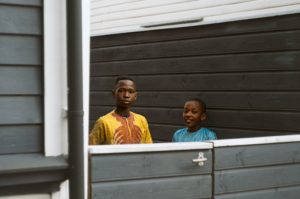
 Tensions within the military government of Sudan escalated into full-scale civil war in April 2023. The country, which had started recovering and rebuilding after earlier civil wars, now faces a deepening humanitarian crisis as a result of recent conflict. This conflict has triggered mass displacement across Sudan, forcing hundreds of thousands of people to flee their homes. Most of these displaced people have sought safety in neighboring countries, including Libya, South Sudan and Chad, where they reside in large refugee camps, according to the United Nations Refugee Agency.
Sudanese Refugees in Chad
Among Sudan’s neighboring countries, Chad has taken in the largest number of Sudanese refugees, by a notable margin. Since the outbreak of the Sudan civil war, more than 870,000 refugees have fled to Chad. Libya and South Sudan, the countries hosting the second and third highest number of Sudanese refugees, each host slightly above 300,000 refugees.
Sudanese refugees in Chad typically settle in camps along the country’s eastern border. There, they join thousands of others, some of whom have been living in these camps for nearly 20 years, according to the Hebrew Immigrant Aid Society. A significant majority of refugees living in these camps are women and children, populations especially vulnerable in a wartime environment.
Refugee camps in Chad shield Sudanese refugees from warfare, yet living conditions within the camps are far from comfortable. Most refugees live in inadequate, makeshift shelters, which often lack necessities such as latrines, according to World Vision. Camps also lack necessary food supplies, meaning a significant number of children suffer from malnutrition.
Family separation is also an issue for many Sudanese refugees in Chad. This, paired with insufficient health care and education services within camps, takes a toll on refugees, especially children. However, multiple nongovernment organizations (NGOs) have committed to helping improve conditions within refugee camps in Chad, fostering hope for thousands of displaced persons. Below are three NGOs committed to helping Sudanese refugees in Chad:
International Medical Corps
The International Medical Corps (IMC) began its work in Chad after the 2004 Darfur genocide, a campaign marked by the indiscriminate killing of thousands of civilians by the Sudanese government and Janjaweed militia. Although operations in Chad were paused by the IMC in 2020, support recommenced in 2023 following the renewed outbreak of violence in Sudan.
IMC response teams now provide critical support to Sudanese refugees in Chad, focusing primarily on nutrition and health care. Nutrition services focus on supporting vulnerable groups, especially children aged less than 5 and pregnant women. In addition to basic health care, IMC programs include maternal and newborn health services, as well as mental health and psychosocial support. These mental health services are often overlooked in crisis settings, yet play an important role in the recovery of displaced persons.
Doctors Without Borders
Doctors Without Borders, also known as Médecins Sans Frontières (MSF), launched a major response to support Sudanese refugees in Chad after fighting resumed in April 2023. As the refugee population continues to grow, MSF has repeatedly scaled up its health care operations to meet increasing needs.
MSF currently provides medical services across several locations in Chad, including Adré, Goungour and Kourfoun. In June, due to an overwhelming amount of Sudanese refugees at the Adré hospital in need of surgical attention, MSF deployed a 200-bed inflatable hospital to help manage patient overflow.
In addition to surgical health care, MSF offers pediatric services, treatment for victims of sexual violence, mental health support and a range of vaccination programs. With the help of Chad’s Ministry of Health, the organizations recently conducted large-scale measles vaccination campaigns. It continued to work to improve routine vaccination programs for Sudanese refugees in Chad.
Jesuit Refugee Services
Due to harsh living conditions and the continuous influx of displaced people, access to quality education remains a major challenge for children in Chad’s refugee camps. Jesuit Refugee Service, the leading NGO in the education sector in these camps, works to make education more accessible for displaced children in Chad.
JRS offers a range of educational services, including preschools, nurseries and primary and secondary education. Thanks to its strong relationship with local authorities and the Minister of Education, JRS has also begun integrating camp-based schools into the Chadian public education system.
Collaborations between JRS and Chad’s University of Abéché have created opportunities for refugee students to earn national teacher certifications. This initiative not only provides refugees with access to higher education but also helps foster a new generation of educators to address the shortage of teachers within the camps.
Final Remarks
While conditions remain difficult for Sudanese refugees in Chad, the work of organizations like IMC, MSF and JRS offers critical support and hope. Increased international attention and aid may be essential to meet the growing needs of this vulnerable population.
– Jordan Venell
Jordan is based in Edina, MN, USA and focuses on Good News and Global Health for The Borgen Project.
Photo: Unsplash

Examining the Gender Wage Gap in Yemen
Yemen’s 2014 Civil War
Yemen’s civil war, a conflict that began in 2014, occurred when the Houthi rebels, a Shiite group, seized the capital of Yemen, demanding economic reforms and political change. This invasion escalated into a civil war, in which regional powers such as a Saudi-led coalition became involved, leading into a decade-long civil war that is currently ongoing. This continuous turmoil has left Yemen unstable and has led the international community to declare Yemen as “the world’s worst humanitarian crisis,” as more than 21 million Yemenis face dire need for assistance due to famine and disease.
This conflict has devastated poverty levels and caused a health decline due to inaccessible health services, affecting the citizens in Yemen, particularly women. With limited access to education and employment, women often face exclusion from formal income opportunities, widening Yemen’s gender wage gap.
The Outcome of Yemen’s Civil War
A sociological survey released in 2024 by UIN Sunan Gunung Djati Bandung in Indonesia revealed that 47% of Yemeni women experience gender discrimination at work. This discrimination further hinders job prospects for women and decreases workforce participation, therefore increasing the rate of the gender wage gap in Yemen and exposing the disproportionate hardships women face.
Due to widespread poverty from lack of resources, women face fewer job opportunities when compared to their male counterparts. Consequently, only 55% of women are unemployed, while men have a rate of only 25%, as stated by a labor force survey conducted by the International Labour Organization (ILO) in 2015.
However, despite the damage the conflict has inflicted on women’s position in society and in the workforce, U.N. Women indicated significant increases in women’s presence in the public sphere, as they have become more active in public life and have sought employment, improving the overall status of women.
The Government’s Efforts To Diminish Inequality
While the current state of Yemen has caused a large economic disparity for women, efforts remain in place to improve such disparities. The Government of Yemen has approved initiatives to develop women’s health and strategies to diminish Yemen’s wage gap, such as ratifying the Convention on the Elimination of All Forms of Discrimination against Women (CEDAW) in 1984 and the Convention on the Rights of the Child (CRC) in 1991.
CEDAW is an international treaty that defines what is deemed as discriminatory against women and sets an agenda for national action to end such discrimination. Since its establishment, CEDAW has encouraged a reconsideration of Yemeni’s laws, such as early marriage, child labor and women’s political participation, allowing for the engagement of women not only in the workforce, but to uphold a greater position in society.
The CRC is an international human rights treaty, providing rights for children and guaranteeing education and health care that support the well being of children. It has encouraged education among the youth, especially girls, which increases the likelihood of their involvement in the workforce, decreasing the unemployment rate for women. The CRC aims to decrease gender inequality, which in return supports women’s involvement in the workforce.
The UNDP Strategic Plan
Alongside governmental intervention, UNDP has initiated forward-looking efforts, such as the UNDP Strategic Plan effective through 2023-2025, aiming to assist a variety of countries, including Yemen. UNDP has outlined several strategic approaches including:
Looking Ahead
Although war has undeniably damaged the nation and its citizens, continued support from organizations and international efforts remains imperative to begin building a more equitable society, shrinking the gender wage gap in Yemen, presenting expanded resources and providing essential opportunities without excluding women.
– Lojine Goumaa
Photo: Flickr
3 NGOs Helping Sudanese Refugees in Chad
Sudanese Refugees in Chad
Among Sudan’s neighboring countries, Chad has taken in the largest number of Sudanese refugees, by a notable margin. Since the outbreak of the Sudan civil war, more than 870,000 refugees have fled to Chad. Libya and South Sudan, the countries hosting the second and third highest number of Sudanese refugees, each host slightly above 300,000 refugees.
Sudanese refugees in Chad typically settle in camps along the country’s eastern border. There, they join thousands of others, some of whom have been living in these camps for nearly 20 years, according to the Hebrew Immigrant Aid Society. A significant majority of refugees living in these camps are women and children, populations especially vulnerable in a wartime environment.
Refugee camps in Chad shield Sudanese refugees from warfare, yet living conditions within the camps are far from comfortable. Most refugees live in inadequate, makeshift shelters, which often lack necessities such as latrines, according to World Vision. Camps also lack necessary food supplies, meaning a significant number of children suffer from malnutrition.
Family separation is also an issue for many Sudanese refugees in Chad. This, paired with insufficient health care and education services within camps, takes a toll on refugees, especially children. However, multiple nongovernment organizations (NGOs) have committed to helping improve conditions within refugee camps in Chad, fostering hope for thousands of displaced persons. Below are three NGOs committed to helping Sudanese refugees in Chad:
International Medical Corps
The International Medical Corps (IMC) began its work in Chad after the 2004 Darfur genocide, a campaign marked by the indiscriminate killing of thousands of civilians by the Sudanese government and Janjaweed militia. Although operations in Chad were paused by the IMC in 2020, support recommenced in 2023 following the renewed outbreak of violence in Sudan.
IMC response teams now provide critical support to Sudanese refugees in Chad, focusing primarily on nutrition and health care. Nutrition services focus on supporting vulnerable groups, especially children aged less than 5 and pregnant women. In addition to basic health care, IMC programs include maternal and newborn health services, as well as mental health and psychosocial support. These mental health services are often overlooked in crisis settings, yet play an important role in the recovery of displaced persons.
Doctors Without Borders
Doctors Without Borders, also known as Médecins Sans Frontières (MSF), launched a major response to support Sudanese refugees in Chad after fighting resumed in April 2023. As the refugee population continues to grow, MSF has repeatedly scaled up its health care operations to meet increasing needs.
MSF currently provides medical services across several locations in Chad, including Adré, Goungour and Kourfoun. In June, due to an overwhelming amount of Sudanese refugees at the Adré hospital in need of surgical attention, MSF deployed a 200-bed inflatable hospital to help manage patient overflow.
In addition to surgical health care, MSF offers pediatric services, treatment for victims of sexual violence, mental health support and a range of vaccination programs. With the help of Chad’s Ministry of Health, the organizations recently conducted large-scale measles vaccination campaigns. It continued to work to improve routine vaccination programs for Sudanese refugees in Chad.
Jesuit Refugee Services
Due to harsh living conditions and the continuous influx of displaced people, access to quality education remains a major challenge for children in Chad’s refugee camps. Jesuit Refugee Service, the leading NGO in the education sector in these camps, works to make education more accessible for displaced children in Chad.
JRS offers a range of educational services, including preschools, nurseries and primary and secondary education. Thanks to its strong relationship with local authorities and the Minister of Education, JRS has also begun integrating camp-based schools into the Chadian public education system.
Collaborations between JRS and Chad’s University of Abéché have created opportunities for refugee students to earn national teacher certifications. This initiative not only provides refugees with access to higher education but also helps foster a new generation of educators to address the shortage of teachers within the camps.
Final Remarks
While conditions remain difficult for Sudanese refugees in Chad, the work of organizations like IMC, MSF and JRS offers critical support and hope. Increased international attention and aid may be essential to meet the growing needs of this vulnerable population.
– Jordan Venell
Photo: Unsplash
Everything To Know About the Gender Wage Gap in Botswana
Wage Differences
The World Statistics Congress has reported that women in Botswana earn 82.3% of the male average earnings each month. Male citizens earn 17.7% more than their female coworkers, which creates a gender inequality.
According to the World Bank, the Botswana government has commented that it wants to work towards gender equality. In 1996, Botswana supported the UN convention on the Elimination of All Forms of Discrimination against Women. Botswana has also implemented the Economic Inclusion Act of 2021, which aims to help women and targeted citizens contribute to the country’s economic growth.
Legal Acts
Botswana has implemented some Acts to try and combat the challenges that women face. One of these is the Domestic Violence Act of 2008, which makes domestic violence a criminal offence and helps victims to receive protection. Another piece of legislation in favor of women’s rights is the Abolition of the Martial Power Act of 2004, which abolished the legal right that a husband had over his wife in marriage.
Botswana has not taken any legal action to protect women from the gender wage gap in Botswana. It still needs to legally address issues such as maternity leave and protecting women from harassment in their jobs.
The government has shown their support for women in the workplace by supporting programs such as the Women’s Economic Empowerment programme. Oxfam’s program promoted gender equality and aimed to make sure that people valued women’s work.
Disparities for Women in Employment
Since 1991, vulnerable employment for women has increased in Botswana, as the World Bank reported. Vulnerable employment for women can lead to a lack of social protection and leaves them more at risk of falling into poverty. Among women, vulnerable employment is 29.4%.
The labor force participation rate for women in 2024 compared to men is less, which could be due to gender-based discrimination. The labor force participation is 73.4% for men and 63.8% for women. However, these statistics are an increase from 1990 statistics.
EntreprenHER Programme
The EntreprenHER programme is an initiative that is in partnership with De Beers Group and UN Women South African Multi-Country Office. The EntreprenHER programme wants to boost women-owned micro-enterprises across three years until 2026. The program will be across three southern African countries, which are Botswana, Namibia and South Africa. EntreprenHER wants to coach 1,500 women entrepreneurs by 2026.
This is a move in the right direction for the closing of the gender wage gap in Botswana since it gives women more training to become their own entrepreneurs. Botswana currently has overtaken targets and now has 159 women with capacity building in Improve Your Business training.
A participant of the program from Botswana, Lemogang Bathobasele, who owns a business called Car Diagnosis Solutions & Repairs and is a mechanic, has said, “I look forward to implementing what I learned this week and growing my business to hire more women electricians.”
Women’s participation in male-dominated fields helps Botswana become closer to achieving gender equality since this program gives them opportunities in the field that they may not have had otherwise.
Education and Opportunities
Human Development reports have noted the inequality between men and women in Botswana. Parliament comprises 8.5% women and 91.5% men. This demonstrates the lack of opportunities women receive compared to men which widens this issue of the gender wage gap in Botswana.
Girls in Botswana have a higher rate of completing lower secondary education, with 90.3% of girls as of 2022 completing lower secondary education compared to boys, which is 86%. This could be considered a move forward with girls receiving their education, which can help them to obtain better-paying jobs.
The World Bank has stated that many poorer and less educated women work in the private sector but also unpaid family work. This illustrates how women in poverty are more susceptible to the gender wage gap in Botswana.
Bridging the Gap
While Botswana is actively making changes to their country and creating legal acts to improve women’s rights, it is evident that there is still further to go to close the gender wage gap in Botswana. With the help of programs like EntreprenHER, Botswana will be able to work towards a closer bridge in the gender wage gap.
– Alice Haston
Photo: Unsplash
Reducing Poverty in Laos
A National Commitment To Ending Poverty in Laos
The government of Laos has embedded poverty reduction into its core national development agenda. Through the National Growth and Poverty Eradication Strategy (NGPES), the country has aimed to reduce poverty rates and build a self-reliant economy since 2003. The latest five-year socioeconomic development plan continues this vision with a renewed focus on green and sustainable development.
Several districts, including Xay in Oudomxay, Xieng Ngeun in Luang Prabang and six in Champasack Province, have been officially declared “poverty-free.” They met benchmarks for infrastructure, clean water, health care and education. In 2024 alone, 31,232 families were lifted out of poverty, achieving 89% of the annual goal.
Investing in Infrastructure for Poverty Reduction in Laos
Physical infrastructure plays a pivotal role in reducing poverty in Laos. Road networks, railways, clean water access and health care centers directly improve rural livelihoods. In Xay District, 95% of residents now have access to clean water and major infrastructure investments have made 79 of its 94 villages poverty-free.
The government has also expanded the Village Development Fund, distributing 500 million Lao kip (approximately $23,00) per district to support rural families. Targets for 2025 include lifting 100,000 families, 1,000 villages and 25 districts out of poverty.
Partners Drive Development
Key multilateral institutions, namely the World Bank, Asian Development Bank (ADB) and the United Nations Children’s Fund (UNICEF), are instrumental in reducing poverty in Laos. These partners provide direct financial aid and help the nation build systems that can sustain long-term development.
The World Bank’s Community Livelihood Enhancement and Resilience (CLEAR) Initiative targets 450 rural villages with small-scale infrastructure projects and resilience-focused interventions. In parallel, the $37 million Reducing Rural Poverty and Malnutrition Project focuses on cash transfers and nutrition support for more than 85,000 people.
UNICEF supports Laos in strengthening its social protection systems. Since 2020, the National Social Protection Strategy has aimed to ensure all citizens’ access to health care, social security and welfare. Programs like the Mother and Early Childhood Grant provide monthly payments to low-income mothers, directly supporting child nutrition, education and health.
Furthermore, the ADB’s gender-responsive graduation approach helps ultra-poor households transition into sustainable livelihoods. The ADB also invests $65.8 million in Laos’ agrifood system to improve climate resilience, nutrition and household incomes, focusing on export-driven crops like bamboo, tea and coffee.
Economic Growth vs. Debt Burden
While Laos’ gross domestic product (GDP) grew 4.1% in 2024 and inflation dropped to 8.3% by May 2025, economic progress is threatened by high debt. Public debt is roughly 99% of GDP, with China being the largest creditor. Much of this debt is tied to infrastructure projects meant to transform Laos into a “land-linked” economy. However, these projects, like hydropower and railways, have delayed profitability, complicating the nation’s fiscal outlook.
Green Growth for a Sustainable Future
Laos’ National Green Growth Strategy till 2030 seeks to balance environmental protection with poverty eradication. The plan emphasizes clean infrastructure, vocational training for women, organic farming and green urban planning. This holistic approach ensures that poverty reduction in Laos aligns with climate resilience and inclusive economic growth, which are key for a lasting development transition.
Laos is making significant strides toward its 2026 LDC graduation goal with strong indicators of success in rural development, international collaboration and infrastructure investment. Still, deep structural challenges, particularly high debt, could slow progress.
– Cameron Jones
Photo: Flickr
Flood-Resistant Homes in Bangladesh Are Saving Communities
While the climate crisis demands international cooperation, local innovators in Bangladesh are taking action by developing affordable, flood-resistant housing to combat displacement and poverty. These low-cost, climate-resilient homes are helping protect communities once devastated by extreme weather events.
The Flooding
Millions of people across Bangladesh, India and Nepal have been affected by flooding. This crisis is projected to worsen in the coming years. These disasters not only force families to abandon their homes and seek refuge in temporary shelters, but also contribute to the rapid spread of disease due to the unsanitary conditions of contaminated floodwaters.
The impact is devastating, with families reporting the loss of everything, from their homes and financial assets to, tragically, loved ones. Beyond the personal toll, these disasters have broader socioeconomic consequences, as local economies in Bangladesh suffer from reduced productivity and long-term disruption.
A New Home
Local Bangladeshi engineers and entrepreneurs are now designing flood-resistant homes as a way to adapt to recurring floods. Recognizing that reversing the climate crisis is a daunting challenge, many are choosing to develop practical, community-driven solutions instead.
One famous architect in Bangladesh has developed a two-story housing solution built on bamboo stilts. While cyclones are short-lived, many floods in Bangladesh can last for months, making it essential to design homes that can endure prolonged flooding.
Known as “Khudi Bari” or “tiny house,” these low-cost flood-resistant homes in Bangladesh save communities through cheap yet effective construction, ranging up to $450 per build. Each home is also mobile, meaning it can be moved from one location to another, aiding these families when time matters the most.
A Short Yet Great Solution
Addressing climate-related disasters is a monumental and challenging task. Yet, low-cost flood-resistant homes in Bangladesh are playing a vital role in helping communities remain resilient amid the ongoing crisis. Thanks to these homes, families can now focus on rebuilding their lives. Parents can work to support their children and children can continue their education in a safe, stable environment. It may not be ideal, but it offers the best possible outcome in the face of adversity.
In addition to securing a future for vulnerable communities, these low-cost flood-resistant homes in Bangladesh also create jobs for local workers and artisans. The initiative is strengthening local economies and benefiting the region by sustaining livelihoods and generating new employment opportunities. Tackling the climate crisis is undeniably complex and filled with challenges. Yet, these homes make a tangible difference, strengthen communities, create jobs and set an example for other climate-vulnerable regions.
– Kallen Zhou
Photo: Wikimedia Commons
3 Facts About Disability and Poverty in Guatemala
The Correlation Between Disability and Poverty in Guatemala
Only 15% of the 2 million Guatemalans with disabilities in 2005 earned an income. Furthermore, 66% of Guatemalans with disabilities at that time belonged to indigenous groups, disproportionately representing the indigenous citizens who only comprise 40% of Guatemala’s population. Disability and poverty in Guatemala affects the nation’s most marginalized communities.
International interest in defeating disability and poverty in Guatemala largely focuses on the nation’s unique demography. The country is home to the largest population in Central America and the largest proportion of indigenous citizens, simultaneously boasting the largest economy. With a young, emerging population and a high proportion of impoverished, disabled, and indigenous citizens, the world is fighting for Guatemala’s future. Here are three facts about disability and poverty in Guatemala.
1. Guatemala Is Fighting Poverty Fiercely
Guatemala has one of the fastest growing demographic rates in the region, with approximately 52% of the nation under 20 years of age. In part due to the country’s demographic characteristics, numerous groups are fighting poverty on the ground, like the European Commission, USAID, Japan International Cooperation Agency, Spanish Agency for International Development Cooperation, the Swedish International Development Agency and the United Nations System (like UNICEF). There is strong international interest in supporting Guatemalan security, particularly in the rule of law and development of structural economic equity across all groups.
In 2021, the United Nations Country Team in Guatemala (UNCT) sought to improve the visibility of Guatemalans with disabilities in public policy by performing an “in-depth analysis of disability inclusion.” The report highlighted how persons with disabilities in Guatemala often go unnoticed in public policy considerations. For example, UNCT discovered that data collection in the nation often excludes those with disabilities, and pledged to help solve this issue by aiding in the creation of a “national database of persons with disabilities.” It also launched a 15 day social media campaign with the tag “#YoMeSumo” before the International Day of Persons with Disabilities in 2021 to focus global attention on the issue through the personal stories of Guatemalans with disabilities. Funding such efforts enables persons suffering from disability and poverty in Guatemala to become equal and active members of society.
2. WHO/PAHO Are Fighting To Include People With Disabilities
Within the World Health Organization (WHO), the Pan American Health Organization (PAHO) office in Guatemala partnered with the Guatemalan Association for Persons with Disabilities (AGPD) to make national policy more inclusive. The WHO’s COVID-19 Solidarity Response Fund funded this, disbursing relief to 40 countries in total with the aim of establishing equitable response and recovery strategies. This Fund helped establish the “National Technical Roundtable for Strengthening the Inclusion of Persons with Disability in Health Risk Management,” and the Ministry of Health of Guatemala formalized it in 2022 as Guatemala’s first permanent Health and Risk Management tool aimed at improving the health of people with disabilities.
The national defense budget requested by the United States in the FY 2020 Budget Overview report was $718.3 billion. From 2020 to 2022, WHO raised $256 million dollars from contributors for the Solidarity Response Fund, or .03% of the 2020 defense budget. Guatemala received only a fraction of that total from WHO’s Fund, significantly impacting disability rights in one country with a small portion of funding.
3. Disability Rights in Guatemala Still Need Progress
The government funding provided to Guatemala through international cooperation does not always go to people with disabilities or their families. Some funds get directed to facilities that intentionally segregate children and adults with and without disabilities. A significant portion of institutional funding, for organizations like orphanages and psychiatric facilities, is thus rendered through payments in tourism packages for volunteers. People with disabilities in Guatemala living in poverty are often left isolated as a result, with a lack of access to resources and support.
Guatemala has achieved growth in this area. The 85% of individuals in 2005 with disabilities who did not earn an income and thus lived in poverty or extreme poverty declined to around 10% in 2020-21, according to the Pan American Health Organization.
Looking Ahead
With a growing international sentiment for vulnerable populations, alongside international cooperation and stability, progress is occurring for those facing disabilities in impoverished areas. It is becoming increasingly clear that poverty cannot be solved without specifically addressing the needs of those burdened by impairment. Disability increases the likelihood of individuals sinking into poverty, and a lack of resources hinders people with disabilities from accessing health care, education, and income. Efforts are slowly addressing disability and poverty in Guatemala as one interconnected issue.
– Shea Michael Wildes Dickson
Photo: Unsplash
Addressing Diseases Impacting South Africa
Communicable Diseases
The three most prevalent communicable diseases impacting South Africa are malaria, tuberculosis (TB) and HIV/AIDS. Malaria mitigation strategies have been largely successful. In line with the 2021 Global Technical Strategy (GTS) for Malaria, WHO found that the number of South Africans at risk dropped to a low 10% of the population that same year. In South Africa, particularly the Kwazulu-Natal district, which contains one of the highest incidence rates of TB around the world, TB impacted 427 of 100,000 people in 2023. Positively, this incidence rate has fallen since 2021, where TB affected 512 per 100,000 citizens.
Following the United Nations (UN) AIDS 95-95-95 target, South Africa has also made promising strides in HIV/AIDS mitigation. Though 2023 figures show that 16.3% of South Africans are living with HIV, screenings and treatment have improved. Striving towards this 95-95-95 UN target, 94% of South Africans living with HIV knew their diagnosis, 79% were receiving treatment and 91% were being virally suppressed in 2021.
Non-Communicable Diseases
The other half of diseases impacting South Africa are non-communicable diseases (NCDs) including cardiovascular disease, chronic respiratory disease, cancer and diabetes. In 2021, the collective incidence rate for these particular NCDs stood at 1,301 per 100,000 people. Obesity, which increases the risk for these NCDs, represents another health indicator impacting South African morbidity. Along with WHO’s other findings, it found that 30.8% of the adult population suffered from obesity in 2022, up from 2021.
Health System
The national healthcare system mainly initiates response to diseases impacting South Africa. The Department of Health’s inadequate health care response is typically pinpointed to policy carried over from the nation’s apartheid era. After the 1994 end to apartheid law, the government faced the ongoing challenge of restructuring the health care system. Despite this, the WHO has projected that 6.2 million citizens should experience universal health coverage by the end of this year. This number represents a steady, sharp increase from 2021 where only 1.8 million retained universal health care access.
Impact of Poverty
A 2023 study conducted with support from the South African government articulated that HIV, one of the most nationally prevalent communicable diseases, affects those living in townships twice as severely as those living elsewhere. Townships are South African neighborhoods inhabited primarily by those experiencing poverty. The study found that socioeconomic factors like access to stable housing and quality education do increase the odds of HIV infection and reduce the likelihood of access to testing and care. The researchers recommended a mitigation strategy that includes policy towards improving education and living quality.
Another national study from 2021 asserted that to address the reality of health care inaccessibility due to societal inequities, there needs to be cohesive efforts from multiple actors. The study calls on the necessity of both government and non-state intervention.
Doctors Without Borders
One international organization working diligently against the spread and prevalence of disease in South Africa is Doctors Without Borders (MSF). With the United States currently slashing its funding of South Africa’s TB and HIV/AIDS research programs, MSF has been vital in calling upon international donors, organizations and philanthropists to direct funds towards these life-saving research initiatives. Actors like the South African Department of Health and MSF rely on these funds to help develop promising vaccines and treatments for those experiencing these diseases impacting South Africa.
In addition to MSF’s TB and HIV/AIDS research, where funding is unsteady, it recently introduced a new project aimed at addressing South African NCDs. In collaboration with South Africa’s Department of Health, MSF has been training health care organizations across the Eastern Cape province of Butterworth. Reaching more than 1,500 people within the region, the project has increased the screening and medical management of NCDs like diabetes and hypertension.
Progress
Though funding cuts from the United States have caused uncertainty about the future of national research and mitigation response, strides in health care coverage and the involvement of organizations like the MSF are promising for the future of eliminating the diseases impacting South Africa. National initiatives for screening and improvements in treatment technologies have greatly improved and have been key in addressing and reducing incidence rates, particularly for the highly prevalent TB. In 2019 alone, testing for TB caused a 28% reduction in incidence.
With organizations and donors allocating funds towards national efforts to fight disease, South Africa will further mitigate the spread and prevalence of such harmful illnesses, particularly for those living in poverty.
– Piper Aweeka
Photo: Unsplash
Innovations in Poverty Eradication in Ecuador
Life for those in poverty often involves insecure employment, inadequate housing, poor sanitation and higher rates of child malnutrition. Informal employment is widespread, with 58% of workers lacking formal protections, and access to health care and education remains limited in rural areas. Women, Indigenous peoples and youth are especially vulnerable. These systemic inequalities highlight the urgent need for targeted innovations in poverty eradication.
Social Entrepreneurship and Economic Empowerment
One prominent example of impact-driven entrepreneurship is Salinerito, a collective enterprise based in Salinas de Guaranda. Since the 1970s, this network of more than 20 cooperatives has generated sustainable income by producing cheese, chocolate and alpaca wool textiles. What sets Salinerito apart is its commitment to reinvesting profits in community services, such as funding schools, health clinics and microfinance programs, to uplift entire local economies and foster a solidarity-based growth model.
Another success is the Bio Warmi initiative, a women-led cooperative based in the Napo province of Ecuador’s Amazon region. Launched in 2018 by the Ministry of Environment, Water and Ecological Transition, in partnership with the United Nations Development Programme (UNDP) and the Global Environment Facility (GEF), Bio Warmi empowers Indigenous Kichwa women to grow native medicinal plants and transform them into certified organic cosmetic and wellness products. The initiative forms part of Ecuador’s broader transition to a green and inclusive economy. By leveraging Ecuador’s national “green loans” strategy to support environmentally sustainable microenterprises, Bio Warmi has generated consistent income for its members while promoting the conservation of biodiversity and ancestral knowledge. Notably, this initiative contributes to a nationwide policy effort that has mobilized more than $800 million in small-business financing tied to nature-based solutions and community resilience.
Community-Based Economic Resilience
In parallel, Ecuador’s ECOSIMIA stands as a compelling and resilient model of a non-monetary, community-based economy. Originating in 1992 under the name SINTRAL, it was developed within the Fundación Educativa Pestalozzi, an alternative educational project in Tumbaco. This system was inspired by the Local Exchange Trading Systems (LETS) framework and introduced barter-based markets where members exchanged goods and services without money, using a mutual credit system. Each transaction was assigned a numerical value purely for recordkeeping, with no monetary or debt-based implications. By the early 2000s, as Ecuador’s economic conditions deteriorated following dollarization, SINTRAL evolved into a broader, decentralized trading network. Under the guidance of educator and activist Mauricio Wild, the initiative expanded rapidly in rural areas, where communities sought autonomy from unstable monetary systems and limited access to formal markets.
In 2006, during a national gathering of participating groups, the network formally adopted the name ECOSIMIA, an acronym for “El Ecosistema es Responsabilidad Mía” (“The Ecosystem is My Responsibility”), emphasizing its ecological and communal values. Today, ECOSIMIA links more than 140 local groups across 13 provinces, forming a dynamic network of grassroots economies. These groups organize regular barter markets and coordinate exchanges at both the local and regional levels. ECOSIMIA not only facilitates access to essential goods and services without reliance on cash, but it also strengthens social ties, preserves ancestral knowledge and promotes economic resilience in marginalized and remote communities.
Government and International Collaboration
The Ecuadorian government, in collaboration with international partners, is modernizing its social protection systems to better reach vulnerable populations. In 2024, the “Innovating for Equality: Transforming local social protection mechanisms through digitalization” initiative, a joint project by the United Nations Development Programme (UNDP) and the International Labour Organization (ILO), allocated approximately $864,000 to strengthen local social assistance frameworks. The project focuses on digitizing beneficiary registries and creating interoperable digital platforms that link various government services. By improving data accuracy and coordination, the initiative ensures that critical services, such as food aid, cash transfers and employment support, are delivered more efficiently to informal workers, youth and Indigenous communities, who often fall through the cracks of traditional safety nets. This digital transformation reduces bureaucratic delays, expands the reach of social programs and helps lift underserved populations out of poverty by making support more timely, accessible and inclusive.
Furthermore, in early 2025, the World Bank approved an additional $110 million to reinforce Ecuador’s social safety net by integrating climate vulnerability, enhancing child development services and supporting refugee-inclusive cash transfers. Strengthened social protection is crucial for addressing structural poverty and preventing chronic malnutrition among young children.
A Holistic Path Toward Poverty Eradication in Ecuador
From solidarity-based cooperatives and barter networks to digital inclusion programs and eco-entrepreneurship, Ecuador’s efforts show that poverty eradication in Ecuador is most effective when rooted in community strengths, inclusive finance and smart public policy. By empowering women, youth and Indigenous peoples through innovative social enterprises and digitized safety nets, Ecuador is fostering a resilient, equitable path forward, demonstrating that poverty reduction can be achieved when innovation meets community.
– Tu Anh Ha
Photo: Unsplash
Positive Progress for Renewable Energy in Mauritius
Fossil Fuels Worsen Quality of Life for Mauritians
More than 80% of the country’s energy comes from imported fossil fuels. Greenhouse gases become trapped in the atmosphere through burning fossil fuel, and affect weather patterns. Mauritius feels this through flooding, tropical storms, coastline erosion, changing tides and rising temperatures. Natural disasters and drastic changes to weather patterns affect low-income communities more drastically than others. These individuals typically do not have the resources to prepare for or recover from these disasters as they occur. The average monthly salary is $1,013, with the lowest-earning Mauritians living off of about $250. Many work in tourism-related professions and outsourcing roles such as IT support and the manufacturing industry. The downside is the unpredictable demand for these jobs and the resulting unreliable income.
Energy Poverty
Steep costs for basic necessities like heat and electricity for cooking exacerbate the struggles of those already experiencing energy poverty. Energy poverty describes a situation in which someone does not have access to reliable, safe and affordable energy to meet their daily needs. A $250 monthly budget does not leave much room for expensive electric bills. The cost of importing fossil fuels to Mauritius drives up the price of power for consumers. The price of electricity for residential areas is MUR 6.140 per kWh, or 0.135. That is about 6% more than the average price of electricity in Africa.
Government Plans Pave the Way for Renewable Energy Use
As of 2019, the Ministry of Public Utilities enacted the Renewable Energy Roadmap 2030. It contains plans and proposals for various renewable energy programs, as well as objectives for total renewable energy use for the entire country. The Renewable Energy Roadmap strives for renewable energy in Mauritius to be 35% of the country’s total power source by 2025. They are on track to meet this goal at the end of the year.
The Roadmap also includes goals of severing reliance on burning coal by 2027, as well as 60% of Mauritius’ energy coming from renewable sources by 2030. Strategies such as investing in solar energy and biomass projects are outlined, as well as careful coordination to ensure this energy will be accessible on all levels: households, commercial and industrial use.
Mauritius is well underway with its renewable energy goals. In 2021, a 14-Megawatt Grid-Scale Battery Energy Storage System funded by the United Nations Development Program (UNDP) finished construction. The $5 million storage system is equipped to stabilize the electrical grid frequency, furthering the capabilities of renewable energy in Mauritius.
Solar Energy Helps Mauritius Reach Energy Goal and Provides Jobs
The hot climate and reliable sunlight make solar energy an ideal candidate for renewable energy in Mauritius. About 10,000 rooftop solar systems have been approved by the Central Electricity Board and the Ministry of Energy and Public Utilities. The installation prevented 15,000 tons of carbon dioxide from entering the atmosphere. Not only do the solar systems provide tangible progress towards the Renewable Energy Roadmap goal, but offer reduced electricity bills for the Mauritians who have participated in the project. This allows them to spend more of their hard-earned money on food and other necessities. The renewable energy efforts will create 7,000 jobs, stimulating the economy and providing employment opportunities for Mauritians.
Renewable Energy Is the Future
Mauritius’ steady advancements towards renewable energy demonstrate the government’s dedication to contributing to a greener planet and access to affordable power. The country is on track to meet its renewable energy goals for the coming years. Each additional project will continue to improve the lives of Mauritians.
– Sydney Uhl
Photo: Flickr
Wind Farms for Sustainable Energy – Updates on SDG 7 in Egypt
The first operational phase of the project started in December 2024 and the last phase was in June 2025. The project reduces the emission of CO2 by approximately 1.3 million tons per year. Additionally, it supplies more than 1 million homes with electricity generated from wind power.
Significance of the Project
For a long time, Egypt’s exports were dominated by chemicals, petroleum products, cotton and textiles. With the evolution of the global energy landscape, Egypt works to strengthen its renewable energy potential. The current administration’s goal is to make Egypt a leader in clean energy export, reduce reliance on fossil fuels and meet domestic demands. To achieve these goals, internal challenges should be addressed, including underdeveloped renewable energy infrastructure and the reliance on natural gas for electricity production.
In 2024, the North African region suffered from an electricity shortage due to the increase in cooling demand during summer. Egypt’s Prime Minister Mostafa Madbouly referred to the fact that natural gas supplies have shrunk as power demand increased, highlighting that the daily power consumption increased 12% from the previous year. However, in summer 2025, Madbouly confirmed that there would be no electricity cuts, affirming the country’s preparedness for any increase in electricity.
SDG 7: Ensuring Affordable Energy for All
In 2015, the United Nations (U.N.) adopted the 2030 Agenda for Sustainable Development, which includes 17 goals. Among them is Sustainable Development Goal 7 (SDG 7), which refers to the fact that modern and sustainable energy should be affordable for all by 2030. Indeed, the wind energy project is a significant step in achieving SDG 7 and reducing the reliance on natural gas in Egypt.
The Role of Partnership and Foreign Aid
The Red Sea Wind Farm project was implemented by a group of development companies, known as the Red Sea Wind Energy consortium. This consortium is 35% owned by ENGIE, 25% by Orascom Construction PLC, 20% by Toyota Tsusho Corporation and 20% by Eurus Energy Holdings Corporation.
It was financially supported by the Japan Bank for International Cooperation (JBIC) in coordination with Sumitomo Mitsui Banking Corporation, the Norinchukin Bank, Société Générale and the European Bank for Reconstruction and Development (EBRD).
Final Remarks
This achievement demonstrates the significance of partnership and foreign aid in implementing such projects. Investing in such renewable energy projects is critical to achieving SDG 7 in Egypt. Overall, Egypt’s Red Sea Wind Energy project is a significant milestone. However, there is still an urgent need for more renewable energy projects to ensure sustainable and affordable energy for all.
– Eiman Elsawy
Photo: Wikimedia Commons