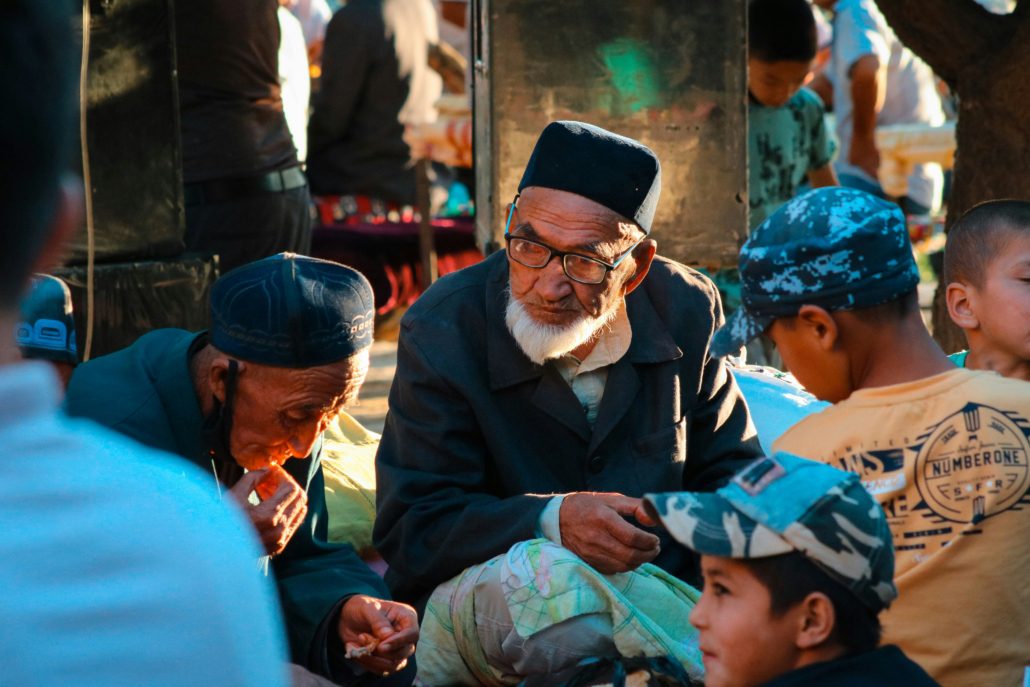
 HIV/AIDS in Uzbekistan remains a growing concern, despite the government’s having made notable progress in upgrading its public health system. According to UNAIDS, 60,000 people are living with HIV in Uzbekistan, with new infections continuing to emerge each year. Expanded testing has helped improve detection rates, but structural problems like stigma and unequal access to healthcare still affect the country’s response. Nevertheless, increased funding for treatment and prevention is driving steady progress.
Overview of HIV/AIDS in Uzbekistan
HIV/AIDS in Uzbekistan transitioned from an illness with a relatively limited prevalence to a more visible public health issue. Data from UNAIDS indicate that 4,000 people are infected annually. At the same time, improved screening has led to more diagnosed cases, mainly due to better surveillance rather than a rise in transmission. Most cases are transmitted through unprotected sexual contact (79%), with parental transmission as the next most common route (12.7%). Urban areas report more cases, whereas rural regions have greater barriers to testing and treatment. According to the IOM, the epidemic mainly affects vulnerable groups, including migrant workers, which consist 13% of all HIV infected people in Uzbekistan.
Key Challenges
One of the main challenges in addressing HIV/AIDS in Uzbekistan is stigma. Reports from UNAIDS suggest that a significant proportion of the population living with HIV experience social discrimination, which discourages them from seeking help and treatment. Around 80% of surveyed women reported that they experienced discriminatory attitudes. As a result, many cases are diagnosed at later stages, reducing the effectiveness of treatment and prevention measures.
Additionally, awareness is not uniform among different parts of the population. Young people and migrant workers often lack the necessary sexual education, increasing their vulnerability. People between 30-39 years are the largest group among the HIV-positive population, with a 28% proportion. Children are also in a vulnerable situation. According to UNICEF, antiretroviral therapy (ART) coverage among children and adolescents has fallen from 89% in 2018 to 73% in 2023. This gap indicates the need for more targeted and inclusive testing and treating strategies.
HIV/AIDS and Poverty in Uzbekistan
HIV/AIDS and poverty in Uzbekistan are strongly intertwined. Despite progress in reducing poverty, low-income families continue to face barriers in accessing healthcare. According to UNAIDS, out-of-pocket healthcare costs can hinder access to HIV testing, treatment and follow-up care. Even with the availability of antiretroviral medications, transportation costs, diagnostic tests and other medical expenses can create additional burdens for people with limited financial resources. Poverty can also increase vulnerability to HIV by limiting access to health information and preventive services.
Access to healthcare also remains uneven. While antiretroviral therapy is mainly available in major cities, the rural population may face logistical and financial barriers. According to UNAIDS, disparities in healthcare infrastructure continue to affect service quality in remote regions.
As a result, economically disadvantaged individuals are more likely to experience delays in diagnosis and interruptions in treatment, leading to deteriorating health outcomes. Therefore, addressing poverty and access to healthcare is an important part of Uzbekistan’s response to HIV/AIDS.
Efforts and Solutions
Uzbekistan has expanded its HIV response by adopting national strategies and collaborating with organizations such as UNAIDS and the World Health Organization (WHO). These efforts have improved testing systems and enhanced epidemiological monitoring.
Access to ART has increased in recent years. More than 41,000 people in Uzbekistan were receiving ART in 2024, which is 84.4% of the HIV-positive population, a significant increase from the past few years. ART helps people live longer and reduces the risk of HIV transmission by lowering viral load.
Prevention programs have improved as well. Public campaigns encourage voluntary testing and work to reduce HIV-related stigma. Mobile clinics and community testing now reach more people in rural and underserved areas. Annually, 500,000 people get tested for HIV in Uzbekistan. In 2022, the total number of people tested reached 4 million.
International funding and technical support have helped expand these programs. Targeted efforts for high-risk groups, such as harm reduction for people who inject drugs, have helped stabilize HIV infection rates.
Conclusion
Although HIV/AIDS remains a serious public health problem in Uzbekistan, the country has made significant progress in expanding testing and treatment services. Partnerships between the government, international organizations and local communities have improved access to healthcare for thousands of people. However, further efforts are needed to combat stigma and healthcare inequities, particularly among low-income populations. By strengthening these initiatives, Uzbekistan can continue to reduce the number of new infections and improve the quality of life of people living with HIV.
– Dias Assan
Dias is based in Rome, Italy and focuses on Global Health for The Borgen Project.
Photo: Unsplash

Efforts To Reduce the Gender Wage Gap in Togo
Why the Wage Gap Exists
Several factors contribute to the wage gap between men and women in Togo. According to the World Bank Gender Data Portal, women are more likely than men to be employed in vulnerable forms of work. These jobs often provide lower and less stable incomes than formal employment and may offer fewer opportunities for career advancement and higher earnings.
Access to financial services is another challenge. Data from the World Bank Gender Data Portal shows that 45.3% of women in Togo had an account with a financial institution or mobile-money provider in 2024, compared with 70% of men. This gap in financial access can limit women’s ability to save money, obtain credit and invest in income-generating activities.
The Impact on Women and Families
The gender wage gap in Togo affects more than individual workers. Data that World Salaries compiled estimates that women in Togo earn an average annual salary of 5.81 million West African CFA francs compared to 6.84 million CFA francs for men. While earnings vary by occupation and region, the figures highlight a significant income gap between men and women.
Research published in the Journal of Economics and Development Studies found that women in rural Togo often earn less than men because they have less access to resources such as credit, technology and agricultural support. The study noted that improving access to these resources could help reduce income differences and strengthen local economies.
Efforts To Improve Equality
The Togolese government and development organizations have introduced programs to support women’s economic participation. According to Togo First, government spending dedicated to gender-related initiatives reached CFA32.02 billion in 2024. These initiatives aim to improve women’s access to economic opportunities, financial services and public support programs.
One of the country’s largest financial inclusion initiatives is the National Fund for Inclusive Finance (FNFI), which was created in 2013 and launched in 2014 to expand access to financial services for low-income Togolese citizens. The Republic of Togo reports that the fund works through banks and microfinance institutions to provide small loans to entrepreneurs, farmers and young people who may otherwise struggle to access credit.
As Togo First reported, the FNFI operates several programs, including APSEF for low-income entrepreneurs, AGRISEF for agricultural producers and AJSEF for young entrepreneurs. It further notes that the fund had distributed more than 113.6 billion CFA francs through 1.9 million loans by early 2025.
Final Thoughts
Reducing the gender wage gap in Togo remains an important challenge. As the World Bank noted, improving women’s access to education, financial services and economic opportunities can support broader development goals. Expanding opportunities for female entrepreneurs and workers may also help increase household incomes and strengthen economic growth.
While barriers remain, recent government initiatives and financial inclusion programs demonstrate ongoing efforts to support women’s economic participation. Continued investment in these areas could help create greater economic opportunities for women across Togo.
– Abisola Oladipupo
Photo: Flickr
HIV/AIDS in Uzbekistan
Overview of HIV/AIDS in Uzbekistan
HIV/AIDS in Uzbekistan transitioned from an illness with a relatively limited prevalence to a more visible public health issue. Data from UNAIDS indicate that 4,000 people are infected annually. At the same time, improved screening has led to more diagnosed cases, mainly due to better surveillance rather than a rise in transmission. Most cases are transmitted through unprotected sexual contact (79%), with parental transmission as the next most common route (12.7%). Urban areas report more cases, whereas rural regions have greater barriers to testing and treatment. According to the IOM, the epidemic mainly affects vulnerable groups, including migrant workers, which consist 13% of all HIV infected people in Uzbekistan.
Key Challenges
One of the main challenges in addressing HIV/AIDS in Uzbekistan is stigma. Reports from UNAIDS suggest that a significant proportion of the population living with HIV experience social discrimination, which discourages them from seeking help and treatment. Around 80% of surveyed women reported that they experienced discriminatory attitudes. As a result, many cases are diagnosed at later stages, reducing the effectiveness of treatment and prevention measures.
Additionally, awareness is not uniform among different parts of the population. Young people and migrant workers often lack the necessary sexual education, increasing their vulnerability. People between 30-39 years are the largest group among the HIV-positive population, with a 28% proportion. Children are also in a vulnerable situation. According to UNICEF, antiretroviral therapy (ART) coverage among children and adolescents has fallen from 89% in 2018 to 73% in 2023. This gap indicates the need for more targeted and inclusive testing and treating strategies.
HIV/AIDS and Poverty in Uzbekistan
HIV/AIDS and poverty in Uzbekistan are strongly intertwined. Despite progress in reducing poverty, low-income families continue to face barriers in accessing healthcare. According to UNAIDS, out-of-pocket healthcare costs can hinder access to HIV testing, treatment and follow-up care. Even with the availability of antiretroviral medications, transportation costs, diagnostic tests and other medical expenses can create additional burdens for people with limited financial resources. Poverty can also increase vulnerability to HIV by limiting access to health information and preventive services.
Access to healthcare also remains uneven. While antiretroviral therapy is mainly available in major cities, the rural population may face logistical and financial barriers. According to UNAIDS, disparities in healthcare infrastructure continue to affect service quality in remote regions.
As a result, economically disadvantaged individuals are more likely to experience delays in diagnosis and interruptions in treatment, leading to deteriorating health outcomes. Therefore, addressing poverty and access to healthcare is an important part of Uzbekistan’s response to HIV/AIDS.
Efforts and Solutions
Uzbekistan has expanded its HIV response by adopting national strategies and collaborating with organizations such as UNAIDS and the World Health Organization (WHO). These efforts have improved testing systems and enhanced epidemiological monitoring.
Access to ART has increased in recent years. More than 41,000 people in Uzbekistan were receiving ART in 2024, which is 84.4% of the HIV-positive population, a significant increase from the past few years. ART helps people live longer and reduces the risk of HIV transmission by lowering viral load.
Prevention programs have improved as well. Public campaigns encourage voluntary testing and work to reduce HIV-related stigma. Mobile clinics and community testing now reach more people in rural and underserved areas. Annually, 500,000 people get tested for HIV in Uzbekistan. In 2022, the total number of people tested reached 4 million.
International funding and technical support have helped expand these programs. Targeted efforts for high-risk groups, such as harm reduction for people who inject drugs, have helped stabilize HIV infection rates.
Conclusion
Although HIV/AIDS remains a serious public health problem in Uzbekistan, the country has made significant progress in expanding testing and treatment services. Partnerships between the government, international organizations and local communities have improved access to healthcare for thousands of people. However, further efforts are needed to combat stigma and healthcare inequities, particularly among low-income populations. By strengthening these initiatives, Uzbekistan can continue to reduce the number of new infections and improve the quality of life of people living with HIV.
– Dias Assan
Photo: Unsplash
Child Marriage in Honduras
A report in 2019 found that 34% of girls in Honduras marry before the age of 18 compared to 10% of boys. Within the 34%, 9% of girls marry before 15. Child marriage is more prevalent in ethnic groups such as the Miskito people as well as afro-descendant and Lenca-speaking communities. The rate in rural areas rises to 42.4%, pointing to the fact that geography and poverty can exacerbate the risk for young girls.
The Forces Behind Child Marriage
Gender-based violence in Honduras is both widespread and ingrained. According to The World Bank, “Honduras has one of the highest rates of violent deaths of women in the world.” This fuels the practice of child marriage in Honduras, as young girls often enter CEFMU to escape violence, yet the majority of these girls will end up facing further abuse from their partners.
The prevalence of violence in Honduras is even more concerning for cases of femicide, as a woman is murdered every 36 hours, mostly by an intimate partner. Entrenched misogynistic attitudes are part of the driving force in Honduras that encourages CEFMU, and one informant summed up these issues saying that men often see their wives as their property and slaves.
Poverty is a major factor driving child marriage. In the Latin American and Caribbean region, more than 60% of girls married before 18 are from the lowest income bracket. Many young girls in poverty are less likely to receive an education because gender norms prioritize boys education and future employment. This pushes girls into domestic roles, reinforcing gender stereotypes that ultimately lead them into CEFMU.
Fighting CEFMU With Education
Emerging in 2006, the UDIMUF is the first feminist organization on the Atlantic coast of Honduras. It helps improve the quality of life for girls, adolescents and women alike. It works to empower women by providing spaces for political participation and advocacy. This helps ensure that women and girls can fully exercise their rights, significantly reducing the likelihood of young girls entering into child marriage in Honduras. The work behind the UDIMUF’s mission includes:
In 2024, UDIMUF launched a positive masculinities school in Honduras, to help prevent gender based violence. Through this single initiative, it has reached more than 70 participants and are looking to reach out and positively affect an increasing number of communities.
The efforts of the UDIMUF have had a lasting impact on the communities in the La Ceiba area. As a civil society partner of the spotlight initiative the UDIMUF contributes to a national effort that has directly reached 119,428 women and girls. This has helped create supportive and inclusive environments that promote gender equality and further contribute towards efforts to ending child marriage in Honduras.
Honduras’ Progress Towards Ending Child Marriage
Honduras has taken multiple steps to address the forces behind CEFMU. In July 2017, the Honduran government increased the minimum age of marriage from 16 to 18 and removed all exemptions. Former President Castro helped promote the long-term prevention of child marriage via legislative reforms. In addition, the public prosecutors office oversaw the training of more than 4,000 civil servants, on preventing violence against children.
In November 2021, Honduras launched a national action plan to end violence against women and children. The plan focuses on providing roadmaps for the implementation of violence-prevention policy, with partners like UNICEF Honduras ensuring these policies are enforced at the municipal level.
Honduras still has a long way to go before child marriage is fully eliminated, but the country is certainly making encouraging progress. Whether it be through government initiatives or the work of NGOs, the issue is now at the forefront of the country’s concerns and it isn’t going anywhere until Honduras achieves real change.
– Jacob Anderson
Photo: Wikimedia Commons
Policies That Lifted Millions Out of Poverty Around the World
Conditional Cash Transfers: Direct Support That Works
One of the most effective policies that lifted millions out of poverty is conditional cash transfers. These programs provide money to low-income families while encouraging education and health care.
In Brazil, the Bolsa Família program helped alleviate extreme poverty and improve school attendance. Low-income families with children receive payments in return for sending their children to school and ensuring regular health care checkups. According to the World Bank, the program has contributed significantly to Brazil’s declining poverty and inequality.
Mexico also implemented a similar program, Prospera, which has shown long-term improvements in education and health outcomes. These programs succeed because they address immediate needs while investing in future generations.
Investments in Rural Development and Agriculture
Many impactful policies that have lifted people out of poverty have focused on the rural populations, where poverty is often concentrated. In Vietnam, rural development and agricultural reform played a central role in poverty reduction. This began in the ’80s with the Đổi Mới reforms.
The government moved away from collective farming toward a market-oriented system that gave households control over land and production. According to the United Nations Development Programme (UNDP) these reforms have helped reduce poverty from 58% in 1993 to 16% by 2006, largely driven by improvements in rural livelihoods and agricultural productivity. These reforms worked because they empowered individuals, improved market access and encouraged economic participation.
Expanding Access to Education
Education plays a vital role in policies that have lifted millions out of poverty, particularly when governments prioritize girls’ education. Bangladesh made major progress by increasing female school enrollment and supporting women’s employment in industries like textiles. Programs that provided stipends for girls to attend school helped delay early marriage and improve long-term earning potential.
According to UNICEF, Bangladesh achieved near gender parity in primary and secondary education. Educated women contribute more to the workforce, support healthier families and help break cycles of poverty.
Universal Health Care and Social Protection Systems
Strong social protection systems represent another group of policies that lifted millions out of poverty. These systems reduce financial shocks and improve overall well-being. In Rwanda, the government introduced community-based health insurance, expanding access to medical care.
Citizens gained affordable health care, reducing out-of-pocket expenses and preventing families from falling deeper into poverty. The World Health Organization (WHO) highlights Rwanda as a model for expanding health care coverage in low-income countries. Health care access supports productivity and stability, both of which drive poverty reduction.
Economic Growth Paired With Inclusive Policies
Economic growth alone does not reduce poverty; governments must pair growth with inclusive strategies. China provides a clear example of this combination.
China experienced rapid economic growth while implementing targeted poverty alleviation programs in rural areas. These programs included infrastructure development, relocation initiatives and job creation. The World Bank estimates that China has lifted more than 800 million people out of poverty since 1980, largely through these initiatives.
China’s approach shows that growth must reach marginalized communities to create a lasting impact.
Why These Policies Matter Today
These examples of policies that have lifted millions out of poverty reveal common traits:
Global poverty remains a challenge, but these successes prove that effective policies can drive meaningful change. When countries adopt and adapt these strategies, they move closer to achieving the United Nations Sustainable Development Goals (SDGs) of ending poverty worldwide.
– Leah Denning
Photo: Pixabay
Hope for Refugees in Iran
The United Nations (U.N.) estimates suggest that up to 3.2 million people have been displaced within Iran since the beginning of 2026, highlighting the scale of the humanitarian crisis.
As displacement increases, the need for emergency assistance continues to escalate. Forced from their residences, families must contend with shortages of food, shelter and clean water. Many face temporary camps or overcrowded living conditions where access to basic needs is limited. Iran already hosts millions of refugees, and the current unrest is further complicating the situation. Millions of displaced people rely on Iran’s resources.
Hope for Refugees in Iran
Despite these challenges, international organizations have mobilized life-saving support. The United Nations High Commissioner for Refugees (UNHCR) continues to support one of the largest refugee populations in the world. As of 2026, approximately 1.65 million forcibly displaced people reside in Iran, including about 770,000 registered refugees, the majority of whom live in urban areas.
For the past 40 years, the World Food Programme (WFP) has been providing food assistance to refugees in Iran. In addition to supporting refugees, WFP has the capacity to assist the government in crisis situations. In Iran, WFP supports more than 32,500 refugees through a combination of cash transfers, food distributions and school-based nutrition programs.
The International Federation of Red Cross and Red Crescent Societies (IFRC) continues to provide medical care, disaster relief and community-based support services in affected areas. The IFRC launched a CHF 40 million emergency appeal to support humanitarian operations, aiming to assist up to 5 million people across 30 provinces in Iran. Relief efforts include emergency medical services, shelter, water and sanitation support and mental health services delivered by thousands of staff and volunteers.
Additional Organizations Supporting Refugees in Iran
The Norwegian Refugee Council (NRC) provides legal assistance, shelter and education support to displaced populations. In Iran, NRC has supported more than 40,000 refugees and vulnerable host community members annually through education programs, legal aid and livelihood assistance.
The International Rescue Committee (IRC) delivers health care and protection services in crisis-affected settings worldwide. Globally, the IRC reached more than 31.5 million people in 2023, including displaced and refugee populations in countries such as Iran through partner-supported programs.
Relief International works to expand access to education, health care and clean water for vulnerable communities. In Iran, the organization supports a population of nearly 3 million Afghan refugees, providing health care, education, vocational training and small business support. In 2023, its programs in Iran included supporting 18 schools, assisting more than 3,000 children with education and providing cash assistance to approximately 3,000 individuals.
Looking Ahead
As the situation continues to unfold in Iran, international awareness and sustained support will be essential. Humanitarian organizations working across the country continue to demonstrate that coordinated, targeted assistance can reach displaced populations even in complex and fast-moving crises.
– Erin Sian Mongillo
Photo: Pexels
Sustainable Heating Solutions with Mat Zero
Innovative, Sustainable Heating Solutions
In 2025, Sri Hollema, a graduate student from Loughborough University, won the Women in Innovation award by Innovate U.K. for her work with Mat Zero, which is revolutionizing humanitarian heating through sustainable energy. What started as a university project, Mat Zero is now a growing global movement with products commercially available. With a humanitarian mission to provide warmth for all, Mat Zero donates a heating unit to a family in need for every product sold.
The UNHCR previously shared stories highlighting how much warmth can impact the lives of those living as refugees, in conflict zones or in informal settlements.
The impact of having access to adequate heating extends beyond health concerns and many communities continue to be underserved in this area. With this in mind, Hollema founded Mat Zero.
Mat Zero
Mat Zero is a startup working on sustainable heating solutions to help the world’s vulnerable communities who have been forcibly displaced and continue to face challenges in meeting basic rights and needs, including access to warmth. Temporary settlements are heavily affected by severe weather conditions due to poor infrastructure. During winter, many communities face the cold, harsh winds and storms.
Founder Hollema developed the project with a simple belief: “Warmth is a human right, not a luxury.” Since its inception, Mat Zero has won and been shortlisted for multiple awards, including The Conduit’s Young Innovator Awards, the Santander X U.K. Awards in 2024 and Innovative U.K.’s Women in Innovation in 2025.
Its mission to “heat the person not the space” ensures underserved communities are kept warm in a safe and sustainable way. The mat comes with an energy hub and solar panels and relies on sustainable technology using carbon fiber heating, usable in all kinds of shelter. The group’s product ensures warmth comes in a safe form with no toxic fumes or risk of fires, an extremely important factor for crowded spaces.
The team continuously tests and improves the product’s effectiveness and recent field trials in Nepal showed 87% of users felt more comfortable at night. It does not stop there. Having tested the product’s effectiveness on the ground with clean, sustainable energy, Mat Zero can also benefit other humanitarian organizations.
Cost-Effective Solution for Humanitarian NGOs
Heating a household requires a lot of energy and can be costly. With its innovative heating solution, Mat Zero can potentially reduce the amount spent on providing heating by NGOs. Additionally, the heating mats are designed to last up to five years before the battery needs replacement.
Designed to offer clean and sustainable heating technology, Mat Zero provides a promising solution to ensure the world’s vulnerable communities stay warm and safe.
– Marine Baume
Photo: Flickr
rYojbaba Rings Nasdaq Opening Bell to Fight Poverty
In traveling from Japan to New York to ring the Opening Bell, Baba aimed to further the organization’s anti-poverty cause. It is a goal the organization has pursued since its inception and may have an even bigger chance of achieving through this excursion.
rYojbaba’s History
rYojbaba’s roots trace back to 1989, when the Japanese health care organization Sakai Seikotsuin was founded. Over the past 38 years, it has served local health care communities throughout Japan, providing countless individuals with a better quality of life.
When rYojbaba was officially created in 2021, it sought to expand on the foundation Sakai Seikotsuin had established nearly four decades earlier. The organization was founded by professionals with deep experience in Japan’s legal and labor systems, including certified social insurance and labor consultants. These consultants are nationally licensed specialists in labor relations, employment matters, social insurance and human resource management.
On the “Our Story” section of rYojbaba’s official website, Baba explains how his personal experiences with poverty across Japan informed their goals to combat it. During his time working as a police officer, certified social insurance labor consultant and administrative scrivener, he encountered those severely disadvantaged by the systems they lived within. He decided to start this company to fundamentally solve these labor issues he had witnessed.
Baba acknowledges that these labor issues cannot be solved by corporate consulting or technology alone. It is important to involve individuals who can provide impartial consulting to companies, workers and labor unions. Provided these individuals have fair judgment and a true sense of justice, they can be crucial in providing rational solutions to these labor issues.
rYojbaba’s Accomplishments
rYojbaba has successfully created a labor union that waives union dues. This accomplishment, which no one else has achieved, has significantly increased the possibility of resolving labor issues altogether. Considering that labor issues directly inspired Baba to found this company, it represents a tremendous milestone.
The strengths of rYojbaba’s services lie in their ability to consult with both labor unions and employers. They can work productively with these groups, despite their interests often being at odds and resolve the problems of each employer one-on-one. This is aided by their understanding of various laws and regulations and their awareness of those in poverty who are often overlooked.
rYojbaba Attends Opening Bell Ceremony
As part of Nasdaq’s “Opening Bell” ceremony, Baba took the stage at the Nasdaq MarketSite alongside Brian Joyce, who works at the company’s market intelligence desk, to deliver a speech about his company’s efforts to fight poverty. “Our mission is to fight poverty and create opportunities for the next generation,” he said early in the speech. “We do not measure success only by profit, but by how many lives we can improve.”
After Baba finished his speech, he received the Nasdaq Opening Bell Crystal to commemorate the day’s bell ringing. Surrounded by other rYojbaba representatives, a 10-second countdown led to him ringing the Opening Bell by pressing a small screen in front of him, triggering applause from his team.
Final Remarks
“We know today is just one milestone,” Joyce remarked to Baba shortly before the bell ringing. “You have had many milestones up until this point and we know you will be back. We look forward to welcoming you back to celebrate future milestones.”
These words symbolize rYojbaba’s mission over the years. With every accomplishment, the company has worked to spread awareness of poverty globally. Whether or not they ring the Nasdaq Opening Bell again, achieving this for the sake of furthering a noble cause is a remarkable achievement.
– Benjamin Parker
Photo: Flickr
Persistence in Health Care: Polio Vaccines in Nigeria
Though Nigeria was certified polio-free in 2020 due to its approach to implementing routine immunization, health care workers continue to provide treatment and care for children who have slipped through the cracks.
Integrated Health Campaigns
Nigeria has launched 20 health campaigns annually, with fewer than 15% integrated during this period. This strained resources, stretched health care workers thin and caused communities to lose faith in preventative care, opting instead for palliative care rather than seeking proper treatment for polio.
This began to change when Nigeria launched one of its largest vaccination campaigns in 2025, combining a variety of vaccines and child health care services to ensure treatment for children across the nation.
The campaign targets children ages 0-14 and 0-59 months for polio and was implemented in two phases:
In addition to vaccines for measles and rubella, the integration of routine immunization and necessary health services will reinforce Nigeria’s “Primary Health Care Under One Roof” strategy and advance its Health Campaign Effectiveness in the direction of universal health coverage.
By the end of 2025, Nigeria achieved a 31% reduction in polio cases through persistence and constant vigilance.
Building Trust
With these campaigns shifting into routine immunization, Nigeria is prioritizing the health of its new generation while also addressing distrust.
In northern states like Sokoto, vaccinations were not readily accepted due to religious and cultural beliefs. Trust is part of the solution. Without it, polio vaccines in Nigeria go unused.
During Nigeria’s polio campaigns, communities and their religious leaders built community networks, called majalisa, where they assured families that the vaccines were safe and crucial for their children’s health. This partnership bridged the gap between hesitant families and health care workers, increasing the intake of not only polio vaccines but also treatments for other childhood diseases.
The same health workers who helped control polio initially convinced communities to bring in their children for continual treatment. This communication and connection have paid off as health care workers can identify households, plan outreach routes and record how many children are vaccinated, improving their reach.
Ongoing Efforts
It takes many components to create a solution, but once they come together, they work in harmony. Polio vaccines in Nigeria are now reaching children and households that were often underrepresented or out of the health system’s reach. Nigeria’s efforts will continue to pay off and even as challenges arise, persistence will increase the number of children receiving polio vaccines.
– Kianna Phosouvanh-Sythong
Photo: Flickr
TRANSFORM Master Trainers in Western Africa
Nigeria’s First TRANSFORM Master Trainers
Nigeria has certified its first group of 21 TRANSFORM Master Trainers through the International Labour Organization (ILO), European Union (EU) and UNICEF program to rebuild social protection systems across Western Africa.
The newly accredited TRANSFORM Master Trainers completed intensive courses on governance, financing and program and target delivery, allowing them to become well-versed in the skills required to create strong social protections in Western Africa. The training took place in April 2026, at the United Nations Building in Abuja. The initiative stands as part of the Supporting Sustainable Social Protection System (SUSI) project, which plans to expand the program across Abia, Benue, Oyo, and Sokoto throughout the next year.
According to the ILO director for both Nigeria and the Economic Community of West African States (ECOWAS), Dr. Vanessa Phala, the TRANSFORM Master Trainers program has already been able to train over 5,000 people across about 30 African nations. Additionally, she states that the TRANSFORM program has ensured that these certifications are not merely participation trophies for the course, but instead an important distinction, recognizing the participants’ new skills and dedication to building a socially safer Western Africa.
The Impact
For Nigerians living in extreme poverty, this development promises a brighter future. This program could enable efficient aid distribution throughout the country, allowing impoverished Nigerians to receive their needed aid reliably while creating an economic base that is protected by government-backed safety nets. These social protections in Western Africa could make the region more resilient to crises like economic shocks, climate disasters and major displacements.
Specifically, the initiative targets Nigeria’s social protection management and information systems, with the groundwork laid for a seamless transition of information across departments, agencies and even countries. This integration could allow for enhanced coordination and overall efficiency of government programs, directly benefiting impoverished populations.
The Future of the Program
Over the next year, the TRANSFORM Master Trainers will undertake training initiatives across Nigeria, Ghana, Liberia and Sierra Leone, spreading the effect of the TRANSFORM program across borders and throughout the region. Two newly certified trainers, Ge Matthew Terver and Tor-Wombo Jacyntha Ngodoo, both note that because of their training, they now understand what makes up the backbone of efficient social protection and how people are directly affected by administrative decisions, according to the ILO.
– Luca Napolitano
Photo: Flickr
Urban Food Poverty in India: Delhi’s 3 a.m. Kitchen
Kapur is not a celebrity chef. He is a Delhi restaurateur, co-owner of the Q’BA restaurant in Connaught Place, who looked at the hunger around him and decided his kitchen could do more. In 2016, he co-founded Rasoi on Wheels — a mobile kitchen that now distributes thousands of freshly cooked meals every week to homeless individuals, slum schools and daily wage workers across Delhi-NCR. The meals are not leftovers.
A City Sitting on Top of a Hunger Crisis
Delhi’s contradictions are visible from any street corner. Gleaming malls stand minutes from settlements where families cannot guarantee a single meal a day. India ranks 102 out of 123 countries on the 2024 Global Hunger Index, with a hunger level classified as “serious.”
Nationally, an estimated 811 million people remain undernourished — the largest such population in the world. In Delhi’s urban slums specifically, a Tata-Cornell Institute study found that 51% of households experienced food insecurity. India produces enough food to feed itself. The crisis is not one of supply — it is one of access, distribution and dignity.
Ghar Jaisa Khana: Food Like Home
Rasoi on Wheels started by serving 30 meals a day. That grew to 300, then to 800 to 1,000 meals five days a week, plus Sunday langars for the homeless.
During the COVID-19 pandemic, with Delhi’s migrant workers stranded, the organization distributed close to 20,000 meals a day.
The operation’s tagline is ghar jaisa khana — food like home. It is a deliberate choice. The people served are not handed scraps. They receive a rotating daily menu, individually packaged and prepared fresh from 3 a.m. every morning. Kapur calls the funding model ISR — Individual Social Responsibility — donations from ordinary people marking birthdays, weddings and funerals by feeding strangers instead.
Kapur has said that food is the most important requirement and that people should not be deprived of healthy food simply because they cannot afford it.
A Global Movement, One Kitchen at a Time
Kapur’s model sits within a broader shift in how food professionals are responding to hunger. Globally, José Andrés’ World Central Kitchen has served hundreds of millions of meals across crisis zones, built on the same core principle: that trained cooks, given the right support, can respond to hunger faster and more humanely than most institutions. In 2024 alone, World Central Kitchen served more than 109 million meals across 20 countries.
Both operations reject the model of surplus redistribution — the cold, leftover approach to aid — in favor of treating hungry people as people who deserve a proper meal.
What Policy Can Learn From a Van
Rasoi on Wheels is not a comprehensive solution to Delhi’s hunger crisis. But it points to something that policy consistently underestimates — the capacity of local, sustained, community-rooted action to fill gaps that government programs leave open.
India’s Public Distribution System, designed to provide subsidized food grains to the poor, reaches millions. But it does not reach the homeless man sleeping under a bridge in Connaught Place, or the construction worker’s child who arrives at school too hungry to learn. Rasoi on Wheels does.
Looking Ahead
Urban food poverty in India remains a structural challenge that no single organization can solve. The work of Rasoi on Wheels demonstrates that locally rooted, dignity-centered food initiatives can reach populations that formal systems miss. As India continues to grapple with the gap between food production and food access, models like this offer practical evidence that sustained, community-driven action can complement broader policy efforts to reduce hunger and poverty.
– Parthive Mukherji
Photo: Flickr