Efforts To Reduce the Gender Wage Gap in Togo
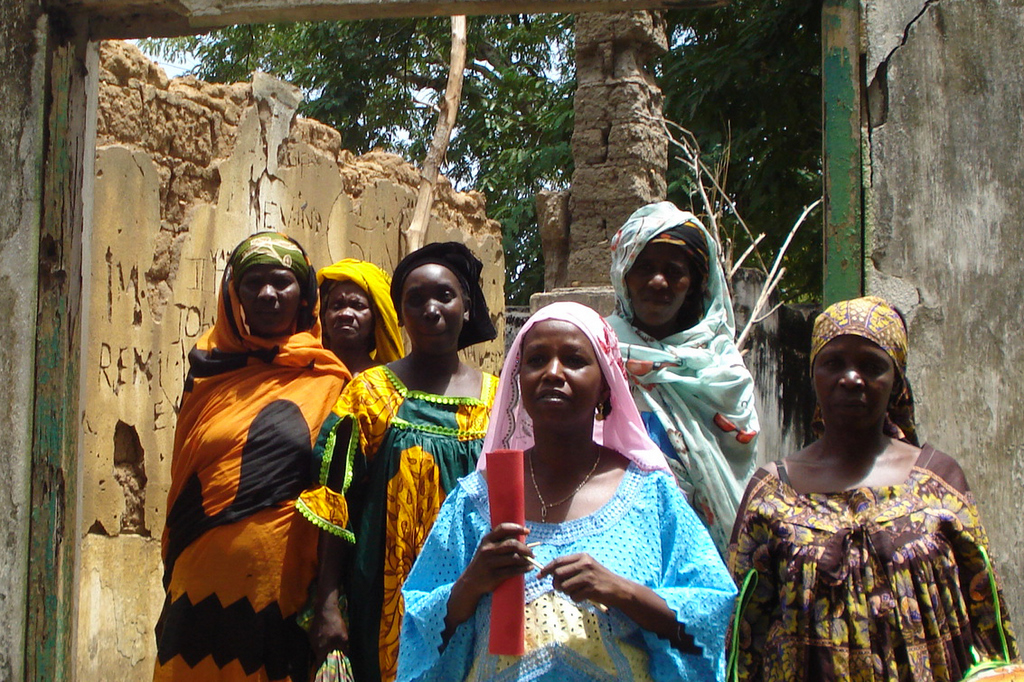 Women contribute significantly to Togo’s economy as farmers, traders, business owners and employees. However, many women continue to earn less than men and face barriers that limit their economic opportunities. The gender wage gap in Togo reflects challenges related to employment opportunities, access to financial services and participation in higher-paying sectors of the economy.
Why the Wage Gap Exists
Several factors contribute to the wage gap between men and women in Togo. According to the World Bank Gender Data Portal, women are more likely than men to be employed in vulnerable forms of work. These jobs often provide lower and less stable incomes than formal employment and may offer fewer opportunities for career advancement and higher earnings.
Access to financial services is another challenge. Data from the World Bank Gender Data Portal shows that 45.3% of women in Togo had an account with a financial institution or mobile-money provider in 2024, compared with 70% of men. This gap in financial access can limit women’s ability to save money, obtain credit and invest in income-generating activities.
The Impact on Women and Families
The gender wage gap in Togo affects more than individual workers. Data that World Salaries compiled estimates that women in Togo earn an average annual salary of 5.81 million West African CFA francs compared to 6.84 million CFA francs for men. While earnings vary by occupation and region, the figures highlight a significant income gap between men and women.
Research published in the Journal of Economics and Development Studies found that women in rural Togo often earn less than men because they have less access to resources such as credit, technology and agricultural support. The study noted that improving access to these resources could help reduce income differences and strengthen local economies.
Efforts To Improve Equality
The Togolese government and development organizations have introduced programs to support women’s economic participation. According to Togo First, government spending dedicated to gender-related initiatives reached CFA32.02 billion in 2024. These initiatives aim to improve women’s access to economic opportunities, financial services and public support programs.
One of the country’s largest financial inclusion initiatives is the National Fund for Inclusive Finance (FNFI), which was created in 2013 and launched in 2014 to expand access to financial services for low-income Togolese citizens. The Republic of Togo reports that the fund works through banks and microfinance institutions to provide small loans to entrepreneurs, farmers and young people who may otherwise struggle to access credit.
As Togo First reported, the FNFI operates several programs, including APSEF for low-income entrepreneurs, AGRISEF for agricultural producers and AJSEF for young entrepreneurs. It further notes that the fund had distributed more than 113.6 billion CFA francs through 1.9 million loans by early 2025.
Final Thoughts
Reducing the gender wage gap in Togo remains an important challenge. As the World Bank noted, improving women’s access to education, financial services and economic opportunities can support broader development goals. Expanding opportunities for female entrepreneurs and workers may also help increase household incomes and strengthen economic growth.
While barriers remain, recent government initiatives and financial inclusion programs demonstrate ongoing efforts to support women’s economic participation. Continued investment in these areas could help create greater economic opportunities for women across Togo.
– Abisola Oladipupo
Abisola is based in Hatfield, UK and focuses on Good News for The Borgen Project.
Photo: Flickr
