Child Marriage in Honduras
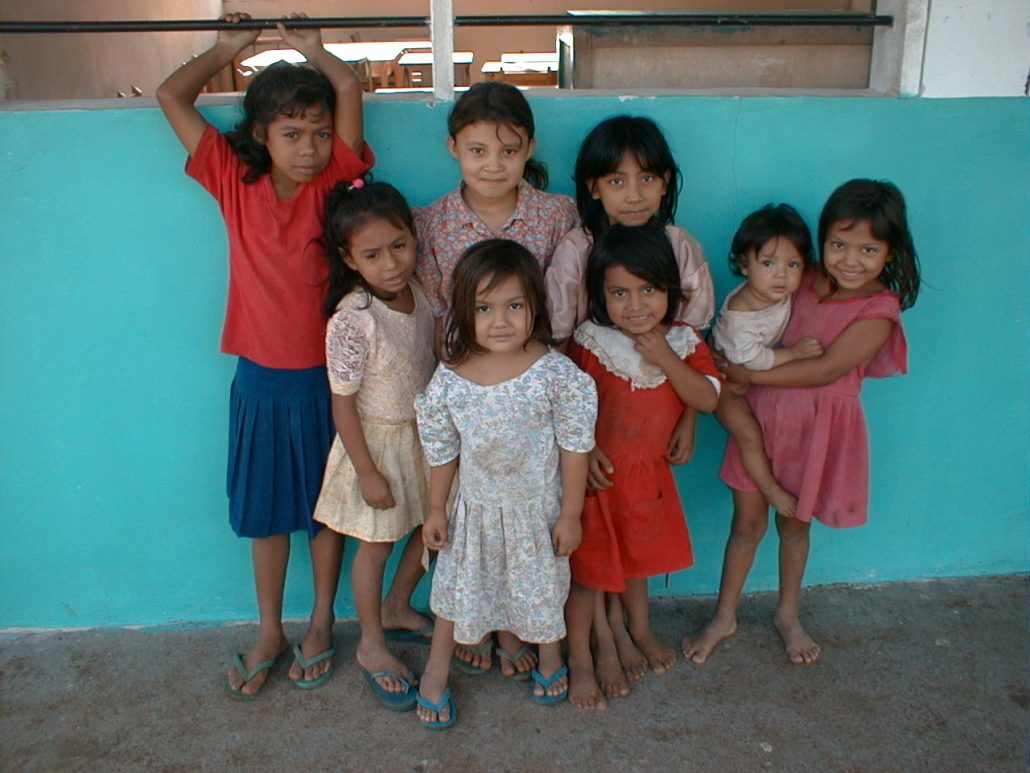 Honduras, a country in Central America, has a legacy of child marriage, especially the marriage of young girls. Historically, some rural communities normalized child marriage in Honduras and framed it as a ‘protective practice’ despite the harm it caused. The key factors that contribute to the persistence of child marriage among girls include adolescent pregnancy, gender-based violence, ethnicity and gang related violence.
A report in 2019 found that 34% of girls in Honduras marry before the age of 18 compared to 10% of boys. Within the 34%, 9% of girls marry before 15. Child marriage is more prevalent in ethnic groups such as the Miskito people as well as afro-descendant and Lenca-speaking communities. The rate in rural areas rises to 42.4%, pointing to the fact that geography and poverty can exacerbate the risk for young girls.
The Forces Behind Child Marriage
Gender-based violence in Honduras is both widespread and ingrained. According to The World Bank, “Honduras has one of the highest rates of violent deaths of women in the world.” This fuels the practice of child marriage in Honduras, as young girls often enter CEFMU to escape violence, yet the majority of these girls will end up facing further abuse from their partners.
The prevalence of violence in Honduras is even more concerning for cases of femicide, as a woman is murdered every 36 hours, mostly by an intimate partner. Entrenched misogynistic attitudes are part of the driving force in Honduras that encourages CEFMU, and one informant summed up these issues saying that men often see their wives as their property and slaves.
Poverty is a major factor driving child marriage. In the Latin American and Caribbean region, more than 60% of girls married before 18 are from the lowest income bracket. Many young girls in poverty are less likely to receive an education because gender norms prioritize boys education and future employment. This pushes girls into domestic roles, reinforcing gender stereotypes that ultimately lead them into CEFMU.
Fighting CEFMU With Education
Emerging in 2006, the UDIMUF is the first feminist organization on the Atlantic coast of Honduras. It helps improve the quality of life for girls, adolescents and women alike. It works to empower women by providing spaces for political participation and advocacy. This helps ensure that women and girls can fully exercise their rights, significantly reducing the likelihood of young girls entering into child marriage in Honduras. The work behind the UDIMUF’s mission includes:
- Forming training schools for community leaders focusing on gender sexual diversity.
- Creative, feminist training with girls in schools focusing on the prevention of violence.
- Provides free legal and psychological care to female victims of gender-based violence.
- Established a case validation committee for the violent deaths of women at the Regional Violence Observatory.
- Designing municipal public policies for gender equality and equity.
- Research on gender, sexual diversity and human rights related to violence prevention.
In 2024, UDIMUF launched a positive masculinities school in Honduras, to help prevent gender based violence. Through this single initiative, it has reached more than 70 participants and are looking to reach out and positively affect an increasing number of communities.
The efforts of the UDIMUF have had a lasting impact on the communities in the La Ceiba area. As a civil society partner of the spotlight initiative the UDIMUF contributes to a national effort that has directly reached 119,428 women and girls. This has helped create supportive and inclusive environments that promote gender equality and further contribute towards efforts to ending child marriage in Honduras.
Honduras’ Progress Towards Ending Child Marriage
Honduras has taken multiple steps to address the forces behind CEFMU. In July 2017, the Honduran government increased the minimum age of marriage from 16 to 18 and removed all exemptions. Former President Castro helped promote the long-term prevention of child marriage via legislative reforms. In addition, the public prosecutors office oversaw the training of more than 4,000 civil servants, on preventing violence against children.
In November 2021, Honduras launched a national action plan to end violence against women and children. The plan focuses on providing roadmaps for the implementation of violence-prevention policy, with partners like UNICEF Honduras ensuring these policies are enforced at the municipal level.
Honduras still has a long way to go before child marriage is fully eliminated, but the country is certainly making encouraging progress. Whether it be through government initiatives or the work of NGOs, the issue is now at the forefront of the country’s concerns and it isn’t going anywhere until Honduras achieves real change.
– Jacob Anderson
Jacob is based in Milton Keynes, UK and focuses on Celebs and Politics for The Borgen Project.
Photo: Wikimedia Commons
