HIV/AIDS in Uzbekistan
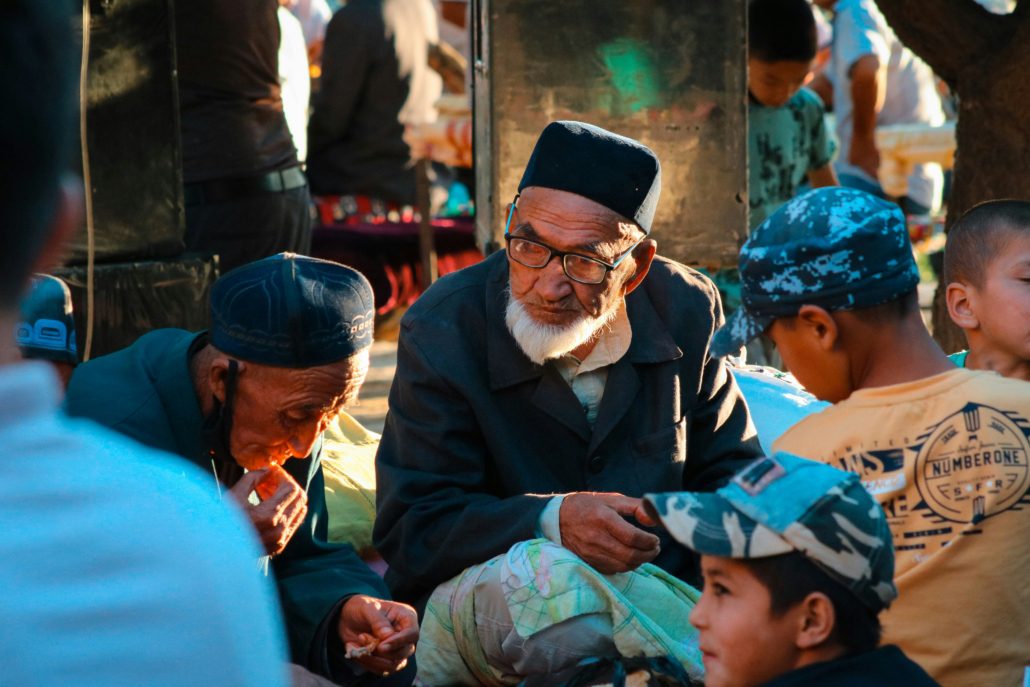 HIV/AIDS in Uzbekistan remains a growing concern, despite the government’s having made notable progress in upgrading its public health system. According to UNAIDS, 60,000 people are living with HIV in Uzbekistan, with new infections continuing to emerge each year. Expanded testing has helped improve detection rates, but structural problems like stigma and unequal access to healthcare still affect the country’s response. Nevertheless, increased funding for treatment and prevention is driving steady progress.
Overview of HIV/AIDS in Uzbekistan
HIV/AIDS in Uzbekistan transitioned from an illness with a relatively limited prevalence to a more visible public health issue. Data from UNAIDS indicate that 4,000 people are infected annually. At the same time, improved screening has led to more diagnosed cases, mainly due to better surveillance rather than a rise in transmission. Most cases are transmitted through unprotected sexual contact (79%), with parental transmission as the next most common route (12.7%). Urban areas report more cases, whereas rural regions have greater barriers to testing and treatment. According to the IOM, the epidemic mainly affects vulnerable groups, including migrant workers, which consist 13% of all HIV infected people in Uzbekistan.
Key Challenges
One of the main challenges in addressing HIV/AIDS in Uzbekistan is stigma. Reports from UNAIDS suggest that a significant proportion of the population living with HIV experience social discrimination, which discourages them from seeking help and treatment. Around 80% of surveyed women reported that they experienced discriminatory attitudes. As a result, many cases are diagnosed at later stages, reducing the effectiveness of treatment and prevention measures.
Additionally, awareness is not uniform among different parts of the population. Young people and migrant workers often lack the necessary sexual education, increasing their vulnerability. People between 30-39 years are the largest group among the HIV-positive population, with a 28% proportion. Children are also in a vulnerable situation. According to UNICEF, antiretroviral therapy (ART) coverage among children and adolescents has fallen from 89% in 2018 to 73% in 2023. This gap indicates the need for more targeted and inclusive testing and treating strategies.
HIV/AIDS and Poverty in Uzbekistan
HIV/AIDS and poverty in Uzbekistan are strongly intertwined. Despite progress in reducing poverty, low-income families continue to face barriers in accessing healthcare. According to UNAIDS, out-of-pocket healthcare costs can hinder access to HIV testing, treatment and follow-up care. Even with the availability of antiretroviral medications, transportation costs, diagnostic tests and other medical expenses can create additional burdens for people with limited financial resources. Poverty can also increase vulnerability to HIV by limiting access to health information and preventive services.
Access to healthcare also remains uneven. While antiretroviral therapy is mainly available in major cities, the rural population may face logistical and financial barriers. According to UNAIDS, disparities in healthcare infrastructure continue to affect service quality in remote regions.
As a result, economically disadvantaged individuals are more likely to experience delays in diagnosis and interruptions in treatment, leading to deteriorating health outcomes. Therefore, addressing poverty and access to healthcare is an important part of Uzbekistan’s response to HIV/AIDS.
Efforts and Solutions
Uzbekistan has expanded its HIV response by adopting national strategies and collaborating with organizations such as UNAIDS and the World Health Organization (WHO). These efforts have improved testing systems and enhanced epidemiological monitoring.
Access to ART has increased in recent years. More than 41,000 people in Uzbekistan were receiving ART in 2024, which is 84.4% of the HIV-positive population, a significant increase from the past few years. ART helps people live longer and reduces the risk of HIV transmission by lowering viral load.
Prevention programs have improved as well. Public campaigns encourage voluntary testing and work to reduce HIV-related stigma. Mobile clinics and community testing now reach more people in rural and underserved areas. Annually, 500,000 people get tested for HIV in Uzbekistan. In 2022, the total number of people tested reached 4 million.
International funding and technical support have helped expand these programs. Targeted efforts for high-risk groups, such as harm reduction for people who inject drugs, have helped stabilize HIV infection rates.
Conclusion
Although HIV/AIDS remains a serious public health problem in Uzbekistan, the country has made significant progress in expanding testing and treatment services. Partnerships between the government, international organizations and local communities have improved access to healthcare for thousands of people. However, further efforts are needed to combat stigma and healthcare inequities, particularly among low-income populations. By strengthening these initiatives, Uzbekistan can continue to reduce the number of new infections and improve the quality of life of people living with HIV.
– Dias Assan
Dias is based in Rome, Italy and focuses on Global Health for The Borgen Project.
Photo: Unsplash
