Hope for Refugees in Iran
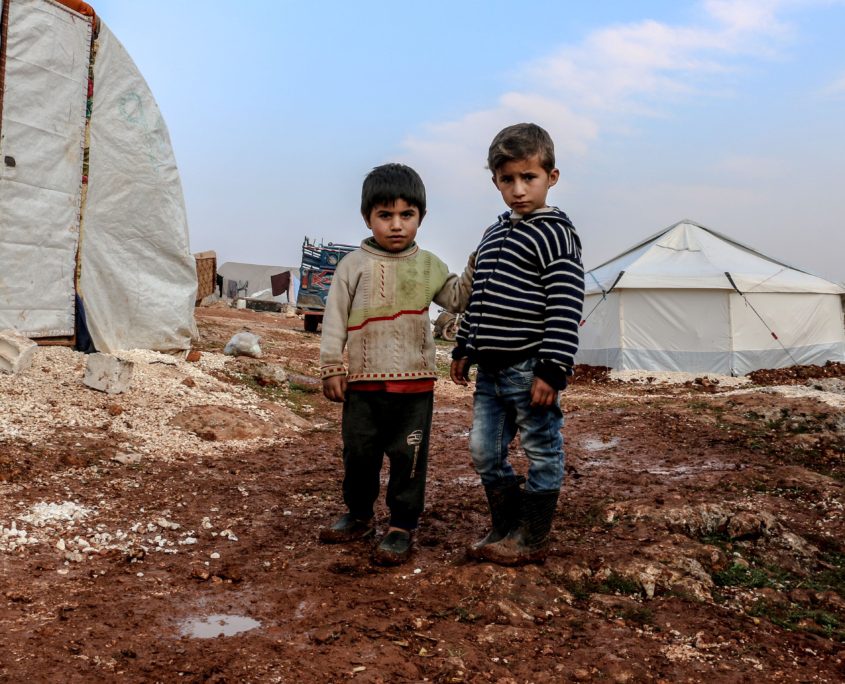 Since early 2026, essential infrastructure in Iran has been disrupted, including health care systems, transportation networks and water services. These disruptions have made it increasingly difficult for humanitarian aid to reach vulnerable populations. Strained supply chains and limited access to basic provisions have further complicated the situation for uprooted communities.
The United Nations (U.N.) estimates suggest that up to 3.2 million people have been displaced within Iran since the beginning of 2026, highlighting the scale of the humanitarian crisis.
As displacement increases, the need for emergency assistance continues to escalate. Forced from their residences, families must contend with shortages of food, shelter and clean water. Many face temporary camps or overcrowded living conditions where access to basic needs is limited. Iran already hosts millions of refugees, and the current unrest is further complicating the situation. Millions of displaced people rely on Iran’s resources.
Hope for Refugees in Iran
Despite these challenges, international organizations have mobilized life-saving support. The United Nations High Commissioner for Refugees (UNHCR) continues to support one of the largest refugee populations in the world. As of 2026, approximately 1.65 million forcibly displaced people reside in Iran, including about 770,000 registered refugees, the majority of whom live in urban areas.
For the past 40 years, the World Food Programme (WFP) has been providing food assistance to refugees in Iran. In addition to supporting refugees, WFP has the capacity to assist the government in crisis situations. In Iran, WFP supports more than 32,500 refugees through a combination of cash transfers, food distributions and school-based nutrition programs.
The International Federation of Red Cross and Red Crescent Societies (IFRC) continues to provide medical care, disaster relief and community-based support services in affected areas. The IFRC launched a CHF 40 million emergency appeal to support humanitarian operations, aiming to assist up to 5 million people across 30 provinces in Iran. Relief efforts include emergency medical services, shelter, water and sanitation support and mental health services delivered by thousands of staff and volunteers.
Additional Organizations Supporting Refugees in Iran
The Norwegian Refugee Council (NRC) provides legal assistance, shelter and education support to displaced populations. In Iran, NRC has supported more than 40,000 refugees and vulnerable host community members annually through education programs, legal aid and livelihood assistance.
The International Rescue Committee (IRC) delivers health care and protection services in crisis-affected settings worldwide. Globally, the IRC reached more than 31.5 million people in 2023, including displaced and refugee populations in countries such as Iran through partner-supported programs.
Relief International works to expand access to education, health care and clean water for vulnerable communities. In Iran, the organization supports a population of nearly 3 million Afghan refugees, providing health care, education, vocational training and small business support. In 2023, its programs in Iran included supporting 18 schools, assisting more than 3,000 children with education and providing cash assistance to approximately 3,000 individuals.
Looking Ahead
As the situation continues to unfold in Iran, international awareness and sustained support will be essential. Humanitarian organizations working across the country continue to demonstrate that coordinated, targeted assistance can reach displaced populations even in complex and fast-moving crises.
– Erin Sian Mongillo
Erin is based in North Haven, CT, USA and focuses on Good News for The Borgen Project.
Photo: Pexels
