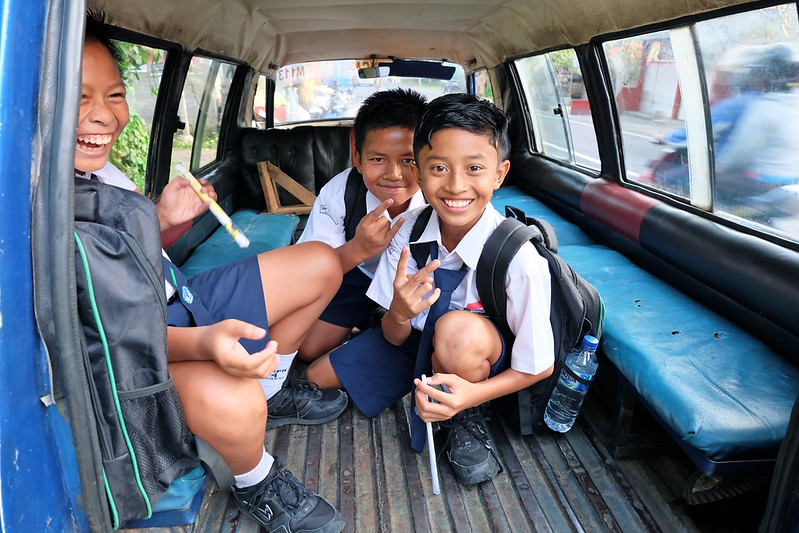
 Indonesia is a populous country located in Southeast Asia with more than 17,000 islands and 300 ethnic groups. According to the World Bank, Indonesia is classified as an upper-middle-income country (UMIC). Using the World Bank’s UMIC poverty line, 68.3% of Indonesians are classified as poor. Poverty limits access to education and economic opportunity, slowing long-term development.
Understanding Poverty
The World Bank measures poverty using three international poverty lines: $2.15 per day for extreme poverty, $3.65 for lower-middle-income countries and $6.85 for UMICs. These figures are calculated using purchasing power parity, which adjusts for differences in cost of living across countries.
Poverty is especially common in rural areas, where limited access to education and economic opportunity can hinder long-term development. Dompet Dhuafa, a nonprofit organization in Indonesia that aims to empower the underserved, spoke with The Borgen Project. The nonprofit said poverty must be viewed from multiple perspectives, not only income, but also accessibility, quality of life, resilience and sustainability. The organization categorizes poverty into material, spiritual, cultural, geographic and thematic dimensions, highlighting how financial hardship intersects with limited infrastructure, education and social support.
Poverty and Education in Indonesia
Poverty in Indonesia continues to shape access to education by limiting resources and creating unstable home environments that hinder learning and early childhood development. Government data from BPS–Statistics Indonesia shows the national literacy rate reached 97.10% in 2025, with a 3.12% gap between urban and rural areas. However, literacy does not necessarily reflect functional literacy. Only about 10% of Indonesians read books regularly and the national reading interest remains extremely low (0.001%).
Student achievement data further highlights these challenges. In 2025, literacy competency reached 71.81% among primary students, 72.07% in middle school and 72.89% in high school, while vocational high schools lagged behind at 66.02%. Numeracy rates were slightly lower across all levels. Limited educational quality, unequal access to school facilities and reading materials and increased reliance on digital media continue to affect learning outcomes.
Dompet Dhuafa told The Borgen Project that limited education reduces job opportunities, while limited job opportunities make education harder to afford, creating a cycle that can persist across generations. Although Indonesia provides free primary and secondary education, the organization notes that persistent challenges in curriculum quality, teacher capacity and infrastructure continue to hinder progress toward high-quality education.
Education Empowerment Programs
To address these barriers, Dompet Dhuafa runs education empowerment programs such as SMART Ekselensia Indonesia, YouLead, Ethos ID and Sekolah Literasi Indonesia. These initiatives aim to expand access to quality education while developing leadership and life skills. As of the 2023–24 academic year, Dompet Dhuafa’s education programs reached more than 53,000 beneficiaries, demonstrating the importance of investing not only in access to education but also in its quality.
Government initiatives also play an important role. The Smart Indonesia Card (Kartu Indonesia Pintar (KIP) provides financial assistance to children from low-income families through the Smart Indonesia Program (Program Indonesia Pintar (PIP). By 2025, the program had reached more than 2.6 million students, helping families cover school expenses such as books, supplies and tuition. For many families, this support makes continuing education possible, including a girl named Fedia.
Fedia is an 18-year-old girl with a dream to be an interior designer studying at Setia Budhi Community Learning Activity Center (PKBM) in Pati Regency. As a recipient of PIP aid funds, Fedia uses her funds to buy books and other school necessities. She then continues her learning to pursue her dream and enter college, majoring in interior design. As a result, Fedia’s family felt aided through PIP, especially her mother, who hopes that her child can continue studying to turn her dream into a reality.
This demonstrates how poverty impacts low-income communities—including students—and how nonprofit and governmental initiatives help relieve these hardships through community empowerment and financial aid. By expanding education access, individuals and communities receive an increase in potential earnings and reduce unemployment rates, directly contributing to national productivity tied to economic growth. Together, nonprofit and government efforts highlight the importance of sustained investment in education to break the cycle of poverty and expand long-term economic opportunity.
Economic Opportunity
Poverty in Indonesia not only affects access to education but also limits economic opportunities later in life. Limited access to quality education and skills training often results in lower-paying and unstable employment. In rural and low-income communities, individuals may enter the workforce early to support their families, reducing long-term earning potential. Dompet Dhuafa told The Borgen Project that despite ongoing empowerment efforts, internal and external challenges remain, including financial sustainability, policy dynamics, human resource capacity, governance and program development. The organization explained that “economic opportunities require human resources with sufficient knowledge and skills. However, the majority of Indonesia’s workforce still has only secondary education or lower, meaning access to economic opportunities is limited to only a small portion of society.”
These barriers contribute to the growth of informal employment, low wages and limited social mobility, allowing the cycle of poverty to persist across generations. Informal employment typically refers to work without formal contracts or legal protections, including self-employment, casual labor and unpaid family work. Data from Indonesia’s Central Statistics Agency (BPS) shows a strong link between education level and informal employment. Individuals without schooling have a 93% likelihood of working in the informal sector, compared with 17.3% of university graduates. As education levels rise, the proportion of informal employment declines, highlighting the role of education in improving economic stability.
In addition, organizations such as Dompet Dhuafa focus on economic empowerment programs that provide vocational training, entrepreneurship support and community development initiatives. Through the use of zakat, infaq, alms and waqf (ZISWAF), the organization aims to promote long-term economic independence. Dompet Dhuafa stated that these initiatives seek to build a more inclusive economy by equipping vulnerable communities with vocational skills, business knowledge and long-term support, enabling mustahik (recipients) to eventually become muzakki (donors). Increasing access to economic opportunities is essential for sustainable development. When individuals gain stable employment and financial independence, communities experience improved living standards and reduced vulnerability to poverty.
Conclusion
Poverty continues to shape access to education and economic opportunity in Indonesia, creating barriers that can limit long-term development. When these barriers persist, governmental programs such as the KIP, PIP and nonprofit organizations like Dompet Dhuafa step in to address these challenges. Through educational access, vocational empowerment and community-based development, these initiatives aim to break intergenerational poverty and create long-term social and economic resilience in Indonesia.
Continued investment in education and economic empowerment will be essential to ensuring that future generations have the opportunity to break the cycle of poverty and contribute to Indonesia’s long-term growth.
– Bianca P. Gunawan
Bianca is based in Jakarta, Indonesia and focuses on Good News and Global Health for The Borgen Project.
Photo: Flickr

Digital Family Card in Kazakhstan: Solving Poverty with Technology
How the Digital Family Card Works
The Digital Family Card in Kazakhstan is a government technology tool that helps identify families who may qualify for social support. The project emerged from joint work between Kazakhstan’s Ministry of Labor and Social Protection of the Population and the United Nations Development Programme (UNDP). Instead of making every family search for programs on their own, the system uses official data to help the government understand which families may be at risk.
UNDP says the Digital Family Card offers more than 30 services that people can access automatically, without needing to apply. This is important because vulnerable families may not always know what support exists or how to request it. UNDP also says the project focuses on groups such as single mothers raising more than three children, families with disabled members and orphaned children.
A System Built Around Family Needs
The Digital Family Card in Kazakhstan does not work like a regular plastic card. It functions more like a digital profile that helps the government understand a family’s situation. The International Telecommunication Union (ITU) says the system uses a scoring model of family well-being with 120 parameters from more than 20 data sources. These include areas such as social and economic conditions, education, health and housing.
This kind of system can make social assistance more targeted. For example, a family may need help because of low income, disability, unemployment or another difficult situation. The Digital Family Card can help the government see these risks earlier and connect people to support. ITU also explains that the system uses anonymized data for analytics, which helps protect personal information while still allowing the government to make decisions based on strong data.
From Pilot Program to Social Support Tool
Kazakhstan started testing the Digital Family Card in 2022. According to the official website of the Prime Minister of Kazakhstan, the Ministry of Labor launched the card in pilot mode for nine types of benefits and social payments. The plan included using the card to provide state guarantees in social protection, health care and education.
The Digital Family Card in Kazakhstan later became part of the country’s wider social policy. UNDP says Kazakhstan included the project in its Social Code. The system now has information on more than 6 million families. This information helps the government plan spending and deliver social assistance more accurately, using real-time data.
Making Benefits Easier to Access
One major goal of the Digital Family Card in Kazakhstan is to make government support easier to receive. UNDP explains that the system can assess family vulnerability without citizens needing to take the first step. If a person may qualify for support, the system can send an SMS asking for consent. If the person agrees, the social benefit, payment or other type of support can go directly to the person’s bank account.
This matters for people who may not have strong access to government internet platforms. Some families may live far from public offices, lack digital skills or not know which benefits match their situation. A text-message system can reduce confusion and make the process easier. It also helps the government reach people before their problems become more serious.
Recognized as a GovTech Solution
The Digital Family Card has received some recognition. In February 2024, the project won the 2024 GovTech Prize at the World Government Summit in Dubai. It won in the “Inclusive Digital Transformation” category. UNDP says the award recognized the card as a tool that improves access to government support for vulnerable people.
Kazakhstan has continued to use the card as part of its social support system. In July 2024, the Prime Minister’s official website reported that the government planned to use the Digital Family Card platform to monitor the well-being of families in five categories, from emergency and crisis levels to satisfactory and prosperous levels. This helps local officials track whether families’ living conditions improve or worsen.
Looking Ahead
The Digital Family Card in Kazakhstan does not solve poverty. Families still face problems linked to rural inequality, children’s poverty and access to services. However, the card helps address one important issue: accessibility of families to know programs. By using data, SMS notifications and automatic services, Kazakhstan is making social support easier to access. For vulnerable families, this digital tool can address many of their issues instantly.
– Mateo Alcocer
Photo: Wikimedia Commons
Innovations in Poverty Eradication in the Marshall Islands
Poverty in the Marshall Islands
Poverty remains a major challenge in the Marshall Islands. Approximately 7.2% of the population lives below the national poverty line. Outmigration has increased, driven by economic hardship and climate-related pressures, and one-third of Marshallese citizens now live in the United States. According to the RMI’s 2021 census, the population declined by an average 2.3% annually over the previous decade due largely to outmigration.
The country also faces food insecurity, wealth inequality and limited access to health care. In response, the government and its partners are developing policies aimed at improving living conditions and creating opportunities for residents to remain in the islands.
Universal Basic Income
In 2025, the Marshall Islands launched ENRA, the world’s first long-term nationwide universal basic income program. The initiative provides annual cash payments to every Marshallese citizen living in the country, helping households manage rising living costs and reducing pressure to migrate abroad.
More than 33,000 residents enrolled in the program, making it one of the largest national outreach efforts in the country’s history. By providing a reliable source of income and building a financial safety net, ENRA seeks to strengthen economic security for families while addressing poverty at a national scale. As the world’s first nationwide long-term universal basic income program, ENRA represents one of the most significant innovations in poverty eradication in the Marshall Islands to date.
Strengthening Food Security
Food security is another pressing concern. Arable land is limited, much of the natural environment has been damaged by nuclear testing and more than half of households reported that natural disasters had limited their livelihoods in the most recent census. The national diet relies heavily on imported, highly processed foods, with an estimated 80% to 90% of the country’s food supply coming from abroad.
To address this dependence, the International Organization for Migration (IOM), with support from the Government of Japan, launched a two-year initiative in 2026 to strengthen local food systems on Majuro and Wotje atolls. The project supports school gardens, nutrition education and improved food storage while promoting greater use of locally produced foods and fisheries. Efforts to strengthen local food production are another example of innovations in poverty eradication in the Marshall Islands, addressing both nutrition and economic resilience.
Renewable Energy for Economic Resilience
Innovations in poverty eradication in the Marshall Islands also take the form of renewable energy. Although the country achieved universal access to electricity in 2022, it remains heavily dependent on imported diesel fuel, which contributes to high energy costs.
To reduce this dependence, the RMI has partnered with the Asian Development Bank (ADB) and the World Bank to expand solar power, modernize electricity infrastructure and improve energy storage systems. These investments are expected to lower energy costs, strengthen energy security and increase resilience to climate-related disruptions.
In low-lying nations like the RMI, extreme weather is a key driver of poverty. An estimated 1.7% of RMI GDP is lost annually to typhoons and tsunamis. Through the Pacific Resilience Project II, supported by the Green Climate Fund and the World Bank, the Marshall Islands is improving coastal protection, disaster preparedness and early warning systems. These measures help reduce the economic losses caused by extreme weather events, which can undermine development progress and deepen poverty.
Looking Ahead
Innovations in poverty eradication in the Marshall Islands demonstrate how even small island nations can develop ambitious solutions to complex challenges. While the changing climate, geographic isolation and economic vulnerability remain significant obstacles, innovations in poverty eradication in the Marshall Islands, such as investments in income security, local food production and renewable energy, are helping build long-term resilience. These efforts offer a model for how targeted policies can reduce poverty while preparing communities for an uncertain future.
– Anna Morin
Photo: Flickr
Agrarian Initiatives Aiding Poverty Eradication in Kyrgyzstan
Kyrgyzstan Under the USSR
As a constituent republic of the USSR, the former Kirghiz Soviet Socialist Republic experienced rapid industrialization, modernization and, most pertinently, the collectivization of agriculture under the Stalinist “5 year plan.” A USSR Republican Committee targeted Kyrgyz nomads, focusing upon their settlement on collectivized land, while the large influx of Russian migrants were also given land to cultivate. The proportion of native Kyrgyz in Kyrgyzstan dropped to a total of 40% of the population by 1959.
Tensions and sporadic paroxysms of violence exacerbated by collectivization, migration and food scarcity generated emigration to neighboring China and towards urban hubs in Kyrgyzstan. The collapse of the Soviet Union in 1991 produced partial de-industrialization across Central Asia; many of the industrial enterprises lost their previous markets. Between 1991 and 1999, agricultural employment increased exponentially by almost 20%, with 41.44% of total employment coming from the agricultural sectors. The industrial and manufacturing opportunities once available under the USSR ceased to exist.
A Return to the Sickle
Henceforth, agriculture has endured as a major contributor to GDP. About 30% of the country’s workforce remain in agricultural industries, many of whom are dependent on farming for social security. Across Kyrgyzstan, smallholder farms produce the majority of goods using traditional methods to minimize costs. Agricultural endeavors remain laborious and time-consuming with low productivity. In order to reach the SDG 2, which is the goal of zero hunger and improved nutrition, initiatives such as the WFP-GAFSP operate by providing smallholder farmers with the equipment to increase food security. The installation of greenhouses, with drip irrigation systems, has markedly improved the agricultural landscape for these farmers. Such programs have taken positive, innovative steps towards poverty eradication in Kyrgyzstan. With only 12% of Kyrgyzstan’s land being arable and water scarcity becoming an increasingly pressing issue, such initiatives help provide technology and high-quality seeds to produce more hardy crop yields.
Yet, crop farming is only one side of the coin in Kyrgyzstan. Alongside crop cultivation exists the 1.7 million cattle and 6.3 million sheep and goats which generate milk, cheese and meat for trade and for subsistence. In order to truly eradicate poverty in Kyrgyzstan, innovations must tackle both aspects of agrarian activity. Many individuals rely on these animals and yet, as the IFAD cautions, the chains of value of produce and the animals themselves are severely underdeveloped. The reasons for this are complex and varied: the harsh and inhospitable climate, the lack of pastures and nutritious fodder to graze the animals upon which intersects with the hardships of immobility for herders due to disputes over land rights. Changing weather patterns loom to compound upon such issues, bringing with it new livestock pests and diseases. As such, initiatives require a holistic approach.
Herd Mentality: Improving Livestock Productivity
Between 2014-2021, the IFAD’s Livestock Market Development Programme II (LMDP II) addressed improving the productivity of the animals. The initiative interacted directly with the threat of pasture degradation. Simply increasing the number of livestock would lead to an increase in unsustainable grazing practices. Therefore, the initiative targeted the productivity of the animals themselves in an effort to improve these chains of value.
With 3,000 households and 157 pasture committees included, the initiative successfully increased the value of livestock production by 69%, resulting in a 25% poverty eradication amongst these communities Kyrgyzstan. The LMDP II included research into cattle breeding, introducing affordable artificial insemination accessible to smallholder farmers. The focus fell upon high-quality breeds in terms of milk productivity, combining them with local Alatoo breeds, maintaining the herds’ durability living in the harsh and variable climatic conditions of Kyrgyzstan. Knowledge hubs across Kyrgyzstan, generated through the program, continue to innovate, increasing animal productivity and thus, continue to decrease poverty in pastoral communities.
In combination with increasing the productivity of livestock, the LMDP II and the Ministry of Agriculture in Kyrgyzstan worked to improve animal health. The motorcycle initiative provided 630 motorcycles to veterinarians as a cost-effective way to navigate the winding mountainous terrain, increasing the accessibility of veterinarian services, even in the most remote locations. The Kyrgyzstan National Agrarian University – supported by LMPD and LMPD II – has bolstered this effort to make animal healthcare accessible. More than 100 students have received scholarships to study veterinary science and the number of veterinarians has almost doubled between 2013 and 2018.
A Vision of the Future
Such collaborative effort works towards producing healthier and thus, more productive animals which will increase incomes for herders and smallholder farmers. By producing a stronger knowledge hub to support the greatly important agrarian activity in Kyrgyzstan, rural communities will become increasingly resistant in the face of future threats posed to their industry. Continued innovations only prove that the quality of life in Kyrgyzstan is destined for greener pastures.
– Millie Lavington-Owen
Photo: Unsplash
Child Welfare Program in Buenos Aires
In December 2025, data reported that 28% of the city’s population lives in poverty. Many of those attending the child welfare program in Buenos Aires also experience additional challenges such as domestic violence, exposure to drugs and neglect. A safe and positive environment offers them a much-needed sanctuary.
How Was It Founded?
In December 2013, Argentinian Valeria Taraborelli and New Zealander Ben Whittaker founded Le Sartén por el Mango. They wanted to set up a community kitchen to provide children with nutritious meals and artistic activities to support their well-being. The Borgen Project spoke to Soledad Arce, the head coordinator of Le Sartén, about her work at the center. Arce has worked there as an art teacher and progress facilitator since 2014. She took over from Taraborelli and Whittaker in 2021, and Le Sartén became part of the Citizen Construction scheme of the Arché Foundation. This seeks to foster community and welfare in Monte Chingolo, the neighborhood in which the center is based.
About the Center
The team running the child welfare program in Buenos Aires is made up of both permanent workers and short-term volunteers. They run activities such as gardening, cooking, sports, academics and arts and crafts, as well as providing emotional support. Arce spoke of the vulnerability of the children. She wants to give the attendees a space where they can “experience a different reality” and stressed the importance of the program because “everyone deserves the opportunity to live well and develop to their full potential.”
When asked about a typical day at the center, Arce remarked that no such thing exists. She emphasized the strive to establish routine while balancing the unexpected. “The children are going through difficult situations with their families. Sometimes they come very angry, other times they cry, and other times they are very quiet,” Arce said. To manage this, she ensures she has an overview of everything so she can prioritize what is most important. She consistently checks in with her colleagues, the kitchen, volunteers, the children and their families to ensure everything runs as smoothly as possible.
At the end of each day, Arce and her team evaluate the activities they put on to ensure they are tailored to the needs of the children currently at the center. Limited time and resources make this even more important. They must be flexible and willing to adapt to make sure everything they do is purposeful and deliberate.
The child welfare program in Buenos Aires used to be funded by the profits of a café Whittaker ran while in Australia. That has since closed, and they rely solely on fundraising events and monthly sponsors to keep up with growing attendance and inflation. Arce expressed her anxieties about the decreasing quality of food, activities and care they can offer the children and her desire to pay the hardworking staff better wages. Speaking on one of the many issues they face, Arce pointed out that they have only two shovels between 30 children, making group tasks in the garden nearly impossible. “We have to do a lot with very little,” she said.
The center witnesses many happy times. Arce spoke of positive experiences she has had with the children who attend. “The hugs, the laughter, and their achievements make it all worthwhile,” she commented. She described Le Sartén as a “refuge” that empowers her children to strive for a better life. She spoke of her awe of the children who have the strength to navigate so many difficult issues.
When asked about her favorite memory, Arce talked about La Sartén’s 10th anniversary in 2023. She invited past attendees and they reminisced about happy moments they had at the center. Arce saw firsthand the long-lasting impact the program has on whoever comes through its doors. It was “among the most deeply moving experiences I have had,” Arce expressed.
Looking Ahead
In the future, Arce hopes to expand the child welfare program in Buenos Aires. She hopes to build more classrooms and even open centers in new locations. This year, she is focusing on further fundraising efforts to ensure this vital work can last long into the future.
– Louise Nethercott
Photo: Le Sartén por el Mango
Poverty Reduction in Taiwan
On the ground, however, working people are just trying to get by. Recently, both the government and local NGOs have been advocating for further poverty reduction in Taiwan.
Homelessness
While a 2023 TVBS news report states that the island holds a little more than 3,000 unhoused individuals, this is likely an understatement, as based on a Taiwan News piece, reports on poverty levels have historically been underreported. About 80% of homeless individuals actually work full- or part-time, but on average only bring in around $5,000 NTD per month.
The Working Poor
Similarly, Taiwan’s 2018 Low-income and Middle-income Family Living Condition Survey relayed that 70% of the poor population worked full-time, dead-end jobs. The Taiwan Social Welfare League reported officially that only 2.6% of the population was living beneath the poverty line, but 9% of people surveyed told the NGO that they believed they were actively impoverished.
In addition, studies have shown that the majority of impoverished households in Taiwan are single woman-led. Female-headed households under the poverty line actually jumped from 91,000 in 2013 to 110,000 in 2023. Gender-based wage gaps plague the Taiwanese workforce, seriously impacting women’s finances. Taiwanese feminist NGOs such as the Awakening Foundation have been advocating for gender equality in the workplace since the 1970s, pushing for more active enforcement of the Gender Equality in Employment Act. Lately, however, even more is being done on the part of the government for poverty reduction in Taiwan.
Good News in Government Assistance
While a 2021 study cited poverty issues stemming from the long list of prerequisites needed to apply for and receive government welfare, in late 2025, using national surplus money, Taiwan decidedly began practicing Basic Income initiatives. It provided cash handouts to every single citizen and eligible foreign resident, the latest provision a whopping $10,000 NTD, double the average monthly wage of homeless persons in Taiwan.
How an NGO Cares for Taiwan’s Homeless
To address homelessness, in 2011, a group of Taiwanese social workers came together to found the Homeless Taiwan Association. On top of providing basic outreach initiatives like handing out food and supplies to those on the street, Homeless Taiwan has built four transitional shelters, affordable urban housing units and hygienic shower centers for unhoused people. The organization also facilitates vocational training for those in need of work experience to further disrupt the cycle of homelessness and actively reduce poverty for Taiwanese people.
For its “Hidden Taipei” initiative, Homeless Taiwan hires ex-homeless individuals to give city tours to volunteers, highlighting the life stories of houseless people and how deeply intertwined the impoverished experience is with urban environments. Since the program’s genesis in 2014, “Hidden Taipei” tours and educational programs led by ex-homeless individuals have numbered in the hundreds, further destigmatizing and bringing to light the life of homeless people in Taiwan’s capital city.
Looking Ahead
For the average worker, Taiwan’s profits have often floated near the ceilings of the economy and have never “trickled down.” But recently, things like Basic Income initiatives have become a meaningful tribute to the means of production.
When paired with efforts from organizations like Homeless Taiwan, it is clear that Taiwan is becoming increasingly aware of its wealth gap, and is working to solve these issues through advocacy, fair wealth distribution, and assisting its homeless population.
– Aren Lau
Photo: Unsplash
How UNICEF Is Ending Child Poverty in Bhutan
Child Poverty in Bhutan
Although Bhutan has reduced poverty over recent decades, disparities remain between urban and rural communities. According to UNICEF, 20.7% of children in Bhutan experience multidimensional poverty, meaning they face deprivations in areas such as education, health, housing or access to basic services. Children living in remote communities are often among the most affected, as distance and limited infrastructure can make it more difficult to access schools, health facilities and social support programs.
Poverty can affect children in multiple ways, from limiting access to early learning opportunities to reducing access to health care and nutrition services. To address these challenges, UNICEF collaborates with the Bhutanese government on initiatives that expand early childhood development programs, strengthen child health services and improve protection systems for vulnerable children.
Expanding Access to Early Childhood Development
Access to early childhood education remains a challenge for some families in Bhutan, particularly those living in remote communities. According to UNICEF, only 38.6% of eligible children attended an Early Childhood Care and Development (ECCD) program in 2022, highlighting ongoing gaps in access to early learning opportunities. While Bhutan has continued expanding early childhood services, increasing access for children in isolated areas remains an important priority.
To help address these challenges, UNICEF works with the Bhutanese government to strengthen ECCD services across the country. In addition to supporting Bhutan’s 442 public ECCD centers, the organization helps expand home-based intervention programs that reach children who may not have access to center-based services.
The impact of these programs can be seen in some of Bhutan’s most remote communities. According to UNICEF, the home-based intervention program identifies children who are unable to access ECCD centers and brings early learning opportunities directly into their homes. Facilitators such as Kelzang conduct monthly visits with children and parents, using play-based activities and educational materials to support children’s development. In the remote district of Dagana, another facilitator, Norbu Jamtsho, supports approximately 35 children through monthly home visits designed to help families create learning opportunities at home.
Recent UNICEF evaluations found that home-based ECCD interventions are supporting more than 100 children in remote communities while helping improve cognitive, social, emotional and motor development outcomes. By bringing early learning opportunities directly to families, these initiatives help ensure that geographic isolation does not prevent children from receiving support during critical stages of development.
Investments in early childhood development can have long-term benefits for children and families. By helping children enter school prepared to learn, ECCD programs may improve educational outcomes and reduce inequalities that can contribute to poverty later in life.
Improving Child Health and Nutrition
Nutrition-related challenges continue to affect many children in Bhutan, particularly during the early years of development. According to UNICEF, approximately 45% of children ages 6 to 59 months experience anemia, a condition that can affect growth, learning and overall well-being.
To help address these issues, UNICEF works with the Bhutanese government to strengthen maternal and child health services while expanding nutrition programs for children and families. In 2019, UNICEF supported the introduction of a national micronutrient powder program for children ages 6 to 23 months, helping address nutritional gaps that contribute to childhood anemia.
More recently, UNICEF has partnered with the government to strengthen support for mothers during pregnancy and early childhood. In 2023, Bhutan launched the Comprehensive Mother and Child Health Program, which includes conditional cash transfers for eligible pregnant women and mothers with children under the age of 2. The program aims to reduce financial barriers that may prevent families from accessing essential health services.
By improving nutrition and health during critical stages of development, these initiatives can help children grow, learn and thrive. Healthier children are more likely to succeed in school and reach their full potential, making nutrition an important component of efforts to reduce child poverty in Bhutan.
Supporting Vulnerable Children and Adolescents
In addition to improving access to education and health services, UNICEF works with the Bhutanese government to strengthen child protection systems and support adolescent well-being. According to Bhutan’s National Health Survey 2023, more than 80% of children ages 1 to 14 experienced some form of violent discipline during the previous month, highlighting the need for stronger child protection measures and greater awareness of children’s rights.
To address these challenges, UNICEF supports programs that strengthen protection services, improve access to support systems and promote positive parenting practices. The organization also works with government agencies and community partners to prevent violence against children and strengthen support for vulnerable families.
UNICEF has also invested in programs designed to support adolescents as they navigate social, emotional and educational challenges. One example is the Helping Adolescents Thrive initiative, which promotes mental health and emotional well-being among young people. By helping adolescents build confidence and develop skills to manage everyday challenges, these programs support young people as they pursue education and more stable futures.
Reducing child poverty involves more than improving access to education, health care and other essential services. Helping children and adolescents grow up in safe and supportive environments is also an important part of ensuring that they can reach their full potential.
Continued Efforts to Reduce Child Poverty in Bhutan
Child poverty in Bhutan remains a challenge for some families, particularly those living in remote communities with more limited access to essential services. Through programs focused on early childhood development, nutrition, health care and child protection, UNICEF continues to work with the Bhutanese government to address barriers that can affect children’s well-being and future opportunities. While challenges remain, investments in children continue to play an important role in reducing poverty and promoting long-term development. By expanding access to education, health services and support systems, UNICEF and its partners are helping create greater opportunities for vulnerable children and families across Bhutan.
– Natalia Fleith Gelasko
Photo: Flickr
MedAdd: 3D Printing Project Improving African Health Care
Despite a poverty rate of 37.9%, the country continues to grow, with 8% to 9% of its GDP coming from health care, which exceeds the World Health Organization’s (WHO) recommended spending by 4%. Statssa reports the public sector spends $30.59 on health care, contributing 44%. This increases the demand for 3D printing in South Africa, especially for custom-designed implants and prosthetics.
What Is MedAdd?
The Central University of Technology (CUT) and the Department of Science and Innovation (DSI) lead the innovative Medical Device Additive Manufacturing Technology Demonstrator Project (MedAdd), transforming health care across South Africa. MedAdd developed 3D printing, also known as additive manufacturing, of medical devices tailored specifically to the needs of the region.
Financial support of a R97 million (approximately $5.85 million) additive manufacturing (3D printing) project in Bloemfontein on April 8, 2022, provided a start-up.
How This Works
MedAdd aims to reduce South Africa’s dependence on imported devices. The Centre for Rapid Prototyping and Manufacturing (CRPM) at CUT is doing groundbreaking work in the design, development and manufacturing of medical devices. This makes the university a leading institution in South Africa in the field of customized medical production.
MedAdd’s 3D printing solution provides a groundbreaking approach for South Africa’s dependence on medical device imports. With the health care budgets, hospitals and clinics lacking vital equipment, will receive immense support through this initiative, as it will also help with the costs of imported devices.
MedAdd aims to:
MedAdd Is Changing Lives
The importance of health innovation, which is the focus of the DSI, is already enhancing the impact of science in society. Rebecca Maserumule, Acting Deputy Director-General for Technology Innovation at the DSI, emphasized the importance for African countries to proactively invest in medical research and health innovation.
She says, “Our overall objective in this space is to help grow the health economy by providing locally developed and relevant diagnostics and medical devices with a view to boosting their manufacturing.”
Maserumule adds that enhancing existing capacity to manufacture active pharmaceutical ingredients, vaccines, biopharmaceuticals, diagnostics and medical devices will address the disease burden and ensure the security and sustainable supply of essential therapeutics and prophylactics.
Currently, more than 1,000 patients have been assisted through the CRPM’s efforts, which are supported by state and private hospitals and funding from the DSI, TIA and other partners. Among these cases are Princess Moshona and Luan Adams.
BBC covered a MedAdd success story emphasizing how the 3D printing medical devices changed the life of a gunshot survivor, Princess Moshona, who was shot in the jaw by carjackers, deforming her face. Thanks to a 3D metal implant treatment, her face is restored.
Another success story follows Luan Adams, whose face was disfigured by sinus cancer affecting his speech and breathing. Currently, a facial prosthetic implant made of silicone at the CRPM has helped both his breathing and his speech. The CRPM 3D-printed the titanium frame implant used to hold the prosthetic in place. Thanks to this, Adams shares that he is more than grateful to be alive.
MedAdd’s Future and Impact
South Africa’s leadership in 3D printing is projected to reach a market size of $70 million by 2030, setting a benchmark for other African nations. The emergence of technology hubs and fab labs, like the Togolese fab lab Woelab Lomé, reflects a growing ethos of innovation across the continent, which is instrumental in adopting new technologies for societal needs.
Looking further ahead, the broader Africa 3D printing medical devices market is projected to reach $1,065 million by 2025, with a compound annual growth rate of 17.04%.
A Model for the Continent
MedAdd shows that Africa does not wait for imported solutions to meet its health care needs. By investing in local manufacturing capability, accredited research infrastructure and partnerships across government, academia and industry, South Africa is building a model that other African nations can follow. As 3D printing technology becomes more available and accessible, initiatives like MedAdd offer a blueprint for how developing nations can close the medical device gap affordably, sustainably and on their own terms.
– Joy Kohol
Photo: Pexels
Economic Benefits of Sustainable Tourism in Indonesia
Poverty and the Promise of Tourism
Although Indonesia has made significant progress in reducing poverty over the past two decades, many rural communities still face economic hardship. According to the World Bank, Indonesia’s national poverty rate fell from approximately 24% in 1999 to below 9% in recent years, lifting millions of people out of poverty. However, families in rural areas often continue to rely on seasonal work, agriculture and informal employment that provide unstable incomes and limited opportunities for advancement.
Poverty can restrict access to education, health care and transportation, making it difficult for families to improve their economic situation. Sustainable tourism helps address these challenges by creating jobs, supporting local businesses and attracting investment to underserved regions. By connecting travelers with local guides, drivers, restaurants, accommodations and artisans, tourism generates income that remains within communities and supports long-term economic growth.
Recovery After the Pandemic
The COVID-19 pandemic exposed the vulnerability of tourism-dependent communities when international travel came to a sudden halt. Indonesia recorded a 75% decline in international tourist arrivals in 2020 compared to 2019, disrupting livelihoods for millions of workers who depended on tourism-related industries. Many drivers, guides, hospitality workers and small business owners experienced significant income losses as visitor spending disappeared almost overnight. In response, Indonesia partnered with international organizations to rebuild the tourism sector through sustainable development initiatives that prioritized local communities, environmental protection and economic resilience.
The United Nations Educational, Scientific and Cultural Organization (UNESCO) supported community-based tourism programs that encouraged cultural preservation while helping local residents benefit directly from tourism revenue. As tourism recovered, workers gained access to new opportunities through infrastructure improvements, workforce training and digital business development programs. Indonesia’s average monthly wage now exceeds 3.5 million rupiah ($196), while minimum wages have increased by more than 30% since 2020, reflecting broader economic recovery efforts. These initiatives focus on creating long-term opportunities rather than short-term recovery.
The United Nations and Sustainable Tourism
The United Nations (U.N.) has also recognized tourism’s role in supporting economic recovery and sustainable development. According to U.N. News, tourism generates employment opportunities, supports local entrepreneurship and creates pathways for women and young people to participate in economic growth. These benefits become especially important in developing regions where employment opportunities may be limited. By investing in sustainable tourism practices, communities can strengthen local economies while preserving cultural and environmental resources for future generations.
A Local Entrepreneur’s Story
Barna, owner of Rizkynata Bali Tours and Transfers, has experienced these opportunities firsthand. Before the pandemic, he built a successful career in Bali’s tourism industry and watched visitor spending on support drivers, guides, restaurants, hotels and small business owners throughout the region. According to Barna, tourism creates opportunities for families to earn stable incomes, invest in their futures and improve their overall quality of life. He has seen local entrepreneurs expand their businesses and create jobs as tourism demand increases.
When international travel slowed during the pandemic, Barna returned to his hometown in Java and helped his brother manage the family farm. Many tourism workers made similar decisions and temporarily found work in agriculture, construction and retail. Although these industries helped families earn income during difficult periods, they often provided fewer opportunities for growth than tourism-related work. As visitor numbers recovered, many workers returned to tourism and rebuilt their businesses. Barna’s experience demonstrates the importance of creating resilient local economies that can adapt to economic disruptions.
Infrastructure and Investment
Today, communities across Indonesia continue to benefit from investments in sustainable tourism infrastructure. In destinations such as Lake Toba and Lombok, tourism development projects upgraded roads that connect villages, tourism sites, airports and ferry terminals, making travel faster and more reliable for residents and visitors. The projects also expanded access to clean water, improved wastewater management systems and upgraded public sanitation facilities, helping protect local ecosystems while improving public health. According to the World Bank, these investments supported approximately 1.15 million jobs, helped more than 20,000 tourism businesses establish an online presence and provided skills certification to more than 84,000 tourism professionals. By improving infrastructure and expanding economic opportunities, these initiatives help communities attract investment, support local businesses and strengthen long-term economic growth.
Digital Tools for Small Business Growth
Digital technology has expanded access to economic opportunities for entrepreneurs across Indonesia. Barna uses Facebook and TikTok to connect with travelers and market his services to international visitors. He believes digital platforms allow small businesses to compete more effectively while reaching customers they might never meet through traditional advertising. His long-term goal is to create a transportation network that connects travelers with local drivers across Bali and Java, creating additional income opportunities for workers throughout Indonesia.
Rather than increasing prices during slower seasons, Barna focuses on providing reliable service, affordable rates and positive customer experiences. He believes strong customer relationships, repeat visitors and positive reviews create sustainable business growth. His approach reflects the values behind the economic benefits of sustainable tourism in Indonesia, where local entrepreneurs rely on trust, quality service and community support to build successful businesses that contribute to local economic development.
Looking Ahead
Barna remains optimistic about the future. He plans to diversify his income through agriculture and additional business ventures while continuing to expand his tourism company. He hopes future generations of his family will benefit from the opportunities tourism has provided him. His story demonstrates how sustainable tourism can reduce economic vulnerability, strengthen local economies and create pathways toward financial stability. As Indonesia continues investing in tourism development, entrepreneurs like Barna show how innovation, resilience and community partnerships can drive lasting economic progress and help communities move closer to sustainable prosperity
– Kianna Hines
Photo: Barna
Education Leads Reform in Preventing Child Marriage in India
This article examines how education leads reform in preventing child marriage in India by highlighting the growing role of schooling and life skills training in driving meaningful change.
Social Pressures Keep the Practice Alive
Indian communities often link a girl’s honor to her marital status, which creates strong expectations for early marriage and social consequences when families resist. In many areas, girls hold a lower social value than boys, leaving marriage as the only accepted path to improve their standing and support their families. These pressures place family reputation above girls’ education, and many girls leave school early to take on household roles. As dropout rates rise, girls lose access to the life skills and opportunities that could expand their futures. These social norms show why education leads reform in preventing child marriage in India, as schooling offers girls an alternative to long-standing traditions, according to UNICEF India.
Early Marriage Harms Girls’ Futures
Prioritizing marriage over education limits girls’ futures and removes access to employment and independence, both of which are essential for empowerment. When families value marriage over education, girls face higher health risks and challenges to their futures. The infant mortality rate among mothers under 20 stands at 45 per 1,000 live births, compared to 33 among mothers ages 20 to 29. Early marriage increases the likelihood of early pregnancies, maternal mortality and malnutrition. Expanding access to education creates a protective barrier for girls and gives them the freedom and opportunities to move beyond traditional expectations.
India has seen the number of girls marrying before 18 fall from 47% to 27% between 2005-06 and 2015-16. Education drives much of this progress by lowering the rate of underage marriage. Studies show that completing secondary school can reduce child marriage by two-thirds because schooling gives girls life skills, literacy and the confidence to make informed decisions about their futures. Each additional year of education lowers the risk of child marriage by 6%. These gains show how education leads reform in preventing child marriage in India and strengthens efforts to protect children’s rights.
Expanding School Access for Girls
Government initiatives that expand access to education for girls play a central role in reducing child marriage in India. These programs aim to empower girls and give them schooling that delays marriage and opens new paths to independence. The government initiative Beti Bachao Beti Padhao promotes girls’ survival, protection and education by addressing gender bias and improving welfare services for girls. These efforts show how education leads reform in preventing child marriage in India by giving girls the tools and support they need to shape their futures.
Global efforts to end child marriage in India have expanded access to education, life skills and social protection programs for millions of girls. Since 2019, 17 million girls have received life-skills lessons and health information that support their education and delay early marriage. These programs ensure that young girls receive guidance and tools to continue learning and pursue career opportunities that strengthen their independence. Because of this progress, South Asia is on track to eliminate child marriage within 55 years, driven by improved female education, reduced poverty, stronger gender norms and better enforcement.
Education Driving Long-Term Reform
Education provided through targeted new initiatives gives girls stronger access to support systems and new opportunities that move them beyond traditional expectations of early marriage. As communities place greater value on girls’ schooling, long-held norms around marriage begin to shift and girls gain more control over their futures. This change strengthens progress across India and supports sustainable reform. These outcomes show how education leads reform in preventing child marriage in India and continues to shape long-term improvements for girls nationwide
– Flora de Leeuw
Photo: Flickr
The Impact of Poverty and Education in Indonesia
Understanding Poverty
The World Bank measures poverty using three international poverty lines: $2.15 per day for extreme poverty, $3.65 for lower-middle-income countries and $6.85 for UMICs. These figures are calculated using purchasing power parity, which adjusts for differences in cost of living across countries.
Poverty is especially common in rural areas, where limited access to education and economic opportunity can hinder long-term development. Dompet Dhuafa, a nonprofit organization in Indonesia that aims to empower the underserved, spoke with The Borgen Project. The nonprofit said poverty must be viewed from multiple perspectives, not only income, but also accessibility, quality of life, resilience and sustainability. The organization categorizes poverty into material, spiritual, cultural, geographic and thematic dimensions, highlighting how financial hardship intersects with limited infrastructure, education and social support.
Poverty and Education in Indonesia
Poverty in Indonesia continues to shape access to education by limiting resources and creating unstable home environments that hinder learning and early childhood development. Government data from BPS–Statistics Indonesia shows the national literacy rate reached 97.10% in 2025, with a 3.12% gap between urban and rural areas. However, literacy does not necessarily reflect functional literacy. Only about 10% of Indonesians read books regularly and the national reading interest remains extremely low (0.001%).
Student achievement data further highlights these challenges. In 2025, literacy competency reached 71.81% among primary students, 72.07% in middle school and 72.89% in high school, while vocational high schools lagged behind at 66.02%. Numeracy rates were slightly lower across all levels. Limited educational quality, unequal access to school facilities and reading materials and increased reliance on digital media continue to affect learning outcomes.
Dompet Dhuafa told The Borgen Project that limited education reduces job opportunities, while limited job opportunities make education harder to afford, creating a cycle that can persist across generations. Although Indonesia provides free primary and secondary education, the organization notes that persistent challenges in curriculum quality, teacher capacity and infrastructure continue to hinder progress toward high-quality education.
Education Empowerment Programs
To address these barriers, Dompet Dhuafa runs education empowerment programs such as SMART Ekselensia Indonesia, YouLead, Ethos ID and Sekolah Literasi Indonesia. These initiatives aim to expand access to quality education while developing leadership and life skills. As of the 2023–24 academic year, Dompet Dhuafa’s education programs reached more than 53,000 beneficiaries, demonstrating the importance of investing not only in access to education but also in its quality.
Government initiatives also play an important role. The Smart Indonesia Card (Kartu Indonesia Pintar (KIP) provides financial assistance to children from low-income families through the Smart Indonesia Program (Program Indonesia Pintar (PIP). By 2025, the program had reached more than 2.6 million students, helping families cover school expenses such as books, supplies and tuition. For many families, this support makes continuing education possible, including a girl named Fedia.
Fedia is an 18-year-old girl with a dream to be an interior designer studying at Setia Budhi Community Learning Activity Center (PKBM) in Pati Regency. As a recipient of PIP aid funds, Fedia uses her funds to buy books and other school necessities. She then continues her learning to pursue her dream and enter college, majoring in interior design. As a result, Fedia’s family felt aided through PIP, especially her mother, who hopes that her child can continue studying to turn her dream into a reality.
This demonstrates how poverty impacts low-income communities—including students—and how nonprofit and governmental initiatives help relieve these hardships through community empowerment and financial aid. By expanding education access, individuals and communities receive an increase in potential earnings and reduce unemployment rates, directly contributing to national productivity tied to economic growth. Together, nonprofit and government efforts highlight the importance of sustained investment in education to break the cycle of poverty and expand long-term economic opportunity.
Economic Opportunity
Poverty in Indonesia not only affects access to education but also limits economic opportunities later in life. Limited access to quality education and skills training often results in lower-paying and unstable employment. In rural and low-income communities, individuals may enter the workforce early to support their families, reducing long-term earning potential. Dompet Dhuafa told The Borgen Project that despite ongoing empowerment efforts, internal and external challenges remain, including financial sustainability, policy dynamics, human resource capacity, governance and program development. The organization explained that “economic opportunities require human resources with sufficient knowledge and skills. However, the majority of Indonesia’s workforce still has only secondary education or lower, meaning access to economic opportunities is limited to only a small portion of society.”
These barriers contribute to the growth of informal employment, low wages and limited social mobility, allowing the cycle of poverty to persist across generations. Informal employment typically refers to work without formal contracts or legal protections, including self-employment, casual labor and unpaid family work. Data from Indonesia’s Central Statistics Agency (BPS) shows a strong link between education level and informal employment. Individuals without schooling have a 93% likelihood of working in the informal sector, compared with 17.3% of university graduates. As education levels rise, the proportion of informal employment declines, highlighting the role of education in improving economic stability.
In addition, organizations such as Dompet Dhuafa focus on economic empowerment programs that provide vocational training, entrepreneurship support and community development initiatives. Through the use of zakat, infaq, alms and waqf (ZISWAF), the organization aims to promote long-term economic independence. Dompet Dhuafa stated that these initiatives seek to build a more inclusive economy by equipping vulnerable communities with vocational skills, business knowledge and long-term support, enabling mustahik (recipients) to eventually become muzakki (donors). Increasing access to economic opportunities is essential for sustainable development. When individuals gain stable employment and financial independence, communities experience improved living standards and reduced vulnerability to poverty.
Conclusion
Poverty continues to shape access to education and economic opportunity in Indonesia, creating barriers that can limit long-term development. When these barriers persist, governmental programs such as the KIP, PIP and nonprofit organizations like Dompet Dhuafa step in to address these challenges. Through educational access, vocational empowerment and community-based development, these initiatives aim to break intergenerational poverty and create long-term social and economic resilience in Indonesia.
Continued investment in education and economic empowerment will be essential to ensuring that future generations have the opportunity to break the cycle of poverty and contribute to Indonesia’s long-term growth.
– Bianca P. Gunawan
Photo: Flickr