GiveDirectly’s Cash Transfer Scheme
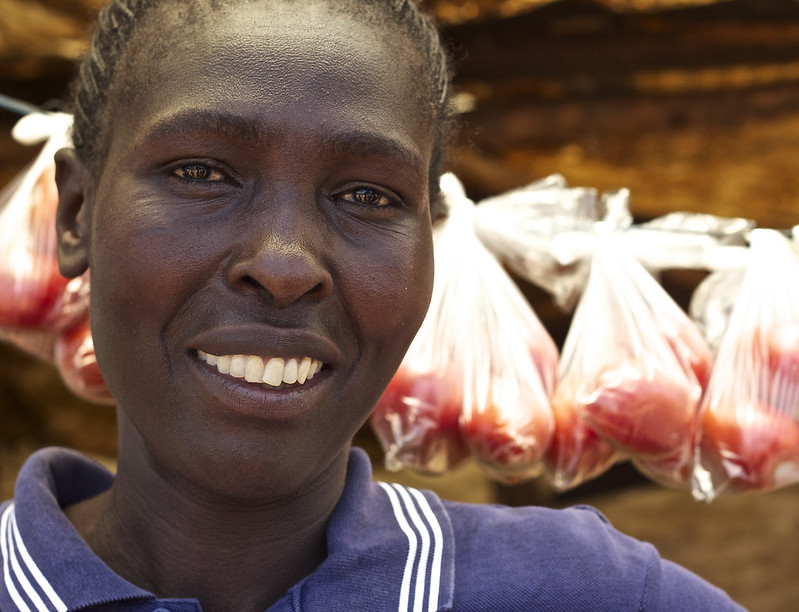 GiveDirectly is a nonprofit organization that has adapted an unconventional approach to poverty alleviation. Founded in 2009, the organization has been sending direct cash transfers to people living in extreme poverty, distributing more than $900 million to around 1.7 million recipients across Bangladesh, Kenya, the DRC, Liberia, Malawi, Mozambique, Rwanda and the United States (U.S.). Unlike traditional aid models, which often predetermine what impoverished communities “need”, GiveDirectly’s cash transfer scheme prioritizes autonomy. It ensures that the recipients themselves decide what to spend the money on, recognizing that the poor can identify their own needs.
How it Works
GiveDirectly primarily operates through mobile money platforms, sending recipients one lump sum through a single online transfer. How to spend the money is entirely up to the individual’s discretion, but typically people choose to spend it on health care, education and housing improvements. Typically, the organization targets whole villages at a time. All households eligible within a given community receive the same transfer, which greatly minimises tension but maximises collective benefit.
Cash transfers remain an uncommon form of aid, but there is strong evidence to indicate the effectiveness of this method, especially when it comes to health.
Impacts on Infant Mortality
In rural Kenya, GiveDirectly’s cash transfer pilot scheme, in partnership with Lwala Community Alliance, led to measurable improvements in infant mortality rates. Infant mortality rates in rural Kenya remain six times higher than in the U.S., largely due to barriers in accessing prenatal care, safe delivery environments and adequate nutrition.
According to reports, 1,500 expectant mothers received a single cash transfer, alongside community-based health support. Most women used this money to fund transportation to and from clinics, prenatal visits, food and to purchase items for their newborns. The outcome of the scheme was notable. Infant mortality decreased by 48%, underscoring how financial empowerment, even though only a moderate sum, can enable mothers to secure essential resources that allow for safer pregnancies and healthier babies.
Impacts on Illness
Beyond maternal health, direct cash transfers have also been of significant benefit to individuals living with or at risk of infectious disease, such as tuberculosis (TB). Although TB is both preventable and curable, poverty remains a barrier as many of the poorest populations live in overcrowded conditions, with poor ventilation. Cash transfers enable households to invest in conditions that reduce vulnerability to infection.
Recipients can afford cleaner and less crowded housing, purchase more nutritious food to strengthen immunity access medical treatment if needed. For those already infected, transfers can also provide the financial security necessary to take time off work and focus on rest and completion of treatment. All of these factors remain essential for the prevention of transmission, crucial for bringing rates of disease down.
Evidence from Brazil illustrates this impact further. A national cash transfer programme led to a 50% reduction in TB cases, strongly suggesting that financial assistance plays a significant role in tackling the disease. These findings reinforce the conclusion that cash transfers are an effective tool in increasing the health of the poor, where money remains a key barrier.
A Call for Cash Transfers
GiveDirectly’s positive findings highlight the positive potential of cash transfers within the humanitarian aid sector. Through shifting the decision-making power into the hands of the recipients, these programs have produced measurable improvements in health and well-being. Crucially, however, they affirm the agency and autonomy of individuals living in poverty, challenging the narrative that the poor are passive or incapable of making effective choices for themselves.
– Niamh Trinder
Niamh is based in Leicester, UK and focuses on Global Health for The Borgen Project.
Photo: Flickr
