 Malawi, located in Southeastern Africa, is considered one of the world’s most underserved countries. About 70% of the population lives on less than $2.15 per day; this figure is expected to increase to 71.3% soon.
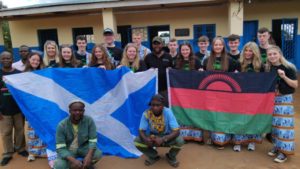
The Borgen Project spoke with James Kelly, the current chair and a founding member of the Scotland-based charity Classrooms for Malawi. This charity has been operating since 2012 and its prime aim is alleviating poverty through education for the children of Malawi.
Education in Malawi
Primary school education became free in Malawi in 1994. Since then, an additional estimated 1.6 million children have been enrolled in schools. However, the funding for the additional classrooms needed to accommodate this enrollment increase has not matched the need. The lack of classroom space has been a factor in causing a high rate of children leaving education early.
Only 58% of primary school children in Malawi will finish the first four years of education and only 31% will make it to secondary school. Only 8% of students will complete their schooling entirely. From these statistics, girls make up 14.9%. Girls will often leave school during the vital years of their education due to numerous factors, including child marriages, teen pregnancies and the need to help with responsibilities at home.
About Classrooms for Malawi
Through renovating and building classrooms and other facilities and providing other forms of support, Classrooms for Malawi contributes to strengthening the country’s education system. These efforts align with the Malawi Government’s Agenda 2063 and the National Education Standards. The organization aims to expand access to quality education and create supportive learning environments that improve school retention rates.
It also works to achieve its goals by fostering sustainable partnerships between schools, groups and communities in the U.K. and those in Malawi. Kelly told The Borgen Project that the charity began as a group of friends united by a shared goal: to help address Malawi’s chronic shortage of classrooms, which had forced many children to learn under trees. The first group traveled to Malawi in June 2013, working in three locations—Misesa Primary School, Namulenga Girls Primary School and Mang’omba Primary School.
While preparing for that trip, the friends decided to formally establish the charity to ensure their support for Malawi would not be a one-off effort. Since that first visit, other groups have reached out to the charity to support its work, either by organizing trips to Malawi or by raising funds for Classrooms for Malawi’s projects and programs. When carrying out improvements, the charity hires local builders and purchases all materials within Malawi. This approach creates jobs for local communities and strengthens the local economy.
The Impact of Classrooms for Malawi
Since 2012, the charity has worked in 50 schools across 11 Districts in Malawi. These consist of 20 nurseries, 24 primary and six secondary schools. More than 36,000 children are now being educated daily in these 50 partner schools. They benefit from the many improvements the charity has provided to their educational environment.
Classrooms for Malawi’s work is guided by its Strategic Plan, which sets out the charity’s ambitions and actions. The plan is structured around nine pillars: Pillars 1–8 are drawn from the Malawi Government’s priorities for improving schools, while Pillar 9 is based on the Scotland Malawi Partnership’s framework for building sustainable partnerships.
The pillars include: providing safe, accessible and quality classrooms; improving water, sanitation and hygiene facilities; supplying adequate furniture and learning materials; encouraging the creation of school gardens; offsetting carbon emissions from the charity’s activities; ensuring daily school feeding programs; and fostering greater community involvement in education.
Building Lasting Classrooms in Malawi
Kelly explained that the charity aims to ensure all interventions are sustainable and well-supported. Structural improvements are carried out to a high standard to withstand Malawi’s harsh weather and to ensure the buildings last for many years.
Every project must be fully funded before it begins to guarantee completion. Each initiative is commissioned in full consultation with the local education department to align with existing school development plans. Once completed, the organization hands over the projects to the Education Department, strongly encouraging community ownership and care.
During his interview with The Borgen Project, Kelly shared an overview of one of the charity’s current projects. Classrooms for Malawi is converting a classroom at Nansomba Secondary School into a textile and design classroom. The renovation includes supplying materials and sewing machines, while the Education Department will appoint a new teacher so the subject can be added to the school’s curriculum.
This classroom will equip students with valuable life skills, such as using sewing machines to make and mend clothes. Importantly, it will also teach girls how to produce reusable sanitary pads, helping to improve hygiene and sanitation practices.
The Future
Speaking with Kelly, he noted that the challenges the charity faces in achieving its goals can at first seem insurmountable. Conditions in Malawi, such as funding shortages, high inflation, storm damage and fuel scarcity, are especially difficult for local schools and communities. His advice was not to let these ongoing challenges discourage people from supporting and helping their friends in Malawi.
Despite the challenges, the people of Malawi are renowned for their resilience and happy dispositions. They are welcoming and happy to share what they have. Malawi is known as “The Warm Heart of Africa.” It is also one of the most beautiful countries in the world and is a hidden gem for travelers.
– Katie Gray
Katie is based in Glasgow, UK and focuses on Good News and Global Health for The Borgen Project.
Photo: James Kelly

Indonesian Female Migrant Domestic Workers Left Behind
The issue stretches far beyond Indonesia’s borders. More than 9 million Indonesians currently work overseas, most of whom are women. Of these, 32% are employed in the domestic sector, largely in private households in countries such as Malaysia, Saudi Arabia and Hong Kong. This hidden and unregulated environment often leaves workers exposed to exploitation, wage theft and abuse.
Struggles of Indonesian Female Migrant Domestic Workers
For many women, becoming a domestic worker is not a choice but a necessity. Coming from rural or economically disadvantaged backgrounds, they migrate in search of income to support their families. However, because their labor is not formally recognized, many end up trapped in cycles of exploitation.
One major struggle lies in the working conditions. Without standardized contracts, workers may face excessive hours, a lack of rest days and arbitrary wage deductions. Their isolation in employers’ homes makes it difficult to seek help when abuses occur. Gender norms further worsen the situation: domestic labor is frequently dismissed as “women’s work,” devalued as unskilled and undeserving of fair compensation.
The absence of legal recognition also allows abuse and violence to persist unchecked. Human Rights Watch has documented cases of psychological, physical and sexual abuse against domestic workers. Former Indonesian migrant worker Win Faidah described her ordeal: “No day passed without torture. My eyes were blindfolded, my back and chest were burnt with an iron… I thought I was going to die and I was ready to die.” Her story is tragically not an isolated one.
NGOs Driving Change
Despite the obstacles, grassroots organizations and international partners are carving out space for reform.
Migrant CARE has emerged as one of the most prominent advocacy groups. Its approach, built on counseling, advocacy, research and education, extends from national-level lobbying to village initiatives. Through programs like Villages that Care for Migrant Workers (DESBUMI), Migrant CARE provides communities with the tools to offer legal aid, information and empowerment at the local level.
The Indonesian Migrant Worker Union (SBMI) plays a key role in organizing workers and addressing cases of exploitation. From 2014 to 2024, SBMI reports supporting more than 1.1 million individuals with social and legal services. It assisted more than 7,600 legal cases and helped keep more than 236,000 at-risk children in school. SBMI campaigns also target predatory recruitment agencies that charge illegal fees to vulnerable workers.
ILO complements these efforts by partnering with the Indonesian government to develop protections for domestic workers. Its campaigns focus on fair wages, safe working conditions and recognition of domestic labor as essential work. By building research and policy frameworks, the ILO strengthens advocacy efforts already underway by local NGOs.
Conclusion
Indonesian female migrant domestic workers are essential to the households they sustain and the national economy through the remittances they send home. Yet they remain some of the least protected workers in society, facing systemic neglect, social stigma and widespread abuse. The combined efforts of organizations like Migrant CARE, SBMI and the ILO demonstrate that progress is possible, from community-level empowerment to international advocacy.
Closing the wage gap and securing legal recognition will require sustained political will. However, these NGOs have shown that meaningful change can begin from the ground up.
– Kai Xian, Lim
Photo: Flickr
The Future of Higher Education in Ghana
Global Spotlight on the University of Ghana
In 2025, the University of Ghana achieved a new milestone when it was included in the Times Higher Education Interdisciplinary Science Rankings. The university ranked first in Ghana, second in West Africa and 187th worldwide.
For students and policymakers, this was more than just a symbolic win. It was proof that Ghanaian research is able to compete on the global stage. The University of Ghana offers many science opportunities, which combine insights from different academic fields to address complex problems, and is increasingly seen as the future for applying students. Many statistics still suggest that Ghana’s student poverty rate is still on the rise, with a 2024 report finding that around 60.6% of Ghanaian students experienced some type of food or finance related insecurity.
The University of Ghana’s strong showing suggests that the country’s education system plays an important role in directing who experiences challenges. In many ways, this recognition is both a reward for a call to strengthen Ghana’s place in international academia and a view into the changes Ghanaians want to see.
Making Research Accessible to the Public
Although the University of Ghana has well shown its national standing, a growing concern amongst Ghanaian academics is access to research outputs. Professor Eric Appau Asante of Kwame Nkrumah University of Science and Technology emphasized the need for universities to make their research available to the public.
Too often, valuable findings remain hidden in academic journals and institutional archives, accessible only to a small circle of scholars. Asante argued that research should flow outward, supporting local industries and should inform everyday citizens. By 2026, researchers expect around 6.9 million Ghanaians to live in extreme poverty. In a country eager to accelerate growth, open access to knowledge would be transformative. It would allow research to move beyond classrooms, and directly shape economic progress. With roughly 18% of residents living in extreme poverty, as shown through science researched based programs at the University of Ghana, the country has the ability to go further with its support in the academic sector for those who deserve to have the ability to support Ghana’s innovative future.
Understanding Autonomy and Academic Freedom Under Pressure
A study published on the Society for Research into Higher Education blog revealed that institutional autonomy is one of the strongest predictors of academic freedom. Autonomy allows universities to govern themselves and ensure that faculty can teach and research without interference. However, the rise of corporate models is increasingly challenging to this freedom, which emphasizes efficiency and profitability. While these models can bring structure, they also risk eroding the independence that makes universities unique centers of free thought. Sought after institutions like the University of Ghana and the Kwame Nkrumah University of Science and Technology both have high fees for enrollment and tuition, making it difficult for low income students to want to join in the first place, even with outstanding marks.
Leadership diversity further complicates the issue. The same study found that women remain underrepresented in leadership roles, and men and women often perceive autonomy and freedom differently. If higher education is to live up to its promise, leadership must reflect a broader range of voices. Genuine academic freedom cannot thrive without inclusivity and shared authority.
Confronting Access to Education
Even with the many accomplishments that higher education in Ghana has achieved, poverty still shapes who is allowed to access said education. Even when students qualify academically, tuition, housing and textbook costs limit their opportunities. Many government and nongovernment oriented organizations have been supporting students for this important reason. NGOs like The Young Achievers Foundation in Ghana (YAF Ghana) and the Mastercard Foundation Scholars Program support Ghanaian students with financial sustainability.
YAF Ghana has supported students wanting to be admitted and has raised around $80 million USD in total scholarships raised for its students. YAF Ghana also reports a 99% graduation rate among its 300 plus candidates through 45 colleges and universities across Ghana. This innovative group drives home the importance of how targeted investment can lead to high success rates for low income youth. Like YAF Ghana, the Mastercard Foundation Scholars Program works across Ghana and greater Africa to enable access to higher education of 40,000 plus candidates through both full and partial scholarships, with around 70% of those supported by the program being young women.
Both YAF Ghana and the Mastercard Foundation encourage low-income students to strive for success through scholarships connected to universities or provide programs that help students to attain needed leadership skills. Both of these initiatives show the ways in which overcoming financial challenges can be brought into a new light through community, which Ghana has shown it needs more of.
A Well Adapting Field
Put together, these developments reveal an intersection of successes throughout higher education in Ghana. Ghana’s universities are:
The University of Ghana’s world ranking is a milestone worth celebrating, but it also highlights what is at stake. True progress requires weaving together excellence, autonomy, inclusivity, openness and integrity into a shared vision for the future.
Looking to the Future
The University of Ghana’s world ranking is a milestone worth celebrating, but it also highlights what is at stake. True progress requires weaving together excellence, autonomy, inclusivity, openness and integrity into a shared vision for the future. Numbers even project the number of higher education institutions from 265 known institutions in 2021 to more than 300 in 2025. If Ghana can find the right combination, its universities will not only continue to climb the international rankings but also emerge as insights into national development. By creating knowledge through programs, encouraging innovation and supporting social changes, higher education in Ghana can be one of the country’s key strengths in the years ahead.
– Abigail Ariyo
Photo: Unsplash
Labor Rights and Migrant Workers in Tunisia
The Global Rights Index
The ITUC organizes to defend workers’ rights across the world, is democratically governed and motivated to manage cooperation between unions and major global institutions. It has created a database to track abuses against migrant workers, called the Global Rights Index. The 12th edition of the Index works to catalogue recent anti-democratic acts against workers from governments, revealing a crisis for workers’ rights globally.
The recent Index is paired with the ITUC’s campaign “For Democracy that Delivers,” an attempt to unite labourers’ collective power to successfully defend their rights. More and more governments are reshaping legislation to criminalize civil organizations as “foreign agents,” the ITUC believes. Unions negotiating for workers’ rights have seen judicial action and legal provisions being used to stifle freedom of expression in Tunisia, causing the ITUC to express concern for union figures facing possible prosecution or arrest.
The Business and Human Rights Resource Centre also manages a database to record the human rights violations against migrant workers around the world. It outlines companies and businesses named in the Migrant Worker Allegation Database, containing publicly recorded cases and conveying how vulnerable migrants are worldwide.
Migrants and Workers
Tunisia holds the status of a transit space and gateway for Sub-Saharan Africans to migrate into Europe, Carnegie Endowment for International Peace experts state. European governments often practice blanket policies and actions to prevent migrants from emigrating or seeking asylum, leaving this group to remain in Tunisia or bordering regions with an unstable status. While remaining in Tunisia, a number of migrants have to undertake work in the region to sustain themselves.
An affiliated union in the Union Générale Tunisienne du Travail (UGTT) was established to organize Sub-Saharan African workers in light of their sizable number in the workforce. The UGTT, a political actor and union representing 800,000 Tunisian members, remains one of the Arab world’s most influential trade unions. Inclusion in this union provides a framework to succeed in strengthening the rights of migrant workers in Tunisia, securing and including them as part of a formal economy.
The International Labour Organization’s (ILO) conventions are agreements self-sanctioned and ratified by Tunisia, of which more than half are enforced according to the Danish Trade Union Development Agency. Despite this, the ITUC’s research stands that these rights are in jeopardy due to the persecution of free speech. Additionally, the government did not sign the four ILO ratifications specific to migrant protections as of 2024.
Anti-migration practices have led to the obstruction of critically inalienable human rights of migrants. Similar treatment is undeniably advancing toward other groups, as evidenced by the ITUC describing worsening rights for all workers in Tunisia. Both vulnerable to wavering legal frameworks, unadopted protective legislation and the degradation of workers’ rights, migrant workers in Tunisia have multidimensional security concerns.
Sub-Saharan African Migrants
Migrant workers from Sub-Saharan Africa faced even greater levels of hostility and economic risks from anti-migrant sentiment in the Tunisian government. Human Rights Watch recounts severe, “racially motivated” abuses after President Kais Saied’s abrasive remarks sparked violence in the first half of 2023. A large number of Black migrants, refugees and asylum seekers faced physical endangerment and economic risks due to targeted firings, increased unemployment and robberies.
Migrants unlawfully losing jobs creates less revenue for the host country, as the OECD claims economic impacts from migration are related to their structural integration into labour markets, salaries and employment. Its research suggests that, generally, migrants do not take more benefits than citizens and that they contribute more in taxes on average.
The Saied government’s lack of protection for the process of seeking asylum directly opposes its state obligation to shelter asylum seekers and refugees. International law also mandates the right to seek asylum from persecution according to Article 14 of the Universal Declaration of Human Rights.
Looking Ahead
Despite increasing research and clarification on economic and humanitarian complexities, the Tunisian administration has held steadfast to expulsion tactics against the unprotected group. Tunisia has been encouraged by various human rights organizations on actions to take in order to uphold its duty to protect asylum seekers, migrants and refugees. Databases like the Global Rights Index and union operations for legislative inclusion are critical to confronting the issues faced by migrant workers in Tunisia.
– Aliyah Omar
Photo: Pexels
Left Behind: Refugee Education in Jordan
Jordan’s Struggles with Access to Education
Nearly one in three Syrians registered with the United Nations (U.N.) refugee agency in Jordan—about 226,000 of 660,000—are children between the ages of 5 and 17. In 2017, more than 80,000 of them did not receive any form of formal education. These obstacles keep countless children, particularly those from Syria and Sudan, out of classrooms and expose them to greater risks of child labor or early marriage.
A mother of an 8-year-old Syrian refugee student, Muhannad, shared her story: “I had a lot of difficulties with Muhannad, especially when he was diagnosed with autism. He didn’t like going to school, and the fact that teachers weren’t trained to deal with his case made it more difficult.”
Many families fled from Syria without official documentation or necessary civil documents, making enrolment for education nearly impossible. Additionally, the Jordanian Interior Ministry requires Syrian refugees to obtain a “Service Card,” which is often tied to a specific district. This creates an issue for families who have to move around to find work.
Furthermore, Jordanian education authorities prohibit the enrollment of children who have been out of school for three years or more. This rule makes it extremely difficult for children affected by conflict and unable to secure the required documents to access basic education.
The culmination of these factors, along with asynchronous societal changes, has caused societal and economic shifts in Jordan to outpace the education system’s ability to adapt. Furthermore, significant policy and data gaps persist, particularly regarding unregistered refugees, creating a lack of comprehensive understanding of their educational needs.
Jordan’s Innovative Double-Shift School Model
Despite hosting one of the world’s largest Syrian refugee populations, the government, backed by international partners, has introduced “Double Shift” schools. Introduced in the 1960s, this pragmatic educational system addresses overcrowding within the education sector, simplifies registration procedures and significantly expands access to public education. This approach reflects the 2015 U.N.-sponsored Refugee Response and Resilience Plan (3RP), which promotes inclusive education by offering access to a wider curriculum, additional resources, teacher training and national accreditation of established education systems, improving educational experiences for Syrian refugees.
The Double Shift system not only eases access to education for both Syrian refugees and Jordanian children but also provides hundreds of thousands of students with a sense of normalcy by utilizing existing infrastructure and requiring minimal new financial resources.
The Double Shift Model: Implementation
The Double-Shift School Model is the most notable strategy for keeping refugee education in Jordan accessible. Under this system, the regular school day is divided into two separate sessions: Jordanian nationals typically attend classes in the morning, while Syrian refugee students take their lessons in the afternoon. By running two full school days back-to-back in the same buildings, the Ministry of Education makes far better use of existing facilities, significantly reducing the need for costly new construction or additional school sites.
This arrangement not only allows tens of thousands of refugee children to receive a formal education that might otherwise be out of reach but also helps relieve overcrowding, maintain smaller class sizes and keep local communities more cohesive. International partners such as the United Nations International Children’s Emergency Fund (UNICEF) have provided teacher training, materials and funding to sustain the model, demonstrating how targeted collaboration can turn a severe capacity crisis into an opportunity for inclusive education.
The Future of Refugee Education in Jordan
Greater funding for the U.N. Refugee Agency (UNHCR), Education Cannot Wait and similar programs, combined with sustained diplomatic engagement, could encourage governments to remove paperwork barriers and adopt inclusive education policies. These efforts can improve infrastructure, enhance teacher training and strengthen the Ministry of Education’s capacity for data-driven planning and crisis-responsive systems.
Jordan has made significant strides in providing wider access not only to its citizens but also to the influx of Syrian refugees by implementing the “Double Shift” programs and “cash for education” systems. Organizations such as UNICEF provide cash-based assistance to families, helping them cover the costs of transportation, uniforms and school supplies, thereby encouraging and incentivizing children to stay in school.
– Carise Wallbank
Photo: Flickr
Disability and the Struggle Against Poverty in Gabon
Expansion of Social Programs
The United Nations International Children’s Emergency Fund (UNICEF) is working with Gabon’s Ministry of Social Protection and the National Fund for Social Action to strengthen social safety nets and expand protection programs for the country’s most marginalized communities and to help reduce disability and poverty in the country.
UNICEF Representative Stephen Grieb said the goal of the income-generating program, which residents such as Thecle are receiving, is to help households in the present areas gain access to education, health coverage and social protection for their children.
One of the pilot communities in Zoula, where the initiative aims to encourage revenue-generating activities. By boosting income, organizers say the program will help disadvantaged households assert their rights and receive essential social services. Thecle and other participants hope the effort will allow them and their children to break free from poverty.
Improving Youth Skills
The World Bank Board of Executive Directors on Tuesday approved a $100 million loan to help Gabon improve skills training and create jobs for young people. The Development and Employability Project aims to reduce disability, poverty and unemployment while supporting faster growth in the Central African Nation.
The project will expand vocational training in key growth sectors, promote skills development for unemployed graduates and school-leavers, and provide entrepreneurship training. It seeks to address the mismatch between the skills of young people and the needs of the labor market.
Gabon’s National Development Plan
Gabon had launched the Emergency Community Development Program (PUDC) with national funding to be carried out across the country’s nine provinces in partnership with the United Nations Development Program (UNDP). The initiative is part of the President Brice Clotaire Oligui Nguema’s national development plan: The Rise Toward Prosperity. Overseen by the Ministry of Planning and Forecasting, the program aims to reduce socioeconomic and regional inequities by strengthening local governance, expanding economic opportunities, improving infrastructure and increasing access to essential services.
The Future of Poverty in Gabon
Gabon is launching multiple initiatives to tackle poverty and inequality, particularly for people with disabilities and disadvantaged communities. Efforts include income-generating programs supported by UNICEF and a $100 million World Bank-backed project to expand vocational training and job creation. These programs aim to improve social protection, education, health care access and local economic opportunities, helping vulnerable households break the cycle of poverty.
– Joshua Pettis
Photo: Flickr
The MEGOBARI Act
The MEGOBARI Act
The primary purpose of the MEGOBARI Act is “to counter the influence of the Chinese Communist Party, the Iranian Regime, and the Russian Federation in the nation of Georgia” and to support Georgia’s constitutionally stated aspirations and the wishes of the overwhelming majority of its citizens to become a member of the European Union (EU) and NATO.
The bill also aims to continue supporting Georgia’s capacity to protect its sovereignty and territorial integrity from further Russian aggression or encroachment and to promote accountability by imposing swift consequences on individuals who directly and knowingly engage in actions or policies that significantly undermine democratic standards. The Act is temporary, set to expire five years after its date of enactment. A total of 16 representatives and two delegates, of which 10 are democrats and 8 republicans, have cosponsored the bill.
Policy and Diplomatic Reevaluation
Reports and Strategy
Sanctions
Conditional Assistance
The Georgian Parliament’s View on the Act
The Georgian Parliament has strongly opposed the MEGOBARI Act, calling it flawed, biased, hostile and a violation of Georgia’s sovereignty. Some opposition parties, however, view it favorably as genuine U.S. support.
Connection to Poverty
Weak governance, corruption or political instability can reduce economic growth, discourage investment and lower the effectiveness of public services. If implemented well, the accountability and transparency brought by the MEGOBARI Act could lead to better governance of public resources, such as social welfare, infrastructure and essential services, which would help reduce poverty.
The Act also requires a strategy to assess whether Georgia should remain the second-highest recipient of United States funding in the Europe and Eurasia region. Foreign aid or investment tied to the Act might require democratic reforms, potentially directing resources toward underserved areas. Sanctions imposed under the Act do not apply to transactions for humanitarian assistance, including agricultural commodities, food, medicine and medical devices. This ensures that sanctions do not impede critical humanitarian needs.
A major focus of the Act is combating significant corruption in Georgia. While not directly related to poverty reduction, fighting corruption is often a prerequisite for effective economic governance and equitable distribution of resources.
Looking Ahead
By curbing corruption and fostering stability, the Act has the potential to create conditions where poverty is reduced and opportunities for ordinary Georgians can grow. At its core, the MEGOBARI Act offers a hopeful vision: that a stronger democracy can translate into stronger communities.
– Salome Jincharadze
Photo: Flickr
Rebuilding the Sahel
Emphasis was placed on rebuilding the Sahel by concentrating aid efforts on areas where human rights violations were exacerbating pre-existing malnutrition crises, caused by an unstable climate and agricultural sector. The U.K.’s Foreign, Commonwealth and Development Office is the government department responsible for running the SHAPP. It has identified: child protection, aiding survivors of gender-based violence and providing sanitary food and drinking water, as the three most cost-effective areas for aid projects to focus on. SHAPP has had to work alongside other ongoing aid projects in these areas.
Issues in the Sahel
The Sahel region is a savannah area directly south of the Sahara Desert. This makes it vulnerable to climatic swings, with the region having experienced a range of droughts throughout the last century. This, combined with the landlocked status of Chad, Niger, Mali and Burkina Faso, has slowed the Sahel’s development relative to its North and East African counterparts.
These pre-existing issues have been worsened by a succession of jihadist insurgencies in the region over the last 10 years. Additionally, all four of the Sahel’s landlocked countries have experienced military coups between 2020 and 2023.
The 2024 Global Humanitarian Review estimated that one in five people living in the Sahel were in need of humanitarian aid, a total of roughly 17 million people. It is believed these issues have disproportionately impacted women and girls, with many families choosing to pull their daughters out of school during times of financial hardship.
The Sahel Child Project
Founded in 2013, the Sahel Child Project aims to rebuild the Sahel by providing health care and education for children across the region, as well as emergency assistance during times of crisis. The project also aims to enforce the U.N. Declaration of the Rights of the Child, which is often neglected by the Sahel’s military regimes. This often involves educating children displaced by conflict and providing them with basic food and health care.
In these activities, SHAPP often provides financial and logistical support to the project. The two organizations also often collaborate when finding new homes for children who have lost their families to conflict or have been separated from them when searching for a safe house.
Gender Equality in the Sahel
The U.K. was one of nine countries to bring a joint statement to the U.N. in August 2025, setting out its aims for reducing gender-based violence in the Sahel. The statement recommends that at least 15% of the U.N.’s spending on the Prevention of Violent Extremism be devoted to advancing gender equality.
SHAPP has also worked with the Alliance Sahel platform, which coordinates international donations aimed at rebuilding the Sahel, to publicize the stories of victims of gender-based violence.
The African Development Bank has also committed to producing a gender equality index for its member countries. This has been done to incentivize governments to improve their country’s score, to appear more attractive to potential trading partners and to receive more favourable terms when borrowing money.
Water Provision
The economy of the Sahel region relies on agriculture to support its population. This means that schemes rebuilding the Sahel need to consider the Sahel’s dependence on its water supply, which can fluctuate dramatically due to climatic shifts. The World Bank, via the International Development Association (IDA), has invested more than $170 million in the Sahel Irrigation Initiative Support Project.
This scheme aims to allow local farmers to harness the excess water available during high rainfall, better protecting their produce from drought. The scheme was estimated to have directly benefited more than 150,000 people between its launch in May 2017 and April 2024. This effort is helping strengthen the Sahel’s economic independence.
The Future of the Sahel
Political instability can seriously hamper a nation’s development and risk plunging many citizens into poverty. This does not, however, prevent international aid from being used effectively or prevent international cooperation from overcoming a region’s geographical barriers to development. The Sahel can begin to rebuild its economy for the good of its citizens, but only with the necessary international support.
– Billy Stack
Photo: Flickr
How Catholic Organizations Work To Help Fight Poverty in Nigeria
Nigeria is a country that is rich with natural resources such as crude petroleum, natural gas, gold and fertilizers. However, while it may be the largest growing African nation, more than half of the population lives in poverty. The rural parts of Nigeria are the most affected.
More than 31 million people are affected by food insecurity in Nigeria. Diseases such as malaria and HIV/AIDS have been widespread in the country. Nigeria is ranked fourth in the world for the highest cases of HIV/AIDS, with more than two million cases. The country has more than 68 million cases of malaria.
Catholic organizations such as Catholic Relief Services (CRS) and the Catholic Caritas Foundations of Nigeria (CCFN) work alongside the Catholic Church of Nigeria and international organizations to quell poverty. They continue adding resources to improve the livelihood of Nigerians and bring down cases of HIV/AIDS and malaria.
Nigeria’s Impoverished Population
Nigeria faces a longstanding issue with poverty. The widespread poverty problems derive from government corruption, food insecurity, lack of education, poor access to health care, displacement, homicides, economic instability and job insecurity. The World Bank reported that, “more than half of Nigerians (52.5%) are estimated to live in poverty in 2025.”
The youngest population, ranging from 14 to 65 years old, makes up more than 70% of Nigerians experiencing poverty. Many Nigerians are living below the poverty line on $2.15. In Nigeria and abroad, nonprofit organizations, religious groups and advocacy groups work to support Nigerians experiencing poverty and other socioeconomic issues.
Catholic Relief Services
CRS is a global humanitarian agency of the Catholic Church in the U.S., assisting vulnerable people worldwide. Throughout Africa, CRS focuses on three important areas: disaster relief, health and agriculture. Since 1960, the Catholic organization has worked alongside local Nigerian advocacy groups, faith-based communities and institutions to reduce poverty, viral diseases and instability in almost all 36 states.
CRS has been active in helping to provide stability and improve living conditions for Nigerians in rural regions. CRS created the Stabilization and Reconciliation in the Lake Chad Region (STaR) Project. The project aims to improve access to basic human resources such as water, health, markets, education and other important needs for more than 59,000 Nigerians throughout 90 communities.
The project would create economic opportunities and expand the people’s livelihood within the region. This program, funded by the KFW Development Bank, was created to help ” recover and build the resilience of vulnerable populations,” impacted by the Lake Chad Basin’s climate issues and living conditions. Vulnerable Nigerians, such as women, children and refugees, will receive the most aid from this project.
CRS continues to strengthen Nigeria’s health system by supporting programs such as the Global Fund Malaria Grant. This global public–private partnership works to reduce HIV/AIDS, malaria and tuberculosis (TB) worldwide. In Nigeria, the Catholic organization distributed “[more than] 75 million long-lasting insecticidal nets” to keep families, children and pregnant women secure and prevent contamination from mosquitoes with malaria. CRS has long supported malaria prevention methods and ways to reduce the disease in Nigeria’s households, communities, hospitals and clinics.
Catholic Caritas Foundation of Nigeria
CCFN is a specialized agency formed by the Catholic Bishops’ Conference of Nigeria (CBCN) in September 2010. Its role is to assist with humanitarian aid and development in rural regions of Nigeria. CCFN collaborates with more than 300 faith-based organizations around Nigeria. This Catholic organization partners alongside CRS, working toward the same goals and projects to assist Nigerians in meeting their basic needs. The CCFN is part of the branch of Caritas Africa, which has branches throughout the continent.
CCFN started a program called the Management Information Project in March 2025. This project is funded by the Nigerian Humanitarian Fund and the United Nations Office for the Coordination of Humanitarian Affairs (UNOCHA). The project aims to gather information on management services to support rural areas that need aid in the Nigerian states of Borno, Yobe and Adamawa. The project targets food insecurity, water, sanitation, hygiene (WASH) and nutrition services.
– Gene A. Lambey, Jr.
Photo: Pixabay
Classrooms for Malawi: Poverty Alleviation Through Education
The Borgen Project spoke with James Kelly, the current chair and a founding member of the Scotland-based charity Classrooms for Malawi. This charity has been operating since 2012 and its prime aim is alleviating poverty through education for the children of Malawi.
Education in Malawi
Primary school education became free in Malawi in 1994. Since then, an additional estimated 1.6 million children have been enrolled in schools. However, the funding for the additional classrooms needed to accommodate this enrollment increase has not matched the need. The lack of classroom space has been a factor in causing a high rate of children leaving education early.
Only 58% of primary school children in Malawi will finish the first four years of education and only 31% will make it to secondary school. Only 8% of students will complete their schooling entirely. From these statistics, girls make up 14.9%. Girls will often leave school during the vital years of their education due to numerous factors, including child marriages, teen pregnancies and the need to help with responsibilities at home.
About Classrooms for Malawi
Through renovating and building classrooms and other facilities and providing other forms of support, Classrooms for Malawi contributes to strengthening the country’s education system. These efforts align with the Malawi Government’s Agenda 2063 and the National Education Standards. The organization aims to expand access to quality education and create supportive learning environments that improve school retention rates.
It also works to achieve its goals by fostering sustainable partnerships between schools, groups and communities in the U.K. and those in Malawi. Kelly told The Borgen Project that the charity began as a group of friends united by a shared goal: to help address Malawi’s chronic shortage of classrooms, which had forced many children to learn under trees. The first group traveled to Malawi in June 2013, working in three locations—Misesa Primary School, Namulenga Girls Primary School and Mang’omba Primary School.
While preparing for that trip, the friends decided to formally establish the charity to ensure their support for Malawi would not be a one-off effort. Since that first visit, other groups have reached out to the charity to support its work, either by organizing trips to Malawi or by raising funds for Classrooms for Malawi’s projects and programs. When carrying out improvements, the charity hires local builders and purchases all materials within Malawi. This approach creates jobs for local communities and strengthens the local economy.
The Impact of Classrooms for Malawi
Since 2012, the charity has worked in 50 schools across 11 Districts in Malawi. These consist of 20 nurseries, 24 primary and six secondary schools. More than 36,000 children are now being educated daily in these 50 partner schools. They benefit from the many improvements the charity has provided to their educational environment.
Classrooms for Malawi’s work is guided by its Strategic Plan, which sets out the charity’s ambitions and actions. The plan is structured around nine pillars: Pillars 1–8 are drawn from the Malawi Government’s priorities for improving schools, while Pillar 9 is based on the Scotland Malawi Partnership’s framework for building sustainable partnerships.
The pillars include: providing safe, accessible and quality classrooms; improving water, sanitation and hygiene facilities; supplying adequate furniture and learning materials; encouraging the creation of school gardens; offsetting carbon emissions from the charity’s activities; ensuring daily school feeding programs; and fostering greater community involvement in education.
Building Lasting Classrooms in Malawi
Kelly explained that the charity aims to ensure all interventions are sustainable and well-supported. Structural improvements are carried out to a high standard to withstand Malawi’s harsh weather and to ensure the buildings last for many years.
Every project must be fully funded before it begins to guarantee completion. Each initiative is commissioned in full consultation with the local education department to align with existing school development plans. Once completed, the organization hands over the projects to the Education Department, strongly encouraging community ownership and care.
During his interview with The Borgen Project, Kelly shared an overview of one of the charity’s current projects. Classrooms for Malawi is converting a classroom at Nansomba Secondary School into a textile and design classroom. The renovation includes supplying materials and sewing machines, while the Education Department will appoint a new teacher so the subject can be added to the school’s curriculum.
This classroom will equip students with valuable life skills, such as using sewing machines to make and mend clothes. Importantly, it will also teach girls how to produce reusable sanitary pads, helping to improve hygiene and sanitation practices.
The Future
Speaking with Kelly, he noted that the challenges the charity faces in achieving its goals can at first seem insurmountable. Conditions in Malawi, such as funding shortages, high inflation, storm damage and fuel scarcity, are especially difficult for local schools and communities. His advice was not to let these ongoing challenges discourage people from supporting and helping their friends in Malawi.
Despite the challenges, the people of Malawi are renowned for their resilience and happy dispositions. They are welcoming and happy to share what they have. Malawi is known as “The Warm Heart of Africa.” It is also one of the most beautiful countries in the world and is a hidden gem for travelers.
– Katie Gray
Photo: James Kelly
Malaria and Poverty in Africa: Funding Cuts Threaten Millions
The Disease-Poverty Cycle
Malaria is more than a health concern. It is part of a disease-poverty cycle that threatens the welfare of generations. For many African countries, approximately 63% of malaria spending comes from foreign investment. Poor areas lack access to health clinics and mosquito nets, leaving millions vulnerable.
Malaria infections leave low-income households facing further financial strain. Missed workdays mean lost wages and medical care is unaffordable. According to the World Bank, treatment for a single case of malaria costs up to 25% of annual income, pushing vulnerable families deeper into poverty. Children bear the heaviest burden, with almost 80% of malaria-related deaths occurring in children under 5. Infections also lead to higher absenteeism and poor learning outcomes. This threatens their future earning potential, making it harder for them to escape poverty as adults.
International aid is the strongest tool to break this cycle. Subsidized mosquito nets and affordable medication have saved millions of lives and reduced the financial strain on families. But the funding cuts in early 2025 are undoing all of the progress. Unless resources are restored, the disease-poverty cycle will only tighten its grip.
How Funding Cuts Impact Malaria and Poverty in Africa
Between 2010 and 2023, the United States (U.S.) contributed an average of 37% of global malaria financing. The $15.6 billion dispersed through the Global Fund averted more than 600 million malaria cases. The recent foreign aid reductions, however, led the Global Fund to cut $1.4 billion from existing grants. These cuts significantly limit resources for the communities that rely on them most.
Within the last year, several African countries saw a sharp increase in malaria cases and deaths. Zimbabwe recorded 119,648 cases and 334 deaths, while Namibia registered 89,959 cases and 146 deaths. Without sustained aid, millions will again face illness and economic hardship. Households lose income, medical expenses increase and children miss school. Each malaria case reinforces the disease-poverty cycle, trapping generations in a world of disease and hardship.
Preventing Malaria: Funding, Care and Innovation
In light of the funding cuts, countries and organizations are taking coordinated action to reduce the impact of malaria and poverty in Africa. At the 38th African Union Summit this year, African leaders emphasized the need for foreign investment to reduce the economic burden of the disease.
African countries are reprioritizing budgets to maintain malaria prevention and treatment programs in high-risk areas. Local health workers bring diagnosis and treatment closer to households, increasing access to treatment and reducing financial strain on families.
The National Aeronautics and Space Administration (NASA), in collaboration with Epidemic Prognosis Incorporating Disease and Environmental Monitoring for Integrated Assessment (EPIDEMIA), developed a malaria early warning system enabling targeted prevention and treatment efforts. In September 2025, the Gates Foundation pledged $912M to the Global Fund to support malaria programs and urged governments to increase funding.
Combating malaria and poverty in Africa requires urgent advocacy. The Global Fund, which provides 59% of international malaria financing, reduced malaria deaths by 29% between 2002 and 2023. It is a sustained investment that could deliver malaria-free Africa.
Key Malaria and Poverty Reduction Actions
According to the Global Fund, the following efforts can help reduce malaria and poverty.
Looking Ahead
Despite recent funding cuts, progress against malaria reveals that the disease can be defeated. Continued support from governments, donors and communities can sustain prevention efforts and protect millions from poverty. With renewed commitment, a malaria-free Africa is within reach.
– Tina Kusal
Photo: Flickr