Malaria and Poverty in Africa: Funding Cuts Threaten Millions
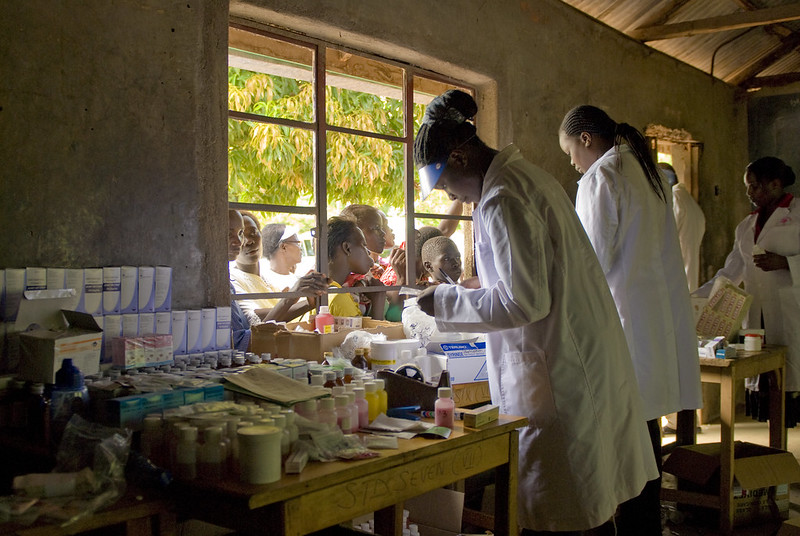 Malaria is the leading cause of preventable death, killing almost 600,000 people in 2023. The largest outbreaks occur in sub-Saharan Africa, where poverty is a key contributing factor. Global aid programs have been successful, averting millions of malaria-related deaths, demonstrating their necessity. Sadly, recent funding cuts threaten progress against malaria and poverty in Africa. Millions are once again at risk from a disease the world already knows how to prevent.
The Disease-Poverty Cycle
Malaria is more than a health concern. It is part of a disease-poverty cycle that threatens the welfare of generations. For many African countries, approximately 63% of malaria spending comes from foreign investment. Poor areas lack access to health clinics and mosquito nets, leaving millions vulnerable.
Malaria infections leave low-income households facing further financial strain. Missed workdays mean lost wages and medical care is unaffordable. According to the World Bank, treatment for a single case of malaria costs up to 25% of annual income, pushing vulnerable families deeper into poverty. Children bear the heaviest burden, with almost 80% of malaria-related deaths occurring in children under 5. Infections also lead to higher absenteeism and poor learning outcomes. This threatens their future earning potential, making it harder for them to escape poverty as adults.
International aid is the strongest tool to break this cycle. Subsidized mosquito nets and affordable medication have saved millions of lives and reduced the financial strain on families. But the funding cuts in early 2025 are undoing all of the progress. Unless resources are restored, the disease-poverty cycle will only tighten its grip.
How Funding Cuts Impact Malaria and Poverty in Africa
Between 2010 and 2023, the United States (U.S.) contributed an average of 37% of global malaria financing. The $15.6 billion dispersed through the Global Fund averted more than 600 million malaria cases. The recent foreign aid reductions, however, led the Global Fund to cut $1.4 billion from existing grants. These cuts significantly limit resources for the communities that rely on them most.
Within the last year, several African countries saw a sharp increase in malaria cases and deaths. Zimbabwe recorded 119,648 cases and 334 deaths, while Namibia registered 89,959 cases and 146 deaths. Without sustained aid, millions will again face illness and economic hardship. Households lose income, medical expenses increase and children miss school. Each malaria case reinforces the disease-poverty cycle, trapping generations in a world of disease and hardship.
Preventing Malaria: Funding, Care and Innovation
In light of the funding cuts, countries and organizations are taking coordinated action to reduce the impact of malaria and poverty in Africa. At the 38th African Union Summit this year, African leaders emphasized the need for foreign investment to reduce the economic burden of the disease.
African countries are reprioritizing budgets to maintain malaria prevention and treatment programs in high-risk areas. Local health workers bring diagnosis and treatment closer to households, increasing access to treatment and reducing financial strain on families.
The National Aeronautics and Space Administration (NASA), in collaboration with Epidemic Prognosis Incorporating Disease and Environmental Monitoring for Integrated Assessment (EPIDEMIA), developed a malaria early warning system enabling targeted prevention and treatment efforts. In September 2025, the Gates Foundation pledged $912M to the Global Fund to support malaria programs and urged governments to increase funding.
Combating malaria and poverty in Africa requires urgent advocacy. The Global Fund, which provides 59% of international malaria financing, reduced malaria deaths by 29% between 2002 and 2023. It is a sustained investment that could deliver malaria-free Africa.
Key Malaria and Poverty Reduction Actions
According to the Global Fund, the following efforts can help reduce malaria and poverty.
- Advocating for full replenishment of the Global Fund.
- Urging governments to restore and increase contributions.
- Pushing for transparent budgeting to ensure funds reach high-need communities.
- Mobilizing advocacy groups to contact representatives to back global health funding.
Looking Ahead
Despite recent funding cuts, progress against malaria reveals that the disease can be defeated. Continued support from governments, donors and communities can sustain prevention efforts and protect millions from poverty. With renewed commitment, a malaria-free Africa is within reach.
– Tina Kusal
Tina is based in Montrose, CA, USA and focuses on Global Health for The Borgen Project.
Photo: Flickr
