Poverty and Water Security in the Sahel
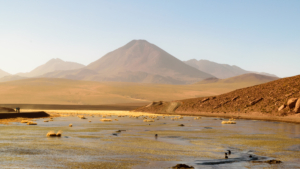 Water security is a significant concern in the Sahel, where a lack of water endangers lives, livelihoods and long-term stability. This fragile region, which contains some of Africa’s most climate-vulnerable countries, is dealing with worsening droughts, expanding deserts and rising displacement. For millions, the everyday struggle for safe and reliable water worsens poverty, increases hunger and reduces resilience.
Access to clean water has progressed beyond a simple humanitarian requirement, becoming the foundation for economic development, social stability and the prospect of a more secure future.
How Scarcity Fuels Malnutrition
Reliable water access is essential for the Sahel’s food systems to meet the needs of a fast-growing population. Between June and August 2025, approximately 47.4 million people are projected to face acute food and nutrition insecurity, the highest number recorded in the region.
The impact on children is especially severe: 16.3 million children below 5 years are expected to suffer from acute malnutrition, including 4.3 million in severe condition. These figures represent more than statistics. They reflect families whose crops fail, herders who lose livestock and communities forced to pay higher prices for scarce food.
As rainfall becomes more unpredictable and fertile lands keep degrading, farming is becoming riskier, leading to a quicker spread of hunger. However, by enhancing water security in the Sahel through methods like irrigation, sustainable groundwater management and climate-resilient farming practices, these trends can be turned around. This would lessen hunger and allow communities to break free from poverty.
Water Scarcity Fuels Poverty Through Displacement
Water scarcity threatens livelihoods and drives mass displacement and instability across the Sahel. In early 2025, 9.1 million people were forcibly displaced, including 6.6 million internally displaced individuals and 2.5 million refugees and asylum seekers.
Entire communities have been torn apart as environmental changes wipe out traditional living methods. Since the ’60s, Lake Chad has lost nearly 90% of its size, destroying the farming and fishing jobs that once supported millions. When families can’t find water, they’re forced to leave their homes, which puts pressure on the communities that take them in and increases competition for limited resources.
These difficulties can weaken social ties, increase insecurity and push even more people into poverty. Addressing water scarcity could help stabilize these communities and reduce migration pressures. It also allows governments and aid organizations to shift their focus from emergency measures to sustainable solutions for poverty.
Limited Water Deepens Poverty and Vulnerability
Access to clean water remains critically low in the Sahel, disproportionately affecting women, children and the most vulnerable populations. In Burkina Faso, Niger and Chad, nearly 38 million people lack drinking water and 68 million lack basic sanitation services.
For many families, children often spend hours fetching water instead of attending school and poor sanitation contributes to preventable illnesses that reduce productivity and educational attainment. These challenges deepen inequality and make it even tougher for communities to break free from poverty. Expanding access to safe water and sanitation is crucial, not just to boost health and education outcomes, but also to lay the groundwork needed to shatter the cycle of poverty.
Tackling Water Scarcity in the Sahel
The United Nations Children’s Fund (UNICEF) has been pivotal in expanding access to safe drinking water. In 2024, UNICEF installed eight solar-powered water systems to reduce the hassle of finding water in the region.
Meanwhile, the Permanent Interstate Committee for Drought Control in the Sahel (CILSS), a regional body supported by member governments, strengthens water governance, improves irrigation and promotes sustainable farming. Together, these efforts are critical in easing the burden of drought and helping Sahelian communities secure their future.
Conclusion
The connection between water security and poverty in the Sahel is unmistakable. Issues like hunger, displacement and inequality arise from inconsistent water access. For countless individuals, the lack of safe water impacts every part of their lives, from their meals to whether their kids can attend school.
By focusing on sustainable water infrastructure, empowering resilient communities and prioritizing water access in humanitarian and development efforts, the Sahel can start to pave the way toward stability and opportunity. Indeed, water isn’t just a basic necessity; it’s a vital resource that can help break the cycle of poverty and create a brighter, more secure future for some of the world’s most vulnerable populations.
– Anagha Rajithkumar
Anagha is based in Prince Edward Island, Canada and focuses on Business Technology for The Borgen Project.
Photo: Wikimedia Commons
