• Link to X
  • Link to Facebook
  • Link to Instagram
  • Link to TikTok
  • Link to Youtube
  • About
    • About Us
      • President
      • Board of Directors
      • Board of Advisors
      • Financials
      • Our Methodology
      • Success Tracker
      • Contact
  • Act Now
    • 30 Ways to Help
      • Email Congress
      • Call Congress
      • Volunteer
      • Courses & Certificates
      • Be a Donor
    • Internships
      • In-Office Internships
      • Remote Internships
    • Legislation
      • Politics 101
  • The Blog
  • The Podcast
  • Magazine
  • Donate
  • Click to open the search input field Click to open the search input field Search
  • Menu Menu

Tag Archive for: United Nations

Posts

Global Poverty

MDG 1: Eradicate Extreme Poverty and Hunger

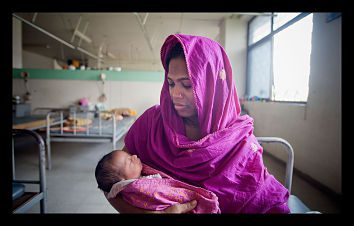
MDG_1_poverty_hunger_world
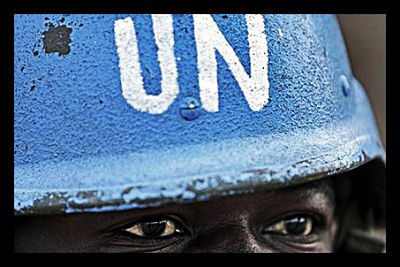
The Millennium Development Goals are a set of eight targets agreed upon by almost all countries around the world. (For a more in-depth description of the MDGs, review this excellent post by Delice Williams: https://borgenproject.org/what-are-the-un-millennium-development-goals) Overseen by the United Nations, these goals are to be reached by 2015. Two years out from this deadline, it’s important to recognize how much progress we have made, and how far we have to go. This is the first in a series of posts that will do just that, focusing on each MDG individually in order to better understand the intricacies of each one.

The first MDG states that we will eradicate extreme poverty and hunger. This goal consists of three facets:

  1. Cut the proportion of people whose income is less than $1.25/day in half between 1990 and 2015.
  2. Ensure the opportunity for full and productive employment and decent work for everyone, including women and young people
  3. Cut the proportion of people who suffer from hunger in half between 1990 and 2015

The first of these goals, to halve the proportion of people living in extreme poverty, was met five years ahead of schedule. This represents 700 million less people facing extreme poverty in 2010 than in 1990. Extreme poverty is falling in every region. It is incredibly encouraging to know that progress is possible everywhere, especially considering that 1.2 billion people around the world are still living in extreme poverty.

In regards to the second goal, 294 million workers have been raised out of extreme poverty as of 2011. However, this still leaves 384 million workers living on less than $1.25 per day. Progress in this area has been made in part through UN partnerships with governments that provide job training for unemployed youth in developing countries. One such program, The Youth Employment Fund, was instated in Serbia, where over 2000 young Serbs were given job training and opportunities for work.

Despite significant progress towards the second goal, a significant gender gap remains. The employment percentage was still almost 25% higher for men than for women in 2012. UN Women, a women’s rights group sponsored by the United Nations, has been working towards this goal by empowering women in the workplace, especially when it comes to food production. Women all over the world are benefiting from their programs, such as those in Timor-Leste and Rwanda. These programs include self-help groups and agricultural training, as well as financial education that gives women more sway when it comes to family financial decisions.

According the UN’s progress report, the goal of halving the proportion of hungry people around the world is within reach by 2015. In fact, 38 countries have already met this target. However, roughly 1 in 8 people worldwide still go to sleep hungry each night, and about 870 million people are still undernourished. While undernutrition is a significant problem, malnutrition affects many more people worldwide, with two billion people suffering from one or more micronutrient deficiencies.

With advancements in each of the three facets of the first MDG, we should celebrate our success. And yet, with billions of people still facing extreme poverty and hunger every day, we must continue to make progress.

This series will continue by considering the significant advancements made and work to be done in regards to the second MDG, the achievement of universal primary education.

– Katie Fullerton

Sources: UN Women, UN NewsCentre, UN MDGs
Photo: Mwebantu,
August 2, 2013
https://borgenproject.org/wp-content/uploads/borgen-project-logo.svg 0 0 Borgen Project https://borgenproject.org/wp-content/uploads/borgen-project-logo.svg Borgen Project2013-08-02 04:00:112024-06-11 01:47:14MDG 1: Eradicate Extreme Poverty and Hunger
Children

MDG 4: Reduce Child Mortality

Child Mortality
This is the fourth in a series of posts exploring the UN’s Millennium Development Goals. The MDGs are a series of eight interconnected goals agreed upon by almost every country in the world, based on a shared commitment to improving the social, political, and economic lives of all people. These goals are to met by 2015 and, two years out from this deadline, it is time to recognize both the incredible progress we have made and the work we have left to do.

The fourth MDG is to reduce the mortality rate for children under five by at least two thirds from 1990 to 2015. The world has made amazing progress on this front. Despite population growth, the number of deaths in children under five worldwide has decreased significantly from 12.4 million in 1990 to 6.9 million in 2011. This represents 14,000 fewer child deaths every day.

This improvement has been made possible by a wide variety of programs. Vaccines are an excellent way to avoid easily preventable deaths. According to the World Health Organization, vaccine-preventable diseases accounted for roughly 17% of deaths of children under five in 2008, representing 1.5 million deaths. This figure can be diminished fairly easily by providing vaccines for diseases such meningitis, tuberculosis, and rotavirus. The measles vaccine alone has prevented more than 10 million child deaths since 2000.

Another reliable method for reducing child mortality is the education of women. Even minimal education for a mother can significantly improve her children’s likelihood of survival. A UNDP program in Malaysia is capitalizing on this opportunity by surveying 2500 single mothers. These women are faced with incredible challenges, including poverty, lack of education and job opportunities, and social stigmatization. The results of the survey will be used to better understand how best to work with these women, enabling them to find enjoyable work and care for their children.

Another successful UNDP program is taking place in Canelones, a populous and impoverished area of Uruguay where roughly 35,000 citizens are raising children in extreme poverty. As a result of a UNDP study in the area that revealed severe health risks for children in poorer areas, several organizations teamed up to create “Canelones Grows with You”. This program provides the most vulnerable families in Canelones with comprehensive training on care for young children, including nutritional supplements and information on how to use them, as well as regular pregnancy check-ups. The program also encourages a sense of community that encompasses even the poorest families, who are often unaware of or feel excluded from public health clinics, schools, and eateries. “Canelones Grows with You” was so successful in reducing rates of malnutrition, low height, low birth weight, and prematurity that it has been adopted as official government policy with a program called “Uruguay Grows with You”.

Between 1990 and 2011, child mortality has almost been cut in half, decreasing in every region. This is an incredible achievement. However, with the goal set at a two-thirds reduction of the 1990 figure by 2015, we definitely have our work cut out for us. One of every nine children in sub-Saharan Africa still dies before they reach the age of five. In Southern Asia, this figure is one of every sixteen. Children from poorer families are almost twice as likely to die before their fifth birthday than those from wealthier families. Any preventable child deaths are unacceptable, but these figures are horrifyingly so.

Every child deserves a chance to live, and all parents deserve the opportunity to provide for their child. Significant progress has been made towards this ideal, and we must continue this important work if we hope to achieve the fourth Millennium Development Goal.

– Katie Fullerton

Sources: UN Development Program, United Nations, World Health Organization

July 31, 2013
https://borgenproject.org/wp-content/uploads/borgen-project-logo.svg 0 0 Borgen Project https://borgenproject.org/wp-content/uploads/borgen-project-logo.svg Borgen Project2013-07-31 12:45:032024-05-25 00:13:53MDG 4: Reduce Child Mortality
Activism, United Nations

Top 5 Malala Quotes

Malala_Yousafzai
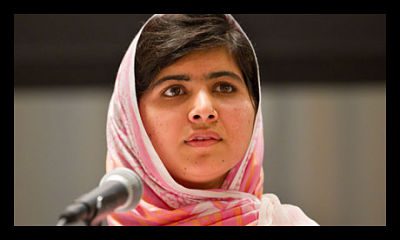
Malala Yousafzai, a Pakistani teenager shot by the Taliban after advocating for girls’ right to education, addressed the United Nations on her 16th birthday, speaking about the power of education to overcome extremism. The U.N. declared July 12 “Malala Day” to honor Yousafzai, who went back to school in March after recovering from the October attack.

According to a report released by UNESCO and Save the Children, 95 percent of the 28.5 million children who are not receiving a primary education live in low and lower-middle income countries, and girls make up 55 percent of those who are not in school. The report also stated that there were more than 3,600 documented attacks on education similar to that faced by Yousafzai. Listed below are five of her most inspiring “Malala quotes”, which highlight the influence and importance of education.

  1. “We realized the importance of pens and books when we saw the guns. The extremists are afraid of books and pens. The power of education frightens them.”
  2. “There was a time when women social activists asked men to stand up for women’s rights, but this time we will do it by ourselves.”
  3. “I raise up my voice – not so that I can shout, but so that those without a voice can be heard.””
  4. “We cannot succeed when half of us are held back.”
  5. “One child, one teacher, one book and one pen can change the world. Education is the only solution. Education first.”

– Katie Bandera

Sources: Huffington Post
Photo: The Guardian


Read Humanitarian Quotes.

July 27, 2013
https://borgenproject.org/wp-content/uploads/borgen-project-logo.svg 0 0 Borgen Project https://borgenproject.org/wp-content/uploads/borgen-project-logo.svg Borgen Project2013-07-27 03:00:552017-10-04 12:37:20Top 5 Malala Quotes
Global Poverty

MDG 6: HIV/AIDS, Malaria, & other Diseases

malaria_bed_nets
This is the sixth in a series of posts focusing on the UN’s Millennium Development Goals. The MDGs are a set of eight interrelated goals that were agreed upon by over 180 countries worldwide. They aim to improve the social, economic, and political lives of all people, and are to be achieved by 2015. Two years out from this deadline, it is important to recognize how far we’ve come and how far we have to go.

The sixth MDG is made up of three targets aimed at combatting HIV/AIDS, malaria, and other diseases. Progress has been made on each of the three objectives. These three goals are to:

  • Have halted and begun to reverse the spread of HIV/AIDS by 2015
  • Achieve universal access to treatment for HIV/AIDS by 2010
  • Have halted and begun to reverse the spread of malaria and other major diseases by 2015

New HIV infections are declining in most regions. Although, with improved health care resulting in less deaths from AIDS, more people are living with HIV than ever. This makes it even more difficult to contain the disease, resulting in a fairly high and inelastic 2.5 million new infections each year. This phenomenon is not helped by the fact that complete knowledge of HIV transmission and condom use are still low among the younger population.

Over two-thirds of new HIV cases occur in sub-Saharan Africa, presenting an opportunity for redoubled efforts there to increase public awareness and improve access to treatment. It is also important to improve the lives of HIV victims and their families in the short-term. For example, more orphans are attending school thanks to programs to minimize the effects of AIDS.

Availability of treatment for HIV/AIDS increased in all regions between 1990 and 2011, although universal access was not achieved by the goal date of 2010. During 2011, significant progress was made in providing care to the 34 million people living with HIV worldwide. The number of people receiving antiretroviral therapy (ART) that year jumped from 6.6 million to 8 million. By the end of 2012, 9.7 million people in developing nations had access to ART. ART is usually a combination of at least three drugs that keep the HIV virus under control. The technique has consistently been shown to reduce mortality and suffering rates among individuals with HIV, and is most effective in the early stages of the disease. This makes it even more important that universal access to treatment is achieved. Roughly 15 million people in developing areas are in need of ART. Currently, 55% of this need is being met and, as of 2011, eleven countries have achieved universal access to ART. Building upon this progress will ensure that all HIV patients receive the treatment they need.

One of the most troublesome things about HIV/AIDS is that it weakens the immune system and makes patients more vulnerable to a wide variety of other diseases. This is harmful to patients already suffering from HIV, and it increases the transmission rates of diseases such as malaria and tuberculosis (TB) to otherwise healthy people. The third facet of MDG 6 is concerned with these other diseases. Exciting progress has been made in regards to malaria and TB in recent years, propelling us towards a future without these diseases.

Between 2000 and 2010, the incidence of malaria fell by 17% and the malaria-specific mortality rate fell by a full quarter. This represents 1.1 million lives saved from this horrifying disease. Malaria is caused by a parasite that is transmitted by the bites of infected mosquitoes. One effective and simple way to prevent the spread of malaria is to sleep under bed nets treated with insecticides. Now, thanks to increased funding, more children in sub-Saharan Africa are sleeping safely under these nets. This type of preventive work with children is especially important, given that the majority of people who die from malaria are children under five in Africa. It also aids in working towards the fourth MDG: a two-thirds reduction of the 1990 child mortality rate by 2015. This is just one example of the numerous intersections of the eight MDGs. When malaria prevention and treatment opportunities improve, child mortality generally falls. In fact, when a country expands the availability of malaria control interventions, child mortality drops by about 20%.

Tuberculosis (TB) is another prevalent infectious disease facing the developing world today. In 2011, it infected an estimated 8.7 million people and killed roughly 1.4 million. TB is caused by a bacterial infection most often occurring in the lungs. It is transmitted by water droplets from the throat and lungs of infected individuals. People with strong immune systems are generally able to fight off the disease without symptoms. However, for people whose immune systems are compromised in any way, including individuals who are HIV-positive, TB becomes a life-threatening illness. Treatment for this disease lasts six-months, and universal access has yet to be achieved. Despite these obstacles, however, 51 million people were successfully treated for TB between 1995 and 2011. Over that time period, the world saw the mortality rate for TB decrease by over 40%. These incredible innovations have been possible by prolonged efforts on many fronts. These include a WHO program aiming to detect TB earlier in Swaziland, the country with the highest rate of TB, and cheaper testing thanks to a partnership between the US government, the Bill and Melinda Gates Foundation, and Unitaid.

HIV/AIDS, malaria, and TB represent some of the greatest causes of poverty in the world today. These debilitating and often fatal diseases dramatically affect the lives of billions of people worldwide, and the progress made so far is astounding. Treatment for HIV is more available than ever before. Incidence of malaria is on the decline, as is the mortality rate for people suffering from it. TB testing and treatment are becoming increasingly available, effective, and efficient. These incredible achievements are just the beginning. They should serve to show us that we can effectively prevent and treat even the most widespread diseases, that we can save millions of lives every year, and that we are capable of much more than we think.

– Katie Fullerton

Sources: WHO Table WHO ART Information WHO MDG UN The Guardian
Photo: The Guardian

July 26, 2013
https://borgenproject.org/wp-content/uploads/borgen-project-logo.svg 0 0 Borgen Project https://borgenproject.org/wp-content/uploads/borgen-project-logo.svg Borgen Project2013-07-26 05:00:262024-05-25 00:06:48MDG 6: HIV/AIDS, Malaria, & other Diseases
Children, Development, Family Planning and Contraception

MDG 5: Improve Maternal Health

MDG 5: Improve Maternal Health
This is the fifth in a series of posts focusing on the UN’s Millennium Development Goals. There are eight interconnected MDGs that were agreed upon by over 180 countries worldwide. These goals are to be achieved by 2015 and are based on a shared pledge to improve the social, economic, and political lives of all people. Two years out from the goal date, it’s time to consider how far we have come, as well as how much work we have left to do.

The fifth MDG is to improve maternal health. This goal comes in two parts:

  • Cut the maternal mortality ratio by two-thirds between 1990 and 2015
  • Achieve universal access to reproductive health

Significant progress has been made on both fronts. In 2010, the maternal mortality ratio was 47% of the 1990 figure. Three regions (Eastern Asia, Northern Africa, and Southern Asia) have already reached the two-thirds reduction goal, and progress has been made in every region. However, women in sub-Saharan Africa still have a 1 in 39 chance of dying from pregnancy complications, and improvements in many regions will need to accelerate substantially if the MDG is to be met by 2015.

Work towards universal access to reproductive health has made encouraging headway as well. Health care for pregnant women in developing countries is on the rise, with antenatal care increasing by almost 20% between 1990 and 2011. This reflects an admirable commitment to women’s health care in developing regions. In a reflection of changing cultural norms, the number of teenage mothers is decreasing in most developing regions, though progress on this front has slowed in recent years.

Despite the progress that has been made thus far, maternal mortality still bears the highest disparity between developed and developing countries, with 99% of maternal deaths occurring in poorer nations. The maternal mortality ratio in developing areas remains 15 times higher than in developed regions. This severe inequality points to the undeniable connection between poverty and maternal health.

The primary cause of maternal deaths in the world today is the lack of skilled health care before, during, and after delivery. Women in developing areas are seeking maternal care at an increasing rate. It is therefore absolutely vital that the care they receive is of excellent quality. Doctors must be trained, facilities must be built, and supplies must be provided in order to save the lives of these women and their children.

Women and their partners are also seeking family planning services in higher volumes. Meanwhile, the supply of these services is increasing only minimally. Family planning must be prioritized in order to meet this need. It has been estimated that fulfilling the unmet demand for family planning could cause the number of maternal mortalities to plummet by one third. Impressive progress in this area was made in the 1990s when contraceptive use in developing countries increased by almost 10%. However, this level of progress was not matched in the 2000s.

Improvements in contraceptive use, especially in developing areas, would reduce one of the leading causes of pregnancy-related death: unsafe abortions. Approximately 13% of pregnancy-related deaths can be attributed to unsafe abortions, which kill 68,000 women annually. In another example of the disparity between developed and developing nations, 97% of unsafe abortions occur in poorer countries. Preventing unsafe abortions, both by increasing knowledge and use of contraceptives and by providing adequate health care in developing countries, is absolutely necessary as we work towards improving maternal health.

The quality of maternal health care will also rise when women are more empowered. Women worldwide are often constrained by cultural norms that leave them disenfranchised. They suffer physical and sexual violence at alarmingly high rates and are often unable to hold positions of power in society. The appalling state of maternal health in many countries can largely be attributed to societal injustices against women. When such countries work towards gender equality, they will also improve maternal health.

It is important, however, to remember that maternal health isn’t just a women’s issue. Poor sexual and reproductive health is a significant contributing cause to poverty worldwide and can prevent victims and their families from fully participating in society. Furthermore, improving maternal health entails more than just providing skilled birthing assistance. Women are less likely to have pregnancy complications if they do not have sexually transmitted infections (STIs) and if they have not undergone female genital mutilation. Therefore, improving maternal health necessitates the enhancements of society as a whole. These include increasing the general public’s knowledge of and access to sexual and reproductive health care, including contraceptives and treatment for STIs.

There are copious reasons to improve developing nations’ maternal health. Poor maternal health is a human rights violation, killing roughly 250,000 women each year. It harms countries’ economies and social fabric by preventing people from fully participating in society. It contributes significantly to poverty. It contributes to the perpetuation of gender inequality. And, as we have seen, improvements can clearly be made. The world has made so much progress when it comes to maternal health. These achievements should be used as a springboard, inspiring us to keep working towards the fifth MDG up to and beyond 2015.

– Katie Fullerton

Sources: UN UN Economic and Social Affairs WHO MDG5
Photo: Flickr

July 26, 2013
https://borgenproject.org/wp-content/uploads/borgen-project-logo.svg 0 0 Borgen Project https://borgenproject.org/wp-content/uploads/borgen-project-logo.svg Borgen Project2013-07-26 04:00:202024-05-25 00:04:25MDG 5: Improve Maternal Health
Development

MDG 8: Global partnership for development

MDG 8: Global partnership for development
This is the eighth, and last, in a series of posts focusing on the UN’s Millennium Development Goals. The MDGs are a set of eight goals agreed upon by almost every country in the world, based on a shared commitment to improving the lives of all people. These targets are to be achieved by 2015 and, two years out from this goal, it is important to recognize how much progress we’ve made and how much we have left to do.

The final MDG is made up of six criteria that aim to establish a global partnership for development. Progress with regard to these targets has been uneven and gradual. The criteria are:

  1. Develop further an open, rule-based, predictable, non-discriminatory trading and financial system
  2. Address the special needs of least developed countries
  3. Address the special needs of landlocked developing countries and small island developing States
  4. Deal comprehensively with the debt problem of developing countries
  5. In cooperation with pharmaceutical companies, provide access to affordable essential drugs in developing countries
  6. In cooperation with the private sector, make available benefits of new technologies, especially information and communications

The first of these targets, to more fully establish a fair and effective trading and financial system, has been stagnated by protectionist policies put in place by developed countries. Such measures became more prevalent following the economic downturn in 2009, and they continue to affect an estimated 3% of global trade. This trend exists even among G20 countries that pledged to resist such measures.

The special needs of least developed countries have been minimally addressed, as measured by the criteria laid out in the MDGs. With the important exception of agricultural products, tariffs imposed by developed countries on developing countries have remained mostly unchanged since 2004. Aid to sub-Saharan Africa fell by almost one percent in 2011. In contrast, during that same year, aid to Northern African countries increased after springtime revolutions. These figures resulted in an overall increase in aid to the African continent. Debt relief initiatives have been fairly effective for some poor countries plagued with debt. However, 20 developing countries are still at high risk of debt distress.

In regards to the third criterion, there is still a lot of progress to be made. Aid designated for landlocked developing countries actually decreased in 2010, representing stagnation in the goal of meeting the specific needs of such countries. On the other hand, aid to small island developing States increased significantly. These countries are especially vulnerable to rising sea levels due to climate change and turbulence in international economic interactions. This means that, although some of them could be classified as middle-income countries, they are often highly indebted and in need of assistance.

Developing countries often have significant debt problems. MDG 8 aims to address this by encouraging developed countries to provide aid to highly indebted countries. As previously mentioned, 20 developing countries are at high risk of debt distress. However, the developing world handles the economic troubles of 2009 fairly well and in 2011, the debt to GDP ratio dropped for many developing countries. Caution prevails though, with growth expected to slow in the coming years.

Many deaths in the developing world could be easily prevented with essential drugs. MDG 8 aims to provide such drugs to developing nations at affordable prices with the help of pharmaceutical companies. This initiative has proven fairly effective. Despite the economic downturn, resources aimed at providing necessary medicines through global health funds focused on specific diseases increased in 2011. Work still needs to be done in order to translate this increase in funding into improved affordability and availability of these medicines in developing countries.

In order to rise out of poverty, developing countries will need improved access to technological advances, especially when it comes to information and communications. MDG 8 aspires to provide this access by working with private sector companies. Efforts on this front have yielded significant improvements. The use of mobile phones is on the rise, with 6 billion phones in use as of 2011. Although a wide disparity between the developed and developing world in regards to internet use remains, it is decreasing rapidly. The proportion of internet users residing in the developing world increased from 44% in 2006 to 63% in 2011. However, progress has varied greatly between regions. For example, less than 15% of people in sub-Saharan Africa have reliable access to the internet.

The eighth MDG is ambitious and far-reaching. It aims to establish a global partnership for development covers a wide variety of topics, from trade policies to pharmaceutical innovations in developing countries. Although progress has been made in these areas, there is still important work to be done. Trade policies must be modified to better serve the world’s poor. Essential drugs need to be available and affordable for people in developing countries. Donors and support groups must meet the specific needs of the least developed nations, landlocked developing countries, and small island developing countries. Working towards all the criteria in MDG 8 will create and strengthen a global partnership that will aid in the development and help people rise out of poverty.

– Katie Fullerton

Sources: UN MDG Report, UN News Centre, UN
Photo: Romano Prodi

July 25, 2013
https://borgenproject.org/wp-content/uploads/borgen-project-logo.svg 0 0 Borgen Project https://borgenproject.org/wp-content/uploads/borgen-project-logo.svg Borgen Project2013-07-25 07:18:062024-06-11 01:40:46MDG 8: Global partnership for development
Global Poverty

MDG 7: Ensure environmental sustainability

MDG 7: Ensure environmental sustainability
This is the seventh post in a series focusing on the UN’s Millennium Development Goals. The MDGs are a set of eight interconnected goals based on a commitment to improving the social, political, and economic lives of all people. They were agreed upon by over 180 countries and are to be achieved by 2015. With two years left until this deadline, it is exciting to see how much progress has been made and important to recognize how much work we have left.

The seventh MDG consists of four facets that aim to ensure environmental sustainability. Progress pertaining to the four individual goals has been uneven, with incredible achievements in some areas and stagnation in others. The four targets are:

  1. Integrate the principles of sustainable development into country policies and programs, and reverse the loss of environmental resources
  2. Significantly reduce biodiversity loss by 2010
  3. Cut the proportion of people without sustainable access to safe drinking water and basic sanitation in half by 2015
  4. Improve the lives of a least 100 million slum-dwellers by 2020

Overall progress on the first of these goals has been slow. Deforestation continues to deplete an important safety net for the poor, especially in South America and Africa. With over 32 million acres of forest lost annually, the world is headed for environmental devastation and efforts on this front must be redoubled. Similarly, global CO2 emissions have risen by almost 50% since 1990. On the other hand, since the Montreal Protocol on Substances that Deplete the Ozone Layer in 1987, the consumption of such substances has decreased by over 98%. Applying this type of initiative to CO2 emissions, deforestation, and other harmful developments would vastly improve the state of the world. The potential for this type of action exists, as displayed at the Rio+20 United Nations Conference on Sustainable Development in June 2012, where world leaders pledged more than $513 billion towards sustainable development projects.

Progress in regards to the second goal has been slightly more substantial, with the number of protected areas on Earth’s surface increasing by 58% since 1990. However, there are still many vital biodiversity sites that are not yet protected. As of 2010, only 1.6% of the total ocean area is protected, compared with 12.7% of land area. The world’s oceans are a vastly undervalued resource. They are critical environmental resources and are damaged at alarming rates. Offenses in this area include overfishing, destruction of coral reefs, loss of biodiversity, and water pollution. Protection of oceans is vital to the welfare of many countries whose economies rely on ocean-related industries such as fishing and tourism. Efforts to ensure the preservation of oceans and land areas are needed to counteract biodiversity loss and environmental destruction.

When it comes to the third facet of MDG 7, progress has been incredible. The proportion of people without sustainable access to safe drinking water was cut in half five years ahead of schedule! Over 2 billion people gained access to improved drinking water sources between 1990 and 2010. The World Health Organization and UNICEF define “improved” sources of drinking water as those that are protected from outside contamination, including human and animal waste, and runoff water. The percentage of people using such a source increased from 76% to 89% between 1990 and 2010. This amazing progress should leave no doubt that we can provide improved water sources for the 768 million people who are still in need, 40% of whom live in sub-Saharan Africa.

According to the WHO and UNICEF, improved sanitation facilities are those that hygienically prevent humans from coming in contact with human waste. Between 1990 and 2011, more than 240,000 people gained access to improved sanitation facilities every day. This represents astounding progress, although it still leaves roughly 2.5 billion people in developing countries without access to improved sanitation facilities. Given the astounding achievements thus far, progress should continue to be made in the years to come.

The final target of MDG 7 has also been met far ahead of the 2020 goal date. The lives of at least 200 million slum dwellers have been changed with access to improved water and/or sanitation facilities, as well as sturdier and less crowded housing. Living space is defined as a “slum household” if it lacks one or more of the following:

  • Access to improved water
  • Access to improved sanitation
  • Sufficient living space
  • Durability of housing
  • Security of tenure, or protection by the State from unlawful evictions

Of the five criteria, the security of tenure is by far the most difficult to keep track of. Because of this, the first four standards are widely used to determine the number of people living in slums. Based on these measures, more than 850 million people were living in slums as of 2012, which represents an increase of more than 200 million people from the 1990 figure. However, it is also worth noting that the proportion of slum-dwellers living in the developing world decreased by 6% between 2000 and 2012. This reflects the progress there that has led to the incredible achievement of this facet of MDG 7 so far ahead of schedule.

Environmental stewardship is an essential part of the fight against poverty. Those living in poverty are often the hardest hit when the environment is not taken care of. They do not, for example, have the resources to buy fertilizer to supplement deteriorating soil or to support themselves through a severe drought. They have less access to safe drinking water and sanitation facilities, and their housing is often tenuous. The seventh MDG is important because it aims to ensure that all people are able to benefit from the world’s resources for many generations to come.

– Katie Fullerton
Sources: UNICEF MDG Indicators UN World Bank

July 25, 2013
https://borgenproject.org/wp-content/uploads/borgen-project-logo.svg 0 0 Borgen Project https://borgenproject.org/wp-content/uploads/borgen-project-logo.svg Borgen Project2013-07-25 07:05:072024-05-25 00:08:56MDG 7: Ensure environmental sustainability
Global Poverty

Malala Yousafzai Visits the UN

Malala Yousafzai rose to international recognition when she and her classmates were shot by the Taliban when they attempted to go to school in Pakistan. She has been voted one of the World’s 100 Most Influential People by Time Magazine and now she is going to visit the UN on Friday, July 12th to tell her story and raise awareness of global education.

Yousafzai was only 15 when members of the Taliban shot her and her friends while they were taking the bus to school after all schools for girls were shut down in Pakistan. They wanted to teach her a lesson and show everyone else what would happen if they dared to stand up for themselves. The gunmen targeterd her because she was not just a school girl, she was also the voice of her generation as a blogger about the injustices they suffered under the hand of the Taliban.

Since the incident, Yousafzai has returned to school and has even been reunited with some of her old friends. She was the first to sign the UN Special Envoy for Education petition urging immediate action to make sure every child receives an education, and for her actions she was awarded Pakistan’s National Youth Peace Prize.  November 10th is known as Malala Day and it is clear that she is not only one of the most well-known students in the world, but one of the most potent as well.

The United Nations will be holding a youth assembly dubbed Malala Day this Friday, giving young people the chance to run the UN for the day. Yousafzai will be joined by hundreds of other students from over 80 countries for this event. Each one will tell their story and try to bring international attention to the pressing need of education. There are around 57 million children missing out on a primary education, as well as over 120 million teens and young adults without basic reading and writing skills. Without an education, these children will be incapable of getting jobs into today’s changing world market when they become adults. Therefore they will continue to live in poverty and feed the cycle of poverty.

The Secretary-general of the UN, Ban Ki-moon, has started the Global Education First Initiative. The main goals of the initiative are to get every child in school, provide a safe learning environment for students, and improve the quality of education. In a op-ed piece about Malala’s impending visit with Huffington Post he stated, “We must do all we can to ensure that schools are safe and secure learning spaces. Nowhere in the world should it be an act of bravery for an adult to teach or a girl to go to school.” He believes that in order to meet the Millennium Development Goals and prepare for their deadline in 2015, we must focus on the importance of a good education.

The youth assembly will hopefully bring attention to the fact that education is a fundamental right that should be awarded to everyone. Opportunity and lifestyle will only begin to be equal once every woman, man, and child has the same access to learning, and therefore the same access to jobs.

– Chelsea Evans

Source: Huffington Post, UN News Center, Time Magazine, Global Education First Initiative
Photo: SCMP

July 23, 2013
https://borgenproject.org/wp-content/uploads/borgen-project-logo.svg 0 0 Borgen Project https://borgenproject.org/wp-content/uploads/borgen-project-logo.svg Borgen Project2013-07-23 02:00:152024-06-11 01:39:02Malala Yousafzai Visits the UN
Activism, Education, United Nations, Women and Female Empowerment

Malala Proves Education is Key to Empowerment

malala_opt-1
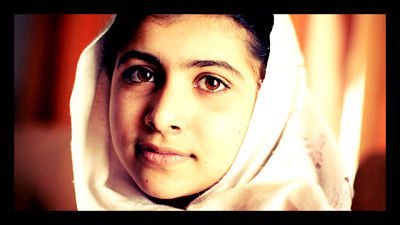
Malala Yousafzai is a young education rights campaigner from Pakistan. Malala will soon be celebrating her 16th birthday, a miracle after she was shot by extremists for her outspoken beliefs on education. Malala will celebrate her birthday by traveling to the United Nations where students from more than 80 countries will join her.

Malala and the other young activists will be assembled to call for global education for everyone in the world. She and the other young diplomats believe that education is a right for all – one of the Millennium Development Goals, and a vital component of the path to global citizenship. This belief is well founded in the fact that universal compulsory education represents a future that the world wants. Malala was the first person to sign on to a new worldwide petition calling for urgent action to ensure the right of every child to safely attend school. The petition serves as an initial step in focusing the UN agenda on education.

UN Secretary General Ban Ki-moon supports Malala’s mission to bring education to the world. He states that education is an essential step in a world without poverty, violence, discrimination, and disease. He also recognizes that in order to achieve these objectives, the global society needs to continue pushing forward. The secretary general recognizes that we, as a global society, have made progress on this issue, however, there is much more work to be done. Ban expresses that no child or woman should have to consider going to school as an act of bravery.

Ban states that too many girls around the world are subjected to extremist threats for trying to obtain an education. The benefits of educating women in developing countries have been proven time and time again. Ban explains that when women and girls are educated, a society develops at a more rapid pace than without their education. Additionally, education increases future earnings for women, allowing them to provide their families with additional resources, over time, lifting them out of poverty.

If education is key to empowerment as the path to economic stability and development, why is it so widely contested in many developing countries? The answer lies in fear. If we as a global community continue to fear education for all, we will fail to grow as a global economy. More steps must be taken to ensure each child has access to education.

-Caitlin Zusy
Source: Huffington Post, UN News Center
Photo: Stanford Bookhaven

July 15, 2013
https://borgenproject.org/wp-content/uploads/borgen-project-logo.svg 0 0 Borgen Project https://borgenproject.org/wp-content/uploads/borgen-project-logo.svg Borgen Project2013-07-15 15:21:182024-06-11 01:39:24Malala Proves Education is Key to Empowerment
War and Violence

Angola Remains in Poverty Despite Economic Growth

Angolan children in Uige Angola
Though Angola is one of Africa’s leading exporters of oil, the country ranks 148 out of 187 countries on the United Nations Human Development Index. More than a decade has passed since a 27-year civil war displaced millions of Angolans and killed thousands more.

While the violent conflict involving three liberation movements and several foreign interventions has come to an end, many of Angola’s people continue to live in poverty.

Angola’s GDP has improved significantly since the war ended in 2002, growing 12 percent in 2012. Despite this progress, 67.4 percent of the country’s population lives on less than $2 a day, down from 70.2 percent in 2002. This reduction shows that poverty rates are decreasing, but the economy is growing at a much faster rate.

Foreign investors have provided funds for a national reconstruction program to rebuild the infrastructure destroyed during the civil war. The slums to which many fled during the war are being made over, and landmines are being cleared from formerly uninhabitable areas of the countryside.

While economic indicators seem to tout Angola’s transformation from a war-stricken wasteland to an up-and-coming African power, social indicators reveal that poverty remains an issue yet to be addressed.

President Jose Eduardo Dos Santos and the ruling MPLA party fiercely protect Angola’s image, controlling everything from the country’s economy to private media, but the peaceful image they project is far from the reality of most Angolan citizens.

While Angola’s investors and leaders enjoy immense material wealth, the country remains one of the most undeveloped states in the world. One in five children die before reaching the age of five, and almost 66 percent of people live in slums. Life expectancy hovers at around 51 years.

As Angola becomes an important part of the global economy, millions of its citizens continue to suffer from the long-lasting effects of a brutal civil war and a government focused more on abstract economic measures than true social change.

– Katie Bandera

Source: BBC, United Nations, Rural Poverty Portal
Photo: Reuters

July 11, 2013
https://borgenproject.org/wp-content/uploads/borgen-project-logo.svg 0 0 Borgen Project https://borgenproject.org/wp-content/uploads/borgen-project-logo.svg Borgen Project2013-07-11 04:00:012024-05-24 23:57:45Angola Remains in Poverty Despite Economic Growth
Page 41 of 44«‹3940414243›»

Get Smarter

  • Global Poverty 101
  • Global Poverty… The Good News
  • Global Poverty & U.S. Jobs
  • Global Poverty and National Security
  • Innovative Solutions to Poverty
  • Global Poverty & Aid FAQ’s
Search Search

Take Action

  • Call Congress
  • Email Congress
  • Donate
  • 30 Ways to Help
  • Volunteer Ops
  • Internships
  • Courses & Certificates
  • The Podcast
Borgen Project

“The Borgen Project is an incredible nonprofit organization that is addressing poverty and hunger and working towards ending them.”

-The Huffington Post

Inside The Borgen Project

  • Contact
  • About
  • Financials
  • President
  • Board of Directors
  • Board of Advisors

International Links

  • UK Email Parliament
  • UK Donate
  • Canada Email Parliament

Get Smarter

  • Global Poverty 101
  • Global Poverty… The Good News
  • Global Poverty & U.S. Jobs
  • Global Poverty and National Security
  • Innovative Solutions to Poverty
  • Global Poverty & Aid FAQ’s

Ways to Help

  • Call Congress
  • Email Congress
  • Donate
  • 30 Ways to Help
  • Volunteer Ops
  • Internships
  • Courses & Certificates
  • The Podcast
Scroll to top Scroll to top Scroll to top