The Hidden Power of Food Tourism in Latin America
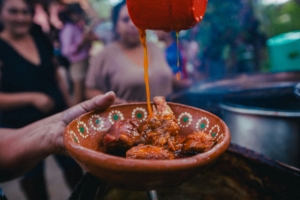 Latin America is rapidly emerging as one of the world’s most vibrant culinary destinations, attracting tourists from across the globe to experience regional dishes and rich flavours. While tourism is widely recognized as vital to the economic stability of many countries, food tourism in Latin America is astonishing in its financial impact. In 2023 alone, this market generated an impressive $927.9 million and is expected to grow by nearly 20% by 2030.
The undeniable influence of tourism has prompted Latin American countries to leverage visitor spending for domestic growth and development strategically.
Indigenous Groups
Latin America preserves its centuries-old heritage through its food practices. Travelers eager to experience authentic Latin American cuisine, rooted in rituals, customs and traditions that date back more than 2,500 years, help Indigenous communities flourish. For instance, the Oaxaca restaurant in Mexico, located in a state that is home to 15 Indigenous groups, immerses tourists in food preparation and sharing rituals.
It also celebrates the natural cycles of food growth and teaches visitors about the spirituality behind harvests and produce grown on sacred land. Marketing this as an attractive venture for tourists reinforces Indigenous influence within the social fabric. It sustains livelihoods by creating higher demand for their unique products and farmland, often their primary source of income.
Through tourism, these communities can strengthen their position in society and preserve a sense of continuity that might otherwise fade away.
Local Sourcing
Latin American restaurants prioritize sourcing local ingredients and supplies, which play a crucial role in revitalizing their communities. For example, Restaurante Manu in Brazil exclusively sources from independent distributors within a 300-kilometer radius, crafting unique dishes inspired by the harvests of local farmers, fishers and dairy producers. Its use of regional ingredients, such as purple potatoes, quinoa and maize and partnerships with independent, often family-run distributors, strengthen community ties.
It also celebrates the region’s rich biodiversity and culinary traditions through a contemporary lens. This approach makes food tourism in Latin America a key driver of economic prosperity. It supports sustainable livelihoods for small-scale producers, attracts new contributors, strengthens domestic markets and fosters a fairer food chain.
As a result, this distributed profit breathes new life into local communities, reviving shuttered restaurants and stimulating agricultural production. By dining at authentic restaurants, tourists help ensure that the money, time and effort communities invest in putting food on their plates are reinvested into improving local residents’ and businesses’ quality of life.
Social Change
Latin America weaves culinary art with social change. Revenue generated from food tourism in Latin America is funneled into development programs, creating meaningful improvements for the local communities of high-traffic tourist destinations. The community-owned Parwa Restaurant in the Peruvian capital capitalizes on the steady stream of 1,500 travelers that pass through the valley.
It reinvests its profits into collective initiatives such as an internet-connected computer center and the installation of water tanks across 45 family homes. In partnership with the Planterra Project, Parwa Restaurant launched a scholarship program for youth in underprivileged areas, training them in culinary arts and business strategy to help shape brighter futures. The restaurant also uses tourism revenue to expand employment opportunities within the community, offering monthly salaries, health insurance and professional development for local residents. The security and comfort resulting from the benefits of food tourism are amplified tenfold.
In Summary
Eating locally while on holiday allows tourism revenue to support meaningful community projects and outcomes. Showcasing Latin American cuisine on the global stage sparks a chain reaction, renewing national pride in ancestral culinary traditions, stimulating rural markets and enabling long-term social improvements to thrive. In this way, food tourism in Latin America not only preserves the spirit of its heritage but also flourishes because of it, creating a cycle of cultural and economic vitality.
– Emily Wooster
Emily is based in Birmingham, UK and focuses on Good News and Global Health for The Borgen Project.
Photo: Flickr
