Chichen Itza: Reducing Poverty in Mexico
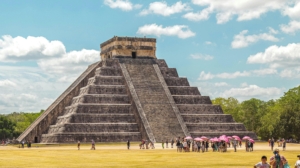 Chichen Itza is a pre-Hispanic Mayan archaeological site in Mexico’s Yucatán Peninsula. It preserves the rich history of the Mayan civilization through its remarkable stone monuments and artistry, created by the Maya and Toltec tribes. Dating back to around 415–455 A.D., Chichen Itza is recognized globally as a UNESCO World Heritage Site and one of the New 7 Wonders of the World. Beyond its historical value, it plays a crucial modern role in reducing poverty, driving economic growth and globalizing Mexico, particularly within the Yucatán region.
Economic Benefits and Poverty Reduction
Millions of tourists visit Chichen Itza annually, generating substantial income for local communities and Mexico’s national economy. In 2023, with the reopening of previously restricted areas for archaeological research, the site saw a 12% increase in visitors, totaling more than a million tourists. This influx supports Mexico’s post-pandemic recovery and strengthens the tourism industry.
The constant flow of visitors creates steady employment in hospitality, transportation, food services and local craft markets. These jobs provide sustainable income opportunities for families, helping reduce poverty and improve living standards in nearby communities. In addition to visiting the archaeological site, many tour operators now offer full-day excursions that include nearby destinations such as Valladolid, a colonial city in the Yucatán Peninsula.
These tours also feature visits to cenotes and natural sinkholes where visitors can swim and enjoy lunch prepared by local families. These tours promote small businesses, local restaurants and artisan markets, ensuring that tourism revenue is distributed more evenly across the region. Local guides who lead these trips share cultural knowledge and Mayan traditions, creating meaningful exchanges between visitors and residents while strengthening community identity and heritage.
Through these combined tourism experiences, Chichen Itza attracts international visitors and stimulates a regional economic ecosystem that uplifts surrounding towns and rural populations.
Cultural Preservation and Local Empowerment
Despite its benefits, Chichen Itza’s global popularity also presents challenges. Much of the site’s revenue flows to the federal government rather than Mayan communities. Additionally, some Indigenous residents have faced displacement due to tourism development. However, many have adapted by creating independent income sources, selling handmade crafts, guiding tours and educating visitors about their heritage.
Mayan artisans and entrepreneurs preserve their cultural legacy and promote national pride through these efforts. Visitors, in turn, gain a deeper understanding of Mexico’s Indigenous history, fostering global respect and cultural appreciation. Integrating traditional Mayan cuisine, language and artistry into tourism experiences has also helped safeguard intangible heritage while creating new forms of economic empowerment.
Regional Development and Sustainability
The success of Chichen Itza has also inspired infrastructure projects like the Tren Maya, a new railway system designed to improve accessibility across the Yucatán Peninsula. This initiative aims to manage overcrowding, boost tourism and expand economic opportunities for nearby towns.
Importantly, the Tren Maya project emphasizes sustainability. Its eco-friendly design reduces carbon emissions and supports environmentally responsible tourism, aligning economic development with long-term environmental goals. It enhances regional mobility by connecting cities like Cancún, Tulum, Mérida and Valladolid. It increases visitor flow to the peninsula’s local businesses, artisans and cultural centers.
Conclusion
Chichen Itza’s continued global appeal demonstrates how cultural heritage and tourism can drive economic resilience. By generating jobs, supporting local entrepreneurship and inspiring sustainable development, this ancient site contributes directly to reducing poverty in Mexico. Through guided tours that extend to surrounding cities and cenotes, tourism revenue reaches even more communities, strengthening the Yucatán Peninsula’s economy and preserving its cultural heritage.
Chichen Itza stands as both a monument to the country’s past and a catalyst for its future prosperity.
– Miranda Yacynych
Miranda is based in Pittsburgh, PA, USA and focuses on Business and Good News for The Borgen Project.
Photo: Pexels
