Posts

AI Is Fighting Global PovertyWhen someone mentions AI tools such as ChatGPT, for many, it is seen as a tool for high school or college student asking AI to complete their homework. The stereotype that AI is only suitable for doing homework, making presentations, or writing papers is far from its true potential. In reality, AI is actively doing a variety of ongoing projects and solutions, fighting global poverty across the humanitarian sector.

A Hunger Free World?

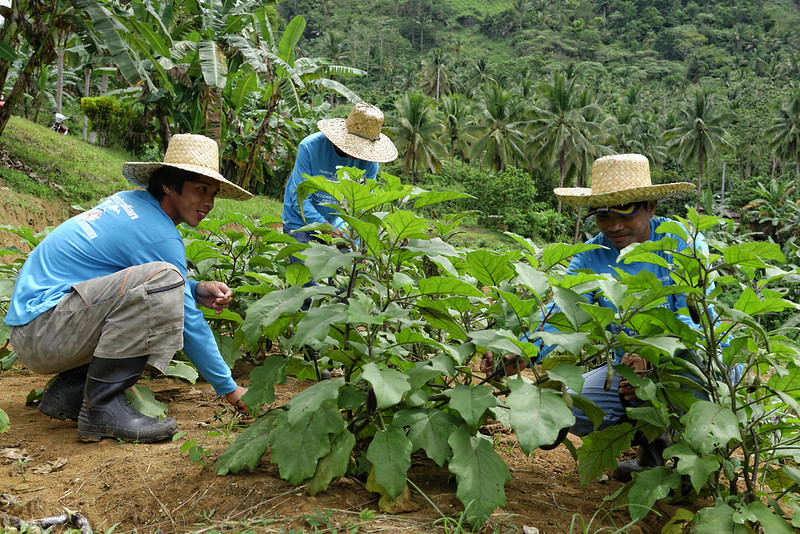
AI algorithms are powering AI-driven tools that reduce hunger and improve nutrition. The algorithms take the data, analyze it, and use the results to provide farmers with accurate crop management information. For example, AI agriculture applications can monitor soil and weather conditions. The data tells the farms how much water to use for irrigation (to conserve water) and how much pesticide to use. The more farmers utilize these AI resources, the more crop production feeds more mouths. A world without hunger is a demanding task; therefore, it requires AI assistance as the world grows. Of course, AI cannot create a zero-hunger world by itself, but it can make an enormous difference.

Natural Disasters

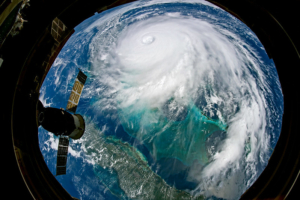
During Hurricane Fiona in 2022, the storm hit the Caribbean as a Category 4 storm. The results were devastating to the community. The damage was so widespread and abundant that emergency humanitarian aid was not able to get there fast enough to document the damage manually. That’s where AI was able ot step in. Digital Engine for Emergency Photo-analysis (DEEP) performed a proper damage assessment in just a few hours, compared to a manual assessment that would take a few days, according to the World Food Program (WFP). DEEP was able to locate communities that were severely impacted and rapidly sent crisis relief services.

After the heartbreaking earthquake that broke infrastructure in Turkiye-Syria in 2023, SKAI was able to respond rapidly for disaster relief. SKAI is a free AI tool that proactively assesses disasters at 33% of the cost and more than 10 times as fast as manual assessments.

Similarly, in crisis settings, AI-enabled chatbots are enabling people to access instant information, register their needs, and receive services in their own language. These tools are speeding up aid delivery, reducing communication barriers, and helping frontline workers reach the most vulnerable faster.

Education

AI is notorious for its ability to assist in homework. However, its ability speaks volumes to potential students who lack a computer or internet connection in impoverished places. AI can transform from tutor to teacher and utilize its intelligent chatbot to teach intellectual material to anyone. AI is accommodating to a multitude of learning methods, whether you are a visual learner, listener, hands-on, etc. AI is giving the power of education to anyone who desires it.

Utilizing AI’s teaching capabilities provides evidence of long-lasting financial benefits for users, which is highly beneficial for poverty alleviation. According to The ChatGPT Revolution, ChatGPT is redefining economic development and reducing poverty with its easily accessible search engine.

AI Opportunities

Unfortunately, the use of ChatGPT and other AI tools for the purpose of fighting global poverty is just the beginning. Therefore, the expansion of its assistance is at a minimum. However, the research and feedback delivered suggest that ChatGPT support has been promising in combating global poverty. Its results have reached many private companies, including ChatGPT, which are now investing in AI tools to help alleviate poverty worldwide.

For example, Meta is increasing funding for AI programs that will mark impoverished areas as target zones, planning to strengthen infrastructure, education, and community grants. Another example is the WFP’s investment in AI operations, which it recently announced in its March 2025 Artificial Intelligence Strategy

– Mireya Aguilar

Mireya is based in Layton, UT, USA and focuses on Technology and Solutions for The Borgen Project.

Photo: Flickr
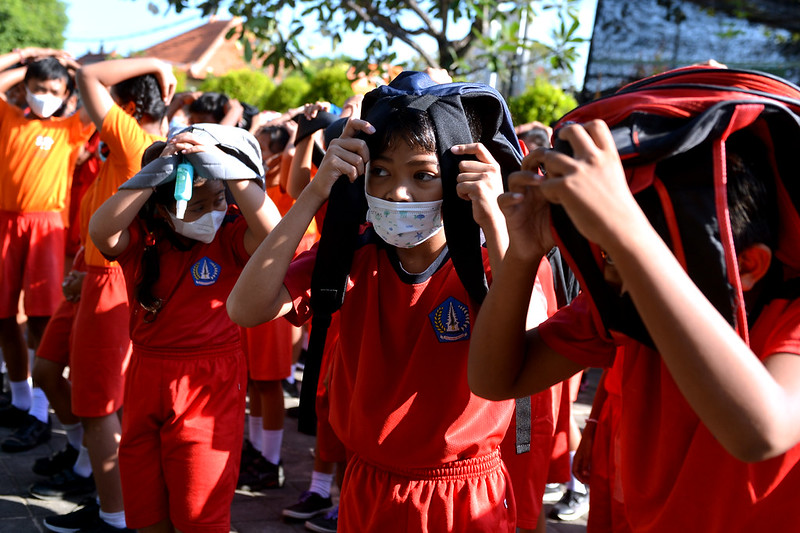
Tsunami Readiness in the Asia-PacificCountries in the Asia-Pacific are among the most vulnerable to tsunami hazards. The region accounts for a significant portion of the Ring of Fire, a string of coastal countries along the Pacific Ocean where nearly 80% of all tsunamis occur. Asian-Pacific nations also have a significant number of coastal communities, including some of the world’s largest megacities. This high level of coastal residence puts millions at risk, evident in the fact that the region accounts for 99% of global tsunami deaths. To reduce fatalities and enhance tsunami readiness in the Asia-Pacific, many affected countries are taking unified action. Central to this effort is increasing the resilience of school communities to these threats.

The Regional Tsunami Project

Responding to a widespread need, the United Nations Development Programme (UNDP) and the Government of Japan created a joint initiative to help countries across the Asia-Pacific enhance their tsunami preparation. The Regional Tsunami Project works with governments, schools and communities to develop locally adapted plans of action to address tsunami risk. More than 800 schools across 24 Asia-Pacific countries are involved, integrating tsunami education and evacuation drills into their curricula.

Evacuation drills give community members the knowledge and tools they need to take quick action in the face of danger. It is especially important for schools to participate in regular drills, as children remain highly vulnerable to disasters. The project’s guidebook, Regional Guide for Schools to Prepare for Tsunamis, provides actionable steps for administrators and educators to enhance planning and implement safety curricula. Widely adopted practices include educating students on how to identify tsunami hazards, using the phrase “Feel. See. Hear. Run.” as a guiding technique. During evacuation drills, students learn where their nearest safe zones are and practice moving from classrooms to these areas.

The Use of Digital Tools

Technology is changing the way communities advance tsunami readiness in the Asia-Pacific. In fact, within school administration and disaster planning, digital tools have become essential. One tool developed by the Regional Tsunami Project is STEP-A (Strengthening Tsunami and Earthquake Preparedness Assessment), an online platform used in Indonesian schools.

STEP-A helps schools determine their tsunami preparedness through self-assessment, engaging students, educators and administrators. Once preparedness levels are identified, the application provides recommended steps for improvement. School readiness information across Indonesia is then integrated into InaRISK, the national disaster-monitoring tool, which provides real-time information on community hazards.

Schools are also adopting other innovative digital tools. In Samoa, students use virtual reality headsets that simulate what their surroundings may look like during a tsunami. This technology helps younger students, many of whom have never experienced a natural disaster, visualize evacuation routes and understand flood scenarios.  Research shows that immersive exercises improve knowledge retention and help students feel more confident in their ability to respond quickly during an emergency.

A Safer Future for the Asia-Pacific

The Regional Tsunami Project has laid a strong foundation for natural disaster resilience and tsunami readiness in the Asia-Pacific, especially in schools where preparation is essential to keeping younger generations safe. Digital tools will continue to play an important role, strengthening cooperation and enhancing preparedness among communities. Tsunamis will remain a serious threat in the region; however, by building the capacity to respond effectively, the Asia-Pacific can move toward a safer and more resilient future.

– Quinlan Bohannon

Quinlan is based in Portland, OR, USA and focuses on Technology and Solutions for The Borgen Project.

Photo: Flickr

AI in Crisis ZonesArtificial intelligence (AI) is creating new solutions for communities living through instability and displacement. From Bangladesh’s ongoing political turmoil to Nigeria’s Boko Haram–related violence and Afghanistan’s post-2021 upheaval, millions continue to face barriers to basic services. The International Rescue Committee (IRC) is applying AI in crisis zones to broaden access to education, trusted information and social support. This article explores how three IRC-supported innovations, aprendIA, Signpost and ALMA (AI for Life Mapping and Assistance), show the impact of AI in crisis zones on people rebuilding their lives.

How Crisis Disrupts Education

Education offers critical skills that support children’s safety, development and long-term well-being. For those living through conflict or disaster, the loss of stable schooling can limit future opportunities. Education Cannot Wait reports that by the end of 2024, an estimated 234 million school-aged children in crisis settings required urgent assistance to access quality learning. This figure represents an increase of about 35 million in three years. Of this total, 85 million children, around 37%, were not attending school at all. Ten countries with the largest crisis-affected student populations, including Nigeria, Afghanistan and Bangladesh, account for more than 60% of these children.

How Crisis Drives Displacement

Crisis often forces people to leave their homes, whether through internal displacement or by crossing borders as refugees, asylum seekers or migrants. Displacement brings loss of housing and community as well as reduced access to essential services such as food assistance, health care and social support. Language barriers and legal restrictions can further limit services for those who have fled.

According to the United Nations (U.N.) Refugee Agency, around 123.2 million people were forcibly displaced by the end of 2024 due to persecution, conflict, violence and human rights violations. This represents one in every 67 people across the globe. Furthermore, the global figure rose by 7 million in one year. The conflict in Sudan created the largest displacement crisis, with 14.3 million people displaced. Syria and Afghanistan followed with 13.5 million and 10.3 million displaced people, respectively.

IRC Solutions in Action

The IRC began in 1933 as the International Relief Association, formed at the request of Albert Einstein to support people fleeing persecution. Today, the IRC assists communities affected by humanitarian crises. In recent years, the organization has expanded its efforts by integrating artificial intelligence tools such as aprendIA, Signpost and the newly launched ALMA. These innovations aim to strengthen access to information. Additionally, they improve service delivery and support people in crisis zones with faster and more reliable assistance.

  • AprendIA. AprendIA is an AI-supported chatbot platform that delivers learning content through mobile messaging apps, allowing children to access education at any time and on any device. The IRC aims for the tool to reach more than 1 million learners by the end of 2026. The IRC has adapted aprendIA to support learning facilitators in Adamawa, Borno and Yobe in northeast Nigeria. In Bangladesh, where students face severe disruption from natural disasters, aprendIA provides lesson plans, activities, community tools and quizzes to help schools continue learning during climate-related emergencies.
  • Signpost. Signpost, launched in 2015, is a digital information platform that provides people affected by a crisis with reliable, localized guidance. The project uses service mapping, community-led content and two-way communication that allows users to ask questions and receive answers in less than 24 hours. Signpost now reaches communities in 20 countries and operates in 25 language. The long-term goal is to support half of the world’s displaced population. According to the IRC, Signpost played a vital role for Maryam, who fled Afghanistan with her family and arrived in Italy in 2021. Through Italy’s Signpost platform, she accessed timely information that helped her family navigate essential services.
  • ALMA. On Nov. 10, 2025, the IRC introduced ALMA. The multilingual virtual assistant is designed to support refugees, Special Immigrant Visa holders and other newcomers in the United States. ALMA operates through WhatsApp and provides round-the-clock guidance on social services, employment, financial literacy, local resources and information about rights and responsibilities in the U.S. Furthermore, the tool currently offers support in Dari/Farsi, English, Spanish and Swahili.

Toward Safer Futures

The IRC’s use of AI in crisis zones shows how technology can strengthen humanitarian responses. Indeed, tools like aprendIA, Signpost and ALMA help crisis-affected communities access education, information and essential services more quickly and reliably. With continued collaboration and refinement, AI in crisis zones can play an even greater role in supporting people working toward safer and more stable futures.

– Sammi Li

Sammi is based in London, UK and focuses on Technology and Solutions for The Borgen Project.

Photo: Unsplash

3D-Printed Houses in MexicoMexico faces a severe housing crisis, with approximately 9 million homes requiring construction or major improvements to provide adequate shelter for its population. In Tabasco, an innovative project, through 3D-printed houses, is offering hope to families in Mexico who previously lived in makeshift shacks vulnerable to flooding and extreme weather.

Affordable 3D-Printed Houses in Mexico

ICON, partnering with the nonprofit New Story and Mexican social enterprise ÉCHALE, built 50 3D-printed homes in Nacajuca, Tabasco. These homes cost approximately $10,000 each for 500 square feet of living space. Traditional construction in Mexico costs between $50 and $100 per square foot for economic to medium-range homes, which would mean $25,000 to $50,000 for a 500-square-foot home.

This represents savings of 50% to 80% compared to traditional Mexican construction methods. Families pay just 400 Mexican pesos monthly—approximately $20—on zero-interest mortgages over seven years. This totals only $1,680 over the entire mortgage period. For the 50 families selected, who earn average monthly incomes of just $76.50, these payments represent about 26% of household income yet provide permanent, high-quality housing far superior to their previous conditions.

Pedro García Hernández, a 48-year-old carpenter earning 2,500 pesos monthly ($125), previously lived in a home with dirt floors where dust from his work coated everything. His daughter Yareli, studying to become a nurse, will inherit the home without financial burden.

Understanding Mexico’s Housing Emergency

Mexico faces a severe housing crisis with a qualitative housing deficit of more than 14 million homes. More than half of the population lives below the poverty line, limiting the ability of families to meet housing needs. Around one dwelling out of four has poor construction material for roofs, walls or floors, is overcrowded or lacks basic facilities. Approximately 17.8% of the population is considered vulnerable due to a lack of access to basic housing services, including water, drainage and electricity.

Regional disparities reveal stark inequalities. In 2022, Guerrero had the highest share of residents considered vulnerable due to inadequate housing, with more than 26% living in poor conditions or without enough space. In 2024, 48.6% of Chiapas residents lacked access to at least one basic service in their homes, compared with 47.4% in Guerrero and 46.7% in Oaxaca. Northern industrial centers like Nuevo León had the lowest rate at 3.2%.

The National Housing Commission (CONAVI) projects the deficit will reach 7.2 million to 10.5 million homes by 2050, requiring 700,000 new homes annually to meet demand. Current formal production delivers only 300,000 homes yearly, creating a widening gap. In response, President Claudia Sheinbaum announced a National Housing Program in October 2024 targeting 1 million new homes through 2030, backed by 600 billion pesos ($32.4 billion) in federal spending.

Revolutionary Construction Speed and Strength

The Vulcan II printer completes wall printing in 24 hours of active print time, with local workers adding roofs, windows, doors, plumbing and electrical systems. Total construction takes one to two weeks versus six to 12 months for traditional methods. The first two homes were unveiled in December 2019, and by November 2021, 65 families had moved in.

Each home measures approximately 500 square feet and features two bedrooms, a kitchen and a bathroom, plus indoor plumbing—something many residents did not previously have. Each 3D-printed home has curved walls and lattices to improve airflow and a reinforced foundation to help withstand earthquakes. Nacajuca was hit with a magnitude 7.4 earthquake after the houses were built, and the homes remained standing without damage.

The homes were designed to withstand seismic activity and prevent flooding. Each home can withstand hurricanes and is approved for seismic activity—essential for Tabasco, where low-income residents often live in shacks that flood during the rainy season. The materials are more rugged than standard construction in the area and better able to withstand disasters. The concrete construction provides insulation that keeps homes cooler indoors, helping lower utility costs.

Community Investment and Future Growth

The local Tabasco government donated land for the project and committed to providing the required infrastructure, including electricity and roads. The project also includes plans for roads, a school, a soccer field, a market and a library. The homes were granted to families living in extreme poverty and unsafe shelter. Property titles were signed to women in households to help protect family stability. The partnership selected families by surveying more than 500 households with local officials, prioritizing Indigenous populations historically left out of government programs.

Looking Ahead

The 3D-printed houses in Tabasco, Mexico, demonstrate that cutting-edge technology can serve those most in need. The partnership with ICON and the use of 3D-printing technology allows New Story to reach more families faster while improving quality and design flexibility. The hope is that this catalytic research and development project will influence the sector as a whole, offering a scalable solution to provide families with safe, affordable and dignified housing.

– Jawad Noori

Jawad is based in London, UK and focuses on Technology and Politics for The Borgen Project.

Photo: Unsplash

Democracy in GhanaGhana is demonstrating that stable democratic institutions provide the foundation for sustained economic expansion. The West African nation achieved 7.2% GDP growth in the third quarter of 2024, the highest quarterly expansion in five years, while maintaining its status as one of Africa’s most enduring democracies with over 30 years of uninterrupted democratic governance since 1992.

Democratic Stability Attracts Investment

Ghana’s consistent democratic transitions have created an environment where businesses can plan long-term investments with confidence. The country maintained its 6.30 point democracy score in 2023, ranking sixth regionally and 65th worldwide on the Economist Intelligence Unit’s Democracy Index, significantly outperforming the regional average. This political stability enabled Ghana to attract $331 million in tech sector investment in 2023, with the industry now valued at $2.6 billion.

Freedom House continues to rate Ghana as “Free” with one of the highest scores in sub-Saharan Africa. This strong governance framework has proven crucial for economic recovery, as Ghana successfully completed a $13 billion Eurobond exchange in 2024 and secured an IMF-supported program that helped stabilize the economy after a 2022 crisis.

Agriculture Sector Powers Job Creation

Transparent governance enabled the effective implementation of agricultural programs that are transforming rural economies. The Planting for Food and Jobs Phase Two program, launched in August 2023, represents a comprehensive approach to agricultural modernization across 11 commodity value chains including grains, starchy staples and vegetables.

The agriculture sector expanded by 5.0% in the first half of 2024, employing roughly 75% of the rural population and accounting for 21% of GDP. The Ministry of Food and Agriculture’s 2024 budget exceeded 3.3 billion Ghana cedis, with the government contributing 82% of total budgetary allocation. Between 2017 and 2022, fertilizer application rates increased from eight kilograms per hectare to 25 kilograms per hectare, while certified seed distribution rose from 2,000 metric tons to 36,000 metric tons.

The Ghana Economic Transformation Project has generated 2,438 direct jobs, more than double its 1,000 job target, with 1,071 jobs created for women. Firms supported by this World Bank initiative reported an average 18% increase in gross sales, while women-owned businesses achieved a 12.68% increase.

Technology Sector Drives Innovation

Democratic freedoms and independent judiciary systems have fostered a thriving technology ecosystem. Ghana ranks 15th out of 47 African countries for ICT use in the 2024 ICT Development Index. The digital economy is currently valued at approximately $1 billion and could reach $5 billion by 2030.

The Information and Communication subsector grew 17.9% in the first quarter of 2024, demonstrating the rapid expansion of digital services. Furthermore, Ghana’s tech ecosystem raised an estimated $66 million by the third quarter of 2024, with Fido securing a $30 million Series B funding round. The recently concluded eTransform project established operational infrastructure for the Cyber Security Authority, contributing to Ghana ranking second in Africa in the 2024 Global Cybersecurity Index.

Energy Sector Embraces Renewable Transition

Good governance structures enabled the government to address energy sector challenges while advancing renewable energy goals. In 2024, the Rural Electrification Program connected 276 rural communities to the National Grid, increasing the access rate from 88.95% to 89.03%. Ghana targets reaching 90% electrification by the end of 2025.

The government’s Renewable Energy Master Plan sets a target of 1,363.63 MW of grid connected renewable energy by 2030. Renewable energy capacity stood at close to 1,700 megawatts in 2022, following an increasing trend since 2012. The Energy Transition and Investment Plan announced in September 2023 estimates that Ghana will need more than $550 billion in capital investment to achieve net zero by 2060, with the majority of spending directed to the transport and power sectors.

Democracy and Economic Growth in Ghana

The situation in Ghana illustrates how democracy and democratic institutions create conditions for sustainable economic development. Despite facing a severe macroeconomic crisis in 2022, with debt reaching 92.6% of GDP, Ghana’s democratic framework enabled peaceful implementation of necessary reforms. Indeed, by 2024, growth rebounded to 5.7%, and second quarter 2025 real GDP increased 6.3% year on year, led by services and agriculture sectors.

The December 2024 elections demonstrated democratic resilience, with former President John Dramani Mahama winning 56.4% of the vote in a peaceful transition. This political stability continues to position Ghana as a model for how democracy serves as a recipe for economic growth across West Africa.

– Jawad Noori

Jawad is based in London, UK and focuses on Technology and Politics for The Borgen Project.

Photo: Flickr
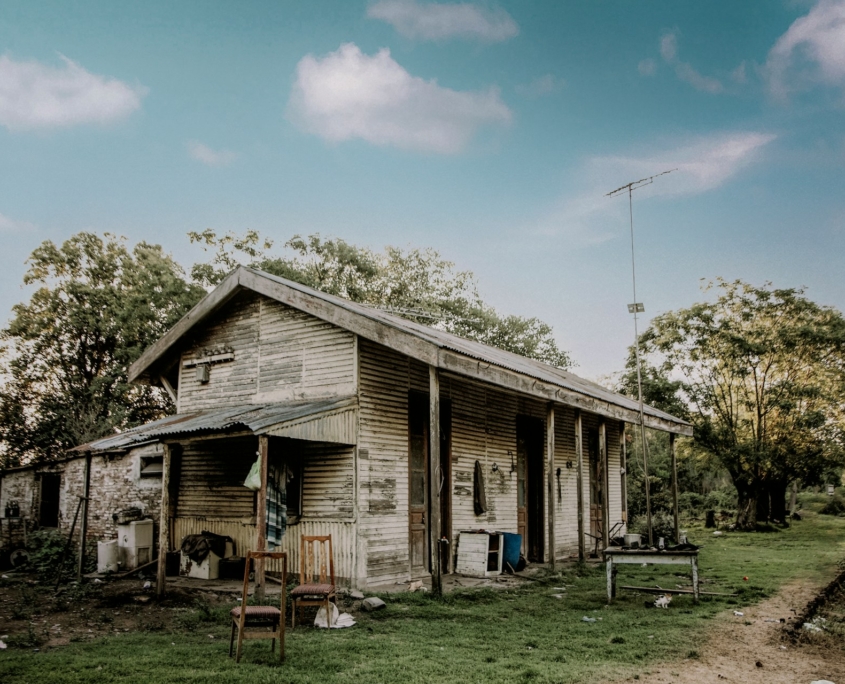
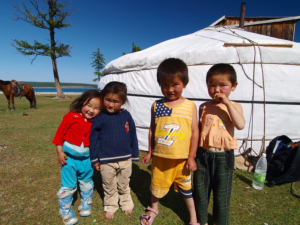
Digital Development in MongoliaMost of Mongolia’s population resides in the country’s capital, Ulaanbaatar, which serves as a large urban area; the Asian country can be categorized into two different areas: urban and rural. In fact, one of the things Mongolia is most known for is its population of grazing livestock, due to the fact that about three-fourths of the country is made up of pastureland. As of 2025, the country has over 3.5 million citizens, spanning over three topographical zones.

Background

As late as 2018, 90% of the population in Mongolia had access to the internet, along with widespread 3G and 4G. In fact, in the last 10 years, the use of technology, particularly among younger citizens, has only increased. This statistic includes Mongolia’s more nomadic communities, who are a part of more rural, isolated areas, where civilians may not get the same speedy internet connection as soon as the more urban communities have.

While it is evident that Mongolia is not as technologically advanced as other countries are in this day and age, such as China or the U.S., the country is working to change that, especially when it comes to its more remote communities.

e-Mongolia

Teamed up with the e-Mongolia Initiative, a platform in Mongolia that works to deliver public services to every single area of the East-Asian country, the Government’s Digital Nation Strategy is working to increase the overall digital literacy in Mongolia. As the e-Mongolia Initiative works to serve the most remote and nomadic areas of the country, the Mongolian government plans to help increase digital literacy within those specific communities.

In addition to the government’s plans with the country-wide internet services, the Resident Coordinator’s Office (RCO), with UNDP and UNICEF are all partnering with the government for this project. With this collaboration, the UNDP, RCO, and UNICEF are hoping to help the specific areas of DarkhanUul, Khentii, Dornod, and Ulaanbattar in expanding their digital literacy.

Digital Literacy

While the United Nations Sustainable Development Group (UNSDG) never states that Mongolia needs more digital literacy, it points out the positives that come with a more technologically advanced society.

The Head of the Government E-Services Department in the Darkhan-Uul Province, Soyolmma Namkhajav, stated, “We are happy to collaborate on this project to deliver faster and more accessible online public services to citizens.”

These partnerships work to improve digital literacy within the country, in order to improve the public online services that are already available throughout the country, particularly in nomadic areas. In addition to improving already available services, the government hopes to improve education with technology.

The UNSDG held information training session for 60 teachers across thirty schools in Mongolia for a year in 2024. Citing one of the teachers who participated in the session, in addition to helping schools integrate technology into their students’ learning, education leaders are learning how to teach their students how to be safe when browsing the internet.  In addition to serving schools, the government is hoping to make training and other valuable resources more accessible online for public servants and local communities.

The Future

Recently, the RCO has been mobilizing resources with the United Nations to help support the digital future in Mongolia, including the Ministry of Digital Development, Innovation, and Communications of Mongolia, which is persistent in making sure that this program that focuses on national priorities and government ownership. Relevant governmental ministries are hoping to train at least 3,000 citizens, 1,500 women in particular, apart of three different regions, including Uaanbattar, to learn these important digital skills.

– Megan Akers

Megan is based inFredericktown, OH, USA and focuses on Technology and Solutions for The Borgen Project.

Photo: Flickr
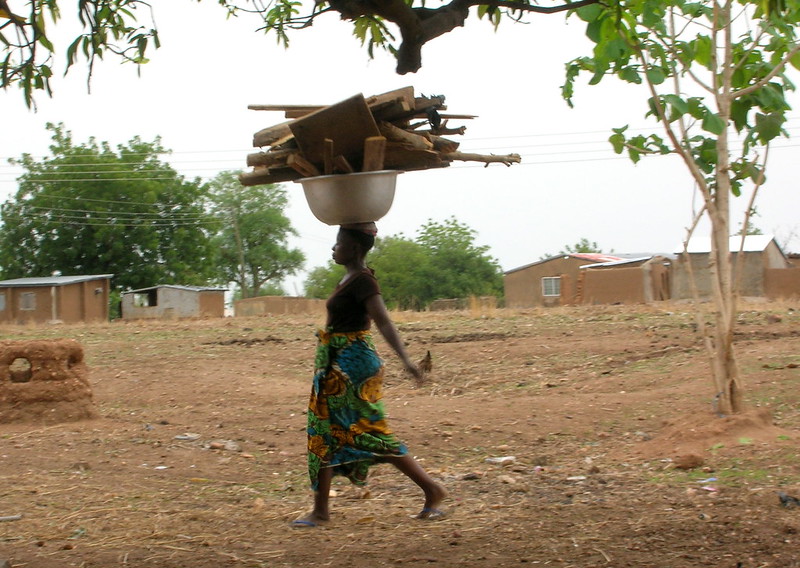
satellite data to settle land rightsIn Kenya’s informal settlements, where more than half of urban residents live without formal land titles, a quiet shift is transforming how land rights are established. Through partnerships between the government and international organizations, Kenya is using satellite imagery and unmanned aerial vehicles (UAVs) to map and formalize land ownership, unlocking economic opportunities for millions of residents who have lived for decades without legal proof of ownership.

Mapping the Unmapped

Kenya’s use of satellite data to settle land rights begins with remote sensing technologies tested in regions like Kajiado County. Researchers developed smart sketch mapping systems combined with UAV technology to capture high-resolution images of informal settlements. According to a study published in the journal Remote Sensing in January 2020, these methods achieved ground sample distances of about six centimeters, offering unprecedented detail for land boundary mapping.

A fit-for-purpose approach used in Makueni County in 2017 showed that field data collection could be quick and affordable. As reported by GIM International, two surveyors collected data for about 40 parcels in six hours using handheld devices displaying satellite imagery on mobile screens. Villagers walked the perimeters of their land while GPS antennas recorded boundary points, creating a participatory process that directly links people to polygons on digital maps.

The KISIP Initiative

The Kenya Informal Settlements Improvement Project (KISIP) is the most comprehensive effort to formalize land tenure in urban areas. Launched in 2011 through a partnership between the Government of Kenya, the World Bank, the Swedish International Development Cooperation Agency and the Agence Française de Développement, KISIP has benefited more than 1.4 million residents.

According to the State Department of Housing and Urban Development, KISIP operates in about 40 counties and focuses on land tenure regularization through planning, surveying and issuing ownership documents.

The project’s second phase, which began in March 2021, targets informal settlements located on uncontested public land. As People Daily reported in July 2025, KISIP2 has prepared more than 1,470 titles in Nyeri County alone, with 540 already issued.

Economic Transformation

The economic impact of secure land tenure goes far beyond property ownership. Title deeds can be used as collateral for bank loans, enabling residents to invest in permanent housing and small businesses. A 2019 Capital Blog article noted that residents of Nyalenda in Kisumu County used their new titles to access bank loans after receiving secure tenure through KISIP.

In November 2024, the Cabinet waived Sh12.3 billion in interest on land settlement loans, demonstrating the government’s commitment to unlocking land-based economic potential. According to Capital FM, the waiver will benefit thousands of settlers in 520 settlement schemes across 26 counties, helping them obtain title deeds and use them as collateral for investment.

Peter Kagai, an 80-year-old farmer from Kamuiri colonial village in Nyeri County, told People Daily that owning a title deed improved his life significantly, allowing him to secure loans to educate his children and invest in his farm.

Technology Meets Community

U.N.-Habitat’s Social Tenure Domain Model tool has proven effective in participatory mapping. In the Kwa Bulo settlement in Mombasa County, more than 1,000 Certificates of Occupancy were issued through participatory enumerations and mapping approaches. According to U.N.-Habitat, perceived tenure security led to increased economic activities, including new retail businesses and construction projects that created employment opportunities for youth.

Looking Forward

Kenya’s use of satellite data to settle land rights represents a model for other developing nations addressing informal land tenure. The combination of affordable satellite imagery, UAV technology and community-led mapping offers a scalable solution that respects local knowledge while providing legally recognized documentation.

As Flying Labs Kenya reported in October 2024, organizations continue expanding drone applications across humanitarian and development sectors, including land tenure mapping in counties like Kajiado.

With its ability to collect data quickly and cost-effectively, the technology is well-suited for large-scale land formalization programs. The success of these initiatives shows that technology-driven solutions, combined with partnerships and community participation, can address historical land injustices and create pathways to economic opportunity. For millions of Kenyans in informal settlements, satellite data and digital mapping tools are becoming essential to securing their future.

– Jawad Noori

Jawad is based in London, UK and focuses on Technology and Politics for The Borgen Project.

Photo: Pexels

BLBRecent cuts to international aid spending have not stopped U.K. towns from supporting developing countries. One way they continue to foster global cooperation is through town twinning, a formal partnership between two towns in different countries that operates independently of national governments. This scheme gained popularity following World War II as a means of promoting peace and understanding among different nations.

Town twinning enables U.K. towns to help developing countries by providing a pathway through which cultural and technological aid can be donated directly to the places that need it most.

Greenwich and Tema

The London Borough of Greenwich was twinned with the town of Tema, Ghana, in 2000, partially due to both towns being situated on the Earth’s prime meridian line. Since then, annual youth exchanges have enabled students in both cities to experience another culture and share what they have learned with their communities.

In 2005, the Greenwich Council sent a converted bus, filled with books and second-hand computers, to Tema, to be used in local schools. Technological aid from U.K. towns helping developing countries can be vital in improving the quality of life in the recipient town.

Barnet and Pokhara

In 2024, six councillors from Barnet Borough Council traveled to the borough’s twin town of Pokhara, Nepal. They were invited by Pokhara’s mayor, Dhana Raj Acharya. They visited the town’s World Peace Pagoda along with other museums, schools, hospitals, historical venues and environmental landmarks — a week-long delegation aimed at strengthening cultural ties and collaboration.

Their visit followed a devastating plane crash in Pokhara on 15 January 2023, which had prompted an official condolence message from Barnet and the borough’s flag to fly at half-mast at Hendon Town Hall.

Calderdale and Musoma

Calderdale in West Yorkshire established itself as one of the U.K. towns helping developing countries when the town’s council helped pay for an officer from the town of Musoma, Tanzania, to complete a business studies course at the nearby University of Huddersfield. This is an example of educational aid being used to enhance the governance of a town in a developing country, thereby improving its capacity for development. Direct aid has continued through donations of sewing machines to Musoma, all of which were refurbished in Calderdale.

Chesterfield and Tsumeb

Chesterfield open-air market in Derbyshire was used as a model for the Namibian town of Tsumeb’s own market, after some of Chelmsford’s traders agreed to advise the Tsumeb Municipal Council during its construction. The former Mayor of Chelmsford, Adrian Kitch, along with his wife, Inger, also donated funds to help build the Tsumeb Women and Children’s Center. They emphasized the importance of U.K. towns supporting developing countries during their tenure in office.

Bristol and Puerto Morazan

Every year, the town of Bristol in Southwest England hosts Fairtrade Fortnight. In this event, Fairtrade coffee producers from around the world are encouraged to meet and discuss how to operate the industry in a manner that is fair to local growers.

Coffee is a major export across Nicaragua, including in Bristol’s twin town of Puerto Morazán. Local farmers there benefit from programs that help them earn a larger share of the profits from their coffee.

Bristol and Beira

A friendship agreement was signed in 1990 between Bristol City Council and the Southern African Resource Centre (SARC), linking Bristol with the town of Beira in Mozambique. SARC was founded earlier that year by the Bristol Anti-Apartheid Movement as a means of enabling U.K. towns to help developing countries provide aid to deprived communities, outside of the restrictions imposed by pro-apartheid governments.

The towns’ ongoing relationship is currently managed by the Bristol Link with Beira (BLB) group. BLB “currently aims to find funding in the U.K. for at least two projects per year in Beira, each valued at £5,000 [about $6,500],” says the group’s trustee Caroline Pitt in an interview with The Borgen Project. Previous investments have included the “Economic Resilience” scheme that provided “microfinance, small business training and horticultural goods for women farmers.” Another initiative, the “Support for Teachers” program, offered office furniture, computer equipment and ICT training to several schools in Beira.

Pitt says that BLB’s long-term objective is to enable “small-scale projects (that) are aimed at beneficiaries in the poorest country in Southern Africa” to have positive impacts which spread “to positions outside of Beira.” This process enables aid projects targeting individual twin towns to benefit a wider region or country, as those who have received educational or technological assistance utilize their new skills to support others better. Pitt cited one of BLB’s young women mentors, who went on to work as a U.N. Women Peace Champion, as an example of the scheme already having widespread benefits.

In addition to funding aid projects in Mozambique, BLB aims to foster cultural links between Bristol and Beira. This has previously been achieved through a series of civic exchanges, most recently the mayor of Beira Adel Sofala’s visit to Bristol in 2017. BLB also runs an annual photography competition.

The event provides photographers from Beira with the opportunity to have their work displayed in Bristol, thereby gaining increased publicity. It also enables Bristol’s citizens to gain a deeper understanding of life in Mozambique. Pitt says that BLB has also directly benefited Bristol by contributing “to the global citizenship of Bristol through a Schools Teaching Pack.” This aims to improve children’s geographical knowledge and encourages them to empathise with their counterparts across the world.

The Importance of Town Twinning

Future cuts to the U.K. government’s international aid spending may risk damaging relations between the country and many of the developing countries that rely on its aid. It is therefore vital that British towns that intend to improve relations with towns in developing countries have a means of doing so in a mutually beneficial way. Through town twinning schemes, such as BLB, Pitt believes that “we can encourage cities to look outside themselves” and continue to provide international aid, independently of national governments.

– Billy Stack

Billy is based in London, UK and focuses on Global Health and Politics for The Borgen Project.

Photo: Pixabay

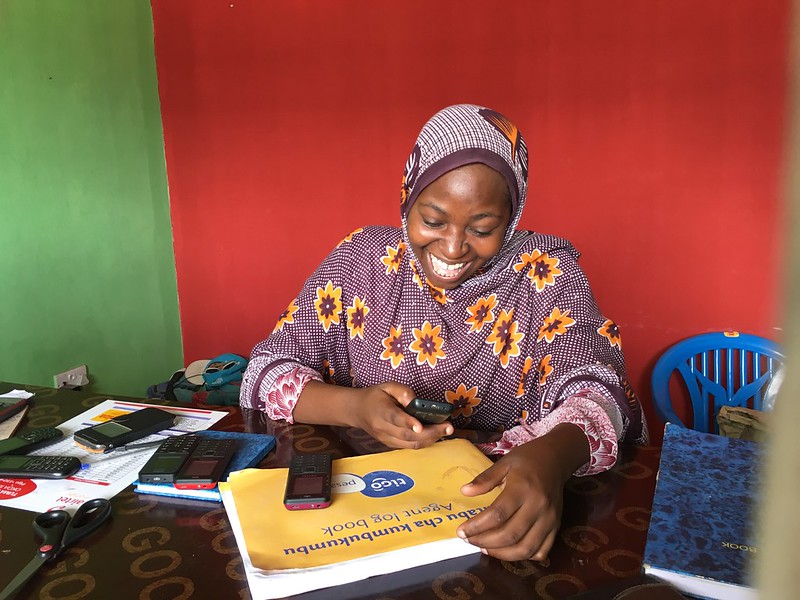
G2PxAround the world, low-income communities often face two overlapping challenges: limited access to government assistance and barriers to digital and financial services. At the intersection of these issues is a growing solution: digitizing government-to-person (G2P) payments.

Closing a Digital and Financial Divide

Government payments for retirement, disability, unemployment and basic needs are critical for many households and individuals. However, accessing these benefits is not always straightforward. Payments were traditionally made in cash and required in-person collection, which creates barriers for people living in remote areas, those with limited mobility or individuals who cannot afford to take time off work.

“When there is a payment, we spend the whole day at the town hall, we leave in the morning from our village to come back in the evening and that is a difficulty,” said one Malian cash recipient in a World Bank report. By shifting government-to-person payments to digital platforms, recipients gain incentives to access financial services. This helps close the digital divide, promotes digital literacy and offers more secure financial access.

A Path to Financial Inclusion

Digital G2P payments can serve as a first step toward broader financial inclusion. For many recipients, especially in low-income or rural areas, receiving government payments through a bank or mobile account is their first interaction with the formal financial system.

According to the World Bank, 865 million account owners in developing countries—including 423 million women—opened their first financial institution account to receive government payments. This initial connection can lead to increased use of financial services such as saving, borrowing or making digital transactions. The impact is particularly significant for women and young people, who often face additional barriers to financial access.

The G2Px Initiative: Progress and Empowerment

Despite progress in digital government-to-person payments, the digital and financial inclusion gap remains, with 1.4 billion adults still unbanked worldwide. To help close this gap, the World Bank Group created the G2Px initiative. In partnership with the Bill & Melinda Gates Foundation and Norad, the initiative supports governments in improving G2P systems through policy development, design improvements and digital and financial literacy programs.

In a 2023 report, the World Bank Group highlighted how G2Px supported data collection that helps modernize G2P payments with recipients at the center. The report documented good practices that countries can adopt, and many nations have since joined the conversation. Sierra Leone launched its first account-based social assistance payments, while Yemen completed a study to inform mobile money pilots in eight districts, with 18,000 recipients already registered to opt in.

Technical assistance from the initiative also supported policies that promote inclusion. Jordan’s National Aid Fund revised program design to enable government-to-person payments to women instead of only heads of households.

This empowerment is one of the key benefits of digitizing G2P payments. Access to digital payments can strengthen women’s privacy, financial autonomy, decision-making and labor force participation. Payments also increase opportunities to access financial services such as savings, credit, remittances and insurance. When both men and women in a household can access payments, women’s participation in household decision-making increases.

To support women’s economic empowerment, a World Bank partnership in Liberia developed a simple financial planning intervention to help couples plan the use of their G2P payment before receiving it. This approach not only increased women’s inclusion but also improved the household’s overall financial condition.

Moving Forward

Digitizing government payments is helping millions of people access assistance more efficiently and securely. With continued investment in inclusive design and digital literacy, this approach has the potential to reach more underserved communities and contribute to long-term poverty reduction.

– Jannah Khalil

Jannah is based in Sacramento, CA, USA and focuses on Good News and Global Health for The Borgen Project.

Photo: Flickr

Seismograph TechnologyAccording to data measurements from the Nay Pyi Taw Seismological Observatory in the Philippines, the tropical storm typhoon Bualoi, which occurred in the West Pacific Ocean during September 2025, measured a strong 6.9 on the Richter scale. Typhoon Bualoi brought heavy rainfall, flooding and landslides that caused extensive damage to roads, buildings and bridges, along with power outages and numerous casualties in Vietnam, Laos and Thailand. In Vietnam, 30,000 people were evacuated ahead of the storm. Poverty rates remain high across Southeast Asia, where these three countries are located.

Tropical storms, such as Typhoon Bualoi, form over warm tropical oceans. When they intensify, they are classified as hurricanes, cyclones or typhoons, depending on the region in which they occur.

Typhoon Bualoi’s Impact on Vietnam’s Poverty and Infrastructure

According to Sky News reports, Typhoon Bualoi caused extensive flooding and landslides in Vietnam. Consequently, the town infrastructure of Vietnam became disarrayed, leading to the disconnection of roads and regional areas in the northern mountains of Son La and Lao Cai provinces, as well as central Nghe. Excessively high levels of water rose in the Thao River of Yei Bai to emergency levels, causing floods to overflow into residents’ houses.

Other news report stations have revealed that more than 200,000 homes, cities and farmland were destroyed by the typhoon, amounting to an approximate maximum of $600 million in damages. Tropical storms heighten and accelerate poverty due to the extensive cost of infrastructural repairs and disruption of town services. Poverty markers from the charity Oxfam indicate that 13 million people in Vietnam live in poverty.

Typhoon Bualoi also disrupted several transport networks: Vietnam’s Noi Bai International Airport had to suspend operations to ensure safety during the storm and Vietnam Railways Corporation canceled most services between Hanoi and the business hub of Ho Chi Minh City. Climate instability may have further worsened the storm’s impact, as rising global temperatures melt ice caps, raise sea levels and increase the likelihood of natural disasters.

Seismograph Technology Solutions 

The seismograph at the Filipino Nay Pyi Taw Seismological Observatory records ground oscillations caused by seismic waves from earthquakes, volcanic eruptions and certain microseisms from storms at sea. Seismographs are built with electromagnetic sensor components that convert ground movement into electrical signals, which are recorded and processed by digital or analog circuitry. They can be calibrated to measure earthquake magnitude quantitatively, using scales such as the Richter scale.

Tropical storms, such as Typhoon Bualoi, leave detectable signatures in seismic data, as ocean waves generated by strong winds produce signals known as seismic fingerprints. Seismograph technology helps evaluate and assess these microseisms from typhoons, enabling authorities to implement effective evacuation plans and relief efforts according to the storm’s severity. More effective evacuation plans and a durable disaster risk management strategy, especially during the monsoon season, are crucial in reducing the widespread poverty caused by tropical storms.

Seismograph technology proved instrumental during Typhoon Bualoi, supporting the execution of evacuation protocols and the delivery of charitable aid to affected regions.

Innovative Seismograph Technology

Innovative seismograph technology has been developed for the enhanced detection of smaller, lighter and more types of seismic waves. The innovative technology employed mathematical research techniques in the field of polarization analysis, which involved studying the motion of particles in three dimensions to detect a wide range of polarized seismic waveforms. Such research has been pivotal in evaluating seismic waves from underground locations with minimal observation points.

The novel seismograph technology enhances the detection of earthquake seismic waves, facilitating the construction of more effective natural disaster risk assessments, as well as short-term and long-term preparedness for tropical storms. Building natural disaster shelters, implementing evacuation strategies and preparing for domestic flights, as well as irrigation dams and inland water transport, are all aspects of tropical storm preparedness.

Charity Response to Typhoon Bualoi

The charity ShelterBox supports relief efforts in regions affected by Bualoi through emergency shelters, solar lights, mosquito nets and blankets. The Samaritan’s Purse charity also provided aid to support the effects of the typhoon by distributing relief kits. It included food kits, cooking pots, mosquito nets, blankets and personal hygiene kits containing towels, soap and dental products, which were distributed to hundreds of families in Ha Tinh Province, Vietnam.

Seismograph technology has been an instrumental solution, alongside other charitable outreach efforts, in alleviating poverty caused by tropical storms. By evaluating seismic waves, it facilitates more effective evacuation protocols and disaster preparedness.

– Deborah Asante

Deborah is based in London, UK and focuses on Technology and Global Health for The Borgen Project.

Photo: Flickr