• Link to X
  • Link to Facebook
  • Link to Instagram
  • Link to TikTok
  • Link to Youtube
  • About
    • About Us
      • President
      • Board of Directors
      • Board of Advisors
      • Financials
      • Our Methodology
      • Success Tracker
      • Contact
  • Act Now
    • 30 Ways to Help
      • Email Congress
      • Call Congress
      • Volunteer
      • Courses & Certificates
      • Be a Donor
    • Internships
      • In-Office Internships
      • Remote Internships
    • Legislation
      • Politics 101
  • The Blog
  • The Podcast
  • Magazine
  • Donate
  • Click to open the search input field Click to open the search input field Search
  • Menu Menu

Tag Archive for: Technology

Posts

Global Poverty, NGOs, Water

How NGOs in India Are Fighting against the Water Crisis

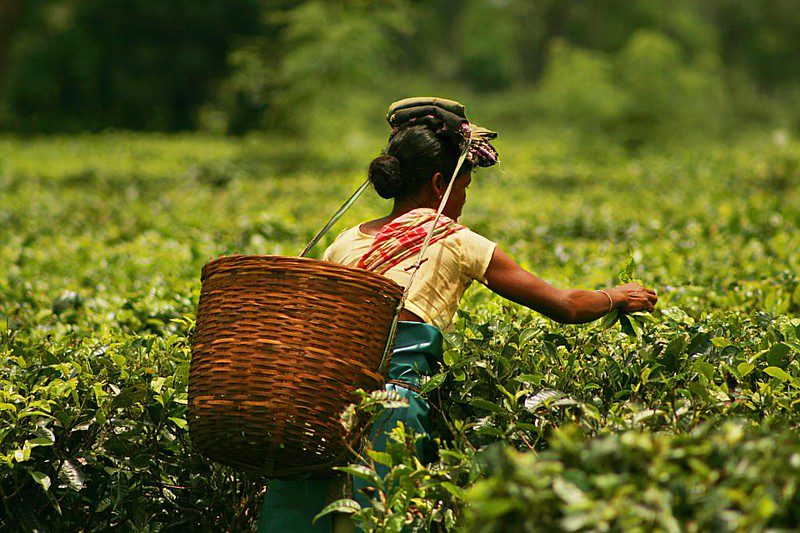
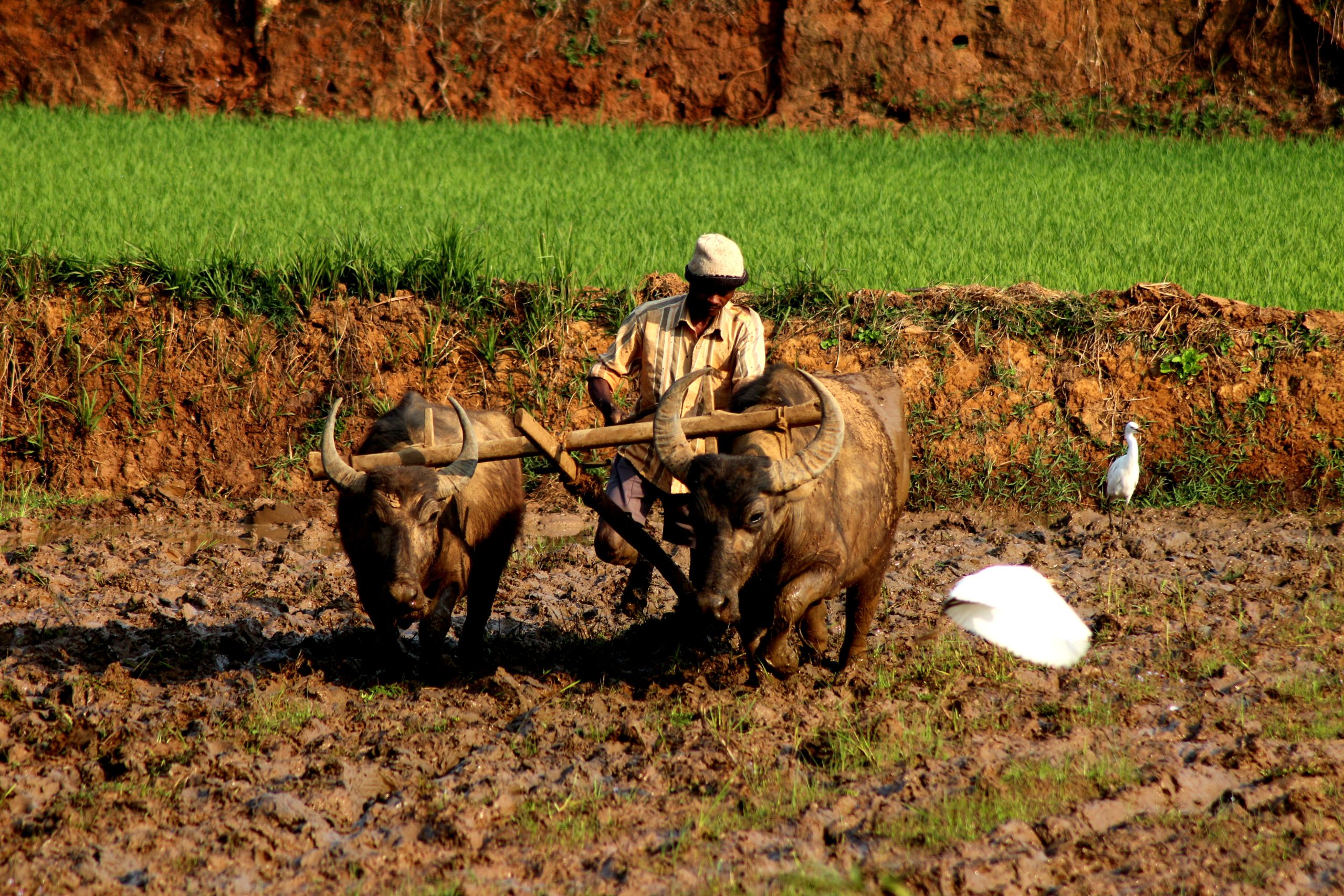
NGOs in India India is currently going through a severe water crisis amid the record-breaking heat wave. In New Delhi, the temperature spiked to 121.8 degrees Fahrenheit in late May, resulting in 40,000 heat strokes and 110 deaths in the past three months. The majority of victims were low-income outdoor workers who spent most of their time outside in the sweltering weather. A contributing factor to the worsening weather crisis is the severe water shortage in India. Drinking water prevents heat strokes as water lowers the body temperature and replenishes the fluid lost from sweat. However, water has always been scarce in India due to agriculture. Agriculture alone takes up 80% of India’s water, but inefficient agricultural practices, such as the lack of irrigation and infrastructure, exacerbate the shortage. The low rainfall impacted by varying climatic conditions also contributes.

The Indian Government’s Response to the Water Crisis

The Delhi Jal Board is responsible for distributing potable water in New Delhi by providing municipal water tankers to the people. However, not everyone can access it. With New Delhi being an overly populous city, 30%- 40% of the people don’t have access to municipal water. With supply outweighing demand, this gave rise to the water mafias. These private water tank owners sell water to locals at expensive prices and often smuggle water illegally. However, people have no choice but to buy it because it is their only option. Bengaluru is one of the cities facing a severe water shortage. During election seasons, politicians promise to resolve the water crisis, knowing that all the voters want is water. However, that promise has yet to be implemented. In combating the water shortage in India, nongovernmental organizations (NGOs) are offering additional help to augment drinking water, enhance water quality and create a more effective agriculture system.

The Response of NGOs in India

Two NGOs, Sehgal Foundation and Save Indian Farmers, have been instrumental in combating India’s water crisis.

  • Sehgal Foundation: This NGO focuses on rural development and water management is one of its five main programs. The foundation has been constructing dams, ponds and tanks to augment water resources and Jalkap biosand water filters to enhance water quality. These stainless steel water filters are cost-effective as there is no need for electric power to filter and they are also effective against bacteria and parasites. Rooftop rainwater harvesting to conserve rainwater in underground school buildings is also one of its efforts. Since its inception in 1999, the organization has reached approximately five million people across 12 states in India.
  • Save Indian Farmers: This NGO strives to increase awareness of the high suicide rates among Indian farmers and help the farmer’s families and their agricultural practices. And creating a better water use system for agriculture is one of its goals. For example, in the village of Choriya Khata, there is extreme water scarcity as the village relies on agriculture and cattle rearing. To meet their agriculture and personal needs, the residents rely on insufficient groundwater. As a result, girls and mothers spend countless hours in search of water. In response, Save Indian Farmers has constructed rainwater harvesting systems to help recharge groundwater and augment drinking water, in addition to piped irrigation systems to reduce water use.

Technology for Better Water Management

The role of technology is crucial in better water management. Thus, adopting enhanced technology is inevitable to alleviate the water crisis in India. Technology enables a more effective use of water by analyzing accurate empirical data. Through data, water distribution and conservation can be improved, which can discover where water gets leaked and wasted. These technologies can have a tremendous impact in reducing water waste, which can then be used as drinking water instead. Technology also increases the public’s attention and fosters support. Donations and volunteering can be taken at a much larger scale through websites and social media.

– Eunsung Koh

Eunsung is based in Seoul, South Korea and focuses on Technology and Global Health for The Borgen Project.

Photo: Wikimedia Commons
July 7, 2024
https://borgenproject.org/wp-content/uploads/borgen-project-logo.svg 0 0 Hemant Gupta https://borgenproject.org/wp-content/uploads/borgen-project-logo.svg Hemant Gupta2024-07-07 03:00:112024-07-07 00:17:07How NGOs in India Are Fighting against the Water Crisis
Agriculture, Global Poverty, Innovations

Fighting Poverty with Dirt: Soil Mapping

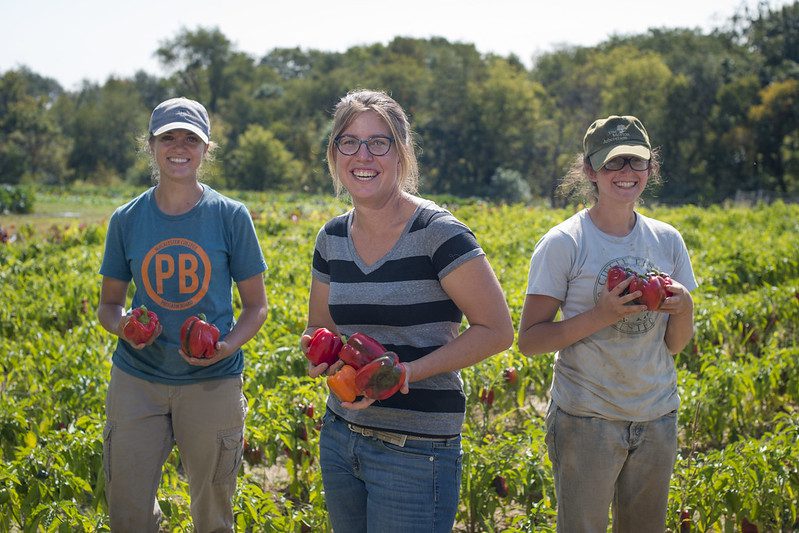
Soil MappingTechnology is always growing, always changing and always evolving. Now, some scientists are using new soil mapping methods to improve one of the most ebbing professions: farming.

The Basics of Soil Mapping

Soil maps catalog features and soil types in an area. Early on,soil mapping was done using field and lab observation. With the advent of more advanced technology, soil mapping is now done digitally while still using data. This data can be collected in multiple ways. It can be as simple as a special drill called a bucket auger and a single aerial photo of the land or as complex as using special geospatial software.

Once collected, the map is created in a grid layout, with each cell representing a different location. Soil mapping often tests the amount of nutrients in soil, allowing for more efficient farming and more effective use of products like fertilizer.

The Upsides of Soil Mapping

  1. Improving farming profit: Creating better soil produces more crops. Many farmers in developing countries use their crops as a form of survival and use what little is left over as products to sell. This is known as subsistence farming. By optimizing the use of fertilizers and other products with soil mapping, more crops are available to market while still feeding producers. The estimated increased yield is about 4-9%.
  2. Creating sturdier crops: Temperature changes and natural disasters can quickly tank a harvest. By using soil mapping, crops become more resilient and more able to survive harsh or fluctuating conditions.
  3. Improving soil health: Continents like Africa struggle with inconsistent soil health and high fertilizer prices due to inflation. Preventing resource waste is critical when costs are so high. Creating detailed soil maps provides important information that can help restore soil and reduce waste. Restoring soil health means more crops can grow, which means more profit for the people who need it most.
  4. Improving nutrition: More nutrients in the soil mean more nutrients in the food that the soil produces. Nutritious food is crucial for preventing malnutrition and health problems in low-and middle-income countries.
  5. Long-lasting solution: Soil maps are a local solution to food insecurity. They are more sustainable than direct aid because they allow for more output year after year. Providing more than just food, the extra crops taken to market can provide other critical needs.

The Global Soil Partnership

Soil mapping supports improvised communities globally, especially through government-run programs. The biggest program of this type is the Global Soil Partnership. The program uses 500 experts from 52 countries to create soil maps and databases to combat problems like food insecurity. These mapping programs are especially helpful in Africa and South America, where the climate can be volatile and many people are malnourished.

What’s Ahead?

Soil mapping demonstrates that technology and progress can also help end poverty. Large problems require innovative and scalable solutions and soil mapping qualifies. It is not necessary to only use traditional human labor to assist those who need help. Technology can assist grassroots and nonprofit groups in providing lasting solutions. The results show the power of human advancement.

– Meredith Wyrick

Meredith is based in Magnolia, TX, USA and focuses on Good News and Global Health for The Borgen Project.

Photo: Flickr

July 3, 2024
https://borgenproject.org/wp-content/uploads/borgen-project-logo.svg 0 0 Hemant Gupta https://borgenproject.org/wp-content/uploads/borgen-project-logo.svg Hemant Gupta2024-07-03 07:30:072024-07-03 01:20:22Fighting Poverty with Dirt: Soil Mapping
Disease, Global Poverty, Health

Fighting the New Spike Of Malaria in the Philippines

Malaria in the PhilippinesThe Philippines is familiar with the problem of malaria. In 1970, the country’s malaria morbidity rate per 100,000 people was nearly 80%. The mosquitoes that transmit the parasitic disease extend all across the nation. With the devastation that the Philippines faced, its government became very committed to limiting and reducing the damage caused by the disease.

Success in Malaria Reduction

One of the many ways the Philippines fought malaria was through an increase in surveillance systems, working toward finding specific malaria outbreaks to target with boosted treatments. The government’s actions were extremely successful. In 2005, the Philippines achieved a reduction rate of 92% in cases and a decrease in the malaria mortality rate by 98%. Additionally, around 60.9% of the country’s provinces were officially declared malaria-free in 2018.

Leveraging Digital Technology

By employing new digital technology, specifically its Online Malaria Information System, the Philippines is able to catalog, process and distribute information on malaria outbreaks. This allows for speedy treatment and prediction of future outbreaks by monitoring reports made by locals. This system is available to everyone on Android, so it is very accessible to the Filipino people.

Current Challenges and Advanced Strategies

Due to significant humanitarian aid and government infrastructure expansion, the Philippines experienced a general decline in malaria cases. However, in 2023, the country saw a sharp increase in cases, about 6,248, nearly doubling from the previous year, which was 3,245. Many health professionals attribute this rise to the relaxation of restrictions in the post-COVID-19 world. Nonetheless, new health centers are now focused on eliminating and preventing the spread of malaria.

Filipino health centers collect data on patients and the environment to monitor potential malaria outbreaks. Quick identification leads to quick treatment and with sufficient treatment, the Philippines aims to be entirely malaria-free by 2030. The approach is more complex than merely distributing surveys or looking for common symptoms.

The health centers are exploring advanced diagnostic and geographical mapping tools, improved surveillance technology and the identification of less common and often overlooked symptoms of malaria. With better diagnostic tools, medical professionals can assess patients more quickly and determine which strain of malaria is affecting them, enabling faster and more effective treatment.

The geographical mapping tools allow people to monitor the spread of outbreaks, see where the infected mosquitoes are moving and act proactively against the disease. As the World Health Organization (WHO) advises, surveillance is one of the best ways to prevent and combat malaria, so the Philippines is looking to improve its preexisting system to fight this current wave of malaria.

Conclusion

Malaria is one of the most notorious and dangerous diseases and humanity has been fighting it for decades. The Philippines, in particular, has a long and difficult history with malaria but has developed effective systems to combat it. The Filipinos’ active efforts to reduce malaria in their country offer hope for a malaria-free world, evidenced by the 72 provinces that are now officially malaria-free.

Another promising development in the fight against recent malaria outbreaks is the emergence of new vaccines that provide immunity against various strains of the life-threatening disease. With a vaccine in the works and new health centers being established, the Philippines is optimistic about seeing a reduction in malaria cases soon.

– Paige Tamasi

Paige is based in Los Gatos, CA, USA and focuses on Global Health and Politics for The Borgen Project.

Photo: Unsplash

June 30, 2024
https://borgenproject.org/wp-content/uploads/borgen-project-logo.svg 0 0 Hemant Gupta https://borgenproject.org/wp-content/uploads/borgen-project-logo.svg Hemant Gupta2024-06-30 03:00:002024-12-13 18:03:12Fighting the New Spike Of Malaria in the Philippines
Agriculture, Global Poverty, Technology

Supporting Cambodian Farmers With Drone Technology

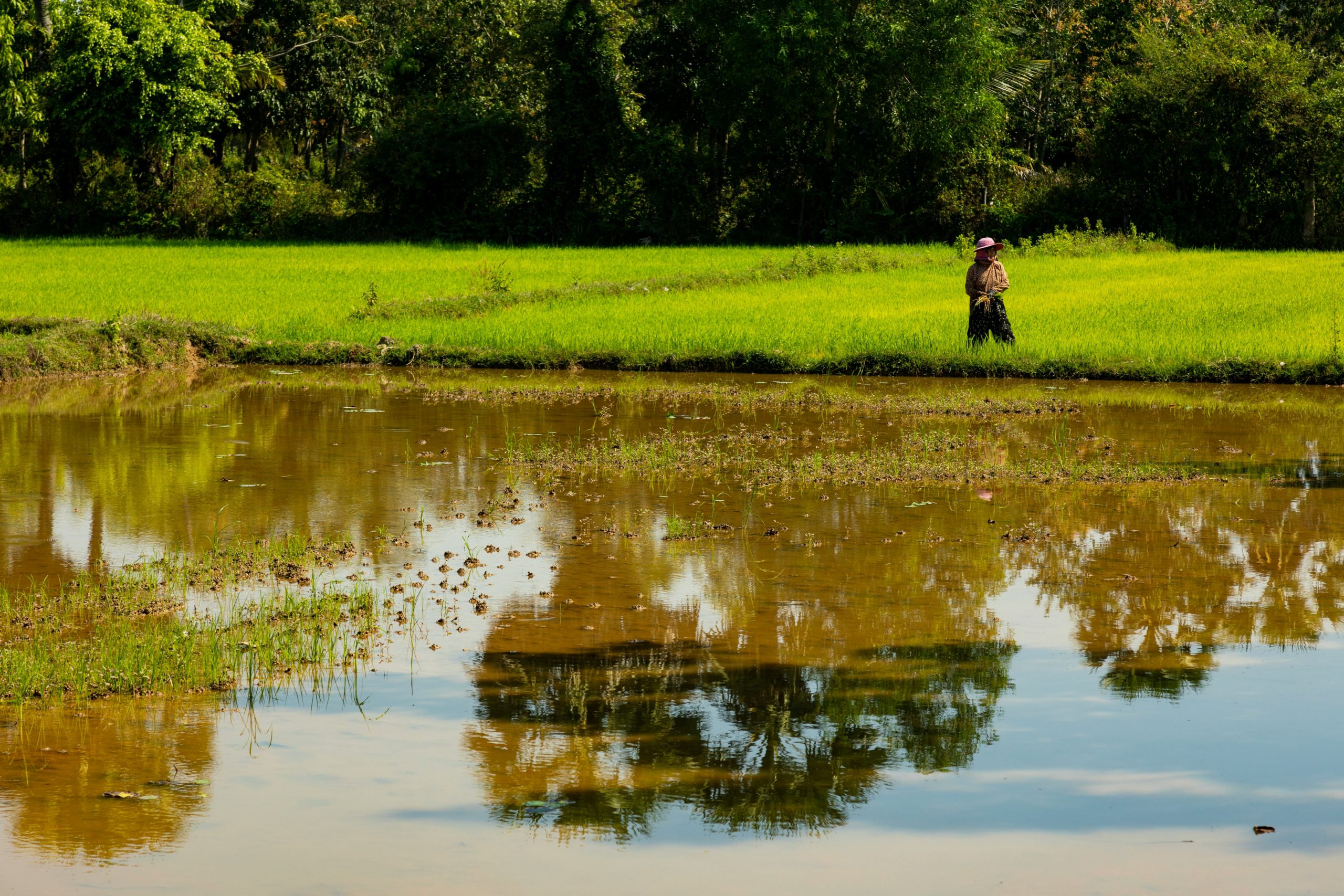
Cambodian FarmersCambodia, famed for its ancient temples, rich history and vibrant culture, offers unique natural beauty and historical importance. Located in Southeast Asia, its landscape spans the Mekong Delta, which has been an important source of vitality for its surrounding countries for centuries. The lower Mekong basin runs through the East of Cambodia, providing a livelihood for Cambodian farmers. More than 90% of total production in Cambodia along the Mekong basin is attributed to paddy production.

Furthermore, more than 50% of total agricultural production in Cambodia is attributed to rice production. Due to its proportion of national production, the development of this sector can bring great returns to Cambodians. The agricultural sector needs reforming to support the crop’s commercialization in the region, a process encouraged due to its export value. If the government’s aim to make the country a “rice basket” (a major rice exporter) is to be fulfilled, using new technology can aid this endeavor.

The Economic Situation

Cambodia is both one of the most impoverished countries and one of the fastest-growing economies in Southeast Asia. The genocide from 1975 to 1979, which saw the killing of almost one-quarter of the population, has undoubtedly left its mark on the people of Cambodia and the economic health of the country. About 16.6% of Cambodians are multidimensionally poor, meaning they suffer from multiple aspects of poverty beyond monetary means.

One legacy of the genocide is seen in the poverty rate of areas near where the atrocities took place. Villages nearer mass grave sites suffered an increased 4% poverty rate in a study done in 2023. Agriculture is a huge proportion of Cambodia’s production. It is an area where the country can focus on improving to compete further in the export market. Its status as a less-developed nation in the region makes it an attractive prospect for investors, especially investment in the agricultural industry. This makes Cambodia’s agriculture industry a prime sector for increasing overall wealth and reducing poverty.

Cambodia’s Paddy Problems

Paddy production increased by 2.9 million tons from 2012 to 2020, sitting at 10.9 million tons in 2020. Cambodia’s capacity for paddy production is clear. However, it is vulnerable to climatic conditions and the export market is strict about the type of rice seed it accepts.

Varying climatic conditions threaten to lower rice yields as both flooding and shortages of water can reduce the total rice yield for the year depending on the type of rice seed. To make Cambodia’s paddy production sustainable, investing in new technologies can aid the commercialization of the crop and its climate-resistant capabilities.

Drones Can Be a Solution

Drone usage is an example of a technological innovation that can help the government and individual farmers achieve greater efficiency in paddy production. Particular drones can be used for aerial fertilization, saving time during a typically time-consuming part of the production and increasing the safety of administering pesticides and insecticides.

The Cambodian Agriculture and Research Institute (CARDI) has partnered with Queensland University to develop the technology and to deliver training to Cambodian farmers and government officials on how these drones can be used.  A woman in Battambang province has been providing spraying services to farmers in her province for two years already, proving to be a profitable and reliable business venture. She is among a group of women who have invested in drone technology to provide this service, which is guaranteed to use less water than traditional methods.

Another type of drone has been used in the Siem Reap province to sow rice. The community in Siem Reap has successfully used drones to sow the Neang Ang rice seed, covering 70 hectares of rice per day. This is a huge proportion of ground covered, improving the livelihood of Cambodian farmers and providing food security to the community.

Looking Ahead

The successful case of drone usage and the current partnership between CARDI and Queensland University spell optimism for the development of Cambodia’s rice seed systems. The greater efficiency provided by drones can be used to produce greater yields of climate-resistant rice suited to the export market.

This innovative technology can simultaneously improve farmers’ livelihoods and make Cambodia’s export market more sustainable in the face of adverse climatic conditions. Innovation and investment in agricultural technology can be the key to achieving sustainable growth and subsequently reducing poverty in Cambodia. 

– Lauren Alkhalil

Lauren is based in London, UK and focuses on Technology and Solutions for The Borgen Project.

Photo: Unsplash

June 29, 2024
https://borgenproject.org/wp-content/uploads/borgen-project-logo.svg 0 0 Hemant Gupta https://borgenproject.org/wp-content/uploads/borgen-project-logo.svg Hemant Gupta2024-06-29 07:30:582024-06-28 09:44:37Supporting Cambodian Farmers With Drone Technology
Developing Countries, Global Poverty, Water

Aquapreneurs Address Water Scarcity

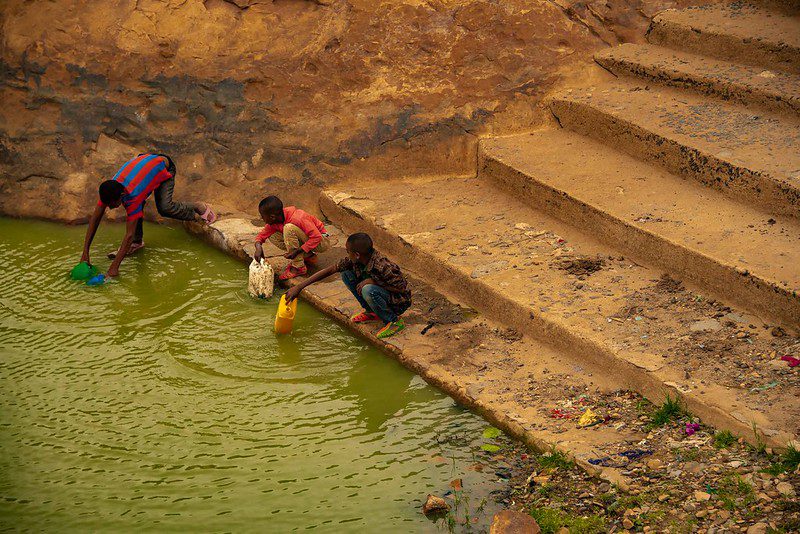
AquapreneursAccess to clean water is a critical issue worldwide, especially in low-income countries located in the Horn of Africa and the Sahel region, such as Kenya, Ethiopia and Somalia. The state of global freshwater is under threat due to the changing climate and anthropogenic activities. Globally, the world’s largest freshwater withdrawals come from agriculture (70%), industry (just less than 20%) and domestic use (approximately 12%). However, aquapreneurs are addressing water scarcity by creating innovative solutions to manage and distribute water resources efficiently.

The surge in demand for freshwater stems primarily from a combination of socioeconomic development, industrial growth and consumption patterns. The high demand stems from cities, urban areas and regions experiencing fast economic growth. The consequences of this high demand and withdrawal of water leave approximately 50% of the global population with water scarcity for at least one month a year. This can put areas under water stress, which creates a decrease in social stability, an increase in migration and a decrease in work, as 80% of jobs in low-income countries are water-dependent. More than 33% of African countries are considered to be “water-insecure” as the changing climate increases temperatures and precipitation.

The United Nations (U.N.) warns that a global water crisis is imminent and poses severe risks to food security, diseases and livelihoods. Global warming exacerbates the water crisis by amplifying the water cycle, resulting in higher amounts of water vapor. This directly impacts Earth’s weather patterns, heating (temperature) and precipitation levels (creates excessive flooding and droughts). In response to these challenges, Aquapreneurs are creating innovative solutions to conserve and manage water resources.

Aquapreneurs and the Global Freshwater Challenge

The World Economic Forum collaborated with UpLink to help solve some of the world’s most difficult challenges, such as water scarcity. The Global Freshwater Challenge was launched in 2022. It is a five-year Innovation Initiative that seeks to make freshwater ecosystems healthier and more resilient. This challenge was the first of five parts and out of 198 submissions, 10 winners were chosen. Here are three of the winning innovations for the Horn of Africa and the Sahel Region:

Wateroam Pte Ltd

The company Wateroam created a portable (weighing about five kg) filtration pump to bring safe drinking water to disaster zones and rural communities. The manual pump has an ultrafiltration chamber that can remove 99.99% of bacteria and viruses, including E. Coli and salmonella microbes. The water is ready to drink immediately after filtering and is cheap and easy to use. It is currently used in more than 40 countries, including South Africa. It is helping more than 200,000 people worldwide.

Openversum

Openversum has developed a water filtration system that is currently being used in Somalia and Uganda. The filter can be locally manufactured. It is capable of removing contaminants such as pathogens, heavy metals, pesticides and micropollutants from water. This is an important development, as poor sanitation and inadequate wastewater treatment can increase the risk of diarrheal disease. The manufacturing costs of the filter are low and create job opportunities in affected areas.

Majik Water Technologies

Majik Water is a women-led organization that uses technology to produce water from the air in arid and semi-arid regions in Kenya. Extraction of fresh water from the air is safer than groundwater extraction because groundwater contains high levels of arsenic and fluoride. The technology acts as a dehumidifier. It draws air into the machine through an electrostatic filter, passes over refrigerated coils and then builds moisture on the coils.

Finally, the water is deposited into a holding tank. Currently, 90% of Kenya’s water sources are depleted, which increases malnutrition and the risk of disease. Yet, with this technology, more than 200,000 liters of clean drinking water is being produced each month cost-effectively and efficiently using solar thermal energy.

Conclusion

Water is an essential part of sustaining life. The Global Freshwater Challenge empowers Aquapreneurs to address water scarcity by developing innovative solutions to help ensure access to clean drinking water. UpLink continues to feature innovation challenges to provide Aquapreneurs the opportunity to showcase their work for increased exposure and the potential for financial rewards. 

– Gabrielle Schwartz

Gabrielle is based in Tallahassee, FL, USA and focuses on Technology and Solutions and Global Health for The Borgen Project.

Photo: Flickr

April 22, 2024
https://borgenproject.org/wp-content/uploads/borgen-project-logo.svg 0 0 Hemant Gupta https://borgenproject.org/wp-content/uploads/borgen-project-logo.svg Hemant Gupta2024-04-22 01:30:212024-04-22 01:08:27Aquapreneurs Address Water Scarcity
Global Poverty, Technology, Water

Private Sector Is Driving Water Solutions in Sub-Saharan Africa

Water in Sub-Saharan AfricaThe continent of Africa boasts extensive geographical and biological diversity. With this heterogeneity, it is critical to tackle poverty from a multidimensional lens. This article focuses on using solar technology in Sub-Saharan Africa to provide clean water and access to water for farming and health facilities, addressing resource poverty.

The Sub-Saharan countries alone have 1.2 billion citizens and projections by the World Bank indicate that this number will increase to 2.7 billion by 2060. The International Institute for Applied Systems Analysis states that an unpredictable and erratic rainfall pattern is a major contributor to low productivity and food insecurity in Africa. This is further compounded by a low degree of mechanization, which reinforces a persistent poverty trap. Cyclical famines triggered by these factors pose a significant threat to local development opportunities.

Startups and established solar tech companies in the region are using solar energy-powered systems to tackle water scarcity. By doing so, they are setting an example for the future of farming development. This approach produces positive economic outcomes that have a ripple effect on the health and well-being of citizens and the global economy as a whole.

Blazing the Trail for Progress

Although the continent receives “60% of the world’s solar resources, Africa has only 1% of solar generation capacity.” This is largely due to economic constraints caused by reverberations from the global pandemic and the war in Ukraine. Filling in the gaps, partnerships between governments and the private sector are increasingly opening up opportunities for citizens to harness solar energy to power irrigation systems.

SunCulture is one example of the many companies and startups funding development projects in countries experiencing the highest levels of water scarcity, including but not limited to Ethiopia, Kenya, Morocco, Namibia, Nigeria, Rwanda, Senegal, South Africa, Tanzania and Uganda. SunCulture alone has raised more than “40 million to equip rural farmers with solar-powered irrigation systems.” Rural farmers previously relied on rainfall or oil power to produce the water necessary for production.

Now, with help from SunCulture, they have access to cheap and renewable energy to run irrigation systems that require “minimal maintenance.” Put simply by SunCulture’s chief of staff, Mikayla Czajkowski, solar energy offers “positive environmental impact, job creation potential and economic development potential.”

The potential for harnessing solar power is extensive. One foreign company leading the charge is Business Finland, which introduced the SolarRO 1500 desalination system in the village of Tseikuru, Kenya. Many communities living rurally or in city “slums” in Kenya have historically relied on contaminated water as the only available resource.

SolarRO utilizes solar energy to operate reverse osmosis systems. This empowers communities to clean the existing water resources without the costs that come with drilling and building irrigation systems. While irrigation systems are best for farming development, reverse osmosis offers a simpler solution to the prevalence of contaminated water, with the reliance on solar (renewable) energy being a key aspect of a cost-efficient implementation.

High Hopes and High Rewards

A SunCulture impact survey found that “89% of smallholder farmers experienced a boost in their quality of life, 90% increased their production and 87% enhanced their earnings.” The success of these projects revolves around the sustainable and efficient nature of implementation. With roughly 36.7% of the population of sub-Saharan countries living on $2.15 a day, costs present a slight challenge.

While many companies have developed solutions based on grants and funds raised, the future and sustainability of these water solutions require a structured water industry all over Sub-Saharan Africa. As communities are given access to water, impact analyses show that production capacities increase and, with it, the quality of life. By investing in solar energy solutions now, the economic and health sectors will see positive, sustainable change in the future.

As the world strives to achieve the Sustainable Development Goals, initiatives like the solar-powered water project serve as beacons of hope. They demonstrate that sustainable solutions to poverty are within reach. By leveraging renewable energy and community-driven approaches, there is the potential for clean water to catalyze positive change and create a brighter future for generations to come in rural Africa and beyond.

– Kiera Gorman

Kiera is based in Santa Cruz, CA, USA and focuses on Good News for The Borgen Project.

Photo: Pexels

April 19, 2024
https://borgenproject.org/wp-content/uploads/borgen-project-logo.svg 0 0 Hemant Gupta https://borgenproject.org/wp-content/uploads/borgen-project-logo.svg Hemant Gupta2024-04-19 07:30:522024-04-18 05:45:03Private Sector Is Driving Water Solutions in Sub-Saharan Africa
Agriculture, Artificial Intelligence (AI), Food Security, Global Poverty

AI Is Helping Address Food Security in India With Agriculture

Food Security in IndiaIn Telangana, South India, artificial intelligence (AI) helps address food security by helping farmers. The country is a prime example of how emerging AI technology is applied to global issues. The Indian government, in collaboration with agricultural aid organizations, has launched an AI program called Saalu Baagu. This program aims to use AI-based tools to solve agricultural challenges. AI programs and emerging technologies are experiencing ongoing growth and expansion in the country.

AI and Farming

The Telangana government divided its AI implementation process into distinct phases. Phase one focused on introducing a variety of AI-based agritech services to thousands of farmers. Phase two reached more than 20,000 chili and groundnut farmers in three districts. The project began in 2022 and has received the support of various AI tech companies and the Bill and Melinda Gates Foundation.

The Saagu Baagu program has had major success with farmers and crop yields, specifically chili crops. The program has enabled AI-focused startup companies like AgNext, a company helping farmers assess the quality and physical attributes of their chiles. Over 18 months, Indian farmers have experienced a 21% increase in plant growth per acre and a 9% decrease in pesticide usage. More than 500,000 farmers are now engaged in the program and have utilized AI tools in their farming.

The success of the Saagu Baagu signifies the potential for AI to help not just agriculture in India but also crop health on a global scale. AI has helped to address food security in India through revolutionary and adaptable technology that could work in a variety of agricultural environments. The program’s impact in Telangana has exemplified the ability of emerging AI technologies to assist modern farming techniques and strategies. Planting schedules, crop health and yield predictions are all challenges faced by farmers that AI has been able to leviate and make more efficient.

The Future of AI and Food Security

AI could help feed the world and prevent global hunger now and in the foreseeable future. “AI is going to transform the way we produce, store, distribute and market food in ways that will improve food safety, efficiency, resilience and sustainability,” said Gbola Adesogan, associate vice president and director of the Global Food Systems Institute. Efficient and sustainable farming will be the key to global food security.

AI is playing a pivotal role in addressing food security in India. Additionally, it holds promise for farmers worldwide in the future:

  1. It facilitates the analysis of vast data sets, enabling the development of resilient crops capable of withstanding various environmental challenges.
  2. AI offers valuable insights to farmers regarding soil conditions, optimal planting times and harvest periods, thereby enhancing agricultural productivity.
  3. AI technology aids in the early detection of diseases and pests, enabling proactive measures to safeguard crops and maximize yields.

AI has proven to be an incredibly useful tool in empowering farmers to face modern economic and environmental challenges. Technology will be essential to combating global food security and poverty through agriculture.

– Jacob Buckner

Jacob is based in Raleigh, NC, USA and focuses on Technology and Solutions for The Borgen Project.

Photo: Flickr

April 16, 2024
https://borgenproject.org/wp-content/uploads/borgen-project-logo.svg 0 0 Hemant Gupta https://borgenproject.org/wp-content/uploads/borgen-project-logo.svg Hemant Gupta2024-04-16 01:30:492024-04-16 01:16:32AI Is Helping Address Food Security in India With Agriculture
Global Poverty, Technology

Top 5 Animations on Extreme Poverty

Animations on Extreme PovertyAn expanding community of animators dedicates their creative energy to producing animations on extreme poverty. Their animations are often featured on platforms like YouTube. The top five animations on this topic showcased here represent the finest works crafted by this community.

Rational Animations

A meticulously researched video delves into GiveDirectly, a program providing Unconditional Cash Transfers (UCT) to individuals in extreme poverty. Unlike other animations on extreme poverty, it uniquely highlights UCT. Accompanying the video is a fundraiser for GiveDirectly. The animation advocates for eradicating extreme poverty. Defined by the World Bank’s September 2022 international poverty line of $2.15 a day, by extending unconditional cash transfers to all individuals below this threshold.

The animated video highlights GiveDirectly’s positive impacts. A 2016 study by Francesca Bastagli and colleagues at the Overseas Development Institute finds cash transfers improve nutrition, health care and agriculture while boosting local economies. Moreover, adult beneficiaries dedicate similar durations to work, whereas children allocate more time to schooling. Furthermore, a 2020 study published in Econometrica by Denis Egger and co-authors reveals that for every $1,000 of UCT disbursed, a growth effect of $2,500 stimulated local economies while maintaining inflation at a mere 15%.

The article highlights the practicality of eradicating extreme poverty, as outlined by the Brookings Institution, which identifies a “Poverty Gap” of $100 billion. It represents the disparity between the resources possessed by the extremely poor and the amount required to lift each individual out of extreme poverty.

TED

Avi Ofer’s animation, “Why is it so hard to escape poverty?,” produced by TED, delves into the concept of welfare traps, a form of poverty trap. It advocates for Universal Basic Income (UBI) to eradicate global poverty. The video offers a comprehensive examination of poverty across the developing nations. While welfare programs in the developed world have supplanted anti-poverty initiatives previously administered by religious institutions, they often inadvertently create welfare traps. These traps reduce one’s net income upon employment, fostering dependency on welfare and hindering poverty alleviation efforts. Poverty traps and circumstances beyond the control of impoverished individuals perpetuate poverty cycles. Fortunately, UBI emerges as a proposed solution to eliminate all welfare traps and eradicate poverty universally.

Kurzgesagt – In a Nutshell

In the vibrant world of animation, a renowned German studio stands out for its captivating and meticulously researched videos. Supported by the Bill & Melinda Gates Foundation and in collaboration with Our World in Data, these colorful creations delve into pressing issues with both depth and creativity. Among their impressive repertoire are animations that offer insights into extreme poverty, presenting compelling narratives and thought-provoking solutions. One such animation, “Overpopulation & Africa,” delves into the complexities of family planning, health care access, contraception and education. Drawing parallels with successful models from Bangladesh in the 20th century, it offers a compelling vision for addressing population growth and poverty in Sub-Saharan Africa.

Population growth estimates for Sub-Saharan Africa display significant disparity. According to a 2019 United Nations (U.N.) report, the region is projected to reach a population of 2.6 billion by 2100. However, an International Institute for Applied Systems Analysis (IIASA) paper by Samir KC suggests a substantially higher figure of five billion by the century’s end. Despite a decrease in household size from 6.6 billion children in 1960 to 4.7 billion in 2017 sub-Saharan Africa still maintains a significantly higher birth rate than the global average, as per a 2017 U.N. paper. According to research by Track20, offering women universal access to contraception, health care and education could reduce population estimates to 2.8 billion by 2100. This approach has shown promise in Ethiopia, where improved health services have notably reduced child mortality rates from 20% in 1990 to 7% in 2015.

Positive Steps

Additionally, a 2018 study by Kaps, Alisa and colleagues from the Berlin Institute indicates that Ethiopia’s substantial investment of 30% of its annual budget in education led to a 25-fold increase in the number of schools over two decades. Africa, as a whole, has made significant strides toward these objectives. Moreover, contraceptive use, which stood at 16% in 1990, surged to 30% by 2014. The Most Gruesome Parasites – Neglected Tropical Diseases

“Neglected Tropical Diseases” (NTDs) shed light on the economic and health toll inflicted by these ailments on impoverished communities while also commending the global efforts to combat them. NTDs are highly treatable yet often neglected due to inadequate health care access and infrastructure.

However, the 2012 London Declaration aimed to eradicate 10 NTDs by 2020, with Western pharmaceutical firms funding the nearly $18 billion initiative. By 2015, more than 815 million individuals had access to medications for treating these diseases. One notable success story is the battle against Dracunculiasis, a parasitic worm that requires extraction over days or weeks. In 1985.

A Selfish Argument for Making the World a Better Place

“Egoistic Altruism” presents a compelling argument for lifting people out of poverty, framing poverty reduction as a global public good. In the pre-industrial revolution era, the world operated as a zero-sum game, where acquiring resources often necessitated conflict. However, the advent of the industrial age transformed the world into a positive-sum game. The animation contends that factors such as supply and demand and the presence of educated individuals capable of innovation enable the resolution of more challenges, leading to wealth creation and poverty reduction. Moreover, it posits that addressing global issues like cancer becomes more feasible when underprivileged children worldwide have access to higher education. This enables them to contribute to the economy as part of the middle class. Such a future, the video suggests, maximizes humanity’s research output, facilitating the resolution of additional global problems.

– Joey T. McFadden
Photo: Unsplash

March 24, 2024
https://borgenproject.org/wp-content/uploads/borgen-project-logo.svg 0 0 Hemant Gupta https://borgenproject.org/wp-content/uploads/borgen-project-logo.svg Hemant Gupta2024-03-24 07:30:232024-12-13 18:03:08Top 5 Animations on Extreme Poverty
Global Poverty, Poverty Reduction

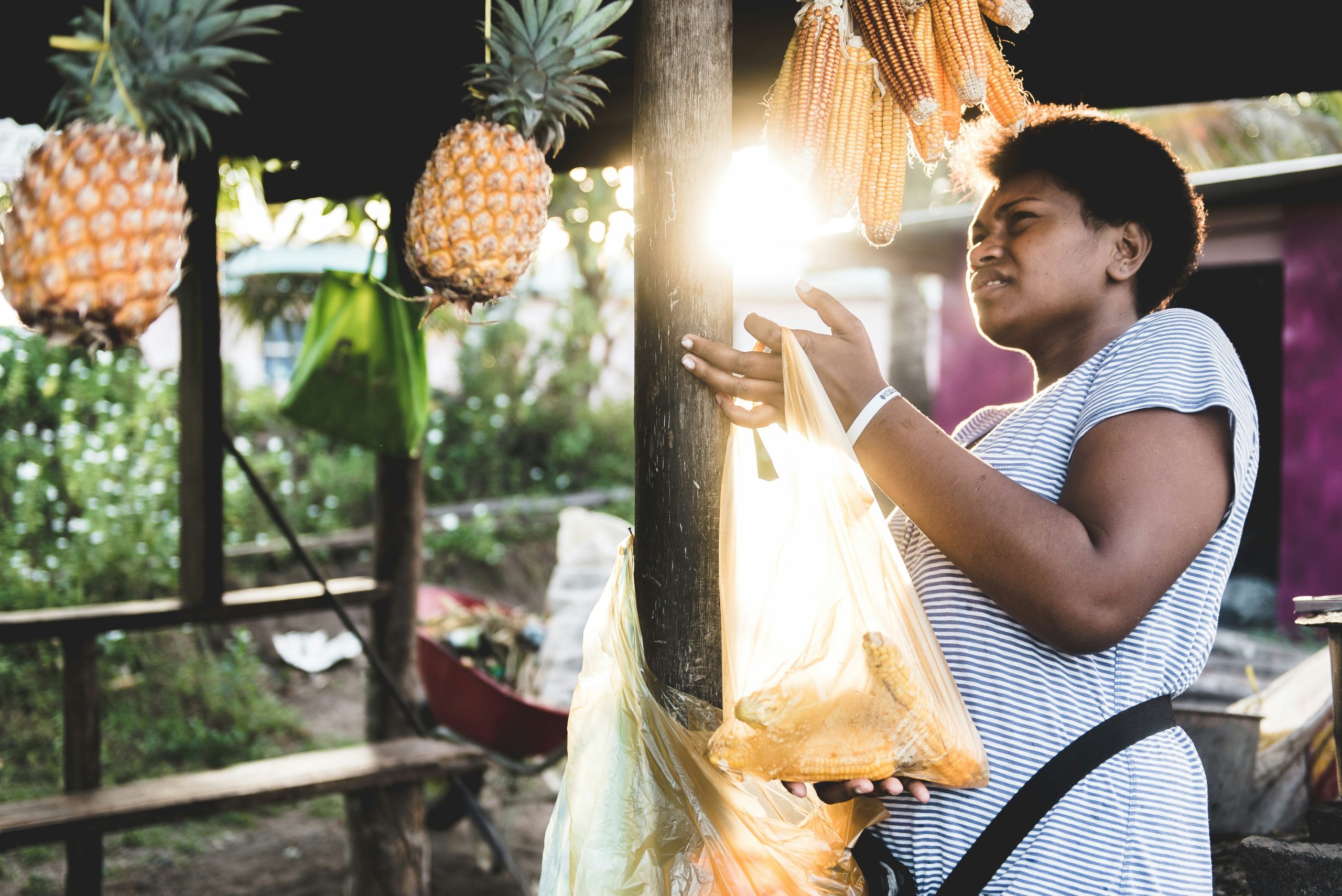
Innovations in Poverty Eradication in Fiji

Poverty Eradication in FijiPoverty is a significant issue in the islands of Fiji. However, instead of giving up, the country is actively seeking new and innovative ways to assist those who are struggling. Through both small community projects and large-scale government plans, Fiji is leading the way in the fight against poverty. The country is making great strides towards achieving the Millennium Development Goals (MDG) in Education, Health, Environmental Sustainability and Global Partnership for Development (GDP), especially compared to most Pacific developing member states.

Oxygen Access Helps Poverty Eradication in Fiji

In Fiji, oxygen access was one of the biggest health issues due to the lack of a consistent and reliable supply of medicinal oxygen. To tackle this problem and achieve poverty eradication in the nation, the Ministry of Health, in partnership with Cure Kids, launched an exciting initiative called the Oxygen Project to improve oxygen access. The Oxygen Project distributes oxygen concentrators to health care facilities all over Fiji. Oxygen concentrators are small, lightweight devices that filter the air and concentrate the oxygen, ensuring that patients receive pure, medicinal-quality oxygen.

This initiative eliminates the need for bulky oxygen tanks that require transportation between health centers. Solar power systems installed in health facilities enabled the concentrators to operate without traditional power sources. Most importantly, the project will train biomedical engineers, solar engineers and nurses in operating, maintaining, monitoring and repairing solar panels and concentrator systems.

Telecommunication Technology

Fiji is connected to major telecommunication hubs and nearby Pacific Island nations through a vast network of underwater cables. Amalgamated Telecom Holdings (ATH), which the Fiji National Provident Fund primarily owns, owns Fiji’s telecommunication providers, including Vodafone, Telecom Fiji and Fiji International Telecommunications Ltd.

The second significant player in the market is Digicel. At the same time, Starlink, a satellite internet provider and a subsidiary of SpaceX, has received government approval and is soon anticipated to launch in Fiji. Due to a lack of infrastructure development in rural areas, about 5% of the country still lacks mobile network coverage.

Due to a lack of infrastructure development in rural areas, about 5% of the country still lacks mobile network coverage. Telecommunications play an essential role in poverty eradication in Fiji because they expand access to information, enhance communication networks, create economic opportunities, support education and skills development and improve health care access.

The World Bank’s Role in Sustainable Recovery

The World Bank’s executive directors approved an operation to support Fiji’s ongoing efforts to recover from the impacts of COVID-19 and multiple tropical cyclones. The World Bank’s Fiji Recovery and Resilience First Development Policy Operation (DPO) with a Catastrophe-Deferred Drawdown Option (Cat-DDO) will accelerate the nation’s recovery while enhancing economic, social and climate resilience.

Fiji experienced a severe economic contraction that left one-third of its workforce without full-time employment. The project perfectly aligns with the recently authorised World Bank Group Country Partnership Framework for Fiji (2021–2024) and the Fijian National Development Plan. Enhancing Fiji’s debt and public financial management is a top priority for the operation, which also encourages women’s participation and breaks down barriers between the sexes in industries where males predominate.

Furthermore, the operation supports the creation of a Social Assistance Policy that will enhance the effectiveness and targeting of social assistance programs for numerous impoverished and vulnerable groups in Fiji, as well as the private sector-led economic recovery supported by the International Finance Corporation (IFC).

Conclusion

Innovative methods for poverty eradication in Fiji are starting to emerge to meet the multifaceted issues that disadvantaged communities face. These include projects like social enterprise development, digital technology, community-based tourism, climate-smart agriculture, microfinance and financial inclusion, social protection programs and participatory planning and governance.

These inventions seek to strengthen livelihoods, empower communities and increase resistance to environmental difficulties and economic shocks. These poverty innovations support inclusive growth and sustainable development in Fiji by integrating business models with social impact goals and encouraging local ownership and cooperation.

– AuiCha Conley
Photo: Unsplash

March 22, 2024
https://borgenproject.org/wp-content/uploads/borgen-project-logo.svg 0 0 Hemant Gupta https://borgenproject.org/wp-content/uploads/borgen-project-logo.svg Hemant Gupta2024-03-22 07:30:362024-03-21 04:37:37Innovations in Poverty Eradication in Fiji
Developing Countries, Development, Food Security, Global Poverty, Health

New technologies in South Sudan

new technologies in South SudanTechnology increasingly offers more and more solutions to help reduce poverty across the globe. Considering South Sudan’s unpredictable climate and scarce resources, new technologies in South Sudan can provide a gateway of opportunities and security to the locals. This can be through new farming methods and equipment, schooling, banking and monetary management.

The Problems in South Sudan

South Sudan’s current climate is posing many challenges to its poverty-stricken population. The World Bank describes poverty as ‘ubiquitous’ across South Sudan, with it estimating that two-thirds of the population requires humanitarian assistance.

Estimates stated that floods are affecting up to 1 million people every year because the floods have forced many to evacuate their homes. This has had an impact on education with floods affecting 100 schools. As a result, more than 60,000 students have reduced access to education.

In the short term, people in South Sudan have had limited access to nutrition and health care. This has contributed to the fact that 60% of the population is facing malnutrition.

It is not just flooding that impacts South Sudan. Excessive drought, temperature changes and unpredictable rainfall have all damaged day-to-day life in South Sudan. Droughts have resulted in food insecurities leading to a loss of livestock and crops.

This is severely impacting the economy in South Sudan considering that 95% of the population work in sectors that rely on the climate. This includes agriculture, fishing and forestry resources.

In the 2020-2021 period the South Sudanese economy reduced by 5.4% due to lower exports of oil and agricultural output. This is having a large impact on the living conditions of individuals in South Sudan.

The Conflict in South Sudan

As a result of the unpredictable climate in South Sudan, many have had to migrate. In fact, up to 4 million people as of 2022 remain displaced due to climate-induced dangers – 1.6 million internally and 2.3 million in neighboring countries.

Migration has led to enhanced homelessness across South Sudan. This has reduced living standards and increased disease. A lack of infrastructure has led to more exposure to malnutrition, mosquitos and climate-induced diseases such as malaria and cholera.

Serious conflicts over resources in South Sudan between groups, especially in areas of extreme drought, has led to livestock raiding and exacerbated the displacement of people into concentrated areas making resource scarcity even more serious.

Furthermore, the large weaponry market that has spread throughout the territory to the failure of the South Sudanese government, fuelling the problem and resulting in wider political instability in South Sudan. Resource conflicts have increasingly become a method to gain political support and power.

UNHCR’s Efforts

To solve the issues of conflict and lack of institutional and infrastructural support in South Sudan, the resource and climate problems require mitigation and resolution. Technology could be a solution, but South Sudan has limited new technologies presently.

First, and foremost, technology can make farming more efficient and sustainable. For example, the United Nations High Commissioner for Refugees (UNHCR) is trying to develop sustainable and resilient infrastructure such as dikes and drainage systems to try and appease the problems in South Sudan. Moreover, UNHCR has provided flood-tolerant seeds and training for locals. To help with droughts, it has introduced new irrigation systems and set up tree nurseries to regrow forests. In Maban, five tree nurseries underwent establishment in four refugee camps. These activities are introducing new skills and opportunities for the locals, that are more resistant and malleable to the changing climatic conditions. Other technologies include high-efficiency cooking stoves, reusing agricultural waste and using solar energy to extract water from boreholes.

How the US is Helping

Next, greater investment into education and human capital development is vital for presenting more opportunities for the locals to be able to use new tech. The U.S. has provided more than $117 million to South Sudan on top of humanitarian aid. This is helping the government to invest more money into their infrastructure, allowing more to access education.

The U.N. has also been providing increased support across Africa. It is important that this continues as, alone, South Sudan does not have the fiscal capacity to create a stable socioeconomic climate.

A further key area for South Sudan is taking full advantage of technology to provide education to rural areas that otherwise do not have access. This seems to have had little traction so far but could prove to be a very advantageous development.

Lastly, introducing these new technologies and skills in South Sudan will help to address the migration problem, reducing the levels of migration and allowing the population to become more dispersed again. This will hopefully help to reduce conflict in South Sudan as well.

Looking Ahead

Behind this shift to new technologies in South Sudan in the long run, support through charity and initiatives will help to smooth the transition. For example, to help with conflicts UNHCR has started several peace initiatives in Eastern Equatoria to reduce further conflict between herders and farmers, and to incentivize the use of new technology in pastoralists’ original locations, rather than internally migrating.

As a result, it becomes clear that South Sudan can reduce conflict across the country if it introduces more sustainable technology to help with the unpredictable climate. This requires the support of other countries and the cooperation of the South Sudanese government if this is to successfully reduce poverty.

– Reuben Cochrane
Photo: Flickr

October 5, 2022
https://borgenproject.org/wp-content/uploads/borgen-project-logo.svg 0 0 Naida Jahic https://borgenproject.org/wp-content/uploads/borgen-project-logo.svg Naida Jahic2022-10-05 07:30:182022-10-04 14:32:42New technologies in South Sudan
Page 13 of 29«‹1112131415›»

Get Smarter

  • Global Poverty 101
  • Global Poverty… The Good News
  • Global Poverty & U.S. Jobs
  • Global Poverty and National Security
  • Innovative Solutions to Poverty
  • Global Poverty & Aid FAQ’s
Search Search

Take Action

  • Call Congress
  • Email Congress
  • Donate
  • 30 Ways to Help
  • Volunteer Ops
  • Internships
  • Courses & Certificates
  • The Podcast
Borgen Project

“The Borgen Project is an incredible nonprofit organization that is addressing poverty and hunger and working towards ending them.”

-The Huffington Post

Inside The Borgen Project

  • Contact
  • About
  • Financials
  • President
  • Board of Directors
  • Board of Advisors

International Links

  • UK Email Parliament
  • UK Donate
  • Canada Email Parliament

Get Smarter

  • Global Poverty 101
  • Global Poverty… The Good News
  • Global Poverty & U.S. Jobs
  • Global Poverty and National Security
  • Innovative Solutions to Poverty
  • Global Poverty & Aid FAQ’s

Ways to Help

  • Call Congress
  • Email Congress
  • Donate
  • 30 Ways to Help
  • Volunteer Ops
  • Internships
  • Courses & Certificates
  • The Podcast
Scroll to top Scroll to top Scroll to top