Private Sector Is Driving Water Solutions in Sub-Saharan Africa
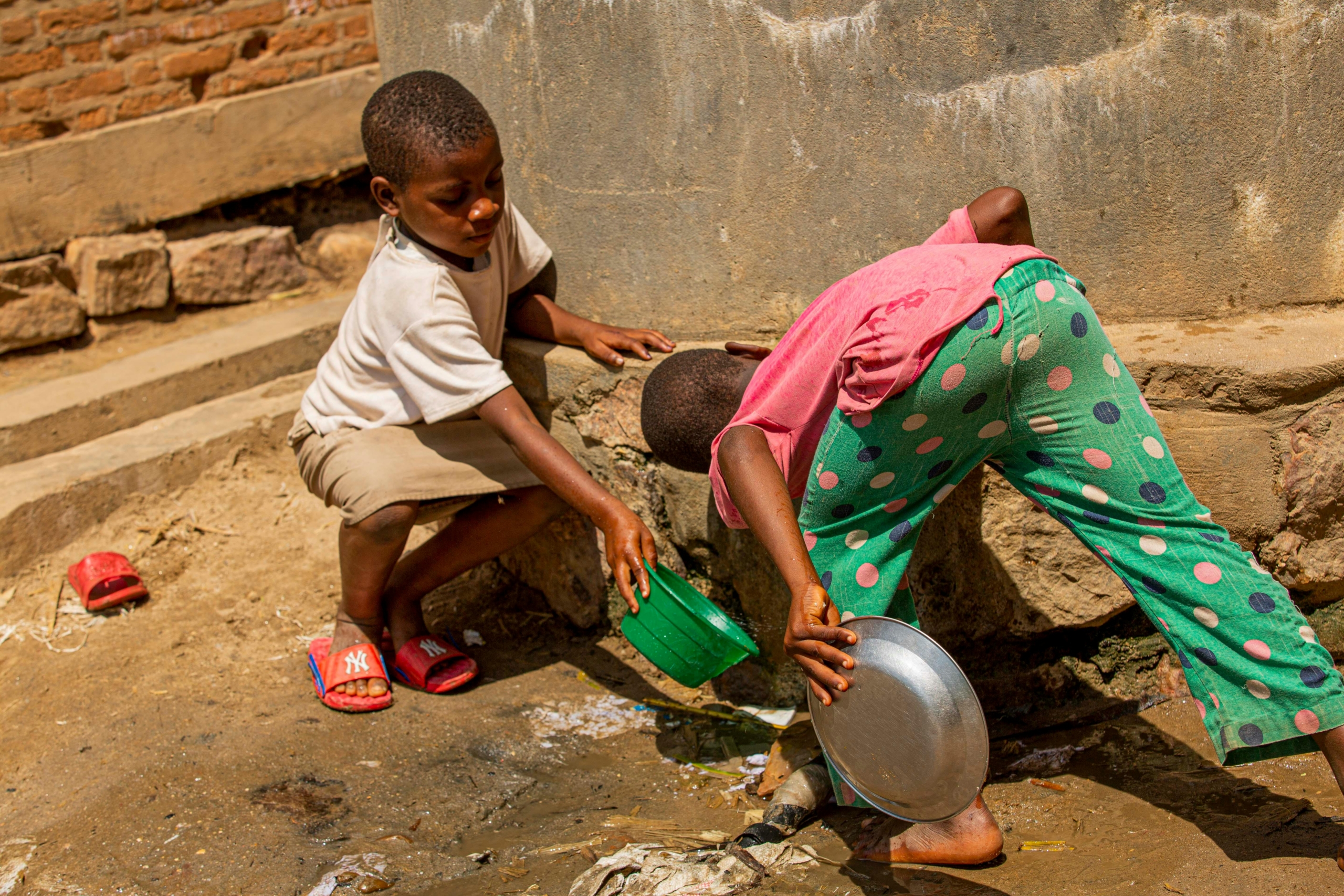 The continent of Africa boasts extensive geographical and biological diversity. With this heterogeneity, it is critical to tackle poverty from a multidimensional lens. This article focuses on using solar technology in Sub-Saharan Africa to provide clean water and access to water for farming and health facilities, addressing resource poverty.
The Sub-Saharan countries alone have 1.2 billion citizens and projections by the World Bank indicate that this number will increase to 2.7 billion by 2060. The International Institute for Applied Systems Analysis states that an unpredictable and erratic rainfall pattern is a major contributor to low productivity and food insecurity in Africa. This is further compounded by a low degree of mechanization, which reinforces a persistent poverty trap. Cyclical famines triggered by these factors pose a significant threat to local development opportunities.
Startups and established solar tech companies in the region are using solar energy-powered systems to tackle water scarcity. By doing so, they are setting an example for the future of farming development. This approach produces positive economic outcomes that have a ripple effect on the health and well-being of citizens and the global economy as a whole.
Blazing the Trail for Progress
Although the continent receives “60% of the world’s solar resources, Africa has only 1% of solar generation capacity.” This is largely due to economic constraints caused by reverberations from the global pandemic and the war in Ukraine. Filling in the gaps, partnerships between governments and the private sector are increasingly opening up opportunities for citizens to harness solar energy to power irrigation systems.
SunCulture is one example of the many companies and startups funding development projects in countries experiencing the highest levels of water scarcity, including but not limited to Ethiopia, Kenya, Morocco, Namibia, Nigeria, Rwanda, Senegal, South Africa, Tanzania and Uganda. SunCulture alone has raised more than “40 million to equip rural farmers with solar-powered irrigation systems.” Rural farmers previously relied on rainfall or oil power to produce the water necessary for production.
Now, with help from SunCulture, they have access to cheap and renewable energy to run irrigation systems that require “minimal maintenance.” Put simply by SunCulture’s chief of staff, Mikayla Czajkowski, solar energy offers “positive environmental impact, job creation potential and economic development potential.”
The potential for harnessing solar power is extensive. One foreign company leading the charge is Business Finland, which introduced the SolarRO 1500 desalination system in the village of Tseikuru, Kenya. Many communities living rurally or in city “slums” in Kenya have historically relied on contaminated water as the only available resource.
SolarRO utilizes solar energy to operate reverse osmosis systems. This empowers communities to clean the existing water resources without the costs that come with drilling and building irrigation systems. While irrigation systems are best for farming development, reverse osmosis offers a simpler solution to the prevalence of contaminated water, with the reliance on solar (renewable) energy being a key aspect of a cost-efficient implementation.
High Hopes and High Rewards
A SunCulture impact survey found that “89% of smallholder farmers experienced a boost in their quality of life, 90% increased their production and 87% enhanced their earnings.” The success of these projects revolves around the sustainable and efficient nature of implementation. With roughly 36.7% of the population of sub-Saharan countries living on $2.15 a day, costs present a slight challenge.
While many companies have developed solutions based on grants and funds raised, the future and sustainability of these water solutions require a structured water industry all over Sub-Saharan Africa. As communities are given access to water, impact analyses show that production capacities increase and, with it, the quality of life. By investing in solar energy solutions now, the economic and health sectors will see positive, sustainable change in the future.
As the world strives to achieve the Sustainable Development Goals, initiatives like the solar-powered water project serve as beacons of hope. They demonstrate that sustainable solutions to poverty are within reach. By leveraging renewable energy and community-driven approaches, there is the potential for clean water to catalyze positive change and create a brighter future for generations to come in rural Africa and beyond.
– Kiera Gorman
Kiera is based in Santa Cruz, CA, USA and focuses on Good News for The Borgen Project.
Photo: Pexels
