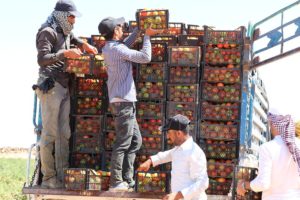
 Jordan has been experiencing food insecurity challenges due to multiple factors, such as water scarcity and slow economic growth. As a result, many Jordanians struggle to afford food for themselves. Food insecurity is a pervading problem in Jordan because 63% of its population is under 30 years old, a generational issue. However, young Jordanians have discovered new ways to cleverly tackle food insecurity in their country without successful government policies. The United Nations Children Fund (UNICEF) and The World Food Programme (WFP) have recently established the Youth in Food Security Innovation Programme, which gathers young Jordanians who confront food insecurity via innovation.
Food insecurity has become the central issue amongst citizens in the developing world primarily due to the COVID-19 pandemic, the Ukraine-Russia war and economic decline. This made tackling food insecurity in developing countries more challenging especially given the vulnerability of the governments. Therefore, citizens living in the developing world are compelled to find effective alternative methods to feed themselves, their families and their fellow citizens. The innovations in tackling food insecurity presented by these young Jordanians highlight new ways to reduce hunger quickly. The key is to discover the latest methods and adopt them as official development policy.
The Current Food Insecurity Situation in Jordan
The food insecurity situation in Jordan worsened because of the COVID-19 pandemic as it “has affected sustainable development efforts.” On February 28, A U.N. policy brief on Jordan’s food security strategy stated that 53% “of Jordanians are vulnerable to food insecurity” while 3% of Jordan’s households are struggling with food insecurity. Jordan is also facing water scarcity which can heavily impact its agriculture since it absorbs more than 50% of water in order “to produce 45%” of Jordan’s agriculture. The country relies on young Jordanians who confront food insecurity via innovation to solve the hunger issue.
Aya Kreik: The Soil as a Sustainable Source of Food
One of the young Jordanians confronting food insecurity via innovation is Aya Kreik, an architecture student living in Jordan’s capital city, Amman. Aya is part of a team that “succeeded in converting farm waste into organic fertilizers rich in nutrients.” This innovative method revived the soil and compelled farmers to stop using chemical fertilizers. Furthermore, the soil would “retain water in a large proportion,” reducing water irrigation in a water-scarce country. This method that Aya and her team created produces more organic food for Jordanians, which helps tackle food insecurity while promoting environmental sustainability.
Alaa and Nourhan: Plants that Self-Feed
Alaa (Banking and Finance student) and Nourhan (Business Intelligence student) are also young Jordanians who confront food insecurity via innovation. The students teamed up to build a start-up enterprise that specializes in producing “self-watering and self-feeding plants.” This is done by transforming “moisture in the air into pure water” via a type of hydrogel that is made up “of self-absorbing polymers.” This method allows for the availability of more water that produces more food at a time when Jordanians are struggling to find water and food.
Conclusion
Jordan, as with many other Middle Eastern countries, is experiencing severe food shortages and high prices for food items due to COVID-19 and the Ukraine-Russia war. However, despite the seemingly insurmountable odds, Jordanians have proven that tough challenges can be easily overcome via innovation and creativity. The innovative methods the young Jordanians have presented to the world are helping Jordan solve its food insecurity problem by producing healthy organic food that contributes to environmental sustainability. The creative methods show the world that solving development issues and policies in the developing world requires intelligent solutions. In other words, the world may be closer to ending hunger than before.
– Abdullah Dowaihy
Photo: Flickr
 The Ukrainian government
 The growth of the programming industry in Belarus, dubbed as the IT sector, took the country’s economy by storm. It helped the country reduce its “brain drain,” a phenomenon defined by the emigration of professionals from their home country to a nation that provides better pay and opportunities. Belarus’ IT sector exports grew from $218 million in 2010 to
 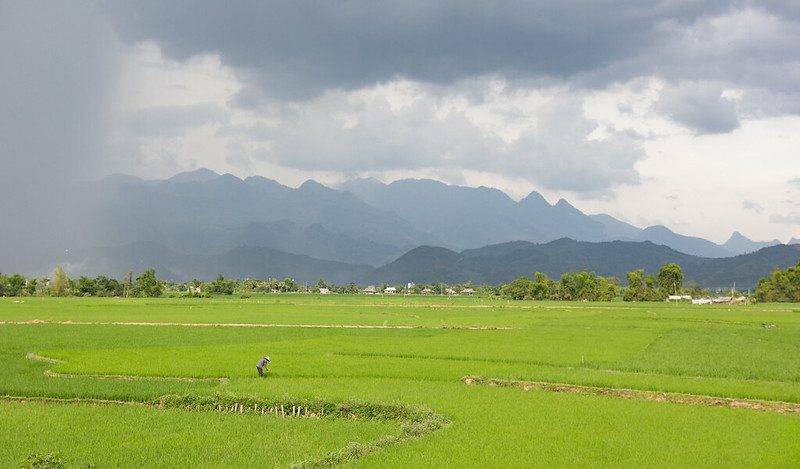 Farming is becoming more valuable to Vietnam’s development as a nation. Vietnam has a rapidly growing economy and is highly reliant on its agricultural sector. The value of Vietnam’s agriculture, fishing and forestry markets
 The world of health technology has been growing exponentially in the last decade and continues to grow, especially with the novel coronavirus still affecting the world. One of the most prominent locations for health technology is in Spain. The industry has a large quantity of health tech company startups in Spain; high-quality companies are making new drug discoveries for treatments and creating virtual therapies that can help those in impoverished areas receive the medical care they need. Here are
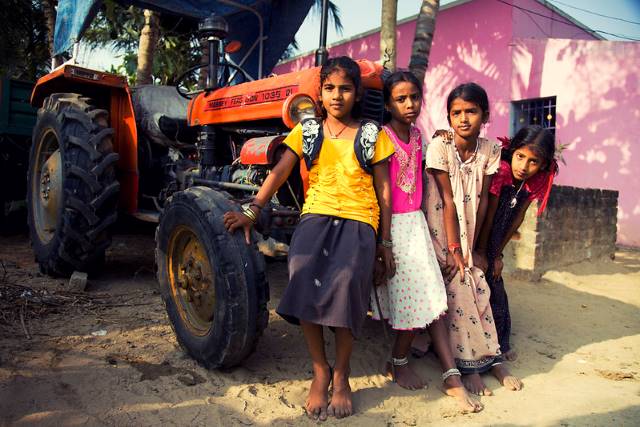 As of 2020,
 Many poverty-stricken individuals do not have access to the internet, creating a digital divide. The COVID-19 pandemic has revolutionized mobile data traffic around the globe, particularly in sub-Saharan Africa. Mobile broadband supports access to education, work, healthcare, goods and services. It plays an imperative role in reducing poverty. With
 In the effort to reduce poverty around the world, scientific innovations and technological solutions are welcomed. Developments in technological capabilities provide new potential approaches to reducing poverty. One such development that has received increased attention is the emergence of lab-grown meat as an alternative source of food for populations in developing countries. Lab-grown meat has only emerged as a potential solution quite recently, and even at this young stage of development, there are many who argue both for and against its potential effectiveness and applicability in the effort to reduce poverty.
 The global video game industry is valued at $140 billion and Africa is primed to take a piece of the action. Between 2014 and 2018, the number of African gamers rose from 23 million to a staggering 500 million, opening up a lucrative opportunity for the African gaming industry to become a major player. Video games in Africa have the potential to transform poverty in the continent.
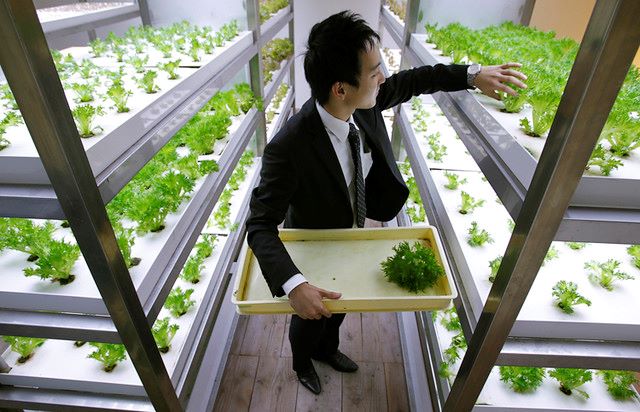 Agri-tech, a growing term used to describe Japan’s digital farming technology has greatly advanced farming systems in the country in order to combat a potential water shortage by 2030. Both experienced and inexperienced farmers in Japan are using new technologies to limit the overuse of water and fertilizer, which in turn, is fighting food insecurity and poverty for the entire population. Professor Kiyoshi Ozawa, from Meiji University Kurokawa Field Science Center, summarizes the system, “instead of spraying a large amount of water with sprinklers or the like, fertigation uses narrow pipes to place drops of water and fertilizer at the roots of the growing crops.” Farming innovations in Japan aim to reduce overall poverty in the country.