• Link to X
  • Link to Facebook
  • Link to Instagram
  • Link to TikTok
  • Link to Youtube
  • About
    • About Us
      • President
      • Board of Directors
      • Board of Advisors
      • Financials
      • Our Methodology
      • Success Tracker
      • Contact
  • Act Now
    • 30 Ways to Help
      • Email Congress
      • Call Congress
      • Volunteer
      • Courses & Certificates
      • Be a Donor
    • Internships
      • In-Office Internships
      • Remote Internships
    • Legislation
      • Politics 101
  • The Blog
  • The Podcast
  • Magazine
  • Donate
  • Click to open the search input field Click to open the search input field Search
  • Menu Menu

Tag Archive for: Technology

Posts

Developing Countries, Gender Equality, Global Poverty, Technology, Women's Empowerment

Bridging the Digital Gender Gap

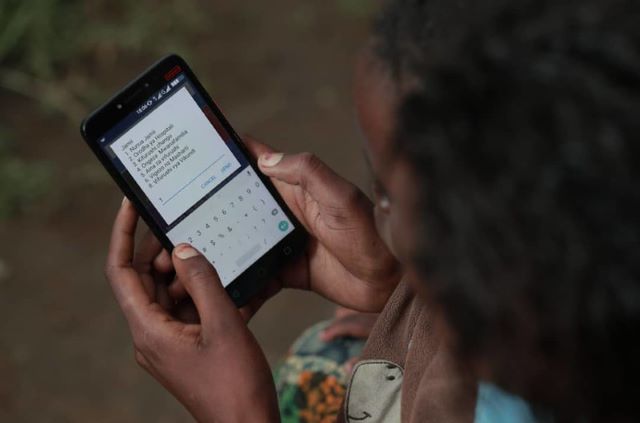
Digital Gender GapAs the world becomes more technologically advanced and digitally connected, access to technology remains an issue, especially in developing countries. More so, the digital gap between women and men continues to expand, with 300 million fewer women than men using mobile internet, creating a 20% gap. The lack of access to digital devices for these women means being denied essential services including employment opportunities, financial resources, educational resources and medical information. There are several global initiatives trying to bridge the digital gender gap between women and men.

Safaricom

In Kenya, women are 39% less likely than men to have access to mobile internet despite women making up 51% of the Kenyan population. Safaricom, a mobile network in Kenya, therefore created a partnership with Google to offer an affordable smartphone, the Neon Kicka with Android GO, compromising 500 megabytes of free data for the first month. The mobile network believes that empowering a woman empowers an entire community and focuses on the following three barriers: affordability, relevance and digital skills. The company ensured that the price point was the lowest it could be and featured important content including access to health information and educational content to highlight the smartphone’s daily relevance for women. Safaricom recognizes that many women are not familiar with Gmail accounts and therefore developed a guide covering the basics of smartphone use.

Novissi

Togo, a country in West Africa currently run by its first female prime minister, launched a digital cash transfer program called Novissi. Its goal is to provide aid to informal workers during the COVID-19 pandemic, covering residents of three urban areas under lockdown. Many underserved women tend to be excluded from COVID-19 relief digital cash transfer programs launched by governments since they either do not have access to digital bank accounts or are uninformed. Through Novissi, women receive a monthly sum of $20, whereas men receive $17, to support the cost of food, communication services, power and water. The three additional dollars allocated to women account for the fact that women are more likely to be informal workers and take care of a family’s nutritional needs.

Wave Money

In Myanmar, Wave Money has become the number one mobile financial service, with 89% of the country benefiting from its agents. Since Wave Money deals with 85% of rural areas in the country, money enters and leaves from nearly every state and facilitates familiarity with the service. The financial service created a partnership with GSMA Connected Women to allow greater access to financial services for women. Through this partnership, women are encouraged to run Wave Money shops in Myanmar, providing them with extra income even if they live in very remote areas of the country.

Telesom Simple KYC Account

It can be challenging for women to acquire the identity documents necessary to open accounts with service providers. In Somaliland, Telesom created a simplified know-your-customer (KYC) account, allowing women that do not possess an ID to sign up for mobile money services. The service solely requires a name, date of birth, image and contact details, favoring accessibility and reducing the digital gap between women and men.

Equal Access International Partnership with Local Radio Station

In Nigeria, women and girls are denied access to technology due to the fear of moral decline that accompanies the widespread culture. Equal Access International recognizes the need to address societal norms for women and amplify women and girls’ voices. In an effort to do so, Equal Access International partnered with a local radio station in order to create a show that tackled cultural taboos and promoted women and girls using digital technologies. The episodes last 30 minutes and cover weekly themes including common misconceptions about the internet, internet safety and moral arguments regarding women and the internet.

Closing the Digital Gender Gap

Despite a digital gender gap that exists between women and men, organizations around the world are making an effort to foster a sense of inclusion and empowerment for women and girls to become familiar and encouraged to take on the digital world that is constantly emerging.

– Sarah Frances
Photo: Flickr
January 13, 2021
https://borgenproject.org/wp-content/uploads/borgen-project-logo.svg 0 0 Lynsey Alexander https://borgenproject.org/wp-content/uploads/borgen-project-logo.svg Lynsey Alexander2021-01-13 01:30:442024-06-07 05:08:11Bridging the Digital Gender Gap
Global Poverty, Technology

The Good News: Greek Startups Are Helping the Economy

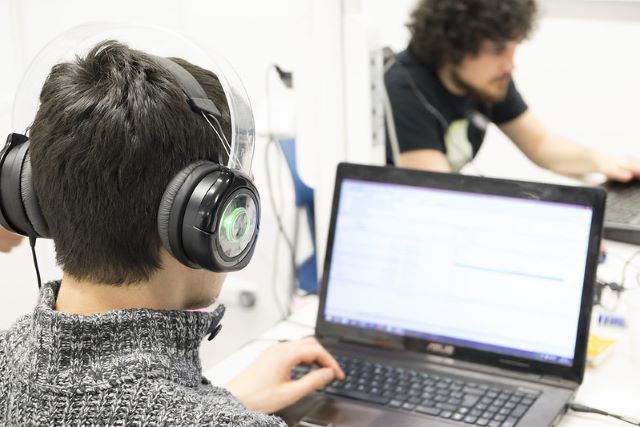
Greek startups are helpingEntrepreneurs in Greece are finding ways to battle the financial crisis that has crippled its economy. While entrepreneurship in Greece has predictably prospered in the tourism sector, many new startups are finding success in technology, science and engineering. In 2018, Greece was named the European Capital of Innovation by the European Union and ranked 11 in the world by the Global Innovation Index for science and engineering graduates. Via innovative ideas, Greek startups are helping the economy by creating jobs and stimulating economic development.
Augmenta

Founded in 2016, Augmenta has been helping farmers decrease their costs while increasing production. The video device uses machine learning to analyze tractor movements, increasing yields by 15%, reducing chemical field inputs by 20% and improving field end production by 15%. Another advantage of this innovative technology is that the more the farmer uses the device, the more data will become available to the other farmers. Augmenta’s benefits are promising for farmers and the agricultural industry as a whole.

Neos Beyond Payments

With the increasing demand for contactless payment due to COVID-19, Greek startup Neos Beyond Payments is finding its place in the economic market. The wearable device has now taken off in the European market and continues to expand into Scandanavian markets as well. In partnership with a Swedish technology firm, Fidesmo, Neos makes it possible for you to tap and pay on any contactless terminal, the same way you do with your payment card, by using the Neos wearable bracelet. With more demands for contactless payment options, the Neos wearable device will be useful in all markets.

Inagros

Inagros is another one of the Greek startups helping the economy by creating innovative technologies for farmers and agronomists. Inagros’ innovative web platform delivers data through satellites and sensors to enhance crop production and reduce the consumption of water, fertilizer and energy. This new technology is expected to be a pillar in the development of the smart farming revolution, with innovations expected to significantly impact automatization and sustainable management in particular.

Rebuilding the Greek Economy

The bailout in 2010 was just the beginning of the collapse of Greece’s’ financial economy. By 2015, the country had borrowed more than €289 billion, the largest bailout a country has ever received. As a result of which, entrepreneurs, scientists and professionals fled due to the dying economy. Entrepreneurs in Greece that persisted during these years created momentum and paved a path for future entrepreneurs to continue to contribute to rebuilding the fallen economy. While Greece continues to fight through financial barriers, a booming economy may be on the horizon, with Greek startups helping the economy by creating innovative market opportunities that steadily bring life back into a fragile economy.

– Brandi Hale
Photo: Flickr

January 10, 2021
https://borgenproject.org/wp-content/uploads/borgen-project-logo.svg 0 0 Kim Thelwell https://borgenproject.org/wp-content/uploads/borgen-project-logo.svg Kim Thelwell2021-01-10 01:30:182021-01-10 23:45:07The Good News: Greek Startups Are Helping the Economy
Development, Global Poverty

Microsoft’s GR for GRowth Initiative in Greece

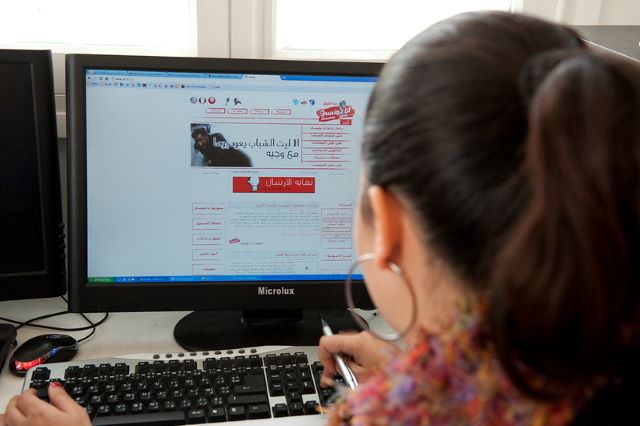
GR for GRowth initiative in GreeceUnemployment in Greece has remained a concern among Greeks since the financial crisis that devastated the economy. During the financial crisis, the Greek economy experienced a 25% decline. While the economy has attempted to recover, the economy continues to experience the impact of the financial crisis, and now the COVID-19 pandemic, which is expected to reduce the economy by another 8.2%. In July 2020, the unemployment rate in Greece reached 16.8%. While many Greeks fight to withstand the struggling economy, Microsoft is creating solutions through its GR for GRowth initiative in Greece. The Greek government anticipates that this initiative will rebalance the economy during the pandemic, shifting its heavy reliance from tourism to further developments in energy, tech and defense sectors.
GR for GRowth Initiative and the Economy

In October 2020, Microsoft announced an initiative in Greece that will create opportunities in technology. Microsoft’s ongoing investment is expected to reach approximately $1.17 billion. This will be the largest investment Microsoft has made over 28 years when it first began operations in Greece. The GR for GRowth initiative in Greece will build data centers in the country and develop resources in the economy that will promote growth opportunities that support the people of Greece, government and businesses. The leverage Greece will acquire through this initiative will attract other large corporations that will promote future investments in the Greek economy.

Currently, Microsoft operates data centers in 26 countries, including seven in the European Union. With this initiative, Microsoft will build new data centers that will create a Microsoft Cloud within the country that will provide Greece with a competitive edge as one of the world’s largest cloud infrastructures with access to effective and efficient cloud services. It is anticipated that by 2025, Microsoft will run all data centers on renewable energy sources.

Potential Impact of GR for GRowth

The GR for GRowth initiative in Greece will enhance cloud computing for local companies, startups and institutions. The services delivered through Microsoft Cloud will allow for more efficient networking, computing, intelligent business applications, cybersecurity, data residency and compliance standards. Microsoft has already implemented processes to increase user satisfaction and has collaborated with businesses in Greece for the development of cloud services. Alpha Bank, Eurobank, National Bank of Greece, OTE Group, Piraeus Bank and Public Power Corporation are anticipating the expansion of cloud services in Greece.

While the data center is Microsoft’s largest investment in Greece in 28 years, Microsoft has been paramount in building partnerships with over 3,000 businesses and customers throughout the years. The GR for GRowth initiative will stimulate innovation and growth within the Greek economy. Microsoft President, Brad Smith, believes this investment will positively influence the optimism about the future of Greece, government decisionmaking and economic recovery.

GR for GRowth and the Workforce

While unemployment has plagued the Greek economy, through this initiative, Microsoft will offer training opportunities that will equip more than 100,0000 people with skills in digital technologies by 2025. Over the next five years, Microsoft plans to invest in enhancing digital competencies across the public sector, among business and IT professionals, educators and students. The program will consist of online and in-person courses and workshops. Microsoft’s program objectives will focus on upskilling customers and partners, collaborating with public sector government entities and the expansion of the ReGeneration program that provides services to youth, unemployed and underserved communities.

According to the prime minister of Greece, Kyriakos Mitsotakis, the GR for GRowth initiative in Greece gives hope to the people of Greece for rebuilding its workforce. While the economy in Greece continues to struggle, this initiative hopes to solve economic battles and create a sustainable and prosperous economy.

– Brandi Hale
Photo: Flickr

January 6, 2021
https://borgenproject.org/wp-content/uploads/borgen-project-logo.svg 0 0 Yuki https://borgenproject.org/wp-content/uploads/borgen-project-logo.svg Yuki2021-01-06 02:56:422024-05-30 07:55:53Microsoft’s GR for GRowth Initiative in Greece
Global Poverty, Technology, Water Crisis, Water Quality

Rainwater Harvesting Revolutionized by an App

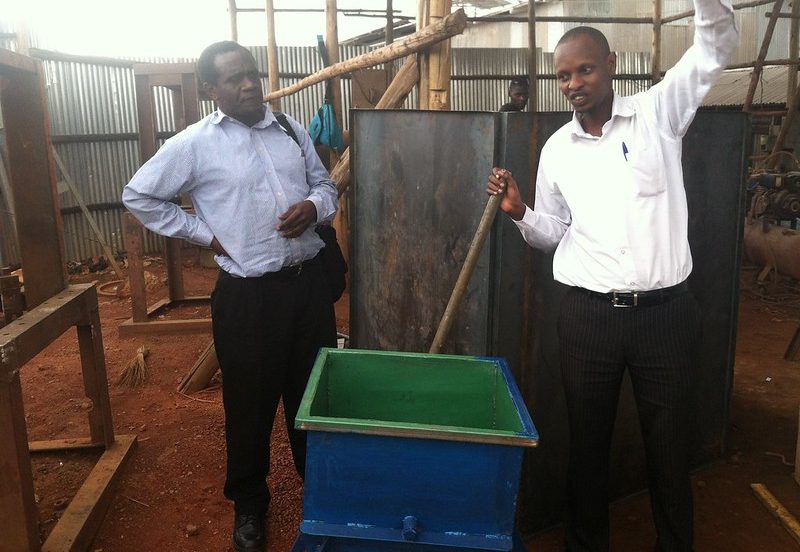
Rainwater harvestingTechnology has played a significant role in the reduction of global poverty. Two particular areas technology has improved impoverished communities are water access and water quality. For instance, a newly developed piece of technology showcases the potential for enhancing water security throughout Africa. The key is effective rainwater harvesting.

Water Supply Threats

In Africa, increasing water access and sanitation has become a top priority. Consequently, many organizations — the United Nations, the African Union, and the African Development Bank — have come together to solve the water crisis by sponsoring The Africa Water Vision for 2025. It warns that African water resources are threatened by pollution, environmental degradation, and a lack of responsible protection and development.

A New Smartphone App

Despite these threats, a new smartphone app has empowered Africans to efficiently procure their own water. Rainwater Harvesting Africa (RHA) is a smartphone app that the U.N. Environment Programme and the U.N. Educational, Scientific and Cultural Organization jointly developed. It enables Africans to use rainwater harvesting systems to obtain their own water.

Usually, rainwater is harvested through the construction of a central water tank that connects to various downspouts. But, with this app, households are able to capture rain runoff for essential personal use.

RWH Africa utilizes real-time meteorological data to track rain patterns throughout Africa. App users can input their location, the area measurement of their rooftop, the number of people living in their household, and how much water they use per day. The app uses this information to calculate how much water can be harvested at a given time for the needs of the user. Additionally, the app provides images and directions detailing how to construct rainwater harvesting systems with locally available materials.

Promising Factors

In addition, RWH Africa has built-in resources that can improve access to water throughout Africa. They can capitalize on increased technological infrastructure to expand its user base. GSMA estimates that 475 million people in Sub-Saharan Africa alone will become mobile internet users within the next five years, and 27% of their mobile internet connections will be on 4G. With increased smartphone usage throughout the continent, more Africans will be able to access this powerful tool of water procurement.

Although Africa needs to increase its internet capacities to maximize the app’s effectiveness, it has a more than sufficient water supply. In 2006, the U.N. Environment Programme and World Agroforestry Centre issued a report indicating that Africa alone receives enough rainfall each year to meet the needs of nine billion people. According to the report, Africa is not water-scarce, but the continent is just poorly equipped to harvest its water resources adequately and safely. RWH Africa gives Africans the knowledge they need to personally capture these vast water resources.

Furthermore, rainwater harvesting is low-cost and easy to maintain, making it widely accessible. According to The Water Project, a household rainwater harvesting system can hold up to 100,000 liters of water. This is enough to allow communities to decouple from centralized water systems that are subject to incompetent or corrupt management. Rainwater harvesting hence enables individuals to take matters into their own hands and decrease their reliance on undependable municipal water sources.

Technology Can Beat Poverty

As internet connection and smartphone usage expand, new solutions to poverty issues, such as water insecurity, will reach more people. RWH Africa serves as an educational and practical tool for rainwater harvesting and thus can be used as an example for similar future efforts. It signifies a positive outcome of increased cooperation between international organizations and local communities in combating global poverty.

– John Andrikos
Photo: Wikimedia Commons

December 23, 2020
https://borgenproject.org/wp-content/uploads/borgen-project-logo.svg 0 0 Kim Thelwell https://borgenproject.org/wp-content/uploads/borgen-project-logo.svg Kim Thelwell2020-12-23 01:30:312020-12-18 07:24:01Rainwater Harvesting Revolutionized by an App
Global Poverty

How Rafode is Changing Lives and Economies

Rafode
For many years, microfinance was viewed as one of the most successful means of raising individuals and communities out of poverty. In Myanmar, small and medium enterprises made up 99% of the country’s businesses. Most of those were, to no surprise, micro-businesses. In particular, the tool of microfinance was viewed as especially helpful to women. Yet, it turns out that studies found that microloans were not actually as impactful as many wanted them to be. The problem is that, because microloans are often given to those considered high-risk borrowers, high-interest rates are charged, making it difficult for those receiving the loans in the long run. The way to make microloans sustainable is by diverting the focus away from scalability and immediate returns. Rafode, a startup in Kenya, has done just that.

Headquartered in Kisumu, Kenya, Rafode is a “non-deposit taking Microfinance Institution.” With its main focus on women in rural communities, Rafode has successfully distributed over 40,000 loans, all with a value of around 700 million Kenya Shillings or $6.5 million. Relying on technology to deliver its products and services, Rafode has succeeded in reaching rural communities and uplifting both men and women through microloans.

Products and Services

Rafode has eight different products, all in the form of loans for different purposes.

  1. Inuka Business Loan: As a group loan, this is intended to encourage clients to create, upgrade or expand a business. This loan is the first step to receiving an individual loan and can range from 10,000 to 480,000 Kenya shillings.
  2. Masomo Loan: Dedicated to education, this loan is aimed to support a client’s family in receiving an education.
  3. Green Energy Loan: Working with other companies that provide green products, including Burn, Marathoner and Sunking, this group loan provides support for rural clients seeking access to affordable green energy products.
  4. Agribusiness Loan: As the name would suggest, this loan exists to specifically help small scale farmers in the agribusiness industry.
  5. Pamoja Loan: As another group loan, this works to support a group hoping to support its local economy.
  6. Emergency Loan: As an individual loan, the Emergency Loan serves to cater to the client’s emergencies, typically related to their business.
  7. Individual Business Loan: A more selective loan to receive, this loan exists exclusively for clients who already have businesses, and who already have businesses that are stable and have a reliable source of profits.
  8. Asset Loan: This final loan is self-securing. Providing real flexibility to clients, they gain the ability to finance movable assets and free up cash they might not have had before. Like the Individual Business Loan, this exists for clients who already are seeing their business profit, and hope to expand or grow it even more.

The Value of Microfinance

While conventional microloans have not been so effective, researchers have found that by providing microloans with little to no collateral, there are usually better results. Specifically, when given to women, these results are even more effective. This is because, especially in developing countries, microloans are among the only things that increase women’s decision-making power. In other words, microloans undeniably empower women.

So, Rafode’s efforts to give 85% of their microloans to women, focusing on rural communities and offering a plethora of different types of loans, all with very little collateral, have enabled this startup to do extremely impactful work that provides mutual benefits to the clients and back to the company. The most successful microfinance products allow flexible payment periods, individual liability contracts and one of Rafode’s main tools, the use of technology.

By believing in microfinance and adjusting to what will work by trusting in their clients, Rafode has raised individuals and families out of poverty, as well as revitalized economies in the process.

– Olivia Fish
Photo: Flickr

August 21, 2020
https://borgenproject.org/wp-content/uploads/borgen-project-logo.svg 0 0 Kim Thelwell https://borgenproject.org/wp-content/uploads/borgen-project-logo.svg Kim Thelwell2020-08-21 14:16:242020-08-21 14:16:24How Rafode is Changing Lives and Economies
Global Poverty

Plant Powered Lamp Lights Up Peruvian Villages

Plant Powered Lamps Light Up Peruvian VillagesPeru is a developing country in Latin America. It has one of the region’s best economies with a 50% growth in per capita income in a decade. Despite the country’s growing success, there is a considerable gap in electricity access between rural and urban parts of the city. Only about 62% of people in rural areas have access to electricity. Fortunately, a group of students and professors from a Peruvian university are developing a solution to combat the issue. The plantalámpara is a lamp powered solely by plants that will light up Peruvian villages.

How Did the Idea Come About?

A hurricane occurred in the Amazon rainforest area of Peru that left 173 inhabitants of the Nuevo Saposoa region without electricity. Also, about 42% of the rural population did not have electricity at all. The Nuevo Saposoa village is remote and isolated from nearby cities. It is a five-hour boat ride from the nearest town, so the village could not receive reliable access to electricity after floods from the hurricane destroyed power lines.

Consequently, the inhabitants could not perform daily tasks after sunset, like studying and cooking. A professor and group of students at the UTEC University in Lima developed the plantalámpara to solve the issue of the lack of electricity. The plantalámpara lights up Peruvian villages. The developers encourage people to get back to their normal lives.

The plantalámpara is made in a box filled with a grid of electrodes and a plant growing inside. Photosynthesis, or the capturing of sunlight energy by plants, powers the box. When the plant goes through photosynthesis, its waste decomposes in the soul and produces electrons. As a result, the lamp captures those electrons and converts the energy into battery power. It can light up a 50-watt bulb for up to two hours.

Benefits of the Plantalámpara

The lamp provides clean and sustainable energy to forest villages without using gas, oil, or dirty fossil fuels. The plant-based light is entirely pollution-free. Additionally, plants offer 100% renewable energy at a low cost. According to a lead professor of the project, any plant can be used for the lamp, though some work better than others. The plantalámpara protects the beautiful rainforest, lights up Peruvian villages, and provides the Nuevo Saposoa community with more opportunities and a better quality of life.

It also gives Peruvian residents the possibility to work on schoolwork and other tasks past sunset. UTEC intended to put the digital community in the shoes (or eyes) of a forest dweller to understand how a lack of light can affect daily actions. The team originally provided 10 of the lamp prototypes to Nuevo Saposoa. The hope is that these lamps will eventually replace gas and oil lamps.

The plantalámpara serves as a crucial part of reducing the gap between rural and urban areas of Peru. Its amazing eco-friendly technology helps to light up Peruvian villages while not harming the environment at the same time. With this invention and more, Peru will continue to grow and expand, as more opportunities become available to all.

– Shveta Shah
Photo: Flickr

August 5, 2020
https://borgenproject.org/wp-content/uploads/borgen-project-logo.svg 0 0 Lynsey Alexander https://borgenproject.org/wp-content/uploads/borgen-project-logo.svg Lynsey Alexander2020-08-05 01:30:352020-07-31 20:40:57Plant Powered Lamp Lights Up Peruvian Villages
Developing Countries, Global Poverty, Technology

6 Facts About Technological Improvements in Ghana

technological improvements in GhanaGhana is a nation located just west of Nigeria, with a population of 31 million people. Of those people, six million are food insecure, most living in rural areas. However, Ghana has been working harder than many of its neighbors to use technology to combat food insecurity. Over the last decade, the country has worked to improve its technologies and sustainable food sources. These are six facts about technological improvements in Ghana.
6 Facts About Technological Improvements in Ghana 

  1. Ghana has made plans to boost economic growth. Ghana aims to achieve low- to middle-income status in the upcoming decade. Agriculture is the ticket to a sustainable living environment. The issues hindering productivity in Ghana are related to inadequate infrastructure, as well as a lack of fundamental training in land management and equipment. Ghana has been investing in this future through eduction; around 6% of Ghana’s gross domestic product goes toward education, one of the highest percentages in the world.
  2. Productivity in Ghana is at a higher rate than neighboring nations. Ghana is a member of the United Nations and is a part of world trade. Gold, cocoa and oil are three of the country’s primary exports, and this keeps profits high enough to continue to educate and train younger citizens to farm and harvest. Ghana is one of the first countries in the region to achieve these milestones, with neighboring countries looking up to them. The GDP of neighbor country Togo is lower than that of Ghana. About 30% of the population in Togo live below the poverty line. In comparison, Ghana’s poverty percentage is 23.4%.
  3. Ghana must shift to incentive-driven economic policies to improve leadership. In order to do this, smaller land rural farmers must be able to identify and voice their needs, such as crop production, needing improvement on harvest and post-harvest procedures and finding the value in their commodities. When farmers feel heard, their incentive to increase productivity will grow. A non-governmental organization (NGO) project was conducted to open sustainability training centers in Ghana to expand knowledge. This project resulted in the improved health and livelihood of everyone involved.
  4. In 2017, there was a breakthrough in the development of a solar-powered vehicle for transportation. The breakthrough, called “aCar”, was developed by students at the Kwame Nkrumah University of Science and Technology. The prototype was developed to further explore the transportation-related needs of the country. This did astronomical things for the environment and farmers alike. The vehicle caters towards the farmers’ local needs. The aCar has become a convenient way to transport goods and trade with other farmers at markets in town. The car is solar powered and does not require fuel, which, in turn, saves farmers money. Furthermore, the vehicle is affordable and has the ability to use local materials to maintain the car.
  5. Accra is becoming a hub for technology advancement and the future of the nation’s development. The capital city of Ghana is the home of many tech firms and startup ideas. The city of Accra boasts companies such as mPedigree, a pharmaceutical company, and Rancard, which provides telecommunication services with other companies in the region. It has helped thousands of students growing up in Ghana find a path and way of learning.
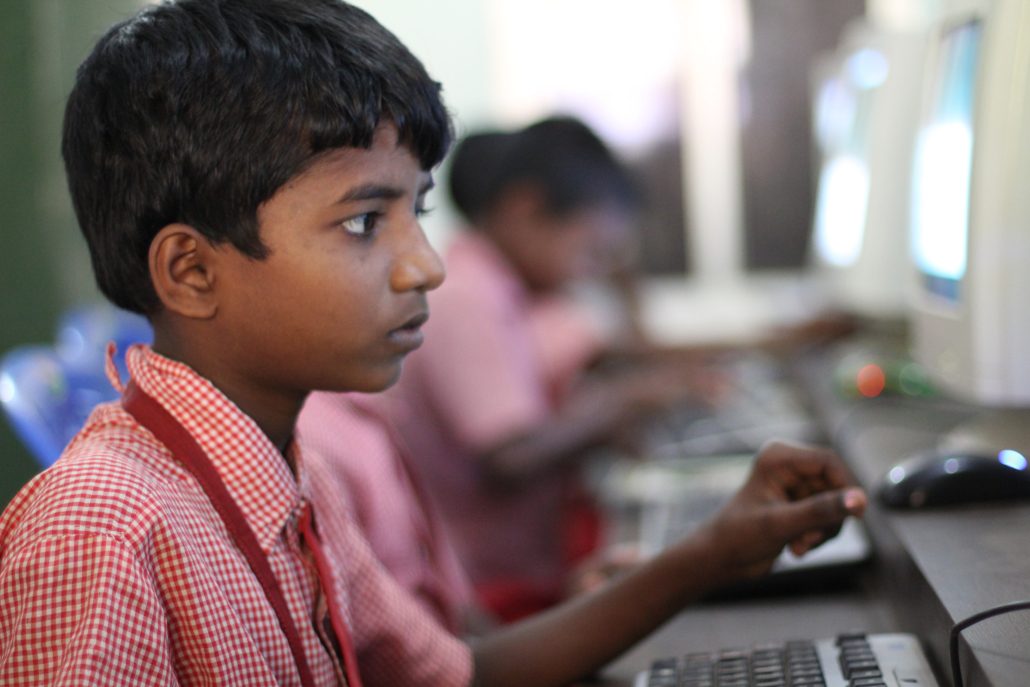
  6. Meltwater Entrepreneurial School of Technology in Accra is providing complete IT training, funding for software startups and even mentorships for all students. Having more young people trained in IT is helpful for the growth of technology and productivity within the nation. These schools and programs give young Ghanian innovators hope and inspiration, ultimately giving hope for the future of their nation. As a result, students in cities are learning skills that they can use internationally or locally to solve environmental and technological problems. Tech companies like hubAccra, Ispace and MEST are a working to hone the skills of those who want to learn to develop their communities.

Technology improvements in Ghana continue to increase today. Ghana is shaping the future by instilling all the skills and foundations into its youngest citizens to continue growing, developing and improving. The median age for Ghana’s capital city is 21 years old. The Ghanaians are young and flourishing, constantly learning new things and adding programs to their hub for technological development.  In the next decade, Ghana hopes to be a self-sustaining, middle-class economy through advanced technological improvements.

– Kimberly Elsey

Photo: Flickr

July 15, 2020
https://borgenproject.org/wp-content/uploads/borgen-project-logo.svg 0 0 Kim Thelwell https://borgenproject.org/wp-content/uploads/borgen-project-logo.svg Kim Thelwell2020-07-15 20:00:472024-06-06 00:38:106 Facts About Technological Improvements in Ghana
Global Poverty, Technology

Why Facebook Added Reliance as a Friend

It is easy for many to take the internet for granted. Roaming around the city, chatting with friends and staying connected with family using mobile applications is possible only because of internet connectivity. One might argue that the internet comes as a luxury element post healthcare, energy, food, shelter and education. The Internet can help people with communication and decision making. For example, farmers can charge their yields at a reasonable price post referring to market prices on the internet. They can even predict weather and harvest accordingly. Money transfers from people across the city can occur instantaneously. This list never ends. Now the internet giant Facebook is teaming up with a company to provide free internet. Here is why Facebook added Reliance as a friend.

Why Facebook Wants to Provide Free Internet

Back in 2015, Facebook experimented with Free Basics for providing basic internet services to the rural population of the world. However, things did not go according to Facebook’s plan because of the regulatory conditions across telecom sectors in different parts of the world. It violated net neutrality laws. After public consultation, the Indian telecom regulator banned Free Basics. Since then Facebook has been eagerly waiting to do something about it.

There are more than 400 million WhatsApp users in India. Added to this fact, Facebook’s core platform has more Indian users than any other country. However, half of the Indian population is still offline. Facebook wants to target that new user-base.

Reliance’s Jio Initiative

Reliance’s Jio initiative succeeded in doing what Facebook was not able to do. It succeeded in providing mobile phones and the internet at a very low cost. It was able to do so because of the revenue generated from other divisions of the organization and the exorbitant loan that Reliance opted for. This move wiped out the telecom sector foundation in India. Competitors such as Vodafone Idea and Airtel lost millions of customers to the new Jio network.

Internet services and call services were provided by Reliance Jio at free of cost in 2016. This move forced competitors to charge less, which in turn, resulted in the internet revolution. Most of the poor population across India started using mobile phones and the internet. As of December 2019, more than 370 million people across India had subscribed to the Reliance network

How Facebook Added Reliance as a Friend

Facebook’s failure in the past to enter Indian markets with the Free Basics concept taught the company an important lesson. Starting from scratch will not work all the time. Acquiring an existing player was an easy choice at this point. Mark Zuckerberg was intelligent enough to detect Jio’s achievements. Added to this fact, the market capitalization of Reliance was down because of the COVID-19 outbreak.

Indian National Rupee was at all-time low-value trading around 76 INR for 1 USD. After recognizing these facts, Facebook acquired 10% of the stake in Reliance India Limited at $5.7 billion. Facebook can leverage Reliance’s data for targeted advertisements. It will realize a significant jump in advertisement revenues from the Indian region.

Benefits of Increased Internet Access

Education is not available to everyone. Fortunately, people from poor backgrounds can get access to quality education through the internet. Poor people can access online education sites like Unacademy, Coursera and edX at free of cost. Added to this fact, people search and apply for jobs mostly through the internet. All jobs are highly interconnected these days. Thus, the internet would certainly provide intangible benefits to the rural population.

Millions of people could come out of poverty because of free internet access. Economic growth, employment and productivity of a country will improve significantly because of the internet access provision. In fact, Internet connectivity can generate $6.7 trillion of the global economy and create new jobs. India is the second-largest market for internet connectivity ranked only below China. It has around 600 million internet users.

Moving Forward

Around 30 million local stores in India were not online yet. Reliance’s latest experiment JioMart is working towards enabling this dream. Local Kirana stores can connect to the entire Indian population through the internet. If WhatsApp pay is leveraged on this occasion, possibilities will become endless. Owing to all these facts, accepting Reliance’s friend request was a strategic move towards achieving Facebook’s dreams.

– NarasingaMoorthy V 

Photo: Flickr

June 16, 2020
https://borgenproject.org/wp-content/uploads/borgen-project-logo.svg 0 0 Kim Thelwell https://borgenproject.org/wp-content/uploads/borgen-project-logo.svg Kim Thelwell2020-06-16 01:30:202024-05-29 23:17:26Why Facebook Added Reliance as a Friend
Global Poverty, Technology

Top 8 Accomplishments Made By Thorn

10 Accomplishments Made By ThornIn 2012, Ashton Kutcher and Demi Moore founded Thorn: Digital Defenders of Children. Thorn is an organization that works globally to fight sex trafficking and the exploitation of children. A documentary on the sex slavery of children in Cambodia inspired Moore to create the organization. Thorn created technology to help identify victims of sexual abuse and protect children from online sexual abuse material. Since its foundation, Thorn has made a large impact in eliminating one of the most common and overlooked crimes in the world. Additionally, Thorn gained traction as a very well-known and respected organization. Below are eight accomplishments made by Thorn.

Top 8 Accomplishments Made by Thorn

  1. In 2017, Thorn created Spotlight. Spotlight is software that helps law enforcement save time by identifying predators and victims quicker. In addition, more than 1,200 law enforcement agencies across the United States and Canada use Spotlight. Spotlight has helped reduce critical search time for victims by 60 percent. To date, it has identified a total of 16,927 traffickers and 14,874 children.
  2. In February 2017, Ashton Kutcher gave a 15-minute testimony in front of the Senate Foreign Relations Committee on the importance of ending modern-day slavery around the globe. He told a story about when the Department of Homeland Security reached out to his team at Thorn. The Department of Homeland Security needed help to identify the perpetrator of a 7-year-old-girl being abused and watched on the dark web for three years.
  3. In addition to Spotlight, Thorn creates a Technology Task Force. This made up of more than 25 technology companies. Google, Facebook, Microsoft and so forth work together to create even more software to prevent the sexual exploitation of children. Thorn has partnered with a variety of organizations, ranging from government to non-profits. Some other notable partners include Amazon, Twitter, Flickr and Verizon.
  4. In 2018, Thorn surveyed 260 sex trafficking survivors in order to understand the needs of survivors. This survey was able to give insight on average ages of victims, how victims know their traffickers and advertising.
  5. In the 2018 Thorn impact report, it reported that Thorn assisted law enforcement in identifying more than 10,000 victims of child sex trafficking in 38 countries around the world.
  6. In 2018, Thorn educated more than 2,000 teens on Sextortion. Sextortion is a form of blackmail that uses sexual content. Since creating its Stop Sextortion campaign, Thorn has educated more than 3.5 million teens about online sexual extortion.
  7. In 2019, The Audacious Project by TED gave a $280 million grant to eight recipients, Thorn was one of them. Thorn is using grant to launch new software called Safer. Safer helps companies, especially image-hosting websites, identify and eliminate sexual abuse content on their platforms.
  8. With a combination of the software that Thorn has created, the organization is currently able to identify an average of 10 kids per day.

Being less than 10 years old, Thorn has accomplished many things is a short period of time. Though the organization has fewer than 40 employees, Thorn is still able to continuously create and evolve its technology. Thorn already benefits thousands of children worldwide. It will continue to fight child sexual exploitation and trafficking for years to come.

– Alyson Kaufman
Photo: Flickr

April 29, 2020
https://borgenproject.org/wp-content/uploads/borgen-project-logo.svg 0 0 Lynsey Alexander https://borgenproject.org/wp-content/uploads/borgen-project-logo.svg Lynsey Alexander2020-04-29 01:30:422020-04-24 19:44:45Top 8 Accomplishments Made By Thorn
Aid, Aid Effectiveness & Reform, Developing Countries, Global Poverty

3 Ways Technology Helps Disaster Response in the Philippines

Disaster Response in the PhilippinesAnnually, about 10 tropical storms develop in the Philippines, with averages of eight to nine reaching land. These numbers do not include other disasters the country faces such as typhoons, earthquakes, monsoons and so on. Despite being one of the most disaster-prone countries in the world, efficient communication with technology in the Philippines allows social media, Google Person Finder and satellites, to provide the best relief efforts. Keep reading to learn more about the top three ways technology helps disaster response in the Philippines.

3 Ways Technology Helps Disaster Response in the Philippines 

  1. Social Media: Social media is indeed a connecting source and finds its strength in aiding the response to disasters with quickly spreading information that is, in turn, easily accessed. Popular media sites such as Facebook, WhatsApp and Twitter updated by disaster area residents offer real-time updates about the current on-ground situation.

    Thanks to organizations such as the Standby Task Force, established in 2012 by Andrej Verity, these social media updates become pillars for relief and rescue. For example, in its use for supertyphoon Haiyan in 2013. These updates transform traditional on-ground humanitarian efforts into digital humanitarian efforts with online volunteers.

    Through a streamlined process, volunteers tagged Haiyan-related social media posts. Then, sifting through them for relevancy, otherwise known as digital micro-tasking. Finally, submitting them to the U.N.’s Office for the Coordination of Humanitarian Affairs to compile a crisis map. With the widespread information thanks to social media, digital humanitarians take a hands-on approach to affecting the on the ground situation. Given that the combined concentration of thousands of volunteers provide time efficiency, a necessity when it comes to saving lives quicker.

  2. Communication Technology: Other communication technology such as Google Person Finder assists in finding missing persons in the Philippines. For instance, in 2012, monsoon floods from Typhoon Saola caused increased landslides and flash floods; flooding at least 50 percent of the country and creating severe rescue conditions with strong currents. There were at least 900,000 affected families and 11 individuals missing.

    For those looking for the missing or stranded, Google’s free Person Finder tool comes in extremely handy as all one needs to do is input the individual’s name. At the same time, Google cross-references entries from other websites with information about missing persons to ping and locate leads.

  3. Satellite Technology: After Haiyan, most of the traditional methods of mobile communication infrastructure diminished, thus requiring the need for something more reliable, such as satellites. Learning from the Haiyan damage, the nation’s most high-risk disaster areas now have mobile satellite equipment for easy deployment. This new tech brought forth by Inmarsat and the United Kingdom Space Agency, provides a reliable and sustainable communication method for the worst disaster days expected.

    Another example is the Tacloban Health Cluster which utilizes satellites to canvas and coordinates public health response in the worst disaster-stricken areas, allowing better tracking of diseases and medical conditions throughout disaster times in hospitals and clinics. This data collection does not only help respond in real-time. Additionally, it is beneficial for understanding health trends after a storm to allow for a more proactive approach following the next impending storm the islands are known to face.

– Elizabeth Yusuff
Photo: Flickr

January 16, 2020
https://borgenproject.org/wp-content/uploads/borgen-project-logo.svg 0 0 Lynsey Alexander https://borgenproject.org/wp-content/uploads/borgen-project-logo.svg Lynsey Alexander2020-01-16 08:04:322024-05-29 23:14:293 Ways Technology Helps Disaster Response in the Philippines
Page 15 of 29«‹1314151617›»

Get Smarter

  • Global Poverty 101
  • Global Poverty… The Good News
  • Global Poverty & U.S. Jobs
  • Global Poverty and National Security
  • Innovative Solutions to Poverty
  • Global Poverty & Aid FAQ’s
Search Search

Take Action

  • Call Congress
  • Email Congress
  • Donate
  • 30 Ways to Help
  • Volunteer Ops
  • Internships
  • Courses & Certificates
  • The Podcast
Borgen Project

“The Borgen Project is an incredible nonprofit organization that is addressing poverty and hunger and working towards ending them.”

-The Huffington Post

Inside The Borgen Project

  • Contact
  • About
  • Financials
  • President
  • Board of Directors
  • Board of Advisors

International Links

  • UK Email Parliament
  • UK Donate
  • Canada Email Parliament

Get Smarter

  • Global Poverty 101
  • Global Poverty… The Good News
  • Global Poverty & U.S. Jobs
  • Global Poverty and National Security
  • Innovative Solutions to Poverty
  • Global Poverty & Aid FAQ’s

Ways to Help

  • Call Congress
  • Email Congress
  • Donate
  • 30 Ways to Help
  • Volunteer Ops
  • Internships
  • Courses & Certificates
  • The Podcast
Scroll to top Scroll to top Scroll to top