AI Is Helping Address Food Security in India With Agriculture
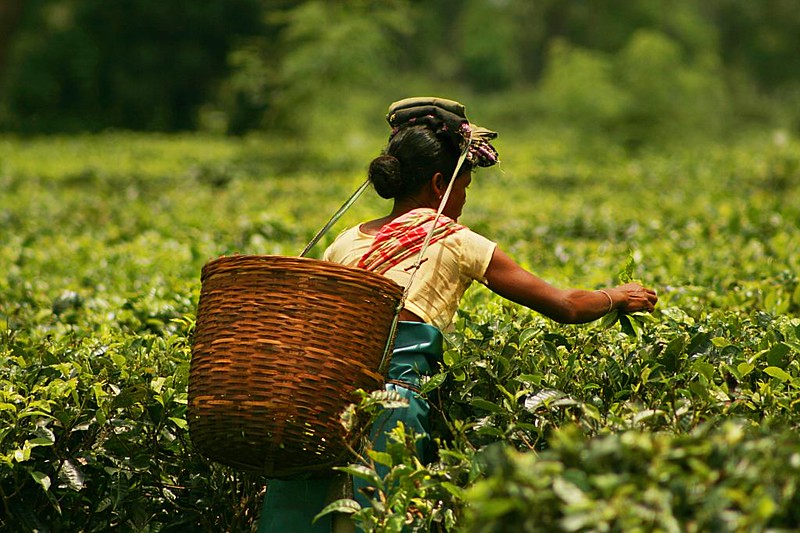 In Telangana, South India, artificial intelligence (AI) helps address food security by helping farmers. The country is a prime example of how emerging AI technology is applied to global issues. The Indian government, in collaboration with agricultural aid organizations, has launched an AI program called Saalu Baagu. This program aims to use AI-based tools to solve agricultural challenges. AI programs and emerging technologies are experiencing ongoing growth and expansion in the country.
AI and Farming
The Telangana government divided its AI implementation process into distinct phases. Phase one focused on introducing a variety of AI-based agritech services to thousands of farmers. Phase two reached more than 20,000 chili and groundnut farmers in three districts. The project began in 2022 and has received the support of various AI tech companies and the Bill and Melinda Gates Foundation.
The Saagu Baagu program has had major success with farmers and crop yields, specifically chili crops. The program has enabled AI-focused startup companies like AgNext, a company helping farmers assess the quality and physical attributes of their chiles. Over 18 months, Indian farmers have experienced a 21% increase in plant growth per acre and a 9% decrease in pesticide usage. More than 500,000 farmers are now engaged in the program and have utilized AI tools in their farming.
The success of the Saagu Baagu signifies the potential for AI to help not just agriculture in India but also crop health on a global scale. AI has helped to address food security in India through revolutionary and adaptable technology that could work in a variety of agricultural environments. The program’s impact in Telangana has exemplified the ability of emerging AI technologies to assist modern farming techniques and strategies. Planting schedules, crop health and yield predictions are all challenges faced by farmers that AI has been able to leviate and make more efficient.
The Future of AI and Food Security
AI could help feed the world and prevent global hunger now and in the foreseeable future. “AI is going to transform the way we produce, store, distribute and market food in ways that will improve food safety, efficiency, resilience and sustainability,” said Gbola Adesogan, associate vice president and director of the Global Food Systems Institute. Efficient and sustainable farming will be the key to global food security.
AI is playing a pivotal role in addressing food security in India. Additionally, it holds promise for farmers worldwide in the future:
- It facilitates the analysis of vast data sets, enabling the development of resilient crops capable of withstanding various environmental challenges.
- AI offers valuable insights to farmers regarding soil conditions, optimal planting times and harvest periods, thereby enhancing agricultural productivity.
- AI technology aids in the early detection of diseases and pests, enabling proactive measures to safeguard crops and maximize yields.
AI has proven to be an incredibly useful tool in empowering farmers to face modern economic and environmental challenges. Technology will be essential to combating global food security and poverty through agriculture.
– Jacob Buckner
Jacob is based in Raleigh, NC, USA and focuses on Technology and Solutions for The Borgen Project.
Photo: Flickr
