Extreme Heat and The Lady Health Workers of Pakistan
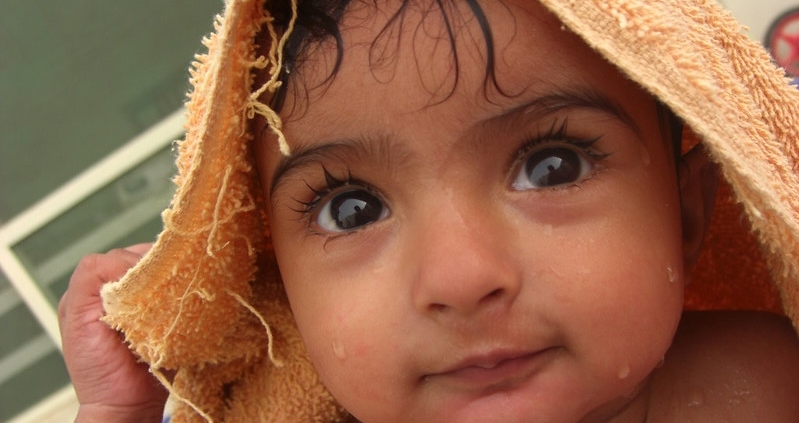 As the changing climate drives temperatures to new extremes, heat is emerging as an underrecognized threat to maternal health. In Pakistan, one of the world’s most heat-exposed countries, pregnancy is increasingly unfolding under conditions that strain the body, health systems and communities alike. Yet despite mounting scientific evidence of the danger extreme heat poses during the perinatal period, maternal health remains largely absent from many national heat-health policies. Thankfully, community health workers, like the Lady Health Workers of Pakistan, are stepping up when the heat becomes too much to bear.
Intensifying Heatwaves in Pakistan
Pakistan is highly vulnerable to extreme heat, with heatwaves becoming more frequent, prolonged and intense in recent decades. Pre-monsoon months often see dangerously high temperatures in combination with high population densities, as seen in cities such as Karachi and Lahore. Several severe events in recent years have emphasized the scale of this risk, including the 2015 heatwave that devastated the southeastern Sindh province and ultimately claimed more than 1,000 lives. In more recent years, Pakistan experienced a heatwave in June 2025, during which temperatures in many parts of the country exceeded 113°F.
Prolonged periods of extreme heat place significant strain on urban and rural communities alike, affecting infrastructure and health systems. Climate change is expected to intensify these trends, increasing the likelihood of longer and more severe heatwaves and expanding the geographic areas affected. For populations with limited access to cooling, reliable electricity or adequate health care, these conditions create public health risks and highlight the need for stronger heat-health preparedness measures.
Extreme Heat and Maternal Health Risks
Extreme heat poses significant risks during pregnancy due to the body’s changes in temperature regulation and fluid balance. During pregnancy, fetal development increases fluid requirements, making it more difficult for the body to dissipate heat. This increases susceptibility to dehydration and heat stress. High temperatures may disrupt hormonal regulation and impair the function of the placenta, potentially reducing oxygen and nutrient delivery to the fetus.
Evidence also links exposure to extreme heat with several adverse pregnancy outcomes, including gestational diabetes, preterm birth and stillbirth in some cases. Heat exposure can also increase the likelihood of infections and complicate care during labor. Because public health care systems in Pakistan are often described as overwhelmed, these risks may increase further. As temperatures continue to rise with climate change, these issues underscore the importance of recognizing pregnancy as a period of heightened vulnerability to extreme heat and ensuring appropriate support for pregnant populations.
Omission of Pregnancy in Heat-Health Action Plans
The National Heatwaves Guidelines released by the Pakistani government do not make direct reference to pregnancy during extreme heat events. The guidelines recommend that “individuals should check on neighbors, especially the elderly, children and those with chronic illnesses,” but they do not mention people in the perinatal period. The report encourages community care for “vulnerable residents,” but it does not define which groups fall into this category.
This highlights an ongoing issue within Heat-Health Action Plans (HHAPs) across the globe. As extreme heat events occur more frequently, many countries have implemented national HHAPs, as urged by the World Health Organization (WHO). However, while WHO guidelines outline strategies to protect pregnant individuals from extreme heat, a recent review found that of 83 eligible HHAPs from 24 countries, only 52% recognized the need to protect this population during heatwaves. Furthermore, none of the HHAPs comprehensively addressed the risks heatwaves pose to maternal, newborn and child health.
The Lady Health Workers of Pakistan
Pakistan’s Lady Health Worker (LHW) Program, established in 1994, plays a critical role in delivering maternal health services to communities across the country, particularly in rural areas and urban informal settlements. The program deploys more than 100,000 trained female community health workers who live within the communities they serve, each covering roughly 1,000 people. Although they are not physicians, they provide services that health professionals may not be able to deliver consistently at the household level. This includes conducting regular household visits to provide health education, basic preventive care and referrals to formal health facilities.
LHWs focus heavily on maternal and newborn health. They counsel pregnant individuals on the importance of antenatal care while monitoring pregnancies and linking families with clinics or midwives when complications arise. They are trusted members of their communities and provide care directly at the household level. As a result, LHWs often serve as the first point of contact for pregnant populations during environmental or health crises.
LHWs guide hydration, rest and heat-related illness. They also monitor vulnerable pregnancies and facilitate timely referrals to health facilities, helping ensure continuity of maternal care even when extreme heat and strained hospitals make access to services more difficult.
– Charlotte Bunn
Charlotte is based in Bristol, UK and focuses on Global Health for The Borgen Project.
Photo: Flickr
