Strengthening the Education System in Nigeria
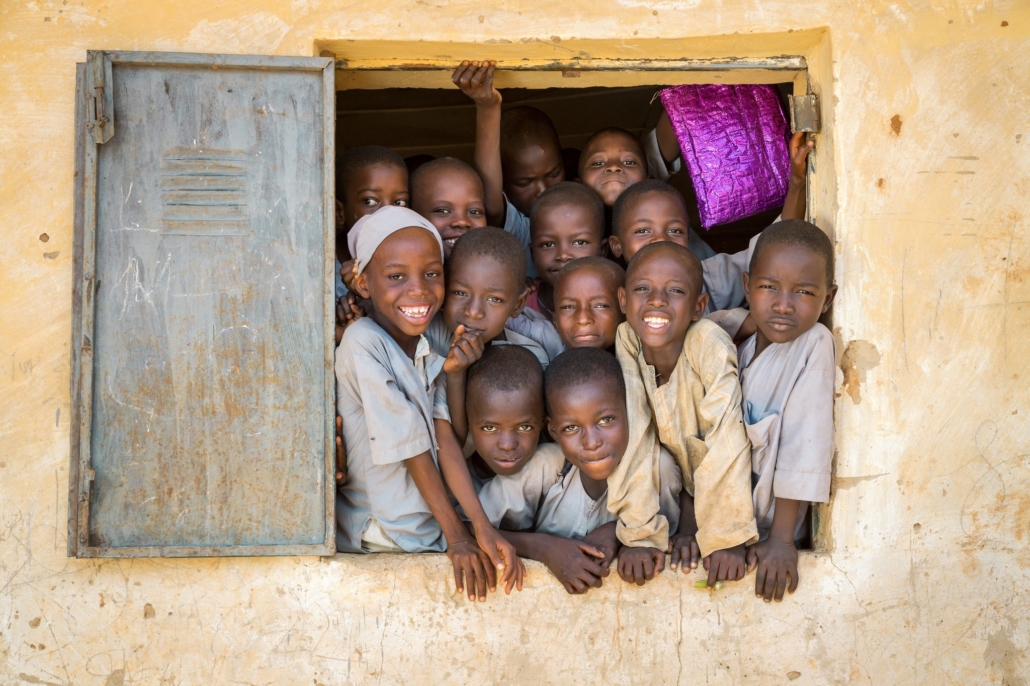
The education system in Nigeria faces several barriers, however, organizations are working to strengthen these systems, recognizing that education is the pathway out of poverty. Geographical difficulties, gender inequality and circumstances of poverty impact students’ abilities to attend school.
Education in Nigeria
In Nigeria, primary education is “free and compulsory,” yet the primary school net enrollment rate stood at just 64% in 2010, according to the latest available data. In the northern region of Nigeria, net school attendance rates are particularly low at just 53%, according to UNICEF. UNICEF also highlights the gender disparities in school enrollment, with just 58% of girls enrolled in primary school in 2010. These disparities are greater in the north because there are more economic barriers and socio-cultural norms that discourage school attendance, especially that of females.
Secondary education is helpful in bettering the development of the country and securing higher-paying job opportunities for the population. Over the years, Nigeria has made strides in gross secondary school enrollment rates, going from nearly 32% in 2007 to 43% in 2018, which is a significant change although still low. If one analyzes further, gender disparities are still visible in secondary education with 42% of girls enrolled in 2018 in comparison to 44% of males.
Population Increase
The population in Nigeria has increased significantly over the years, standing at 206 million people and making Nigeria the most populated country on the African continent. This population growth, however, means there are not enough schools to adequately serve the entire population. Overcrowded classrooms in Nigeria are not uncommon — UNESCO recommends 30 students per teacher yet many classes contain more than 100 students. Overcrowded classrooms are difficult to manage and are not conducive to both learning and teaching.
Lack of Equipment and Teacher Shortages
Because there is a general shortage of school resources, facilities and equipment, many schools must share laboratories and equipment. This serves as a barrier to learning because learning depends on the accessibility of the laboratory or equipment. Because there is also a shortage of teachers in the secondary education system in Nigeria (less than 50% of the required number of teachers), teachers cannot give students individualized attention because there are so many students in a classroom.
One of the main problems that threaten the education system in Nigeria is “ineffective monitoring of the implementation of educational policy.” In addition, there are disparities in resources allocated to government schools versus public schools, the latter often enduring fewer resources and equipment.
Nigeria Partnership for Education Project (NIPEP)
Beginning in 2015 with a budget of $100 million, the Global Partnership for Education (GPE) has helped train and improve the quality of teachers in five Nigerian states through the Nigeria Partnership for Education Project (NIPEP). The overall aim of the project was to keep children in school, with a particular focus on girls, and increase the quality of education, even in religious schools.
Each school decides how to use the grants from the advice of the school management committees because schools know their unique needs. Overall, the GPE support in Nigeria has benefited more than 46,000 schools through learning environment improvements. The GPE assistance also allowed for the training of more than 132,000 educators and scholarships for more than 417,000 girls to purchase school attire and supplies.
The program came to a close in 2020 but the GPE continues to help Nigeria to alleviate the effects of the COVID-19 pandemic. At the peak of the pandemic in June 2020, the “GPE approved a $15 million COVID-19 emergency grant to support the country’s response to the pandemic in 16 states.” In August 2020, the GPE gave Nigeria a grant of $20 million to support the Borno, Adamawa and Yobe states, “focusing on girls and internally displaced children, as well as host and marginalized communities who are suffering from lack of access to education.”
Looking Ahead
Education provides skills that increase job opportunities and earnings while helping to protect people from socio-economic vulnerabilities. A more equitable expansion of education would reduce inequality and lift the impoverished from the bottom rung of the ladder. Therefore, improving the education system in Nigeria would help improve inequality and poverty rates in the country.
– Ander Moreno
Photo: Flickr
