US Aid to Nigeria: $32.5 Million To Fight Hunger
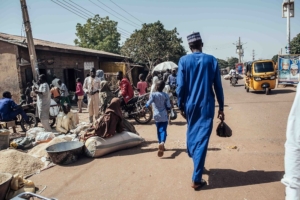 In 2025, the U.S. approved $32.5 million in humanitarian aid to Nigeria to respond to one of the country’s worst hunger crises in decades. The U.S. aid to Nigeria will reach more than 764,000 individuals. It will deliver food supplies, nutritional supplements for malnourished children and support for pregnant and breastfeeding women. This package underscores the U.S.’s continued role in addressing global poverty, even amid broader cuts to foreign aid.
By targeting food insecurity in conflict-affected regions, the initiative highlights how American humanitarian assistance provides immediate relief while promoting stability and advancing long-term development goals.
The Hunger Crisis in Nigeria
Nigeria is experiencing a severe hunger crisis, with 30.6 million people unable to obtain enough food. On top of that, 17 million children are suffering from malnutrition, the second-highest number in the world. About 300,000 children are at risk as a result of the closure of more than 150 nutrition clinics in the states of Borno and Yobe due to a lack of funding.
Supply chains have been disrupted by insecurity. Many families can no longer afford the high cost of food due to inadequate infrastructure, high transportation expenses and significant post-harvest losses of up to 50%. Despite these obstacles, farmers continue planting in areas of relative stability. Local food is being processed and sold by women-led projects and youth-led logistics projects are starting to take shape.
U.S. aid to Nigeria will reach those who need it most. It will also strengthen local markets and agricultural systems by combining locally sourced food, cash-based assistance and targeted support for displaced populations.
The World Food Programme’s Role in Nigeria
The World Food Programme (WFP) is the largest humanitarian organization in the world. WFP helps communities recover from economic shocks, natural disasters and conflict while providing life-saving food assistance during emergencies. WFP works to improve nutrition, support smallholder farmers and strengthen local food systems in more than 120 countries.
Where possible, WFP pairs short-term assistance with livelihood programs. These programs help displaced people develop food processing, aquaculture and tailoring skills, providing them with opportunities for long-term stability. Beyond these, WFP coordinates logistics for more than 90 humanitarian organizations, provides secure communications and emergency connectivity. It also manages the U.N. Humanitarian Air Service to deliver relief supplies and personnel to isolated communities.
WFP is primarily funded by voluntary donations from governments, organizations, businesses and individuals. The nonprofit collaborates with the government, nongovernmental organizations (NGOs), U.N. agencies and private sector partners to reach vulnerable populations in Nigeria. The organization has effectively decreased child malnutrition in Nigeria and offers emergency food assistance.
WFP works alongside the Nigerian government to strengthen food security policies, expand the country’s nationally owned school feeding program and build shock-responsive social protection systems.
How US Aid to Nigeria Will Address the Hunger Crisis
Despite significant cuts to U.S. foreign aid, Washington has made a new commitment. This support targets Nigeria’s northeast and northwest regions, where conflict and displacement have deepened food insecurity for hundreds of thousands. The funding arrives at a critical moment, as the WFP had warned of suspending operations due to resource shortages.
Nigeria has “unprecedented” levels of hunger, with millions at risk of malnutrition, according to WFP’s Regional Director for West Africa, Margot van der Velden. By channeling resources through WFP, the U.S. contribution helps stabilize communities on the brink of famine while reinforcing broader international efforts to support Nigeria in its hunger crisis.
– Isaac Nelson
Isaac is based in Florianópolis, Santa Catarina, Brazil and focuses on Politics for The Borgen Project.
Photo: Flickr
