Solutions to Rapid Urbanization in Wetlands
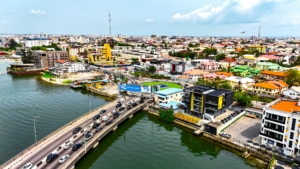 Rapid urbanization in wetlands is an increasing problem for multiple cities throughout sub-Saharan Africa and is often driven by population growth, economic development, infrastructure development and migration. Rapid urbanization in wetlands affects biodiversity loss, flooding and altered hydrology, water quality degradation and loss of livelihood. Some patterns identified with rapid urbanization affecting wetlands are informal settlements, fragmented urbanization and densification.
Lagos, Nigeria and Kinshasa in the Democratic Republic of Congo (DRC) experience some of these issues. However, they’ve developed sustainable solutions that help control and maintain livelihoods and infrastructures.
Lagos
Lagos, Nigeria, is a wetland area heavily affected by rapid urbanization. Housing and informal settlements, transportation infrastructures, solid waste management, environmental pollution and unemployment are all problems throughout the city.
Nigeria’s Federal Ministry of Housing and Urban Development has previously stated that it is committed to constructing more than 10,000 housing units nationwide, including Lagos, with the Renewed Hope Cities and Estates Program. This opportunity also created 252,800 jobs for Nigerians, contributing to the country’s economic landscape. The workers also received wages significantly above the national minimum wage.
Waste-to-energy plants offer sustainable solutions to water disposal and energy generation, many of which can be seen in Lagos. Harvest Waste Consortium has formalized a partnership with Lagos to construct a waste-to-energy plant using advanced technology to create clean energy from the state’s solid, commercial and industrial waste. Around 40,000 homes will be taken off the national electricity grid due to clean energy.
Kinshasa
Kinshasa, Democratic Republic of the Congo, is another wetland area that is impacted by rapid urbanization. Increased risk of flooding continues throughout the city due to population growth and improper drainage systems. Informal settlements also affect the quality of life in Kinshasa, making strategic urban planning essential to manage the city’s growth and transformation.
A Participatory Slum Upgrading Program works in Kinshasa to improve slum conditions while preventing the possibility of creating new slums. The program aims to ensure access to safe, adequate, affordable housing and basic services to upgrade the slums.
As rapid urbanization in wetlands continues, Kinshasa has developed nature-based solutions. These solutions help to build urban climate resilience, lower carbon emissions and provide socioeconomic benefits. Proper drainage systems that can handle channel runoff from heavy rains were developed and restoring soil fertility, creating jobs and providing food for locals are also possible because of these solutions.
Conclusion
Rapid urbanization in wetlands presents serious challenges for cities like Lagos and Kinshasa. Yet, both cities demonstrate that these impacts can be managed with strategic planning and sustainable solutions, such as housing initiatives, waste-to-energy projects and nature-based approaches.
Addressing rapid wetland urbanization requires long-term investment, innovative policies and community participation to balance urban growth with environmental protection and improved quality of life.
– Eva Wakelin
Eva is based in Atlanta, Georgia, USA and focuses on Good News and Technology for The Borgen Project.
Photo: Unsplash
