Education in Nigeria
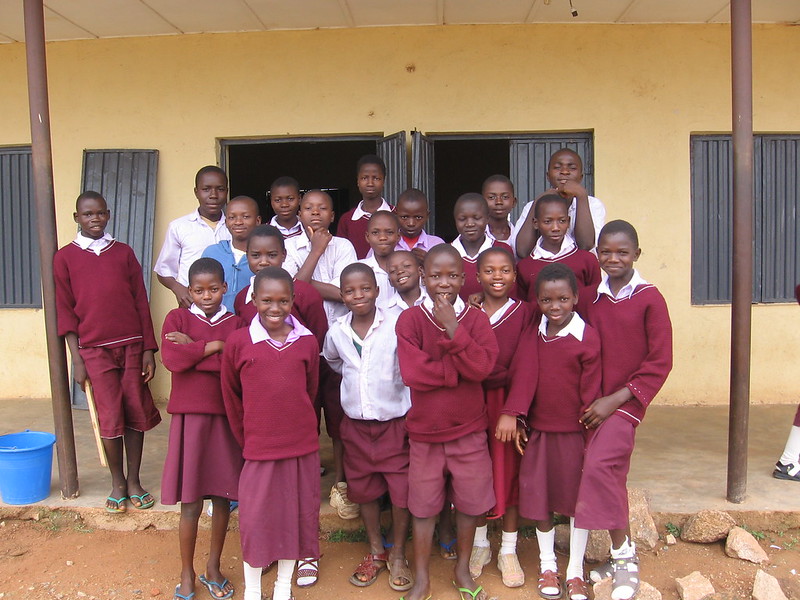 According to the United Nations International Children’s Emergency Fund (UNICEF), more than 10 million Nigerian children are not receiving formal education — the highest number in the world. Poverty, conflict and gender inequality are the biggest barriers keeping kids out of classrooms.
Causes of Educational Struggles in Nigeria
- Lack of funding. Long-standing corruption within Nigeria, most prominently academic misconduct, defined as any action that gains or attempts to gain within an educational setting to gain an unfair academic advantage, has consistently undermined education funding in Nigeria. This has resulted in poor infrastructure, such as unsafe classrooms, limited access to clean water, untrained teachers, a lack of quality teaching materials and frequent failures to pay teachers’ allowances, all of which hinder children’s ability to secure adequate education.
- Armed attackers. In northern Nigeria, armed attackers have attacked schools, leaving families afraid to send their children to class. “In 2022 and 2023, attacks on schools in Nigeria persisted in the context of armed conflict in northeastern states due to the presence of nonstate armed groups, as well as armed violence in northwestern and northcentral states due to pastoralist-farmer tensions.” Children ultimately suffer the most from these attacks, leaving them in a state of distress and unsafe when trying to access education. However, organizations including “Save the Children” have been working to resolve this issue and have provided 47 million children with education, medicine and food globally.
- Girls’ vulnerabilities. Girls are especially at risk, as child marriage and household labor often hinder their educational needs. According to reports, 4 out of 10 girls marry before the age of 18 (44%) in Nigeria, totaling more than 24 million child brides. This prevents them from accessing education as they are forced to take on adult responsibilities, thereby removing their focus from necessary education. This high percentage of child marriage is detrimental to young girls, as it “violates the fundamental rights and freedoms of young girls.” Moreover, organizations supported by the United States (U.S.) foreign aid, such as UNICEF and the Global Partnership for Education, are working to address these challenges. They help rebuild schools, provide learning materials and promote safe, equal access to education for girls.
Ongoing Efforts to Refocus Attention on Education
Recognizing the urgent need to tackle the issue, representatives from multiple sectors came together at the “Child Marriage Stakeholders’ Consultations” to discuss long-term strategies for ending child marriage in Nigeria.
Participants pledged to work toward eliminating child marriage nationwide by 2030 through coordinated efforts and new policies and resources at the federal, state and community levels. A key initiative introduced in Nigeria to expand access to education, the Universal Basic Education (UBE) program, aims to provide free schooling to every child. It has shown success by improving access to basic education and reducing the number of children out of school. According to the United Nations (U.N.), primary school enrollment rates in Nigeria increased from 57% in 1999 to 71% in 2018. Efforts are also underway to increase investments, focusing on digital inclusion and the development of 21st-century skills, including AI integration.
Empowering Nigeria’s Future Through Education
By supporting education in Nigeria, the U.S. not only empowers millions of young people but also invests in a more stable and prosperous partner in Africa. Strong education systems reduce poverty, boost economies and help communities resist extremist groups, with benefits that extend far beyond Nigeria’s borders. In addition, reducing high levels of child marriage allows children to refocus on the education they need for a brighter future.
– Carise Wallbank
Carise is based in the United Kingdom and focuses on Global Health for The Borgen Project.
Photo: Flickr
