Clean Water Access in Nigeria: How Communities Solve the Crisis
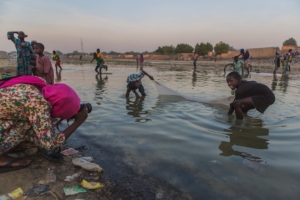 Rural communities in Nigeria face the steepest hurdles to access clean, safe drinking water and basic sanitation. Many households still rely on unprotected wells, streams or vendors, while schools and clinics struggle without reliable WASH services. UNICEF estimates that millions remain without basic drinking water and that open defecation persists on a large scale, with the burden falling hardest on rural families.
Nigeria’s Water Sanitation and Hygiene National Outcome Routine Mapping (WASHNORM) 2021 assessment shows wide rural and wealth-based gaps in access, underscoring the need to invest where services lag the most.
Health and School Attendance
Unsafe water and poor sanitation drive diarrheal disease, cholera outbreaks and undernutrition, which in turn keep children out of class. Schools without toilets or handwashing stations see higher absenteeism and girls are more likely to miss lessons during menstruation when facilities are inadequate.
UNICEF reporting links improved school WASH to better attendance and fewer disease outbreaks, while global WASH-in-Schools data show that safe water, private toilets and soap at school are tied to learning and dignity, particularly for girls.
WaterAid Nigeria: Community WASH in Action
WaterAid Nigeria partners with state governments and communities to install and maintain water points, expand sanitation and promote everyday hygiene behaviors. Its 2023–2028 country strategy prioritizes systems strengthening so local authorities can finance, operate and sustain services beyond a single project cycle.
WaterAid is also part of technical groups that support behavior change, supply chains and accountability, helping rural districts build reliable access and keep services working.
Clean Nigeria: Use the Toilet
The federal government’s Clean Nigeria campaign aims to end open defecation by 2025 and move households toward safely managed sanitation. The campaign mobilizes states, local governments and households through community-led approaches, public awareness and certification of open defecation-free areas.
UNICEF supports the effort with technical assistance and outreach and recent updates highlight the urgency of accelerating progress so that gains are sustained across rural districts.
National Action Plan: A Path to 2030
Nigeria’s National Action Plan for the Revitalization of the WASH Sector sets a three-phase roadmap that includes an 18-month emergency plan, a five-year recovery program and a long-term strategy through 2030.
The plan outlines a renewed federal-state partnership, more precise service targets and stronger financing so rural communities can gain and sustain access. Civil society groups summarize how the plan links with the national sanitation campaign, aligning policy and implementation at the state and local levels.
Building Pathways Out of Poverty
Expanding rural access to clean, safe water and sanitation reduces disease, protects household income and keeps children in school in Nigeria. It also creates jobs in construction, operations and local supply chains. Indeed, the World Bank’s SURWASH program projects service gains in water and sanitation and upgrades in schools and health facilities, complementing Clean Nigeria and NGO partnerships.
Continued investment in these approaches could help Nigeria scale reliable services and unlock health and education gains that drive long-term poverty reduction.
– Joseph Hasty
Joseph is based in Winter Park, FL, USA and focuses on Technology and Global Health for The Borgen Project.
Photo: Flickr
