• Link to X
  • Link to Facebook
  • Link to Instagram
  • Link to TikTok
  • Link to Youtube
  • About
    • About Us
      • President
      • Board of Directors
      • Board of Advisors
      • Financials
      • Our Methodology
      • Success Tracker
      • Contact
  • Act Now
    • 30 Ways to Help
      • Email Congress
      • Call Congress
      • Volunteer
      • Courses & Certificates
      • Be a Donor
    • Internships
      • In-Office Internships
      • Remote Internships
    • Legislation
      • Politics 101
  • The Blog
  • The Podcast
  • Magazine
  • Donate
  • Click to open the search input field Click to open the search input field Search
  • Menu Menu

Tag Archive for: Poverty in Kenya

Posts

Africa, Global Poverty, Slums

The Wajukuu Art Project in Mukuru, Nairobi

Wajukuu Art ProjectMultidimensional poverty overwhelms the five senses. The smell takes in smoke- and the stench-saturated air. Hearing puts up with never-ending noise pollution. Taste feeds on bits of nutrient-scarce food. Touch is calloused by long working hours. Sight looks at its dilapidated world with agony. However, these senses often come together to reclaim creativity and make sense of their reality through art. The Wajukuu Art Project has pioneered the slum art form of Mukuru, Nairobi, Kenya. Its stunning visual art and commitment to uplifting its community have earned it acclaim locally and globally.

Mukuru’s Living Conditions

The Mukuru slum is situated on a hillside near the Kenyan capital’s major manufacturing industries. Job opportunities, however, are scant, so many subsist by scavenging for saleable items in the dumpsite that pollutes their locality. Most of the slum’s 700,000 residents live in suffocatingly tiny three-square-meter homes, sheltered only by roofs made of cardboard or plastic.

Diseases like malaria and tuberculosis are rampant, yet most medical facilities are priced out of residents’ reach. However, with the community’s involvement, the area has recently witnessed development, with 32 more miles of paved roads and significantly better access to flushing toilets.

The Slum Art Form’s Roots

In 2003, Lawrence “Shabu” Mwangi and a few other art school graduates from the Lumba-Lumba neighborhood of Mukuru formed an art collective. They wanted to avoid the criminal activities that many around them had succumbed to with the lack of fruitful employment opportunities.

Officially registering it in 2007, they named it “Wajukuu” or “grandchildren,” deriving from a Swahili proverb that says that younger generations feel the actions of parents and grandparents. Having borne the brunt of previous generations’ mistakes, they wanted to shape a happier future.

Bringing the Slum’s Art Form to Its Children

Noticing the many curious children intently looking in from the outside daily, they decided to start a Kids’ Club. This became their chance to find authentic self-expression, as also future employability, amid the deprivation that they were growing up with.

On a pleasant June day this year, perched upon large sheets of paper, the Kids’ Club started painting. Sitting beside the toxin-choked Ngong River, they used bright tangerine and vivid cobalt hues to breathe life into their self-portraits. They showed an intimate understanding of the problems that had broken their world and their dreams of transforming it. One child outlined his forearm and wrote “PEACE” in bold letters right next to it. Another depicted a man distributing bags of rice among locals.

So far, Wajukuu’s 27 members have nurtured more than 1,000 children through the Kids’ Club and art therapy. The team also manages a library that teaches close to 30 children daily. Wajukuu’s scholarship program has enabled 15 students to achieve a high school education. Wajukuu’s other initiatives include sustainable, organic farming and the twice-yearly Slum Art Festival, which hosts exhibitions and performances by well-known musicians and dancers.

Recognition for The Wajukuu Art Project

In 2022, Wajukuu was invited to take its distinctive slum art form to the Documenta Fifteen contemporary art exhibition in Kassel, Germany, which saw a footfall of more than 738,000. Indeed, Wajukuu interactive architectural displays were reminiscent of traditional Maasai homes and the construction patterns typical of its Mukuru, with its trembling corrugated metal walls.

Even after Documenta, Wajukuu was part of a minor core team working to promote collectivity and shared resource building across geographies. Furthermore, Wajukuu’s In The Absence exhibition at Nairobi’s African Arts Trust gallery in August 2024 startled visitors into self-reflection about the irresponsible use of technology and true freedom from colonialism.

– Shiveka Bakshi

Shiveka is based in London, UK and focuses on Good News and Global Health for The Borgen Project.

Photo: Pexels

September 13, 2024
https://borgenproject.org/wp-content/uploads/borgen-project-logo.svg 0 0 Hemant Gupta https://borgenproject.org/wp-content/uploads/borgen-project-logo.svg Hemant Gupta2024-09-13 07:30:012024-09-13 02:33:06The Wajukuu Art Project in Mukuru, Nairobi
Global Poverty, Nonprofit Organizations and NGOs, Women's Rights

How Womankind Worldwide Transforms Women Lives in Kenya

How Womankind Worldwide is Transforming Women’s Lives in KenyaWomankind Worldwide is a women’s rights organization advocating for change through partnerships with organizations worldwide. It envisions a fairer world where women have equal opportunities. The organization works with 28 partners across 13 countries. Womankind Worldwide has supported 18 million women through community organizations. The organization prioritizes improving women’s lives in Kenya as part of its global efforts. For more than 30 years, Womankind Worldwide has collaborated with diverse groups worldwide to combat the oppression of women.

The Context of Women’s Lives in Kenya

Kenya is a lower-middle-income country and women’s employment rate is 60.3% compared to men’s at 70.4%. In Kenya, young women are particularly vulnerable to the threat of poverty because of their limited participation in the economy. Women are disproportionately responsible for unpaid care work therefore limiting their ability to complete paid work. Although the 2010 constitution committed to a more diverse government so that women would be able to make important decisions about their future, this promise has not been fulfilled. Key promises included women and men having the right to equal treatment and having the right to equal protection. 

In 2023, The World Bank Group reported that Kenya stood above Sub-Saharan’s average of 72.6 out of 100 in the Women, Business and the Law Index. In comparison, Kenya’s index was recorded at 80.6. This score increase was a consequence of stopping gender discrimination in employment and the enforcement of domestic violence legislation. Furthermore, the report suggested that women’s lives in Kenya could be further transformed by making 14 weeks of paid maternity leave mandatory and allowing women to be business owners in the same way as men. 

There have been successes in the improvement of women’s rights in Kenya. For example, the 2012 Passage of the Land Act and the Land Registration Act increased women’s rights over their marital property. Moreover, for the first time, the 2015 Passage of the Protection against Domestic Violence Act addressed domestic violence. United Nations (U.N.) Women’s Strategic Plan 2023-2026 outlines U.N. Women Kenya’s plan until 2026. This includes enhancing women’s participation in governance, creating legislative frameworks to promote the inclusion of women in leadership and advocating for accountability for gender-responsive service delivery. 

Womankind Worldwide’s Aim

In July 2024, Womankind Worldwide’s two new Co-CEOs spoke about the future of the organization’s focus on pursuing equality. Writing on the organization’s website after their appointment, Co-CEO Disha Sughand described envisioning Womankind Worldwide growing ‘an aligned supporter base through our ambitious 2030 strategy’. In addition, Co-CEO Diana Njuguna explained how Womankind Worldwide’s mission is to dismantle ‘power dynamics that prevent community-based organizations from taking their rightful place in the movements’. Womankind Worldwide focuses on working in partnership with women’s rights organizations. The organization continues to take steps to establish collaboration as an important part of the fight for equality.

Partners

The Centre for Rights Education and Awareness (CREAW), one of Womankind Worldwide’s partners, was founded in 1999. This nongovernmental organization’s focus is predominantly on women’s rights. CREAW has continuously applied pressure to guarantee equal political participation of women so that the 2010 constitution could be put into action. 

Another partner is Women Challenged to Challenge (WCC), who support the participation of women with disabilities in political, social and economic life. For example, WCC trained 25 service providers from Baringo County in Kenya, which included police officers and teachers. They were trained in how to assist people with hearing impairment. Therefore, women’s lives in Kenya are being transformed by Womankind Worldwide’s support for organizations such as WCC. 

Federation of Women Lawyers – Kenya (FIDA Kenya) offers women and their children free legal aid. Overall, its 1400 women lawyers and advocates have helped more than 3 million women. When they are disproportionately economically disadvantaged, help in the form of legal aid makes a significant difference to women’s lives in Kenya. 

Another organization that partners with Womankind Worldwide and is making a difference in women’s lives in Kenya is the Polycom Development Project (Polycom Girls). This project helps those impacted by sexual violence and exploitation. Polycom provides access to education, sanitation and sports. 

2030 Strategy

In its 2030 strategy, Womankind Worldwide outlines its aims for a future where all genders enjoy equal rights. It creates spaces for learning and exchange to help improve personal and social well-being. Womankind Worldwide identifies goals that include dividing power with its partners through sharing opportunities. Its 2030 strategy also includes guiding the agenda so that its partner’s voices are heard to influence change. Also, Womankind Worldwide generates funding for women’s rights and its partner organizations. 

Looking to the Future

Increasing women’s participation in political leadership is an important part of the future of Kenya. Womankind Worldwide is prioritizing putting the 2010 constitution into action through its partnership with nonprofit organizations. Womankind Worldwide works to increase the visibility of its partners and, specifically, Polycom Girls recognizes this. Its work includes emphasizing Polycom’s work to the United Kingdom (U.K.) government to help empower women. Womankind Worldwide has built partnerships across the world to help improve the rights of women. The organization is committed to opening spaces where women can have a say in what they want to change in the world. Transforming women’s lives in Kenya continues to be a focus of these ongoing partnerships in a move toward a fairer world. 

– Amy Fox

Amy is based in Birmingham, UK and focuses on Good News for The Borgen Project.

Photo: Flickr
September 5, 2024
https://borgenproject.org/wp-content/uploads/borgen-project-logo.svg 0 0 Precious Sheidu https://borgenproject.org/wp-content/uploads/borgen-project-logo.svg Precious Sheidu2024-09-05 07:30:092024-09-04 14:25:40How Womankind Worldwide Transforms Women Lives in Kenya
Africa, Agriculture, Global Poverty

The Impact of AI on Agriculture in Kenya and Nigeria

Impact of AI on AgricultureArtificial intelligence (AI) holds considerable promise for redefining agriculture in Kenya and Nigeria, two of Africa’s leading tech hubs. Recent estimates suggest AI could markedly improve Africa’s economy, potentially adding up to $2.9 trillion by 2030. In 2023, African tech startups attracted approximately $4 billion in investments, with Kenya’s AI sector receiving $15 million and Nigeria’s $2.9 million, making them two of the leading recipients. A substantial portion of these funds is being directed to the agricultural sector.

Kenya

Kenya, with a population of about 55 million, has enjoyed relative economic and political stability recently, with a projected growth rate of 5.2% from 2024 to 2026. Despite these positivities, the country faces ongoing issues such as poverty, inequality and natural disasters.

Agriculture, which employs more than 40% of Kenya’s workforce and contributes 33% to GDP, is central to the economy. Smallholder farmers, making up more than 70% of the farming population, are essential for both economic stability and food supply. However, farmers battle unpredictable weather, limited access to information and insufficient resources to cope with the effects of natural disasters.

In 2023, approximately 4.4 million Kenyans experienced severe food insecurity, reflecting the sector’s difficulties with financing, quality inputs and crucial information such as weather forecasts and market prices, according to the 2024 GSMA report.

Nigeria

Nigeria, Africa’s most populous nation with more than 220 million people, is experiencing rapid growth at an annual rate of more than 2.6%. Despite this, the nation faces substantial economic and social challenges, including stagnant GDP per capita, high poverty rates, and inadequate infrastructure. Agriculture, which employs 40% of the workforce and contributes 24% to GDP, is critical to the economy, yet only 35% of arable land is actively farmed.

Nigerian farmers deal with erratic weather, security issues, poor infrastructure as well as problems like poor seeds, labour shortages, and the loss of farmland to urbanisation, according to ICT Works.

In July 2023, Nigeria declared a food insecurity emergency, forecasting that 26.5 million people could face acute hunger in 2024 due to frequent droughts and floods impacting food production.

The Impact of AI on Agriculture in Kenya

Launched in 2023, Digital Green’s Farmer Chat improves farming advice by offering personalized support to extension workers. It uses information from videos, call logs and factsheets to provide real-time assistance, having already sent more than 134,000 messages in Swahili and English, according to the 2024 GSMA report. Plans are underway to expand its coverage to more crops and regions.

Founded in 2023, Amini addresses the lack of environmental data – such as soil quality and rainfall patterns – which the World Bank identified in 2022. Amino’s platform uses AI and satellite technology for crop monitoring, yield predictions and risk assessments.

Partnering with TensorFlow technology, PlantVillage U.S. nonprofit has developed an AI-powered app to identify plant diseases. The app detects issues on plant leaves such as and recognizes patterns indicating disease outbreaks, helping to combat the 33% crop loss Kenyan farmers face each year due to pests and diseases. The app has attracted more than 10,000 users, who have reported an average 40% increase in crop yields.

The Impact of AI on Agriculture in Nigeria

Crop2Cash offers FarmAdvice, a hotline that gives farming advice via a toll-free number. Since its launch in July 2024, FarmAdvice has provided personalized recommendations in local languages to more than 500,000 farmers across 13 states, helping them increase their incomes and crop yields, according to the 2024 GSMA report.

AirSmart provides AI-driven solutions by collecting and analyzing data from drones, satellites, soil sensors and loT devices. The insights help manage water, fertilizer, and pesticide usage, predict yields and offer data-driven farm management recommendations, according to ICT Works.

The World Food Program (WFP) has developed a predictive model that forecasts food shortages up to 30 days in advance, according to the 2024 GSMA report. By looking at past food consumption data alongside market prices and weather conditions, this tool helps provide early warnings of potential food shortages.

Staying on Track

The impact of AI on agriculture is already being felt in Kenya and Nigeria, but keeping an eye on persistent issues is essential to fully realize its potential. AI is advancing especially in data-driven advisory and financial services, but the high costs of precision tools like loT sensors and drones are problematic. Making these technologies more accessible is important for maximizing the impact of AI on agriculture. While generative AI could assist farmers with low literacy or disabilities, improving digital literacy and ensuring AI services are accessible on affordable mobile devices will enable wider adoption of new agricultural practices among smallholder farmers.

– Georgia O’Keeffe

Georgia is based in Wiltshire, UK and focuses on Technology and Politics for The Borgen Project.

Photo: Flickr
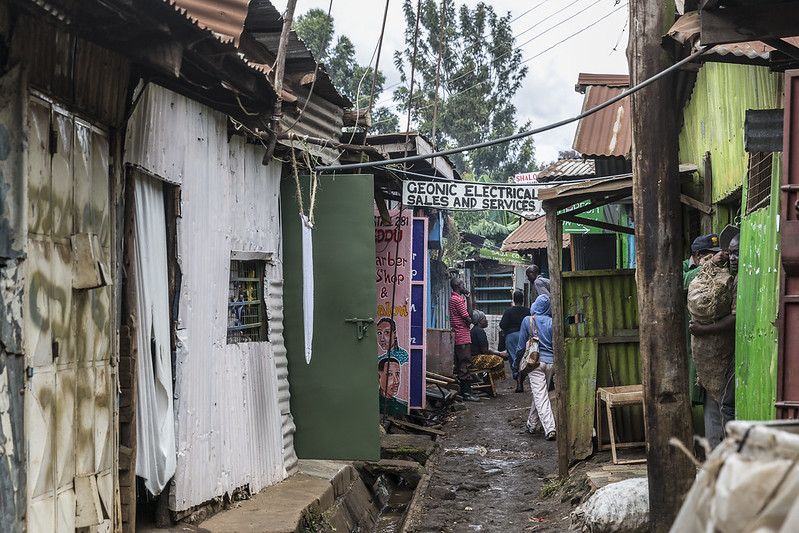
September 2, 2024
https://borgenproject.org/wp-content/uploads/borgen-project-logo.svg 0 0 Naida Jahic https://borgenproject.org/wp-content/uploads/borgen-project-logo.svg Naida Jahic2024-09-02 01:30:152024-09-01 00:40:36The Impact of AI on Agriculture in Kenya and Nigeria
Artificial Intelligence (AI), Education, Global Poverty

Revolutionizing Learning: AI in Kenyan education

AI in Kenyan educationKenya has emerged as a hotspot for educational technology innovation in Africa. Artificial intelligence (AI) is revolutionizing the country’s learning landscape. AI in Kenyan education reshapes how students learn and how educators teach, using software ranging from individualized tutoring to data management and analysis algorithms.

The Competency-Based Curriculum

Recognizing the importance of preparing students for the digital age, the Kenyan government introduced the Competency-Based Curriculum (CBC) in 2017. This new approach shifts away from traditional high-stakes exams and rote memorization. Instead, it focuses on enhancing learning comprehension and practical skills. The CBC emphasizes digital literacy and coding, incorporating tools like Scratch for programming and data handling. By integrating AI and digital literacy into the national curriculum, Kenya takes significant steps to equip its students with the skills they will need in an increasingly digital world.

Kytabu

Kytabu has developed several AI-powered tools designed specifically for the African educational context. Its most acclaimed product, SOMANASI, is an AI-driven personal tutoring tool that provides personalized curriculum materials, course programs and assessment questions. The application lets students rent affordable textbooks, audiobooks, assessments and courses, all accessible in the AI-supported mobile app. By enabling students to learn at their own pace, SOMANASI makes education more accessible and engaging.

Additionally, HODARI, assists teachers with grading, lesson planning and administrative tasks. The software connects individual student data from assessments to the Kytabu information management system. AI in the product helps teachers understand kids’ individual needs by analyzing performance data and identifying strengths and weaknesses. By automating these time-consuming processes, HODARI allows teachers to focus more on what they do best: teaching and supporting their students.

M-Shule

M-Shule is an edtech platform that uses AI and SMS technology to deliver personalized learning content to Kenyan primary school students, aiming to improve education outcomes in areas with limited internet access. Students interact with an AI bot that prompts them with lessons and questions they answer by text. The system analyzes the data in real-time, allowing program teams and supporting organizations to track student performance and provide targeted support where needed. M-Shule has reached more than 45,000 users, including 13,000 households from 30 Kenyan counties.

Mosabi: Financial Education for the Masses

Recognizing that education extends beyond traditional subjects, Mosabi leverages AI to provide tailored financial and business education to underserved communities in emerging markets. Lessons cover areas like financial literacy, entrepreneurship and business management. Its mobile platform uses AI-driven analytics to track user progress. Furthermore, personalized learning experiences, help small business owners and entrepreneurs improve their financial health.

Endless OS Foundation

The Endless OS Foundation provides a Linux-based operating system with preloaded educational content, productivity tools and entertainment designed for communities without internet access. Its AI capabilities curate content based on student interests, fostering curiosity-driven learning and greater engagement. Since its creation, the initiative has established 600 computer labs. This growth has significantly expanded access to digital education and resources for students across Kenya and other countries where it operates.

Challenges and Future Prospects

While the integration of AI in Kenyan education shows great promise, challenges remain. A recent study across 38 out of 47 Kenyan counties found that while teachers generally have a positive attitude toward AI, many lack confidence in implementing these platforms in their classrooms. To address this, experts recommend revising teacher training curricula to include AI components. Furthermore, they suggest designing professional development programs to build teachers’ confidence in AI.

As Kenya continues to embrace AI in education, the potential for transformative change is immense. From personalized learning experiences to more efficient school management, AI helps create a more inclusive, engaging and effective education system for all levels.

Michael Murungi, Government Affairs and Public Policy Lead for Eastern Africa at Google states, “One of the biggest opportunities AI has in education is the ability to personalize learning and for the teacher to curate the learning experience for the child based on the child’s needs.”

– Lauren Thompson

Lauren is based in San Francisco, CA, USA and focuses on Technology and Global Health for The Borgen Project.

Photo: Flickr
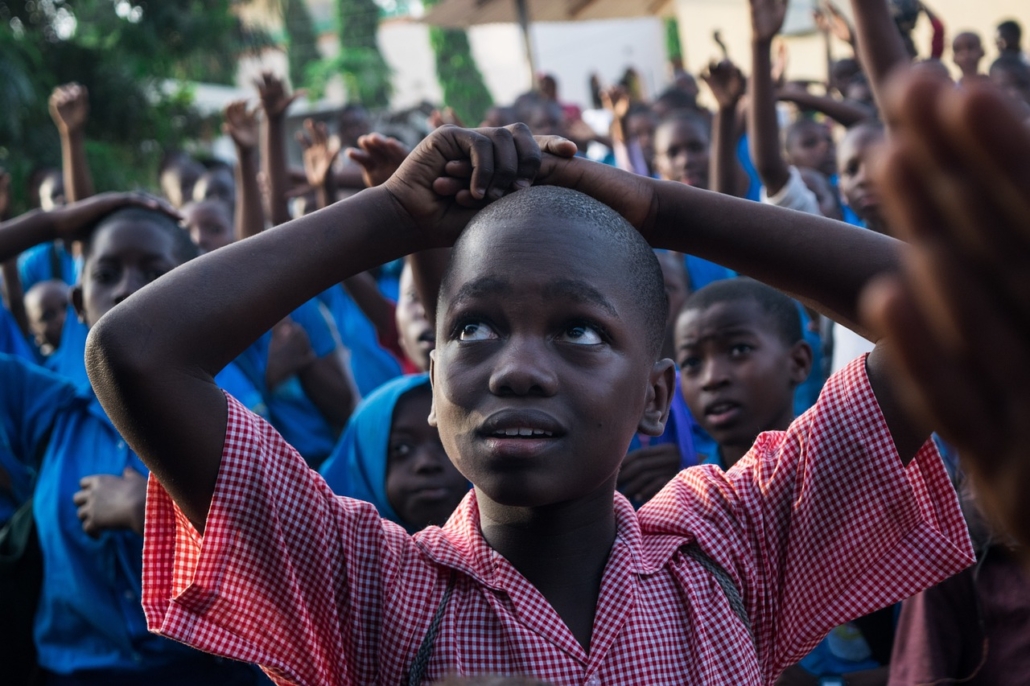
August 20, 2024
https://borgenproject.org/wp-content/uploads/borgen-project-logo.svg 0 0 Hemant Gupta https://borgenproject.org/wp-content/uploads/borgen-project-logo.svg Hemant Gupta2024-08-20 07:30:572024-08-19 13:37:11Revolutionizing Learning: AI in Kenyan education
Global Poverty, Women's Rights

Fighting Period Poverty in Kenya with Reusable Sanitary Products

Period Poverty in KenyaEvery month, around 2 billion people across the planet menstruate. Although periods are a natural and healthy bodily function, they interrupt the lives, freedoms and rights of millions around the world because these individuals cannot afford or access menstrual products or proper sanitation and hygiene facilities and lack education and awareness to manage their menstrual health hygiene a possibility. This is a period poverty.

Period Poverty In Kenya

In Kenya, 65% of women and girls cannot afford the basic sanitary necessities that they need to manage their periods. This means that they regularly have to miss work and school due to period poverty. Missing work can threaten a woman’s career and losing income means that an individual has less money to spend on their period in general. Missed school days can cause young girls to drop out of education earlier, putting their future in jeopardy.

When women and girls lose their access to education, they lose out on both “life-long opportunities for employment” and their chance to “reach their fullest potential,” according to the U.N. Women. For many young girls, this also means being forced into child marriages, sexual abuse and even mutilation as their period is seen as a “coming of age.”

According to Amref Health Africa, two-thirds of sanitary pad users in Rural Kenya receive them from sexual partners. In addition, a quarter of girls in the country do not associate menstruation with pregnancy, highlighting how a lack of education about menstruation and menstrual hygiene poses fundamental risks to individuals everywhere.

The U.N. Women warns that girls involved in these transactional sex arrangements to pay for their menstrual products have a dramatically increased chance of an HIV infection.

AHADI Reusable Pads

The word AHADI means promise in Kiswahili and this brand promises that “women and girls will fulfill their destiny by maximizing their potential through education.” The organization aims to combat period poverty in Kenya by improving access to affordable sanitation products.

Bethsheba Otuga is the founder of AHADI Reusable Pads. The pads are made of cloth and can be washed up to 24 times. Otuga states that this means the user can be secure in their period for two years. Making the pads reusable means that they are also more affordable – packs of four sell for about $4 – for those living in poverty.

AHADI’s mission statement is to produce cost-effective reusable pads that “will increase women’s and girls’ self-esteem and dignity because of increased comfort and hygiene levels” during their period, according to its website.

Ending the stigma around periods is a huge first step towards ending period poverty in Kenya and around the world. Only 50% of girls in Kenya say that they can openly discuss menstruation at home, and just 12% stated that they would feel comfortable receiving information about their period from their mother, according to Amref Health Africa.

The reusable pads that AHADI produces aim to increase women’s dignity by increasing hygiene levels and allowing them to continue their normal daily activities without worrying about leaking through their clothes. The organization aims to give women and girls the assurance that they will not be embarrassed because they cannot afford production during their period.

Looking Forward

AHADI has produced more than 1,000 packs of pads (each containing four pads) within the last year, all of which the organization has sold and distributed across Nairobi, Kenya. Each of these 1000 packs has impacted a girl’s life across several schools, the most recent of which is the distribution of 120 packs of reusable pads to Seeds of Hope Educational Centre in Kibera, according to AHADI’s website.

Bethsheba Otuga and AHADI are working to end the stigma and period poverty in Kenya. Ending stigma is the first step to making real changes that could drastically change the lives of women and girls living all across the country.

Ensuring easy and affordable access to sanitary products for anyone who may need them at any time means supporting all to reach their fullest potential at all points during the month and throughout their lives.

– Kristina Grant

Kristina is based in Scotland and focuses on Good News and Technology for The Borgen Project.

Photo: Flickr
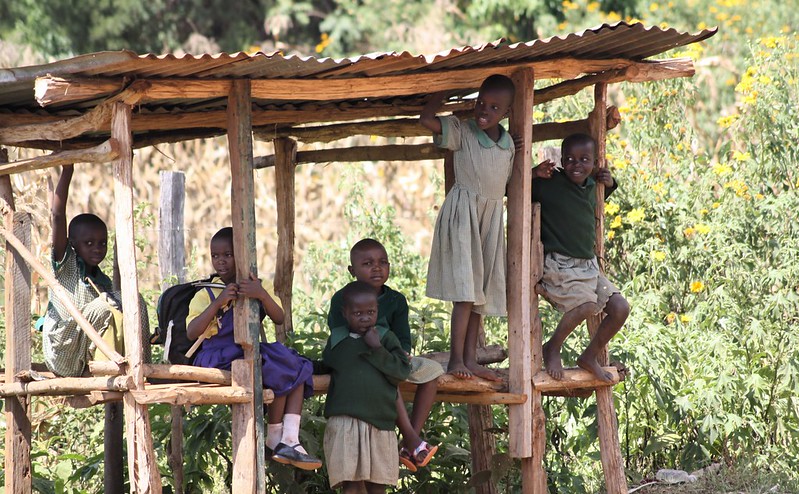
August 16, 2024
https://borgenproject.org/wp-content/uploads/borgen-project-logo.svg 0 0 Naida Jahic https://borgenproject.org/wp-content/uploads/borgen-project-logo.svg Naida Jahic2024-08-16 01:30:022024-08-15 12:34:07Fighting Period Poverty in Kenya with Reusable Sanitary Products
Developing Countries, Global Poverty, Nonprofit Organizations and NGOs

The Girl Generation: Organization Helping FGM Survivors in Kenya

The Girl GenerationFemale Genital Mutilation (FGM) carries many risks, perhaps the most unspoken one being the psychological impacts of the often traumatic procedure. Though there is little research on the mental effects on survivors of FGM, it is widely accepted that many women suffer from conditions like depression, anxiety and post-traumatic stress syndrome.

In Kenya, where prevalence rates of FGM are high, various forms of therapy are being used to help girls and women deal with the lasting consequences of FGM on their mental health. Art therapy has been proven to be an effective way of processing the trauma survivors of FGM in Kenya have experienced.

What Is It?

The World Health Organization (WHO) defines FGM as “all procedures that involve partial or total removal of the external female genitalia or other injury to the female genital organs for nonmedical reasons.” There are many serious risks to these procedures, including short-term issues like shock, infection and serious bleeding. Furthermore, long-term issues include urinary problems, complications in childbirth (increasing the likelihood of newborn death) and psychological trauma.

FGM is considered a violation of human rights. It is most often performed on girls and so can also be a violation of the rights of the child. More than 200 million girls and women alive today are survivors of FGM. It is estimated that around 3 million people are at risk annually. In Kenya, FGM remains a significant issue, with a prevalence rate of 15%. While this marks progress from 21% in 2014 to 38% in 1998, more work is needed to reduce the rates further. In the meantime, it is crucial to support survivors of FGM in Kenya.

Lasting Impacts

After undergoing “the cut,” many girls leave education to marry, meaning the number of girls who remain in education is very low. Out of 80.8% of girls in rural areas who attend primary school, only 14.3% enroll in secondary school. FGM perpetuates poverty for girls by obstructing their access to education and pathways out of poverty.

With one-third of Kenyans living below the national poverty line, FGM exacerbates education gaps, excludes women from the workforce and imposes health care costs due to the procedure’s immediate and long-term effects. This prevents the country from achieving full prosperity.

Support for Survivors

The Girl Generation, in partnership with the U.K. Aid, is providing counseling services for survivors of FGM in Kenya. This initiative helps survivors cope with trauma and rebuild their lives. Since 2022, the organization has helped more than 500 survivors in Kenya. The Girl Generation also supports girls who dropped out of school to continue their education. Indeed, this allows them to escape the cycle of poverty.

Summary

Many girls and women remain silenced after experiencing FGM, with their suffering often ignored or dismissed. Art therapy and counseling provide a platform for these women to express their struggles and receive the support they need. The Girl Generation is one organization delivering these services to FGM survivors in Kenya.

– Eryn Greenaway

Eryn is based in East Sussex, UK and focuses on Global Health for The Borgen Project.

Photo: Flickr

August 14, 2024
https://borgenproject.org/wp-content/uploads/borgen-project-logo.svg 0 0 Hemant Gupta https://borgenproject.org/wp-content/uploads/borgen-project-logo.svg Hemant Gupta2024-08-14 01:30:512024-08-14 01:12:08The Girl Generation: Organization Helping FGM Survivors in Kenya
Africa, Agriculture, Global Poverty

Smallholder Farmers in Kenya and Their Challenges

Smallholder Farmers in KenyaProlonged drought, rising global temperatures and economic challenges have caused food insecurity to increase in Kenya. Food insecurity affects large urban cities like Nairobi and arid and semi-arid lands (ASAL) in the country’s northernmost region as impoverished Kenyans face rising food prices, making affordability hard for families in extreme poverty. Agriculture production makes up much of Kenya’s gross domestic product (GDP) and is essential to feeding domestic consumers. Large farms are an important part of the nation’s agriculture sector. However, smallholder farms produce more than 70% of the food used domestically and exported globally. Without efficient production by smallholder farms, Kenya’s protracted food insecurity will continue to take hold of the country. However, smallholder farmers in Kenya face several challenges.

Lack of Access

Lack of access to various services and resources is one of the biggest problems for smallholder farmers and a main reason for stagnant economic growth. Small farms are usually located in rural areas, isolated from wholesale markets, forcing farmers to sell goods via brokers, leaving many needy farms vulnerable to fluctuating prices. Due to land grabbing by larger companies, access to fertile land is limited, making the jobs of small farmers much harder.

Without access to better markets, smallholder farmers in Kenya will continue to fall victim to multinational corporations selling products at low prices to rack in massive profits. Through methods like land grabbing and enacting repressive policies, small farmers have become dependent on larger companies for agricultural inputs needed to produce fresh crops.

Due to traditional lending institutional practices, credit remains one of the most difficult resources for smallholder farmers to access. Demand for high collateral, high interest rates and a shortage of credit lending educational services make it hard for small farm owners to gain credit.

A Need for Quality Infrastructure

Mobile communication devices are becoming essential tools for smallholder farmers, making accessing and exchanging agricultural information easier. Challenges in infrastructure have been exposed due to rural farmers’ limitations when using mobile devices. The availability of reliable power has become a concern among multiple rural counties, as well as internet connectivity issues and high prices for data packages.

Water scarcity has also become a problem that affects not only smallholder farmers but small-scale irrigation systems as well. ASAL areas depend on artificial water applications for farming. However, growing urbanization, rising water consumption and various water uses have led to dwindling water distribution throughout the nation, greatly affecting farms in rural areas.

Multinational Competition

Government-enacted laws and policies focus more on controlling large money producers, leaving small farmers at the mercy of Chief Executive Officers (CEOs) looking to make a profit. To develop, promote and regulate a modern and competitive seed industry, the Kenyan government gave larger agricultural corporations control over processes like seed certification, making it harder for impoverished farmers to afford certification and obtain seeds for planting.

Seed sharing was a system of exchange that helped domestic farmers for generations. However, as a way to keep producing money, the government criminalized seed sharing, affecting the livelihoods of smallholder farmers who depend on the cost-effective method that many would consider a timeless tradition.

Outside Assistance

Nongovernment organizations like Nuru are working to provide education and assistance to agribusinesses in low-income communities facing food insecurity. Through the introduction of various cultivation methods, farmers are better equipped with the resources to self-sustain and improve food productivity in the area. Since 2008, Nuru has reached more than 320,000 people in five African countries, including Kenya. Nuru farmers in Kenya have seen more than 200% of their crop yields from baseline.

Additionally, the Grameen Foundation, a nonprofit dedicated to ending global hunger, has launched a five-farmer-to-farmer program in Kenya that will connect smallholder farmers to financial volunteers whose focus will be to train farmers in business planning, financial management and financial literacy and establish alternative credit scoring methods. Farmers will receive better chances at obtaining loans, making affording seeds, equipment and other resources easier.

Final Remark

Smallholder farmers in Kenya are the key to unlocking the nation’s full agricultural potential. They make up almost 70% of agricultural production without full government assistance or access to credit markets. As a way to not only put an end to food shortages nationwide, investments in smallholder farmers need to increase to provide economic improvements across Kenya.

– Immanuel Wiggins

Immanuel is based in Jackson, USA and focuses on Global Health for The Borgen Project.

Photo: Flickr

August 13, 2024
https://borgenproject.org/wp-content/uploads/borgen-project-logo.svg 0 0 Hemant Gupta https://borgenproject.org/wp-content/uploads/borgen-project-logo.svg Hemant Gupta2024-08-13 07:30:412024-08-12 13:01:52Smallholder Farmers in Kenya and Their Challenges
Africa, Developing Countries, Global Poverty

How BOMA Is Building Climate Resilience in Africa’s Drylands

BOMAIn the Samburu region of Kenya, Pamela Lenolnyenje is one of the thousands of nomadic people living in/around the Kirisia Forest. Many such people live in extreme poverty partly due to rising temperatures and the collapse of fragile local ecosystems. However, due to financial training and a $175 grant provided by BOMA, a nonprofit organization dedicated to ending poverty and mitigating the effects of adverse weather, Lenolnyenje has since gained an income from managing a tree nursery while setting up her shop to sell produce. Likewise, due to intervention by BOMA, destructive land management practices have fallen considerably among the local community.

This is just one example of the work BOMA is doing to combat both environmental degradation and extreme poverty in Africa’s drylands. By combining education with access to capital, BOMA has sought to help vulnerable people escape the trap of climate-induced poverty by improving climate resilience. Refugees, in particular, have formed a primary target group, with sub-Saharan Africa hosting more than a quarter of the world’s refugee population.

The Rural Entrepreneur Access Project

The organization’s Rural Entrepreneur Access Project (REAP) strategy has been key to helping vulnerable populations in this way. Through this strategy, BOMA maps the key barriers to overcoming extreme poverty for pastoral families before implementing a series of interventions, including conditional cash transfers and financial training, for two years. However, due to the unique challenges facing Africa’s drylands, a more specialized “Green REAP” strategy is now used to tackle the twin crises of environmental collapse and extreme poverty.

The Green Reap Project

While environmental issues may appear of secondary concern to those facing extreme poverty, the sustainable management of scarce resources and fragile ecosystems can, in fact, considerably reduce poverty levels. Improving communities’ resilience to the impacts of changing climatic conditions, flood control, water filtration and other issues is crucial for sustainable development. Thus, BOMA, alongside its partners, provides funding and training to help people set up small, environmentally-friendly enterprises, which also help to conserve local ecosystems, such as the tree nursery discussed earlier.

One example of this Green REAP approach in action is the LIFT project in Northern Kenya, established in 2023. The project aims to improve opportunities for 15,600 women, young people and refugees by helping these people build and sustain 3,650 small enterprises. Of these 15,600 LIFT participants, approximately 30% of them come from in and around the Kakuma Refugee Camp and Kalobeyei Refugee Settlement, thus underlining BOMA’s commitment to refugees.

Impact

A 2016 study found that BOMA’s model resulted in a 147% increase in income for participants, alongside a 14,000% increase in savings and a 63% decrease in the number of children going to bed hungry. The Green REAP pilot scheme similarly indicated that 60% of participants shifted away from destructive practices such as charcoal harvesting, demonstrating Green REAP’s impact on climate resilience.

Final Remark

Ultimately, BOMA’s estimates indicate that more than 93,000 people in Kenya will benefit directly or indirectly from the LIFT project in the next two years. However, as the earth’s average temperature continues to ravage the drylands of Africa and trap many in positions of extreme poverty, the need for programs like this remains as high as ever. Thus, only through the incredible work of charities like BOMA can extreme poverty truly be eliminated from the African continent.

– Ben Evans

Ben is based in Abbots Langley, Hertfordshire, UK and focuses on Good News for The Borgen Project.

Photo: Flickr

August 12, 2024
https://borgenproject.org/wp-content/uploads/borgen-project-logo.svg 0 0 Hemant Gupta https://borgenproject.org/wp-content/uploads/borgen-project-logo.svg Hemant Gupta2024-08-12 01:30:392024-08-11 12:15:29How BOMA Is Building Climate Resilience in Africa’s Drylands
Developing Countries, Global Poverty, Women's Rights

FGM in Somalia and The National Development Plan

FGM in SomaliaSomalia has one of the highest rates of female genital mutilation (FGM) in the world, with nearly 100% of women aged 15 to 49 having undergone the procedure. This practice is rooted in cultural, religious and social norms, perpetuating control over female sexuality and upholding gender inequality. Despite being illegal, female genital mutilation persists due to societal pressures, weak enforcement of existing laws and unstable governance. Traditional practitioners, often older women in the community, typically perform FGM, leading to severe health complications for the victims.

Reasons for Persistence

  • Cultural and Religious Beliefs: FGM is viewed as a cultural practice to mark the transition from girlhood to womanhood. The practice is also mistakenly linked to religious expectations and beliefs.
  • Social Pressure: There is a risk of ostracism if families do not conform to this practice held by groups. This process often aligns with practices such as child marriage. FGM is a way to preserve family honor and ensure daughters are “pure” and “virginal” women.
  • Limited Access to Education: There is a lack of awareness regarding the pain, danger and injustice of FGM.

The National Development Plan

The Ninth National Development Plan (NDP9) is a comprehensive governmental framework designed to guide Somalia toward sustainable economic growth and poverty reduction between 2020 and 2024. This plan addresses politics, improved security, economic growth and social development. Furthermore, gender equality and women’s empowerment are pivotal objectives of NDP9. A significant focus is placed on combating harmful practices like FGM.

NDP9 incorporates strategies to combat FGM through laws, public awareness campaigns and education programs targeting both men and women. This includes the Ifrah Foundation’s “Dear Daughter” campaign, which hopes to reduce FGM by promoting personal empowerment and asking parents to pledge that they won’t cut their daughters. The aim is that a three-pillar approach of education, advocacy and action will begin to lay sustainable foundations for FGM eradication.

Comparison with Kenya

With previously high rates of FGM, similar initiatives and legislation in Kenya have seen FGM drop to approximately 15% among women aged 15-49. Effective grassroots activism, education and support from nongovernmental organizations (NGOs) have led to significant reductions in FGM prevalence, as well as the criminalization of those practicing. Organizations like the Kenyan anti-FGM Board and Amref Health Africa have been instrumental in these efforts. This comparison suggests that increased governmental stability and specific FGM groups can facilitate a quicker eradication of FGM in Somalia.

Activism, Advocacy and Advice

Activists like Shamsa Sharawe have played a crucial role in the fight against FGM in Somalia and Europe. By bringing the attention of international communities to the issue, Sharawe’s advocacy highlights the physical and psychological harm caused by FGM. Her efforts and those of various NGOs have been instrumental in pushing for more robust policies and community-based interventions. They display that this is not an issue of the past. FGM is a continual injustice and attack on female autonomy, dignity and freedoms.

Survivors of FGM, like Ifrah Ahmed (founder of “Dear Daughter“), have become vocal advocates for ending the practice. They emphasize the importance of education, community dialogue and international cooperation. Additionally, by sharing their stories, survivors help break down stereotypes and stigmas associated with female genital mutilation, advocating for survivor support and defending women’s dignity and integrity.

– Olivia Howard

Olivia is based in London, UK and focuses on Technology and Global Health for The Borgen Project.

Photo: Flickr

July 31, 2024
https://borgenproject.org/wp-content/uploads/borgen-project-logo.svg 0 0 Hemant Gupta https://borgenproject.org/wp-content/uploads/borgen-project-logo.svg Hemant Gupta2024-07-31 07:30:572024-07-30 03:50:53FGM in Somalia and The National Development Plan
environment, Global Poverty, Refugees

Recycling in Kakuma Refugee Camp: Waste into Opportunity

Kakuma Refugee CampThe Kakuma refugee camp in northeastern Kenya, established in 1992, has long grappled with significant waste management challenges. Originally designed to accommodate 70,000 residents, the camp’s population swelled to 183,000 by 2015. This increase has put immense pressure on resources and the camp’s infrastructure. This overcrowding has led to a variety of environmental issues, including inadequate liquid and solid waste disposal, creating unsanitary conditions and posing health risks to the camp’s inhabitants.

Several factors compound the camp’s waste management problems. The demand for wood fuel has led to deforestation in the surrounding areas. The reliance on diesel power generators contributes to air pollution. The shortage of potable water for both humans and livestock has exacerbated sanitation concerns. The lack of disposal space in the overcrowded camp has also created a pressing need for innovative waste management solutions.

However, amid these challenges, community-led recycling initiatives work to protect the camp’s natural environment and the inhabitants’ livelihoods. One such initiative is the Fraternity for Development Integrated (FRADI), founded by Raphael Basemi, a Congolese refugee who arrived in Kakuma in 2009.

FRADI

Basemi’s journey from a refugee with nothing but a bag of clothes and education certificates to the founder of a thriving recycling enterprise exemplifies the resilience and ingenuity of the camp’s residents. Established in 2013, FRADI has transformed the waste management landscape in Kakuma. FRADI’s approach is comprehensive, addressing not only waste management but also other refugee limitations, such as language barriers and lack of technical skills.

The Impact of FRADI’s Work

Since November 2019, the organization has recycled more than 10 tons of plastic, significantly improving living conditions in the camp. FRADI’s recycling initiative has been met with overwhelming enthusiasm, with 2,000 applicants vying for positions in the program after the first call for volunteers. In the last three years, the organization has created more than 500 jobs for refugees and local community members, providing much-needed income opportunities.

FRADI’s Plastic Recycling System and Products

The collection process involves individuals gathering plastic and nonbiodegradable materials. The collected waste is then categorized and sent to a central processing facility in Kakuma. Two specialized machines recycle plastics into new products through melting and reforming. Thirty-eight tons of semi-recycled materials have been sold to Nairobi-based companies so far.

Its product range includes everyday items such as pegs, buttons, rulers, plates and cups, all made from recycled plastic. These products are sold in a shop at the Kakuma incubation center, a United Nations High Commissioner for Refugees (UNHCR)-funded economic development initiative supporting start-up businesses.

The Future of Kakuma Refugee Camp

The future looks promising for waste management initiatives in Kakuma. Kenya’s signing of the Refugee Act in November 2021 has ushered in new policies supporting refugee economic success and inclusion. This legislative change has enabled FRADI to expand its operations, reaching out to larger companies that collect plastic for recycling.

Moving forward, the success of FRADI and similar initiatives offers a blueprint for addressing waste management challenges in refugee camps. These community-led efforts not only improve environmental conditions but also create economic opportunities. Furthermore, they foster a sense of purpose among refugees. As Basemi aptly puts it, “When I see the volunteers bringing in the plastic they have collected, I see a community that is coming together for a greater cause.” 

With continued support and innovation, the transformation of waste into opportunity in Kakuma serves as an inspiring model for sustainable development in challenging environments.

– Lauren Thompson

Lauren is based in San Francisco, CA, USA and focuses on Good News and Global Health for The Borgen Project.

Photo: Flickr

July 25, 2024
https://borgenproject.org/wp-content/uploads/borgen-project-logo.svg 0 0 Hemant Gupta https://borgenproject.org/wp-content/uploads/borgen-project-logo.svg Hemant Gupta2024-07-25 07:30:392024-07-25 13:16:06Recycling in Kakuma Refugee Camp: Waste into Opportunity
Page 8 of 12«‹678910›»

Get Smarter

  • Global Poverty 101
  • Global Poverty… The Good News
  • Global Poverty & U.S. Jobs
  • Global Poverty and National Security
  • Innovative Solutions to Poverty
  • Global Poverty & Aid FAQ’s
Search Search

Take Action

  • Call Congress
  • Email Congress
  • Donate
  • 30 Ways to Help
  • Volunteer Ops
  • Internships
  • Courses & Certificates
  • The Podcast
Borgen Project

“The Borgen Project is an incredible nonprofit organization that is addressing poverty and hunger and working towards ending them.”

-The Huffington Post

Inside The Borgen Project

  • Contact
  • About
  • Financials
  • President
  • Board of Directors
  • Board of Advisors

International Links

  • UK Email Parliament
  • UK Donate
  • Canada Email Parliament

Get Smarter

  • Global Poverty 101
  • Global Poverty… The Good News
  • Global Poverty & U.S. Jobs
  • Global Poverty and National Security
  • Innovative Solutions to Poverty
  • Global Poverty & Aid FAQ’s

Ways to Help

  • Call Congress
  • Email Congress
  • Donate
  • 30 Ways to Help
  • Volunteer Ops
  • Internships
  • Courses & Certificates
  • The Podcast
Scroll to top Scroll to top Scroll to top