Slum Art Form: Rap in Dharavi, Mumbai
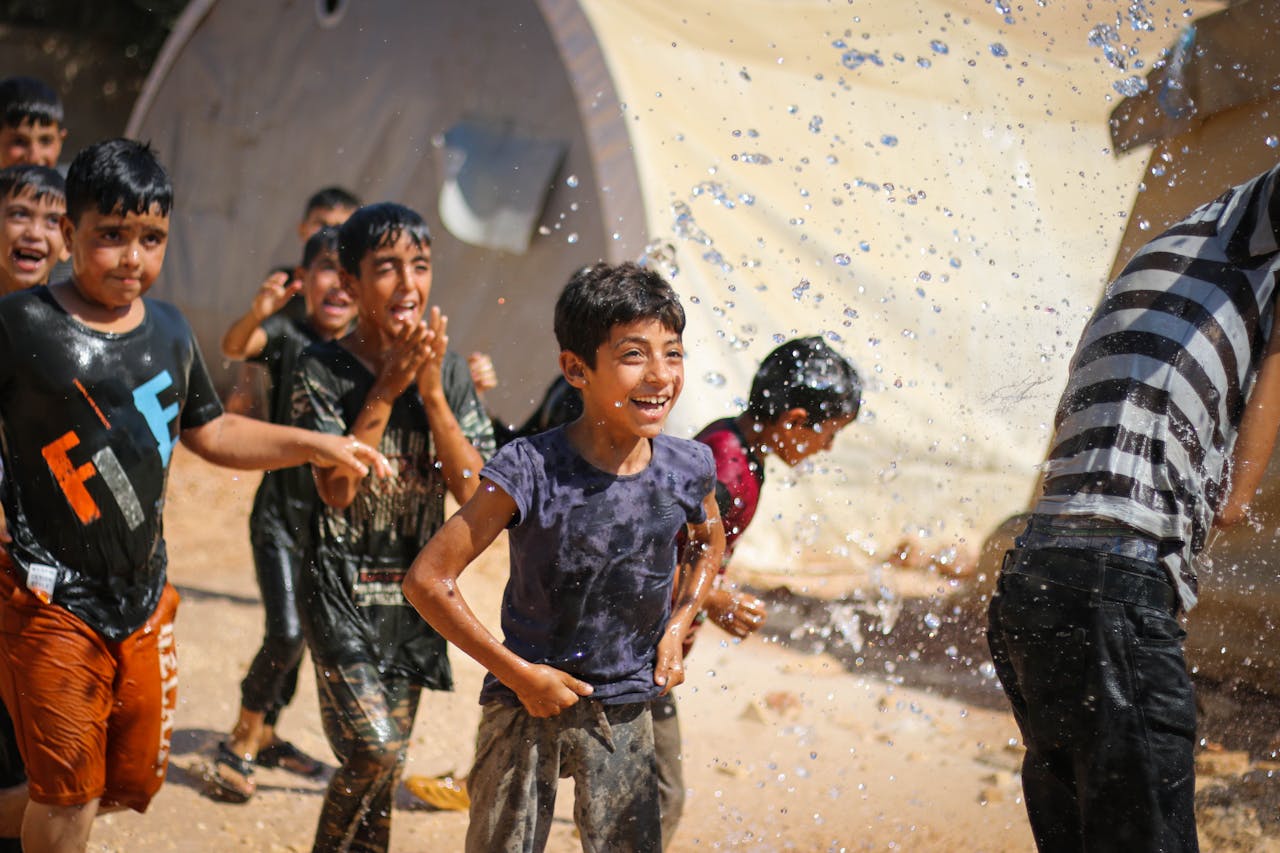 There are diverse ways in which we, as spectators, characterize poverty. However, it is worth asking how those living in abject poverty themselves view their situations. People in different parts of the world are not just passive recipients of their circumstances and our interventions. They have active ways to cope with, speak up about and change their realities, including art and creativity. In Dharavi, Mumbai, India, the rap culture constitutes a unique kind of slum art form, expressing anger, aspiration and ambition all at once.
Dharavi’s Living Conditions
Dharavi is situated in front of Mumbai’s upscale and prosperous central business district, the Bandra-Kurla Complex. However, its material conditions render it nearly unlivable. The cramped quarters of its estimated 1 million residents line its dim, narrow alleyways, some of the most densely populated in the world. Close to 3,000 people share every single toilet here. The open sewers drain into the heavily polluted Mahim Creek adjacent to the slum. This creates fertile grounds for the rampant spread of contagious diseases.
Rap as Dharavi’s Slum Art Form
Hip-hop and rap music come from the streets or “gullies” – starting from The Bronx in New York City in the ’70s, it is the creation of people whose everyday struggles are not reflected in mainstream art forms. And indeed, far away from the romantic balladry and opulent consumerism of nearby Bollywood lies the heart of Dharavi’s music, its slum art form. Every beat brings catharsis and individual expression to its people.
Dharavi is dotted with many such musicians, from individual acts to crews. Such artists have been around for very long – but they were smaller in number, scattered and lacked access to streaming and production platforms. Rap culture truly took off around 2010, when some artists started releasing music albums independently, thanks to YouTube.
It has also created local employment. The acclaimed group SlumGods, for example, quickly expanded from two to 40-50 core members in four years. It also regularly organizes tours of Dharavi that highlight the resilience and entrepreneurial spirit of its people, thus bringing recognition to the community.
The songs, written in peculiar Mumbai slang, potently combine frustration at piercing social realities with hope for a better tomorrow. DIVINE’s 38 million views-strong collaborative track “Mere Gully Mein” (In My Gully) highlights widespread political corruption and hypocrisy. However, it also focuses on Dharavi’s secular attitude and its residents’ generosity and sense of community. Bombay Lokal sings about the “darkness” of deprivation but also the “sunshine” experienced by those who take the risk of “standing beneath the clouds” and fighting for change.
Artists like these two are immensely popular now, performing in metropolitan venues across the country. However, what they still have in common with Dharavi’s smaller up-and-coming acts is a strong attachment to their grassroots identities and willingness to speak up about socioeconomic woes.
Taking the Slum’s Art Form to Its Children
Many nonprofits also encourage skill development and recreation among Dharavi’s children by teaching them the art of rap and breakdance. These safe spaces help them deal with their immediate circumstances and find their voices. Dharavi Rocks is a percussion band operated by the ACORN Foundation, aiming to enhance waste collection and management. Its 20 young members, all drawn from Dharavi, make music out of junk and clutter, earning the appreciation of India’s most well-known production companies. Additionally, the Dharavi Dream Project, established in 2014, offers free after-school hip-hop classes to more than 150 students and has trained more than 1,500 children in total.
– Shiveka Bakshi
Shiveka is based in London, UK and focuses on Good News and Global Health for The Borgen Project.
Photo: Pexels
