• Link to X
  • Link to Facebook
  • Link to Instagram
  • Link to TikTok
  • Link to Youtube
  • About
    • About Us
      • President
      • Board of Directors
      • Board of Advisors
      • Financials
      • Our Methodology
      • Success Tracker
      • Contact
  • Act Now
    • 30 Ways to Help
      • Email Congress
      • Call Congress
      • Volunteer
      • Courses & Certificates
      • Be a Donor
    • Internships
      • In-Office Internships
      • Remote Internships
    • Legislation
      • Politics 101
  • The Blog
  • The Podcast
  • Magazine
  • Donate
  • Click to open the search input field Click to open the search input field Search
  • Menu Menu

Tag Archive for: Poverty in Kenya

Posts

Global Poverty, Hunger, Nonprofit Organizations and NGOs

Food Crisis in Kenya: Challenges and Responses

Food Crisis in Kenya: Challenges and Responses The food crisis in Kenya presents a sustained challenge, impacting not only the lower class but also the entire socioeconomic spectrum of the nation. Drought and failed harvests have exacerbated food insecurity, leaving millions without reliable access to food. Various organizations and nonprofits are responding to the crisis by distributing food and water, supporting farmers in adapting to the changing climate and assisting residents displaced by flooding.

Urban Impact: Food Insecurity in Nairobi

Low-income communities in Nairobi, where 60% of the city’s four million residents live in urban slums, are severely impacted by the nation’s food crisis. The scarcity of available food has driven up prices, exacerbating the difficulty of affording quality food. Migrant households suffer disproportionately, with 65% spending more than a third of their income on food.

Drought Effects in Northern Kenya

The northernmost region of the country, particularly the arid and semi-arid lands (ASAL), faces the most severe impacts of drought, experiencing high food insecurity and diminished food production due to decreased rainfall. These areas typically receive little to no rain, exacerbating the situation. In Kenya’s rural regions, malnutrition is a growing problem, with more than two million people highly food insecure. As of 2021, the Integrated Food Security Phase Classification (IPC) identified more than one million people in crisis and more than 300,000 in extreme conditions.

World Food Programme Initiatives

The World Food Programme (WFP) in Kenya provides food and cash aid, impacting more than half a million beneficiaries through various projects. The WFP has introduced H2Grow, a project that promotes hydroponics to innovate agricultural production among struggling farmers. Additionally, the Cash for Schools project has expanded the impact of school meal programs. By securing more stable markets, the WFP ensures children receive adequate nutrition and supports local farmers effectively.

Action Against Hunger’s Response

Action Against Hunger is addressing the rising malnutrition cases exacerbated by the food crisis in Kenya, particularly around Nairobi and in regions like Isiolo and Marsabit. These areas are experiencing heightened malnutrition due to a prolonged drought affecting food quality and distribution. In 2023, Action Against Hunger supported nearly one million people through programs that treat malnutrition, enhance water access and educate farmers on the adaptations for the changing climate.

Looking Forward

The food crisis in Kenya poses a dire threat to a vast number of people, risking starvation, malnutrition and poverty across the nation. With high food prices and low agricultural output, food insecurity is escalating in impoverished areas and even among middle-class residents of urban centers like Nairobi. In response, Kenya has garnered support from numerous international organizations such as the World Food Programme, Action Against Hunger and Food Banking Kenya. These groups strive to provide the nation with adequate and reliable food sources. Despite increased rainfall in 2023, the crisis still severely affects more than 1.5 million people. Without sustained aid, the conditions in Kenya are likely to deteriorate further.

– Immanuel Wiggins

Immanuel is based in Jackson, MS, USA and focuses on Global Health for The Borgen Project.

Photo: Flickr

July 18, 2024
https://borgenproject.org/wp-content/uploads/borgen-project-logo.svg 0 0 Precious Sheidu https://borgenproject.org/wp-content/uploads/borgen-project-logo.svg Precious Sheidu2024-07-18 01:30:192024-07-17 05:12:41Food Crisis in Kenya: Challenges and Responses
Global Poverty, Technology, Water

Using Technology to Combat Drought in Kenya

How Kenya Uses Technology to Combat DroughtIn Kenya, only 27 weather stations are operational and they are spread over vast distances. This scarcity leaves many farmers without accurate weather forecasts, particularly rainfall, crucial for their agriculture. Farming in Kenya, a region prone to droughts, depends heavily on timing. The absence of reliable rainfall predictions forces farmers to risk planting seeds that may fail if expected rains do not materialize. This ongoing challenge is compounded by the region’s climate, which is not only prone to erratic rainfall and frequent droughts but is also expected to experience worsening conditions over the next decade.

The Impact of Drought in Kenya

Droughts in Kenya pose severe threats to the livelihoods of the poorest populations, who are predominantly smallholder farmers and pastoralists. These groups rely heavily on rainfall for irrigation and extended droughts often deplete alternative water sources like boreholes and rivers. The primary impact of drought is the destruction of agricultural assets. Without adequate water, crops fail prematurely, leaving farmers without food or income from harvests. Additionally, the loss of crops prevents future planting due to the loss of seeds. Livestock farmers face similar challenges, with water scarcity leading to the death of essential forage and, subsequently, their animals. Recent reports have highlighted extreme conditions, with visuals of even camels perishing from dehydration, symbolizing the dire situation in the region.  

Recurring and intensifying droughts in Kenya have left more than 4.35 million residents of arid and semi-arid regions facing severe food shortages and limited access to clean water, leading to widespread malnutrition. These droughts not only pose immediate threats but also perpetuate chronic poverty. A study from the Technical University of Berlin reveals that households impacted by drought often experience deteriorating living conditions and reduced educational spending up to 10 years later. Moreover, early exposure to malnutrition significantly impairs cognitive development in children, affecting their abilities into adolescence and adulthood.

The Bridge Between Bird Songs and Weather Stations

Information Technology and Indigenous Knowledge with Intelligence (ITIKI), is a groundbreaking drought forecasting tool. This system integrates conventional meteorological data, inputs from locally stationed wireless sensors and indigenous weather indicators, processing all this information through artificial intelligence to deliver highly accurate weather forecasts.

ITIKI stands out among forecasting tools because it uniquely incorporates local indigenous knowledge into its predictions. This allows for highly specific, micro-level forecasts that the Kenyan National Meteorological Services cannot provide. Indigenous knowledge includes local signs that correlate with weather patterns, such as specific bird calls or the behavior of dragonflies, which are traditionally recognized as indicators of imminent rainfall. Residents report these signs through communication channels and the ITIKI system processes this data with artificial intelligence. Professor Masinde, a user of ITIKI, recounts, “My sister and I would hear that bird, we’d have to run home because it would rain precisely three hours later. It’s so precise.”

Kenya’s youth often dismiss indigenous knowledge as outdated, viewing it as a primitive forecasting method. Yet, from a data analysis perspective, indigenous knowledge represents a long-standing correlation between natural phenomena and meteorological patterns, as recognized by local observations. Although these traditional indicators may be too general to serve as the sole method for predicting droughts, when integrated with modern forecasting technologies, they significantly enhance accuracy at the local level by contributing specific meteorological insights.

ITIKI Combatting Drought in Kenya

With a remarkable micro-level precision of 500 meters, ITIKI boasts a 98% accuracy rate for forecasts up to 18 months and 70% for those extending to four years. This precision enables smallholder farmers to receive specific rainfall predictions for their villages, enhancing their agricultural planning. Professor Muthoni Masinde explains the practical applications: farmers can save seeds and funds by not planting ahead of anticipated dry spells, investing in drought-resistant crops if only limited rainfall is expected or even relocating if long-term forecasts predict insufficient rainfall.

The 2019 USAID performance report on ITIKI highlighted its impact on agricultural practices, with 74% of users reporting improved crop yields due to the system’s accurate forecasts. Additionally, all interviewed users expressed their endorsement of ITIKI to other farmers. The adoption of drought-resilient crop varieties increased among ITIKI users, who, leveraging precise weather predictions, often planted before anticipated rainfall, enhancing crop survival rates.

ITIKI’s Future

The ITIKI project, currently operational in Kenya, Mozambique and South Africa, assists smallholder farmers in managing drought in Kenya. According to a USAID report, while ITIKI has been beneficial, farmers have shown reluctance to pay for subscriptions themselves. In response, Professor Masinde has pivoted to a business-to-business model, partnering with government institutions keen on enhancing self-sufficiency among these farmers. Furthermore, Professor Masinde plans to broaden ITIKI’s user base across Africa, refine forecast accuracy and incorporate predictions for other environmental threats like locust invasions. This project offers a promising avenue for enhancing drought resilience and addressing poverty in innovative ways.

Looking Ahead

ITIKI’s integration of traditional knowledge with modern technology offers precise weather forecasting, vital for smallholder farmers in managing drought in Kenya. By providing accurate, village-specific rainfall predictions, ITIKI helps farmers make informed decisions, improving crop yields and reducing losses. As the system expands across Africa and incorporates additional environmental threats, it promises to enhance agricultural resilience and combat poverty in the region.

– Siwon Kim

Siwon is based in Boston, MA, USA and focuses on Technology and Solutions for The Borgen Project.

Photo: Flickr
July 9, 2024
https://borgenproject.org/wp-content/uploads/borgen-project-logo.svg 0 0 Precious Sheidu https://borgenproject.org/wp-content/uploads/borgen-project-logo.svg Precious Sheidu2024-07-09 07:30:392024-12-13 18:03:13Using Technology to Combat Drought in Kenya
Global Poverty, Health, NGOs

Health Improvements in Rural Kenya

Health Improvements in Rural KenyaKenya is a country in West Africa that has experienced a significant decline in poverty in recent years. This reduction is due to health improvements in rural Kenya. This has been achieved with the interventions of nongovernmental organizations (NGOs) such as Core Health and Wealth International (CHW). Both organizations run programs that educate and assist pastoral populations.

The Situation

Like many developing nations, Kenya experiences poverty and its consequences on a large scale. To clarify, in 2005, poverty levels in rural parts of the country were around 50%, but in 2016 these levels fell to about 38.8%. It is also important to note that the rates of poverty in rural areas are about 6.5 times that of urban areas.

Kitchen Gardens

One important CHW program is its work in educating rural populations on how to grow and maintain kitchen gardens successfully. The goal of this program is “to promote a healthier organic living to vulnerable communities who have small pieces of land.” To achieve this goal, CHW supplies seedlings and conducts training on how to build and maintain multi-story, keyhole or raised bed gardens.

This method of farming is suitable for those living on small plots of land. It creates a small farm that can grow a variety of crops. Through this program, more than 200 rural citizens have grown enough to feed themselves and then some. The results of this program have led to food security, increased immunity through nutrition and profitable gardens.

Sericulture

Another important program that CHW began in rural Kenya is the introduction of sericulture. Sericulture is the practice of raising silkworms through their development stages in order to eventually harvest, process and weave silk. In this program, silkworms are raised on mulberry trees, which not only provide food for silkworms but also aid in soil conservation.

CHW partnered with the Kenya Agricultural and Livestock Research Organization (KALRO) to educate farmers about “sericulture techniques, crop management and silk processing.” Since sericulture is a sustainable and eco-friendly way of developing in-demand silks and silk blends, it is an excellent mode of economic growth for rural Kenyans. This creates wealth for farmers, weavers, garment producers and more. When wealth is created, it also creates strong health improvements in rural Kenya, as citizens are able to afford nutritious foods, medical treatments and other sanitary necessities.

Vaccinations

In Western Kenya, rabies is spread to both people and livestock, mostly through dogs across rural areas. In such pastoral locations, it is difficult to maintain the refrigeration that vaccines require, so most victims of rabies bites must travel long distances on rough roads to receive necessary treatment. However, in a recent effort to reduce rabies levels, CHW collaborated with Boehringer Ingelheim. Together, they implemented the Making More Health initiative to find an innovative solution to rural Kenya’s rabies problem.

The solution unfolded with the help of  Zipline, the world’s largest delivery system, which used drones to deliver packages full of vaccines and VacciBox, which utilizes solar power to run refrigerators. On the first day of this drone-to-refrigerator delivery, 2,000 dogs were vaccinated across counties in Western Kenya. This is only the beginning of an extensive movement to reduce rabies levels and is an excellent example of the health improvements in rural Kenya that CHW aims to achieve.

A Sustainable Future in Rural Kenya

Thanks to CHW’s tireless efforts, rural citizens in Kenya have seen improvements in agriculture, production and access to vaccines. Additionally, they have received assistance in education, period poverty and sanitation. Organizations like CHW, which address all aspects of rural poverty, are making significant contributions to health improvements in rural Kenya.

– Carlie Duggan

Carlie is based in Newtown, PA, USA. and focuses on Technology and Global Health for The Borgen Project.

Photo: Wikimedia Commons

July 7, 2024
https://borgenproject.org/wp-content/uploads/borgen-project-logo.svg 0 0 Hemant Gupta https://borgenproject.org/wp-content/uploads/borgen-project-logo.svg Hemant Gupta2024-07-07 07:30:372024-07-07 00:33:48Health Improvements in Rural Kenya
Education, Global Poverty, Youth Unemployment

How Edtech Inspires Development in Kenya’s School Systems

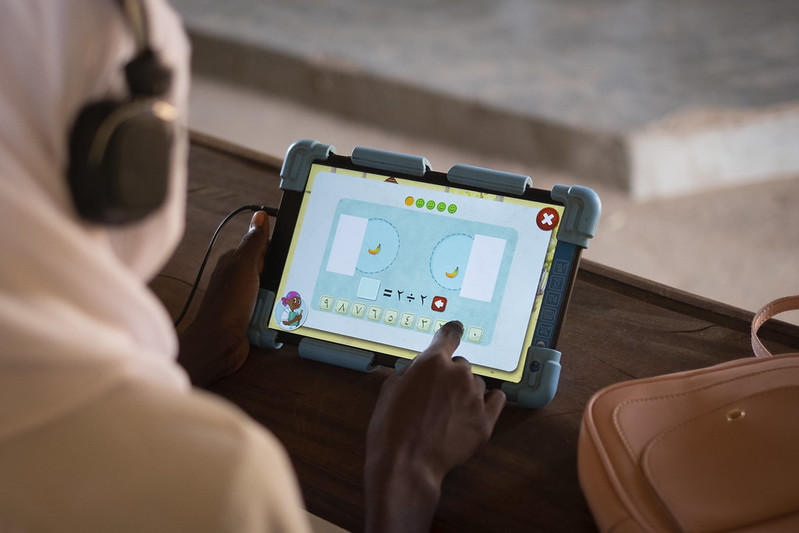
EdtechEducational technology (EdTech) is revolutionizing learning in Kenya, intertwining traditional educational methods with advanced technological tools to enhance classroom experiences. As Kenya navigates through its educational reforms, the integration of EdTech has become a pivotal element in modernizing its educational framework. With a significant focus on foundational literacy and numeracy, these ongoing efforts aim to improve access, alongside ensuring quality and inclusivity in education across the nation.

Role of Edtech in Kenya’s Educational Reforms

Educators in developed and developing countries around the world use Edtech in their educational systems. Kenya’s educational system has experienced a variety of formats of school structures and organizations. Kenya’s recent transition to a competency-based curriculum has revealed improvements in its structure due to the aid of EdTech. Edtech Hub works closely with the Kenya Institute of Curriculum Development (KICD) to inspire and support the growth of education in Kenya. 

Broadening Access Through Innovative Solutions

Edtech provides solutions and programs that increase access to digital devices and internet connectivity. The Kenyan government’s Digital Literacy Programme (DLP) aims to give public school students access to digital technology. This program is a fundamental part of facilitating the development of online learning and how much this bridges the divide between access and knowledge of information for students and teachers. Furthermore, many school districts in Kenya are underway to develop all-day internet access and sturdy electricity. The BRCK Education Kio Kit is a portable digital classroom that comes in a box, containing tablets, a Wi-Fi router and a solar charger, specifically designed for schools lacking reliable electricity or internet access. This innovative kit provides Wi-Fi routers and specially designed batteries to students across Kenya, giving them an equal opportunity to further their education despite the challenging weather and infrastructure conditions of rural Africa.

Enhancing Personalization Through AI

Eneza Education, a part of Edtech, utilizes AI technology to open new avenues of learning for individuals. Eneza Education is currently used in Kenya and provides a bite-sized curriculum to learners from 10 to 18, in Math, Science, English, Social Studies and other national curriculum topics.

AI in educational programs is used as a positive force through Eneza Education, as it allows for the personalization of learning experiences in a way that provides students with various needs and learning styles. Through adaptive learning algorithms, AI can analyze students’ strengths, weaknesses and learning styles to tailor educational content and pacing accordingly. This method of individualized learning in the classroom enables students to grow and learn at their speed, while also enhancing their understanding of the topics the teacher provides. These various AI platforms inspire development in Kenya’s school systems by improving learning and comprehension of topics while allowing students in Kenya to receive feedback on their learning within minutes.

Improving Quality and Collaboration

The quality of tablets and programs installed within digital learning devices has increased in Kenya due to the collaboration with Edtech devices. Edtech tools support inclusive education, including applications such as text-to-speech and screen readers for children, including youth with disabilities. Furthermore, EdTech inspires development in Kenya’s school systems by encompassing a variety of languages, enhancing student learning and accommodating Kenya’s linguistic diversity. Inclusive platforms such as Google Classroom and Microsoft Teams aid in collaboration processes among students and teachers. Microsoft Teams will continue to expand its work to bring last-mile wireless internet access to 20 million people in Kenya and 50 million people across East Africa by the end of 2025.  

The Impact of Edtech on Kenya’s Education

Edtech is inspiring development in Kenya’s school systems by enhancing access, personalization, and quality of learning in the classroom. With the aid of various EdTech programs, students gain greater access to technology and respective educational experiences. Additionally, the use of inclusive digital tools and collaborative platforms such as Google Classroom and Microsoft Teams enriches the learning environment, accommodating diverse needs and fostering teamwork. As Kenya continues to integrate Edtech into its educational system, it is poised to potentially secure a brighter, more equitable future for its students.

– Sophia Mokotoff

Sophia is based in Evanston, IL, USA and focuses on Technology and Solutions for The Borgen Project.

Photo: Flickr
July 3, 2024
https://borgenproject.org/wp-content/uploads/borgen-project-logo.svg 0 0 Precious Sheidu https://borgenproject.org/wp-content/uploads/borgen-project-logo.svg Precious Sheidu2024-07-03 07:30:502024-07-02 05:11:22How Edtech Inspires Development in Kenya’s School Systems
Food Security, Global Poverty, Technology

Kuza Freezer and Its Impact on Kenya’s Fishing Industry

Kuza Freezer and Its Impact on Kenya's Fishing Industry Founded in 2021, Kuza Freezer based in Mombasa, Kenya, aims to boost local fishing industries by providing solar-powered cold storage refrigeration. The fishing industry plays a vital role in the lives of many Kenyans, offering them employment and income as well as contributing toward poverty reduction, minimizing food insecurity and expanding the country’s economy through foreign exports. According to Kenya’s National Bureau of Statistics, agriculture, forestry and fishing contributed approximately 22% to the country’s gross domestic product (GDP) and was the largest employer with more than 20 million workers in 2023, marking a 2% increase. 

Challenges and Innovations in Fish Storage

Proper storage can keep fish fresh for up to three months after catching, but many developing countries lack necessary refrigeration, leading to a much shorter shelf life of just a few hours. This increases the risk of foodborne illnesses such as cholera, diarrhea and typhoid. Despite fish products accounting for approximately 30% of all reported foodborne illnesses, a variety of fish, including tilapia, carp, eel and bass remain popular in Kenyan markets, where locals prefer fresh fish. Fisheries also face significant profit losses due to mass spoilage, often resorting to reprocessing wasted fish as feed rather than selling it.

Technological Advancements and Community Impact

Kuza Freezer provides a sustainable solution with its portable cold boxes that maintain fish at optimal temperatures for up to 30 days. These freezers, lightweight and easy to transport by car or bike, operate on solar energy with battery life lasting up to eight hours. Constructed from recycled plastics sourced from local communities, the cold boxes can reach temperatures as low as -18 degrees Celsius. In Kenya’s fishing industry, these solar-powered units are favored for their affordability and low maintenance, offering a practical alternative to conventional freezers and ice.

Kuza Freezer also markets its emissions-free Kuza Freezer Trike, a combination mobile bicycle cart and freezer, designed for customers requiring enhanced mobility. The company offers training to its customers, along with flexible payment plans and support for repairs to ensure sustainability. Additionally, Kuza Freezer facilitates direct deliveries through its Soka Express App, which conveniently brings fish directly to customers, enhancing the service’s accessibility and efficiency.

Expansion and Broader Applications

Kuza Freezer has achieved significant milestones by delivering more than 350 products, boosting customer incomes by 60%. A study revealed that 99% of fishers reported profit increases with the aid of a cold storage system. Moreover, the benefits of Kuza Freezer’s products extend beyond the fishing industry to encompass dairy, produce and even medical sectors, demonstrating the broad utility and impact of reliable refrigeration solutions.

Looking Ahead

Kuza Freezer’s solar-powered cold storage technology is transforming Kenya’s fishing industry by reducing spoilage and enhancing product quality, which leads to increased incomes for local fishers. The company’s innovative approach to refrigeration has the potential to expand beyond the fishing industry, impacting agriculture and health care by providing reliable cold storage solutions. As Kuza Freezer continues to grow, its technology could play a crucial role in supporting economic development and improving food security in Kenya and beyond.

– Tanita Love

Tanita is based in Chicago. IL, USA and focuses on Technology and Solutions for The Borgen Project.

Photo: Unsplash

June 27, 2024
https://borgenproject.org/wp-content/uploads/borgen-project-logo.svg 0 0 Precious Sheidu https://borgenproject.org/wp-content/uploads/borgen-project-logo.svg Precious Sheidu2024-06-27 07:30:012024-06-25 04:59:19Kuza Freezer and Its Impact on Kenya’s Fishing Industry
Africa, Electricity and Power, Global Poverty

Solar Energy in Rural Kenya: A Pathway Out of Poverty

Solar Energy in Rural KenyaApproximately 71% of Kenya’s population lives in rural areas, where access to electricity is often limited or non-existent. Without electricity, rural communities rely on kerosene lamps for lighting, which are expensive, provide poor-quality light and pose health risks due to indoor air pollution.

Solar energy presents a transformative solution in Kenya. It alleviates poverty by providing reliable electricity, promoting education and enabling various economic activities. Thus, solar energy initiatives in Kenya highlight the potential of renewable energy to drive sustainable development and improve living standards.

Solar Energy Initiatives in Kenya

One innovative approach that has made solar energy accessible to low-income households in Kenya is the pay-as-you-go (PAYG) model. This model allows users to pay for solar systems in small, manageable installments using mobile money platforms. The PAYG model reduces the upfront cost barrier, enabling more families to afford solar energy solutions.

Companies such as M-KOPA Solar are leading the change by providing these affordable solar home systems to rural households. M-KOPA Solar first launched its pay-as-you-go (PAYG) solar system in Kenya in 2010. These systems typically include solar panels, batteries and energy-efficient appliances, offering a sustainable and cost-effective source of electricity.

More than eight million households in Kenya spend a total of $1 billion on kerosene lamps for lighting, bringing the average to approximately $200 on lighting per household each year. With the introduction of M-KOPA’s PAYG solar systems, Kenyans now spend $200 for a one-time payment to receive electricity.

Impact on Education

Access to solar energy also has a profound impact on education in rural Kenya. Solar-powered schools can benefit from improved resources, such as the ability to use computers and the Internet. This access to technology enhances the learning experience and provides students with skills essential for the modern economy. Furthermore, with reliable lighting, students can study after dark, leading to better academic performance.

Economic Empowerment

Reliable electricity from solar energy enables various income-generating activities that were previously impossible or limited. For example, small businesses can extend their operating hours and farmers can use solar-powered irrigation systems to increase agricultural productivity. These opportunities contribute to higher incomes and improved livelihoods.

The solar energy sector itself also creates jobs, ranging from installation and maintenance of solar systems to sales and customer support. For instance, M-KOPA employs more than 1,000 people, the majority of whom are located in Kenya and the rest in Uganda. This contributes to economic growth, thus reducing poverty.

Moving Forward

Solar energy has the potential to significantly reduce rural poverty in Kenya by providing reliable electricity, promoting education and enabling economic activities. Through innovative models and sustained efforts, solar energy initiatives are transforming lives and contributing to sustainable development. Continued investment, supportive policies and community engagement are key to maximizing the impact of solar energy and ensuring a brighter future for rural Kenya.

– Jennifer Lee

Jennifer is based in Toronto, ON, Canada and focuses on Good News for The Borgen Project.

Photo: Pexels

June 24, 2024
https://borgenproject.org/wp-content/uploads/borgen-project-logo.svg 0 0 Hemant Gupta https://borgenproject.org/wp-content/uploads/borgen-project-logo.svg Hemant Gupta2024-06-24 07:30:042024-06-23 13:30:28Solar Energy in Rural Kenya: A Pathway Out of Poverty
Global Health, Global Poverty, Technology

How Paper Technology is Supporting Postural Care in Kenya

How Paper Technology is Supporting Postural Care in KenyaIn Kenya, the joint partnership between APT for Social Development (APT4SD) and The Potters House has been instrumental in providing bespoke postural support devices for people with disabilities. APT4SD secured a grant of £14,232.00 from the Wales and Africa Grant Scheme in 2022-23 to carry out this work. In addition to its activities in Kenya, the charity also conducts workshops in Wales to teach Appropriate Paper Technology (APT) skills for mental health and emotional wellbeing. The training in Kenya focuses on enabling nurses to identify children needing postural care and training artisans to create customized furniture, which also helps fund the project by selling household items.

Understanding Appropriate Paper Technology (APT)

Appropriate Paper Technology (APT) offers an affordable solution by recycling materials like cardboard, paper and nylon tights into sturdy, lightweight support devices. At the Potters House CBO workshop, the construction process involves layering thick cardboard with a flour and water mixture and reinforcing it with used nylon tights. These support devices are then covered with old newspapers or paper bags and decorated. This method not only provides essential support to children in need but also facilitates financial support for their families through employment in device production.

Impact and Outreach of the Project

The project’s impact is significant, with 145 support devices created and 721 children and adults benefiting from the services. The project has established new APT workshops and trained 17 Kenyan therapists in postural care. These ongoing initiatives demonstrate the project’s commitment to providing immediate aid and promoting sustainable development through education and skill-building.

NHS Education for Scotland highlights the importance of postural care in preventing complications in various body parts such as hips, knees, spine and pelvis. Without appropriate care, individuals can suffer from severe physical deformities and health issues, impacting their ability to perform daily functions and reducing their quality of life.

Poverty Alleviation

The importance of postural care in Kenya extends beyond individual health to address broader socioeconomic challenges. According to UNICEF’s 2022 report, more than half of Kenyans face multidimensional poverty, with even higher rates among children with cerebral palsy. The efforts of APT4SD and The Potters House play a vital role in supporting impoverished families, illustrating the critical link between health care interventions and poverty alleviation.

Looking Ahead

The innovative approach of Appropriate Paper Technology (APT) promises to expand its impact, offering sustainable postural support and livelihood opportunities across Kenya. Continued collaboration between local and international partners could be crucial to enhance the scope and reach of these empowering projects. Moreover, by addressing the intertwined challenges of health and poverty, APT4SD and The Potters House are paving the way for a more inclusive and supportive future for individuals with disabilities.

– Rachael Denton-Snape

Rachael is based in High Wycombe, UK and focuses on Technology and Global Health for The Borgen Project.

Photo: Pixabay

June 17, 2024
https://borgenproject.org/wp-content/uploads/borgen-project-logo.svg 0 0 Precious Sheidu https://borgenproject.org/wp-content/uploads/borgen-project-logo.svg Precious Sheidu2024-06-17 07:30:182024-06-17 01:58:38How Paper Technology is Supporting Postural Care in Kenya
Global Poverty, Health, Technology

Portable Ultrasound Machines Are Changing Health Care in Kenya

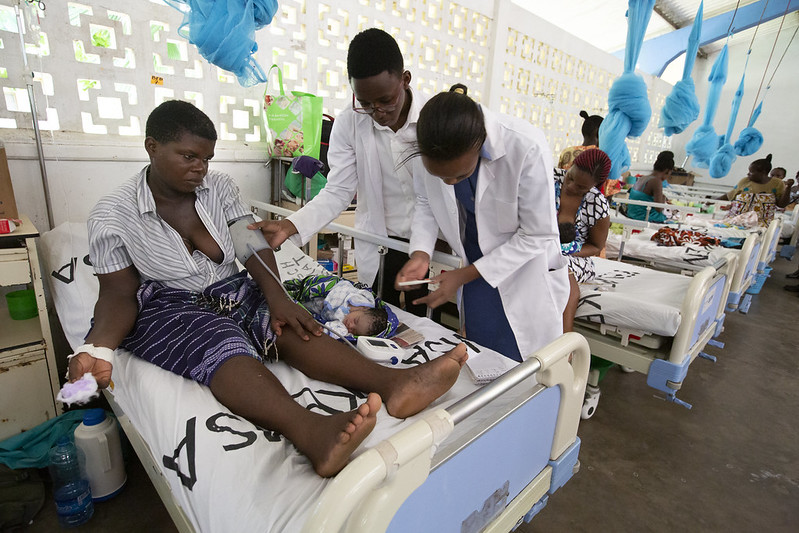
Portable Ultrasound MachinesPortable ultrasound machines in Kenya are improving health care in Kenya, which has long proven to be a challenge for remote areas of the country. Low-income communities are hit especially hard as expecting women must commute to the mainland or more urban areas to receive treatment. This is not always possible for those who cannot afford these travel costs. Thus, many women only return to specialists to deliver their babies, risking health complications since they do not receive ultrasounds or check-ups throughout their pregnancy.

In emergencies, it is also not realistic for women in rural communities to travel several hours to care centers that have the equipment necessary to have them. As a result of the inaccessible costs of Kenya’s maternal health care system, only about 50% of deliveries in Kenya occur in actual medical facilities, which can prove dangerous for mothers and babies.

Portable Ultrasound Technology

Created by the medical equipment company Philips, the Lumify Probe is a portable ultrasound machine that has revolutionized health care in Kenya for pregnant women. Implementation programs begin with training for midwives on how to use the Lumify Probe. Health care centers in remote villages of Kenya then received one of the devices, increasing the reach and accessibility of ultrasound and obstetrics in Kenya.

The device itself has many important applications. Most importantly, it can give midwives and mothers information on the viability of the pregnancy, show the number of fetuses and show the position of the fetus. With this information, midwives can better advise their patients and spot potential complications like breech positions or multiple pregnancies earlier.

Incorporating Artificial Intelligence

With the rise in artificial intelligence (AI) in recent years, efforts have been made to use the new technology for ultrasounds. AI could help simplify the process of obtaining obstetric measures and provide information to midwives and mothers earlier in the pregnancy. A pilot program in Kenya has already shown promise and there is hope of expanding the initiative to more countries in Africa.

The Bill and Melinda Gates Foundation has funded these efforts for several years now, even increasing a grant for Philips to $60 million for its research into AI-powered ultrasound technology.

The Impact of Portable Ultrasound Machines

Portable ultrasound machines will increase access to obstetric care in Kenya and eventually other countries as programs to implement the devices expand. Midwives can travel to their patients’ homes and conduct community visits to reach even more people. Moreover, the new machines are more cost-effective for low-income families who can’t afford to travel to centers in larger cities or the mainland.

Whereas ultrasounds at specialist facilities may cost around Ksh 1,000 or 1,500, portable ones are only around Ksh 500 (this is $10 to $15 versus just $5). While the World Health Organization (WHO) advises that mothers receive “at least one obstetric screen, done before 24 weeks of gestation,” many mothers could not do so before these pilot programs for portable ultrasound machines.

However, since their introduction, more than 2,500 mothers have been screened in Kenya and the number is only increasing. Ultimately, portable ultrasound machines like the Philips Lumify Probe will save countless lives as mothers become more informed about the conditions of their pregnancies and maternal health care in Kenya improves.

– Hannah Hipólito

Hannah is based in Tampa, FL, USA and focuses on Good News and Politics for The Borgen Project.

Photo: Flickr

June 10, 2024
https://borgenproject.org/wp-content/uploads/borgen-project-logo.svg 0 0 Hemant Gupta https://borgenproject.org/wp-content/uploads/borgen-project-logo.svg Hemant Gupta2024-06-10 07:30:412024-06-09 09:25:58Portable Ultrasound Machines Are Changing Health Care in Kenya
Global Poverty, Nonprofit Organizations and NGOs

The Slums of Kibera

The Slums of KiberaKibera, located in Nairobi, Kenya, is one of the most prominent examples of the growing global housing crisis. This crisis is marked by a severe lack of infrastructure that impedes access to essential services like clean water and sanitation, perpetuating a cycle of poverty. According to Habitat for Humanity, at the moment, by the most conservative estimates, about 900 million people live in slums. Slums, by definition, are informal forms of settlement, leaving families to endure crucial living conditions to survive. Housing security is critical in mitigating poverty’s harsh effects, particularly in the sprawling slums of Kibera.

The Rise of Slums and the Impact

By 2030, projections suggest that one in four people worldwide will reside in slums, highlighting the extensive growth of such areas including Khayelitsha in Cape Town, South Africa and Dharavi in Mumbai, India. Kibera in Nairobi, Kenya, stands as the largest, housing 700,000 individuals according to Habitat for Humanity. The slum structures often lack adequate infrastructure, hindering equitable access to clean water, proper sanitation and hygiene. The resulting overcrowding and high-density conditions in these environments foster the rapid spread of airborne diseases caused by poor sanitation, severely impacting residents’ health.

The Kenyan government currently lacks a comprehensive plan to assist the slum dwellers in Kibera. Typically, the government sells this land to landlords, profiting at the expense of the residents. Historically, the government has failed to recognize these settlements officially and has even withheld funding for essential services. Consequently, charities and various nonprofit organizations bear the primary responsibility for addressing these ongoing issues.

Characteristics of Slums

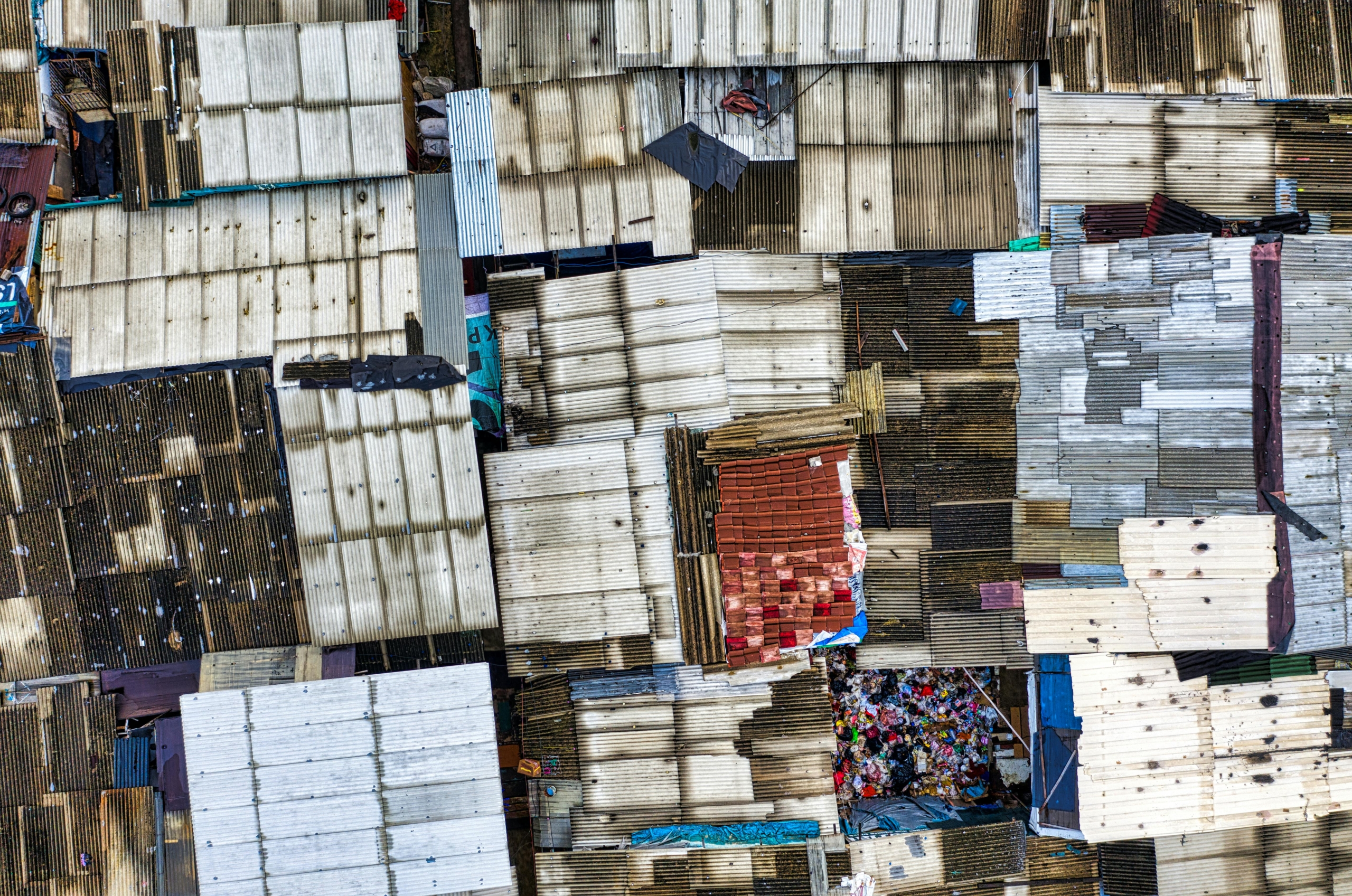
Slums are settlements where housing fails to meet health, safety or building regulations. These areas feature homes that are unsafe and unhealthy, often lacking windows and constructed with dirt floors and materials unsuitable for sturdy walls or roofs. A critical issue within these slums is overcrowding, with families packed into cramped spaces. Residents in these areas endure life with limited access to essential services such as water, plumbing and electricity. Furthermore, issues with property rights persist, as slum dwellers typically have little to no control over the land they inhabit. 

Shining Hope for Communities

Shining Hope for Communities (SHOFCO) is a nonprofit organization based in Kibera that delivers transformative services to urban slum residents. These services include educational leadership, community advocacy and health and wellness. SHOFCO coordinates water, sanitation and hygiene education by uniting community health workers to spread safe wellness practices. The program ensures accessible and affordable sanitation and clean water. In 2016, SHOFCO introduced an aerial piping system that significantly increased clean water distribution in Kibera. This system now includes about 41 clean water kiosks that serve 37,541 users, providing them with an average of 200,000 liters of clean water daily.

Looking Ahead

Government infrastructure could play a critical role in addressing the housing crisis, especially in areas like the slums of Kibera. Supporting organizational ground-level efforts to provide more stable housing infrastructure is vital during government shortfalls. U.N. Habitat asserts that everyone has a fundamental human right to housing, ensuring access to a safe, secure, habitable and affordable home. This provision transcends mere shelter, enhancing economic and social opportunities for improved living conditions and a brighter future in regions such as Kibera.

– Dominic Samaniego

Dominic is based in Fullerton, CA, USA and focuses on Technology and Global Health for The Borgen Project.

Photo: Flickr

June 3, 2024
https://borgenproject.org/wp-content/uploads/borgen-project-logo.svg 0 0 Precious Sheidu https://borgenproject.org/wp-content/uploads/borgen-project-logo.svg Precious Sheidu2024-06-03 07:30:272024-06-01 13:44:12The Slums of Kibera
Developing Countries, Global Poverty, Nonprofit Organizations and NGOs

Practical Action Addresses Youth Unemployment in Kenya

Practical Action Addresses Youth Unemployment in KenyaPractical Action, a development charity, works alongside communities to develop sustainable solutions to tackle youth poverty. It revolutionizes agricultural solutions, job opportunities and water management through teaching, training and supporting communities. Its volunteers work across Bangladesh, Kenya, Peru, Nepal, Sri Lanka, Sudan and Zimbabwe. The organization is tackling youth unemployment in Kenya through its ongoing project, Resilient Agriculture that Works for Young People (RAY). Launched in November 2022, the project aims to meet its key goals by October 2027.

RAY: A Beacon of Hope for Kenyan Youth

Centered in West Kenya, the RAY project seeks to provide young individuals with training in regenerative agriculture and business management, empowering them to pursue job opportunities. It aims to reduce the high rate of youth unemployment in Kenya. While the expansion of agricultural opportunities has great potential for creating dignified jobs and income, young people in the country face significant challenges due to limited access to land and the skills necessary for succeeding in agribusiness.

Practical Action reports that four out of 10 young Kenyans are unemployed. Of this, women comprise six out of every 10 unemployed youth. To fight this, Practical Action’s RAY project has partnered with the Mastercard Foundation to offer unemployed Kenyan youth employment opportunities. In addition, this partnership provides access to critical resources such as finance, land and markets, aiming to enhance job prospects and reduce poverty.

Collaborative Efforts

In its earlier project in Kenya, Transforming Rural Economies and Youth Livelihoods (TREYL) from 2019 to 2022, Practical Action helped 6,000 young people, 46% of whom were women, to enter agribusiness. Its main goal is to transform agriculture in Western Kenya into an appealing and sustainable source of employment for the youth. Practical Action seeks to offer unemployed Kenyan youth a new perspective on rural economics. It tackling the obstacles they encounter in accessing job opportunities. Beyond equipping young people with essential skills to boost their employment prospects, Practical Action is working to forge strong partnerships with county governments.

The ongoing collaborations aim to enhance opportunities and connections between employed youth and their suppliers. Furthermore, Practical Action’s partner, the Mastercard Foundation, offers vital networking opportunities for young people in Africa, to overcome socio-economic challenges. Since its launch in 2012, the Mastercard Foundation Scholars Program has helped more than 45,000 young Africans gain access to education.

Reducing Poverty Through Agribusiness

Practical Action employs several key strategies to achieve its goal. The strategies are as follows:

  • Providing Mentorship to young entrepreneurs. A central aspect of the project is providing youth with transferable skills and knowledge. This is achieved through peer-to-peer learning to enhance their understanding of the agricultural business.
  • Planet-Friendly Methods. Practical Action’s eco-friendly methods give Kenyan youth a forward-thinking understanding of environmentally friendly practices that enhance productivity. This new knowledge not only helps in restoring degraded land but also shapes the youth into valuable, conscientious employees.
  • Youth Savings and Loans Associations (YSLA). The project aims to teach youth the importance of personal finance as a means to reduce youth unemployment in Kenya. It believes providing young people with access to affordable capital equips them with the essential knowledge to break the cycle of poverty.
  • Gender Transformative Actions. A major initiative of the project is changing gender attitudes to empower female youth. It enables them to seize opportunities in agribusiness and achieve employment equality.

Focused and Positive Future

Practical Action’s 2023 Annual Report states that by 2025, the charity aims to positively impact 20 million people by reducing poverty through various employability projects. In Kenya, the project involves current farmers as mentors. These mentors work to guide young people toward finding career paths in the agricultural sector. The objective is for trained youths to become the next generation of mentors, contributing to the reduction of youth unemployment in Kenya.

– Kasia Flisiuk

Kasia is based in London, UK and focuses on Good News for The Borgen Project.

Photo: Flickr

April 15, 2024
https://borgenproject.org/wp-content/uploads/borgen-project-logo.svg 0 0 Precious Sheidu https://borgenproject.org/wp-content/uploads/borgen-project-logo.svg Precious Sheidu2024-04-15 01:30:192024-04-15 01:16:14Practical Action Addresses Youth Unemployment in Kenya
Page 9 of 12«‹7891011›»

Get Smarter

  • Global Poverty 101
  • Global Poverty… The Good News
  • Global Poverty & U.S. Jobs
  • Global Poverty and National Security
  • Innovative Solutions to Poverty
  • Global Poverty & Aid FAQ’s
Search Search

Take Action

  • Call Congress
  • Email Congress
  • Donate
  • 30 Ways to Help
  • Volunteer Ops
  • Internships
  • Courses & Certificates
  • The Podcast
Borgen Project

“The Borgen Project is an incredible nonprofit organization that is addressing poverty and hunger and working towards ending them.”

-The Huffington Post

Inside The Borgen Project

  • Contact
  • About
  • Financials
  • President
  • Board of Directors
  • Board of Advisors

International Links

  • UK Email Parliament
  • UK Donate
  • Canada Email Parliament

Get Smarter

  • Global Poverty 101
  • Global Poverty… The Good News
  • Global Poverty & U.S. Jobs
  • Global Poverty and National Security
  • Innovative Solutions to Poverty
  • Global Poverty & Aid FAQ’s

Ways to Help

  • Call Congress
  • Email Congress
  • Donate
  • 30 Ways to Help
  • Volunteer Ops
  • Internships
  • Courses & Certificates
  • The Podcast
Scroll to top Scroll to top Scroll to top