Maasai Poverty and the Path to Prosperity
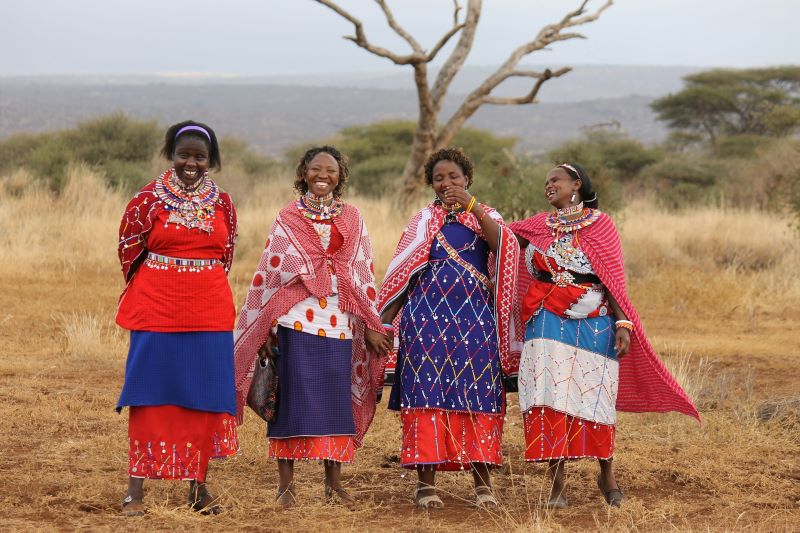 The Maasai Tribe are semi-nomadic people who originally hail from South Sudan but have settled in Kenya and Tanzania in modern times. The tribe have strict customs regarding diet and food, which all center around their relationship with their cattle. To the Maasai people, the cattle they herd form the economy they operate, often depending on them to fulfill all their needs, from currency to trade with, to key ingredients in their diet. However, with an increase in land disputes, the courts often evicted the Maasai people from the land they used. High levels of food insecurity and poverty also affect Maasai people (especially women and children), due to its customs and traditions where men make “all the major decisions around food.” Restricted land use and the ban on growing crops further exacerbate this issue.
Multi-Dimensional Poverty
Multi-dimensional poverty is a serious issue within Africa, with 317 million children being multidimensionally poor in sub-Saharan Africa. This is especially evident in rural areas, where vulnerable groups like women and children do not have access to education, clean water or food. The Maasai people are no exception to these statistics, with cultural ideals stating that the males of the group should get the more nutritious food, leaving the women and children dealing with malnutrition as a result of the food insecurity, according to The Conversation.
This is just one aspect of poverty the Maasai people deal with, with 20% of people having access to safe water in Narok County (where the Maasai reserves are based). This rural area also needs clean sanitation levels with only 35% of people having access to clean sanitation.
These risks to the traditional way of life have forced the Maasai to turn to different ways to feed themselves. One instance following a drought earlier this year forced the tribe to begin fish farming as a way to feed themselves, a divergence considering the typical diet of a Maasai revolves mainly around cattle and the odd goat during hard periods. To help accustom the Maasai local governments, like Kajiado have gifted pond liners, fish fingerlings and food to help them become self-sufficient.
Maasai Poverty and Tourism
However, this is not the only new practice the Maasai have undertaken, with the tribe working with tourism groups as a way to increase its economy. This transition to modern currency, whilst diverging from their cultural practices, allows the tribe to increase its resources. Companies like Wayfairer have discussed how they operate on a level that helps Maasai poverty rates rather than exploit them. Wayfairer ensures that any money generated from the tourists goes directly to local development initiatives helping to support the Indigenous people.
The Maasai poverty rate threatens their traditional way of life, a threat commonly seen among Indigenous groups, another example is the San people. They are the oldest inhabitants of South Africa and are known for their connection and use of the land they inhabit, however, most of the San people live below the poverty line due to aspects of Indigenous poverty the Maasai also deal with, such issues as low resources, land disputes and social and cultural shifts.
Thankfully the Maasai people and the tourism surrounding them often has ethical options, for instance, companies reminding groups to treat them with respect, using Maasai guides and asking these guides what donation they recommend.
Organizations Helping Maasai People
There are also specific organizations to help support the Maasai, like the Maasai Wilderness Conservation Trust, which works to ensure the land protection of the Maasai, subsequently helping protect the animals and ecosystem that it supports. Not only does this help the planet and diversity of species in Kenya, but also the Maasai people who live off the land.
RedTribe helps tackle Maasai poverty and helps people adjust to modern life. The organization focuses on raising money for the community by selling traditional beadwork that women make, helping ensure access to clean water, and the Maasai clinic, which helps the 12,000 people in the community to stay healthy with treatments like vaccines and dental care. Whilst this company helps the Maasai integrate into contemporary life it is run by those from the tribe ensuring that the values and beliefs that were considered vital to the Maasai way of life are still honored, working for sustainability through empowering locals rather than aid.
This prioritizing of the tribe’s needs and values allows the tourists to support the Maasai in a way that doesn’t further threaten their cultural practices, helping the poverty rates as well as educating those who visit them.
– Caitlin Mulholland
Caitlin is based in Lymington, UK and focuses on Technology and Global Health for The Borgen Project.
Photo: Unsplash
