• Link to X
  • Link to Facebook
  • Link to Instagram
  • Link to TikTok
  • Link to Youtube
  • About
    • About Us
      • President
      • Board of Directors
      • Board of Advisors
      • Financials
      • Our Methodology
      • Success Tracker
      • Contact
  • Act Now
    • 30 Ways to Help
      • Email Congress
      • Call Congress
      • Volunteer
      • Courses & Certificates
      • Be a Donor
    • Internships
      • In-Office Internships
      • Remote Internships
    • Legislation
      • Politics 101
  • The Blog
  • The Podcast
  • Magazine
  • Donate
  • Click to open the search input field Click to open the search input field Search
  • Menu Menu

Tag Archive for: Poverty in Kenya

Posts

Gender Equality, Gender Wage Inequality, Global Poverty

DreamSave: Women in Kenya Combat Poverty

DreamSave: Women in Kenya Combat PovertyAccess to financial resources remains a major challenge for women in Kenya, limiting economic growth and business expansion opportunities. The gap in financial exclusion between men and women in Kenya has narrowed over the years. In 2024, financial exclusion was higher in women at 10% than in men at 9.8%. Women own nearly 48% of micro, small and medium-sized enterprises (MSMEs) in Kenya, yet they receive only 9% of available credit from financial institutions. With more than 80% of Kenyans working in the informal sector, the lack of banking access contributes to economic instability and deepens poverty.

Barriers to Financial Access

Small and medium-sized businesses in Kenya face significant obstacles in obtaining credit from financial institutions. Many lack sufficient assets to provide as collateral, making commercial bank loans difficult to secure. As a result, business owners often turn to friends and relatives for financial support, which is rarely enough to sustain long-term growth. Without proper funding, enterprises are forced to rely on lower-cost and often inefficient technologies, limiting their potential for success.

How DreamSave Works

DreamSave, an innovative mobile app, is transforming how savings groups operate by digitizing financial management. The platform enables users to track savings, manage loans, build credit histories and set financial goals without requiring access to traditional banking services. By providing a reliable and structured approach to saving, the app is helping women gain financial independence and break the cycle of poverty. In addition, the platform simplifies financial management for savings groups in underbanked areas. The app helps users record financial data, conduct meetings and track credit histories, ensuring accountability and transparency. By automating these processes, DreamSave allows members to focus on growing their businesses and achieving their savings goals.

Key Features of DreamSave

DreamSave is designed to overcome common financial barriers in developing countries. Its offline capability ensures that users in remote areas with limited internet access can continue managing their finances without interruptions. Data automatically syncs to the cloud whenever a connection becomes available, maintaining continuity in record-keeping. The app also offers enhanced traceability and compliance by keeping detailed logs of all transactions, allowing users to track their financial activities with full transparency.

Recognizing the high cost of mobile data in its target markets, DreamSave has optimized its platform to minimize data consumption, reducing costs by up to 60% compared to previous versions. Faster data synchronization ensures that users with limited internet access can efficiently update their records, even during brief online sessions. Additionally, DreamSave’s near-real-time data processing allows savings groups to instantly access updated financial insights. To ensure continuity, the app is backward compatible, meaning users can seamlessly transfer their existing data when upgrading to newer versions.

Global Recognition and Impact

DreamSave’s innovative approach has earned it multiple awards. It was recognized as the Best Finance App and Best Developing World Technology at the Fast Company 2023 World Changing Ideas Competition. The app also won the Best Digital Banking Technology Award at the 2023 Worldwide Finance Awards and the Most Empowering Digital Banking Technology Award at the 2022 Worldwide Finance Awards.

Looking Ahead

DreamSave continues to expand its reach, enabling more women in Kenya and beyond to access secure financial services. By bridging the gap in financial inclusion, the app is empowering women to achieve economic independence and contribute to long-term poverty reduction.

– Taylor Naquin

Taylor is based in Gilbert, AZ, USA and focuses on Technology and Global Health for The Borgen Project.

Photo: Flickr

March 11, 2025
https://borgenproject.org/wp-content/uploads/borgen-project-logo.svg 0 0 Precious Sheidu https://borgenproject.org/wp-content/uploads/borgen-project-logo.svg Precious Sheidu2025-03-11 07:30:512025-03-11 01:32:19DreamSave: Women in Kenya Combat Poverty
Charity, Children, Global Poverty

How Footprints Family Is Transforming Lives in Shimba Hills

Footprints FamilyIn Shimba Hills, Kenya, many challenges keep families from meeting basic needs. With a population of more than 866,000, Kwale County is Kenya’s 27 most populated counties. Kwale is also one of Kenya’s most impoverished and marginalized counties.

Primarily, the youth of Shimba Hills face a lack of quality schools, limited access to health care and essential medications, poor infrastructure and inhumane living conditions. The primary catalyst of these issues is the lack of government support. Both at the local and national level, there is little to no federal interference to resolve these life-threatening matters.

Poverty in Kenya

The overall poverty rate of Kenya in 2022 was 39.8%, according to the Kenya National Bureau of Statistics. In Kwale County, the child poverty headcount rate is 51.1%, with almost 1,000 children below the poverty line.

Rural areas are also hit at an unequal rate compared to urban areas, forcing them into a more difficult cycle of poverty. In 2022, the hardcore poverty rate in rural Kenya was 9.3%, affecting around 3.2 million people. Along with being hit at an unfair rate, rural areas such as Shimba Hills also show weaker recovery from poverty rates yearly, especially post-COVID-19.

Footprints Family

In 2007, Kerry Watson visited East Africa. Her trip turned from simply volunteering to a widespread child poverty activism project in Kwale County. That same year, Watson bought land and created the U.K.-based charity Footprints Family. After opening its doors in 2010, Footprints Family has profoundly helped more than 200 people in the Shimba Hills community.

After nearly two decades, Footprints Family has achieved numerous milestones in supporting Kwale’s most vulnerable children. Hundreds have benefited from free education programs, secure on-site accommodations during school terms and improved access to education through dedicated transportation services.

Along with nurturing relationships among families facing unfortunate situations, Footprints Family offers three programs to target specific problems at home.

Mama Kerry’s Home-Based Care

Introduced in 2019, Mama Kerry’s Home-Based Care program offers essential support tailored to the unique dynamics of children’s families. In partnership with the Children’s Welfare Society of Kenya, the program conducts assessments and provides financial assistance and food packages to those in need. As a result, most children are successfully reintegrated into kinship care, with regular follow-up visits ensuring continued support.

The Mkwakwani Stepping Stone Youth Program

The Mkwakwani Steppingstone Youth Program supports children in their transition to adulthood, equipping them for a brighter future. Upon completing formal education, participants receive continued assistance through counseling, educational programs, cyberlearning centers and more.

The Early Years Academy

In 2021, the nonprofit introduced Early Years Academy to address education and learning poverty by creating a school accessible to children ages 4-11. The staff consists of trained educators and transportation is provided to and from schools in surrounding villages. The extensive grounds allow each child to learn hands-on and make the most of the nature surrounding them.

Conclusion

Footprints Family remains a lifeline for vulnerable children in Shimba Hills, filling the gaps left by inadequate government support. Through education, family reintegration and youth empowerment programs, the organization transforms lives and creates lasting change. With continued support and donations, Footprints Family can expand its impact and provide a brighter future for the children of Kwale County.

– Rachael Wexler

Rachael is based in Chicago IL, USA and focuses on Good News and Global Health for The Borgen Project.

Photo: Pexels

March 7, 2025
https://borgenproject.org/wp-content/uploads/borgen-project-logo.svg 0 0 Hemant Gupta https://borgenproject.org/wp-content/uploads/borgen-project-logo.svg Hemant Gupta2025-03-07 07:30:332025-03-07 01:40:28How Footprints Family Is Transforming Lives in Shimba Hills
Global Poverty, Health, Technology

How Starlink Is Revolutionizing Access to Health Care in Kenya

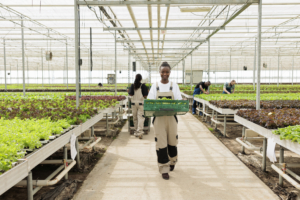
Health Care in KenyaIn Kenya, internet connectivity is a privilege enjoyed by people who live in urban areas. In contrast, millions in rural areas remain in the digital dark. Starlink, a satellite internet provider known for delivering fast and reliable internet in remote and rural areas, launched in Kenya in July 2023. Marketed as a solution for regions with poor or no internet connectivity, Starlink in Kenya experienced a huge demand, leading to a network capacity overload.

Approximately 70% of Kenya’s population resides in rural areas, which are underserved and often face challenges accessing essential services due to poor infrastructure. Starlink is bridging the digital divide in Kenya by revolutionizing access to health care in rural areas. From telemedicine to real-time data management, here’s how this innovative technology is revolutionizing access to health care.

The Link Between Health Care and Poverty

According to the World Health Organization (WHO), health is a fundamental human right. Yet, our financial capacity often limits access to health care, including the choice to get medical care or where to get it. In low-income countries, these options compel individuals to pay for medical care out of pocket, forcing families to forego their well-being. Consequently, the burden of medical expenses and loss of income pushes families deeper into poverty.

Investing in effective health systems and universal health care can ensure that all persons, particularly the most vulnerable, can access health care without experiencing financial constraints.

Health Care in Kenya

Kenya has made notable progress in upholding this right by implementing a system designed to address systemic issues. The country has improved access to health care, increased the number of medical personnel and supplies, digitized health services and promoted national insurance uptake. However, challenges like delays, inefficiency and unreliability persist in the new health care model.

Starlink’s Revolutionary Role in Murang’a

Amid these challenges, in the central region of Murang’a county, Starlink is revolutionizing health care delivery. Nestled in scenic hills, it is a significant tourism attraction but a logistical nightmare due to the challenge of building infrastructure to deliver essential services like communication and health. Murang’a County has no level 5 health facility and 297 level 2 facilities, including clinics and dispensaries that serve villages and smaller towns. In contrast, internet access is limited to 12.7% of the population and 57.4% own mobile phones.

Challenges Solved

The health care sector struggled with delays in disease detection, financial mismanagement, long queues and drug shortages due to reliance on manual systems. However, Starlink’s presence in Kenya has significantly enhanced the digitization of medical records. Murang’a County Governor has hailed the integration of Starlink internet in rural health facilities as lifesaving. Starlink has allowed Murang’a County to roll out a telemedicine program decongesting level 4 and 5 hospitals. This has reduced patient travel expenses, ensuring everyone can get medical assistance from the nearest dispensary.

Starlink provided a viable solution with high-speed, low-latency internet in underserved areas, where most health centers and dispensaries are located—unlike other internet service providers in Kenya that depend on fiber optic cables. The digitizing of medical records and automation of appointments has improved service efficiency. Doctors can make accurate time decisions on patient care through telemedicine. At the same time, the county can monitor and generate real-time patient data. This has enhanced accountability and reduced theft of medical supplies.

Final Note

By providing affordable, high-speed and reliable internet, Starlink is making remarkable strides in digitizing and modernizing health care in Kenya. This aligns with the four core components of the right to health: availability, acceptability, accessibility and quality. As health care outcomes in Murang’a County continue to improve, the success of Starlink offers a model that could be replicated beyond Murang’a County. Indeed, it could potentially transform health care access across the country.

– Grace Ruria

Grace is based in Nairobi, Kenya and focuses on Technology and Solutions for The Borgen Project.

Photo: Flickr
March 2, 2025
https://borgenproject.org/wp-content/uploads/borgen-project-logo.svg 0 0 Hemant Gupta https://borgenproject.org/wp-content/uploads/borgen-project-logo.svg Hemant Gupta2025-03-02 07:30:432025-03-02 01:00:43How Starlink Is Revolutionizing Access to Health Care in Kenya
Gender Equality, Gender Wage Inequality, Global Poverty

Female Employment in Kenya: Boda Girls

Female Employment in Kenya“Boda-boda” driving, a form of motorcycle taxi service, has been a prominent industry in East Africa since the 1970s when drivers transported people across the Uganda-Kenya border on bicycles. In recent years, however, the industry has become a subject of intense public scrutiny, as several accidents and assaults have been increasingly connected to boda-boda drivers. Robbery, violence, drug trafficking and even murder claims have been connected with drivers, leading to protests and calls for regulation of the boda taxi industry. The public benefits boda-boda driving brings, including employment for thousands of young men and cheap transportation, especially to hospitals or voting booths, further complicate this issue.

Women and Boda-boda

Women have been excluded from the boda-boda industry since its invention, despite Kenya’s large strides towards gender equality over the past 50 years. Before 2022, there were few, if any, female boda drivers and women were subjected to numerous incidents of assault as passengers. Regardless of legal equality in the workforce, many barriers to entry still exist for female employment in Kenya. According to U.N. Women Africa, most women in Kenya work in the informal (home and agricultural labor) sector. At the same time, men receive higher wages and have more opportunities to participate in the formal economy than women.

Employment opportunities in Siaya County, the home of the Matibabu Foundation Hospital, are largely agricultural. This is especially true for women, who constitute anywhere from 30% to 80% of the agricultural labor force across sub-Saharan Africa and whose labor pays about one-tenth of what male boda drivers typically make in a year. Transportation is a major issue, as most women cannot afford the typical boda taxi fee to reach the hospital for health care services.

Boda Girls

Boda Girls, a cohort of Kenyan women who have trained to become boda drivers, offers a solution. As the first female driver entrepreneurship program, Boda Girls offers employment opportunities to women in addition to safe, free transportation and home care. Launched by the Matibabu Foundation Hospital and the Tiba Foundation in April 2022, the cohort has employed more than 50 female drivers, identifiable by their bright pink shirts and purple leather motorcycle seats.

In addition to training in road safety, Boda Girls learn self-defense to protect themselves and others in the case of unwarranted conduct, which they share with female students of nearby schools, according to The New York Times. Motorcycle upkeep and mechanical skills are also a part of the six-week training program.

Maternity Care

Boda Girls originated from the gap in female accessibility to hospitals, particularly for maternity care. Drivers provide free, safe transportation for women’s check-ups, even bringing portable ultrasounds in the case of complications. In the two years since its launch, the organization has now provided more than 6,000 free rides to hospitals for prenatal, family planning, and cancer screening services. Due to their services, Siaya County has experienced a 67% increase in hospital deliveries, a 100% increase in maternal clinics, and a 300% increase in cancer screenings, according to the Tiba Foundation.

After birth, Boda Girls also make home visits to follow up on postpartum care, planting a kitchen garden and avocado tree for future nutrition and profit opportunities for families.

School Girls

Boda Girls adopts schools to promote menstrual and sexual education for female students, as well as to distribute free sustainable menstrual kits. It also runs entrepreneurial clubs where girls can learn the fundamentals of business, and they promote high school graduation. In two years, Boda Girls has visited 84 schools and provided menstrual education and kits to more than 3,700 girls, according to its website.

Female Employment in Kenya

Female employment in Kenya is a cornerstone of the Boda Girls mission; they focus on widowers in particular, who often suffer from the loss of financial support. By facilitating entrepreneurship classes and group stress counseling, Boda Girls assists in dealing with grief in families and sponsoring female financial ventures. They also engage in micro-lending practices to boost entrepreneurship in Siaya County and have played a role in helping 118 women develop profitable small businesses and mentor others to do the same, according to The Tiba Foundation.

Boda Girls, launched by the Tiba and Matibabu foundations, has partnered with several other initiatives including the Red Pride Project and USAID’s Western Kenya Sanitation Project. “USAID aims to reach 500,000 women and girls with accurate information on proper menstrual hygiene management and reliable access to sanitary products in Western Kenya by 2027.”

Boda Girls’ ability to reach local schools and communities will play a major part in this goal, as it continues to recruit new driver cohorts and expand its range to a greater area of Siaya County.

Beyond simply providing transportation, Boda Girls works to inspire thousands of women and support female employment in Kenya and will continue to work towards gender inequality and access to essential services.

– Sadie Claps

Sadie is based in Seattle, WA, USA and focuses on Business and Politics for The Borgen Project.

Photo: Flickr
March 2, 2025
https://borgenproject.org/wp-content/uploads/borgen-project-logo.svg 0 0 Naida Jahic https://borgenproject.org/wp-content/uploads/borgen-project-logo.svg Naida Jahic2025-03-02 07:30:142025-03-02 01:10:34Female Employment in Kenya: Boda Girls
Global Poverty, Health, HIV/AIDS

Mobile Clinics in Kenya Bring Health Care to the Masai Village

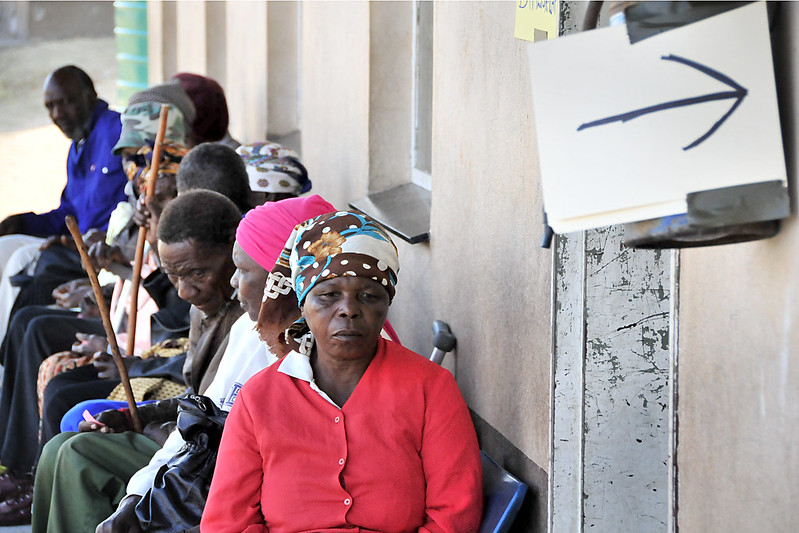
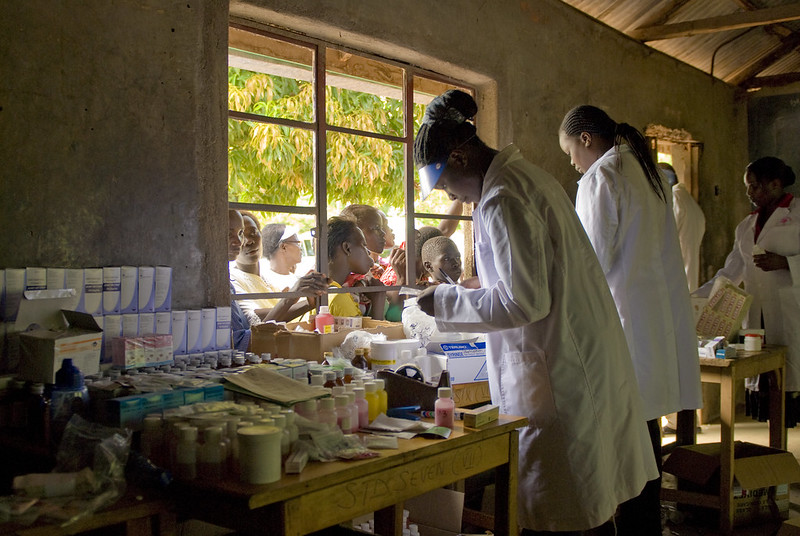
Mobile medical care in kenyaLocated on the east coast of Africa, Kenya is a country of mountains, lakes, savannahs and the Great Rift Valley. With more than 50 million people, Kenya is expected to see a 51% population increase in the next 25 years. Despite this steady growth, the country’s life expectancy remains 66 years—about five years below the global average. HIV/AIDS and tuberculosis are the leading causes of death in Kenya. To curb the spread of these diseases, local governments and organizations have introduced mobile medical care to improve access to health screenings, treatments and health care services.

Targeting HIV/AIDS

A global health issue, the human immunodeficiency virus (HIV) is a virus that attacks the body’s immune system, with acquired immunodeficiency syndrome (AIDS) occurring when the virus advances. More than 40 million people have died of HIV/AIDS globally.

In August 2024, the Military Health and Research Program (MHRP) reported collaborating with local government entities to bring HIV preventative measures and treatment to Masai village in Kenya’s South Rift Valley Region. To bring care to this rural area, the MHRP developed a mobile clinic that could get health care to those who could not access it otherwise.

Utilizing funding from the United States of America’s President’s Emergency Plan for AIDS Relief (PEPFAR), the mobile clinic in Kenya provides patients with HIV testing, preventative education and antiretroviral therapies for those who test positive.

Fighting Tuberculosis

In addition to providing HIV/AIDS treatment, mobile clinics in Kenya also focus on tuberculosis, the leading cause of death among men in the country. This infectious, airborne disease claimed more than one million lives in 2023 alone. Babies, children, malnourished individuals and people with diabetes face a higher risk of contracting tuberculosis. While the disease is both preventable and treatable, many lack access to education about prevention and treatment. Mobile clinics in Kenya are working to bridge this gap and improve health care access.

Before the arrival of the mobile clinic in Masai village, individuals infected with tuberculosis were treated in Tanzania, where there were no closer resources. The MHRP reports that treatment took six months and if an individual died in Tanzania, they were left there. Since the mobile clinic arrived, Masai village had seen no tuberculosis-related deaths for more than a year at the time of the report.

Maurice’s Account

In 2023, the Henry M. Jackson Foundation Medical Research International (HJFMRI) spoke to an individual from Masai village. Maurice, the individual living in the town, acknowledges the benefits of mobile clinics. He explains to HJFMRI that those sent to Tanzania for treatment before the mobile clinics had to walk there on an eight-day trek. Maurice says he and the others from his village are “so happy” and “grateful” for the PEPFAR initiative that allowed the mobile clinics.

Beyond Masai Village

Mobile clinics in Kenya extend well beyond Masai village. CURE, Kenya’s children’s hospital, operates multiple mobile clinics nationwide, bringing health care directly to people where they “work, live and play.” Mobile clinics give health care access to individuals who otherwise have little to none. With funding from PEPFAR and the efforts of MHRP, local governments and other private agencies, mobile clinics bring care to many people in Kenya and work to combat the global health issues of HIV/AIDS and tuberculosis.

– Hannah Pacheco

Hannah is based in Boston, MA, USA and focuses on Good News and Global Health for The Borgen Project.

Photo: Flickr
February 28, 2025
https://borgenproject.org/wp-content/uploads/borgen-project-logo.svg 0 0 Hemant Gupta https://borgenproject.org/wp-content/uploads/borgen-project-logo.svg Hemant Gupta2025-02-28 01:30:412025-02-27 03:14:11Mobile Clinics in Kenya Bring Health Care to the Masai Village
Africa, Employment, Global Poverty

Training Centers and Vocational Education in Kenya

Vocational Education in KenyaVocational education and training centers in Kenya play a vital role in alleviating poverty. They are the backbone the country relies on to move towards becoming a middle-income country. The importance of technical and vocational education and training centers (TVET) is development and economic growth by producing a highly skilled workforce capable of implementing the goals outlined in Vision 2030. Vision 2030 is a strategic plan meant to transform Kenya from a developing country to a middle-income economy by improving the quality of life for everyone.

The Importance of TVET’s in Kenya

For a country like Kenya, economic development is dependent on the growth of the manufacturing industry through production of goods and services that can be imported to generate income. However, for this goal to be realized, technological innovation is important. Therefore, TVET’s come in to address the skills gap by producing a human resource fit for the job market or self employment.

According to The Technical and Vocational Education and Training Authority (TVETA, 2025), Kenya has 12 accredited national polytechnics, 1,232 accredited technical and vocational colleges and 1,086 accredited vocational training centers. Furthermore, vocational education training centers have evolved from providing semi-skilled labor for white settlers to equipping students with skills that meet the needs of the local industries.

Curricula Transformation

Kenya passed the Technical and Vocational Education and Training Act to modernize the TVET sector. The key focus was incorporating information and communication technology to increase access, enhance training capacity, improve delivery methods and support the long-term employability of graduates. Additionally, the act established the Curriculum Development, Assessment and Certification Council (CDACC) tasked with developing the curriculum and assessment standards.

The Outcome

The digitalization of vocational education and training centers in Kenya has benefitted from partnerships with institutions like the World Bank, the German government and organizations like Colleges and Institutes Canada.

With support from the German government, schools like St. Kizito, carried out an assessment of the automotive industry to update their curriculum for automotive courses to ensure the training is aligned with the requirements of the labor market. This partnership led to a revamped curriculum and on job training opportunities for students allowing them to gain practical experience.

Colleges and Institutions Canada conducted research to explore how innovation hubs could address community problems. This initiative has led to various innovations, such as energy-saving stoves and the development of flour using underutilized crops to address food insecurity and nutritional deficiency among vulnerable groups.

Commercialization of innovations has also been a key focus. The TVET curriculum is designed to equip students with skills relevant to the current labor market demands that technological advancement characterizes. To ensure the students are contributing to the manufacturing industries, vocational education and training centers are maximizing their potential for economic growth by commercializing their innovations.

Effect on Economy and Poverty Reduction

Sub-Saharan Africa ranks as one of the regions with the highest school drop out rates of children between the ages of 15 to 17. However, many often see education as a powerful tool in breaking the poverty cycle through empowerment, reducing child labor and providing people with the skills necessary to seek employment. One of the ways to increase access to education is making it affordable and accessible to everyone by promoting non-formal education pathways like vocational training and education.

According to the Kenya National Bureau of Statistics (KNBS) employment in the informal sector grew by 4.5% compared to a 4.2% growth in the formal sector.  

These statistics highlight the impact of TVET in alleviating poverty. Often overlooked as a viable academic option, their ability to transform lives at the community level by providing people with skills that help them to improve their lives is indisputable. Indeed, by focusing on skills such as electrical engineering, agriculture, building and construction they offer local industries with ready skills while meeting the needs of local communities. This also creates a pathway to economic independence through self employment.  Vocational education training centers are a powerful long term investment in the journey of transforming Kenya’s economy.

– Grace Ruria

Grace is based in Nairobi, Kenya and focuses on Technology and Politics for The Borgen Project.

Photo: Flickr

February 17, 2025
https://borgenproject.org/wp-content/uploads/borgen-project-logo.svg 0 0 Jennifer Philipp https://borgenproject.org/wp-content/uploads/borgen-project-logo.svg Jennifer Philipp2025-02-17 07:30:152025-02-16 22:52:08Training Centers and Vocational Education in Kenya
Education, Global Poverty

Bridging Gaps: Education In Kenya

Education Initiatives Bridging Gaps in KenyaKenya has one of the youngest populations in the world, with nearly 40% of its citizens under the age of 15. This youthful demographic presents both opportunities and challenges, particularly in education. While the country boasts an 83% literacy rate, rural and marginalized communities face significant barriers to accessing quality education. However, organizations like Just Be a Child, the Teso Education Fund (TEF) and CHinK are working to bridge this gap, transforming Kenya’s educational landscape through community-driven initiatives.

Just Be a Child: Libraries and Learning Centers

Since its founding in 2013, Just Be a Child (JBAC) has re-homed nearly 500,000 books from the United Kingdom (U.K.), giving more than 2 million children the opportunity to read. The organization has constructed eight shipping container libraries, which serve as community-led learning centers. These libraries, operated by volunteers, provide free access to books and foster peer-to-peer learning through programs like arts and crafts sessions and Yong Writer Competitions. The impact has been transformative. Children using these libraries have shown significant improvements in school performance, better retention rates and an increased likelihood of qualifying for university. JBAC has also empowered more than 300 volunteers, with 10 starting their businesses, demonstrating how education initiatives in Kenya can spark economic development.

CHinK: Holistic Support for Marginalized Children

Founded in 2007, Children in Kenya (CHinK) provides comprehensive support for 206 children at its CHinK Academy. For £20 a month, sponsors help provide children with essentials such as two meals a day, school supplies, uniforms and medical care. The organization also emphasizes extracurricular activities, such as field trips and graduation ceremonies, to create a well-rounded educational experience. This nurturing environment has helped children from extremely poor backgrounds stay in school and achieve academic success, breaking cycles of poverty in their families.

The Teso Education Fund: A Beacon of Hope

The Teso Education Fund (TEF) focuses on empowering underprivileged children in Kenya’s Teso region. By providing scholarships, school supplies and mentorship programs, TEF helps students from low-income families stay in school and access quality education. Beyond financial aid, the fund’s mentorship programs instill confidence and leadership skills, inspiring students to dream big and contribute to their communities. This initiative has a ripple effect, uplifting not just individual students but entire families and fostering long-term development in the region.

A Brighter Future Through Education

These organizations—JBAC, CHinK and the TEF demonstrate how community-driven education initiatives in Kenya can tackle systemic barriers to education. Indeed, by combining accessible resources, mentorship and holistic care, they are not only improving literacy rates but also creating pathways for personal and community development. Kenya’s youth represent a vast reservoir of potential. With continued support from these organizations, young Kenyans can potentially grow into the leaders and innovators their country needs. Expanding access to education is not just an investment in individuals—it’s a step toward a more equitable and prosperous future for Kenya.

– Mmanoko Faith Molobetsi

Mmanoko is based in Pretoria, South Africa and focuses on Good News and Politics for The Borgen Project.

Photo: Flickr

February 10, 2025
https://borgenproject.org/wp-content/uploads/borgen-project-logo.svg 0 0 Precious Sheidu https://borgenproject.org/wp-content/uploads/borgen-project-logo.svg Precious Sheidu2025-02-10 07:30:242025-02-09 22:55:16Bridging Gaps: Education In Kenya
Africa, Global Poverty, Health

AI Innovations Improve Health care in Kenya

Health care in Kenya Kenya is currently experiencing a boom in medical AI innovations. From the minds of hardworking scientists and medical groups, sprouts one solution to a modern health care crisis. Efficient and effective health care in Kenya is limited. The industry is in need of additional medical professionals and general resources.

Additionally, the amount of health care providers in Kenya is extremely disproportionate to its population. According to the World Health Organization (WHO), Kenya employs approximately 2.9 medical doctors per 10,000 residents (compared to 30 or more in most developed countries).

This leads to an especially prominent gap in health care in rural areas of Kenya, where resources are most scarce. In recent years, health providers have utilized AI to analyze output from imaging machines and prescribe possible treatments.

Innovation in Medical Imaging: NeuralSight

Neural Labs Africa, based in Kenya, has developed NeuralSight to aid in medical diagnosis. The team aims to provide earlier diagnoses with their AI program. This technology could decrease the high rate of deaths from preventable diseases in Africa, such as pneumonia and tuberculosis.

These diseases particularly impact populations in rural and low-income areas that experience a lack of access to medical testing and treatment. AI technologies like NeuralSight additionally supplement health workers who are overwhelmed by their number of patients.

More efficient X-rays and MRI analysis will also improve the detection of developmental disorders and medical conditions in children, leading to overall better quality of life in African populations.

NeuralSight has already found success in its clinical trials with shorter wait times for medical results. The organization shared their experience conducting clinical testing in a remote Kenyan village. “This moment solidified the importance and impact of our work. The key lesson was the realization of the vast potential of our tool in regions with limited medical resources,” Neural Labs told UNICEF.

Dr. Fredrick Mutisya’s Solution to Antimicrobial Resistance

In conjunction with medical testing, there is a need for accurate and effective prescriptions. Dr. Fredrick Mutisya is innovating antibiotic prescriptions through AI, which has the potential to reduce increasing antimicrobial resistance.

Dr. Mutisya studied antibiotic resistance by looking at Pfizer’s antibacterial surveillance data (2004-2021). He then developed Antimicro.ai with Dr Rachael Kanguha to assist healthcare providers in Kenya. The program detects possible antibiotic resistance and produces a preliminary prescription to be confirmed by a medical professional.

Antimicro.ai has determined that antibiotic resistance stretches as high as 50% based on data from over 850,000 samples from 83 countries, according to Gavi. Considering its projection that resistance could reach 80% by 2030, careful prescriptions are of paramount importance.

The AI program is open-access and doesn’t store user data. This sets the example for emerging AI technologies to remain ethical and equitable.

The Future of AI Programs for Health Care in Kenya

Still, additional data collection is on the horizon. Pfizer’s medical data is limited. According to Gavi, it is currently biased toward European and Central Asian populations, with sub-Saharan Africa and South Asia making up only 2% of observed populations.

More data is necessary to produce AI programs modeled on health care in Kenya and other African countries. Relying on European data models could lead to diagnostic errors.

The Bureau of Standards recently published a code of practice for AI Applications. The report likewise notes a concern with bias in data procurement.

AI programs for health care in Kenya are in the early stages of development. Yet, innovation is moving quickly. The Gates Foundation committed more than $1 million to Science for Africa (based in Nairobi, Kenya) to launch an RFP in 2023. The RFP encouraged African innovators to develop AI tools for health care. Among its many initiatives, Science for Africa (SFA) focuses on supporting AI developers in the medical field sector.

Kenya is an epicenter for developments in AI. Medical AI has already increased access to health services in remote and poverty-stricken areas of Kenya. With the right support and persistence, this will lead to greater well-being in the country and further innovation globally.

– Sarah Lang

Sarah is based in Pittsburgh, PA, USA and focuses on Technology and Politics for The Borgen Project.

Photo: Flickr

February 8, 2025
https://borgenproject.org/wp-content/uploads/borgen-project-logo.svg 0 0 Naida Jahic https://borgenproject.org/wp-content/uploads/borgen-project-logo.svg Naida Jahic2025-02-08 07:30:322025-02-08 01:53:11AI Innovations Improve Health care in Kenya
Africa, Global Poverty, Indigenous Women

Maasai Poverty and the Path to Prosperity

Maasai PovertyThe Maasai Tribe are semi-nomadic people who originally hail from South Sudan but have settled in Kenya and Tanzania in modern times. The tribe have strict customs regarding diet and food, which all center around their relationship with their cattle. To the Maasai people, the cattle they herd form the economy they operate, often depending on them to fulfill all their needs, from currency to trade with, to key ingredients in their diet. However, with an increase in land disputes, the courts often evicted the Maasai people from the land they used. High levels of food insecurity and poverty also affect Maasai people (especially women and children), due to its customs and traditions where men make “all the major decisions around food.” Restricted land use and the ban on growing crops further exacerbate this issue.

Multi-Dimensional Poverty

Multi-dimensional poverty is a serious issue within Africa, with 317 million children being multidimensionally poor in sub-Saharan Africa. This is especially evident in rural areas, where vulnerable groups like women and children do not have access to education, clean water or food. The Maasai people are no exception to these statistics, with cultural ideals stating that the males of the group should get the more nutritious food, leaving the women and children dealing with malnutrition as a result of the food insecurity, according to The Conversation.

This is just one aspect of poverty the Maasai people deal with, with 20% of people having access to safe water in Narok County (where the Maasai reserves are based). This rural area also needs clean sanitation levels with only 35% of people having access to clean sanitation.

These risks to the traditional way of life have forced the Maasai to turn to different ways to feed themselves. One instance following a drought earlier this year forced the tribe to begin fish farming as a way to feed themselves, a divergence considering the typical diet of a Maasai revolves mainly around cattle and the odd goat during hard periods. To help accustom the Maasai local governments, like Kajiado have gifted pond liners, fish fingerlings and food to help them become self-sufficient.

Maasai Poverty and Tourism

However, this is not the only new practice the Maasai have undertaken, with the tribe working with tourism groups as a way to increase its economy. This transition to modern currency, whilst diverging from their cultural practices, allows the tribe to increase its resources. Companies like Wayfairer have discussed how they operate on a level that helps Maasai poverty rates rather than exploit them. Wayfairer ensures that any money generated from the tourists goes directly to local development initiatives helping to support the Indigenous people.

The Maasai poverty rate threatens their traditional way of life, a threat commonly seen among Indigenous groups, another example is the San people. They are the oldest inhabitants of South Africa and are known for their connection and use of the land they inhabit, however, most of the San people live below the poverty line due to aspects of Indigenous poverty the Maasai also deal with, such issues as low resources, land disputes and social and cultural shifts.

Thankfully the Maasai people and the tourism surrounding them often has ethical options, for instance, companies reminding groups to treat them with respect, using Maasai guides and asking these guides what donation they recommend.

Organizations Helping Maasai People

There are also specific organizations to help support the Maasai, like the Maasai Wilderness Conservation Trust, which works to ensure the land protection of the Maasai, subsequently helping protect the animals and ecosystem that it supports. Not only does this help the planet and diversity of species in Kenya, but also the Maasai people who live off the land.

RedTribe helps tackle Maasai poverty and helps people adjust to modern life. The organization focuses on raising money for the community by selling traditional beadwork that women make, helping ensure access to clean water, and the Maasai clinic, which helps the 12,000 people in the community to stay healthy with treatments like vaccines and dental care. Whilst this company helps the Maasai integrate into contemporary life it is run by those from the tribe ensuring that the values and beliefs that were considered vital to the Maasai way of life are still honored, working for sustainability through empowering locals rather than aid.

This prioritizing of the tribe’s needs and values allows the tourists to support the Maasai in a way that doesn’t further threaten their cultural practices, helping the poverty rates as well as educating those who visit them.

– Caitlin Mulholland

Caitlin is based in Lymington, UK and focuses on Technology and Global Health for The Borgen Project.

Photo: Unsplash

November 10, 2024
https://borgenproject.org/wp-content/uploads/borgen-project-logo.svg 0 0 Naida Jahic https://borgenproject.org/wp-content/uploads/borgen-project-logo.svg Naida Jahic2024-11-10 07:30:302024-11-10 01:55:52Maasai Poverty and the Path to Prosperity
Disease, Global Health, Global Poverty

Aid in Kenya: Reducing Malaria and Breaking the Cycle of Poverty

UK Aid in Kenya: Reducing Malaria and Breaking the Cycle of Poverty Kenya, a country on the rise in East Africa, has seen significant economic growth over the past decade, driven by political and economic reforms. Yet, despite these advances, two-thirds of its population still lives in poverty. This staggering level of poverty continues to hold back many communities, limiting access to basic services like health care, education and housing. The battle against malaria remains one of the greatest health challenges these communities face. This disease not only claims lives but also keeps many families trapped in the poverty cycle. United Kingdom (U.K.) Aid in Kenya, through the Global Fund, is helping to address this challenge, reducing the burden of malaria and, in turn, alleviating poverty.

Malaria and Poverty

Malaria is a leading cause of illness and death in Kenya, particularly in rural areas, where access to health care services is limited. Beyond the health toll, malaria places a significant economic burden on families. Frequent bouts of illness reduce household income, as adults are unable to work and children miss school. In communities where families live on less than $2.15 a day, these disruptions reinforce the poverty cycle. Health care costs, such as treatments and hospital visits, often result in further financial strain. However, U.K. Aid Kenya and local NGOs supported by the Global Fund are working to bring malaria under control.

With targeted interventions such as distributing insecticide-treated bed nets and providing access to treatment, malaria transmission can be significantly reduced. By lowering malaria prevalence, communities can improve productivity, reduce health care costs and increase educational opportunities—key factors in breaking the cycle of poverty.

UK Aid in Kenya: Supporting the Global Fund

Global Fund to Fight AIDS is one of the key international efforts in the fight against Tuberculosis and Malaria. The U.K. is one of the largest contributors to the Global Fund, having pledged £1 billion for 2024 to 2026, aimed at combating these diseases globally. In Kenya, the U.K.’s contributions play a crucial role in reducing malaria cases and breaking the cycle of poverty that often accompanies this disease. Through the Global Fund, U.K. aid supports local NGOs such as Amref Health Africa and Population Services Kenya (PS Kenya), which are pivotal in implementing malaria prevention programs.

These organizations distribute millions of insecticide-treated bed nets, provide life-saving treatments and lead educational campaigns to prevent the spread of malaria. With U.K. aid, these efforts have been scaled up in malaria-endemic areas of Kenya, improving both health and economic outcomes for affected communities.

Success Stories

  • Amref Health Africa. Amref Health Africa, one of the largest health development organizations in Kenya, has been at the forefront of fighting malaria in rural areas. Supported by U.K. Aid through the Global Fund, Amref has made significant strides in malaria prevention and treatment. Amref has trained more than 1,591 Community Health Extension Workers (CHEWs) and 8,500 Community Health Volunteers (CHVs) across 10 malaria-endemic counties, enhancing early diagnosis and treatment of malaria at the household level. In Nandi and Kericho counties, an additional 165 CHEWs and 815 CHVs were trained specifically to improve malaria prevention among pregnant women. These interventions have contributed to significant improvements in malaria management and reduced the disease burden in high-risk areas​. 
  • Population Services Kenya (PS Kenya). PS Kenya, supported by U.K. Aid through the Global Fund, has played a critical role in providing life-saving malaria treatments, particularly in Busia County, a malaria-endemic region in western Kenya. Through community case management, PS Kenya has tested more than 401,000 suspected malaria cases and treated more than 319,700 people with effective treatments such as artemether-lumefantrine in the past year. With 51% of cases managed at the community level by trained Community Health Promoters (CHPs), this intervention has significantly improved access to timely treatment. By focusing on vulnerable populations and enhancing community-based health systems, PS Kenya’s efforts are helping to alleviate the financial strain on families and reduce the incidence of malaria, which in turn contributes to breaking the cycle of poverty in affected regions​.

Looking Forward

The U.K.’s aid support through the Global Fund has had a measurable impact on reducing malaria in Kenya. By funding local NGOs like Amref Health Africa and Population Services Kenya, U.K. aid is helping to reduce malaria transmission, lower health care costs and improve productivity in vulnerable communities. From 2010 to 2020, the prevalence of malaria in Kenya decreased by 49% nationwide, demonstrating the effectiveness and utmost importance of these interventions. Crucially, these health programs are addressing one of the root causes of poverty by reducing the economic strain caused by frequent illness and enabling families to invest in education and productivity. As Kenya continues to grow economically, eliminating malaria could be key to ensuring that all its citizens can thrive and share in the country’s prosperity.

– Safa Musa

Safa is based in London, UK and focuses on Global Health for The Borgen Project.

Photo: Flickr

September 30, 2024
https://borgenproject.org/wp-content/uploads/borgen-project-logo.svg 0 0 Precious Sheidu https://borgenproject.org/wp-content/uploads/borgen-project-logo.svg Precious Sheidu2024-09-30 07:30:262024-09-30 01:07:25Aid in Kenya: Reducing Malaria and Breaking the Cycle of Poverty
Page 7 of 12«‹56789›»

Get Smarter

  • Global Poverty 101
  • Global Poverty… The Good News
  • Global Poverty & U.S. Jobs
  • Global Poverty and National Security
  • Innovative Solutions to Poverty
  • Global Poverty & Aid FAQ’s
Search Search

Take Action

  • Call Congress
  • Email Congress
  • Donate
  • 30 Ways to Help
  • Volunteer Ops
  • Internships
  • Courses & Certificates
  • The Podcast
Borgen Project

“The Borgen Project is an incredible nonprofit organization that is addressing poverty and hunger and working towards ending them.”

-The Huffington Post

Inside The Borgen Project

  • Contact
  • About
  • Financials
  • President
  • Board of Directors
  • Board of Advisors

International Links

  • UK Email Parliament
  • UK Donate
  • Canada Email Parliament

Get Smarter

  • Global Poverty 101
  • Global Poverty… The Good News
  • Global Poverty & U.S. Jobs
  • Global Poverty and National Security
  • Innovative Solutions to Poverty
  • Global Poverty & Aid FAQ’s

Ways to Help

  • Call Congress
  • Email Congress
  • Donate
  • 30 Ways to Help
  • Volunteer Ops
  • Internships
  • Courses & Certificates
  • The Podcast
Scroll to top Scroll to top Scroll to top