 For many Afghans, the country’s past wars and economic hardships have taken a heavy toll and even with the strides made towards rehabilitating the country over the past decade, the scars of the past remain ever-present in the lives of tens of millions of its inhabitants. As Afghanistan seeks to recover and increase development in the wake of destruction and instability, fortification of critical infrastructure has become more important than ever, with one of the most important priorities being access to energy and electricity. As of 2020, many Afghans, particularly in rural areas, live either with unreliable access to electricity or even no access at all. With best estimates claiming that only 30% of the Afghan population are connected to the country’s central energy grid, finding innovative ways of servicing the remaining 70% and bringing green energy to rural Afghanistan is a top priority for infrastructure development and aid in the country.
Energy Poverty in Rural Afghanistan
According to recent reports, most Afghans have limited access to electricity. Lack of development in areas outside of urban centers continues to severely affect tens of millions of people. In 2017, more than half the population lived below the national poverty line. Afghanistan continues to sustain one of the highest poverty levels in the world. Many of the impoverished population live beyond the reach of integrated energy systems and continue to rely upon burning fuels such as diesel and kerosene to generate power for necessities such as cooking and generating heat. These methods can lead to local air pollution through the production of carbon monoxide and other harmful toxins, which can contribute to respiratory problems and other health issues.
What is a Mini-Grid?
Recent advances in green energy infrastructure have provided an alternative to the more harmful energy sources, with the implementation of renewable-powered mini-grid technology. Mini-grids are self-contained energy networks designed to provide energy and electricity to a small, localized area. These networks can vary in size and complexity and as such can offer a spectrum of energy output levels, ranging from “micro-grids” that produce only a few kilowatts to larger networks capable of producing up to 10 megawatts. Mini-grids can run on numerous fuel sources but over the past decade, renewable networks have gained recognition for their utility in both developed and under-developed areas due to their cost-effectiveness and their low environmental and health impact. Bringing reliable green energy to rural Afghanistan is a fundamental component of poverty reduction, as it provides the ability to build infrastructure for digital communication, transportation and education.
The UNDP’s Energy Goals in Afghanistan
Recently the United Nations Development Programme (UNDP) launched a project with the aim of harnessing solar-powered and hydro-powered mini-grids to provide green energy to rural Afghanistan. In early 2020, the UNDP approved the Afghanistan Rural Energy Market Transformation Initiative to be backed by $17.2 million from the organization’s Green Climate Fund and additional support from the country’s Ministry of Rural Rehabilitation and Development. The initiative is projected to span 60 months total and to develop renewable mini-grid networks in central and southeast Afghanistan, with pilot projects in the regions of Kandahar, Parwan and Khost. These preliminary sites are intended to serve as examples of the potential of green infrastructure in the country, with further development already planned for the regions of Uruzgan, Daykundi, Bamyan, Laghman and Paktika. While the initiative has been approved by the U.N. and has the joint support of Afghanistan’s Ministry of Rural Rehabilitation and Development, its expansion will largely rely upon future investment from the country’s energy sector, allowing for additional mini-grid networks to be installed over time. If instituted on a wide scale, mini-grids are estimated not only to improve health conditions and provide reliable energy access to millions of people but also to place Afghanistan on track to meet the U.N.’s Sustainable Development Goal 7.
Though still in the early stages of development, this effort to bring green energy to rural Afghanistan is indicative of a growing trend towards decentralized and renewable energy solutions. Mini-grids are a prime example of how innovative technologies are creating innovative solutions to energy poverty around the world, all while remaining environmentally conscious.
– Matthew Otey
Photo: Flickr

 In recent years, great strides have been made in improving women’s and children’s health. Fertility rates in both low and middle-income countries have significantly declined and
  In the small Central African nation of Equatorial Guinea, the healthcare system is lacking in many ways. According to a report by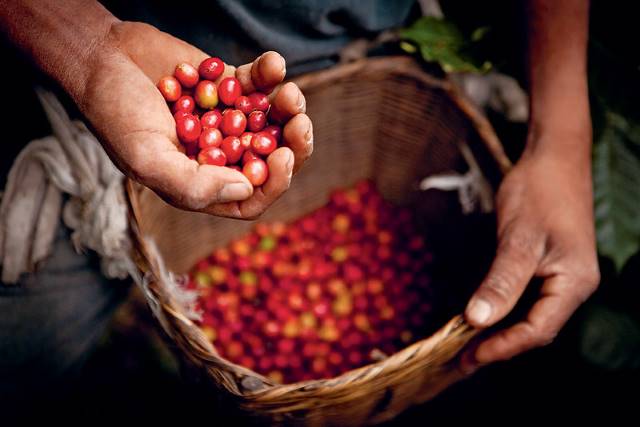
 Founded by West Virginian Doctor VK Raju, the Eye Foundation of America responds to the ubiquity of childhood blindness. Though less common in industrialized nations, blindness affects many societies throughout the world. Globally,
 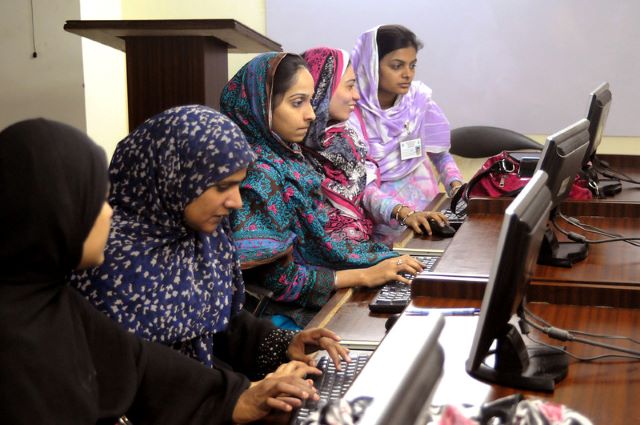 In the wake of COVID-19, economies across the world have been hit hard. Countries alike have seen decreases across all economic sectors as quarantine and stay-at-home orders were mandated in an effort to slow the spread of the virus. People transitioned to working remotely, while millions of others lost their jobs entirely due to market crashes. In an effort to cushion the economic travesty that the pandemic has bought, Microsoft is launching
  The Maldives, an archipelago located near India and Sri Lanka, faces significant food security and hunger challenges. With a population of 515,696 citizens, it is estimated that over
 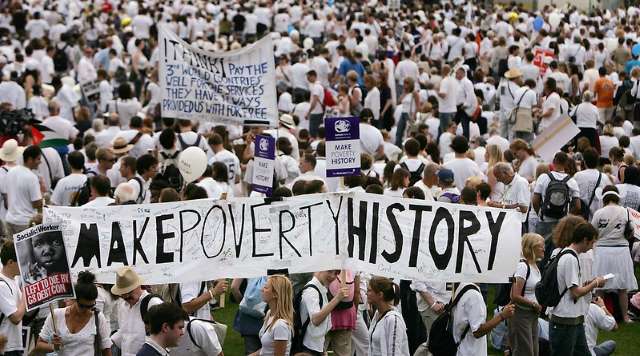 The mission of The Borgen Project differs from many other foreign aid organizations in that it focuses on combatting through ongoing legislation rather than one-time donations to countries in need. In order to make the most significant impact on the world’s poor, it is necessary to call, email and lobby members of Congress to support beneficial foreign policy. With this more complex mission comes the task of becoming an informed advocate for global poverty legislation. Not unlike many vital humanitarian causes, self-education is not only increasingly crucial but increasingly accessible. There are simple ways to become more well-versed in global poverty and foreign policy.
 In a global marketplace full of exploitative producers and hungry consumers, fair trade product markets can seem like a welcomed compromise that allows exporters in developing countries to prosper from their resources. These initiatives usually involve goods exported from developing countries to higher-income trading partners, including coffee, tea, cocoa and handicrafts. In more socially conscious trading models, producers are compensated equitably for their products and held to higher environmental and social standards. However, the true efficacy of fair trade models is complex.