• Link to X
  • Link to Facebook
  • Link to Instagram
  • Link to TikTok
  • Link to Youtube
  • About
    • About Us
      • President
      • Board of Directors
      • Board of Advisors
      • Financials
      • Our Methodology
      • Success Tracker
      • Contact
  • Act Now
    • 30 Ways to Help
      • Email Congress
      • Call Congress
      • Volunteer
      • Courses & Certificates
      • Be a Donor
    • Internships
      • In-Office Internships
      • Remote Internships
    • Legislation
      • Politics 101
  • The Blog
  • The Podcast
  • Magazine
  • Donate
  • Click to open the search input field Click to open the search input field Search
  • Menu Menu

Tag Archive for: Global Poverty

Inflammation and stories on global poverty

Posts

Developing Countries, Global Poverty, Homelessness, Poverty Eradication

Addressing Homelessness in Morocco

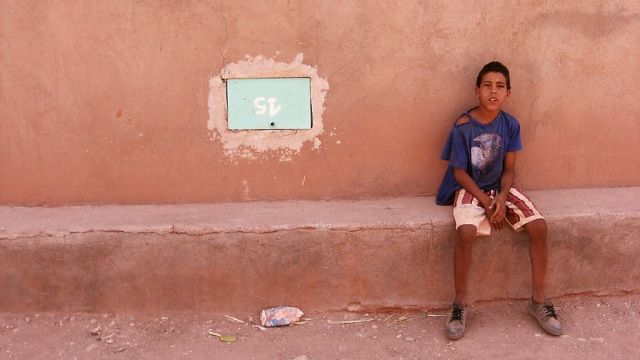
Homelessness in MoroccoMorocco, a country bordering both Algeria and Western Sahara, has faced increased conflicts with the rising issue of homelessness. In the country, there are thousands without proper shelter as the problem worsens. However, newly implemented organizations are seeing rapid improvements in homelessness in Morocco.
More than 700,000 Moroccan citizens are currently battling homelessness. In addition, it must be noted that the youth has been severely impacted as well. There are more than 30,000 children roaming the streets in search of basic resources, as many escape abusive home situations. Under a prevalent gap between the wealthy and poor, it is reported that more than 15% of the population lives on $3 a day. With the poverty rate increasing, many turn towards the streets. Approximately four million Moroccan citizens live below the poverty line.

Causes of Homelessness in Morocco

The main contributor to the rise of homelessness in Morocco is the Structural Adjustment Policy that was launched in 1963. Since then, the homeless rate has rapidly increased, leading to its large population in present day. The policy aimed to improve the finance and social sectors. However, due to underfunding and a misallocated budget, thousands of families lost funding. For this reason, many lost their homes to the government.

Another cause of homelessness in Morocco is the shift in values in Moroccan society. As mentioned earlier, the wealth gap between the ones in poverty and the wealthy have led to resentment against the homeless. With the focus on the upper class, the poor population of Morocco is not given any aid. In certain cases, the plight of the poor is simply ignored.

Consequences of Homelessness in Morocco

With the youth making up a large portion of the homeless population, various consequences have arisen. A major problem is the overall safety of the children on the streets. With tens of thousands of children without a home, many are subject to sexual assault and abuse. The streets of Morocco have been subject to numerous crimes against the youth.

Another consequence of the homelessness problem is the lack of education. In the rural parts of Morocco, only 36% of girls pursue an education. With the issue of homelessness, the youth prioritize survival over schooling. It is also reported that only one in seven children attend school in Morocco. Homelessness plays a primary role in these low statistics as children do not have the resources to pursue an education.

The Road to Change

Despite the rising numbers, there have been numerous efforts to combat homelessness in Morocco. For example, the Moroccan government has stepped up to help those in need. Jamila El Moussali, the Moroccan Minister of Solidarity, Social Development and Family, has recently called for the largest shelter operation in Moroccan history. During the COVID-19 pandemic, the ministry has helped accommodate more than 6,300 homeless people and assisted 2,000 others in reuniting with their families. The government is looking to increase its involvement with the homeless in the coming years and boost social work to aid those in need. After completing one of the largest shelter operations, Morocco has seen a massive decline in the homeless population.

Even with the government’s newfound aid to help combat homelessness in Morocco, additional intervention is the key to make dramatic and long-lasting progress. For Morocco’s government to see a bright future and a reduced homeless count, it must act in a consistent manner to aid those in need. If the government can further boost the number of shelter operations, hundreds of thousands of homeless Moroccans would benefit.

– Aditya Padmaraj
Photo: Flickr

October 5, 2020
https://borgenproject.org/wp-content/uploads/borgen-project-logo.svg 0 0 Kim Thelwell https://borgenproject.org/wp-content/uploads/borgen-project-logo.svg Kim Thelwell2020-10-05 02:33:362020-10-05 02:33:36Addressing Homelessness in Morocco
Global Poverty, Health, Humanitarian Aid

10 Countries Facing Humanitarian Crises in 2020

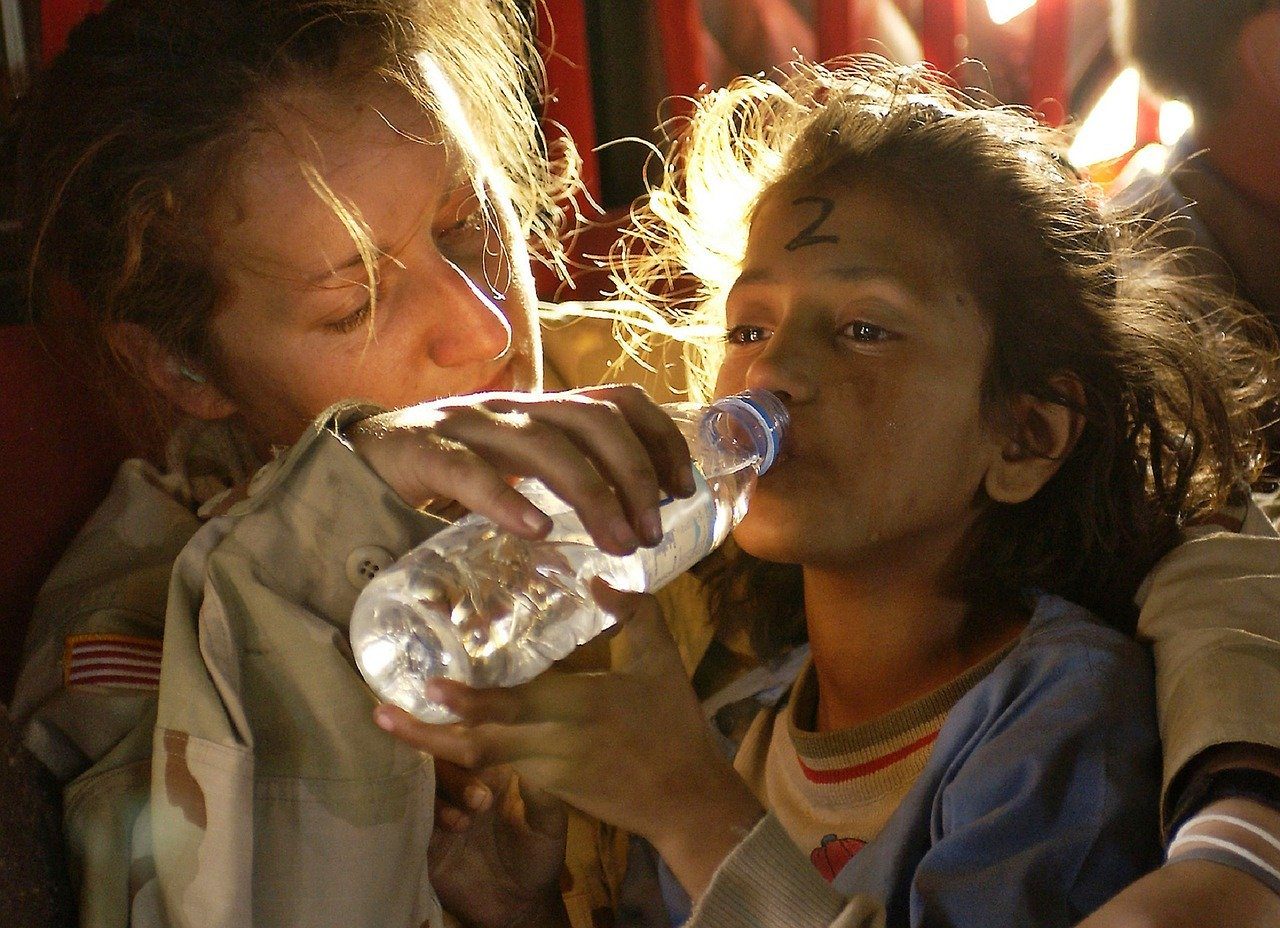
,humanitarian crisesOur world today consists of 195 countries. The sheer volume of people on this planet and the scale of the problems they face can be overwhelming, especially when thinking of humanitarian aid. For this reason, the International Rescue Committee (IRC) began making a yearly emergency watchlist in 2019, highlighting which countries are facing humanitarian crises and require significant urgent aid.

The International Rescue Committee

The IRC has been around since the early 1900s and works globally to improve the lives of those impacted by global health issues, conflict, and natural disasters. They focus on empowering individuals to take back control of their lives. In their U.S. offices, the IRC provides aid to displaced individuals seeking asylum in the U.S.

Generating the List

The IRC analyzes a variety of factors to decide a nation’s human risk, natural risk, vulnerability, and ability to cope during a crisis. These factors are then used to decide which countries are most in danger of humanitarian crises and require the most aid.

10 Countries Facing Humanitarian Crises in 2020

  1. Yemen: Roughly 80% of Yemenis need humanitarian assistance this year, including more than 12 million children. Yemen has been in a civil war for 5 years that has destroyed infrastructure, sanitation systems, medical centers, food distribution capabilities, and has killed roughly 250,000 citizens. Global organizations such as UNICEF agree that the crisis in Yemen is the “largest humanitarian crisis in the world.”
  2. Democratic Republic of the Congo (DRC): More than 15.9 million people in the DRC need humanitarian assistance this year. The Eastern DRC has been plagued with conflict and instability for nearly 30 years. This persistent instability has made it difficult for the country to develop infrastructure and food security. The current humanitarian risks in the DRC revolve around food security, Ebola, and Measles. To date, more than 2,000 people have died from Ebola in the DRC, making this the second-largest outbreak in the world.
  3. Syria: 11 million Syrians need humanitarian assistance this year. Since conflict broke out in 2011, more than half of the Syrian population has been displaced. Civilians have been caught in the crossfire of the war between President Assad and opposition groups. These years of conflict have caused extreme damage to Syrian infrastructure, including medical and educational resources.
  4. Nigeria: Close to 8 million Nigerians in the conflict-ridden states of Borno, Adamawa, and Yobe currently need humanitarian assistance, especially regarding sexual violence. Since 2009, roughly 13,000 civilians have died, and thousands of women and children have been assaulted. This year, 826 allegations of sexual abuse were presented in a report to the UN, but many believe that the number of cases is much higher. The northeast of Nigeria is seeing large levels of food insecurity, displacement, violence, and an outbreak of cholera.
  5. Venezuela: 7 million Venezuelans need humanitarian assistance this year. Due to political conflict, Venezuela is facing an economic crisis that has left 94% of households in poverty. Severe inflation has made the cost of basic goods so high that most Venezuelans cannot afford them. Because of this, an estimated 5,000 Venezuelans flee the country every day.
  6. Afghanistan: More than 9.4 million Afghans need humanitarian assistance this year. Since the 2001 NATO invasion that ousted the Taliban, Afghanistan has been experiencing political instability and conflict. The Taliban now controls more of the country than ever before, and after a failed peace deal in 2019, the country faces another contested election. An additional side effect of the conflict in Afghanistan has been a surge in mental illness. Although Afghanistan does not provide mental health reports, the World Health Administration estimates that more than a million Afghans suffer from depression and more than 1.2 million suffer from anxiety.
  7. South Sudan: More than 7.5 million people in South Sudan need humanitarian assistance this year. Since the civil conflict began in 2013, nearly 400,000 people have died, and millions have been displaced. South Sudan is also facing a massive food insecurity crisis that has been exacerbated by the conflict.
  8. Burkina Faso: In Burkina Faso, roughly 2.2 million people need humanitarian assistance, but the situation is drastically worsening. Armed groups are carrying out attacks throughout the nation. This caused the displacement of more than 500,000 people by the end of 2019. According to the UN 2019 report, the number of internally displaced people (IDFs) increased by 712% from January to December.
  9. Somalia: Roughly 5.2 million Somalis are currently in need of humanitarian assistance. Since the fall of President Muhammed Siad Barre in 1991, Somalia has been facing persistent instability and conflict. This conflict has led more than 740,000 people to flee the country. In addition, Somalia is extremely vulnerable to natural disasters due to its underdevelopment.
  10. Central African Republic (CAR): More than 2.6 million Central Africans need humanitarian assistance this year. In 2013, an armed alliance called the Seleka overran the capital of the CAR. Political instability has been rampant ever since. More than a quarter of all Central Africans were displaced, causing food insecurity and underdevelopment.

Although the countries on this watchlist represent 6% of the world’s population, they comprise 55% of those identified to be in need by the 2020 Global Humanitarian Overview. The IRC’s watchlist is an extremely helpful resource that should be utilized for the assessment of which countries are facing humanitarian crises and require foreign aid.

– Danielle Forrey
Photo: Pixabay

September 18, 2020
https://borgenproject.org/wp-content/uploads/borgen-project-logo.svg 0 0 Kim Thelwell https://borgenproject.org/wp-content/uploads/borgen-project-logo.svg Kim Thelwell2020-09-18 01:30:282024-05-29 23:23:0810 Countries Facing Humanitarian Crises in 2020
Global Poverty

5 Inventions Saving Infant Lives All Over the World

Inventions Saving Infant LivesEven with the rapidly developing technology around today, giving birth and nursing are still some of the toughest experiences a mother can go through. Those experiences are, unfortunately, even tougher for mothers giving birth in developing countries. With fewer resources and more exposure to disease right out of the womb, developing countries have some of the highest mortality rates. Here is a list of five inventions saving infant lives worldwide.

5 Inventions Saving Infant Lives

  1. Neopenda: Neopenda is one of the inventions saving infant lives. It is a hat made for babies which helps monitor their vitals such as heart rate and breathing capacity. The company was founded in 2015 and was marketed for newborns in Uganda. The design was tested in Uganda since 2017 and was finally funded in 2019. Neopenda has since won multiple awards for its revolutionary concept and application.
  2. Khushi Baby: Khushi Baby is a digital necklace for newborns that can store all of their medical information at an inexpensive cost. Khushi Baby was designed as part of UNICEF’s Wearables for Good contest and won. The necklace, along with the mobile app, allows nurses to keep track of patient data that can get easily lost in their busy and often underfunded healthcare systems. The necklace has been lauded as an ingenious idea that helps to digitalize immunization records for babies. This helps ensure more accurate and faster readings. Khushi Baby is working with NGO Seva Mandir to run vaccination clinics in rural villages in India. The company has expressed interest in expanding to Africa and the Middle East as well.
  3. Solar Suitcase: Another one of the inventions saving infant lives is the Solar Suitcase. It is an invention designed by Dr. Laura Stachel. The suitcase is a miniature kit powered by solar energy from two panels which produces a light strong enough for child delivery for nearly 20 hours. The kit was inspired by a visit Dr. Satchel made to Nigeria in 2009. She witnessed multiple times power outages that could harm babies and mothers during birth. The kit was tested in Nigeria by Dr. Stachel herself and proven to be a huge success. Since then, her charity We Care Solar has been helping to decrease mortality rates in Africa, Central America and Asia.
  4. The Odon Device: The Odon Device is a plastic bag that inflates to help pull a newborn’s head during delivery. The Odon Device was developed by Jorge Odon, a car mechanic from Argentina and made into a prototype in 2013. Funded by the World Health Organization, the Odon Device is meant to save newborns and their mother’s lives by limiting complications during birth. The product was tested in Argentina and South Africa and achieved a success rate of over 70%.
  5. TermoTell: TermoTell is a bracelet designed to recognize malaria early on in newborn babies. Another design created for UNICEF’S Wearables for Good contest, TermoTell reads babies’ temperatures to safely detect malaria and alert the doctor. If a newborn has malaria, the bracelet will glow and send an alert to a doctor’s phone. The invention was targeted towards sub-Saharan Africa where malaria can cause the deaths of nearly a million children. TermoTell is still just a prototype. The invention is still in the process of improving the design for more accurate readings in the future.

These five designs are just a few of the inventions saving infant lives all around the world. Most inventions are aimed at larger developing countries to help decrease mortality rates. Sub-Saharan Africa still has one of the highest infant mortality rates in the world with more than 50 deaths per 1,000 births while India has close to 30 deaths per 1,000 births. Inventions such as the five listed above have the potential to save thousands of lives and improve the mortality rate for many less developed countries whose mothers and infants have suffered for far too long.

– Hena Pejdah
Photo: Pixabay

September 10, 2020
https://borgenproject.org/wp-content/uploads/borgen-project-logo.svg 0 0 Kim Thelwell https://borgenproject.org/wp-content/uploads/borgen-project-logo.svg Kim Thelwell2020-09-10 13:18:552024-05-29 23:23:015 Inventions Saving Infant Lives All Over the World
Global Poverty, Women's Rights

Gender Gap in Latin America Challenged by COVID-19

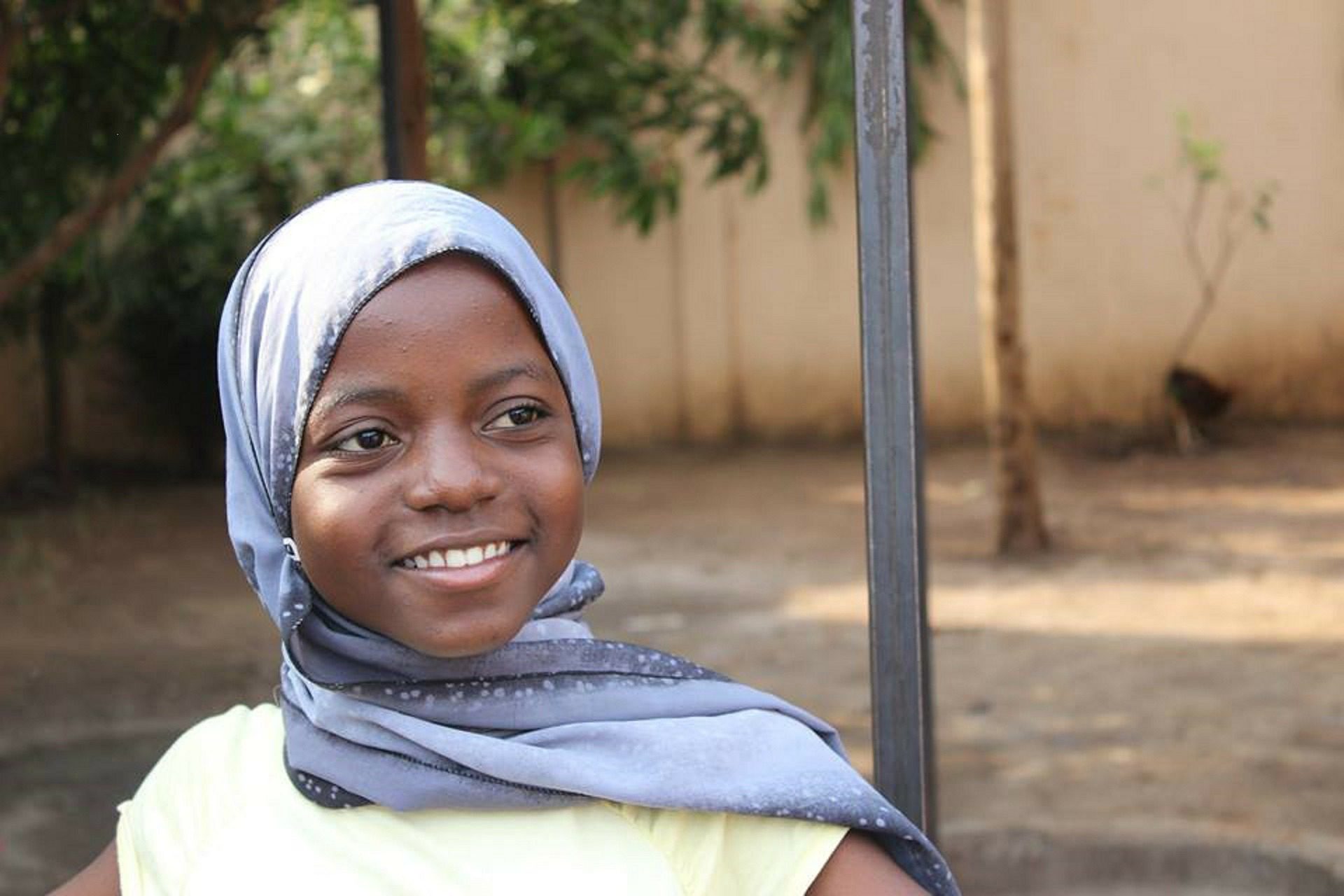
gender gap in Latin AmericaRanked the third-highest after Western Europe and North America, Latin America has an average gender gap of 29%. Many Latin American countries are seeing improvements in education, healthcare and shortening the gender gap. According to the World Economic Forum in their Gender Gap Report for 2020, Nicaragua was ranked 5th globally, with 80% of its gender gap closed. On the lower-ranking end of the gender gap in Latin America, Guatemala and Belize have closed 66% and 67% of their gap, respectively. While these percentages are promising, the current COVID-19 pandemic poses a threat to gender equality.
Looming COVID-19 Crisis

Decades worth of progress toward eliminating the gender gap in Latin American could potentially reach a halt or decline with the impending COVID-19 pandemic. Since the onset of the pandemic, stay at home orders have caused an increase in domestic violence. A few examples from Latin America expose the enormity of the issue. In Colombia, the domestic violence helpline has risen by 9%, and by 36% in Mexico. Also, Santa Cruz de la Sierra, a city in Bolivia, has reported the highest number of cases of both domestic violence and COVID-19. The issue is exacerbated as women avoid reaching out to health services in fear of getting the virus.

The other obstacle COVID-19 leads to is losses in jobs, more specifically, the availability of jobs for women. According to the World Bank’s Gender Dimensions of the COVID-19 Pandemic brief, women engaged in informal work such as self-employment and domestic works are unable to receive unemployment insurance. Since COVID-19 has restricted travel, Latin American countries that depend on retail, hospitality and tourism will see half of their working population lose jobs. Additionally, the effects of COVID-19 will force women to stay at home to care for children and the elderly, thus reducing working time and possibly excluding them from the labor market.

Lastly, the COVID-19 crisis will cause setbacks to efforts to reduce teen pregnancy. The shift in resources can interfere with health services for women and girls, including reproductive and sexual health services and family planning. In similar crises, lack of critical resources led to a surge in teen pregnancy and maternal mortality. Although COVID-19 causes a lot of complications surrounding the future of gender equality, there are actions regarding the gender gap in Latin American that governments and institutions such as the World Bank and the United Nations can take to continue progressive efforts.

Thus, The World Bank has outlined the following four methods to approach gender equality.

  1. Improving Quality of Life: Latin American countries need to reduce teen pregnancy and maternal mortality, improve water and sanitation services, secure women’s access to healthcare and close educational gaps. The World Bank Group (WBG) supports removing negative gender stereotypes in curriculums and is helping train teachers to create classroom environments that encourage inclusivity. The WBG is also backing programs aimed at supporting girls to enter STEM fields.
  2. Increasing Female Employment: Latin American countries should change gender norms about career choices, provide adequate child care services, create connections for women entrepreneurs and allocate time-saving resources. In Mexico, the WBG partnered with the National Institute of the Entrepreneur to devise and evaluate the institute’s first national program to promote female entrepreneurs, Women Moving Mexico. The pilot was launched in five states and “provided close to 2,000 women with a mix of hard skills (better management and business literacy), and soft skills (behaviors for a proactive entrepreneurial mindset)”.
  3. Removing Barriers to Women’s Financial Independence: The WBG supports efforts to provide land and property titles to women and to increase access to capital and financial services. In partnership with indigenous women’s organizations in Panama, the WBG designed a pilot intervention in six indigenous communities. The pilot supports training designed for indigenous women, technical assistance for women’s producer organizations and financial inclusion through the founding of community banks and financial management training.
  4. Enhancing Women’s Voice & Agency and Engaging Men and Boys: Latin American countries can support gender equality by acknowledging a woman’s right to control her own life. For example, giving women control over income and the capacity to move freely and have a voice in society, including the ability to “influence policy and family formation, and have freedom from violence.”

Bettering COVID-19 Response

The United Nations has also developed a response to the pending COVID-19 and its effect on gender equality. The U.N. seeks to recognize the “impact of COVID-19 on women and girls and ensure a response that addresses their needs and ensures that their rights are central to strengthening prevention, response and recovery efforts.” Institutions like the World Bank and the United Nations make it possible for girls and women in Latin America to aspire for more for themselves in education and career, despite the current setbacks prompted by COVID-19. Within the next couple of years, the gender gap in Latin America could be significantly reduced by promoting women’s rights and giving them access to education and career opportunities.

– Mia Mendez
Photo: Pixabay

September 2, 2020
https://borgenproject.org/wp-content/uploads/borgen-project-logo.svg 0 0 Kim Thelwell https://borgenproject.org/wp-content/uploads/borgen-project-logo.svg Kim Thelwell2020-09-02 12:40:162020-09-02 13:10:54Gender Gap in Latin America Challenged by COVID-19
Gender Equality, Global Poverty

Flaviana Matata Foundation Aids Girls’ Education in Tanzania

Flaviana Matata FoundationInternational fashion model Flaviana Matata survived malaria and studied electrical engineering in college. In 2007, Matata was the first-ever Tanzanian woman to compete in the Miss Universe pageant. In 2016, after learning that house paint is often passed off and sold as nail polish in Tanzania, she founded Lavy Products, a nontoxic nail polish company whose products appear online and in stores and salons across Tanzania. As she breaks records and embarks upon entrepreneurial endeavors, Matata has made philanthropy a priority, founding the Flaviana Matata Foundation in 2011.
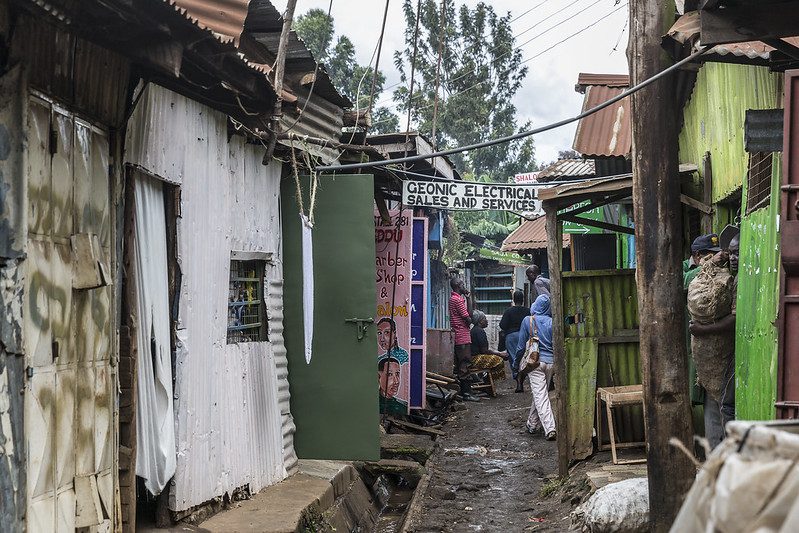
Matata’s foundation is a nongovernmental organization that supports women’s education in Tanzania. The foundation also helps women establish their own businesses and find employment opportunities.

Education in Tanzania

In Tanzania, less than 56% of children move onto secondary school after completing their primary school education. While the Tanzanian government abolished school fees for primary and secondary school education in 2015, costs such as transportation, lunch and exams still make it three times less likely that students from poor families will attend primary school when compared with children from wealthy families. As of 2016, the poverty rate in Tanzania is estimated to be 26.8%, meaning that more than 13 million Tanzanians live in poverty.

“A lot of kids do very well in school but have to quit or stop because they can’t afford school fees, uniforms or even books—the little things we take for granted,” Matata said in an interview for the Diamond Empowerment Fund, which has helped sponsor many of the Flaviana Matata Foundation’s initiatives.

The Foundation’s Approach to the Gender Gap

Girls are less likely than boys to receive a secondary-level education in Tanzania. The literacy rate for adult women in Tanzania was approximately 67% in 2009. Laws banning child marriage and fee-free education at the secondary level have been important steps toward increasing access to education in Tanzania, but more progress still needs to be made.

The Flaviana Matata Foundation aims to achieve this progress and make education in Tanzania more accessible for women. To date, the Flaviana Matata Foundation has helped over 5,000 students in Tanzania, providing school supplies, improving school infrastructure, adding desks and giving toiletry boxes for girls to use while on their menstrual cycles.

Ongoing Activism

The foundation has prioritized various projects since 2011. The Clean and Safe Water Project, completed in 2018, provides 319 students and teachers with a supply of clean water. The Stationery Back to School Project, completed in early 2020, equipped 304 students with stationery kits to last the academic year. The foundation’s ongoing project, Education Sponsorship for Young Girls, currently sponsors 25 girls from secondary school to college or university age with full scholarships and vocational and educational training.

Matata, whose Instagram following is 1.5 million as of July 2020, regularly shares information about Lavy Products and the Flaviana Matata Foundation online. Her work proves that social media can be used to make a positive impact and combat education inequality. As 24 million girls in sub-Saharan Africa remain unable to afford an education, the Flaviana Matata Foundation’s initiatives continue to play a crucial role in bridging education gaps.

– Zoe Engels
Photo: Pixabay

August 28, 2020
https://borgenproject.org/wp-content/uploads/borgen-project-logo.svg 0 0 Kim Thelwell https://borgenproject.org/wp-content/uploads/borgen-project-logo.svg Kim Thelwell2020-08-28 10:55:442024-12-13 18:02:08Flaviana Matata Foundation Aids Girls’ Education in Tanzania
Global Poverty

5 Inventions That Help People in Poverty

inventions that help people in povertyResearchers and innovators across the world are creating new inventions that help people in poverty meet their needs for adequate nutrition and medical care. Here are five inventions that are helping those in need.

5 Inventions That Help People in Poverty

  1. The Lucky Iron Fish: The Lucky Iron Fish is a small cooking tool that aims to conquer iron deficiency in marginalized communities. Iron deficiency impacts over 2 billion people globally, making it the most widespread nutritional disorder around the world. People affected by iron deficiency may experience negative impacts on their energy levels, concentration, memory and cognitive development. Iron deficiency affects women more than men, and it is especially common during pregnancy. Users just add the Lucky Iron Fish to boiling water so that it can enrich their liquid or vegetables with iron.
  2. 3-D Food Printing: Food printing is relatively new among inventions that help people in poverty. Nevertheless, 3-D food printing can create a stable food source for impoverished areas. This innovation can also address malnutrition through custom features that allow creators to set standards for nutritional additions. Additionally, 3-D printing may be a solution to food scarcity when a country is dealing with a natural disaster. While bringing all of these benefits to impoverished areas, food printers also produce less waste than traditional methods of food production.
  3. Feedie: People around the world already love to snap pictures of their delicious meals before posting them onto their social media. Feedie is an app that allows users to help feed people around the world by just taking a picture of their meal. Each picture turns into a donation to The Lunchbox Fund. This donation will go toward producing meals for people in poverty all around the world.
  4. Golden Rice: Vitamin A deficiency is a serious public health issue due to its severe impact on children around the world. This deficiency is responsible for over 500,000 cases of irreversible blindness in children under the age of five. Invented to solve this problem, Golden Rice is a new type of rice that has been genetically modified to contain three new genes that help create provitamin A. Many countries rely on rice as a food source, which means that switching to Golden Rice will not be a drastic diet change. In 2019, the Filipino government became the first among developing countries to allow Golden Rice for direct use among citizens.
  5. Growing Shoes: Many children in poverty around the world are at risk for soil-transmitted diseases and parasites if they cannot afford a suitable pair of shoes. Growing Shoes is a durable shoe that expands in several places, which allows children to adjust the size as their feet continue to grow. In all, the shoe can grow up to five sizes. These shoes therefore provide a long-term solution to protecting children in poverty from dangerous environmental factors, like disease.

People around the world are creating new inventions that help people in poverty and those experiencing hunger. These small inventions help an entire community with just one iron fish, grain of rice or growing shoe at a time.

– Jacey Reece
Photo: Flickr

August 28, 2020
https://borgenproject.org/wp-content/uploads/borgen-project-logo.svg 0 0 Kim Thelwell https://borgenproject.org/wp-content/uploads/borgen-project-logo.svg Kim Thelwell2020-08-28 07:40:322020-08-28 12:31:235 Inventions That Help People in Poverty
Global Poverty, Water, Water Crisis

How the Cape Town Water Crisis Was Averted

 Cape Town Water Crisis
Cape Town, South Africa’s legislative capital, has a population of about four million, which is nearly 8% of the entire South African population. South Africa has been successful in cultivating a democratic country, but it has a persistent inequity issue. In 2015, the bottom 60% of the country only held 7% of South Africa’s net wealth. Although more than 55% of South Africans live below the poverty line, 93% of black South Africans live in poverty. Cape Town, although not exempt from issues of inequity, is a thriving metropolis to South Africa. When the Cape Town water crisis rose to a peak in 2017, it became imperative for the city to make some serious changes before they ran out of water completely. Here is how Cape Town recovered from its devastating water shortage and a look at where the city is today.

How the Crisis Began

Cape Town has long been praised for its award-winning water management achievements and efficient use of the city’s six largest reservoirs, which can hold up to 230 billion gallons of water. The city was well aware of the impending climate changes and took measures to decrease overall water consumption.

Despite their efforts, Cape Town neglected to factor in the steady decreases in annual rainfall. This oversight was minor at the time and the city’s reservoirs were full in 2014. However, a sudden three-year-long drought drained the reservoirs to only 26% capacity by 2017. The city declared they would shut municipal water taps off when they reached 13.5% capacity.

City Measures

The term “Day Zero” became the name for the day that water taps would be shut off city-wide, essentially the day Cape Town would officially run out of water. With Day Zero looming and reservoirs draining, the city and its residents sprung into action to avoid the ultimate Cape Town water crisis.

At the beginning of 2017, the average city resident used 600 liters per day. City officials lowered that daily limit to 50 liters per day. To put that number into perspective, the average Californian used 321 liters of water per day during the 2016 drought. If a household went above that 50 liter limit, it faced hefty fines and a meter installation to shut off the water automatically once it exceeded the daily limit. The city also implemented severe quotas for agricultural and commercial institutions.

Residents Doing Their Part

The Cape Town water crisis could not have been averted if not for innovative action from the residents themselves. People began to recycle shower and washing machine water as well as limit toilet flushes to once a day. Farmers diverted their water supply away from their own farms for the city to use. Swimming pools and lawns were no longer essentials and residents no longer used water for such amenities. Social media played a key role as well by being a platform to share advice with a large audience. Local restaurants and bars started competitions to see who could refrain from washing their clothes the longest. The combination of these efforts is what saved the 4 million people from ever having to experience Day Zero.

The Role of Poverty

Although the Cape Town water crisis affected the entire city, it hit some residents much harder than others. South Africa is already a country known for its inequity issues, and the water crisis exacerbated that fact. Wealthy residents found ways to get around the restrictions by hiring companies to dig $6,000 wells for them, buying large amounts of drinkable water at inflated prices, and even installing filtration systems to make groundwater drinkable. Poor residents, on the other hand, were at the mercy of the city and had to sacrifice buying food to be able to buy water.

Where is Cape Town Today?

Cape Town finally experienced an average rainy season in January 2018, allowing the city to postpone the arrival of Day Zero indefinitely. After the immediate crisis had been averted, the city began planning for ocean water desalination and groundwater extraction as backup water sources. These are more long-term solutions, but they present issues of their own such as the affordability of such intense installations and the impact on local ecosystems.

Limits on water usage have been loosened slightly; however, they still exist and are strictly enforced. This continues to negatively impact the city’s poorest residents. Perhaps the most helpful action taken since the crisis has been the weekly reports on dam capacities. As of July 2020, all the dams are holding steady at around 80% capacity.

Although the Cape Town water crisis never fully culminated in a citywide water shutoff, the impact of the event still resonates with the poor. Moving forward, efforts need to be made to ensure equal water access for all residents.

– Natalie Tarbox
Photo: Flickr

August 26, 2020
https://borgenproject.org/wp-content/uploads/borgen-project-logo.svg 0 0 Kim Thelwell https://borgenproject.org/wp-content/uploads/borgen-project-logo.svg Kim Thelwell2020-08-26 15:28:492020-08-26 15:28:48How the Cape Town Water Crisis Was Averted
Global Poverty, Poverty

Human Hair: A Potential Solution to the Mauritius Oil Spill

mauritius oil spillMauritius is an island nation off the east coast of Africa with a population of fewer than 1.3 million people. In 2019, less than 1% of the population of Mauritius lived below the international poverty line. On July 25, the Japanese-owned oil tanker, the MV Wakashio, ran aground and leaked more than 1000 metric tons of oil into the waters at Pointe d’Esny near “two environmentally protected marine ecosystems and the Blue Bay Marine Park reserve.” As the international community comes together to assist in clean-up efforts, human hair could be a potential solution to the Mauritius oil spill.
Why the Mauritius Oil Spill Needs Urgent Aid

The economy of Mauritius relies heavily on tourism and ocean activities. The tourism industry makes up almost a quarter of the GDP, and another 10% comes from activities reliant on the water, such as fishing. Tourists visit the island nation for its beaches and marine life.  Since the waters surrounding the country are now polluted with oil, the MV Wakashio spill poses a serious threat to the economy of Mauritius as well as the natural environment.

The Science and History a Surprising Solution

Hair was first studied as a solution after the Exxon Valdez oil spill in Alaska in 1989. After noticing that hair absorbed oil at the salon he owned, Phil McCrory of Alabama began studying human hair as a potential tool for cleaning up oil spills. He was awarded two patents for devices made of human hair that sucked up oil from water.
Hair is highly absorptive and has been shown to take in up to nine times its weight in oil. While hair is a potential solution to the Mauritius oil spill, this is not the first time it’s been used for this purpose. Human hair specifically has been used as a clean-up tool after other oil spills. Hair-stuffed nylon stockings were also successfully used in 2010 to assist in clean-up efforts following the Deepwater Horizon spill in the Gulf of Mexico.

A study released a week before the Mauritius oil spill found human hair to be as effective as synthetic materials in clean-ups. A study conducted by the University of Technology Sydney comparing plastic-based materials commonly used to clean up oil spills to organic materials found that hair is successful at absorbing oil from ocean and solid land environments. According to this study, hair is as good as synthetic materials when it comes to absorbing oil from land and hard surfaces.

How Human Hair Can Help in Mauritius

Hair salons around Mauritius have been offering free and discounted hair cuts in order to donate the trimmings to clean-up efforts. Volunteers stuff the hair into stockings and use it to both corral the oil, preventing its spread, and absorb it from the water. Hair donations from around the world are also being shipped to the country to provide additional assistance.

Human hair is a potential solution to the Mauritius oil spill and is a useful tool in clean-ups after any future spills as it is in constant supply, affordable and natural and therefore more quickly biodegradable than synthetic materials such as the plastics traditionally used in clean-ups. The country’s economy relies heavily on the Indian Ocean surrounding it for both tourism and fishing, so finding affordable and sustainable means of absorbing the spillage from the MV Wakashio, such as human hair, is necessary to maintain the economy of the country and prevent the spread of devastation and poverty.

– Sydney Leiter
Photo: Pixabay

August 23, 2020
https://borgenproject.org/wp-content/uploads/borgen-project-logo.svg 0 0 Kim Thelwell https://borgenproject.org/wp-content/uploads/borgen-project-logo.svg Kim Thelwell2020-08-23 10:30:292020-08-24 06:47:08Human Hair: A Potential Solution to the Mauritius Oil Spill
Global Poverty, Hunger

Hunger in Namibia: What You Need to Know

Hunger in NamibiaAlthough Namibia is an upper-middle-income country, it still struggles with a high rate of poverty and undernourishment. According to the World Food Program, 26.9% of the country’s population lives in poverty. In addition, according to the U.N., 430,000 people are in desperate need of food. Namibia, since its independence, has seen good economic growth. The country’s GDP grew from $3.8 billion in 2000 to $12.3 billion in 2019. However, hunger in Namibia remains a growing issue.

Over the past years, the agriculture economy in Namibia has suffered from droughts. The reduction of produce from the food industry is causing hunger in Namibia as families struggle to grow enough food to feed their families. Hunger in Namibia is leaving many children and families malnourished which significantly affects the progress of the nation. Still, both the government and its partners are working to address hunger in Namibia.

Who Is Affected?

Over the past decade, Namibia has faced a lot of droughts leaving low-income-earners struggling to make a living. With a population of approximately 2.4 million people in 2018, 18% (430,000) of the country’s people face severe acute food insecurity and need humanitarian aid.

According to a government report, the country’s agriculture sector, which is partially powered by smallholder farmers, provides for most of the country’s population. Many families who are low income find it difficult to buy food because of increasing food prices.

Malnutrition in Namibia is also affecting children. According to the World Food Program, approximately 23% of children in Namibia are stunted in their growth because they do not eat enough nutritious food. Stunting can have a dangerous effect on the development of children and can even influence their behaviors as they grow older.

Causes of Hunger in Namibia.

In 2019, because of the lack of rain, Namibia food production, both its crops and livestock, fell. Namibia lost 60,000 tons of crops and 60,000 livestock. The two main crops that are planted are maize, which declined in production by 26% between 2018 and 2019, and millet, which declined by 89%. The lack of rain in Namibia hit cereal production the hardest.

The most affected regions of the country are Northwestern parts and the Southern provinces. Due to losses in sales from their livestock, some farmer’s households are finding it difficult to purchase food from markets. Currently, families in 14 regions in Namibia spend more than 50% of their income on food. The cause of drought in Namibia has been attributed to climate change, which is said to be only getting worse.

What Is Being Done?

To help fight against the hunger crisis, the government incorporated the Hunger Initiative in the Harambee Prosperity Plan in August 2016, a plan which is in action through 2020. The plan focuses on 5 different pillars: Effective governance, economic advancement, social progression, infrastructure development, international relations and cooperation. The fight against hunger falls into the Social Progression sector. According to a government report in 2019, Namibia’s government is addressing the country’s hunger crisis by making food banks available in 7 different regions in the country. These food banks reach 17,260 food-insecure households. To deliver food the government relies on unemployed youth who are part of Street Committees.

Government aid provided to people who are food-insecure varies. For example, between 2016 and 2017 the government spent $304 million on its drought program but only $5 million in 2017-2018 because the impact of the drought was lower. To provide malnourished children with food, the government uses a program called the School Feeding Programme. In 2017 they fed 377,521 students. According to the government, providing students with food helps limit the school dropout rate among students who live in poverty. The World Food Program is also helping the government fight malnutrition in children by providing Namibia with technical assistance; the group also helps the country with both policy and strategic guidance.

Furthermore, to help farmers, the government work also extends to provide them with 162 tractors to aid in the cost of plowing for communal farmers.

Although Namibia faces the constant threat of drought, the government and its partners are dedicated to providing nutritious food to many families in need.

– Joshua Meribole
Photo: Flickr

August 5, 2020
https://borgenproject.org/wp-content/uploads/borgen-project-logo.svg 0 0 Kim Thelwell https://borgenproject.org/wp-content/uploads/borgen-project-logo.svg Kim Thelwell2020-08-05 11:00:012020-08-07 07:00:44Hunger in Namibia: What You Need to Know
Children, Education, Global Poverty

Music Programs In Developing Countries Unify Communities

Music Programs in Developing CountriesPlaying For Change is an organization that works to connect people through music by bringing together musicians from around the world to promote peace and unity. In 2007 its founders Mark Johnson and Whitney Kroenke created the Playing for Change Foundation to increase music programs in developing countries and unite communities through music. Playing For Change empowers children around the world by giving them the opportunity to learn the universal language of music.

The Foundation offers classes for children at 15 schools located in 11 countries: Bangladesh, Brazil, Ghana, Mali, Nepal, Rwanda, South Africa, Morocco, Mexico, Argentina and Thailand. More than 2,000 children attend these classes each week. Through the Foundation’s outlet for creativity, they learn how to express themselves and build confidence and resilience.

Supporting Local Communities

When constructing a new school, the Foundation emphasizes using local materials and employing local labor. This empowers the community’s economy. It focuses on opening schools in developing areas, so this support can make a big difference for the local economy. Playing For Change unifies communities by providing aid to these developing areas including food, water, medicine, clothing, and computers. This community development has improved the lives of thousands of people while providing vital economic stimulus and spreading the Foundation’s message of unity.


The Foundation’s educational programs are led by community members, with teachers and administrative staff being hired locally. This ensures that each program has strong ties to its community and can more effectively teach and impact the students. These local ties are an important way that Playing For Change establishes music programs in developing countries. Working together towards the common goal of building a school and teaching children is something that a community can take pride in.

Stand By Me

In order to guarantee that music and dance classes are available to all children, the Playing For Change Foundation created the Stand By Me Scholarship Program in 2013. These scholarships are funded by donations and provide children with the opportunity to attend classes free of charge for a year. The classes enhance the self-esteem and collaborative abilities of their students, while also giving them strong connections to their local community. Also, enrolled students can connect with other youth and staff in schools around the world. The scholarship is essential because it ensures that children who come from underprivileged backgrounds have access to the classes’ benefits and the community that music creates.

Community Unification and Strengthening

Thousands of children around the world have gained valuable skills while learning to express themselves through the Foundation’s programs. Notably, many of these children are vulnerable to poverty and violence. Thus, these classes teach them how to address these issues while giving them creative skills they would otherwise not have the opportunity to develop. At its core, Playing For Change uses music programs in developing countries to uplift people with the power of music.


– Gabriel Guerin
Photo: Flickr

June 30, 2020
https://borgenproject.org/wp-content/uploads/borgen-project-logo.svg 0 0 Jennifer Philipp https://borgenproject.org/wp-content/uploads/borgen-project-logo.svg Jennifer Philipp2020-06-30 10:17:252020-06-30 10:17:25Music Programs In Developing Countries Unify Communities
Page 14 of 40«‹1213141516›»

Get Smarter

  • Global Poverty 101
  • Global Poverty… The Good News
  • Global Poverty & U.S. Jobs
  • Global Poverty and National Security
  • Innovative Solutions to Poverty
  • Global Poverty & Aid FAQ’s
Search Search

Take Action

  • Call Congress
  • Email Congress
  • Donate
  • 30 Ways to Help
  • Volunteer Ops
  • Internships
  • Courses & Certificates
  • The Podcast
Borgen Project

“The Borgen Project is an incredible nonprofit organization that is addressing poverty and hunger and working towards ending them.”

-The Huffington Post

Inside The Borgen Project

  • Contact
  • About
  • Financials
  • President
  • Board of Directors
  • Board of Advisors

International Links

  • UK Email Parliament
  • UK Donate
  • Canada Email Parliament

Get Smarter

  • Global Poverty 101
  • Global Poverty… The Good News
  • Global Poverty & U.S. Jobs
  • Global Poverty and National Security
  • Innovative Solutions to Poverty
  • Global Poverty & Aid FAQ’s

Ways to Help

  • Call Congress
  • Email Congress
  • Donate
  • 30 Ways to Help
  • Volunteer Ops
  • Internships
  • Courses & Certificates
  • The Podcast
Scroll to top Scroll to top Scroll to top