 Founded in 1970, Sephora is an international makeup retailer providing cosmetic products to people around the world. These cosmetic products range from perfumes and lotions to makeup and hair care products. As a beauty empire, Sephora currently employs people in 35 countries and makes upwards of $4 billion in revenue every year. Considering Sephora’s worldwide influence, the retail giant has decided to invest money and resources to help people living in poverty worldwide. Below are four ways Sephora is fighting global poverty.
4 Ways Sephora is Fighting Global Poverty
- Sephora supports aspiring entrepreneurs: Since 2015, Sephora has offered Sephora Accelerate, whereby aspiring entrepreneurs apply to participate in a six-month-long boot camp. During this boot camp, successful applicants learn the necessary skills to connect with diverse communities, market their products and launch a business within Sephora. In 2021, Sephora focused on helping entrepreneurs of color build a business within Sephora and embark on this journey. Overall, Sephora Accelerate allows successful applicants to collaborate with Sephora staff and jumpstart their careers in the cosmetic industry.
- Sephora’s Charity Rewards initiative allows customers to give back: In 2020, Sephora launched the Charity Awards initiative. This program allows customers to redeem their Sephora points in the form of a charity award. Customers acquire Sephora points each time they purchase a Sephora product. For example, when a customer redeems 500 points for a charity reward, Sephora will donate $10 to a charity of their choice. Likewise, redeeming 1,000 points results in a $20 donation and redeeming 1,500 points results in a $30 donation. This initiative allows people to buy products and simultaneously help communities around the world.
- Sephora supports Best Buddies International through its Charity Rewards program: This nonprofit is a worldwide volunteer program providing people living with intellectual and developmental disabilities (IDD) access to one-on-one friendships and employment support. Founded in 1989 by Anthony Shriver, Best Buddies International engages with more than 1.3 million participants in 56 countries worldwide. To combat global poverty, the organization provides leadership and employment opportunities to people with IDD to jumpstart their careers.
- Sephora backs Rare Impact Fund’s efforts through its Charity Rewards program. Founded by actress and singer Selena Gomez, the Rare Impact Fund is a subset of the larger Rare Beauty cosmetic brand. The Rare Impact Fund is committed to supporting mental health awareness programs and raising $100 million over the next decade for mental health services around the world. Additionally, the Rare Impact Fund partners with The Trevor Project, which provides a suicide intervention program for LGBTQ people in different countries worldwide. Overall, the Rare Impact Fund combats global poverty by financing mental health support programs for those in need.
Sephora’s initiatives like Sephora Accelerate and Charity Rewards help fight global poverty by jumpstarting people’s careers and supporting nonprofit organizations. Additionally, Sephora is fighting global poverty by donating $10 to any legally recognized charity for every hour an employee volunteers at a nonprofit organization. Overall, these measures prove Sephora goes beyond selling cosmetic products, using its worldwide influence to help people in need.
– Chloe Young
Photo: Flickr
 Fact or fiction, books are a great way to create empathy and understanding of the real-life experiences of other people. An experience that is not uncommon yet unique to each individual who has lived it, is the global refugee struggle. There are many books that tell the stories of refugees and contemporary fiction books are only one example of a genre that can raise awareness through storytelling. Raising awareness about the struggles of refugees through books and literature helps encourage more humanitarian efforts directed at helping refugees.
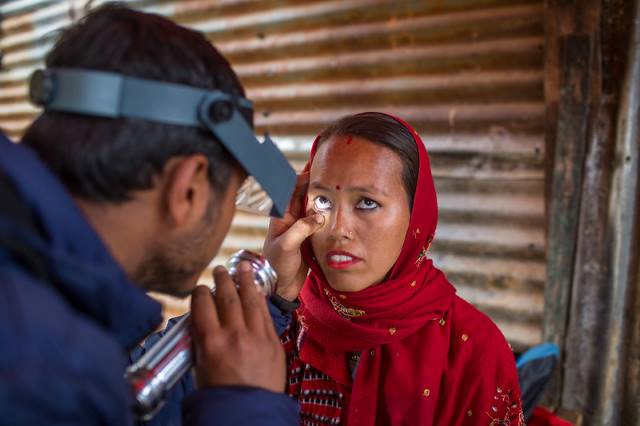 Trachoma, an unsung yet highly infectious disease, is listed by the World Health Organization (WHO) as the leading cause of blindness across the world. Data from March 2020
  The United Nations has warned of a recent
  PCPartPicker and charity: water formed an unexpected partnership, united in their common goal of providing clean drinking water for communities in developing nations.
 In November 2020, the world’s 450 Public Development Banks (PDBs) gathered at the first-ever global summit, the
  While Nigeria’s population makes up only 2.8% of the world,
  Around the world, many young girls are without access to basic health and educational resources. Research has shown that gender equality and women’s empowerment initiatives are
 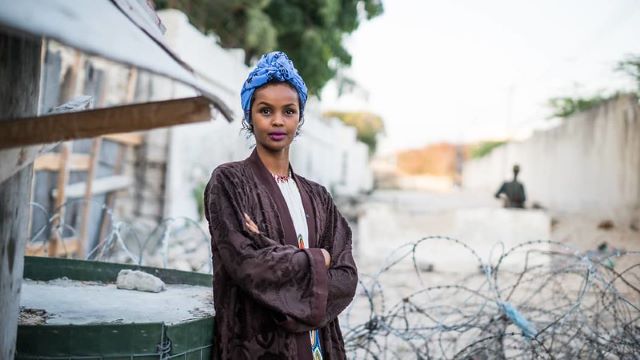 As a demographic, over one-sixth of the global population are between the ages of 15 and 24. Because of its sheer size, this
 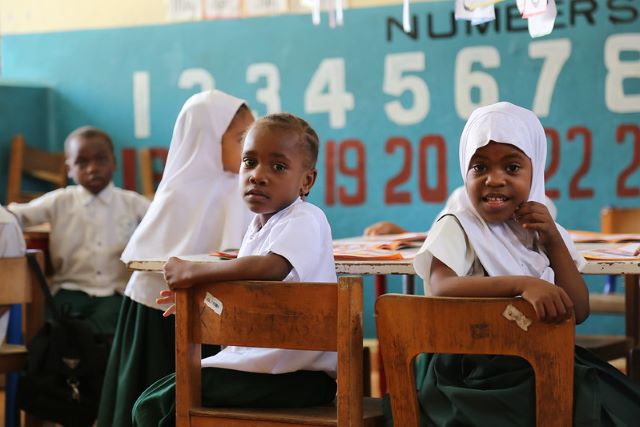 Access to education is a global issue that is deeply connected to issues of global poverty. Education often provides impoverished people with a way to escape poverty through improved job opportunities and better knowledge of healthcare. In this way, reducing poverty in developing countries often requires improving access to education. The World Bank is currently implementing a program called the Learning Assessment Platform, or LeAP, which it hopes will allow world leaders to better track how effective and efficient their nations’ educational systems are. Through the LeAP initiative, the World Bank hopes to improve global education.