 The Czech Republic is in Central Europe between Germany, Poland, Austria and Slovakia. After World War I, the Czechs and the Slovaks of the former Austro-Hungarian Empire came together and formed Czechoslovakia. A political revolution caused the nation to split into the Czech Republic and Slovakia on January 1, 1993.
The country has since opened up to free market capitalism and has a parliamentary republic. These factors have contributed to only one in ten Czechs living below the poverty line when last measured in 2016. The Czech Republic is among the countries in the EU with the lowest rate of poverty, which has allowed hunger in the Czech Republic to be almost non-existent.
The Effects Of Hunger For Czechs
Hunger in the Czech Republic is not a primary concern for the country’s government due to its .48 percent malnutrition rate. This rate means that .48 people out of every 100,000 in the Czech Republic will die of hunger, making it one of the least hungry countries in the world.
When UNICEF last did a study of hunger in the Czech Republic, it found that hunger was not an issue that was affecting many in the nation. Currently, only two percent of Czechs under the age of five suffer from stunted growth caused by malnutrition. On top of this, only one percent of Czechs under the age of five suffer from being underweight due to malnutrition.
Babies do not suffer from hunger in the Czech Republic due to the abundance of food in the nation. When last measured, only eight percent of babies were born with a low birth weight and the majority of babies born underweight quickly grew to a healthy weight.
The Takeaway
The shift from a socialist government to a government that practices free market capitalism alongside its parliamentary republic have allowed hunger in the Czech Republic to be non-existent. For the one in ten citizens in the nation who are impoverished, social welfare programs ensure these people get adequately fed. Overall, hunger in the Czech Republic is almost a non-issue.
– Nick Beauchamp
Photo: Flickr
 While
While 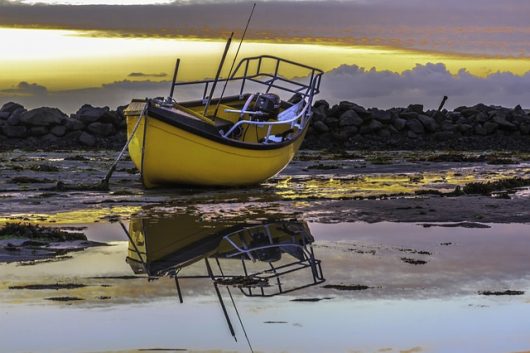 The small island of Guernsey, tucked away in the English channel, has an economy built on financial services, tourism and agriculture. However, with a decline in manufacturing and horticulture, the island has to rely on the financial services.
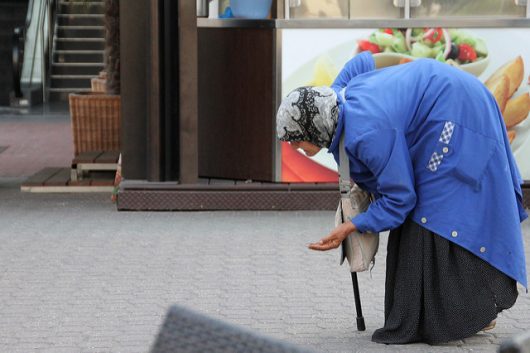 The latest official statistics that can be found regarding
  Centuries ago,
  Situated in the mountains between Spain and France, it’s easy to forget about Andorra, one of the smallest states in Europe. Because of its duty-free shopping, winter sports and hot summers, it is a popular destination for the eight million tourists that visit annually. Travelers enter the country from either France or Spain, since it has
 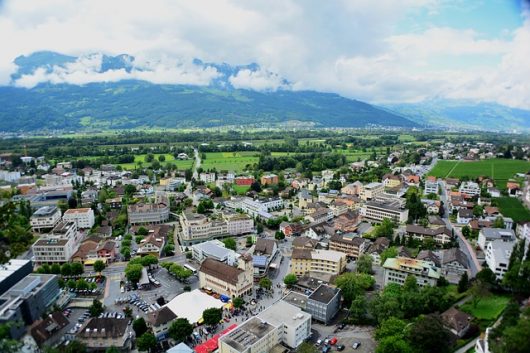 When looking at countries that are suffering from hunger, it is easy to equate the hunger with nationwide poverty. In the case of high-income countries, such as the U.S., such a generalization might lead one far astray from reality.
 Although there is an abundance of water resources, the water quality in