• Link to X
  • Link to Facebook
  • Link to Instagram
  • Link to TikTok
  • Link to Youtube
  • About
    • About Us
      • President
      • Board of Directors
      • Board of Advisors
      • Financials
      • Our Methodology
      • Success Tracker
      • Contact
  • Act Now
    • 30 Ways to Help
      • Email Congress
      • Call Congress
      • Volunteer
      • Courses & Certificates
      • Be a Donor
    • Internships
      • In-Office Internships
      • Remote Internships
    • Legislation
      • Politics 101
  • The Blog
  • The Podcast
  • Magazine
  • Donate
  • Click to open the search input field Click to open the search input field Search
  • Menu Menu

Tag Archive for: Europe

Posts

Global Poverty

Why Is Belgium’s Cost of Living So High?

Belgium's Cost of Living
Belgium is a small and beautiful country that is well known for being the center of European politics. Brussels, Belgium’s capital, hosts the official seats of the European Council, Council of the European Union, European Commission and even the headquarters of NATO. Other than the nation’s international notoriety, Belgium has a reputation for being an excellent place to live, with a booming economy and access to numerous social programs.

However, Belgium does have one downside. This is an incredibly high cost of living. In fact, Belgium’s cost of living is 9.7% greater than in the United States, where the median income is $53,046.

While Belgium’s cost of living may be higher overall, it is lower in all of the right areas. For example, the cost of groceries in Belgium is 4.82% lower on average when compared to other nations, and renting an apartment is 21.25% less expensive. This fact means that people who have a lower income in Belgium have a better opportunity to keep food on the table and more options for long-term housing.

Another point to consider while examining Belgium’s cost of living is the benefits Belgians receive through their government. The average income tax rate in Belgium is 42%, which is the highest tax rate in the world.

Although this high of a tax rate might appear to be an inconvenience, the Belgian government uses the money to fund their extraordinary social programs. Due to these social programs, while the unemployment rate may be 8.4%, only 3.4% of the country falls into the lowest 10% of income. This statistic is a sign of significant social progress.

These income tax payments fund Belgium’s social security system, which is extensive and open to all citizens. Additionally, some allowances are even available to foreigners. The social security system includes unemployment benefits and allowances in the event of sickness or accidents at work. Other benefits include family allowances which could take the form of maternity leave or pensions.

In addition to social security services, medical services are also publicly funded without much additional cost. If a Belgian requires medical care for something as simple as the flu, they will not have to pay much out of their pocket. Without these unexpected costs, Belgians have more of their income to spend on food or other necessary expenses.

Even though Belgium’s cost of living is high, and the income taxes take almost half of each worker’s accrued income, the government provides safety nets that give benefits that far outweigh the costs. Ultimately, the low cost of healthy groceries, more available housing, and government assistance programs make Belgium a great place to live, even if the cost of living in the nation is high.

– Rachael Blandau

Photo: Flickr

August 2, 2017
https://borgenproject.org/wp-content/uploads/borgen-project-logo.svg 0 0 Borgen Project https://borgenproject.org/wp-content/uploads/borgen-project-logo.svg Borgen Project2017-08-02 01:30:392024-05-28 00:03:35Why Is Belgium’s Cost of Living So High?
Global Poverty

A Nation’s Struggle: The Main Causes of Poverty in Finland

Causes of Poverty in Finland
Finland is rated among the top nations in the world for quality of life, financial equality and educational systems. As a welfare state, it provides its citizens with public services to protect against financial and social risks like accidents, disabilities, old age and unemployment. Thus, there are few causes of poverty in Finland.

The country also has one of the lowest poverty rates at approximately 0.04% of its 5.4 million citizens. However, the percentage of people considered at risk of poverty is on the rise.

In the late 1980s, Finland had an impressively low unemployment rate of 3.5%, with 10.7% of the population considered at risk of poverty.

In the early 1990s, Finland suffered a severe recession that brought the unemployment rate to 18.5%. This subsequently dropped to 9.1% by the late 1990s as the nation made a quick recovery.

The Finnish government made significant spending cuts for public services to cope with the recession. York University graduate scholar Juha Mikkonen wrote that increases in public services grew slowly alongside a slow wage trend since these cuts were made.

Numerous scholars argue this trend left more people at risk. Others argue these public services can be the net that saves those on a low income in the case that an accident, illness, or loss of income hits unexpectedly. These safeguards act to cushion the blow of the key causes of poverty in Finland.


Leading Causes of Poverty in Finland


The number of people at risk rose to 15.6% in the late 2000s and now hovers around 13%. Recently, Finland’s Ministry of Finance announced that around 869,000 people were at risk.

What does it mean to be at risk of poverty? The Organization of Economic Cooperation and Development (OECD) defines the poverty line separately for each nation and is usually drawn at or less than 50% of the national median income.

The Finnish government presently uses the OECD’s defining parameters of those at risk of poverty. Those with an annual income of less than 60% of the national median income, which in Finland is $28,238.

In 2014, Statistics Finland reported the two age groups with the highest percentage of at-risk individuals were those 18 to 24 years (at 29.7%) and 75 and older (at 22.2%).

Mikkonen noted that the causes of poverty for Finland’s youth may be their limited employment while in school and increased dependence on their families later in adulthood. If their family falls on hard times, they are put at extra risk.

Finland’s Ministry of Social Affairs and Health states that poverty must also be defined by how well a person can access resources necessary to their well-being, such as good housing, food, healthcare and education.

Social exclusion can limit resources as well as job accessibility. Social exclusion and poverty often originate from the same causes depending on how the poor are perceived.

Numerous scholars studied how different people perceive the causes of poverty in Finland, finding that people attribute three main groups of causes: a) one’s personal behavior, b) societal and economic factors and c) luck or fate.

In addition, different social groups of the poor, such as families with children, elderly, and immigrants, are often judged differently as to what caused their poverty and how deserving they are of aid.

What makes these studies important? How a community perceives the poor and poverty influences how poverty-targeted policies are shaped and implemented.

Mikko Niemelä, University of Turku professor of sociology, notes that numerous studies reveal Finns are more likely than other Scandinavians to point to individualistic causes such as poor money management or laziness.

Niemelä’s study compared perceptions of social service providers and the public. About half of all respondents blamed problems with the social security bureaucracy and a lack of skills or opportunities as primary causes. His results also showed that the public was more likely to blame individualistic reasons.

A transition in social security policies occurred in the late 1990s. Prior to the recession, policies largely sought to provide universal protection against financial hardships. Mikkonen notes that there has since been a transition towards policies that specifically target poverty reduction. These policy shifts parallel a change in opinion that disfavors universal policies as not effective in safeguarding against poverty.

One particular policy shift has excited many people across Europe. Beginning January 1, 2017, the Finnish government embarked on an experimental program. Called the Basic Income Experiment, it is part of a transition in governing philosophy towards a “culture of experimentation.” According to the Prime Minister’s 2016 Action Plan, this “experimentation will aim at innovative solutions, improvements in services, the promotion of individual initiative and entrepreneurship, and the strengthening of regional and local decision-making and cooperation.”

The experiment includes 2,000 citizens between the ages of 25 and 58 considered at risk who will be given a flat monthly income of €560 for two years. This income can be spent by recipients in any way they choose and takes the place of social security payments.

The goal is to see how social security could be made simpler while incentivizing work and providing a level of flexibility to the aid provided.

Why the stir of excitement and controversy? The idea for a flat, unconditional income has been discussed for many years.

A recent poll by Dalia Research Partners and NEOPOLIS found that 64 percent of their ten thousand respondents across 28 European nations would vote in favor of an unconditional basic income for those in need.

And now we wait to see how such an experimental plan might fare on the national scale.

– Diana Nightingale

Photo: Flickr

July 31, 2017
https://borgenproject.org/wp-content/uploads/borgen-project-logo.svg 0 0 Borgen Project https://borgenproject.org/wp-content/uploads/borgen-project-logo.svg Borgen Project2017-07-31 01:30:462024-05-28 00:03:29A Nation’s Struggle: The Main Causes of Poverty in Finland
Global Poverty, Water

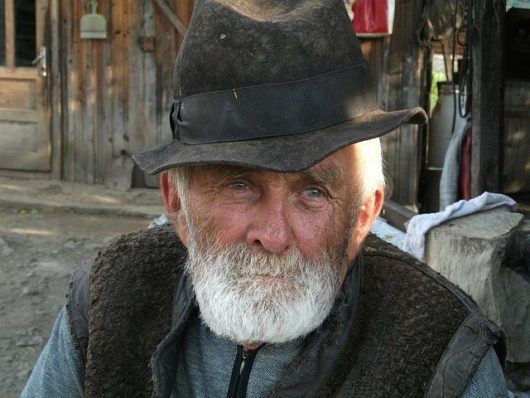
Water Quality in Romania

Water Quality in Romania
Upon traveling to Romania, one will find that there are no significant health risks. At least, no more than “any other European country,” according to the Lonely Planet’s current health guide. In fact, the only water which travelers need to be wary of is collected water found in the country’s many mountainous areas, which make up 31% of Romania’s landscape.

However, despite being surrounded by water, water quality in Romania is still fairly poor, and Romania ranks 13th in Europe in terms of water resources. Many native Romanians living in rural areas still struggle with wastewater management, owing in large part to pollution from sudden economic development between the 1960s and 1980s.

The majority of Romania is in the Danube basin, with over a third of the Danube river’s length flowing through the country. As such, Romania relies heavily on water from the Danube, water that has had some inconsistent quality over the years.

Prior to the 1950s, water quality in Romania was fairly steady, with the Danube river providing a good source of clean, easily-accessible water. Beginning in the 1960s, however, large-scale economic and industrial growth led to widespread water pollution. The main form of pollution was agrochemical fertilizers, which released copious amounts of nitrogen and phosphorus into the water. This continued until roughly 1989 when new regulations to correct this problem were introduced, and development began to slow. Since then, water quality in Romania has increased significantly. However, it remains inferior to the quality present before this development.

In many areas of the country, groundwater still contains many nitrates, leaving 35% of the population without consistent access to public clean water and 47% without access to wastewater collection and treatment. Instead, many people in Romania simply opt to drink bottled water, as it’s cheap and available nearly everywhere in the country.

In Romania, it seems that to live in an urban, wealthier area means that the threat of unsafe water is relatively nonexistent. Meanwhile,  in poorer, rural areas, it is still a major concern. However, Romania does seem to be making some strides toward making water safe for all its citizens.

On March 22, 2008, the date which the United Nations has dubbed “World Water Day,” the Romanian government came together to organize conferences and discussion sessions and launched a campaign of social responsibility aimed at making clean water, which the UN names as a “fundamental human right,” available for all Romanians.

– Audrey Palzkill

Photo: Flickr

July 28, 2017
https://borgenproject.org/wp-content/uploads/borgen-project-logo.svg 0 0 Borgen Project https://borgenproject.org/wp-content/uploads/borgen-project-logo.svg Borgen Project2017-07-28 07:30:122024-05-28 00:03:27Water Quality in Romania
Global Poverty

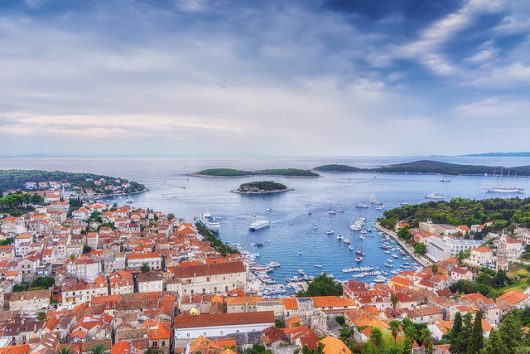
Cost of Living in Croatia Higher Than Neighboring Countries


The cost of living in Croatia is relatively steep in comparison to the minimum monthly wage, though expected growth in the region’s economy and hikes in the area’s minimum wage will benefit its residents trying to make ends meet.

This year alone, the country’s economy is expected to grow by 2.9%, according to the World Bank. In the following year, it is projected to increase by approximately 2.6%.

Items such as service exports, investments and personal consumption all contribute to the economy’s growth.

According to Wageindicator, as of March 2017, the minimum monthly wage in Croatia is just shy of $507. In comparison, approximate month-to-month living costs in Croatia total around $330.

Other expenses such as food, clothing and utilities often push the total cost of living over the minimum monthly wage. This fact means residents might resort to sharing a living space with multiple people, though these spaces are often not intended for more than one person.

According to an article from Croatia Week, in Zagreb, the country’s capital, the average resident will earn a little under $1,000 a month. Of these wages, just over $200 must be set aside for utility bills, according to the article.

A full week’s work is required to cover basic living costs in Zagreb. Approximately 38 hours of work per week are needed in Zagreb to cover the cost of utilities.

Compared to other European capitals, Zagreb has some of the highest utility rates, topping even that of London, one of the world’s most expensive cities.  The cost of living in Croatia is typically greater than that of its neighboring countries.

In recent years, a rise in tourism in the region has increased the cost of living in Croatia. Compared to other Eastern European countries, everyday costs are significantly higher in Croatia, though they are lower than in Western Europe and the U.S.

– Leah Potter

Photo: Flickr

July 26, 2017
https://borgenproject.org/wp-content/uploads/borgen-project-logo.svg 0 0 Borgen Project https://borgenproject.org/wp-content/uploads/borgen-project-logo.svg Borgen Project2017-07-26 07:30:312020-06-25 06:55:04Cost of Living in Croatia Higher Than Neighboring Countries
Global Poverty

Causes of Poverty in Romania Run Deep

Causes of Poverty in Romania
Severe poverty and complications within economic systems occur for a variety of different reasons. The contributing factors behind poverty in the poorest of countries are usually obvious. They include poor water quality, a lack of resources, shared food and housing and other noticeable struggles. However, the causes of poverty in Romania go a little deeper than these norms.

Romania entered the European Union in 2007. Despite its growing economy, it ranks as Europe’s most poverty-stricken nation.

Even though the structures and education systems are better established in Romania than in many other poor countries, Romania’s social systems and flawed pay benefits cause great financial harm to its citizens.

When asked about the causes of poverty, Romanians report that several of Romania’s social programs give equally to those who are rich and to those who are poor, neglecting to give direct attention to those who are struggling financially. This fact, combined with flaws in Romania’s social systems that allow people to misuse the aid, results in the failure of assistance to reach some of the families that need it the most.

On paper, Romania’s economy seems to flourish, yet poverty continues to worsen.

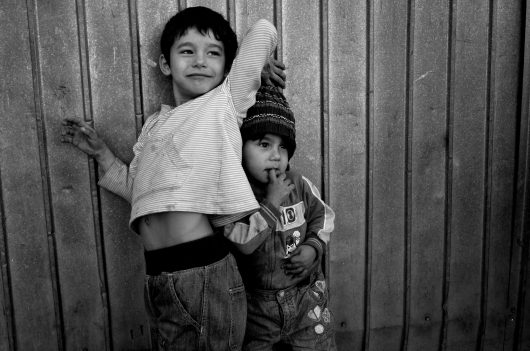
Racism is the root of several causes of poverty in Romania. Those who are Romani in Romania are more likely to struggle with poverty due to racism and oppression.

Large Roma families are hardly able to afford food and basic necessities. They often live in dangerous and unstable areas such as caves and are not considered to be Romanian citizens by the public.

A 2013 survey found that around 27% of men of Roma descent reported being discriminated against due to their race when looking for jobs. This, of course, does not include those who are ashamed of unemployment or are too afraid to acknowledge their own discrimination.

Between flaws in Romania’s government and some very problematic racial issues, Romania experiences an array of poverty sources.

Care.org provides opportunities to help people in Romania by providing sources for advocacy and donations. This is a way that anyone can help alleviate financial distress and fight the causes of poverty in Romania.

– Noel Mcdavid

Photo: Pixabay

July 26, 2017
https://borgenproject.org/wp-content/uploads/borgen-project-logo.svg 0 0 Borgen Project https://borgenproject.org/wp-content/uploads/borgen-project-logo.svg Borgen Project2017-07-26 07:30:182020-06-25 06:57:43Causes of Poverty in Romania Run Deep
Global Poverty

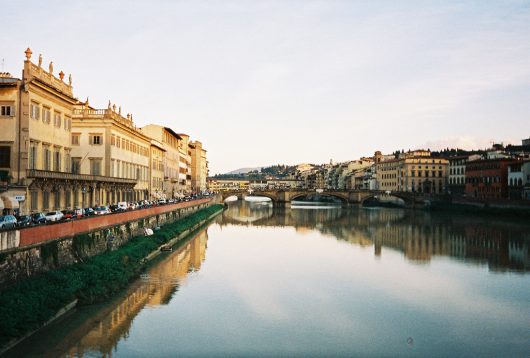
Facts and Figures About Migration to Italy

Nine Facts and Figures About Migration to Italy
Political instability is a strong driving force behind poverty and unemployment, and Italy has served as a gateway for a better quality of life for political refugees. Since the mid-twentieth century, Italy has been a hub for international migration, as the Italian peninsula bears proximity to the Middle East, Afric, and former USSR countries, and offers easy access to continental Europe. The following paragraphs include facts and figures about the history of migration to Italy, who has migrated to Italy and how the Italian government has handled immigration.

The first large refugee population in Italy came from Tunisia in the 1980s. Tunisians who had formerly migrated to France for labor opportunities began to flock to nearby Italy to work in its informal economy. Lampedusa and Sicily, both Italian islands (the former being only 70 miles from Tunisia) became the leading destinations for Tunisian refugees.

Following the Tunisians were female migrants from Catholic countries in South America and northern Africa who were employed in housework or as waitresses.

After the fall of the Berlin Wall in 1989, refugees began to come from Romania, Albania and Ukraine to escape political instability. Over time, this new wave of refugees changed the ethnic makeup of migrants to Italy. In 2003, eastern European refugees dominated half the regions in Italy while northern African refugees dominated the other half, separating the two migrant groups. By 2014, however, every area was dominated by either Romanian, Albanian or Ukrainian migrants.

In recent years, Italy has made attempts to discourage refugees from entering the country. In 2008, former Prime Minister Silvio Berlusconi and Moammar Gadhafi signed the “Treaty of Friendship” in which Itay promised to invest $5 billion in Libyan infrastructure projects in exchange for a drastic decrease in illegal immigration from Libya. The migration from Libya spiked again in 2011 after Gadhafi was overthrown. In 2012, Italy faced harsh criticism from the European Court of Human Rights for signing similar bilateral agreements with migrants’ countries of origins that allowed for the quick deportation of refugees.

In November 2013, however, the Italian Navy enacted a search-and-rescue program called Mare Nostrum, following a tragic boat accident one month prior that killed 349 asylum seekers. In one year, this program rescued more than 160,000 people. The program got abandoned in October 2014 after receiving criticism from the European Union for encouraging migration across the Mediterranean.

In 2015, Italy was second to Germany for the highest number of refugees seeking asylum, with 122,960 applicants.

The overwhelming majority of immigrants to Italy are men ages 18 to 34. In 2016, 85,570 men within this age range migrated to Italy, comprising 70% of migrants to Italy that year. This group of migrants largely included migrant workers who sent remittances to their families in their home countries.

In 2017, the Minister of the Interior, Marco Minniti, issued a decree that enforced stringent guidelines on the rights of asylum seekers in Italy. First, migrants who were denied asylum in Italy would lose their right to appeal the decision. Second, the process for seeking asylum was modified so that it would be a summary proceeding instead of a full chamber proceeding. In this case, the judge would no longer hear the asylum seeker’s interview before granting or denying asylum.

This information about migration to Italy demonstrates how a developed country may choose to respond to an ongoing refugee crisis. While the Italian government has made substantial efforts to repatriate migrants, projects such as Mare Nostrum have had a positive impact by saving thousands of asylum seekers in the Mediterranean Sea. Considering their proximity to northern Africa, the Middle East and Eastern Europe, the Italian government must decide whether it is their responsibility to assist refugees who are escaping the internal crisis.

– Christiana Lano

Photo: Flickr

July 25, 2017
https://borgenproject.org/wp-content/uploads/borgen-project-logo.svg 0 0 Borgen Project https://borgenproject.org/wp-content/uploads/borgen-project-logo.svg Borgen Project2017-07-25 07:30:232024-05-28 00:03:22Facts and Figures About Migration to Italy
Global Poverty

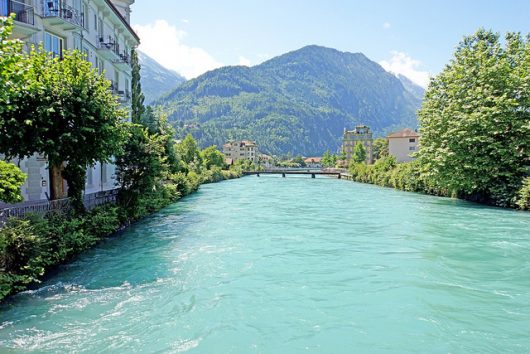
Cost of Living in Switzerland

Cost of Living in Switzerland
Known for its delectable chocolate and incredible skiing, the high cost of living in Switzerland is another of the country’s claims to fame. Switzerland ranks above other expensive countries such as Luxembourg and Hong Kong by being the second most expensive country in the world, according to Numbeo. With a gallon of milk costing about $6.50 in Geneva and gas reaching almost $5 a gallon, there is no hiding from high prices.

Geneva, the second-largest city in Switzerland, is 44% more expensive than New York City. The average family of four spends over 5,000 dollars a month on regular expenses. Hailing from the most expensive country in Europe, these expenses have become the norm across the land-locked country.

A dwindling unemployment rate of three percent has helped boost an already booming economy. In addition, the average yearly income is above $35,000, while in the United States it is only around $29,000. These factors contribute to one of the highest qualities of living in the world. A recent poll demonstrates that the Swiss give their quality of life a 7.6 out of 10. The average around the world is a 6.5 out of 10, revealing how high Switzerland ranks in all aspects of life.

If not for the high cost of goods, Swiss bank accounts have long kept Switzerland associated with the wealthy. After passing the Banking Law of 1934, the identities of Swiss bank account holders legally became confidential. This law made it a criminal offense to reveal any information pertaining to Swiss bank account holders. For example, Wegelin bank helped Americans to conceal $1.2 billion from the government in order to evade taxes. The confidentiality that comes along with a Swiss bank account is the driving force behind so many foreigners creating offshore bank accounts in Switzerland. This has contributed to the high cost of living in Switzerland.

With the most expensive Big Mac in the world at $6.59, there is no sector of life untouched from the high cost of living in Switzerland. These exuberant prices come with one of the most scenic countries in the world. Switzerland’s mountains and picturesque towns offer exactly what you pay for. Although the high prices are not going anywhere, the cost of living in Switzerland represents the money it takes to live the ideal life.

– Sophie Casimes

Photo: Flickr

July 25, 2017
https://borgenproject.org/wp-content/uploads/borgen-project-logo.svg 0 0 Borgen Project https://borgenproject.org/wp-content/uploads/borgen-project-logo.svg Borgen Project2017-07-25 01:30:382024-12-13 17:58:21Cost of Living in Switzerland
Global Poverty, Refugees

10 Facts About Portugal Refugees

Portugal Refugees
Far from the refugee camps of Eastern Europe, Portugal is rarely associated with the term “refugee.” Its location presented an obstacle for refugees fleeing countries such as Syria. But the Portuguese prime minister is determined to change the idea that Portugal is not a country welcoming refugees. With the help of the European Union, Portugal is increasing refugee quotas and welcoming unprecedented numbers. These 10 facts about Portugal refugees show the newfound commitment of the Portuguese to refugees.

  1. The European Union unveiled a new plan to relocate refugees from Italy and Greece to Portugal. This made Portugal third on the list of countries for the number of refugees it will welcome under the plan.
  2. In 2015, Portugal received 872 requests for asylum. Of these requests, 19 were from Syria, five were from Iraq, and four were from Afghanistan.
  3. Portugal is undeniably prepared to handle the increase in refugees as it was ranked second, behind Sweden, for its accomplishments for assimilating refugees into society.
  4. The World Health Organization (WHO) introduced a five-day course for medical professionals to educate them on refugee health. Portugal has sent representatives to the course in order to become prepared for the increase of refugees to which it has committed. The course will cover how to assist refugees in finding healthcare, why it is economically important to focus on the health of migrants and applicable strategies that focus on refugee populations.
  5. World Refugee Day ushered in opportunities all over the world for refugees. Starbucks announced its plan to hire 2,500 refugees all over the world, including in Portugal.
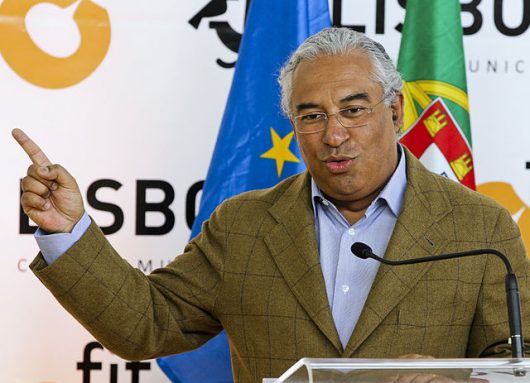
  6. Prime minister António Costa increased the number of refugees from 4,000 to 10,000 in an apparent effort to boost the economy. This has led to refugee relocation across Portugal in an attempt to increase job growth.
  7. Pão a Pão, a restaurant in Lisbon, gave refugees around the city a new start. The majority of its employees are refugees, cooking bread from their place of origin.
  8. Although Portugal became a rising star in terms of their commitment to refugees, some have criticized the move as simply a way to boost the population. The economic crisis sent many Portuguese citizens abroad in search of employment.
  9. Portugal is a widely Catholic country that listens intently to the words of the Pope, and thus takes his lead on various social issues. His recent interest in the refugee crisis contributed to Portugal’s willingness to accept more migrants.
  10. Portugal continually struggled to attract refugees as the location is distant from where they begin their journey. Many refugees aim for Central Europe because of the perceived wealth, with Portugal never appearing on their radar.

The experience of Portugal refugees shows that this Western European country could soon be center stage in terms of migrant numbers. Portugal is ramping up preparations to accept thousands of more immigrants and sees the refugee crisis as an opportunity to grow its population and economy. These facts about Portugal refugees prove that Portugal is a country refugees should be seeking.

– Sophie Casimes

Photo: Google

July 24, 2017
https://borgenproject.org/wp-content/uploads/borgen-project-logo.svg 0 0 Borgen Project https://borgenproject.org/wp-content/uploads/borgen-project-logo.svg Borgen Project2017-07-24 07:30:162020-06-18 08:37:5510 Facts About Portugal Refugees
Global Poverty

The Current State of Poverty in Romania

Poverty in Romania
Ringing in at a 25.4% poverty rate, Romania is one of the six countries off the coast of the Black Sea in southeast Europe that has seen its fair share of poverty and struggle in the last century. Taking part in both World Wars and being under Soviet occupation has severely weakened the economy as well as the morale of natives, and resulted in escalating poverty in Romania.

After reaching a point of good economic growth and being the second-largest producer of oil in Europe after World War I, Romania was pulled into the crossfires of World War II by an ultimatum from the USSR. This led to Soviet occupation and, ultimately, the decline of Romania. Not only did the Soviets exploit Romanian natural resources, but they also implemented a mass genocide targeting the Jews and Roma communities.

Once the communist influence had pulled out, however, Romania was left in shambles. The post-USSR era called for the reorganization of farmland, which displaced many of the farmers and added to the problem of poverty in Romania. Since Romania cultivated a predominantly agriculture-based economy, this disturbed the lives of many and resulted in a shift to subsistence farming. Farmers were bound to low levels of production and marginal incomes due to a lack of resources.

Furthermore, because 44% of Romanians live in rural areas, according to the Rural Poverty Portal, almost half of the population is confined to small-scale farming. In particular, people that reside in the remote mountain areas face the harshest conditions due to minimal access to infrastructure.


Poverty in Romania


For the past couple of decades, these farmers have been stuck in the vicious cycle of working for the bare necessities of living for generations. In 2015, a Eurostat news release projected that 46.8% of children were at risk of poverty. This low level of living and lack of opportunity has propelled Romania into a primarily emigration-based nation.

Ethnic minorities and victims of the post-communist decline in jobs looked for hope outside of Romania, which caused the natives to look for opportunities outside the nation as well. According to Focus Migration, around two million Romanians moved in order to better their lives. This included professionals that are vital to the survival of a nation, such as doctors.

Despite the low unemployment rates and misleading statistics often presented by the Romanian elite, there is still much work to accomplish regarding human rights, government, economy, and poverty in Romania for it to be a safer and more stable country for its residents.

– Tanvi Wattal

Photo: Flickr

July 23, 2017
https://borgenproject.org/wp-content/uploads/borgen-project-logo.svg 0 0 Borgen Project https://borgenproject.org/wp-content/uploads/borgen-project-logo.svg Borgen Project2017-07-23 01:30:172024-06-04 01:08:22The Current State of Poverty in Romania
Global Poverty, Human Rights

Recent and Ongoing Violations of Human Rights in Romania


Human rights in Romania made headlines last January after Romanians took to the streets in the largest protests since the 1989 revolution. The peaceful demonstrations began in response to a government attempt to eliminate protections against corruption. The protesters were ultimately successful in halting the legislation, a signal to many that democracy is alive and well in the eastern European country.

This notion was reinforced by the June 13 announcement that Romania’s former president Ion Iliescu will go to court to face charges of crimes against humanity. The charges have been brought against him in connection with a violent crackdown on peaceful protests in Bucharest in 1990, just months after the uprisings that ousted dictator Nicolae Ceaușescu. The charges allege that Iliescu, who ordered tens of thousands of security officers to stifle the peaceful protests, is responsible for four deaths, 1,380 injuries and 1,250 arrests.

The contrast between the response to the freedom of expression in these two instances, separated by less than 30 years, demonstrates profound growth in human rights in Romania. Though the success of the demonstrations in early 2017 has been praised worldwide, there are still significant human rights abuses occurring daily.

Systemic Roma Discrimination

Perhaps the most pervasive of these abuses is the systemic discrimination faced by Roma in all facets of life. According to the U.S. State Department, there are between 1.8 million and 2.5 million Roma in the country, accounting for approximately 10% of the population. Romania’s most recent official census, conducted in 2011, counted 621,573 Roma, though this number is severely skewed by widespread issues with identification documents.

NGOs and the media report that societal discrimination against Roma has persisted and that Roma are routinely denied public services. Given this discrimination, many Roma are fearful of registering for identity documents as they would be required to declare their ethnicity. However, without these documents, they are unable to participate in elections, receive social benefits or fully participate in the labor market.

The United Nations and the European Union have urged Romania to implement the Roma Inclusion Strategy, which pushes states to uphold their commitments to European human rights laws and integrate Roma into society.

Prison and Law Enforcement Failures

In 2016, the Romani Center for Social Intervention and Studies reported 43 cases of police brutality against Romas. Racism was not investigated as a motive in any of these instances.

While this is yet another example of Roma discrimination, it is also a symptom of the larger dysfunction of the Romanian justice system. Constitutional protections for human rights in Romania prohibit torture, unlawful detention and violence against prisoners and detainees, yet NGOs and media still report that security forces routinely disregard these laws.

This problem is exacerbated by the prison system’s overcrowding problem. As of July 2016, Romania’s prisons held 28,278 persons. Based on the space limits imposed by the Council of Europe’s Committee for the Prevention of Torture, Romania’s prison system only has the capacity to hold 18,826.

Few immediate measures are being taken to resolve this issue, but the government introduced a plan in April 2016 to improve prison conditions by 2023 after the EHRC ruling in Rezmiveș and Others v. Romania, which highlighted a “structural deficiency” in Romanian prisons.

Domestic Violence

Domestic violence has become a dominant topic in the discussion of human rights in Romania, as the international community continues to push for Romania to uphold the necessary protections for its citizens. Advocates are working to introduce new legislation and to urge the government to abide by the laws and agreements already in place, including the Istanbul Convention, which entered into force in September 2016. Data supplied by the General Police Inspectorate counted nearly 9,000 cases of domestic violence in just the first six months of 2016. National NGOs reported that the actual number was much higher, and the European Court of Human Rights reports that more than half of Romanians believe that domestic violence is justified.

Existing laws provide few protections for survivors of domestic abuse. Many of those afforded are only temporary. Restraining orders may be issued for a maximum of six months. Even more concerning is the lack of protection for survivors who were in relationships but did not cohabit with their alleged abuser. Victims in this category cannot obtain a restraining order, stay in shelters or utilize the other state services. There has been little high-level coordination to reform these provisions.

Despite shortcomings in these areas, it is clear that human rights in Romania are progressing. Discrimination against Roma continues to be an egregious disregard for human rights and a senseless “waste of human capital and loss of productivity,” impeding Romania’s growth as a society. Romania has an obligation to implement the Roma Integration Strategy, which has set inclusion targets for 2020.

Similarly, a justice system that allows for the overcrowding of prisons and abuse by security officers to continue is not just, nor is it aligned with EU standards. Should the state refuse to reform these aspects of its justice system, it will face punishment in the form of restrictions on its EU membership.

Romania will face similar penalties if it does not bring its domestic violence laws in line with international norms. While there is not yet a concrete plan for the future of domestic violence protections, there is a plan in place to remedy Romania’s prison conditions by 2030. This plan, Romania’s EU membership and recent protests all point to continued progress for human rights in Romania.

– Alena Zafonte

Photo: Flickr

July 21, 2017
https://borgenproject.org/wp-content/uploads/borgen-project-logo.svg 0 0 Borgen Project https://borgenproject.org/wp-content/uploads/borgen-project-logo.svg Borgen Project2017-07-21 07:30:422024-05-28 00:03:12Recent and Ongoing Violations of Human Rights in Romania
Page 6 of 13«‹45678›»

Get Smarter

  • Global Poverty 101
  • Global Poverty… The Good News
  • Global Poverty & U.S. Jobs
  • Global Poverty and National Security
  • Innovative Solutions to Poverty
  • Global Poverty & Aid FAQ’s
Search Search

Take Action

  • Call Congress
  • Email Congress
  • Donate
  • 30 Ways to Help
  • Volunteer Ops
  • Internships
  • Courses & Certificates
  • The Podcast
Borgen Project

“The Borgen Project is an incredible nonprofit organization that is addressing poverty and hunger and working towards ending them.”

-The Huffington Post

Inside The Borgen Project

  • Contact
  • About
  • Financials
  • President
  • Board of Directors
  • Board of Advisors

International Links

  • UK Email Parliament
  • UK Donate
  • Canada Email Parliament

Get Smarter

  • Global Poverty 101
  • Global Poverty… The Good News
  • Global Poverty & U.S. Jobs
  • Global Poverty and National Security
  • Innovative Solutions to Poverty
  • Global Poverty & Aid FAQ’s

Ways to Help

  • Call Congress
  • Email Congress
  • Donate
  • 30 Ways to Help
  • Volunteer Ops
  • Internships
  • Courses & Certificates
  • The Podcast
Scroll to top Scroll to top Scroll to top