• Link to X
  • Link to Facebook
  • Link to Instagram
  • Link to TikTok
  • Link to Youtube
  • About
    • About Us
      • President
      • Board of Directors
      • Board of Advisors
      • Financials
      • Our Methodology
      • Success Tracker
      • Contact
  • Act Now
    • 30 Ways to Help
      • Email Congress
      • Call Congress
      • Volunteer
      • Courses & Certificates
      • Be a Donor
    • Internships
      • In-Office Internships
      • Remote Internships
    • Legislation
      • Politics 101
  • The Blog
  • The Podcast
  • Magazine
  • Donate
  • Click to open the search input field Click to open the search input field Search
  • Menu Menu

Tag Archive for: Education

Posts

Development, Education, Global Poverty

Education in Namibia and Its Role in Development

Education in Namibia
The United Nations recently presented its Human Development Report in Windhoek, Namibia. The Report included the U.N.’s Human Development Index (HDI) which not only measures a nation’s economic well-being but also that of its citizens. Many find the HDI useful because it takes into account the citizenry’s quality of life.

The Report provided sobering news for the host nation when it was revealed its HDI rank was 126 out of 188. Despite its status as an upper middle-income nation, Namibia ranks fairly low on quality of life metric.

The HDI shows that a rising gross domestic product cannot cover up the citizen’s poor standard of living. The HDI points out that there is wealth inequality, poverty, poor healthcare and educational underperformance in Namibia.

Babatunde Omilola, the United Nations Development Programme’s chief of development planning in New York offered his opinion on solutions to these issues. In particular, Omilola noted that Namibia “could do better if it invests more in education.”

For example, Namibia invests billions of dollars in its education, yet only 30 percent of 12th graders in 2013 met the requirements for college admissions. With statistics showing that college graduates earn more throughout their lifetime, Namibia’s lack of collegiate students translates to unrealized potential.

By improving education in Namibia, it is likely that its citizens will benefit from increased opportunities and a higher HDI as the country tries to overcome a staggering poverty rate of 30 percent.

Omilola also noted that education “allows people to enhance their capabilities by providing them with acquired skills and knowledge.”

He then concludes this by saying Namibia’s “Education and skills need to be boosted.”

With a greater focus on education in Namibia, it is hoped that the country will produce more college graduates that have 21st century skills. These graduates will be able to fill the nation’s skills gap, and take advantage of the nation’s abundant resources.

– Andrew Wildes

Sources: Capacity4dev, World Bank, UNDP, Namibian 1, Namibian 2, Namibian Sun, WHO
Photo: UNDP

January 30, 2016
https://borgenproject.org/wp-content/uploads/borgen-project-logo.svg 0 0 Borgen Project https://borgenproject.org/wp-content/uploads/borgen-project-logo.svg Borgen Project2016-01-30 01:30:052024-06-07 05:07:35Education in Namibia and Its Role in Development
Education, Global Poverty

Finding Solutions for Unemployed Youth in Zambia

Zambia
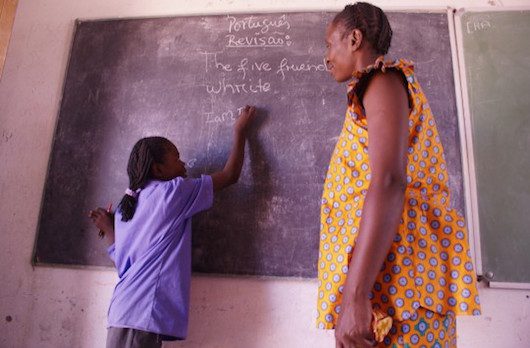
While Zambia continues to make strides economically and socially, there are clear problems that need to be addressed, according to a report by the International Development Research Centre (IDRC). The most pressing issue, the report states, is the growing number of unemployed youths in Zambia.

The Statistical Context

This past decade has been quite fruitful for Zambia’s economy, which has grown at an annual rate of 6 percent since 2000. However, poverty still afflicts 60.5 percent of the population. Moreover, from 2004 to 2013, the population has increased by 3.3 million to 14.5 million. The result is a disproportionately large population of Zambian youths.

This expansion amounts to an annual average rate of 3 percent, which exceeds the 2.7 percent average of other sub-Saharan countries.

According to the U.N.’s World Population Prospects, the working age youth population is expected to grow at a rate of 34 percent for the next two decades. This means that the youth labor force is expected to nearly double from 5.5 million to 10.1 million.

While Zambia’s economy has shown significant growth, the expected influx of youth into the labor market presents a challenge and a question: How can they all be absorbed into the workforce?

Currently, youth make up 64.2 percent of the working-age population. And of that pool, only 11 percent obtain public jobs. The private sector, on the other hand, accounts for a small percentage of the employed youth.

Not surprisingly, agriculture accounts for the majority of the jobs that youths hold as the economy continues to rely on that industry for growth.

This fact suggests that the economy has not undergone a structural transformation. In other words, the Zambian market has not yet incorporated technology-intensive manufacturing firms. And this has left otherwise able youth underemployed, performing marginal jobs of an irregular nature.

The Underlying Factors

Zambia boasts tremendous improvement in primary school enrollment rates, having increased from 72 percent in 2002 to 94 percent in 2012. However, as the report notes, the true indicator of a stable and effective education system is the progression rate of students from primary school all the way to tertiary school.

In that regard, Zambia performs poorly: out of every 100 primary school children, only 1.07 will enroll at a tertiary institution (i.e. university or vocational school).

This rate is six times below the average of neighboring countries and 19 times below the world average. Since many Zambian youth do not complete secondary or tertiary school, they are unable to find jobs and many may resort to agricultural or household work.

The struggle in transitioning from school to work depends on several factors. The quality of education is one, but it is not uncommon for young Zambians to be in and out of school trying to find sponsors to pay for their education.

Some end up graduating secondary school (i.e. high school) in their twenties.

For this reason, entrepreneurship is quite popular among Zambians as a compelling option for those who leave school. And, while the business set up have so far not been very stable — as a result of their establishment being out of economic necessity rather than opportunity — many see promise if these individuals are better supported.

The Solutions

Technical and vocational educational training schools or TVETs have been created to address the huge scarcity of skilled workers and a need for out-of-school students to find training.

However, there are two challenges facing these schools. First, is a lack of capacity: about 300,000 Zambians leave the school system every year, yet the universities and TVETs can only absorb 14,000 students.

Second, there has yet to be much stock put in the graduates of TVETs as compared to graduates of universities. Historically, TVET graduates are viewed as favorably as university graduates even though they possess the technical skills needed for a growing young economy like Zambia’s.

The government has enacted soft policies to help combat youth unemployment. The National Youth Policy (NYP) was first adopted in 1994 and was later readdressed in 2013.

The result was the National Action Plan on Youth Employment in Zambia, which developed a framework to monitor and evaluate youth unemployment to better produce jobs and resources.

Donor communities and Zambia’s NGO sector also assist. Street Kids International established the Youth Skills Enterprise Initiative, giving youth in Lusaka, Zambia’s capital, opportunities to earn daily income and learn life skills. Another venture, BongoHive, acts as a networking hub for young graduates to program and gain employable skills.

– Shehrose Mian

Sources: Bloomberg, IDRC, Bongohive
Photo: The World Bank
January 28, 2016
https://borgenproject.org/wp-content/uploads/borgen-project-logo.svg 0 0 Borgen Project https://borgenproject.org/wp-content/uploads/borgen-project-logo.svg Borgen Project2016-01-28 01:30:432024-05-27 09:28:45Finding Solutions for Unemployed Youth in Zambia
Family Planning and Contraception, Nonprofit Organizations and NGOs, Sustainable Development Goals, Women and Female Empowerment

Health Education for Women Improves in Southern Asia

health_education_for_women
Non-governmental organizations (NGOs) across southern Asia have developed programs in line with the new United Nations Sustainable Development Goals (SDGs) on health education for women.

SDG #3 aims to ensure healthy lives and promote well-being for all ages, and SDG #5 aims to achieve gender equality and empower all women and girls.

In Bangalore, India, mDhil, an online medical resource center, has developed social media campaigns that provide important health education for women. The organization has created a variety of videos that inform women about topics such as menstruation, pregnancy and hormones. mDhil content reaches over 2.5 million people each month.

These videos are available in many local languages, are easily accessible and can be viewed in private. In a survey, mDhil found that 60 percent of women prefer watching videos about intimate health issues rather than visiting a doctor.

Because most doctors offering healthcare for women were male, most women did not feel comfortable discussing family planning or reproductive health with them.

mDhil is empowering girls and women by giving them the information to better understand their bodies and make choices to better their health.

In Bangladesh, the HERHealth project aims to educate female factory workers on their health. Women employed in large factories tend to come from low-income backgrounds and work in unsafe, unhealthy conditions.

Using peer educators, HERHealth raises awareness on common diseases such as anemia and reproductive tract infections. Their health education for women even includes family members and communities of the female factory workers. Reportedly, this has resulted in decreasing cases of cholera.

The quality of work from factories involved with HERHealth has improved because the female workers are less likely to miss work due to injury or sickness. The impact of HERHealth is also met with factory managers asking for the same program for male workers.

In Ho Chi Minh City, Vietnam, the first Human Milk Human Babies Bank opened, allowing mothers to share their extra milk. The milk bank provides mothers the opportunity to give milk to other mothers who do not have enough milk to feed their own babies.

The founder of the bank, Trinh Tuan, also started a Youtube channel called the Journey of Breastmilk to allow women to share maternal and childcare knowledge.

NGOs in the global south are working towards the SDGs, particularly health education for women, and are making a difference using peer training, technology and sharing strategies and knowledge.

– Marie Helene Ngom

Sources: URB, Huffington Post, UN
Photo: Google Images

November 26, 2015
https://borgenproject.org/wp-content/uploads/borgen-project-logo.svg 0 0 Borgen Project https://borgenproject.org/wp-content/uploads/borgen-project-logo.svg Borgen Project2015-11-26 01:30:572024-06-04 01:17:42Health Education for Women Improves in Southern Asia
Developing Countries, Development, Food & Hunger, Global Poverty

Millennium Development Goals Successes

Millennium_Development_GoalsAs 2015 comes to a close and the world takes a look at the progress that has been made in global poverty relief, it is clear that significant progress has been achieved. The list of what has been accomplished is extensive, but here are some of the top Millennium Development Goals successes:
  1. Between 1990 and 2015 the number of people living in extreme poverty went from 1.9 billion to 836 million people. That’s 1,090 million people who no longer live in poverty.
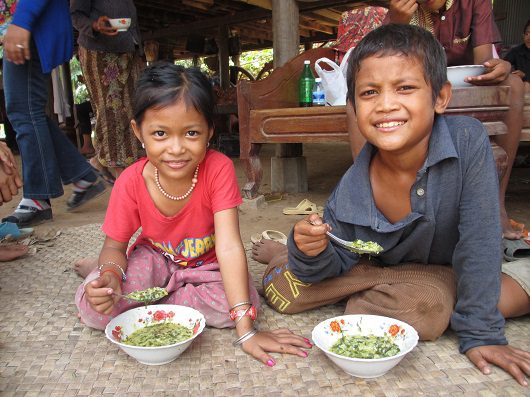
  2. The number of primary school age children who were out of school dropped globally from 100 million to 57 million. That’s 43 million more children able to go to school.
  3. In 1990, for every 100 boys that attended school in Asia, there were only 74 girls attending. That number has now risen from 74 to 103 girls.
  4. The number of infant deaths under age 5 has declined from 12.7 million to in 1990, to 6 million today.
  5. In 1990, only 2.3 billion people had access to clean drinking water. That number has now climbed to 4.2 billion.
  6. 99 percent of all countries have more women in parliament than they did in 1990.
  7. The child mortality rate has been reduced from 90 deaths per 1,000 live births to 43 deaths per 1,000 live births, and it continues to fall.
  8. The number of people living on only $1.25 a day has gone from 47 percent in 1990 to 14 percent in 2015.

While the Millennium Development Goals have had many successes, some goals have not been reached. World leaders have come together once again to decide on the new long-term sustainability goals, building on the past successes.

According to the UN, The Sustainable Development Goals, “will break fresh ground with ambition on inequalities, economic growth, decent jobs, cities and human settlements, industrialization, energy, climate change, sustainable consumption and production, peace and justice.”

– Drusilla Gibbs

Sources: The Guardian, UN
Photo: Flickr

November 24, 2015
https://borgenproject.org/wp-content/uploads/borgen-project-logo.svg 0 0 Borgen Project https://borgenproject.org/wp-content/uploads/borgen-project-logo.svg Borgen Project2015-11-24 01:30:062024-05-27 09:28:22Millennium Development Goals Successes
Children, Development, Education, Global Poverty

Cambodia Children for Change

children_for_changeThe Khmer Rouge genocide is a historic atrocity that devastated the people of Cambodia from 1975-1979. The country is still struggling to rehabilitate its debilitated economy and depleted resources.

After the genocide, families’ structures were left fragmented and splintered. The disruption of the family unit left little hope or vision of the future. Many families in Cambodia chose to have their children earn income to help sustain the family as opposed to attending school.

These children are at high risk of exploitation. The Children for Change in Cambodia organization is dedicated to helping children who have been exploited, are being exploited or who are at a high risk for being exploited. It has created programs, as well as classes and services designed to encourage success for this demographic.

The Children for Change is a nonprofit organization in Phnom Penh that serves to heal historical wounds through the use of education and exposure to opportunities.

The school sits on the outskirts of Phnom Penh in one of the red light districts. It is a small and community-based organization that strives to help children in the most vulnerable areas.

The school offers various programs unique to the area. Program Design, Academic Bridge to Success, Vocational training and Program Assessment are examples of programs specially designed to enhance the academic experience for students.

The Children for Change in Cambodia also conducts social action projects. These assist students in giving back to their communities. The purpose is to emphasize the importance of community, to instill pride in their communities and to learn from community leaders and other role models.

In Cambodia, primary schools have the most students, followed by the lower secondary and upper secondary schools. Private and traditional schools segregate by age. This serves as a further deterrent for older kids to start school when they are not considered the proper age.

The Children for Change, Cambodia welcomes students of all ages and all levels. All of the classes have multiple ages. The ages of the students range from five to 16 years of age. Classes are based upon the level of education of the students.

In addition, the organization has emergency services for their students in need. For example, they give temporary housing to students when it is no longer safe to go home or to those who are experiencing homelessness.

Those that need emergency housing are not uprooted from school or familiar surroundings. This is important because many of the students have had transient lifestyles. The organization is sensitive to the unique needs of the population it serves.

The Children for Change, Cambodia provides educational services and social support to young students that are at high risk of trafficking. Quality education and skill-building techniques increase the likelihood of excelling in society.

– Erika Wright

Sources: Cultural Quest, The Children for Change, Cambodia, Time
Photo: Flickr

November 22, 2015
https://borgenproject.org/wp-content/uploads/borgen-project-logo.svg 0 0 Borgen Project https://borgenproject.org/wp-content/uploads/borgen-project-logo.svg Borgen Project2015-11-22 01:30:082020-06-24 20:03:52Cambodia Children for Change
Children, Development, Education, Global Poverty

Dollar a Week Private Schools in Developing Countries

Private_Schools_in_Developing_CountriesPrivate schools costing as little as $1 per week are beginning to take off in the developing world.

According to the World Bank, one-fifth of primary-school students are enrolled in private schools across developing countries. This is twice as many as there were 20 years ago. Many private schools in developing countries are also unregistered, so this number is thought to be even higher.

Private schools are a great alternative to overcrowded public schools. For example, in Mathare, a slum located in Kenya, there are only four public schools available for nearly half a million people. Private schools are necessary in these communities in order to accommodate such a large amount of students.

The fastest growing private schools are low-cost and accommodate people living on less than $2 a day. They are usually run by entrepreneurs or charities within these poor communities.

James Tooley, a professor at University of Newcastle, said, “These private schools, my research has shown, outperform the government schools, at a fraction of the cost.”

Ken-Ade Private School was founded in April of 1990 and has grown into a successful private school in Makoko, Nigeria. It is one of the 32 unregistered private schools located in Makoko. In December 2008, there were 185 students enrolled and 13 staff members.

The school offers many different subjects including Handwriting, Computer Studies and Agricultural Science. It offers extracurricular activities as well, such as a reading club, a drum band and an all girls choir.

Ken-Ade charges around $4 a month, which is practical for a family who only earns $1 per day. Not all children have to pay fees, though. According to Mr. Bawo Sabo Elieu Ayeseminikan, owner of Ken-Ade, there are orphaned students that are allowed to attend school for free.

According to Tooley, 75 percent of all school children in communities similar to Makoko are attending private schools. This is considerably higher than those who attend public schools.

Tooley also found in his research that private schools in these regions, whether registered or not, outperformed public schools in all subjects. Overall, private schools achieved higher success than public schools with only a quarter of teacher salary costs.

The private schools described above provide a grass-roots solution to achieving universal basic education. They give children in developing countries an opportunity to have an education where they are the priority. Private schools are a successful alternative to public schools and continue to grow in poor communities across the globe.

– Jordan Connell

Sources: CATO Institute, The Economist 1, The Economist 2, Ken-Ade Private School Website
Photo: Wikimedia

November 21, 2015
https://borgenproject.org/wp-content/uploads/borgen-project-logo.svg 0 0 Borgen Project https://borgenproject.org/wp-content/uploads/borgen-project-logo.svg Borgen Project2015-11-21 11:50:532020-06-24 20:05:00Dollar a Week Private Schools in Developing Countries
Activism, Advocacy, Aid, Children, Education, Global Poverty, Hunger

Read to Feed: Global Education Lesson Plans

Global_Education_Lesson_Plans
Anyone and everyone can change the world, even in the slightest way. An organization known as Read to Feed gives children the opportunity to make a difference in the lives of families living in poverty.

The program encourages childhood reading while raising awareness of extreme global poverty in young minds. Read to Feed teaches and informs students of the realities of malnutrition and poverty, inspiring them to help those in need and providing an educational incentive to do so.

Here’s how it works: A child chooses a sponsor for each book he or she reads during a period of time set by his or her Read to Feed leader. The sponsor agrees to provide a certain amount of money for each book read or hour spent reading. Then, after the books have been read and the funds collected, the child chooses an animal through Heifer International to give to a family experiencing poverty.

Heifer International is an organization dedicated to ending global poverty and world hunger. Heifer provides families in impoverished communities with livestock and training to combat malnutrition as well as build a sustainable lifestyle.

Furthermore, Heifer encourages the families they have helped to share the training they receive with other families in their communities and pass on the first female offspring of their livestock to another family in need, thus creating a cycle of sustainability that has the power to lift entire communities out of poverty.

The wide variety of livestock provides families with meat, milk, wool and manure to grow their own agriculture. Kids can participate in Read to Feed individually or in groups; however, the program most often takes place in a classroom setting.

Furthermore, Heifer provides Global Education Lesson Plans so that teachers can inform students of the realities of global poverty and the impact that they can make in changing its course.

Read to Feed ultimately provides children with a way to make a difference in many lives. Reading a book is a fun incentive to end extreme poverty, both stimulating a child’s mind by increasing the number of books they read, and their knowledge of the world. Anyone can make a difference and everyone– no matter what age– deserves the chance to try.

– Sarah Sheppard

Sources: Heifer 1, Heifer 2, Learning to Give
Photo: Hiefer International

November 9, 2015
https://borgenproject.org/wp-content/uploads/borgen-project-logo.svg 0 0 Borgen Project https://borgenproject.org/wp-content/uploads/borgen-project-logo.svg Borgen Project2015-11-09 06:26:312024-12-13 18:04:59Read to Feed: Global Education Lesson Plans
Children, Development, Global Poverty

Ubuntu in the Heart of Poverty

Ubuntu

Ubuntu is a Zulu word that translates to “human kindness.” The Ubuntu Education Fund aims to create long lasting change in the impoverished townships of Port Elizabeth in South Africa.

The effectiveness of the program can be credited to its three over-arching programs: household sustainability, health and education. This strategy has “received international acclaim from Bill Clinton to the World Economic Forum.”

“Why can’t our poor children in Africa have an education? Why does it have to be a privilege? Why can’t it be a child’s right?” stated CEO and Co-Founder of The Ubuntu Education Fund Jacob Lief at the grand opening of the Ubuntu Center on Sept. 16, 2010.

The Ubuntu Center is located in the heart of Port Elizabeth’s townships, one of the largest slums in the world. The center offers a pediatric HIV center, pharmacy, classrooms, computer labs and a theater.

“Ubuntu graduates attain successes that few in their community ever realize and, in doing so, they are redefining what the world believes to be possible in disadvantaged communities,” stated Lief.

Since its establishment in 2010, the Ubuntu Center has supported the 2,000 children and indirectly supported the community. A study conducted by McKinsey & Company found that “Ubuntu graduates will contribute $195,000 to society, while their peers will cost society $9,000.”

In addition to providing child health care, the pediatric clinic offers prenatal and postnatal care, HIV and TB testing and treatment.

“Ubuntu’s impact is transformative – from HIV-positive mothers giving birth to healthy, HIV-negative babies, to vocational-tracked youth in our Ubuntu Pathways (UP) program securing employment,” said Lief.

The program also provides child protection services and psychosocial counseling to ensure stable homes in order for children to thrive in their education. The dynamic school program included university scholarships and “job readiness training.”

The program emphasizes “depth rather than breadth of impact” which is why within four years of joining Ubuntu, 82 percent of people are “on-track towards stable health and employment,” said Lief.

Former President Bill Clinton visited the Ubuntu Center in August 2013 and had this to say: “Ubuntu has come so far. We’re very proud of your work. This is an amazing organization that actually ensures its people are taken care of.”

Chelsea Clinton, his daughter, added, “The Ubuntu model is incredible; you start early and work with children their entire lives.”

– Marie Helene Ngom

Sources: Forbes, Ubuntu Blog, YouTube
Photo: Flickr

October 30, 2015
https://borgenproject.org/wp-content/uploads/borgen-project-logo.svg 0 0 Borgen Project https://borgenproject.org/wp-content/uploads/borgen-project-logo.svg Borgen Project2015-10-30 01:30:412024-12-13 17:54:09Ubuntu in the Heart of Poverty
Development, Education, Global Poverty

Global Education Industry Summit Challenges Education

Global Education Industry Summit Challenges Education Systems

The First Global Education Industry Summit brought together education policy makers and education-related industry leaders to exchange ideas on how education has evolved and revealed strategies for innovation.

Held in Helsinki, Finland on Oct. 19 and 20, the summit was the ideal location because Finland is known for its strong education system.

“Finland’s education system is well regarded worldwide for its teacher education approach, and for the status that the teaching profession enjoys,” said Education Minister Hekia Parata.

The summit was jointly organized by the Organization for Economic Cooperation and Development (OECD), the European Commission (EC) and the Finnish Ministry of Education and Culture.

During the summit, Finland’s Minister of Education and Culture Sanni Grahn-Laasonen discussed the importance of social change and how this correlates with keeping children in school and continuing their education.

“We need to challenge our education systems in order to keep up with current social change and expectations to encourage people to learn continuously,” said Grahn-Laasonen.

Since the digital era has made an immense impact on education, Finland announced it will introduce a new national curriculum emphasizing digital skills in August 2016.

Ranked fifth in the world for education, Finland also desires to place more emphasis on phenomenon-based learning.

Instead of passively receiving information from teachers in traditional subject learning, students have the opportunity to work alongside teachers to develop projects while taking responsibility for their own learning.

Phenomenon-based learning also deals with the incorporation of modern technology, in particular, online instruction and game-based learning.

Through these strategies, Finland hopes to prepare its students for the evolving demands of higher education and an ever-changing workforce.

“One of the common themes of the discussions was how much education systems can learn from each other, but it is also important to recognize that each system is particular to its own culture and society,” says Minister Parata.

While the next summit will be held in Israel in 2016, representatives and international organizations hope education reforms will trigger more students to receive the education they deserve to succeed.

– Alexandra Korman

Sources: Noodle, Ranking America, Scoop, Xinhua Net
Photo: Flickr

October 29, 2015
https://borgenproject.org/wp-content/uploads/borgen-project-logo.svg 0 0 Borgen Project https://borgenproject.org/wp-content/uploads/borgen-project-logo.svg Borgen Project2015-10-29 01:30:082024-05-27 09:28:15Global Education Industry Summit Challenges Education
Aid, Developing Countries, Education, Global Poverty

International Scholarships: Hope for Developing Countries

International Scholarships: Hope for Developing Countries

Nelson Mandela, former president of South Africa and education advocate, once stated that “education is the most powerful weapon which you can use to change the world.”

It is with this outlook that countries have banded together to make education a priority in developing countries where change is most needed.

Primary education and ensuring that each child has access to it has been a first step, but what next? USAID along with several other countries and organizations have begun expanding their focus on continued education.

On the USAID site, it explains that “higher levels of education can raise developing countries’ productivity significantly. One study shows that an additional year of average secondary or university-level education in a country raises national output by 19 percent.”

The U.N. News Center showed this in its report on economic growth within developing countries. Its feature article shared, “Economic growth alone does not automatically translate into human development progress. [Developing countries] are therefore not just tapping into global trade, but they are also improving health and education services, which have allowed them to sustain their growth.”

Countries such as the U.S., U.K. and Poland have helped to expand educational opportunities through international scholarships.

Go Poland is one project that has helped more than 400 international students continue their education outside of their home country.

On its site, the organization notes that “new scholarship programmes translate into higher numbers of foreigners studying in Poland. Foreign students in Poland acquire expertise which they will be able to use afterwards for the benefit of their home countries.”

The same goals are maintained in all other international scholarships awarded to students from developing countries. It is an investment in the students, developing countries and the world at large.

Future scholarships for 2016 are already being handed out to students in various developing nations. These scholarships provide hope for a better future in countries that still have much room for growth.

– Katherine Martin

Sources: Washington Post, USAID, UN, Polska Pomoc
Photo: Pixabay

October 24, 2015
https://borgenproject.org/wp-content/uploads/borgen-project-logo.svg 0 0 Borgen Project https://borgenproject.org/wp-content/uploads/borgen-project-logo.svg Borgen Project2015-10-24 01:30:552024-12-13 18:05:17International Scholarships: Hope for Developing Countries
Page 41 of 67«‹3940414243›»

Get Smarter

  • Global Poverty 101
  • Global Poverty… The Good News
  • Global Poverty & U.S. Jobs
  • Global Poverty and National Security
  • Innovative Solutions to Poverty
  • Global Poverty & Aid FAQ’s
Search Search

Take Action

  • Call Congress
  • Email Congress
  • Donate
  • 30 Ways to Help
  • Volunteer Ops
  • Internships
  • Courses & Certificates
  • The Podcast
Borgen Project

“The Borgen Project is an incredible nonprofit organization that is addressing poverty and hunger and working towards ending them.”

-The Huffington Post

Inside The Borgen Project

  • Contact
  • About
  • Financials
  • President
  • Board of Directors
  • Board of Advisors

International Links

  • UK Email Parliament
  • UK Donate
  • Canada Email Parliament

Get Smarter

  • Global Poverty 101
  • Global Poverty… The Good News
  • Global Poverty & U.S. Jobs
  • Global Poverty and National Security
  • Innovative Solutions to Poverty
  • Global Poverty & Aid FAQ’s

Ways to Help

  • Call Congress
  • Email Congress
  • Donate
  • 30 Ways to Help
  • Volunteer Ops
  • Internships
  • Courses & Certificates
  • The Podcast
Scroll to top Scroll to top Scroll to top