• Link to X
  • Link to Facebook
  • Link to Instagram
  • Link to TikTok
  • Link to Youtube
  • About
    • About Us
      • President
      • Board of Directors
      • Board of Advisors
      • Financials
      • Our Methodology
      • Success Tracker
      • Contact
  • Act Now
    • 30 Ways to Help
      • Email Congress
      • Call Congress
      • Volunteer
      • Courses & Certificates
      • Be a Donor
    • Internships
      • In-Office Internships
      • Remote Internships
    • Legislation
      • Politics 101
  • The Blog
  • The Podcast
  • Magazine
  • Donate
  • Click to open the search input field Click to open the search input field Search
  • Menu Menu

Archive for category: Women’s Rights

Advocacy, Developing Countries, Education, Gender Equality, Global Poverty, Poverty Reduction, Women and Female Empowerment, Women's Empowerment, Women's Rights

She’s the First and the Girls’ Bill of Rights

She’s the First Across the globe, women face harsh inequalities in education and the promotion of other crucial rights. Women make up more than two-thirds of the world’s illiterate population, receive lower wages, experience gender-based violence and are forced to adhere to strict societal gender norms that prevent their progression. This is especially the case in developing countries. She’s the First is an organization where the progression of women is a central focus.

She’s the First

She’s the First, a nonprofit organization, recognizes the benefits of prioritizing women and gender equality. When females are educated and empowered, they can earn up to 20% more as an adult for each additional year of schooling completed. They are also then more likely to be in healthy relationships, have fewer but healthier children, are less likely to marry early and are more likely to make an impact in the world. These reasons are why She’s the First puts girls first by promoting women’s equality and education.

Putting Girls First

She’s the First promotes girls’ education and equality. It provides funding to different community-based organizations that can implement culturally efficient ways for girls to attend school as well as afterschool programs where they can further their education while simultaneously learning about life skills and reproductive health. She’s the First also runs training and conferences around the globe. These conferences amplify girls’ voices around the world, inspiring them to become leaders in their own communities. As of the end of 2019, She’s the First reached 11,000 girls, had a presence in 21 countries and provided training for 52 community-based organizations.

Girls’ Bill Of Rights

She’s the First is a co-organizer of the Girls’ Bill of Rights, a declaration of the rights all girls are entitled to, written by girls, for girls. More than 1,000 girls from 34 countries contributed to the list, created on the 2019 International Day of Girl and presented to the United Nations. The Girls’ Bill of Rights advocates for the promotion of girls’ rights like quality education, equality, leadership, sexual education and reproductive rights, protection from harmful cultural practices, free decision-making and more. To support the Girls’ Bill of Rights, supporters can use the hashtag “#GirlsBillOfRights”, co-sign the bill or make a public pledge of support.

Women’s Empowerment and Poverty Reduction

She’s the First is an organization that works toward complete equality for women worldwide, especially in regards to education. Currently, women face a significant disadvantage, especially those who are uneducated. If women are given education and equality, they can lift themselves out of poverty since education is directly related to lowering poverty levels. She’s the First spreads this idea by creating culturally efficient ways for girls to go to school and further their education in developing countries. The organization also advocates for women’s rights through the Girls’ Bill of Rights. She’s the First plays a crucial part in empowering women and helping them to lift themselves out of poverty.

– Seona Maskara
Photo: Flickr

February 2, 2021
https://borgenproject.org/wp-content/uploads/borgen-project-logo.svg 0 0 Lynsey Alexander https://borgenproject.org/wp-content/uploads/borgen-project-logo.svg Lynsey Alexander2021-02-02 01:30:512021-02-02 03:03:10She’s the First and the Girls’ Bill of Rights
Global Poverty, Inequality, Women's Rights

Organizations Empowering Women in Egypt

Women in EgyptEgypt has made strides in women’s rights over the years, but still has a long way to go when it comes to equality for women in nearly any aspect of life. According to the World Economic Forum’s 2020 Global Gender Gap Report, women in Egypt consist of just 26% of the labor force. Their literacy rate is similarly low at 65%. This predisposes girls and women to a life of poverty, especially if they are unmarried. The report ranks Egypt 134th out of 153 countries based on gender disparities in various aspects of development.

Women in Egypt Experience Inequality

The country’s traditional society not only allows for this inequality but also encourages it. Human Rights Watch reported that the Egyptian government targeted and jailed female social media influencers for “undermining values.” For example, in April 2020, authorities arrested Hanin Hossum, age 20,  for “indecent” photos and videos of her singing and dancing fully clothed. The prosecutor’s primary evidence to charge Hossum: suggesting to her female followers that women should earn money posting videos on Likee, an app similar to TikTok. Cairo’s Economic Court sentenced her to two years in prison and imposed a fine of 300,000 Egyptian pounds, the near-equivalent of $19,000.

Women in Egypt must also worry about their safety while walking on Egypt’s streets. For example, Arab Barometer’s 2019 survey showed that 90% of women aged 18 to 29 experienced some form of sexual harassment in a 12-month period. Cairo took the top ranking as the most dangerous city for women in a 2017 Thomson-Reuters Survey, in addition to ranking as the third-worst city in terms of sexual violence.

With all these concerns, several nonprofit organizations are stepping in to empower women in Egypt.

HarassMap

Founded in 2010 by four local women’s rights activists, HarassMap is a nonprofit volunteer organization with a goal to end sexual harassment and foster a zero-tolerance society in Egypt.

The initiative’s website displays a world map dotted with reports of sexual harassment made by anonymous volunteers who are encouraged to intervene on the survivor’s behalf if possible. Other activities include educating others on the myths surrounding harassment through film and literature and conducting studies based on the data collected.

Along with normalizing public discourse on the subject, HarassMap has influenced policies in Egypt as well. Due to the organization’s efforts, Cairo University adopted its first anti-sexual harassment law in 2014. It also influenced Uber Cairo to tighten its harassment policies, making the company a safer alternative to city taxis. HarassMap has even assisted the development of other tracking websites in Lebanon, Syria and Yemen.

USAID

The U.S. Agency for International Development is an independent government agency that has focused on committing resources toward eliminating poverty and inequality around the world since 1961.

USAID works directly with the Egyptian government to address the gender gap and empower Egyptian women. The agency awarded scholarships for master’s degrees in STEM-based fields through the U.S.-Egypt Higher Education Initiative. As of 2014, USAID granted more than 600 scholarships to STEM-focused undergraduate and graduate women. Its programs have also provided pathways for women to launch businesses and enter male-dominated industries like agribusiness.

USAID has influenced policy, starting with providing help in drafting a 2010 framework for Egypt’s National Strategy to Combat Violence Against Women. In coordination with NGOs, the agency worked to influence Egypt to regard sexual harassment as a crime in 2014. In October 2020, USAID committed to providing Egypt with $28.2 million to support economic governance and women’s empowerment.

ADEW

The Association for the Development and Enhancement of Women (ADEW) was first formed in 1987 with the expressed purpose of serving Egypt’s female heads of households and their families with regard to economic and social standing. ADEW specifically focuses on impoverished communities in cities, towns and villages.

It utilizes a wide variety of projects in the areas of health, employment, law awareness, education, financial assistance and more. One such initiative is the Micro-credit Program, which provides small loans to women to start their own businesses. Through peer lending, groups of women guarantee their own loans without being forced to depend on a male guarantor. The program has yielded great success, boasting a loan repayment rate of 99%. ADEW has helped 500,000 individuals in its 33 years of fieldwork.

Women in Egypt often struggle to overcome barriers stemming from gender inequality. There are limitations imposed by both the government and by society at large with regards to financial stability, privacy or even the freedom to walk down a street without facing harassment. However,  it is important to note that Egypt has made strides in the advancement of women’s rights, and with the increase in awareness and activism surrounding women’s empowerment, Egypt will continue to see a progression.

– Zachary Sherry
Photo: Flickr

January 30, 2021
https://borgenproject.org/wp-content/uploads/borgen-project-logo.svg 0 0 Kim Thelwell https://borgenproject.org/wp-content/uploads/borgen-project-logo.svg Kim Thelwell2021-01-30 01:31:232022-05-04 08:06:05Organizations Empowering Women in Egypt
Developing Countries, Global Poverty, Women's Rights

Organizations Working for Women’s Rights in Zambia

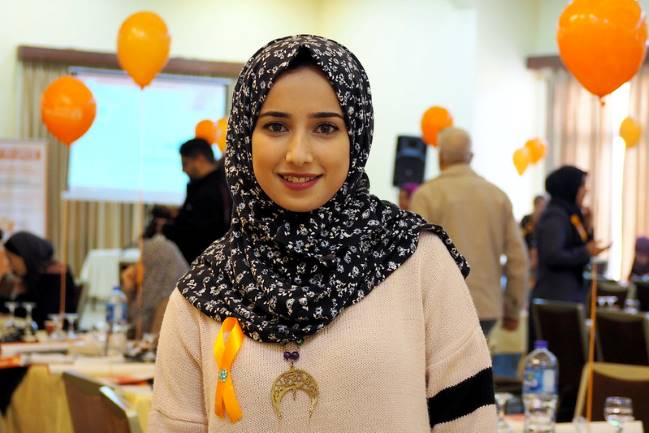
Women's Rights in ZambiaIn the  African nation of Zambia, gender-based violence and discrimination greatly disadvantage women. Women’s rights in Zambia play an important role in combating poverty and discrimination in the country. Nonprofit and grassroots organizations have stepped in to fight for women’s rights in Zambia. These organizations are working to make Zambia a more fair and equal society for women and girls.
The State of Women’s Rights

According to a 2007 countrywide Demographic Health Survey, nearly 50% “of all women had experienced physical violence since they were 15” —  a rate much higher than the World Health Organization’s worldwide estimate of 30%. Among Zambian women who had experienced physical abuse, 77% reported that the abuse came from a former or current partner. The victim support unit of the Zambia Police Service reported 5,040 cases of gender-based violence in the first quarter of 2020.

Zambian women also face discrimination in employment and land ownership. A 2011 survey reported that 60% of women aged 15-49 had jobs compared to nearly 100% of men. Many of the employed women reported that their positions were unpaid.  Furthermore, women with paid employment typically earned less than their male counterparts. Discrimination, financial barriers and cultural norms make land ownership very difficult for women. Many women have less wealth than men, particularly in rural areas. Furthermore, in traditional marriages, it is still not customary for men and women to have equal rights of ownership.

The Zambia Alliance of Women

Founded in 1978, the Zambia Alliance of Women (ZAW) seeks to provide support for women in the aspects of agriculture and land ownership. The organization currently has 3,000 members and operates in seven regions throughout Zambia. The ZAW ‘s mission is to support women in accessing land and agricultural education and teach them sustainable agricultural practices. Some of these projects include the Women Caucus on Climate Smart Agriculture program funded by the African Women Development Fund. The organization has spearheaded many other projects that empower Zambian women in the field of agriculture.

Women and Law Southern Africa

Women and Law Southern Africa (WLSA) is a nonprofit operating in several countries in Southern Africa. The WLSA was founded in 1989 by a group of female lecturers from several universities in the southern region of Africa. The organization uses education and research to advocate for the reform of legislation that unfairly impacts the lives of women and girls. The Food and Agriculture Organization (FAO) reports that some of the key issues the WLSA works to address are “inheritance, maintenance, family law, justice delivery systems and gender violence.” The Zambian sector of the organization has worked with Zambia’s government to lobby for law and policy reform to support women’s rights.

The Zambia National Women’s Lobby

The Zambia National Women’s Lobby (ZNWL) seeks to affect change through the involvement of women in government. Established in 1991, the ZNWL advocates for women’s representation in parliament and other political structures. For example, in 2008, its Men’s Network Project collected more than 5,000 men’s signatures for a petition to make sexual intercourse with a child under 16 a non-bailable offense. The petition was later presented to members of the Zambian parliament. The ZNWL also received a grant award of $25,000 from the United States Embassy in 2014. The grant is part of the embassy’s Full Participation Fund, which raises awareness about the importance of women’s involvement in government.

Women for Change Zambia

Established in 1992, Women for Change Zambia (WFC) strives to improve conditions in rural communities by empowering women and girls. One of its top priorities is education. WFC works to re-enroll teenage girls in school and prevent others from dropping out due to early marriage, pregnancy or other preventable reasons. The organization also works with parents and teachers in order to provide girls who return to school with as much support as possible.

Women’s success is key to the development and growth of Zambian communities. With awareness of gender equity issues increasing, partly through the work of the organizations presented, there is hope for women’s rights in Zambia.

– Imani Smikle
Photo: Flickr

January 30, 2021
https://borgenproject.org/wp-content/uploads/borgen-project-logo.svg 0 0 Kim Thelwell https://borgenproject.org/wp-content/uploads/borgen-project-logo.svg Kim Thelwell2021-01-30 01:30:322024-05-30 22:23:05Organizations Working for Women’s Rights in Zambia
Global Poverty, Violence Against Women, Women's Empowerment, Women's Rights

Haya Joint Programme Reduces Violence Against Women in Palestine

Haya Joint ProgrammeThe Haya Joint Programme, in partnership with United Nations efforts, is working to reduce violence against women in the West Bank and Gaza Strip. A vital resource protecting women and girls, the program works toward achieving gender equality for generations to come.

Program Background

The Haya Joint Programme is a Palestinian human rights program aimed at ending violence against women through education and intervention. The government of Canada funds the initiative, which works with a variety of United Nations organizations, such as U.N. Women, U.N. Office on Drugs and Crime and the U.N. Population Fund. The Haya Joint Programme also works with Palestinian law enforcement and government agencies to implement efforts at local levels.

The program seeks to change existing attitudes about gender violence through community education. It accomplishes this by teaching educators intervention techniques for those facing domestic violence. Furthermore, the program pushes for essential legislative change to provide further legal protection for women.

Forensic Training for Gender Violence Justice

The Palestinian Central Bureau of Statistics reports that an overwhelming number of women have experienced violence by a partner. This emotional and physical hardship has directly affected more than half of all women in the Gaza Strip and 30% of women who have ever married in the West Bank. Only 1% ever reported these events to law enforcement.

In a press release on January 5, 2021, U.N. Women announced its collaboration with the Haya Joint Programme. The announcement indicated a plan to increase forensic science training at the West Bank’s only forensic lab for cases of domestic violence. Training includes instruction of lab equipment, preserving crime scene evidence and forming opinion evidence on behalf of gender violence survivors. In the last year alone, the lab assisted with presenting forensic evidence to the court for 1,690 cases.

Moreover, this training aids in the identification and prosecution of perpetrators in cases of sexual assault and homicide. Police, crime scene and family protection officers also received training for handling and preserving crime scenes through this program.

Training for Teacher Intervention

Another crucial aspect of the Haya Joint Programme is to increase education and awareness surrounding gender and domestic violence. The program conducts training courses for teachers on topics related to intervention and legal rights for women and girls in Palestine.

In the last year, the Palestinian Centre for Human Rights held multiple training sessions with the Haya Joint Programme for educators teaching in United Nations Relief and Works Agency (UNRWA) schools in the Gaza Strip. The training sessions include lessons on how teachers can recognize gender violence among students and provide counseling and other resource referrals to those who need it. Teachers also learn about women’s legal rights in instances of violence and the courses of legal action to take.

The program has had to adapt to COVID-19 precautions in the last year but conducted its training sessions via Zoom during November and December. These sessions were still widely attended by 129 teachers and females accounted for 103 attendees.

A Global Issue

The Haya Joint Programme notes that these efforts to diminish violence against women are in alignment with the United Nations Sustainable Development Goals for 2030. Goal 5 is to reach gender equality by working to increase women’s education, increasing the number of women in government positions and reducing domestic violence.

With one in five women experiencing intimate partner violence every year, initiatives like the Haya Joint Programme are essential. Fortunately, the program is attempting to reduce the prevalence of these offenses by supporting women and girls in obtaining justice. The Haya Joint Programme focuses on core problems by working directly on factors like securing legal rights and changing attitudes. As its efforts are paramount to Palestine’s prosperity, the program looks toward a successful future.

– June Noyes
Photo: Flickr

January 28, 2021
https://borgenproject.org/wp-content/uploads/borgen-project-logo.svg 0 0 Yuki https://borgenproject.org/wp-content/uploads/borgen-project-logo.svg Yuki2021-01-28 01:30:442024-05-30 07:56:22Haya Joint Programme Reduces Violence Against Women in Palestine
Global Poverty, Women's Rights

The Tug-of-War Over Women’s Rights in Malaysia

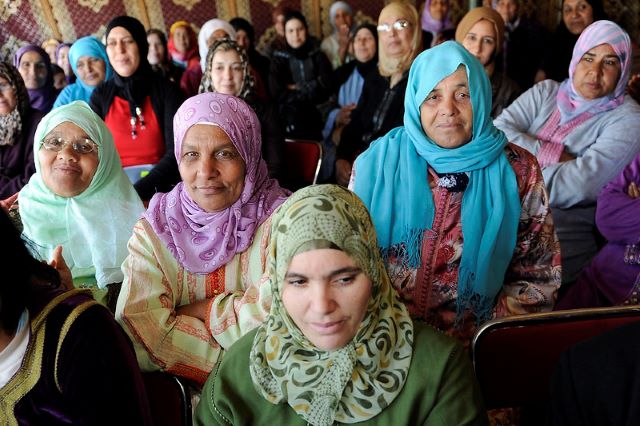
The Tug-of-War Between Women’s Rights in MalaysiaThe issue of women’s rights in Malaysia is one that has people divided throughout the peninsula. Women in Malaysia are increasingly engaging in the workforce as well as in the government. This does not, however, diminish the gender inequality that still exists. Women in this country have further struggles that inhibit them from gaining equality.
Gender Inequality in Malaysia

As 61.3% of the population are Muslims, there are groups that hold either traditional or progressive views regarding a woman’s place in society. Despite the various views exhibited toward this issue, women are continually moving forward to gain their rightful equality. Although women are taking up increased positions of leadership within the workforce, gender inequality is still prevalent.

In terms of global figures, according to the UNDP, women, in general, earn $0.23 less for each dollar that men make. In addition, one in three women has endured physical or sexual abuse and close to 750 million women have been involved in child marriages while only 13% of females are agricultural landholders. Furthermore, women only constitute 24% of the national parliamentarians as of November 2018.

Sisters In Islam (SIS)

As a majority of Malaysians are Muslims, there is an NGO that focuses on protecting the rights of Muslim women. Sisters in Islam (SIS) is an NGO that works toward fighting for Muslim women’s rights in Malaysia. In 1988, a group of Muslim women created SIS to tackle the issue of unjust treatment of women under Islamic law. SIS believes that because men had the major control of interpreting the Qur’an in history, they have misinterpreted some aspects in order to justify their cultural actions. As a result, women are placed in a lower position than men. Thus, SIS focuses on researching hermeneutical interpretations of the Qur’an that encourage the equal treatment of women within the Islamic framework.

The main focus of SIS is to reform the laws and policies that oppress women’s rights. It also raises awareness of issues such as child marriages, female genital mutilation and polygamy. Additionally, the NGO advocates for women to gain equal rights to their children as well as freedom of expression and religion. The organization also operates a free helpline called Telenisa, providing Muslim families with free legal advice on basic rights and Shariah law.

Pushback on Progressive Women’s Rights

Although NGOs like SIS promote more progressive views on advocating for women’s rights, there are groups that push back against ideals. SIS has been under scrutiny for its attempts to reinterpret the Qur’an. The established principles of Islam state that only those who have had traditional religious education can have the authority to interpret and discuss this doctrine. Thus, the women at SIS do not have any right to interpret the Qur’an as they are doing in the traditional sense, according to critics.

The Selangor Fatwa Committee and the Selangor Islamic Religious Council issued a fatwa on the SIS in 2014. The fatwa stated that the group was deviant as it promoted liberalism. In addition, the religious pluralism that SIS promoted did not follow Islamic teachings. Moreover, in 2019, a court dismissed an attempt to challenge the fatwa. The civil court decided that the fatwa is linked to Shariah state law and not the federal court. Fortunately, the High Court has temporarily suspended the fatwa in 2020 as the SIS continues to appeal its case.

With groups such as SIS fighting for women’s rights in Malaysia, the country is moving toward achieving gender equality. Furthermore, if more women come into leadership, then a greater possibility of reform exists. Humanitarian organizations and Malaysia’s government needs to address the gender inequality in Malaysia in order to open the country to new economic opportunities, progressive growth and equality. By furthering Malaysia’s approach to gender equality, the global community will take one more step toward global justice and equity.

– Hakyung Kim
Photo: Flickr

January 27, 2021
https://borgenproject.org/wp-content/uploads/borgen-project-logo.svg 0 0 Kim Thelwell https://borgenproject.org/wp-content/uploads/borgen-project-logo.svg Kim Thelwell2021-01-27 07:30:192024-05-30 07:53:19The Tug-of-War Over Women’s Rights in Malaysia
Health, Women, Women's Rights

Freedom Cups: Period Poverty in Singapore

Period Poverty in Singapore
Period poverty in Singapore is not only detrimental to the poor, but it is particularly detrimental for women in poverty. Unfortunately, many do not see period poverty as a substantial issue. Rather than appropriately encouraging and educating adolescent women about their menstrual cycles, many women receive shame for it. Mental health and physical issues are also apparent due to period poverty in Singapore. The lack of access to proper menstrual materials pushes Singaporean women into using unsafe materials for their cycles. As a result, women develop a number of health issues such as bacterial vaginosis, urinary tract infections, green or white vaginal discharge and vaginal and skin irritation.

Mental Health Issues

Mental health issues are also important to consider when discussing period poverty. It is a serious necessity to one’s overall well-being and when overlooked, it can have drastic consequences. Individuals who experience severe aversive conditions such as shame and guilt are more likely to experience negative mental issues such as post-traumatic stress disorder (PTSD). In Singapore specifically, it is taboo to discuss one’s menstruation cycle.

This resulting cultural attitude that egregiously directs shame toward Singaporean women and children can make women more likely to develop PTSD. Even in cases when PTSD is not present, findings have determined that the absence of proper menstrual products is due to higher rates of depression, anxiety and distress. Naturally, the issue with period poverty also has links to issues of other forms of poverty. Vanessa Paranjothy recounts that this is especially arduous in areas where there is a lack of running water, plumbing and electricity. Another issue regarding menstruation mishandling in Singapore involves women’s lack of access to the materials necessary to overcome period poverty.

Freedom Cups Helping Women

However, women in Singapore have found their own ways to address the period poverty crisis. One example includes a group of sisters, Joanne, Rebecca and Vanessa Paranjothy and their creation of Freedom Cups. These devices function as reusable tampons and pads, effectively containing menstrual blood. As long they receive proper washing, these devices are re-usable for a span of up to 10 years, without the high risk of infection as with reusing pads. Moreover, these items are able to gather menstrual fluid for up to 12 hours per individual use.

Due to the reusability of these Freedom Cups, women are able to better afford the product, without furthering their fall into period-related poverty. Additionally, the Paranjothy sisters supply one freedom cup to another woman in need for each cup sold. So far, the sisters have distributed Freedom Cups to more than 3,000 women. This, however, is not the end of the sisters’ efforts. They continue making efforts across the world to end period poverty, such as in the Philippines.

Further Initiatives

Widespread organizational efforts also address period poverty in Singapore. Groups such as The World Federation of United Nations Associations had marked success with its Mission Possible: Singapore or Pink Project. This project involved the mass donation of menstrual and other health products to the Star Shelter as well as the Tanglin Trust School and the advertisement of the issue of period poverty to the areas.

However, of all of the efforts done to alleviate period poverty, foreign aid and involvement are the most crucial. The issues that exist regarding menstruation mishandling in Singapore are reflective of many of the issues across the world. Many women still experience feelings of shame and a lack of adequate care when it comes to their menstrual cycles. Vanessa Paranjothy recounts that, despite their efforts to initially provide Freedom Cups to women in the Philippines, only married women received them.

Without the continued investment into education regarding how to perceive their bodies and access to suitable menstrual materials, women will continue to suffer the adverse effects of period poverty. However, actions involving donation and innovation of feminine hygiene products, such as those the Paranjothy sisters made, and a greater emphasis on sexual education can help alleviate period poverty in Singapore and other developing countries.

– Jacob Hurwitz
Photo: Flickr

January 20, 2021
https://borgenproject.org/wp-content/uploads/borgen-project-logo.svg 0 0 Kim Thelwell https://borgenproject.org/wp-content/uploads/borgen-project-logo.svg Kim Thelwell2021-01-20 15:45:052021-05-15 13:21:58Freedom Cups: Period Poverty in Singapore
Global Poverty, Women's Empowerment, Women's Rights

AlNour: Helping Disabled Women in Morocco

AlNourWomen’s agency and equal rights can help to significantly reduce poverty. When evaluating the development of a country, the role of women should not be overlooked. When women are empowered through literacy and education, they become more productive members of society that contribute to global poverty reduction. AlNour is a Moroccan business that allows women in Morocco to be part of the labor force, especially disabled women.

Cultural Norms Limit Women

Oftentimes women do not have the same opportunities as their male counterparts to receive education, engage in the labor force or own property. This is partly because of cultural norms that limit women to domestic responsibilities. By reducing unpaid domestic work, women become empowered and capable of obtaining income security and sustainable livelihoods, which significantly diminishes poverty levels.

Gender Inequality in Morocco

Gender inequality and the lack of women in the labor force in Morocco are related and ongoing issues. The nation, which is located in northwestern Africa, ranked 137 out of 149 countries according to the 2018 World Economic Forum’s Global Gender Gap Report and ranked 141 out of 149 countries for women’s economic participation and opportunity. Although there were reforms in 2011 to increase the participation of women in the labor force in Morocco, and specifically within the government, women largely remain underrepresented in elected positions.

The economy would benefit from an increase in women’s participation. The IMF examined the relationship between gender inequality and growth and found that policies that better integrate women into the economy would greatly improve growth. As of 2019, if as many women worked as men worked, “income per capita could be almost 50% higher than it is now.”

The participation of women in the labor force in Morocco increases economic development and therefore reduces global poverty. But, how can women become more active citizens in society? The answer can be found by examining an organization called AlNour, which serves as an important example of how to best empower women.

AlNour: A Women’s Empowerment Organization

AlNour is a textile and embroidery business that provides an outlet for women to participate in the labor force in Morocco, thereby contributing to the economic development of the country as a whole. AlNour, which means “the light” in Arabic, began in 2013 after Patricia Kahane, originally from Austria, began the enterprise as a means of offering disabled Moroccan women sources of income through textile production and embroidery. The business employs disabled female workers who face a double disadvantage in Morocco due to their disabilities and gender.

The organization not only provides women with work but also offers training programs for languages, professional and artisan skills. The company has a van that allows women to easily and safely travel to and from work and also has a child care center for working mothers. Furthermore, the company offers free breakfast and lunch daily. The business has partnered with local shops to distribute its products and it also has a website, which features a range of items from home accessories to clothing.

AlNour serves as a rich example of how an organization can alter the lives of many and even impact an entire country. By developing sustainable solutions that not only invest in education but also emotional and financial support, women can break free from traditional roles and gender stereotypes, while simultaneously promoting financial inclusivity and bettering the nation entirely.

Gender Equality Progress in Morocco

There is light and hope for women in Morocco, as significant progress has been made. For example, the revision of the family code to expand the rights of women in marriage, guardianship, child custody and access to divorce is a monumental stride. The creation of a 14-week paid maternity leave clause was also introduced. Additionally, “the first and most advanced gender budgeting initiative in the Middle East and Central Asia region was launched in Morocco in 2002.”

While policies and laws that support gender equality such as the gender budget initiative are undoubtedly important, creating sustainable organizations like AlNour is an equally essential step in order to create a system that allows women to personally and professionally prosper from the ground level upward, consequently helping the economic development of Morocco as a whole.

– Marielle Marlys
Photo: Flickr

January 14, 2021
https://borgenproject.org/wp-content/uploads/borgen-project-logo.svg 0 0 Yuki https://borgenproject.org/wp-content/uploads/borgen-project-logo.svg Yuki2021-01-14 04:17:462021-01-14 04:17:46AlNour: Helping Disabled Women in Morocco
Global Poverty, Government, NGOs, Women's Empowerment, Women's Rights

Gender Equality in Ethiopia Makes Headway

Gender Equality in Ethiopia
Ethiopia faces many struggles, but the land where coffee originates from has many accomplishments as well. The continuous gender equality progression in Ethiopia is one of them. Gender-based roles constitute a significant part of the Ethiopian culture. It is also the primary reason for many families’ extreme poverty. However, through policy reform and promoting women’s political participation, noteworthy change in bridging the gaps between women and men is visible.

Policy Reforms Encourage Gender Equality in Ethiopia

Thanks to two reforms, research suggests that gender equality in Ethiopia is progressing. One reform is the Family Code, which was revised in 2000 with new developments. The re-evaluated version of the Family Code states that women receive equal rights throughout the marriage. This pertains to the entire term of their marriage, the duration of the divorce and after the finalization of the divorce. The revisions also note that the individuals must equally split all assets. As a result, the report states that women were less likely to involve themselves in domestic work. Instead, women found more sustainable employment outside of the household, which encourages their independence.

The second reform is the community-based land registration initiated in 2003. Ethiopia’s population has strong gender norms that tend to favor men and subordinate women in power roles. Research results show that as women migrate from the north of Ethiopia to the southern region, they tend to lose societal and household status. Women also have their “bargaining power” revoked from them, which can relate to property rights and ownership. However, this reform emphasizes the implementation of property rights for married women by creating “joint certification.”

A significant sign of independence in Ethiopia is property. However, men typically have land ownership in marriages. This reform opposes this gender-based norm in Ethiopia and allows women to access economic and political opportunities. When women own land, it increases their chances of earning money and controlling their own lives. Rules set by their husbands no longer have to confine them. They are also less likely to be victims of domestic violence. Ethiopian women who own property are significantly less likely to experience domestic violence within their marriages than women who do not own property.

Women’s Political Participation Rises

Women currently make up 37% of congress in Ethiopia. Considering only 22% of women represented congress in 2010, there has been significant progress ever since. However, the Ethiopian government’s values and trustworthiness will remain in question until women account for at least 50% of the parliamentary seats.

The country also needs to make political careers more accessible to women. The “motherhood penalty” requires women to attend to constant family duties and responsibilities, such as breastfeeding and always being present for the children. Endless motherly duties can hinder women’s potential political careers due to the amount of time it takes up. This is especially true if a women’s marriage is based on strong religious beliefs. Certain religious beliefs in Ethiopia tend to prohibit women from acquiring independence and hinder women’s decision-making abilities.

DCA

In Ethiopia, society perceives women as individuals requiring leadership from others and not as individuals able to lead. However, recent years’ progression contradicts that idea. The organization DCA (Dan Church Aid) emphasizes the idea of women empowerment. It holds and spreads the belief that every woman deserves fundamental human rights “economically, socially and culturally.”

DCA was created in 1995 to promote gender equality in Ethiopia. Since then, the organization has helped more than 3.2 million people in the world’s most impoverished countries deprived of everyday opportunities. Due to the continuous contribution of DCA and recognition from Ethiopia’s government regarding the encouragement of gender equality, the women of Ethiopia can seek more political positions and close those gender gaps within communities.

– Montana Moore
Photo: Flickr

January 12, 2021
https://borgenproject.org/wp-content/uploads/borgen-project-logo.svg 0 0 Yuki https://borgenproject.org/wp-content/uploads/borgen-project-logo.svg Yuki2021-01-12 07:30:572024-05-30 07:53:29Gender Equality in Ethiopia Makes Headway
Global Poverty, Poverty Reduction, Women's Empowerment, Women's Rights

An Effort for Women’s Economic Empowerment

Women's Economic EmpowermentA staggering 2 billion impoverished people worldwide, particularly women, face financial and economic exclusion. Females are the most impoverished in the world and women earn on average only 60-75% of what men earn. Investing in women’s economic empowerment plays a crucial role in reducing poverty and establishing equality between men and women.

Gender Equality for Global Economic Advancement

The 2017 National Security Strategy states that societies that empower women in their civic and economic lives are more prosperous and peaceful. Studies show that gender equality contributes to advancing economies and sustainable development as well as overall poverty reduction.

CARE defines women’s economic empowerment as the process by which women increase their rights to economic resources and power to make decisions that benefit themselves, their families and their communities. It is the transformative process that helps females move from limited economic power to possessing skills, resources and opportunities to compete equitably in markets and control economic gains. Women’s economic empowerment involves transforming the historically-limiting laws, policies, practices and norms through change and advocacy.

Discrimination and exploitation disproportionately affect women. Women often end up in low-wage jobs and fill very few senior positions. Without secure employment, women lose access to economic assets, such as land and loans, which limits opportunities to participate in economic and social policies. Furthermore, many women are responsible for the majority of housework, which leaves little time to pursue employment or other economic opportunities. On average, women devote between one and three hours more a day to housework than men and two to 10 times the amount of time a day to child, elderly and sick care.

Additionally, laws in many countries determine what jobs women can do or give men the right to prevent their wives from accepting jobs.

Call to Action on Women’s Economic Empowerment

In October 2020, U.S. officials and 31 U.N. Member States virtually signed the Call to Action on Women’s Economic Empowerment, which encourages countries to address legal restrictions regarding women’s economic participation. Predictions are that if an equal number of men and women participate in the global economy, the gross domestic product (GDP) could increase by $12 trillion by 2025.

Improved financial security means women can afford health care, purchase essentials for their children and play a leadership role in their communities. Typically, women who decide where, when and how to spend their money see improvements in their social and economic status. Financially independent women also increase the level of resources devoted to their children.

Girl Power and the Future

There is strong evidence showing positive links between women’s economic empowerment and health outcomes for women and their families. This includes benefits in nutrition, better family planning and decreased maternal and child mortality. Other studies have found that increasing the share of income for women may provide greater investment in children’s education and result in reductions in gender-based violence. Overall, women’s economic empowerment benefits not just women but the entire world.

– Rachel Durling
Photo: Flickr

January 11, 2021
https://borgenproject.org/wp-content/uploads/borgen-project-logo.svg 0 0 Yuki https://borgenproject.org/wp-content/uploads/borgen-project-logo.svg Yuki2021-01-11 07:30:062024-05-30 07:55:47An Effort for Women’s Economic Empowerment
Global Poverty, Women's Empowerment, Women's Rights

Examining Women’s Rights in Guatemala

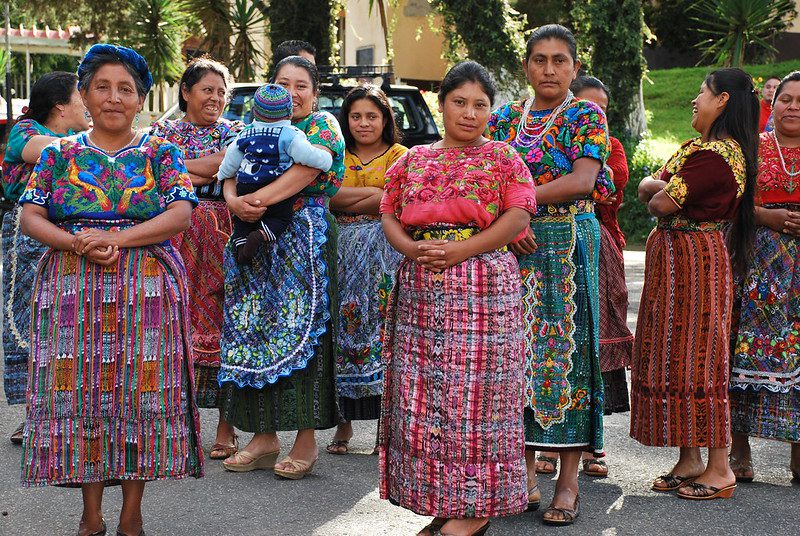
Examining Women’s Rights in GuatemalaA small country located within Central America, south of Mexico, Guatemala has one of the highest rates of femicide globally. At least two women are murdered every day. Femicide is a threat against women’s rights in Guatemala, where femicide results in the killing of women for the sole reason that the person is female. Guatemalan women experience physical, psychological and economic violence. Additionally, indigenous Guatemalan women experience dramatically higher rates of poverty, illiteracy and racial discrimination.

History of Women’s Rights in Guatemala

The history of women’s rights in Guatemala plays a large part in its legacy. Much of the violence against women occurring now stems from the violence committed during the nation’s 36-year civil war, which officially ended in 1996. Violence against women was used as a counterrevolutionary tactic, where routine rape was commonplace. Today, violence against women is just as commonplace within Guatemalan society.

Yet, not much is being done to protect women and women’s rights in Guatemala. With women representing 51.2% of its 15.8 million population in 2014, women’s rights in Guatemala is especially important. As it is, 99% of femicide cases are unprosecuted, further perpetuating violence against women. Guatemala made waves in 1982 when it ratified the Convention on the Elimination of all Forms of Discrimination against Women (CEDAW). However, Guatemala has failed to promote this.

In 2008, Guatemala passed a law, establishing special tribunals and sentencing guidelines for violence against women. However, violence against women continues as well as flawed investigations, enabling to perpetrators and victims alike that women’s lives do not matter.

“Justice only exists in the law. Not in reality,” says Lubia Sasvin Pérez in an interview with New York Times.

Yet, there are efforts being made to protect women’s rights in Guatemala.

Initiatives Supporting Women’s Rights

Inspired by the United States’ movements like Me Too, Guatemalan women are organizing and demanding their rights. The U.N. Women Guatemala’s Program has aligned itself with the U.N. Women’s Global Strategic Plan 2014-2017, UNDAF Guatemala 2015-2019 and the legal and public policy framework for Guatemala to guarantee women’s rights.

The program aims to guarantee women’s rights by empowerment, specifically social mobilization and advocacy to ensure women achieve their full potential, in which women are able to take part in the economy through work and in decision-making processes. Another platform, USAID, aims to empower women through civic participation and improving access to economic opportunities, quality education, health services and justice.

There is still much to be done for gender equality in Guatemala. The government must come to understand women’s rights in Guatemala and must push to find the resources necessary to promote the alleviation of violence against women. There is a growing movement to provide justice and security for women in Guatemala; however, resources and support are needed to end femicide and promote women’s empowerment.

– Danielle Lindenbaum
Photo: Flickr

January 9, 2021
https://borgenproject.org/wp-content/uploads/borgen-project-logo.svg 0 0 Yuki https://borgenproject.org/wp-content/uploads/borgen-project-logo.svg Yuki2021-01-09 07:30:212024-05-30 07:53:30Examining Women’s Rights in Guatemala
Page 20 of 41«‹1819202122›»

Get Smarter

  • Global Poverty 101
  • Global Poverty… The Good News
  • Global Poverty & U.S. Jobs
  • Global Poverty and National Security
  • Innovative Solutions to Poverty
  • Global Poverty & Aid FAQ’s
Search Search

Take Action

  • Call Congress
  • Email Congress
  • Donate
  • 30 Ways to Help
  • Volunteer Ops
  • Internships
  • Courses & Certificates
  • The Podcast
Borgen Project

“The Borgen Project is an incredible nonprofit organization that is addressing poverty and hunger and working towards ending them.”

-The Huffington Post

Inside The Borgen Project

  • Contact
  • About
  • Financials
  • President
  • Board of Directors
  • Board of Advisors

International Links

  • UK Email Parliament
  • UK Donate
  • Canada Email Parliament

Get Smarter

  • Global Poverty 101
  • Global Poverty… The Good News
  • Global Poverty & U.S. Jobs
  • Global Poverty and National Security
  • Innovative Solutions to Poverty
  • Global Poverty & Aid FAQ’s

Ways to Help

  • Call Congress
  • Email Congress
  • Donate
  • 30 Ways to Help
  • Volunteer Ops
  • Internships
  • Courses & Certificates
  • The Podcast
Scroll to top Scroll to top Scroll to top