• Link to X
  • Link to Facebook
  • Link to Instagram
  • Link to TikTok
  • Link to Youtube
  • About
    • About Us
      • President
      • Board of Directors
      • Board of Advisors
      • Financials
      • Our Methodology
      • Success Tracker
      • Contact
  • Act Now
    • 30 Ways to Help
      • Email Congress
      • Call Congress
      • Volunteer
      • Courses & Certificates
      • Be a Donor
    • Internships
      • In-Office Internships
      • Remote Internships
    • Legislation
      • Politics 101
  • The Blog
  • The Podcast
  • Magazine
  • Donate
  • Click to open the search input field Click to open the search input field Search
  • Menu Menu

Archive for category: Women’s Rights

Global Poverty, Women's Rights

Prioritizing Women’s Health in Detention Centers

Women’s Health in Detention CentersAcross the United States, and the world, women have continually faced challenges regarding access to fair and proper healthcare. However, the detention centers of U.S. Immigration and Customs Enforcement (ICE) at the border of the United States are the source of alarming stories of women who have been denied fundamental rights to healthcare. In a system with the purpose of solely providing emergency care to secure deportations, women’s health loses its priority. Denying and delaying the needs of women in these facilities has potentially dangerous consequences for their health. Prioritizing women’s health in detention centers is of the utmost importance.

Women’s Health in Detention Centers

Women in ICE detention facilities in the United States frequently confront many challenges in their attempt to secure proper healthcare. Prominent among these limitations include the language barrier that prevents many immigrant women, who are unfamiliar with English, from being able to communicate their health concerns. This problem persists especially through medical consent and the issue of immigrant women signing contracts that they cannot understand. Additionally, many women do not know their rights or the standard protocols of the facilities. As a result, many women assume that certain treatments or provisions are unavailable. Giselle M, a woman who was detained during her pregnancy, endured discomfort while sleeping because she was unaware that according to the center’s rules, an extra mattress had to be provided.

According to a Human Rights Watch interview, however, a major reason why women decline medical attention is because of a lack of confidentiality. Although ICE’s protocol stipulates that doctors are expected to maintain patient privacy, breaches of confidentiality are quite common in detention facilities. Many women reported that guards were privy to some of the medical details that doctors had access to. Women were less willing to share their personal struggles if others could find out. For example, pregnancy tests were not always done individually and the news could be quickly spread across detention centers.

The Consequences of Inadequate Healthcare

Access to healthcare for marginalized women is extremely significant as without the necessary medical care, the health of women in these detention centers could be jeopardized. Minimal access to regular screenings, contraception and treatment have fostered prejudice and damaged the health of undocumented women.

In 2017, a woman named Teresa, who was four months pregnant at the time, was detained for 24 hours on the United States border. Overnight, Teresa experienced heavy bleeding and extreme pain, yet she was still not transported to a hospital for emergency care. Only days later did detention staff confirm that Teresa had miscarried. She faced several complications after the miscarriage but her medical health was still neglected.

In addition, important tests such as pap smears and breast exams, which are instrumental in the prevention of certain diseases, were completely denied to many women in these facilities. The Department of Homeland Security (DHS) took note of these inadequacies and issued multiple reports. But, the conditions in border camps and detention centers pertaining to healthcare have improved minimally.

The Suppressed Voices of Women

Significantly, many women fear the consequences of vocalizing their complaints because of the power ICE holds over their future in the United States. For immigrants leaving their countries in search of a better life for themselves and their families, receiving an identity in the United States means sacrificing their basic needs. From an ICE county jail in Arizona, a group of women detailed their experience in a letter about ICE’s medical facilities. In particular, the letter noted, “when we’ve complained to the nurses, we get ridiculed with replies like: ‘You should have made better choices … ICE is not here to make you feel comfortable.’” Various detention centers throughout the United States have isolated women and caused them to suppress their concerns.

Solutions

Regardless of their circumstances, women in detention centers in the United States deserve the basic rights that should be provided to them in the form of a secure healthcare system. Although altering the system is a difficult task, joint efforts can raise the quality of medical attention for migrant women’s health. Already, several bills attempt to address this issue such as the Women’s Health Protection Act and the Stop Shackling and Detaining Pregnant Women Act. Oftentimes, prisons and detention centers create policies with men in mind and exclude women from their due rights. Both of the aforementioned bills advocate for the rights of women in detention centers. Additionally, the American Civil Liberties Union (ACLU) helped to pass the First Step Act in 2018, which would help to protect pregnant women in jail. With the passing of these laws, women’s health in detention centers can improve.

– Esha Kelkar
Photo: Flickr

April 14, 2021
https://borgenproject.org/wp-content/uploads/borgen-project-logo.svg 0 0 Kim Thelwell https://borgenproject.org/wp-content/uploads/borgen-project-logo.svg Kim Thelwell2021-04-14 06:24:242024-05-30 22:23:19Prioritizing Women’s Health in Detention Centers
Global Poverty, Poverty Eradication, Women's Rights

4 Pillars to Tackling Extreme Poverty in Botswana

Extreme Poverty in Botswana
The nation of Botswana, home to approximately 2.3 million people, has undergone an amazing change over the past three decades, transforming from an impoverished nation to one of the wealthiest nations in sub-Saharan Africa. While many of its neighbors have lagged behind—in fact, the United Nations classifies sub-Saharan Africa as the poorest region in the world—Botswana reduced the percentage of its population living on less than $1.90 a day from 29.8% between 2002-2003 to 16.1% between 2015-2016. What are the secrets to success in combatting extreme poverty in Botswana that have allowed it to prosper relative to its neighboring African nations?

A Brief Look at the History of Botswana

Botswana gained its independence from Great Britain in 1966 and quickly adopted a parliamentary constitutional republic. In fact, Botswana is the oldest democracy on the continent, though one party—the Botswana Democratic Party—has dominated elections since the adoption of the country’s constitution. Compared to its neighbors, Botswana began with a commitment to free enterprise, rule of law and individual liberties. Its first president, Seretse Khama, had a devotion to fighting corruption, which was critical to Botswana’s success.

To fight extreme poverty in Botswana, the country invested in four critical pillars: public institutions, education, economic diversification and women’s rights.

4 Pillars to Tackling Extreme Poverty in Botswana

  1. One of the most remarkable aspects of Botswana is its extraordinarily low levels of corruption as a result of institutional checks and balances. According to the 2017 Corruption Perception Index, Botswana was the least corrupt nation in Africa, with its score twice as high as the average sub-Saharan African nation. Botswana is one of only a handful of nations that outperform parts of Western Europe, with its score outpacing Spain in 2018. This is as a result of institutional checks and balances, including the Corruption and Economic Crime Act of 1994 and the development of the Directorate on Corruption and Economic Crime, an agency tasked with investigating and preventing corruption. As a resource-rich state known for diamond mining, Botswana was careful to prevent government employees from benefiting from what the nation’s first president deemed public resources.
  2. Botswana invests a considerable percentage of its GDP in education; this percentage was more than 20% in 2009. Botswana’s investment in education translated to a literacy rate of 87% in 2019, compared to a regional average of 65%. High rates of education have contributed to Botswana’s increased economic diversification and strong political stability, making the nation one of the more attractive places to do business in Africa.
  3. Smart economic development has contributed to Botswana’s high living standards and low corruption levels, placing it ahead of its peers. Botswana derived much of its early economic growth from diamond extraction which, among other exports, accounts for approximately 40% of Botswana’s GDP composition by end-use. However, consistent investment in other sectors of the economy has remained a strategy for the ruling party, and the government has increasingly diversified its economy towards the service sector and tourism jobs. Investment in conservation and wildlife has grown the tourism industry to approximately 14% of Botswana’s GDP,  nearly doubling since 1999. Remarkably, Botswana’s commitment to managing its domestic ecosystems allowed it to sign one of the first “debt-for-nature” agreements with the United States, which forgave more than $8 million in debt in exchange for the continued protection of the Okavango Delta and tropical forests.
  4. In addition to the high rates of women’s education and literacy, Botswana remains committed to a strong National Family Planning Policy and healthcare service. Botswana has experienced a rapid decline in fertility, according to the CIA World Factbook, with the total fertility rate falling from over five children per woman in the 1980s to 2.42 in 2021. Easy access to contraception and above-average rural and urban access to healthcare facilities have not only contributed to a decline in fertility but emboldened women’s rights and improved standards of living.

Botswana is by no means a perfect nation. It has extremely high rates of HIV/AIDS, like many of its African peers, and its single-party government has been criticized by some international organizations for suppressing competition. However, decades of consistent improvement in education and women’s rights, increased economic diversification, high levels of economic freedom and a commitment to fighting corruption have made Botswana the most prosperous nation in sub-Saharan Africa and a model for its peers.

– Saarthak Madan
Photo: Flickr

April 13, 2021
https://borgenproject.org/wp-content/uploads/borgen-project-logo.svg 0 0 Yuki https://borgenproject.org/wp-content/uploads/borgen-project-logo.svg Yuki2021-04-13 07:30:292024-05-30 07:55:334 Pillars to Tackling Extreme Poverty in Botswana
Global Poverty, Women and Female Empowerment, Women's Rights

Femicides in Germany: The Search for Solutions

Femicides in GermanyThe ongoing femicide crisis in Germany is an issue that needs addressing. In 2018, Germany had the highest rate of femicide in the world. Additionally, the country reported high numbers in 2019. Femicides in Germany are continuously growing. Every day in the country, a man attempts murder on their partner or ex-partner and every third day a victim dies. The worrying state of violence against women has prompted action to find solutions to protect women.

Violence and Discrimination Against Women

Domestic violence numbers have been steadily increasing worldwide, especially during COVID-19 lockdowns. Germany is no exception to this. By the age of 16, about 40% of women have experienced sexual or physical violence. Great oppression of women facilitates a place for domestic violence, indirectly encouraging femicides in Germany. Roughly 100 years ago German women gained the right to vote yet women are not properly protected in other aspects. Gender inequality can also be seen in the workplace as women earn 6.6% less than men in Germany, for the same work.

With the ongoing femicides in Germany, the country is trying to combat the crisis.

Gender Equality in the Workplace

In 2017, Germany turned its focus to implementing equal rights in the workforce, regardless of gender. About 20 countries came together to stop discrimination and reduce pay gaps between males and females. During this time, Germany signed onto the Women Entrepreneurs Finance Initiative. This was done with the country’s full support of the Women’s Empowerment Principles created by U.N. Women and the U.N. Global Compact. These seven principles offer guidance on how to empower women in the workplace and community.

Additionally, Germany committed to ending the oppression of women in the workforce with an attempt at a stronger relationship using the Development Policy Action Plan on Gender Equality 2016-2020. This partnership is imperative to the empowerment of women’s voices in Germany.

Convention to Prevent Violence Against Women

In 2018, Germany signed the Council of Europe’s Istanbul Convention. The convention is a first-of-its-kind document spelling out a new legal binding to prevent femicides in Germany. In 2018, 45 of the 47 member states of the Council of Europe signed and 28 states ratified it. This convention promotes gender equality and the protection of women from violence.

Germany still struggles to care for domestic violence victims. Every year, 30,000 German women look for shelters but only half of them can be accommodated. Germany has shelters that can be accessed online and a hotline for victims of violence. It is clear, however, that efforts are needed to increase resources and services for victims of violence.

The Road Ahead

Femicide in Germany is such a controversial topic that only one in three domestic violence cases gets reported. Because of this taboo, femicides continue. German prosecutor, Julia Schäfer, tells Deutsche Welle, “Domestic violence occurs in all parts of society, it is not a question of religion or nationality or education.” She says further, “It is our obligation not to turn a blind eye.” When human beings are being impacted by violence, it is a clear indication of another pandemic that is taking place amid COVID-19. Simply having more support to find the right resources is lifesaving for female victims of violence in Germany.

– Libby Keefe
Photo: Flickr

April 11, 2021
https://borgenproject.org/wp-content/uploads/borgen-project-logo.svg 0 0 Kim Thelwell https://borgenproject.org/wp-content/uploads/borgen-project-logo.svg Kim Thelwell2021-04-11 08:12:352021-05-18 08:14:15Femicides in Germany: The Search for Solutions
Global Poverty, Women's Rights

5 Facts About Women’s Rights in Argentina

Women’s Rights in Argentina Argentina is a South American country with a vibrant culture and scenic views. In recent years, the feminist movement has taken root in Argentina, challenging elements of government and culture that have long been failing Argentinian women. Argentina has made great strides toward positive change and equality but the country still experiences high rates of femicide —  gender-based hate crimes that result in the intentional killing of females. Despite the hurdles the country has faced with regard to women’s rights in Argentina, the country is making efforts to create a more inclusive Argentina.

5 Facts About Women’s Rights in Argentina

  1. Argentina granted women the right to vote in 1947. Though Argentina was not the first South or Central American country to grant women the right to vote, it was one of the earlier countries in the region to allow women the right to stand for election. The country legalized female representation in government in the same year it legalized women’s rights to vote on September 29, 1947.
  2. Argentina has high rates of female leadership. Argentina ranks second in South America on the percentage of women in parliament. It also ranks 17th in the world for the same metric. Argentina actually has a higher percentage of women in parliament than many countries often thought of as leading in female empowerment such as Belgium and the Netherlands. Women’s rights in Argentina still need improvement, however, female political participation is definitely a strong suit.
  3. Argentina is taking action against femicide and violence against women. The National Action Plan to Prevent and End Violence against Women (2017-2019) launched following the 2015 Global Leaders’ Meeting where Argentina committed to working toward improved gender equality. The plan creates a framework for making policy change to improve the protection and prevention of violence against women. It also creates a system for monitoring the success of potential actions. To end trafficking and exploitation and strengthen victim protection, Argentina created a femicide registry and a council.
  4. Femicide remains an issue in the age of COVID-19. According to the Women’s Office of the Supreme Court of Justice, one Argentinian woman is killed every 32 hours. Though Argentina does not experience the highest rate of femicide in South America, it ranks among the highest rates globally with 298 femicides in 2020. The creation of a hotline in 2018 aimed to assist victims of gender-based violence. The hotline has received more than 169,014 calls, expressing the necessity for these types of services. In response to these issues, Argentina has committed to addressing violence against women to achieve the U.N. 2030 Agenda for Sustainable Development. One way Argentina has committed to action is by joining the U.N. Spotlight initiative, a global campaign focused on combating gender-based violence worldwide. This commitment aims to improve women’s rights in Argentina.
  5. #NiUnaMenos. Beginning in 2015, #NiUnaMenos (Not One Less) was born as a movement against femicide when Argentinian women gathered in Buenos Aires to protest the gender-based killings. The movement grew to encompass not only a call to end femicide but also a campaign to bring awareness to other forms of female discrimination in Argentina. #NiUnaMenos brought attention to violence and abuse toward women, most often in domestic environments that a partner has perpetuated, as well as economic inequality that disproportionately impacts females. The movement called upon policymakers to address the widening pay gap as well as the high female unemployment rate. The work of #NiUnaMenos has been largely successful as President Alberto Fernández and his administration have acknowledged the grievances the group has highlighted and pledged to create policy change to improve women’s rights in Argentina.

While violence toward women and femicide are issues in Argentina, the progress of the country to combat those challenges is a promising start toward eliminating them. Through the continued work of Argentina’s government, women’s rights in Argentina should continuously improve.

– Jazmin Johnson
Photo: Flickr

April 1, 2021
https://borgenproject.org/wp-content/uploads/borgen-project-logo.svg 0 0 Jennifer Philipp https://borgenproject.org/wp-content/uploads/borgen-project-logo.svg Jennifer Philipp2021-04-01 01:31:242021-03-30 15:38:415 Facts About Women’s Rights in Argentina
Gender Equality, Global Poverty, Women's Rights

A Mirage of Women’s Rights in Kosovo

Women’s Rights in Kosovo
Since its independence, Kosovo has made efforts to progress gender equality. Its written laws and Constitution declare women as equal to men and one can see such equality at the highest levels with the recent promotion of a woman as acting president and the multiple females operating in high-level cabinet positions, including deputy prime minister. Kosovo law obliges all public institutions to ensure equal gender representation, including in leadership positions, as well. From the outside looking in, the laws in place and the fact that women are in leadership roles in government appear to showcase the promotion of women’s rights in Kosovo. However, the country requires more work to ensure full equality between men and women.

The Reality

Despite what looks like outstanding progress towards gender equality and the strengthening of women’s rights in Kosovo, the reality is that women face insurmountable struggles compared to their male counterparts in everyday life. Women experience discrimination regarding access to property and social resources, and problems of personal security and cultural equality. What many see from the outside is not representative of the traditional patriarchal society that exists in Kosovo, in which men have primary access to economic and social resources. It seems that not even law can uproot cultural traditions, which continue to dominate people’s perceptions of female rights and roles in society.

Property Rights

The situation regarding property rights illustrates the mirage of gender equality and the deeply ingrained cultural traditions that limit women’s rights in Kosovo. Despite inheritance law, which grants equal inheritance rights to men and women, women own only 17% of property in Kosovo; far below other Balkan states. Much of the reason for this roots in the power of traditional societal norms and roles that originated from the Albanian code of ethics, the Kanun. This ancient code subverts women to second-class citizenship. It suggests that a woman must move into her husband’s ancestral home. Meanwhile, it dictates that if her husband dies, the property rights should go to her brother or a male cousin.

What does this mean for poverty? The idea that women cannot own property can trickle into other areas that dictate women’s rights in Kosovo and female access to opportunities and resources. The norms perpetuate the stereotyping of gendered roles, with female associated roles as domestic and males as the breadwinners. Such stereotyping reduces the ability of women to be an equal member of the family and society in terms of economics. It also results in significant dependency on male family members as well as the government for women to financially survive.

Even where women want to pursue their dreams and break the glass ceiling, property rights disrupt their progress. Without property, women cannot gain access to loans, and without loans, many women have no means of becoming entrepreneurs or training in new occupations. This is evident in the business sector where females own only 6% of businesses. Clearly, cultural norms are significant and greatly limit female chances of economic and social progression.

Looking Forward

Despite deeply embedded cultural and social norms, women’s rights in Kosovo are improving. In January 2014, UN Women in Kosovo financed the production of a report to look into property rights and the legal structures that govern them. Other organizations and human rights NGOs have followed suit and undertaken and supported campaigns aimed at researching, spreading awareness and pressuring the domestic government to enforce equal property rights.

Aside from advocacy and government pressure to act to better implement policies to protect women’s rights regarding owning property, the Kosovo Cadastre Agency (KCA), which the World Bank co-created with the Agency for Gender Equality, has created a program to register joint ownership of marital property between spouses. Such schemes are helping women gain the rights they deserve and that Kosovo’s Constitution gives them. The creation of new programs and the pressuring of the Kosovar government are going towards ensuring equal access to property rights, and as a result, equal access to financial and social resources and opportunities to allow women to flourish.

– Elizabeth Alexander
Photo: Flickr

March 30, 2021
https://borgenproject.org/wp-content/uploads/borgen-project-logo.svg 0 0 Jennifer Philipp https://borgenproject.org/wp-content/uploads/borgen-project-logo.svg Jennifer Philipp2021-03-30 01:30:172021-03-26 11:13:02A Mirage of Women’s Rights in Kosovo
Global Poverty, Water, Water Crisis, Water Quality, Water Sanitation, Women, Women's Rights

The Water Crisis in Uganda: Realities and Solutions

Water Crisis in Uganda
Water is a necessity for all living beings, and access to safe water is a basic human right. Despite the world experiencing exponential growth in all areas with advances in science and technology, 40% of people experience water scarcity. The country of Uganda is no exception; 8 million Ugandans lack access to safe water. This lack of clean water affects the health of the Ugandan people, their productivity and their economy. Here is what to know about the water crisis in Uganda.

The Current State

One in nine people worldwide has no safe alternative to contaminated water sources. The stress of economic growth over the last two decades in Uganda has put an enormous strain on the land and its resources. Approximately 19% of Ugandans only have access to streams, ponds and unprotected hand-dug wells as sources of drinking water.

Human waste, soil sediments, fertilizers and mud all run into drinking water sources due to the widespread absence of proper toilets and showers. Additionally, the lack of adequate filtration systems and the loss of vegetation, which acts as a natural filtration system, lead to various health problems. According to BioMed Central, 22% of deaths of Ugandan children under the age of 5 are a result of diarrhea.

The water crisis in Uganda also results in 32% of Ugandans having to travel more than 30 minutes to access safe drinking water. The excess time that people spend on water provision hinders their ability to work, maintain the household and take care of children.

Initiatives for a Better Future

Many initiatives are underway to address the water crisis in Uganda and the problems it has created. For example, in 2013, Water.org launched its WaterCredit solution, which has led to increased water and sanitation loans. This initiative has reached more than 276,000 people and the organization and its partners have disbursed approximately $13 million in loans, helping to create long-term solutions to the water crisis in Uganda.

Another program addressing the water crisis is the Uganda Women’s Water Initiative, which transforms contaminated water into clean and drinkable water for school children. More than 300 women in Gomba, Uganda, received training to build rainwater harvesting tanks and Biosand filters. The simple filter consists of layers of rock, sand and gravel that remove 99% of bacteria from water. Funded by Aveda and GreenGrants, this initiative conducts programs about hygiene and sanitation that support these women. Thanks to this program, school children are safer from typhoid and diarrhea which would keep them sick and out of school. Remarkably, Gomba saw a reduction of school absences by approximately two-thirds thanks to filters and harvesting tanks.

An additional project tackling the water crisis in Uganda is the result of a partnership between Generosity.org and the International Lifeline Fund (ILF). The project has three initiatives that include clean water projects, education on sanitation and hygiene practices and strengthening local health services in Northern Uganda. The goal is to improve conditions for approximately 10,000 people.

Looking Forward

Better water and sanitation systems are critical for a healthy society and a stronger economy. In many countries, organizations such as UNICEF have made efforts to combat water issues. This is especially true in the fellow country of Liberia, where the organization strived to developed water, sanitation, and hygiene systems (WASH), with 65% of such machinations functionally today. The Ugandan government now aims to have clean water and improved sanitation for everyone by 2030. Uganda plans to reach this goal by investing in quality water infrastructures, which involves restoring and maintaining clean water sources as well as promoting hygiene and investing in sanitation facilities. Organizations like Water.org and ILF are helping realize this ambitious goal.

– Tara Hudson
Photo: Flickr

March 27, 2021
https://borgenproject.org/wp-content/uploads/borgen-project-logo.svg 0 0 Kim Thelwell https://borgenproject.org/wp-content/uploads/borgen-project-logo.svg Kim Thelwell2021-03-27 10:59:132024-05-29 23:22:49The Water Crisis in Uganda: Realities and Solutions
Women's Rights

Addressing the Gender Wage Gap In Belgium

Addressing the Gender Wage Gap In BelgiumEach year, more and more women are retiring in a state of poverty in comparison to their male counterparts. In fact, on a global scale, women are only making $0.77 for each $1.00 that a man earns doing the same work. Despite showing equal effort and skills, women are devalued and insufficiently remunerated. For mothers, the gender pay gap widens even further. Several efforts are working to close the gender wage gap in Belgium.

Starting in 2018, Belgium’s large corporations have agreed to publicize their pay gap statistics. The country’s pay gap averages out to show that a woman’s salary is typically 5.8% lower than a man’s. Holding one of the lowest inequalities in salary, Belgium beats countries such as Sweden or Norway, countries that are known for their gender equality reputation. In fact, only three countries show better results than Belgium: Luxembourg at 1.3%, Romania at 3.3% and Italy at 4.7%. With the average gender gap across the EU being 19.2%, the question of what Belgium is doing differently to support their women is put forth.

Laws Fighting Gender-Based Inequality

Since 2012, Belgium’s legislature has enforced the gender pay gap to be taken into consideration when determining salaries for unions and employers. The Adopted Gender Pay Gap Reduction Act calls for each company to outline the labor cost difference between men and women. This would later be available to the public through the National Bank. Furthermore, the law requires employers to provide an action plan if it is reported that their female employees are earning less than their male counterparts. Women are also encouraged to reach out to their company’s mediator if they feel that they are being discriminated against.

Since 2011, a minimum of one-third of Belgium’s members on the board of directors of various companies and public-sector organizations must be women. To ensure this is being carried out, companies must present annual reports to prove their effectiveness in following the quota.

Additionally, the country’s general anti-discrimination act targets problems stemming from racism. Furthermore, Belgium has a specific law addressing gender-based discrepancies. This act is established to prohibit inequality regarding pregnancy, maternity, gender identity, gender expression or sex changes. These changes have been embedded into the country’s constitution.

Self-Organized Initiatives

Since 2005, progressive women in Belgium have been advocating for equal pay. An annual Equal Pay Day is organized to recognize how much harder women must work to earn the same amount of money as men. Public campaigns and large volunteer-run activities are just a few ways how organizations hope to raise awareness. Countries around the world have since adopted this practice, and it has become an “international source of inspiration.”

These are some ways the gender wage gap in Belgium is closed. However, the goal must be to eradicate the remaining difference of 5.8%. Still, Belgian laws can be an example of how to effectively fight gender inequality and empower women.

– Meghana Nagendra
Photo: Flickr

March 27, 2021
https://borgenproject.org/wp-content/uploads/borgen-project-logo.svg 0 0 Kim Thelwell https://borgenproject.org/wp-content/uploads/borgen-project-logo.svg Kim Thelwell2021-03-27 07:30:512021-05-26 09:14:18Addressing the Gender Wage Gap In Belgium
Child Marriage, Global Poverty, Refugees, Women's Empowerment, Women's Rights

5 Women Advancing Equal Rights for Women

Equal Rights for Women
Throughout history, women have not always had access to the same rights as men. More recently, women are increasingly demanding and fighting for equal rights, especially by women who witness the oppression or have lived subject to the inequalities. Here are five women who are taking leadership in advancing equal rights for women.

5 Women Advancing Equal Rights for Women

  1. Malala Yousafzai, alongside her father, established the Malala Fund. In 2012, the Taliban targeted Malala, a vocal advocate for a girl’s right to education, and shot her on the left side of her head on her way home from school. When Malala recovered, she decided that she wanted to continue fighting for education for girls around the world. With the allyship of her father, she established the Malala Fund. It supports educators in eight different countries with $22 million invested in Malala Fund campaigns. Malala Yousafzai is a woman advancing equal rights for women by advocating for every girl’s right to an education as well as financially supporting schools for women in various countries.
  2. Gabby Edlin is the founder of The Bloody Good Period Campaign. While volunteering at a refugee center, she noticed that women did not receive menstrual products with their kit of essentials. Gabby started a small campaign on Facebook, and the interest in helping women grew. This led to her creating The Bloody Good Period Campaign, overcoming resistance from men who did not believe that the resource was a necessity. Bloody Good Period focuses its efforts on asylum-seeking women who are unable to purchase food or other necessities because of their need to purchase menstrual products; it seeks to educate women and destigmatize menstruation. Gabby Edlin is a woman advancing equal rights for women by educating and garnering the support of the public. She also uses the funds to provide menstrual product needs to refugees.
  3. Forgotten Women is an organization that women run for women. They founded the organization after witnessing the abuse of vulnerable women around the world. Forgotten Women developed the LIFT Model which stands for “Leveraging Investment for Transformation.” Through this model, it provides the means for women to be permanently self-sufficient and provides emergency aid to women in vulnerable positions. Forgotten Women has a sexual trauma clinic that currently reaches an average of 105,000 women per year; it continues to advocate for equality, defending women who stand for this value. Forgotten Women is a group of women advancing equal rights for women by imparting unconditional aid to vulnerable women and supplying them with the means to be self-sustained providers.
  4. Abisoye Ajayi-Akinfolarin founded Pearls Africa. Abisoye lost her mom when she was 4 years old, and at a young age, she learned about computers through a family friend’s support. Her tech skillset enabled her to intern with EDP Audit & Security Associates, an IT auditing firm in Lagos, Nigeria. She noticed the underrepresentation of women within the industry of tech and determined to change this disparity. In an interview with Unearth Women, she said, “In Nigeria, there are very few girls in STEM fields, as they have been made to believe that tech is not something that they can pursue due to their sex or gender. This is a lie, and it’s something we’re trying to change systematically through the GirlsCoding initiative.” One of the successes of GirlsCoding took place in the impoverished Makoko slum in Lagos. After the young women left GirlsCoding, they became leaders in their communities. Then, they started Makoko Fresh, an e-commerce platform that supports and improves the livelihoods of local fishermen. GirlsCoding is just a part of the work that occurs through the organization Pearls Africa. Abisoye Ajayi-Akinfolarin is a woman whose intellectual leadership advances equal rights for women by expelling doubts and stigmas about female capabilities and equipping girls with the resources to pursue a meaningful career.
  5. Sonita Alizadeh is a champion and advocates on the behalf of Girls Not Brides. At the age of 16, Sonita found out that her parents were going to sell her into marriage. Despite her family’s disapproval, she recorded music about her experiences as a woman and a refugee. Sonita released her song­, “Daughters for Sale” on YouTube. The video went viral, and her parents decided not to sell her into marriage. Sonita Alizadeh now lives in the United States and continues to fight on behalf of child brides. She works as an advocate with Girls Not Brides and speaks with global authorities on the issue. The organization urges countries to develop laws, policies and programs that end child marriage; Sonita Alizadeh is a woman whose creative leadership advances equal rights for women, specifically young girls, who would otherwise be sold into marriage before maturity.

The leadership of these women advances equal rights for women across the world. Their personal experiences and courage, often in the face of insurmountable odds, led them to activism on behalf of vulnerable or oppressed women. The example that they set serves as an inspiration to all people that each person’s voice has value, meaning and power. The impact of each organization demonstrates the importance of advocacy and activism.

– Hannah Brock
Photo: Flickr

March 25, 2021
https://borgenproject.org/wp-content/uploads/borgen-project-logo.svg 0 0 Jennifer Philipp https://borgenproject.org/wp-content/uploads/borgen-project-logo.svg Jennifer Philipp2021-03-25 07:30:032021-03-26 05:15:105 Women Advancing Equal Rights for Women
Global Poverty, Women's Rights

Progress Regarding Women’s Rights in Oman

Women’s Rights in Oman
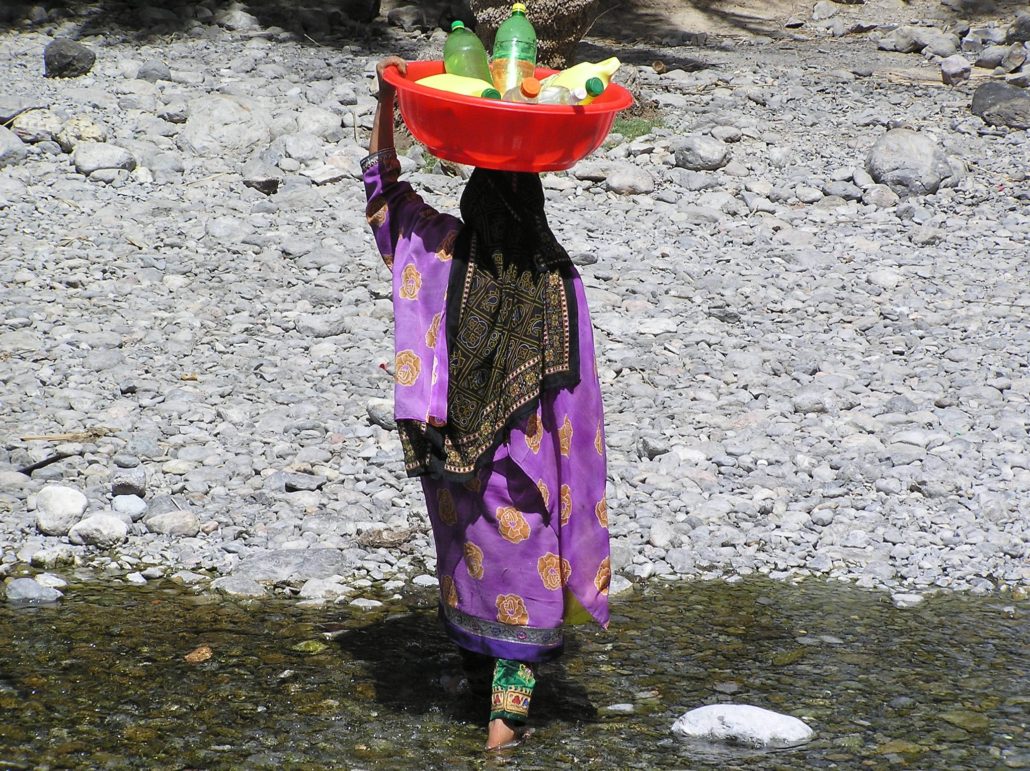
Before 1994, women in Oman did not have permission to vote. Before 2008, women did not have equal ownership of property compared to men. These are a small glimpse of many such fundamental rights that some countries deny women. Preconceived notions about the roles of women in society are difficult to alter after generations of their observance; however, Oman is starting to make significant strides towards progress in women’s rights.

Women’s Suffrage in Oman

In the 2003 elections in Oman, both men and women received an equal chance to vote for the first time. Women obtained permission to vote for members of the Majlis al-Shura, the elected governing body of Oman, and could even run as candidates in 2012. Commentator Muhammad Al Hinai observed that “society is becoming more aware of how important the woman’s role is, in pushing the wheels of development in the country along with men,” in a Gulf News interview. In the recent elections of Majlis al-Shura that took place in October 2019, 47.3% of voters were women, and government bodies have represented more than twice the number of women since the 2012 elections.

Omani Women’s Right to Equal Pay

Women in Oman face many day-to-day challenges, including their right to equal pay. Under the Basic Law of Oman’s government, women are entitled to the same wages and treatment as men. In practice, however, the law overlooks workplace discrimination and prejudices employers have against women. Women continue to face difficulty in gaining equal independence when they have to financially rely on their husbands to be the breadwinners of the family. Due to the lower pay, women in Oman are more likely to face greater financial struggles than men and are frequently unable to escape the cycle of poverty. Despite this issue, recent laws and articles have brought the gender wage gap to the forefront of Omani citizens’ attention.

The national daily Times of Oman reported that between 2010 and 2016, the wage for women increased more than 160%. The Omani Women’s Association, a non-governmental organization that emerged in 1972, is a prominent supporter of women’s rights in Oman. Its work promotes social justice and equal opportunities by encouraging women to apply for jobs and gain a source of income, eliminating dependence on family members. Opportunities that the organization offers include providing literacy classes, as well as setting up family programs to allow women to explore areas of interest outside of caretaking. The Omani Women’s Association currently has 58 associations across Oman.

Laws Regarding Marriage

Although Oman has made several breakthroughs regarding the ability of women to choose their spouses and divorce their husbands, the patriarchal system effectuates that women remain dependent on men. According to Article 17 in Oman’s Basic Law, women can marry freely. However, the Personal Status Law retains higher authority in matters of guardianship, child custody and inheritance. In exchange for protection, Omani women must bind themselves to their husbands and may not receive financial compensation if they divorce. As a result, women are unable to fully exercise their rights.

Nevertheless, the Government of Oman stipulated in a 2016 report that it was attempting to “[address] shortcomings in the application of the Personal Status Law by amending to ensure women’s optimal obtainment of their right.” In addition to granting women more fundamental freedom, the Government of Oman is building schools in order to provide women with education and improve the issue of women’s rights in Oman.

The Importance of Awareness About Women’s Rights in Oman

 The first step in creating a progressive mindset in society is to inform and educate civilians. Without knowledge, countries like Oman cannot obtain change simply through legislation, and oftentimes, women in countries such as Oman are not even aware of their basic rights.

Awareness of rights and the necessity to challenge traditional thinking has led to the passing of many successful laws in Oman. In Oman’s capital of Muscat, Omani women held a three-day protest in front of the General Police Headquarters to advocate for women to gain better access to healthcare. While two of the women underwent unfair detainment without a proper hearing, authorities eventually released them imposing any charges on them.

Following the numerous demonstrations in the capital, the government of Oman attempted to pass laws to improve the state of women’s rights in Oman. For example, in 2008, Omani legislation passed a law that declared that courts would regard testimonies from both men and women as equal. In addition, a 2010 law stated that married Omani women no longer needed the consent of their husbands in order to acquire a passport, a law that established a great amount of freedom for women. Advocating for women’s rights is an essential component to empowering and supporting women in developing countries.

– Esha Kelkar
Photo: Flickr

March 24, 2021
https://borgenproject.org/wp-content/uploads/borgen-project-logo.svg 0 0 Jennifer Philipp https://borgenproject.org/wp-content/uploads/borgen-project-logo.svg Jennifer Philipp2021-03-24 01:30:362024-05-30 22:22:59Progress Regarding Women’s Rights in Oman
Global Poverty, Inequality, Women's Rights

NGOs Advocating for Women’s Rights in Cambodia 

Women’s Rights in Cambodia
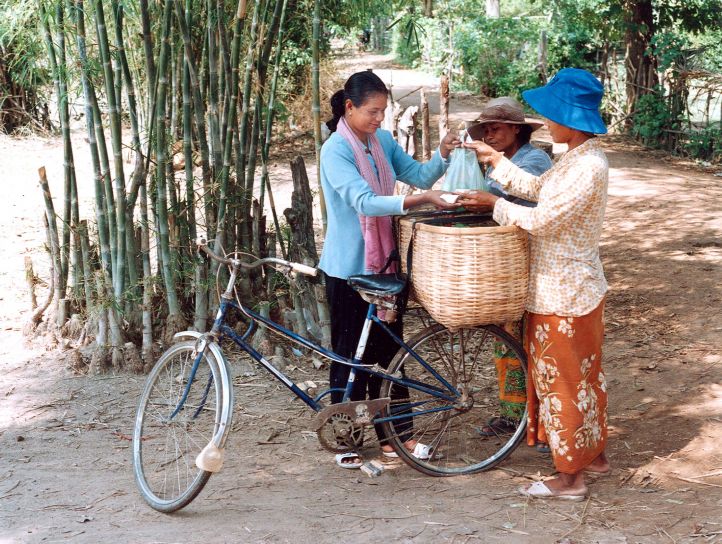
Women in Cambodia make up over 50% of the population but are still fighting for basic rights and gender equality. Cambodian women are struggling to participate politically, socially and economically because the country’s history and cultural traditions frequently value women less than men. Here is some information about women’s rights in Cambodia.

The State of Women’s Rights in Cambodia

Women’s rights in Cambodia have come a long way in the past years, but the country has not completely abolished gender inequalities. Women in Cambodia still struggle with the wage gap, finding opportunities for higher education, gender-based violence and erasing stigmas and stereotypes. Due to these issues, many NGOs have stepped in to help create change and spread awareness.

The Convention of Elimination of All Forms of Discrimination Against Women (CEDAW)

Cambodia emerged as a country from conflict and unequal power dynamics between sexes. Since 1992, Cambodia has slowly been pushing toward improving women’s rights along with empowering women to exercise their rights. Implementing CEDAW into its constitution was the first step to put Cambodia on the right track.

The Cambodian government ratified CEDAW in article 31.1 of its constitution in 1992. CEDAW, also known as the “Convention of Elimination of All Forms of Discrimination Against Women” is an international treaty protecting women from discrimination. It takes precedence over laws in Cambodia and many consider it a “fundamental legal basis for implementation.” The constitution also includes further efforts to end discrimination against women in article 45.1.

NGO-CEDAW

The implementation of CEDAW led to the creation of NGO-CEDAW in 1995. NGO-CEDAW is a nonprofit organization that ensures the implementation of CEDAW by creating a good relationship with the government and training all Cambodian women on CEDAW. The organization persuaded the Ministry of Women’s Affairs to adopt the Law on the Prevention of Domestic Violence and the Protection of Victims in 2005 and the Anti-tracking law of 2008. NGO-CEDAW also works with the government to “recommend amendments to the domestic violence law.”

The Cambodian League for the Promotion and Defense of Human Rights (LICADHO)

Besides NGO-CEDAW, human rights groups like the Cambodian League for the Promotion and Defense of Human Rights (LICADHO) advocate for women’s rights in Cambodia. The Cambodian League for the Promotion and Defense of Human Rights emerged in 1992 and focuses on two programs; monitoring and protecting, and promotion and advocacy. LICADHO is responsible for investigating human rights violations against women and children by the state, providing medical assistance and social work to victims, monitoring prisons to ensure living stable conditions and providing legal advice and representation to unions and victims. LICADHO also creates public reports about human rights cases to inform the public and educates and informs at-risk youths. LICADO brings reform to a national level by working with other NGOs to influence the government.

The Cambodian Committee for Women (CAMBOW)

One in five women in Cambodian report experiencing physical violence since age 15 and half of those women disclosed that they had never told anyone because they believe “there are conditions that justify violence against women.” The Cambodian Committee for Women (CAMBOW) promotes the protection of women by educating, training, advocating, researching and working with national and regional networks to address serious issues that are common in Cambodia such as domestic violence, rape and human trafficking. CAMBOW emerged in 2000 and is an alliance of 35 NGOs and networks that participate in activities involving ending violence against women and children, raise awareness on women’s rights through popular media campaigns and coordinate the exchange of information between the 35 NGOs.

The Asia Foundation

The Asia Foundation has worked in Cambodia for decades, focusing on increasing women’s and girl’s rights and security, creating economic opportunities and advancing women’s involvement in politics and everyday decision making. The Foundation has discovered that helping empower women is one of the best ways to eliminate poverty and increase development. The Foundation works with local organizations and community leaders to create positive change and teach women the skills they need to reach their full potential. Specifically, the Foundation has provided 116 scholarships to young women in poor families to go to college, offered 1,800 victims of trafficking legal and social support and trained 778 officials from the Royal Government of Cambodia on the National Minimum Standards for the Protection of the Rights of Victims of Trafficking. The Foundation also creates worldwide networks for female councilors and meets with government representatives to inform them of everyday challenges that women face.

International Women’s Day

On March 8, 2019, five NGOs joined Cambodian women to celebrate International Women’s Day at Olympic Stadium after security forces shut their march down earlier. The Women’s Network for Unity (WNU), Women’s Information Center (WIC), The Cambodian Centre for Human rights (CCHR), Rainbow Community Kampuchea (RoCK) and Gender and Development for Cambodia (GADC) encouraged all women to come together to highlight women from all classes, ages and sexualities to share their personal stories. The celebration wanted to show the government that Cambodian women are demanding greater respect and representation; specifically asking for new policies and improved living conditions for all women. On International Women’s Day on March 8, 2020, Cambodian civilizations celebrated by coming together at Democracy Square in Phnom Penh and putting together a fashion show with slogans to promote respect for women’s rights.

Many more NGOs are working to make women’s rights in Cambodia a priority that people respect, uphold and protect. Progress does not occur in one night and as long as these NGOs continue to encourage women to break cultural and social norms, come forward and stand up for themselves, Cambodia as a nation will come to see that men and women are equal.

– Lauren Peacock
Photo: Pixnio

March 21, 2021
https://borgenproject.org/wp-content/uploads/borgen-project-logo.svg 0 0 Jennifer Philipp https://borgenproject.org/wp-content/uploads/borgen-project-logo.svg Jennifer Philipp2021-03-21 01:31:252024-05-30 07:56:50NGOs Advocating for Women’s Rights in Cambodia 
Page 18 of 41«‹1617181920›»

Get Smarter

  • Global Poverty 101
  • Global Poverty… The Good News
  • Global Poverty & U.S. Jobs
  • Global Poverty and National Security
  • Innovative Solutions to Poverty
  • Global Poverty & Aid FAQ’s
Search Search

Take Action

  • Call Congress
  • Email Congress
  • Donate
  • 30 Ways to Help
  • Volunteer Ops
  • Internships
  • Courses & Certificates
  • The Podcast
Borgen Project

“The Borgen Project is an incredible nonprofit organization that is addressing poverty and hunger and working towards ending them.”

-The Huffington Post

Inside The Borgen Project

  • Contact
  • About
  • Financials
  • President
  • Board of Directors
  • Board of Advisors

International Links

  • UK Email Parliament
  • UK Donate
  • Canada Email Parliament

Get Smarter

  • Global Poverty 101
  • Global Poverty… The Good News
  • Global Poverty & U.S. Jobs
  • Global Poverty and National Security
  • Innovative Solutions to Poverty
  • Global Poverty & Aid FAQ’s

Ways to Help

  • Call Congress
  • Email Congress
  • Donate
  • 30 Ways to Help
  • Volunteer Ops
  • Internships
  • Courses & Certificates
  • The Podcast
Scroll to top Scroll to top Scroll to top