• Link to X
  • Link to Facebook
  • Link to Instagram
  • Link to TikTok
  • Link to Youtube
  • About
    • About Us
      • President
      • Board of Directors
      • Board of Advisors
      • Financials
      • Our Methodology
      • Success Tracker
      • Contact
  • Act Now
    • 30 Ways to Help
      • Email Congress
      • Call Congress
      • Volunteer
      • Courses & Certificates
      • Be a Donor
    • Internships
      • In-Office Internships
      • Remote Internships
    • Legislation
      • Politics 101
  • The Blog
  • The Podcast
  • Magazine
  • Donate
  • Click to open the search input field Click to open the search input field Search
  • Menu Menu

Archive for category: Women’s Rights

Developing Countries, Global Poverty, Women's Empowerment, Women's Rights

Strengthening Women’s Rights in Zimbabwe

Women’s Rights in ZimbabweLike many other African nations, Zimbabwe faces an ongoing battle for women to see equal opportunity and protections as men. Traditionally, society considers women dependent on men. Because of this historical reliance, women often find themselves in abusive or harmful relationships and the marriage of girls younger than the legal age often comes from necessity. As of 2019, cases of marriages of girls younger than 15 have risen to 5.4%, despite laws classifying the act as illegal. However, recent developments evidence that an increase in women’s autonomy is possible in the Southern African country. This has come both in the form of laws and activist organizations taking steps to advance women’s rights in Zimbabwe. Forward progress could help to ensure equality and protection for girls and women in the nation.

New Law Ensures Divorced Women a Fair Share of Property

Traditionally in Zimbabwe, in marriage, property ownership rights are to the advantage of males and the law considers the husband the owner of the property. This secures a position wherein women are solely dependent on men and sole ownership of property by a female is rare. While men and women are just as likely to enter joint ownership deals, 22% of men are sole landowners compared to only 11% of women.

This could all begin to change after a decision by the Zimbabwe Supreme Court that entitles both partners to an equal share of their property upon divorce. Under this decision, women in Zimbabwe can now choose to divorce partners without the risk of giving up all possessions and property that is rightfully theirs.

Women in violent or abusive relationships now have more of a chance to move on and provide for themselves and their children after divorce. This large step in women’s land rights will enable women to achieve independence, countering traditional beliefs in Zimbabwe.

No Expulsion for Pregnant Female Students

In the face of school closings during the COVID-19 outbreak, the Zimbabwean Government is trying to ensure all female students feel safe to return to school once educational facilities reopen. Many young women in Zimbabwe find themselves victims of sexual abuse, therefore, unexpected pregnancy is not uncommon. Often this will lead to women seeing no options other than early marriage and dropping out of school. In 2018, a study found that nearly 13% of school dropouts are linked to unexpected pregnancy or marriage. However, Zimbabwean schools often expel female students due to pregnancy.

In August 2020, Zimbabwe restrengthened an amendment stating that it is illegal to expel female students due to pregnancy. The amendment, introduced in 1999, does not have strong backing and many schools continue to punish pregnant female students rather than give them the further support they need.

This insurance to a proper education gives many women an option beyond economic dependence on an educated man, granting them the opportunity to become more self-reliant. It is also intended for the increased support of female students to reduce the dropout rate. This is a step in the right direction away from reliance on early marriage for the survival of many impoverished women in Zimbabwe.

18+ and Roots Africa Work to Protect More Women

Several organizations are working in the nation to advocate and work toward increased women’s rights. One such group, 18+, focuses on lowering child marriage in the country as a whole. A study found that, in 2019, nearly 25% of young women entered marriages before the age of 18 years old. 18+ is using Zimbabwe’s media to get its message across and is working to provide young women with information and resources on reproductive health and female empowerment.

Roots Africa is another advocacy group working to advance women’s rights in Zimbabwe. Seeing some success in lobbying for legal amendments in the past, the group currently has its sights set on the review of the Zimbabwean Termination of Pregnancy Act. This would allow more women access to safe abortions in Zimbabwe.

Currently, the only way to legally have an abortion is if the mother or child has a health risk or the mother can prove the pregnancy was a result of rape. Roots Africa also fights the normalcy of domestic abuse against women, supporting legislation such as the Domestic Violence Act in Zimbabwe.

The Future of Women’s Rights in Zimbabwe

The work of women’s rights groups in the country promises a better future for Zimbabwean women. Along with continued support from the Zimbabwean Government, this could mark a turning point for women’s equality in the nation. Though it is currently too soon to note any effect of these new laws, if the country correctly enforces these laws, the nation could note a significant advancement in women’s rights in Zimbabwe.

– Matthew McKee
Photo: Flickr
December 15, 2020
https://borgenproject.org/wp-content/uploads/borgen-project-logo.svg 0 0 Yuki https://borgenproject.org/wp-content/uploads/borgen-project-logo.svg Yuki2020-12-15 07:21:432022-04-06 05:33:57Strengthening Women’s Rights in Zimbabwe
Developing Countries, Global Poverty, Women's Empowerment, Women's Rights

Room to Advance Women’s Rights in Libya 

Women’s Rights in Libya The movement for women’s rights in Libya has deep roots that date back a century. Libyan women acquired the right to vote in 1920, and women’s rights groups in Libya date back to the 1950s. In spite of this, the Gaddafi regime instituted a series of repressions that targeted women across its four-decade rule, rolling back civil rights and exacerbating their de facto exclusion from the Libyan political and economic spheres. Since a popular uprising violently deposed strongman leader, Muammar Gaddafi, in 2011, instability in the North African nation has left its women in a state of political flux.

Women’s Rights in an Unstable Nation

In Libya’s post-Gaddafi era, attempts at consolidating rival administrations into a unified national government have systematically failed. Since 2014, two governments, the General National Congress based in Tripoli and the House of Representatives (or Tobruk Government) based in Tobruk, have fought for control of Libya against one another and other regional factions. Because of consistent fighting, the situation in Libya has at times resembled anarchy.

International relations think tank, Freedom House, in its 2020 annual Freedom in the World Report, designated Libya as “not free” with a score of 9/100. Its sub-scores in political rights and civil liberties rank at 1/40 and 8/60 respectively. Regarding women, Freedom House summarizes that “Women are not treated equally under the law and face practical restrictions on their ability to participate in the workforce.”

Further, the report states that many of the laws implemented under Libya’s warring governments are based on Sharia (Islamic Law) and personally disadvantage women in bodily autonomy, marital and financial status as well as civil liberties. Domestic violence is not directly criminalized and most instances go unreported. Further, Libyan law imposes penalties for extramarital sex and allow rapists to escape punishment by coercing their victims into marriage. As a general trend, Freedom House notes, “communities that lacked an affiliation with powerful militia were especially marginalized.”

International Organizations Report on Women in Libya

Because of Libya’s rampant factional violence, the Netherlands-based global advocacy organization, Cordaid, reports that violence against women at the hands of militias frequently goes unpunished. Cordaid also notes that restricted freedom of movement, driven by fear of violence, is leading to declines in schooling among women and girls.

The Atlantic Council, another globally-oriented policy think tank, points out that sexual and gender-based violence, sexual exploitation and forced prostitution are common practices in many conflicts. Of the hundreds of thousands of Libyan civilians currently displaced in refugee camps, a large proportion are women and children at risk of militia aggression. And after 2019 the abduction of Representative Seham Serghewa, a rights activist, Atlantic Council cites a larger pattern of violence and disappearances leveled against Libyan women in government.

Present Women’s Rights Work

In the face of continual conflict, networks of advocacy organizations continue to work on behalf of women’s rights in Libya. Some examples are:

  • The Libyan Women’s Union, established in 2012, works to support women in and around Tripoli by providing resources for women affected by violence, hosting courses and workshops to facilitate women’s political participation and professional development and spreading awareness for Libyan women in elections.
  • The Libya Women’s Forum, since its founding in 2011, runs courses in English language and legal literacy, trains women to communicate more effectively, facilitates joint dialogue sessions between women and men and helps draft laws advancing women’s rights in Libya.
  • International organization Jurists Without Chains publishes research advocating on behalf of women’s rights, female candidates, expanded suffrage and active political participation of women in Libya, along with holding workshops on women’s roles in human development.
  • Women’s Initiatives for Gender Justice supports local women’s advocacy organizations in Libya through technical planning and consultancy, advocacy and network-building. These efforts culminate in the hosting of national conferences containing over 100 local organizations working to advance women’s rights in Libya.  

The Future of Gender Equality in Libya

In spite of the advocacy, education, support and other work being completed on behalf of Libyan women, issues associated with gender, including violence, sexual and marital repression and politically motivated violence, are endemic to Libya’s larger structural issues such as its ongoing civil war. Advancing women’s rights in Libya means ending the conflict and returning the country to a baseline of stability.

– Skye Jacobs
Photo: Flickr

December 15, 2020
https://borgenproject.org/wp-content/uploads/borgen-project-logo.svg 0 0 Kim Thelwell https://borgenproject.org/wp-content/uploads/borgen-project-logo.svg Kim Thelwell2020-12-15 05:51:172024-05-30 07:53:20Room to Advance Women’s Rights in Libya 
Developing Countries, Gender Equality, Global Poverty, Women's Empowerment, Women's Rights

Addressing Gender Inequality in Egypt

addressing gender inequality in EgyptEgypt recently launched the “Closing the Gender Gap Accelerator” to reinforce its stance on female economic gender discrimination. This initiative is a partnership between the World Economic Forum (WEF), National Council of Women, the Egyptian Government and the private business sector. The financial and human capital investment in this undertaking shows that the country is committed to addressing gender inequality in Egypt.

Closing the Gender Gap Accelerator

In 2019, Egypt’s Minister of Tourism, International Cooperation and Investment, Dr. Rania Al-Mashat, signed a letter of intent along with the WEF and the National Council of Women to empower women. More than 48 million women represent this emerging countries’ population and the good news is that their involvement will expedite the growth of the economy and gather momentum in eliminating poverty.

Each party has a specific role in the program’s success. Businesses will be tasked with the presence of additional women in the workforce, equal pay and professional development. Other benefits included are extended maternity leave for either parent and subsidized childcare to offset barriers that will cause women to fall behind, lose their position or not enter the labor force.

Egypt’s government, which has invested more than $3 billion in this project, will incentivize strategies and track the program’s evolution. In addition, the legislature has the commitment of more than 90 businesses.

Objectives of the Accelerator

Closing the Gender Gap Accelerator’s mission has four objectives: eliminate the gender pay gap, ensure more women are promoted into business management roles, expand their growth in the workforce and make sure that women are poised to work in a society that is will be powered by the likes of digital technology and artificial intelligence along with robotics.

One of the co-chairs of the private sector for the Accelerator, the Commercial International Bank known as Qalaa Holdings, firmly believes in empowering women in the workplace and it has demonstrated that by having 25% of the company’s executive board and leadership positions filled by women.

While the Accelerator is focused on women’s success in the economy, it also takes into account how women are viewed in the male-dominated workforce. Creating a safe climate in companies is just as important so the unfair barometers that women are measured by have to be eliminated as well as dismantling the discriminatory behavior toward them.

Global Gender Equality

Egypt is one out of nine countries, and the first country in Africa to set in motion a project of this magnitude created by the WEF.  After more than 10 years of researching global gender inequality issues, WEF realized that it would take nearly 100 years for political gender parity to be achieved. Women comprise 50% of the global population in most countries and to purposely exclude them from the equation would seriously compromise a society’s overall economic and societal impact worldwide.

WEF’s Accelerators to Close the Gender Gap

To combat this shortcoming, WEF created accelerators and issued a challenge to nations that want to close the economic gender gap. Public and private entities form accelerators to be inclusive of women in business, from job recruitment to job promotions and work on eliminating prejudice against them. Each country is on a three-year timetable (countries start date varies) and the WEF preserves the global structure of the project while the countries operate independently in the communities.  So far, Iceland has seen the most success out of the nine participating countries, by consistently closing the gender parity gap for 11 consecutive years.

A Bright Future for Egyptian Women

The Accelerator is an important tool for addressing gender inequality in Egypt. This initiative is good news for the women of Egypt as it shows the country’s continuous commitment to removing societal hurdles that have unjustly smothered women’s attempts at succeeding in the economy and stifled their much-needed contribution to society.

-Kim L. Patterson
Photo: Flickr

December 15, 2020
https://borgenproject.org/wp-content/uploads/borgen-project-logo.svg 0 0 Kim Thelwell https://borgenproject.org/wp-content/uploads/borgen-project-logo.svg Kim Thelwell2020-12-15 05:13:202020-12-15 05:13:20Addressing Gender Inequality in Egypt
Advocacy, Developing Countries, Global Poverty, Women's Empowerment, Women's Rights

Female Activism: Women in Uzbekistan

Women in UzbekistanAfter the dissolution of the Soviet Union, Uzbekistan, like many post-Soviet nations, experienced a surge of conservative culture amongst the ruling elites and the general population. This surge led to the implementation of policies that were more restrictive to women than the previous Soviet policies had been. Women in Uzbekistan have long been excluded from policymaking. Now, women in Uzbekistan are taking to activism to ensure their voices are heard.

ACTED Uzbekistan

ACTED Uzbekistan is an organization that works to uplift the voices of women and girls throughout the country. It is a European Union-funded project that raises awareness for women’s issues and helps to mobilize women who otherwise may have been unsure how to begin. In addition to fieldwork, ACTED Uzbekistan also works to generate a report every year that analyzes the gender equality status in the country and offers suggestions on how to increase equality. Through the implementation of this project, a greater number of female activists have been able to claim platforms and affect policy.

Child Brides in Uzbekistan

One of the largest issues for activists currently is child marriage within the country. Though the law requires that girls be at least 17 years old before they are married, families have begun to pursue more religious ceremonies that legally eliminate the need for a civil union. As more girls are married off young, the amount of women in higher education and public office decreases and the cycle of discrimination continues. To combat this, organizations such as UNICEF and Girls Not Brides have partnered with the country’s Committee of Women to raise awareness of the detriments of child marriage, help young brides in danger and push for legislation that will end this practice once and for all.

HIV/AIDs in Uzbekistan

Another issue that has generated a lot of female activism has been the fight against HIV/AIDS in the country. Roughly 50,000 people in the country are currently living with the disease, according to UNAIDS, but through activism, the numbers have come down in the past few years. Organizations such as the Day Center for HIV Affected Families gather volunteers, many of them HIV positive themselves, and they work to provide assistance to struggling families while also providing educational material on HIV/AIDS and how to prevent it. Many of these activists are young women who were born HIV positive and who are committed to helping others like them.

Domestic Violence

In addition to the aforementioned activist initiatives, a large movement has begun in the country to identify and counter domestic violence. Like many nations, domestic violence in Uzbekistan is still seen as a personal issue and there are no provisions in the law that prohibit violence perpetrated by a spouse or parent. Both the official Women’s Committee and nongovernmental organizations have worked to combat this issue, with the Women’s Committee focused mostly on establishing crisis centers and shelters and NGOs promoting awareness and education on the issue. With both of these measures applied in conjunction, the country is slowly starting to recognize domestic violence as an issue.

The Necessity of Women’s Activism

As the United Nations and many NGOs have stated, women’s activism is necessary for progress. In Uzbekistan, this is evident by all of the work women have done to increase female participation, counter disease and help other women in need. The work gives evidence to a brighter future for women in the country but also for the people of Uzbekistan at large.

– Mary Buffaloe
Photo: Flickr

December 14, 2020
https://borgenproject.org/wp-content/uploads/borgen-project-logo.svg 0 0 Yuki https://borgenproject.org/wp-content/uploads/borgen-project-logo.svg Yuki2020-12-14 01:58:422020-12-14 01:58:41Female Activism: Women in Uzbekistan
Developing Countries, Gender Equality, Global Poverty, Women's Empowerment, Women's Rights

An Introduction to Women’s Rights in Somalia

women's rights in SomaliaSomalia is a country located in the Horn of Africa with a population of almost 14 million people. Although women and girls in Somalia consist of 50% of the country’s population, women and men are far from equal. Globally, Somalia places fourth highest on the gender inequality index. In Somalia, gender inequality is exacerbated by poverty, disability, social class and harmful practices that violate women’s rights in Somalia. Today, women in Somalia are susceptible to gender-based violence and sexual violence, an issue that is heightened in areas of conflict.

Genital Mutilation in Somalia

Common problems that perpetuate gender inequality in Somalia include female genital mutilation, child marriage, maternal mortality rates and a lack of access to fundamental tools for success, such as education, health care, credit and more. Women in Somalia, especially adolescent girls, are susceptible to undergoing genital mutilation. Often, these girls undergo this procedure before turning 13 years old, according to a 2013 report by the World Health Organization.

Somalia has the highest rate of genital mutilation, with 98% of girls undergoing the procedure. With the upsurge in coronavirus cases, girls in Somalia are forced to stay home. This leads to higher rates of genital mutilation. According to the United Nations Population Fund, the coronavirus could contribute to 2 million more instances of genital mutilation over the next decade that could have been stopped. Although genital mutilation remains legal in Somalia, the practice has no health benefits and harms women in girls in a plethora of ways as it poses health risks and robs women of the full capacity of their reproductive organs.

Maternal Mortality in Somalia

Another issue plaguing Somalia that perpetuates gender inequality is the maternal mortality rate, which is the highest of any country in the world. For children in Somalia, four in 100 infants die within the first month of their lives. Women in Somalia suffer high rates of maternal mortality due to poor health care infrastructure within the country and a lack of access to adequate services. In the United Nation’s 2030 Agenda, the central principle is “leaving no one behind.” This commitment from the United Nations involves prioritizing the rights, access and abilities of Somalian women.

Lack of Education and Leadership

In Somalia, there is a lack of women involved in political and social leadership roles. One of the reasons behind this is a lack of education. In Somalia, primary schools have one of the lowest rates of enrollment, with only 30% of children in school. Of the children in school, less than half of them are females. For girls living in rural areas, these numbers are lower. Compared to men, women in Somalia have much lower literacy levels. In Somalia, only 26% of women can read compared to 36% of men.

The Future of Women’s Rights in Somalia

Somalia remains a state of male power but there is hope that the country will become more focused on gender equality. The Somali Provisional Constitution, created in 2012, is undergoing revision. In 2021, the country is participating in a one-person-one-vote election. With the revision of the Somali constitution, there is an opportunity for empowering women and girls across the country by implementing gender equality provisions. It is hopeful that 2021 may promise more widespread opportunities for women and girls in Somalia.

– Caitlin Calfo
Photo: Flickr

December 12, 2020
https://borgenproject.org/wp-content/uploads/borgen-project-logo.svg 0 0 Kim Thelwell https://borgenproject.org/wp-content/uploads/borgen-project-logo.svg Kim Thelwell2020-12-12 03:11:352024-05-29 23:00:12An Introduction to Women’s Rights in Somalia
Developing Countries, Gender Equality, Global Poverty, Women's Empowerment, Women's Rights

Cafe Femenino Foundation Empowers Women

Cafe Femenino FoundationEstimates place women’s involvement in coffee production at as high as 70% of all the labor, making women an integral part of the coffee industry. However, women face high levels of gender discrimination within the industry in terms of access to “land, credit and information”, resulting in lower incomes and crop yields when compared to men. The Cafe Femenino Foundation looks to change this.

Cafe Femenino Foundation

Noticing the inequity, Garth and Gay Smith founded the Cafe Femenino Foundation in 2004 to empower women working in the coffee industry. The nonprofit organization provides grants to women’s coffee collectives in nine countries: Bolivia, Brazil, Colombia, the Dominican Republic, Guatemala, Mexico, Nicaragua, Rwanda and Sumatra. The grants can be used for a vast range of initiatives including food security, income diversification and health, to empower women socially, politically and economically.

Food Security Initiatives

Cafe Femenino Foundation provides grants to combat food insecurity in multiple countries’ coffee-growing regions, which also helps women earn extra income. In Peru, training sessions teach women how to preserve fruits to prevent spoiling and extend the period during which they can be eaten. Preserved fruit can also be sold at markets when the supply of fresh fruit is diminished, allowing the women to sell for higher prices. Women who participated in the training sessions went home with 10 cans of each fruit they preserved, which is credited with helping lower rates of child malnutrition in the regions.

Similarly, in the Dominican Republic, Cafe Femenino Foundation grants supported women’s coffee collectives to start growing passionfruit and breed both cows and goats. Passionfruit is used in many foods and drinks, making it popular among the women themselves and at the markets. Since 2009, more than 200 women and their family members have benefitted from access to passionfruit. The goat and cow breeding initiatives provide women with milk and meat to feed their families and to sell for additional income. As of 2013, almost 30 women participated in the animal breeding programs.

Health Initiatives

In Colombia, grants have been given by Cafe Femenino Foundation to the COSURCA coffee cooperative to improve women’s health through kitchen remodeling. Since kitchens are traditionally women’s spaces, they are often not remodeled and are constructed of poor materials with dirt floors. The kitchens of 18 women have been remodeled as of 2013 to include outdoor ventilation that prevents smoke inhalation and running water to improve cleanliness and hygiene.

Cafe Femenino Foundation has provided similar grants in Peru to improve health conditions by improving stoves. The new stoves decrease smoke inhalation and respiratory illnesses that occur as a result.

Women’s Empowerment Initiatives

Also in Peru, Cafe Femenino Foundation grants have supported the building of community safe spaces, called Casa Cafe Femenino, for women in multiple coffee-growing communities. These spaces provide women with opportunities to meet and talk in places that are not “borrowed from the men”, promoting women’s independence and agency. Casa Cafe Femeninos are also able to act as temporary shelters for women facing domestic violence. As of 2013, these spaces benefitted more than 800 women from two coffee collectives.

Cafe Femenino Foundation also supports the education of women. In Peru, the nonprofit helped five women complete training to be promoted to the role of internal coffee inspector, giving these women more power within the coffee industry. In the early years of the nonprofit, a grant provided scholarships for 600 girls, all of who were the daughters of coffee producers, to attend school.

Equality in the Coffee Industry

The coffee industry is made up largely of women yet these women face gender discrimination and inequality. Cafe Femenino Foundation strives to eliminate the gender gap in coffee production by providing grants to women’s coffee collectives in a range of areas, including food security, health and women’s empowerment based on the needs of the women. The projects, while benefitting the women, also help to teach leadership and problem-solving skills through a democratic process of distribution, furthering women’s empowerment.

– Sydney Leiter
Photo: pixabay

December 11, 2020
https://borgenproject.org/wp-content/uploads/borgen-project-logo.svg 0 0 Kim Thelwell https://borgenproject.org/wp-content/uploads/borgen-project-logo.svg Kim Thelwell2020-12-11 04:49:442024-05-30 07:53:09Cafe Femenino Foundation Empowers Women
Global Poverty, Women's Rights

How MUIXIL is Empowering Indigenous Guatemalan Women

How MUIXIL is Empowering Indigenous Guatemalan WomenAs the 1960 Guatemalan Civil War continued, military dictator José Efraín Ríos Montt targeted the indigenous populations of the country as part of his counterinsurgency tactics from March 1982 to August 1983. His “scorched earth” policy led to the brutalizing of Indigenous Mayans, specifically those in the Ixil region. As few as 10% of Ixil villages remained by the end of 1983, and over 5% of the Ixil population was killed. The effects of the civil war and the genocide continue to be felt by the Ixil people—especially women, which is why MUIXIL works to empower Indigenous Guatemalan women.

The Effects of the War on Ixil Women

The Ixil region of Guatemala was specifically targeted during the civil war because of the indigenous population. As a result of the destruction of their villages, 29,000 Ixil people are estimated to have been displaced by the war. This displacement and destruction caused many Ixil people to lose their birth certificates and other forms of identification that are necessary for political participation in the post-war country, making it nearly impossible for many to vote in elections and creating widespread indigenous disenfranchisement.

The mass murders of Ixil people during the war widowed many women, making them solely responsible for providing for their families. This struggle was significantly more difficult for Indigenous women in Guatemala as they were often denied access to jobs and resources that could benefit them financially. Widespread poverty, malnutrition and the highest infant mortality rate in Central America at 23 deaths per 1,000 births are associated with the financial troubles of Ixil people.

Guatemala has one of the highest rates of femicide in the world, and in a two-year period ending in 2016, more than 2,000 women were murdered. Indigenous women are disproportionately affected by violence against women, which many researchers say is a result of the widespread violence against them and the lack of punishment for sexual and gender-based violence that occurred during the war.

The History of MUIXIL

MUIXIL was founded as Mujeres Sufridas de Area Ixil (Women Sufferers of Ixil) in 2003 to empower and support indigenous Ixil women, especially those who survived the civil war. The grassroots organization aims to promote the civil, political and economic rights of Indigenous Guatemalan women through the development of income-generating projects and a support system made up of other Ixil women.

The MUIXIL Weaving-Collective

MUIXIL partnered with MADRE, an international women’s empowerment nonprofit, to develop a weaving-collective for Ixil women. The project provides grants for women to purchase materials, such as yarn, that are needed to create products that can be sold at local markets. By selling their creations, these women earn additional income and learn entrepreneurial skills. The weaving-collective also preserve a culture that was nearly destroyed by the war as the women incorporate traditional designs into their creations. As of 2012, 45 women participate in the weaving-collective.

Also in partnership with MADRE, MUIXIL runs a sustainable chicken farming initiative. Indigenous women are given chickens to establish small-scale farms and grants to purchase the supplies needed for upkeep. At the end of 2010, 350 women participated in this project, supporting nearly 2,500 individuals. The initiative was later expanded in 2013 to three more communities with 50 additional women participating.

Like the weaving collective, the chicken farms provide Ixil women with income as they sell eggs at local markets. The chicken farming initiative also combats food insecurity in Indigenous communities as it provides access to protein-rich chickens and eggs.

Political Empowerment for Indigenous Guatemalan Women

MUIXIL also hosts workshops to show Ixil women the importance of and teach the skills needed for political participation at the local and national levels. The nonprofit organization also assists Indigenous women with the legal system, “including in trials to hold perpetrators accountable for human rights abuses against Indigenous Peoples.” Women seeking the recognition of their human rights by the government are accompanied by MUIXIL’s members for support.

During the 2012 session of the United Nations Human Rights Committee, MUIXIL advocated for the political rights of Indigenous women in Guatemala in the Report on Violations of Women’s Human Rights. In this report, the organization called out the national government for failing its constitutional duty to protect women and indigenous peoples by excluding them from the legal system. This exclusion takes on many forms, such as a lack of access to translators who are fluent in Indigenous languages, which effectively prevents many women from seeking justice. MUIXIL also provided recommendations in this report for how the government can better protect the rights of Indigenous women, including decreasing costs within the legal system, making courts more accessible by spreading them throughout the country and launching a program to document Indigenous peoples who were displaced or lost their forms of identification during the war to allow for more widespread political participation.

The Guatemalan Civil War witnessed genocide against the country’s Indigenous Ixil populations, leading to long-term consequences for these communities, especially women. MUIXIL combats the legacy of violence and discrimination against Ixil women by providing income-earning initiatives, political empowerment and a space where Indigenous Guatemalan women can find support and continue their cultural traditions.

—Sydney Leiter
Photo: Flickr

December 10, 2020
https://borgenproject.org/wp-content/uploads/borgen-project-logo.svg 0 0 Kim Thelwell https://borgenproject.org/wp-content/uploads/borgen-project-logo.svg Kim Thelwell2020-12-10 01:30:452024-06-04 01:17:58How MUIXIL is Empowering Indigenous Guatemalan Women
Global Poverty, Women's Empowerment, Women's Rights

Exploring Land Rights for Women in Kenya

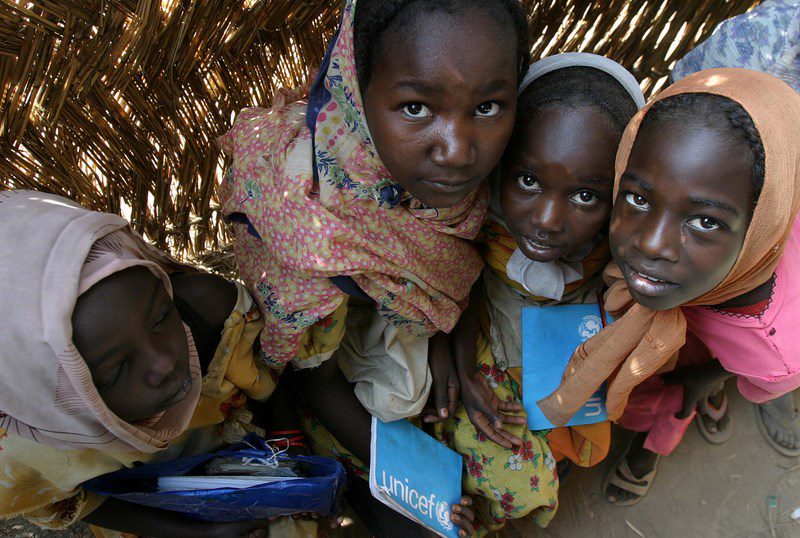
land rights for womenThe Kenyan Constitution states that men and women are equal under the law. Despite the new legislation, women in Kenya still face discrimination for exercising their rights to own land with their name on it rather than their husbands’ name.
Women’s Land Rights in Kenya

Property and land rights for women recently expanded in Kenya, particularly for married women, a group denied land ownership in the past. Passed in 2013, the Matrimonial Property Act states that marriage between a man and a woman rests on a foundation of equality. It recognizes spouses as equal property owners and protects women’s rights to land ownership during marriage, divorce and separation.

The Act follows the repeal of previous gender-discriminatory laws, anointing a new progressive path for the country. Before the Act’s enactment, Kenya’s government enforced the Married Women’s Property Act of 1882, a piece of legislation leftover from the era of British colonization, explained Chief Executive Officer of Kenya Land Alliance (KLA) Faith Alubbe in an interview with The Borgen Project. KLA is a non-governmental organization (NGO) that advocates for equal land access in Kenya.

“For women, land ownership is very important for them to be able to feed their families, for them to be able to access or use land and to control it,” said Alubbe. “As it is right now, most women only access and use land. They rarely control and own it.”

Today, nearly a decade after the Act’s passage, only 10.3% of Kenyan women own land title deeds, according to statistics from KLA. Even with the implementation of this new law, varied customs and traditions that bar women from land ownership exist throughout Kenya’s 47 counties. Without complete and clear access to land titles, the disproportionate impact of homelessness and poverty on Kenyan women could worsen.

Land Advocacy for Kenyan Women

“How come women work on land a lot, use the resources, but they never own or control it?” This was the question Alubbe asked herself that propelled her deeper into land advocacy. Alubbe’s work in human rights and land justice in Kenya stretches back to 2006 when she worked for the Kenya Human Rights Commission, an NGO that promotes democratic change, and for the Federation of Women Lawyers (FIDA-K), an NGO that extends free legal representation to women in Kenya.

From KLA’s efforts partnered with its network of 50 organizations, Alubbe informs Kenyan communities about their rights and helps individuals secure proper land title documentation to actualize land justice in Kenya and throughout East Africa. While Alubbe worked for FIDA-K, she was a member of the team that pushed for the passage of the 2013 Matrimonial Property Act.

Despite the Act’s intentions of creating greater land equality, as noted in a report by the Human Rights Watch in coordination with FIDA-K, it falls short of total enforcement. The Act does not recognize couples who are unofficially married although many Kenyan couples are not legally registered in their counties, disbarring them from protection under the law.

Justice System vs. Patriarchal Custom

Alubbe also believes the act has only been partly successful. Women rarely exit the court system empty-handed, but getting couples to trial, an expensive and often lengthy process, stands in the way of land justice for women. The financial hardships of covering court fees and paying lawyers can be enough to stop a woman from trying her case in the court system.

“With the precedents that are coming out of court, [the Matrimonial Property Act] has not been as successful as we had hoped it to be because [of] gray areas and a lot of discretion,” said Alubbe.

These “gray areas” could pertain to patriarchal traditions, customary laws and alternative justice systems found in countries that govern Kenyan communities, explained Alubbe. Customary laws, laws that oftentimes discriminate against land ownership for women, control more than 65% of the land in Kenya, according to HRW.

Rather than turning to the justice system, married couples in rural areas undergoing divorce will instead meet with community elders and chiefs for an efficient and affordable alternative. But, outside of court systems, customary laws that insist women have no entitlement to matrimonial property prevail, potentially leaving women with only their personal belongings and no roof over their heads.

“Those at the community level prefer [alternative justice systems] because it’s accessible and affordable. Though it can be very patriarchal, and since it’s not very regulated, it might also defeat justice,” said Alubbe.

According to customary laws in the Kilifi and Kakamega Kenyan counties, land titles are attributed solely to a woman’s husband or owned by his family. Any acquisitions or improvements to a couple’s property, regardless if they are made by the wife, do not belong to her. Although 96% of rural Kenyan women are responsible for farming, Oxfam reports, their contributions to the land are theirs only to sow not to reap for personal benefit.

If she can manage the costs, under the Matrimonial Property Act, she must also present proof of monetary or non-monetary contributions to her matrimonial property. But, what classifies as substantial evidence is not clearly outlined under the law, explained HRW. Unpaid care work, labor women are predominantly responsible for, can make or break a woman’s case, but it is also dependent on the judge’s interpretation of proof.

Consequences of Patriarchal Land Ownership

Due to ambiguities in legislation and customs that trump a woman’s ownership of land, less than 2% of land in Kenya is owned by women. These gaps in land title enforcement fail to protect women’s rights, intensifying the number of women who face the threat of eviction and poverty.

Separated, divorced and widowed women risk losing their homes to their husbands or their husbands’ families under customary laws. The Kilifi and Kakamega counties, where men are the majority landowners, also possess two of the highest divorce and separation rates in Kenya.

When women in Kenya are disbarred from owning land, which is a significant generator of income, they struggle to access other resources, including credit and agricultural crops. Alubbe adds that without disposable income or secure credit, education for women’s children falls through the cracks and malnutrition becomes a stark reality for families.

“Because land is the primary factor of production in Kenya, without land, then the level of poverty is quite high for women,” said Alubbe. Breaking down poverty by gender, Kenyan women are more likely to fall into poverty than men. For single, divorced and widowed women, this is especially true. Nearly 31% of divorced women fall into poverty while 38% of widowers fall into poverty, according to the World Bank.

Looking Ahead

Women in Kenya depend on land they can call their own. The law says women can finally own land — a crucial acknowledgment of Kenyan women’s contributions to their communities. This issue of land ownership extends beyond Kenya’s borders, though. According to the World Bank, only 30% of the world’s population has land titles today. Throughout rural sub-Saharan Africa, only 10% of the population has land titles.

Yet, Alubbe is personally working to expand access to land titles. This September, she personally drove herself to Kenya’s counties to train community members and assist with land registration and land rights for women in Kenya. After stopping in Laikipia, she noted that registration was going well and her key focus is for women to be part of the registration process.

“We are very hopeful because more women are gaining more knowledge,” said Alubbe. “Women themselves are being more sensitized and aware that to be involved, [they] should own land.”

– Grace Mayer
Photo: Flickr

December 9, 2020
https://borgenproject.org/wp-content/uploads/borgen-project-logo.svg 0 0 Kim Thelwell https://borgenproject.org/wp-content/uploads/borgen-project-logo.svg Kim Thelwell2020-12-09 01:30:252022-03-31 03:11:36Exploring Land Rights for Women in Kenya
Global Poverty, Women and Children, Women and Female Empowerment, Women's Rights

5 Things to Know About Women’s Rights in Algeria

Women’s Rights in AlgeriaThe Algerian constitution states that all citizens are created equal, meaning there should not be discrimination based on “birth, race, sex, opinion or any other personal or social condition or circumstance.” This sounds ideal until one becomes aware that Algeria put a “family code” into place in the 1980s that would treat women as minors under the legal guardianship of their husbands and fathers. Algeria has made some changes to the code since its implementation. These changes are a result of years of activism and pressure on the government to allow women more rights, including the right to equality. Here are five facts about women’s rights in Algeria.

5 Facts About Women’s Rights in Algeria

  1. There is more equality for women in the job market. In February 2016, the government introduced an article that would prompt the state to work to attain equality in the job market. The article “encourages the promotion of women to positions of responsibility in public institutions and in business.” There are no legal restrictions on the professions women choose. However, according to the family code, the husband can revoke the wife’s career path if he does not agree with it. Some men would prefer women to choose more female-dominated career paths, such as health care and education.
  2. Some forms of domestic violence are criminalized. The government adopted amendments to the family code in December 2015 to protect women in the case of domestic violence. Assault on a spouse or former spouse can result in 20 years of imprisonment. Assaults resulting in death can have a consequence of life in prison. The amendment also criminalized sexual harassment in public spaces. This is a major win for women considering their violent and traumatic pasts. During Algeria’s civil war in the 1990s, known as the Black Decade, women became targets of extremists. Extremists especially targeted teachers, businesswomen, female drivers and women engaging in the public sphere. While some women would go missing, others would face rape or murder during that time. These amendments do not take away the brutal past, but it certainly is a step in the right direction.
  3. Women have more access to divorce and child custody. Despite new laws that would allow women increased access to divorce and child custody rights, women still find it difficult to divorce their husbands. Women need approval from the courts and have to meet certain criteria before initiating the divorce whereas men do not need justifications. On top of requiring the husband’s approval of the divorce, women also risk losing their property and assets if they decide to end the marriage.
  4. Many organizations are fighting for women’s rights in Algeria. There are 30 organizations in Algeria fighting women’s oppression. These organizations are a part of a network created by the Civil Society Collective for a Democratic Transition, which was a result of protests for women’s rights in 2019. Many of these organizations are led by women. One organization, in particular, Djazairouna, has been around since the mid-90s. This organization helped families affected by the Black Decade by providing moral, psychological and legal assistance to the victims. The organization’s members would also attend the funerals of victims. Traditionally, only men could attend funerals, but during the Black Decade, women began attending funerals as an act of protest. The women would state that it was not the victim’s fault for being caught in the crossfire but the extremists’ fault. Since the Black Decade, Djazairouna continued to pursue justice for the victims’ families.
  5. Women have an equal opportunity to hold public office. Many of the organizations fighting for women’s rights in Algeria have pushed for major legislation that would give women equality and greater political representation. In 2012, women held about 30% of seats in the government’s cabinet, and again, in 2014. Women also make up half of the judges, 44% of magistrates and 66% of justice professionals in lower courts.

Algeria has made significant progress in the realm of women’s rights. However, as the protests in 2019 prove, the nation must still progress toward increasing the representation and equality of women.

– Jackson Lebedun
Photo: Flickr

December 8, 2020
https://borgenproject.org/wp-content/uploads/borgen-project-logo.svg 0 0 Kim Thelwell https://borgenproject.org/wp-content/uploads/borgen-project-logo.svg Kim Thelwell2020-12-08 01:30:162022-03-30 05:15:455 Things to Know About Women’s Rights in Algeria
Developing Countries, Gender Equality, Global Poverty, Women's Rights

Progressing Women’s Rights in Uganda

Women's Rights in UgandaWomen’s rights in Uganda are notoriously spotty. Ugandan women experience high rates of physical and sexual abuse, at 56% and 22% respectively. Additionally, child marriage is common and 40% of Ugandan girls marry before they turn 18. As a result, many girls never complete their education or gain the necessary job skills to help them provide for themselves and their families. The lack of opportunities for women to thrive economically only perpetuates poverty in the region.

The Gender Gap and Poverty

Uganda currently ranks 65th out of 153 countries on the Global Gender Gap Index for equal “economic participation and opportunity” among men and women. With 19.7% of Ugandans still living below the poverty line in 2013 and two in three households that escape poverty and then fall below the poverty line all over again, striving for women’s rights in Uganda is one essential step needed to combat the region’s prevalent poverty. Over the last few years, the Ugandan Government and nonprofit groups have made great strides to advance women’s rights in Uganda.

Legislation for Women’s Rights in Uganda

Over the last 15 years, Uganda has passed a volley of legislation designed to protect women’s rights. These laws make it more likely for women to have the physical health and wellbeing to hold jobs and begin to address the social barriers to women’s economic participation.

  • Laws prohibiting violence against women: The 2009 Persons Act (anti-trafficking), 2010 Anti-Female Genital Mutilation Act, 2010 Domestic Violence Act and additional 2011 domestic violence regulations.
  • The Equal Opportunities Commission Act of 2007: This law gives the Ugandan state power to punish discrimination against sex, while also permitting the state to implement “affirmative action in favor of groups marginalized on the basis of gender… for the purpose of redressing imbalances which exist.”

Governmental Plans for Women’s Rights

Addressing women’s rights in Uganda is a key part of Uganda’s Second National Development Plan 2015/16 – 2019/20. The Plan explains attaining women’s rights as a prerequisite to desired economic growth and proposes several key initiatives to increase women’s access to business ownership and resources. The initiatives include using technology to promote women’s issues, advancing economic reforms to allow women equal access to inheritance, property and public financial resources as well as addressing widespread gender discrimination. An additional public policy plan, The National Strategy to End Child Marriage, seeks to enhance women’s autonomy and economic opportunity by curtailing child marriage, which stunts teenagers’ abilities to seek education and exposes them to marital violence. Due to child marriage, currently up to 35% of girls drop out of school before age 18.

Organizations for Women’s Rights in Uganda

Nonprofit advocacy groups are playing a part to advance and raise awareness for women’s rights too. Girl Up Initiative Uganda provides programs tailored to educate adolescent girls, teaching job skills and economic empowerment. Additionally, Action for Rural Women’s Empowerment (ARUWE Uganda) focuses on teaching agricultural job skills to women in rural areas.

The National Union of Women with Disabilities in Uganda (NUWODU) seeks to expand ongoing women’s rights work to women with disabilities. In particular, NUWODU aims to end discrimination against disabled women workers in the job market and to increase their wages and access to services.

While there is still plenty of work to do, the progress being made by nonprofits and governmental action taken on behalf of Ugandan women enables them to attain long-term economic equality and prosperity that will help the region as a whole to fight poverty.

– Elizabeth Broderick
Photo: Flickr

December 7, 2020
https://borgenproject.org/wp-content/uploads/borgen-project-logo.svg 0 0 Kim Thelwell https://borgenproject.org/wp-content/uploads/borgen-project-logo.svg Kim Thelwell2020-12-07 08:46:052024-05-30 07:53:00Progressing Women’s Rights in Uganda
Page 22 of 41«‹2021222324›»

Get Smarter

  • Global Poverty 101
  • Global Poverty… The Good News
  • Global Poverty & U.S. Jobs
  • Global Poverty and National Security
  • Innovative Solutions to Poverty
  • Global Poverty & Aid FAQ’s
Search Search

Take Action

  • Call Congress
  • Email Congress
  • Donate
  • 30 Ways to Help
  • Volunteer Ops
  • Internships
  • Courses & Certificates
  • The Podcast
Borgen Project

“The Borgen Project is an incredible nonprofit organization that is addressing poverty and hunger and working towards ending them.”

-The Huffington Post

Inside The Borgen Project

  • Contact
  • About
  • Financials
  • President
  • Board of Directors
  • Board of Advisors

International Links

  • UK Email Parliament
  • UK Donate
  • Canada Email Parliament

Get Smarter

  • Global Poverty 101
  • Global Poverty… The Good News
  • Global Poverty & U.S. Jobs
  • Global Poverty and National Security
  • Innovative Solutions to Poverty
  • Global Poverty & Aid FAQ’s

Ways to Help

  • Call Congress
  • Email Congress
  • Donate
  • 30 Ways to Help
  • Volunteer Ops
  • Internships
  • Courses & Certificates
  • The Podcast
Scroll to top Scroll to top Scroll to top