• Link to X
  • Link to Facebook
  • Link to Instagram
  • Link to TikTok
  • Link to Youtube
  • About
    • About Us
      • President
      • Board of Directors
      • Board of Advisors
      • Financials
      • Our Methodology
      • Success Tracker
      • Contact
  • Act Now
    • 30 Ways to Help
      • Email Congress
      • Call Congress
      • Volunteer
      • Courses & Certificates
      • Be a Donor
    • Internships
      • In-Office Internships
      • Remote Internships
    • Legislation
      • Politics 101
  • The Blog
  • The Podcast
  • Magazine
  • Donate
  • Click to open the search input field Click to open the search input field Search
  • Menu Menu

Archive for category: Women’s Rights

Global Poverty, Women's Empowerment, Women's Rights

What to Know About Women’s Rights in Sweden

women's rights in SwedenWith the 20th largest GDP per capita in the world, the affluent Scandinavian nation of Sweden is often seen as the quintessential nation for equality and liberalism. With its strong history of leading reforms promoting social welfare in Sweden, the country ranks first in Sustainable Development Goal progress out of the entirety of U.N. Member States. Of these reforms, many work to increase women’s rights in Sweden with a focus on ending the gender disparities visible in many other Western nations.

Reforms in Sweden Ending Gender Disparities

Sweden has been championing gender equality for centuries. In one of the earliest known cases in Europe, the Swedish government granted women in Sweden suffrage in local elections in 1718. In 1842, girls could attend schools typically restricted to males only. Then, in 1919, women gained full voting rights in a movement led by suffragist Elin Wägner. Reforms would continue throughout the 20th century with the legalization of birth control and abortions in 1938, the passing of legislation for mandatory three months of paid maternity leave in 1955 and the abolition of joint taxation in 1971.

Most recently, the Swedish government outlawed gender discrimination in the workplace in 1980. Sweden further expanded on these laws through the passing of the Swedish Discrimination Act in 2009 and its expansion in 2017 that added protections for members of the LGBTQ+ community, people with disabilities, racial and ethnic minorities and religious minorities.

Female Representation in Government

Because of the centuries of reform, the advancement of women’s rights in Sweden is visible even at the highest levels of government. As of 2019, women make up 46% of the Swedish parliament and 50% of the cabinet, including the position of minister of gender equality that Åsa Lindhagen holds.

In comparison, women account for 23.7% of today’s United States House of Representatives out of a total of 537 seats. Women also make up only 20.8% of President Donald Trump’s 24-member cabinet.

Sweden’s almost even distribution between male and female government officials represents the sheer advancement of women’s rights in Sweden. In fact, Sweden now considers feminism part of the official government policy rather than just a social movement with gender equality being “central to the government’s priority,” according to a government statement.

Continuing Gender Wage Gap

However, despite these reforms, the gender wage gap, like in many other developed nations, still persists. In a 2018 study by the European Union on the gender pay gap in EU countries, data indicated that women earn 12.2% less income than men in Sweden for jobs of the same nature.

While this pay gap is significantly lower than the United States’ 18% or the European Union average of 14.8%, it is also significantly higher than the 5% wage gap in Italy and Luxembourg.

Many experts describe the presence of a wage gap in gender-equal countries as a paradox. It is unknown why this phenomenon occurs when the Swedish government takes many measures to assure women’s rights in Sweden, but experts assume that culture around gender norms and roles plays a part.

Sweden’s historic reforms and the committed government have led the nation to become one of the most gender-equal countries in the world. Mandating paid maternity leave, legalizing birth control and abortions and increasing women’s representation in parliament all contribute to this success. However, Sweden still struggles to close the wage gap between males and females even amid the ever-evolving policy promoting women’s rights in Sweden but is, nonetheless, still making strides in gender equality.

– Aidan Sun
Photo: Flickr 

January 8, 2021
https://borgenproject.org/wp-content/uploads/borgen-project-logo.svg 0 0 Lynsey Alexander https://borgenproject.org/wp-content/uploads/borgen-project-logo.svg Lynsey Alexander2021-01-08 12:01:302024-05-30 07:55:27What to Know About Women’s Rights in Sweden
Gender Equality, Global Poverty, Women's Empowerment, Women's Rights

Women’s Rights in Tunisia and Entrepreneurship

Women’s rights in TunisiaFor neighboring countries, Tunisia is a model of women’s rights. Although women’s rights in Tunisia are lacking in some areas, activists and lawyers have consistently worked to dismantle patriarchal social structures.

Poverty in Tunisia

The national poverty rate consistently fell between 2005 and 2015. In 2005, the poverty rate in Tunisia was 23.1%, and in 2015, the poverty rate was 15.2%. Poverty tends to disproportionately affect inland regions in Tunisia.

Inland regions register higher rates of poverty than coastal regions. This difference is often stark. In Centre West, a landlocked region, the rate of poverty was 30.8%, whereas, in Centre Est, a coastal region, the poverty rate was 11.4%. The national poverty rate for men and women, however, was nearly identical.

Role of Women in the Economy

By 2005 the number of female entrepreneurs in Tunisia was nearly 5000 and had impressively doubled to 10,000 by 2008. Despite the expansion of women’s rights in Tunisia, which has played out through a legal process, deferral to traditional gender roles continues to hold women back from pursuing entrepreneurial roles in society. A 2010 study found that this may be explained by an “inadequate support system” for women in Tunisia who aspire to develop careers in the business world.

Mowgli Mentoring

The development of a strong support system for women entrepreneurs in Tunisia is the goal of Mowgli’s partnership with the European Bank for Reconstruction and Development (EBRD). The initiative partnered 12 Tunisian businesswomen with Mowgli mentors for a year. Its goal was to create a new culture of support and sustainability that will foster “economic and societal development throughout Tunisia.”

This approach is fundamental to shift the business culture in Tunisia. Institutional support for women entrepreneurs is tantamount to their success. Women entrepreneurs generally receive less institutional support than their male counterparts receive upon starting a new business. This includes a lack of financial support from financial institutions. Women entrepreneurs are also less likely to be offered opportunities to participate in business training, courses or schooling.

Women Entrepreneurs in Tunisia

Despite these obstacles, women entrepreneurs in Tunisia have developed innovative ways to improve support for women in business. Raja Hamdi is the director of the Sidi Bouzid Business Center. The center supports startups by providing mentors to evaluate business and market trends.

The Sidi Bouzid Business Center works closely with the Mashrou3i program, which is a partner of Go Market, a research and marketing firm located in the Kairouan region of Tunisia. Go Market was founded by female entrepreneur, Hayfa Ben Fraj. It works strategically in market analysis to support a “wide range of sectors and diverse fields such as technology, crafts and agriculture.”

Working Toward an Inclusive Economy

Although patriarchal structures of repression endure in Tunisia, the overall attitude is one of progress, equality and inclusion. Constituting one half of the population in Tunisia, women represent a latent workforce with the potential to reshape Tunisia’s economy through a series of innovative programs based on a culture of mutual support. Women’s rights in Tunisia will continue to increase as entrepreneurial opportunities for women flourish.

– Taylor Pangman
Photo: Flickr

January 4, 2021
https://borgenproject.org/wp-content/uploads/borgen-project-logo.svg 0 0 Yuki https://borgenproject.org/wp-content/uploads/borgen-project-logo.svg Yuki2021-01-04 00:05:402021-01-04 00:05:40Women’s Rights in Tunisia and Entrepreneurship
COVID-19, Global Poverty, NGOs, Women's Empowerment, Women's Rights

Female Health Care in Kenya Reduces Gender Inequality

Female Health Care in KenyaPoverty affects genders differently, with women often being more disadvantaged than men. Meeting the strategic needs of those living in poverty must be accompanied by fulfilling practical gender needs. This will ensure equal access to economic progress for all. One NGO is working to reduce gender discrimination by providing female health care in Kenya.

Girls in Danger

In the wake of COVID-19, mass closures of schools and businesses have further hindered the economic development of remote Kenyan districts. The strict COVID-19 guidelines implemented by local authorities have resulted in the closing of safe homes and centers for girls. The preoccupation with COVID-19 regulations led authorities to respond with minimal effort to address increased levels of violence against women and girls. On top of the pandemic, the country has fallen victim to other disasters. Extreme droughts and flooding, as well as a locust invasion, have lowered the food supply for rural areas.

These desperate circumstances leave low-income families with limited financial options. Some families have resorted to employing their young children and marrying off their daughters in exchange for money and cattle. This incites increased gender-based violence as child marriages leave girls vulnerable to sexual and physical violence.

Dr. Esho, who works on-site for Amref Health, said, “Including community systems in the prevention of and response to FGM/C (female genital mutilation and cutting) and child marriage is more important than ever. More women and girls are now at risk of harmful practices and gender-based violence.”

Centering Women in Health Care

Amref Health Africa is an NGO based in Nairobi, Kenya. It has been a crucial part of introducing health care services and technology to sub-Saharan Africa. Established in 1957, the organization has a long history of bringing modern medicine to rural African communities.

Amref Health Africa is proving how female empowerment is not just a social movement but a crucial factor in women’s livelihoods. The NGO dedicates much of its work to improving female health care in Kenya. Women often lack education on their sexual health, which impedes prudent, informed decisions regarding their futures. Advancements in female health care in Kenya can empower women to take control of their bodies and pregnancies. Additionally, it can offer better support to these women in their chosen paths.

Amref also aids women suffering from violence. Organization members, such as Dr. Esho, work jointly with local activists and health workers to construct a plan of action. The community members have firsthand knowledge and experience working with survivors of FGM/C and other cruelties, which Amref acknowledges and utilizes. Therefore, the NGO ensures victims are getting proper care and refuge from their abusive situations.

How to Help

Amref strives to bring awareness to gender-based violence and the positive effect of proper female health care in Kenya. With the hashtag #EndFGM, Amref is trying to engage international activists through social media. The organization is also accepting direct donations through its website.

One may feel powerless during times of international emergencies. However, this must not stop global citizens from doing their part to assist. Those who want to help can contact their congressmen and congresswomen as well as other representatives to protect the U.S.’s foreign aid budget. This will benefit NGOs, similar to Amref Health, that work closely with impoverished communities to identify unique problems and solutions.

– Lizt Garcia
Photo: Flickr

December 23, 2020
https://borgenproject.org/wp-content/uploads/borgen-project-logo.svg 0 0 Yuki https://borgenproject.org/wp-content/uploads/borgen-project-logo.svg Yuki2020-12-23 17:02:052024-05-30 07:53:27Female Health Care in Kenya Reduces Gender Inequality
COVID-19, Global Poverty, Women and Children, Women's Rights

5 Ways COVID-19 is Disproportionately Impacting Women Worldwide

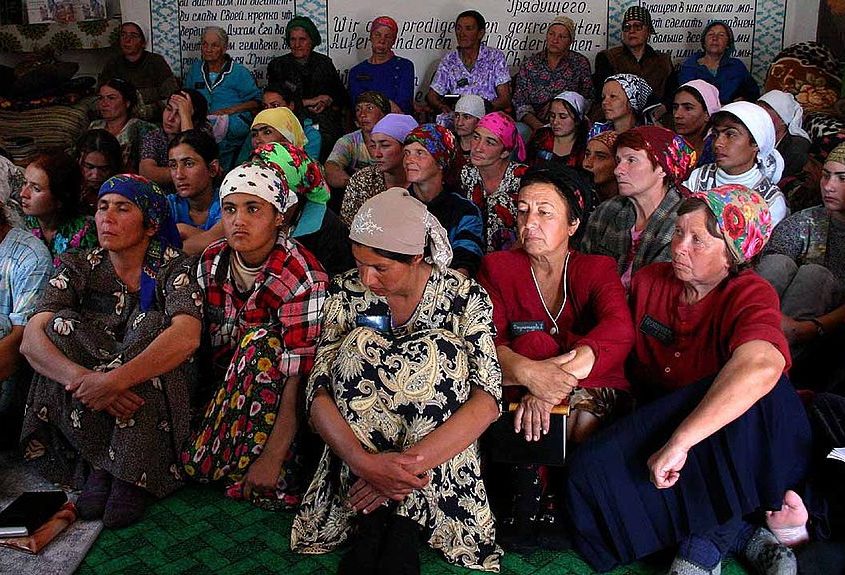
5 Ways COVID-19 is Disproportionately Impacting Women WorldwideThe COVID-19 pandemic has socially, mentally and economically impacted billions of people across the world. However, COVID-19 is disproportionately impacting women worldwide, including factors such as mental health, income loss and inadequate food provisions. As the pandemic continues to affect populations, it is becoming more apparent that women are facing greater hardships and systemic inequalities. This article discusses how COVID-19 is disproportionately impacting women across the globe, and how governments can go about fixing these inequalities. Although women have persevered and have adapted in inspiring ways, this pandemic has exposed structural gender inequalities in health, economics, security and social protection.
5 Ways COVID-19 is Disproportionately Affecting Women

  1. According to a survey by the non-profit CARE, 55% of women reported that they lost their jobs and/or their primary source of income due to the COVID-19 pandemic. Additionally, women are more likely to be employed in service and informal sectors, such as vendors and traders, that COVID-19 is hitting the hardest. Even within the formal sectors of employment, women are facing the impact of unemployment at greater rates than men. For example, in Bangladesh, women are six times more likely to lose paid working hours than men. Women also have fewer unemployment benefits. In Zimbabwe and Cameroon, women make up 65% of the informal workforce—a workforce not entitled to unemployment benefits.

  2. A lack of access to online education is significantly affecting Indigenous, refugee and low-income household communities and greatly adding to education inequalities. Young women and girls are greatly impacted by gender-based violence due to movement restrictions, especially without access to schools and public services. This gender-based disparity is largely due to boys being prioritized in many poverty-stricken countries. Because of this, girls are likely to be pulled out of school before boys in order to compensate for increased domestic work and care and to alleviate the economic burden of schooling.

  3. Women are nearly three times more likely to report mental health impacts from COVID-19. This statistic is backed by multiple reasons, including how women are facing the burden of unpaid care work, increasing mobility restrictions and increased threats of violence. In fact, the CARE survey showed that 27% of women are experiencing an increase in mental health issues, anxiety and stress due to COVID-19, compared to 10% of men. In Lebanon, 14% of men spend their time on housework and care, as opposed to 83% of women. Gender roles and expectations of women have increased during this pandemic, thus causing a greater gap in mental health issues between men and women.

  4. Female refugees are at greater risk of violence, income loss and mental health impacts. Refugees are already living in precarious situations with a lack of food, income, health security and home safety. When considering various countries, especially those with a large migrant population, it is clear that vulnerable populations are disproportionately impacted by the COVID-19 pandemic. For example, in Afghanistan, 300,000 refugees have returned because they have lost their jobs and income. In Thailand, migrants report losing 50% of their income. Both of these statistics also offer an idea of why mental health issues have increased during this pandemic. COVID-19 has led to a loss of income and jobs for the 8.5 million domestic migrant workers, as well as the dismissal of their health and safety.

  5. As compared to 30% of men, 41% of women reported having an inadequate supply of food as a result of COVID-19. This difference reflects the gender inequalities in local and global food systems, as well as the expectation of women to buy and prepare the food for their families. Additionally, this pandemic is causing many disadvantaged households to make less nutritious food choices. In Venezuela, 61% of people have access to protein-filled foods and vegetables, while 74% only have access to cereal.

Although it is clear that women and girls typically endure a greater burden from the socio-economic impacts of COVID-19, there are ways governments and individuals can help alleviate COVID-19’s disproportionate impact on women. These include investing in women leaders, funding non-profit organizations that work to promote women’s rights and committing to organizations that work to close the gender gap.

– Naomi Schmeck

Photo: Flickr 

December 22, 2020
https://borgenproject.org/wp-content/uploads/borgen-project-logo.svg 0 0 Kim Thelwell https://borgenproject.org/wp-content/uploads/borgen-project-logo.svg Kim Thelwell2020-12-22 07:30:272020-12-17 16:46:225 Ways COVID-19 is Disproportionately Impacting Women Worldwide
Global Poverty, Women's Empowerment, Women's Rights

Examining Women’s Rights in Tajikistan

Women's Rights in TajikistanThe Republic of Tajikistan is a Central Asian country landlocked by Afghanistan, Uzbekistan, Kyrgyzstan and China. Known for its mountainous terrains, Tajikistan was a union in the USSR until its collapse in 1991. The country currently has a population of approximately 9.6 million, with females accounting for slightly more than 50%. Unfortunately, women’s rights in Tajikistan is an issue that manifests itself in various different forms.
Maternal and Child Statistics in Tajikistan

The average fertility rate in Tajikistan is 3.6 births per woman, which is higher than the global 2.5 births. In 2017, maternal mortality stood at around 17 deaths per 100,000 births. Fortunately, this is a significant decrease in deaths compared to 1993 when the country noted 151 deaths per 100,000 births. The female child mortality in 2018 stood at approximately 30.6 deaths per 1,000 births, which is lower than the male child mortality rate of 38.9 per 1,000 births.

Political and Workplace Representation of Women

In Tajikistan, traditional gender roles are upheld and female political representation is quite uncommon. In 2015, women held only 19% of parliament seats. Despite this statistic, female political representation in local government is higher at around 40%. However, this was not always the case. Before the collapse of the USSR, Tajik women and men saw equal economic and political opportunities. Through its cessation from the Soviet Union along with civil unrest between 1992 and 1997, Tajik society began to reinforce strict gender roles.

Sexual and Domestic Violence Against Women

In 2011, Tajikistan had rape rates of 0.6 cases per 100,000 people and HIV rates in women stagnated between the years 1999 and 2018. Moreover, in 2011, estimates indicated 48.5 cases of assault per 100,000 people, which reflects one of the most significant women’s rights issues in Tajikistan: Domestic violence.

Women in Tajikistan frequently endure severe domestic violence. According to Amnesty International, “Between a third and a half of women in Tajikistan have experienced physical, psychological or sexual abuse by husbands or other family members.” Through various studies conducted between the years 2017 and 2018, data reveals that 26.4% of Tajikistan women experience “lifetime physical and/or sexual intimate partner violence.” Although the Law on the Prevention of Violence in the Family came into effect in 2013, the nation is yet to criminalize domestic violence. Thus, cases of abuse often go underreported. The normalization of abuse permeates throughout Tajikistan and the United Nations reports that at least “one in five women” in Tajikistan are victims of domestic violence.

Current Economy for Women in Tajikistan

Due to the lack of job opportunities and high poverty rates, many Tajik men seek job opportunities in neighboring countries, especially in Russia. In 2010, 16% of Russian migrants were Tajik and more than 1 million Tajik citizens go to Russia for work reasons. In a 2019 research article by Edward Lemon for the Migration Policy Institute, the writer asserted that “the actual number of Tajiks in Russia may be much higher, with as many as 40% working illegally, and therefore, not appearing within the official statistics.” Moreover, the article reveals that “30% to 40% of Tajik households have at least one member working abroad.”

As men are often the ones traveling for work, women in Tajikistan must singlehandedly take care of their households. The China Global Television Network America conducted an interview with Tajik wives in the Dushanbe area of Tajikistan which borders Uzbekistan. Parvina, a mother of four, had been caring for her children by herself ever since her husband left for Russia two years ago. Although Parvina receives money from her husband, many other wives do not get any financial support at all. However, because of the lack of males in the country, Tajik women are now able to take on traditionally male roles both in the household or workplace in order to support their families. 

Efforts to Empower Women and Improve Women’s Rights in Tajikistan

While women in Tajikistan often suffer from domestic violence and are not given equal social and political opportunities, things are slowly changing. The Organization for Security and Co-operation in Europe has an office in Tajikistan that aids women’s resource centers in the area. According to the OSCE website, these resource centers are “the largest civil society network in Tajikistan promoting gender equality and empowering women and girls to claim their rights and access state services and institutions.”

These resource centers offer “free psychological counseling and rehabilitation for women in Tajikistan” who are victims of domestic violence and human trafficking. Oxfam International is also an organization that strives to empower Tajik women. Its “Transforming Care Work” aids rural communities in Tajikistan by creating leadership groups for women. This allows women to become financially independent, which can, in turn, alleviate the high poverty rates the country experiences.

Despite their lack of rights, high domestic abuse rates and lack of economic opportunity, women in Tajikistan are slowly achieving empowerment. If the Tajik government places more emphasis on the prevention of domestic violence and increased support for women in politics and the workforce, Tajikistan will continue to improve and become a significantly safer place for women.

– Kelly McGarry

Photo: Wikimedia Commons

December 18, 2020
https://borgenproject.org/wp-content/uploads/borgen-project-logo.svg 0 0 Kim Thelwell https://borgenproject.org/wp-content/uploads/borgen-project-logo.svg Kim Thelwell2020-12-18 01:30:522024-05-30 07:53:17Examining Women’s Rights in Tajikistan
Gender Equality, Global Poverty, Women's Rights

6 Facts About Women’s Rights in Mongolia

Women's Rights in Mongolia
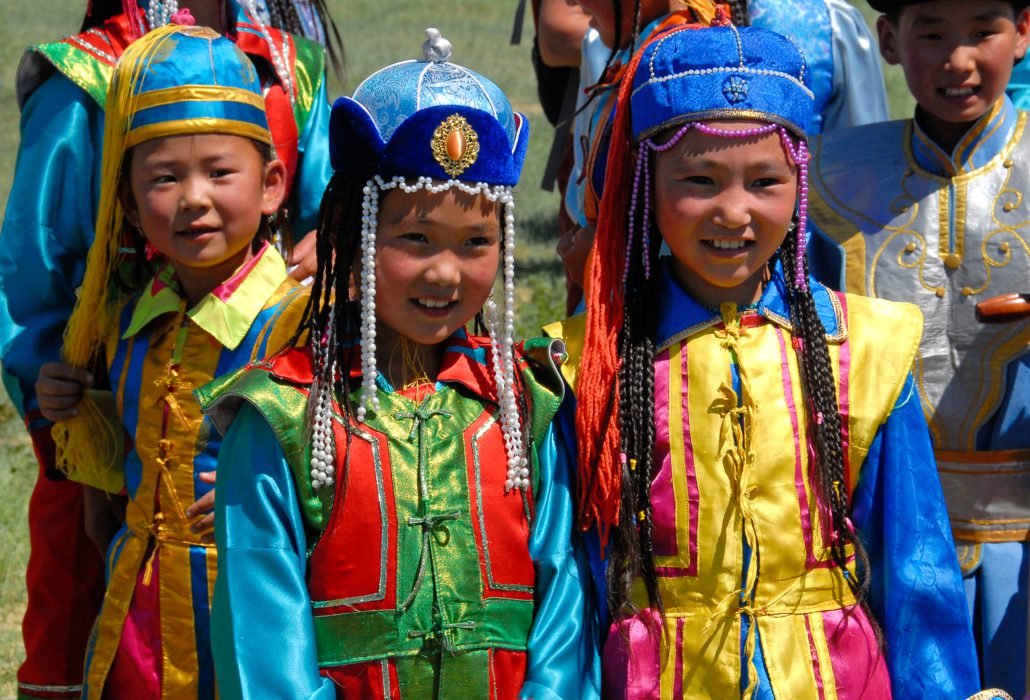
Mongolia is a country in East Asia with more than 3 million people. Throughout the nineteenth and twentieth centuries, Mongolia experienced varied periods of social change and growth. After dispelling the controlling Communist Party in the early 1990s, social and economic policies rapidly transformed the nation’s outlook and prospects. Consequently, opportunities for women also changed. To understand this issue better, here are six facts about women’s rights in Mongolia.

6 Facts About Women’s Rights in Mongolia

  1. The communist party provided new opportunities for women in the twentieth century. In 1921, the Mongol nationalists established a communist party, in tandem with the Soviet Union, which essentially proclaimed equality between men and women. As a result, women received an education, entered the workforce and had political power. The government provided generous benefits and healthcare, and female literacy rates dramatically increased.
  2. The fall of the Soviet Union presented opportunities and challenges for women’s rights. The political transition in Mongolia came with newfound hardships, particularly economic ones. The new government removed subsidies assisting Mongolians, leaving many without financial assistance. From 1991 to the mid-200s, women faced higher unemployment levels, and more than 30% lived in poverty.
  3. With men working in the fields, women have turned to cities for employment and have found success. In recent years, as agriculture was deemed a male endeavor, women were forced to turn to other places to earn an income. Parents subsequently invested in their daughters’ education, and now, with women more educated than men, they are more likely to be employed. This phenomenon is now being deemed a “reverse gender gap.”
  4. The female unemployment rate is 2.6%, while male unemployment is 7.1%. This might not be a good thing for women’s rights in Mongolia, however. With higher alcoholism rates for Mongolian men in recent years, there is a clear connection between unemployment, alcoholism and violence within the home. Approximately one-third of Mongolian women suffer from domestic violence, a staggering statistic for a country whose economy relies so heavily on female labor.
  5. Sexual harassment remains a serious issue. With an estimated 63% of women experiencing sexual harassment of some form, the need for reform is evident. There is not a law in Mongolia protecting women from male harassment. Even in the workplace, where women are significant contributors, there is no legal defense against unwanted harassment.
  6. Despite female education rates, women are subject to massive inequities in pay. On average, women are more likely to be better educated than their male counterparts; however, traditional norms and values prevent women from fully achieving equality. A lack of childcare and social benefits, partnered with patriarchal values, gets in the way of opportunities for women. Furthermore, the gender pay gap stands at more than 12.6%, an increase from previous years. Even when women persevere through their society’s social limits, they do not receive as much pay as men of the same standing.

The unique history of Mongolia has altered the standing of women in Mongolian society multiple times. Despite Mongolia’s patriarchal values, the investment in female education has proven to be fruitful as women are well-educated and seeking work within the commercial setting. However, there is still much work to be done, as women face lower wages, sexual abuse and inequalities.

There is room to be hopeful, though, as rising levels of education and employment mean that there will be continued improvement within Mongolia’s social and economic spheres. Hopefully, women’s rights in Mongolia will continue to improve, and all Mongolians will soon embrace female contributions to society.

– Eliza Cochran
Photo: Flickr

December 17, 2020
https://borgenproject.org/wp-content/uploads/borgen-project-logo.svg 0 0 Kim Thelwell https://borgenproject.org/wp-content/uploads/borgen-project-logo.svg Kim Thelwell2020-12-17 14:40:452024-05-30 07:53:266 Facts About Women’s Rights in Mongolia
Education, Global Poverty, Women's Rights

5 Facts About Women’s Rights in Sri Lanka

Women’s Rights in Sri Lanka
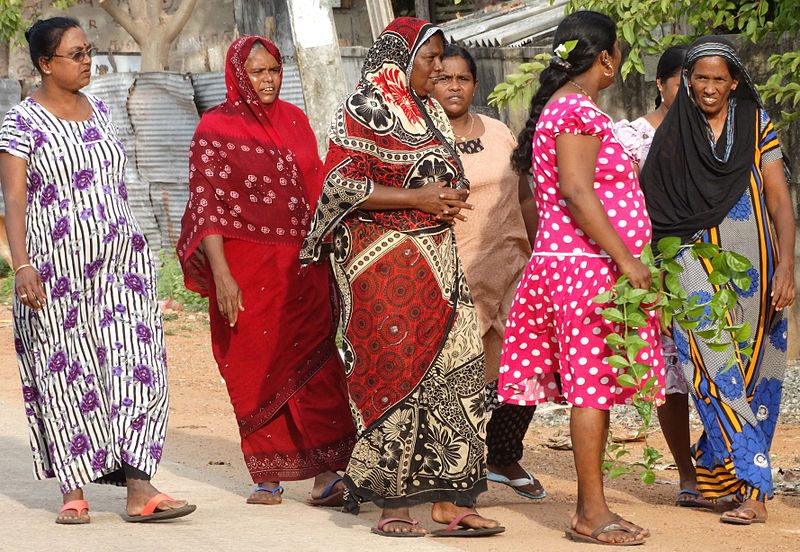
The Sri Lankan civil war ended more than a decade ago, but the nation still feels the effects today. The Sri Lankan government tightened and expanded its authority among other aftershocks of this multi-decade war. These decades of instability coupled with a history of colonial rule created an uphill battle for women’s rights in Sri Lanka. Though women are making tantamount strides, women are up against a long history of instability and patriarchal rule. According to the U.N. Gender Inequality Index, Sri Lanka ranks 74th among 187 countries. While there is hope for a future of gender equality, women in Sri Lanka still lack representation in government and access to employment opportunities while suffering from cultural preconceptions of female roles. Here are five facts about women’s rights in Sri Lanka.

5 Facts About Women’s Rights in Sri Lanka

  1. World’s First Female Prime Minister: Sri Lanka elected the world’s first female Prime Minister. The people elected Sirima Bandaranaike as head of government in 1960. Sirima Bandaranaike entered into politics after the assassination of her husband Soloman Bandaranaike due to pressure from his party and the people. Critics who held the belief that a woman was incapable of running a political party described her as “unruffled.”
  2. Government Representation: Women have little representation in government. Sri Lanka ranks lowest for women’s participation in politics among South Asian Countries. Women have never exceeded 6% representation in parliament, with less than 5.8% elected in the 2015 election. Representation is even slimmer on the local level, with around 2% of women holding political office. Due to these numbers, U.N. Women has made strides to increase female political participation in government. Through financing from the Norwegian government, U.N. Women implemented a two-year program entitled Promoting Women’s Political Participation in Sri Lanka. The program supports gender-responsive budgeting, which requires the inclusion of women in political campaign budgeting and ensures that political party nominations are more inclusive of women.
  3. Universal Free Education: The initiation of universal free education in Sri Lanka in 1945 created educational opportunities for women, leading to huge increases in educational gender equality. In 1946, only 43.8% of women were literate as opposed to 70.1% of the male population. By 2001, 90% of the female population was literate in comparison to 93% of the male population. One can attribute this massive improvement to the requirement that teachers had to teach universal free schooling in the “mother tongue” of the student. Free education benefited females in particular because as long as school was not free, parents with limited resources would choose to educate the men in their families over the women. The statewide implementation of universal free education did away with the economic reasons for parents to keep their daughters at home.
  4. The Workforce Gender Gap: The workforce gender gap remains high. Despite rising levels of education, the majority of women in the workforce exist in the agricultural and domestic spheres. Many employment opportunities are reserved for male candidates due to a history of gender ideologies. Due to this culture, many women have experienced relegation as “supplementary earners” despite their education or others have consigned them to focus on household work because of views that it is “women’s work.”
  5. Maternal and Infant Mortality Rates: Maternal and infant mortality rates have significantly dropped since Sri Lanka’s independence. In the 1930s and 1940s, the Sri Lankan government established health units that provided community-based maternal and child care services for free throughout the country. The government also expanded the nationwide ambulance fleet and invested in training midwives in the 1960s. These sweeping efforts to mitigate maternal and infant mortality rates led to Sri Lanka reducing maternal deaths from nearly 2,000 per 100,000 live births to only 33 per 100,000 live births in 2015. The Sri Lankan government proposes that the country will reach a single-digit maternal mortality ratio in the next 10 years.

Looking Forward

There is a promise of a future of flourishment for women’s rights in Sri Lanka, given educational opportunities and the upward trend of female health outcomes. The Sri Lankan government invested in many programs in 2017 to promote gender equality such as the National Plan to Address Sexual and Gender-based Violence and the National Framework for Women-Headed Households. The government also implemented quotas for the percentage of women in the workplace and dedicated 25% of the positions in local public institutions for women to enhance political participation. Despite a long history of gender discrimination, the Sri Lankan government is making an important commitment to promoting women’s rights in Sri Lanka, providing hope for an equitable road forward.

– Tatiana Nelson
Photo: Wikipedia Commons

December 17, 2020
https://borgenproject.org/wp-content/uploads/borgen-project-logo.svg 0 0 Jennifer Philipp https://borgenproject.org/wp-content/uploads/borgen-project-logo.svg Jennifer Philipp2020-12-17 13:03:012022-04-07 08:47:455 Facts About Women’s Rights in Sri Lanka
Global Poverty, Violence Against Women, Women's Empowerment, Women's Rights

Introduction to Women’s Rights in Papua New Guinea

Women’s Rights in Papua New GuineaAlthough Papua New Guinea is a resource-rich area, almost 40% of its population lives in poverty. For women, Papua New Guinea is a dangerous place to live as the country is plagued by gendered violence and inequality and women’s rights are unprotected.

Women’s Rights in Papua New Guinea

Although the Papua New Guinea Constitution technically renders men and women equal, the traditional customs of the country and the patriarchal values that come with the vastly rural community make it difficult for this to actually implement itself within the country. Women’s rights in Papua New Guinea are shunted on a legislative and social level. In fact, not a single woman in Papua New Guinea is a member of Parliament. Moreover, women are not given the opportunity to be in positions of power due to a lack of access to education. In Papua New Guinea, only 18% of girls are enrolled in secondary school.

Gender-Based Violence in Papua New Guinea

Women in Papua New Guinea are subject to male domination and violence. It is estimated that Papua New Guinea has one of the highest rates of gender violence in the world, for a country that is not a conflict zone. Moreover, the ruralness of Papua New Guinea leads to a lack of infrastructure and community programs to deter violence and provide sanctuary to women and girls who have experienced domestic violence. Women are often forced to return to their abusers due to the lack of these types of systems.

In 2015, Doctors Without Borders completed its Return to Abuser report in Papua New Guinea. Of the patients treated, 94% were female, with the most common form of violence being at the hands of domestic partners. From 2007 to 2015, Doctors Without Borders treated nearly 28,000 survivors of family and sexual violence in Papua New Guinea. Doctors Without Borders shared that this abuse cycle continues because women and children lack the proper resources to leave their abusers, as many of them are dependant on the abuser and the abuse happens at home.

Intimate Partner Violence

In a United Nations multi-country study about Asia and the Pacific, researchers discovered alarming statistics about the pervasiveness of intimate partner violence. In Papua New Guinea, 80% of male participants self-reported perpetrating physical and/or sexual violence against their partner in their lifetime. Additionally, 83% of male participants also reported having committed emotionally abusive acts against their female partners in their lifetime. Sexual violence in Papua New Guinea is an epidemic too. In the same study, 62% of males also reported that they had perpetrated some form of rape against a woman or girl in their lifetime.

Pro Bono Australia

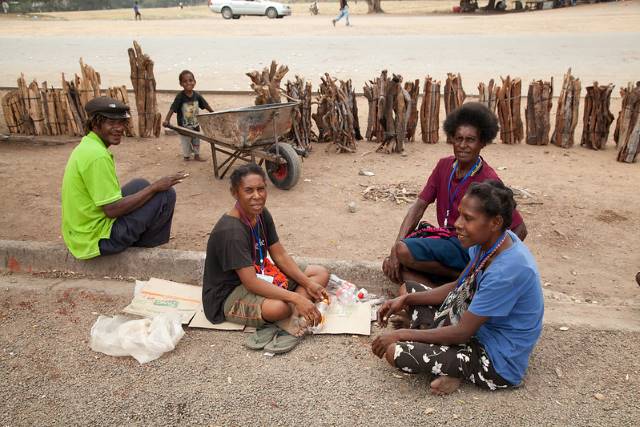
Despite these statistics, women in Papua New Guinea are supported by female-focused programs, such as Pro Bono Australia. Pro Bono Australia is working to aid women in Papua New Guinea to learn more about business and communication. Up to 85% of women in Papua New Guinea make their livelihoods off of the informal economy, through selling goods and services at markets. Through Pro Bono Australia, more than 600 market and street traders in Papua New Guinea who are mostly women, are members of the provincial vendors association. Through this association, vendors educate themselves about the Papua New Guinea market and the Constitution. Moreover, they now can communicate with governmental leaders and local leaders about the status of the informal economy. From this communication, these women have also been able to communicate with their leaders about other issues within their communities. As a result of this program, the provincial vendors association has begun to petition the government for better sanitation, safe spaces, better shelter and reliable water.

The Future for Women in Papua New Guinea

The communication between a coalition of mostly females and the governmental structure of Papua New Guinea will give voices to those who have been voiceless, bring attention to the status of women within society and hopefully make strides towards resolving issues such as gender-based violence and women’s rights in general. As a result of this measure, there is hope that women’s rights in Papua New Guinea will continue to improve and that the resources for gender-based violence will expand.

– Caitlin Calfo
Photo: Flickr

December 17, 2020
https://borgenproject.org/wp-content/uploads/borgen-project-logo.svg 0 0 Yuki https://borgenproject.org/wp-content/uploads/borgen-project-logo.svg Yuki2020-12-17 08:12:412024-05-30 07:55:25Introduction to Women’s Rights in Papua New Guinea
Global Poverty, Women and Female Empowerment, Women's Rights

Prioritizing Women’s Rights in The Gambia

Women’s Rights in the Gambia
The Gambia, a country half the size of New Jersey and located in West Africa, is home to 1 million women. The country has a secular constitution and its legal system uses English common law and some aspects of Sharia Law. Under this legal system, women rarely own property. Moreover, they frequently face obstacles in education access and their prenatal/postpartum care is poor, resulting in high maternal mortality rates. Here is some information about women’s rights in The Gambia and efforts to improve them.

Injustices Gambian Women Face

In terms of education access and financial freedom, women’s rights in The Gambia are not equitable. Only 47% of Gambian women are literate in comparison to 64% of men, so most women are at a disadvantage from the start. Additionally, 26% of Gambian girls marry before they turn 18, which allows minimal time to gain pre-marriage financial independence. In 2009, 80% of women worked in the agriculture sector, but only 30% received cash earnings in comparison to 43% of men. Under the customary practice, instead of owning the land they cultivate, women borrow it from their husbands. The women who own property cannot receive more than one-third of the estate, as Sharia Law permits. This is a challenge because most banks will not grant credit unless the applicant owns land which puts women in a difficult situation.

Level The Law Campaign

In 2018, Gambian Attorney General and Minister of Justice, Abubacarr Tambadou, attended the Global Citizen Festival in New York to share The Gambia’s commitment to the Level The Law Campaign. Two years prior, Global Citizen started the campaign to outlaw discrimination against females and gender-based violence by 2030. In response to more than 10,000 Global Citizen tweets, Tambadou renewed the commitment to protecting women’s rights in The Gambia, which vows to repeal all laws that promote gender-based violence, prevent equal political participation and hinder reproductive health.

A statement by Tambadou said that UNICEF organized training for Gambian Law Enforcement Agencies on legislation about child marriage. Also, to demonstrate The Gambia’s commitment to include women in justice systems, half of the appointees to the superior Courts of The Gambia are women. Additionally, four of the seven Court of Appeal judges are women, with a woman serving as president. Finally, Gambia is drafting a new Constitution that ensures more gender-responsive legislation.

New Laws for an Equitable Future

Social justice mobility did not start there. The Women’s Act, passed in 2010, protects women’s rights under the Constitution, which includes human rights protection, the right to health, protection against discrimination, marriage consent and special measures supporting women (the government and private institutions must work towards gender equality). It also ensures that girls who are married or have children can stay in school, protecting them from getting expelled. In 2015, the National Assembly amended the Act to include the prohibition of Female Genital Mutilation (FGM). However, the Act does not regulate certain rights for Muslim women such as child custody, widow inheritance and divorce. These remain subject to Sharia Law.

The Sexual Offenses Act, passed in 2013, amends the procedure of rape trial and other sexual offenses. Meanwhile, the Domestic Violence Act, passed in the same year, protects domestic violence survivors.

Before these laws passed, sexual harassment and Female Genital Mutilation were legal. FGM is a common practice in The Gambia that results in devastating physical and psychological consequences. Fortunately, it is on the decline, although about 75% of women aged 15-49 and 50% of girls under age 15 have undergone it. Although the Women’s Act outlaws discrimination in reproductive health services, women still lack access to vital reproductive resources.

There is a long road ahead to gender equity. Luckily, with more female representation in the public sphere, women’s rights in The Gambia are on the rise. Gambian women bring a new perspective to the table, one that serves in their best interest.

– Rebecca Pomerantz
Photo: Flickr

December 17, 2020
https://borgenproject.org/wp-content/uploads/borgen-project-logo.svg 0 0 Jennifer Philipp https://borgenproject.org/wp-content/uploads/borgen-project-logo.svg Jennifer Philipp2020-12-17 07:52:132020-12-17 07:52:13Prioritizing Women’s Rights in The Gambia
Developing Countries, Gender Equality, Global Poverty, Women's Empowerment, Women's Rights

Women’s Rights in South Sudan

Women’s Rights in South SudanSouth Sudan, a country in East Africa, gained independence in 2011. This gave more power and opportunities to women. However, women continue to face struggles due to gender inequality. Therefore, the topic of women’s rights in South Sudan is significant as the country works toward incorporating gender equality into the country’s development.

Gender Inequality in Education

Schools are a prominent place in which gender inequality occurs in South Sudan. This is proven by the difference between the literacy rates of girls, which is 40%, and boys, which is 60%. According to the World Bank, about seven girls for every 10 boys are in primary education and around five girls for every 10 boys attend secondary school. Additionally, as of 2013, a total of 500 girls in South Sudan attended the final grade of secondary school. Moreover, around 12% of teachers in the country are female, which only strengthens gender inequality in education.

To address gender disparities in education, in 2012, South Sudan received grants from the Global Partnership for Education and The United States Agency for International Development (USAID). Through these grants, UNICEF Sudan ran the Global Partnership for Education Program. The program aims to improve the overall education system by encouraging gender sensitivity and taking measures to prevent gender-based violence in a classroom setting.

Additionally, South Sudan plans to build 25 girl-friendly schools in the most disadvantaged regions with the purpose of benefiting 3,000 girls. The program will give teachers training on gender sensitivity and gender-based violence. Furthermore, South Sudan will implement a new curriculum to further remove barriers to education for girls with the focus of developing solidarity. The updated curriculum will also provide newly written textbooks.

Gender Disparities for Health in South Sudan

Gender disparity is a significant issue in health care, affecting women’s rights in South Sudan. The WHO categorized South Sudan’s health crisis as the “highest level of humanitarian emergency” in 2014. As of 2015, the maternal mortality ratio was 730 deaths per 100,000 live births. Violence in South Sudan widely limits access to health care since international NGOs supply more than 80% of the country’s health care.

Outbreaks of fighting often lead to the destruction of health centers and the cessation of medical centers, especially since medical professionals may be forced to seek refuge in another location. Furthermore, women often face disproportionate impacts stemming from the vulnerability of South Sudan’s health care system. Because women tend to be the primary source of care for their families during a time of crisis, while men are on the frontline, they often delay seeking medical attention to avoid leaving their children alone. Therefore, providing greater access to health care for women would improve the health of families as a whole.

Gender-Based Violence in South Sudan

Gender-based violence is another challenge women in South Sudan face. An estimated 475,000 women and girls in the country are at risk of violence. Additionally, more than half of women aged 15 to 24 have endured gender-based violence. South Sudanese women who have experienced violence also tend to face societal stigma, which stands as a barrier to receiving proper care. The United Nations Development Program (UNDP) aims to work with the South Sudan government, along with the Global Fund and the International Organization for Migration (IOM) to support women by targeting gender based-violence through support programs.

Awareness of women’s rights issues in South Sudan is a step toward improving the overall quality of life of women in the country. Gender disparity affects many aspects of women’s lives in South Sudan, including education, health and risks of violence.  Therefore, addressing issues disproportionately affecting women in South Sudan is imperative.

– Zoë Nichols
Photo: Flickr

December 15, 2020
https://borgenproject.org/wp-content/uploads/borgen-project-logo.svg 0 0 Yuki https://borgenproject.org/wp-content/uploads/borgen-project-logo.svg Yuki2020-12-15 08:22:212024-05-30 07:53:29Women’s Rights in South Sudan
Page 21 of 41«‹1920212223›»

Get Smarter

  • Global Poverty 101
  • Global Poverty… The Good News
  • Global Poverty & U.S. Jobs
  • Global Poverty and National Security
  • Innovative Solutions to Poverty
  • Global Poverty & Aid FAQ’s
Search Search

Take Action

  • Call Congress
  • Email Congress
  • Donate
  • 30 Ways to Help
  • Volunteer Ops
  • Internships
  • Courses & Certificates
  • The Podcast
Borgen Project

“The Borgen Project is an incredible nonprofit organization that is addressing poverty and hunger and working towards ending them.”

-The Huffington Post

Inside The Borgen Project

  • Contact
  • About
  • Financials
  • President
  • Board of Directors
  • Board of Advisors

International Links

  • UK Email Parliament
  • UK Donate
  • Canada Email Parliament

Get Smarter

  • Global Poverty 101
  • Global Poverty… The Good News
  • Global Poverty & U.S. Jobs
  • Global Poverty and National Security
  • Innovative Solutions to Poverty
  • Global Poverty & Aid FAQ’s

Ways to Help

  • Call Congress
  • Email Congress
  • Donate
  • 30 Ways to Help
  • Volunteer Ops
  • Internships
  • Courses & Certificates
  • The Podcast
Scroll to top Scroll to top Scroll to top