• Link to X
  • Link to Facebook
  • Link to Instagram
  • Link to TikTok
  • Link to Youtube
  • About
    • About Us
      • President
      • Board of Directors
      • Board of Advisors
      • Financials
      • Our Methodology
      • Success Tracker
      • Contact
  • Act Now
    • 30 Ways to Help
      • Email Congress
      • Call Congress
      • Volunteer
      • Courses & Certificates
      • Be a Donor
    • Internships
      • In-Office Internships
      • Remote Internships
    • Legislation
      • Politics 101
  • The Blog
  • The Podcast
  • Magazine
  • Donate
  • Click to open the search input field Click to open the search input field Search
  • Menu Menu

Archive for category: Women’s Rights

Global Poverty, Women and Female Empowerment, Women's Rights

The Two Sides of Women’s Rights in Bahrain

Women’s Rights in Bahrain
Bahrain, a small Middle-Eastern country off the coast of the Arab Peninsula, consists of Bahrain Island and 30 smaller islands. Due to its coastal location, Bahrain has greater access to ocean travel and, in consequence, a wider range of influences than its Arab-Islamic neighbors. These influences have made Bahrain a more ethnically and religiously diverse nation, and, while still conservative, more liberal and accepting in its interpretation of Islam. However, women’s rights in Bahrain have lacked in many ways.

The openness regarding interpretations of Islam has brought positive change for female rights and Bahraini women are the most liberally educated in the MENA (Middle-Eastern North-African) region. However, Bahraini law is a complicated combination of royal decrees, civil and criminal codes and Sharia law (religious Islamic law that comes from the Quran and the Hadith). As a result, while the secular part of Bahraini law advances women, the religious part holds them back. Here is a breakdown of these opposing legislative forces in the improvement of women’s rights in Bahrain.

The Background

Since he took the throne in 1999, the political and economic reforms of hereditary leader Hamad bin Isa Al-Khalifa have sparked the improvement of women’s rights in Bahrain. Bahrain’s 2002 constitution set women equal to men, guaranteeing gender equality in, “political, social and economic spheres, without breaching the provisions of Islamic law.” While this seems hopeful, the constitution also stated that “the family is the cornerstone of society, the strength which lies in religion, ethics and patriotism,” meaning the nation still believes in a traditional and conservative role for women.

Even more, no provisions exist in the constitution explicitly banning discrimination on the grounds of gender in the workplace or any other sphere of society. While popular protests have demanded a fully elected legislature in 2005 and increased democratic representation, an end to discrimination against Sunnis and the creation of an anti-corruption agency in 2011, no revisions have occurred to the 2002 constitution and the constitution has not given additional rights to Bahraini women.

CEDAW

Bahrain joined the Convention on the Elimination of All Forms of Discrimination Against Women (CEDAW) in 2002. CEDAW is an international treaty from the United Nations that defines what constitutes discrimination against women and sets out an agenda to eliminate it. Bahrain made great strides for women by joining CEDAW, providing its female citizens with adequate healthcare, education and employment opportunities. However, the nation joined the treaty with reservations about CEDAW’s articles that contradicted the Sharia, which included the prohibition of discrimination within governmental policies, the right for a woman to pass citizenship to her husband and children, freedom of movement regarding residency and equality in marriage and family life.

Islamic law mandates that men receive more inheritance than women and that children take citizenship from their fathers. Moreover, it states that it is unacceptable for women to live outside their married houses. Thus, while CEDAW improved women’s rights in Bahrain, the country’s commitment to Sharia law prevents Bahrain from truly accepting these social reforms.

Political Rights

In Bahrain, women have the right to vote and stand in local and national elections. Bahrain was the first nation to grant universal female suffrage in 2002 and, by the 2006 elections, 16 female candidates ran for the Council of Representatives and women made up 50.2% of the vote. While women have won elections, they have an exceedingly difficult time getting elected and even running, making women underrepresented in decision-making positions.

Only 39 female candidates ran in the 2018 parliamentary elections in comparison to 330 men. However, since adopting its new constitution, the Bahraini government has made considerable efforts to elect more women through its Supreme Council of Women, a semi-governmental body that the king’s wife runs. The Supreme Council of Women has had a powerful influence and, in 2018, Bahraini citizens elected six women to Bahrain’s lower house of Parliament, doubling their previous number and setting the record as an all-time high of elected female representatives in the nation.

Education

In 2007, Bahraini women made up 72% of the students at Arabian Gulf University and 67% of the University of Bahrain, exceeding the percentage of men at these universities. However, despite dominating the student population, Bahraini women frequently do not work in the workforce. Due to the strong traditional values of Islam, many subjects are unavailable to female students. Technical subjects are only available to male students, and textile classes are limited to females. While women receive the opportunity for education, they must study subjects that have low demand in the workforce, increasing their likelihood of unemployment.

Economic Rights

True economic equality is hard to achieve in Arab nations and the majority of the Bahraini workforce is male. Women only make up around one-fifth of the working population. However, the Bahraini government encourages women to work, creating incentives for employers to hire Bahraini women. For example, the government implemented a rule stating that hiring a Bahraini woman counts as hiring two citizens, helping companies increase their percentage of indigenous employment so they can employ more foreign workers (who tend to work for cheaper). Despite this government encouragement, Bahraini women face hard social pressures to stay at home and take care of their family, as is customary in Islamic tradition.

Social Rights

In May 2009, the government passed its first personal status law, a huge step for women’s rights in Bahrain. The new law granted women the right to consent to marriage and have conditions in a marriage contract. It also allowed women to take a separate residence if their husband marries a new wife.

Many laws exist that are discriminatory towards women. In Islamic court, a woman’s testimony is worth half of a man’s (however in civil court, testimonies are equal). In addition, no laws exist to protect women from gender-based violence. If a man assaults a female relative, he may face a few days in jail, but then only has to sign a pledge and pay a fee. Even more, spousal rape is legal and a rapist may avoid punishment if he agrees to marry his victim. These laws have deep roots in Islamic law, which grants men and women unequal rights in social and family life.

NGOs

In conjunction with the Supreme Council of Women, many NGOs have been fighting and advocating for women’s rights in Bahrain. Specifically, the Bahrain Women’s Union has had an especially strong impact on the advancement of women’s rights. While 456 NGOs exist in Bahrain, only 19 focus on women’s rights, and 12 of those 19 are a part of the Bahrain Women’s Union. The group aims for women to be more active politically and fights all forms of gender discrimination in Bahrain. After its creation in 2006, the Bahraini Women’s Union worked toward ratifying CEDAW and passing the personal status law. Other influential NGOs in Bahrain include the Awal’s Women’s Society, which provides free legal advice to abused women and the Batelco Anti-Domestic Violence Center, which rehabilitates domestically abused women.

The state of women’s rights in Bahrain is complex and manifold. The nation’s complicated combination of religious and secular law stops many gender discrimination reforms from reaching their full potential. Many NGOs and international organizations are actively helping to advocate for and win rights for Bahraini women but this work does not exempt these women from the societal norms pressuring them into traditional roles in the household. While Bahrain still has a long way to go, its relatively liberal interpretation of Islamic law and openness to equality leaves hope for the continued advancement of women’s rights.

– Georgia Bynum
Photo: Flickr

March 19, 2021
https://borgenproject.org/wp-content/uploads/borgen-project-logo.svg 0 0 Jennifer Philipp https://borgenproject.org/wp-content/uploads/borgen-project-logo.svg Jennifer Philipp2021-03-19 01:31:072024-06-04 01:08:50The Two Sides of Women’s Rights in Bahrain
Education, Gender Equality, Global Poverty, Women's Rights

The Journey Towards Hmong Gender Equality

The Journey Towards Hmong Gender Equality
Hmong people are a part of an ethnic group from Southeast Asia. They have achieved relative economic and political stability in the United States and other countries of Hmong migration after the Vietnam War. However, Hmong women continue to face inequality and repression within their own communities. The Hmong culture highly values education. As such, Hmong families often encourage their children to pursue higher education. However, Hmong’s people still need to achieve Hmong gender equality. As a result, families have not equally supported young girls in recent years.

Hmong society firmly implants gender roles. Established gender conventions continue to affect Hmong families’ opportunities. However, women have been triumphant in breaking barriers. In a survey of several Hmong women, author Gokia Vang found that a number of respondents felt pressure to transform into perfect housewives and conform to the idea of the woman as the homemaker.

Who Are the Hmong People?

It is crucial to understand the socio-economic conditions affecting the contemporary Hmong population. According to a leader at The Center for Hmong Studies, the Hmong are an ethnic group within the country of Laos. People in Laos primarily refer to the Hmong as Hmong. Although a majority of Hmong people migrated to the United States from countries such as Laos, Vietnam and Thailand, the Hmong are a unique ethnic group of their own. Furthermore, they have their own distinctive culture and lineage.

The CIA began leading covert efforts to recruit Hmong soldiers to defend against the influence of communism in the 1960s. Additionally, most Hmong soldiers fought alongside the United States during the Vietnam War and the Secret War in Laos. The two wars devastated the Hmong population. Furthermore, it drove hundreds of families to abandon Laos and flee to more stable surrounding countries. Eventually, many migrated to the United States.

Gender Dynamics in the Hmong Household

Economic pressures as a result of mass migration vastly influence gender roles in the Hmong community. Sara R. Curran and Abigail C. Saguy’s research on the effect of migration in gender roles reaffirms this phenomenon. The heads of households often feel compelled to assert a sense of legacy and encourage male members of the family to become resourceful, well-educated individuals when migrating to a new country. This is so men can send money back to relatives in their home country.

Researchers have observed a behavior called relative deprivation, where male members of a migrant community compensate for the upturning of tradition by purchasing material goods to assert social dominance. However, the head of households is hesitant to challenge tradition and instead push women towards homemaking and marriage to better integrate into American society. According to Identity Within Cultures, Hmong women began embracing more liberal forms of gender expression after arriving in the United States. Furthermore, new insecurities emerged in regard to Hmong gender equality. Thus, more rigid gender roles emerged as a method of holding onto their own culture.

The Challenges of Hmong Gender Norms

Many often perceive gender equality in a white-centric context for Hmong women. Studies acknowledge Hmong culture as fluid and changing and that Hmong American women are active participants of cultural change. However, more discussion of discourse and ideologies that impact Hmong American girls’ self-perceptions and choices is necessary. Hmong women have succeeded in the educational sphere despite the racial and cultural implications. Furthermore, they have demonstrated their motivation to secure college degrees and seek out challenging careers.

Women within these communities have explored various paths to achieve Hmong gender equality and belonging. Their ambitious and motivated efforts have flipped the dynamics within the cultural sphere. Jennifer Yang, a writer for Diverse Education reported that Hmong women seeking higher education outnumber Hmong men. There have been significant improvements in Hmong gender equality. It is important to acknowledge how Hmong women have rapidly shifted economic roles and redistributed opportunities in a more egalitarian manner amidst the complexities of acculturation and cultural preservation. Women within micro-cultures can successfully shape and mold their own roles in a new social climate.

– Luna Khalil
Photo: Flickr

March 18, 2021
https://borgenproject.org/wp-content/uploads/borgen-project-logo.svg 0 0 Yuki https://borgenproject.org/wp-content/uploads/borgen-project-logo.svg Yuki2021-03-18 12:52:402021-04-02 12:52:54The Journey Towards Hmong Gender Equality
Global Health, Global Poverty, Violence Against Women, Women and Female Empowerment, Women's Rights

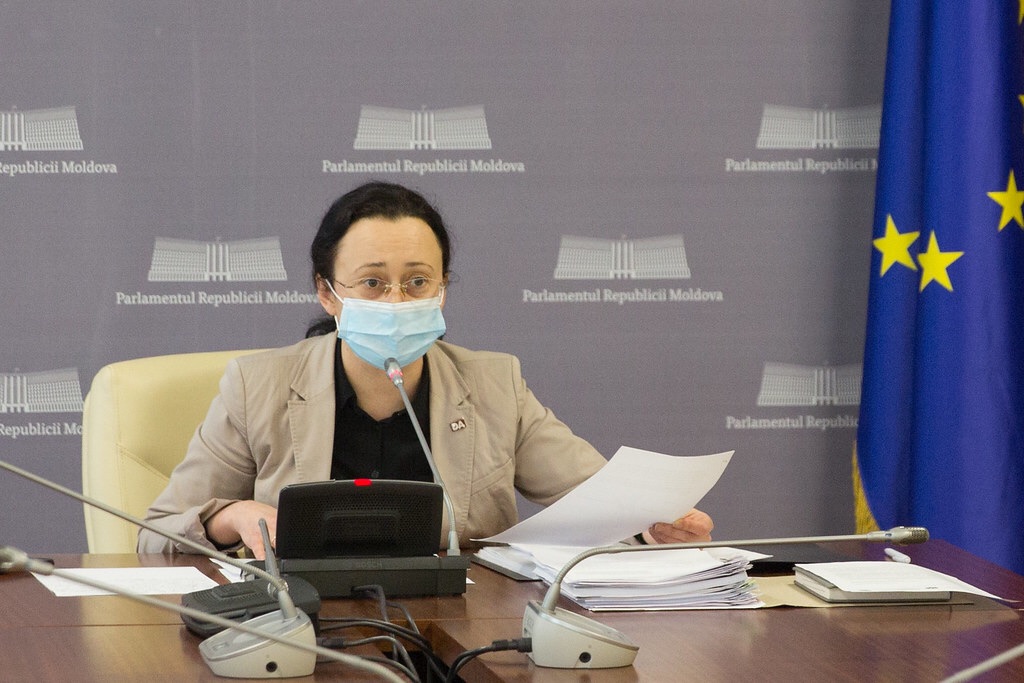
Gender Equality Issues in Moldova

Gender Equality Issues in Moldova
Massive advancements in the quest for gender equality have filled the Modern Era. In the early 20th century, suffrage was pivotal in allowing women to obtain the right to vote. No-fault divorce, maternity leave, the Voting Rights Act and the Civil Rights Act served to further advance the position of women. Around the world, these acts and ones like it have served to acknowledge and reform many factors limiting women’s role in society.

Need for Change

Despite many of these advances, a great deal more progress is necessary. Women are far more likely to be victims of sexual, spousal and physical abuse than men. Additionally, women still make approximately 60% of what their male counterparts earn per hour. If one acknowledges gender inequality now more than ever, why is gender equality progress so difficult to achieve? The answer may lie in the many problems the Republic of Moldova has seen. Specifically, the state of gender inequality in Moldova epitomizes that of countries gender inequality plagues, due to its deep-seated history of gender prejudice, as well as the limited effectiveness of implementing gender-based reforms.

Current Reform Efforts

Gender equality issues in Moldova have long struggled under the reign of communism. As a former member of the Soviet Union, the nation faced many limitations on expanding its people’s liberties and its economy. As a result of regressive economic situations, much of Moldova’s social culture relies on predicated, traditional gender roles. This makes the achievement of gender equality difficult, as society expects women to remain in their traditional gender roles.

Currently, Moldova’s gender equality efforts have appeared to be keeping up with those of other countries. In 2006, the government passed the Convention of the Elimination of All Forms of Discrimination Against Women. In 2016, the Republic of Moldova executed the 2030 Sustainable Development Agenda which attempted to provide social and economic freedom to all human beings. Additionally, it adopted Law No. 71, which introduced paid paternity leave of 14 days and banned the use of sexist imagery and rhetoric in advertisements. Furthermore, it promoted the empowerment of womens’ status in politics at the national and local levels as well as introduced a minimum 40% Parliament gender requirement in order to enact decision and electoral college processes.

Is it Enough?

Despite the implementation of these and similar protocols, the work is far from complete regarding solving gender equality issues in Moldova. Many of the changes are protocols and they do not reflect immediate, or even effective action towards gender reformation.

Flaws in gender equality within Moldova’s government exemplified the need for further action. Gender equality in Moldova is incredibly hard to achieve when there is a huge limitation on Moldovan womens’ political power, as they possess only a fraction of representation in government in comparison to their male counterparts.

Additionally, despite the passing of these legislations years ago, Moldova still ranks 23rd in countries with the highest gender gap. This gap is so pervasive that women still experience prejudice in the form of severe wage differences, segregation of economic level, finite aid for childcare and unequal partner support for childcare.

Moldova also has a continued issue with domestic violence towards women. A family study on violence against women found that 63% of women suffered from violent partners. The study also showed that one out of 10 women experienced some form of economic violence.

A Hopeful Future for Women

While much more work is necessary, hope exists for gender equality in Moldova. While many countries around the world have yet to seriously acknowledge or even pass legislation toward the issue of gender equality, the aforementioned legal efforts show a much more profound commitment to its cause. Furthermore, there have been sizable steps in executing the issue of gender equality. Parliament, though not yet at 40%, has reached 25.7% representation and 36% in local municipalities. Moreover, Moldova’s Minister of Foreign Affairs and European Integration, Oleg Tulea, suggests the decrease in maternal mortality rate and successful birth rates were a result of a decrease in female-directed violence.

Outside intervention has also played a role in assisting women who experience violence. For instance, the U.S. NGO Global Rights for Women taught and created manual addressing how to approach cases of domestic violence. In addition, the document covers other issues, like gender gaps, human trafficking and overall advancement. Recently, Moldova elected the country’s first female president. Maia Sandu won an impressive 57% of the vote and stands as a staunch Europeanist. This also serves as a dramatic change to the isolationist policies, previously popular in Moldova.

The path to solving gender equality issues in Moldova is a long and formidable process. However, with recent successes, the idea of profound advancement is no longer just a dream, but an ever-evolving reality.

– James Hurwitz
Photo: Flickr

March 13, 2021
https://borgenproject.org/wp-content/uploads/borgen-project-logo.svg 0 0 Yuki https://borgenproject.org/wp-content/uploads/borgen-project-logo.svg Yuki2021-03-13 07:30:182021-03-09 12:54:34Gender Equality Issues in Moldova
Education, Global Poverty, Government, Women's Rights

Women’s Rights in Qatar Show Promising Growth

Women’s Rights in Qatar
Qatar resides in the Middle East, just east of Saudi Arabia. The country boasts high economic prosperity, ranking among the highest in the world. It also occupies a low spot on the global list on gender gap — Qatar’s global ranking is 0.629 out of one. Qatar upholds female education and proactively attempts to improve women’s rights. However, women’s rights in Qatar need continued advocacy to decrease the country’s gender gap and increase equality.

Attempted Improvements

In 2009, Qatar became a member of the Convention on the Elimination of All Forms of Discrimination against Women (CEDAW). Despite membership, the country did not fully commit to all portions of the convention. Qatar refuses to maintain the following: gender equality in domestic laws and policies, equality with regard to nationality, equality before the law, freedom of movement and of residence and domicile and equality in marriage and family life. These requirements contradict Islamic law.

Discriminatory Laws

Qatar’s legal system centers around Shari’a, Islamic law. When Qatar enacted a (discriminatory) law, it crafted it upon the government’s interpretation of a religious belief. In this way, women’s rights in Qatar experience subjection to possible sexist ideas based on misreadings or outdated practices.

In family events or in a court of law, people do not view the testimony of a woman as equal to that of a man’s. If a Qatari woman has children with a non-Qatari man, the children are unable to assume the Qatari nationality; whereas, if the man were to be of Qatari nationality, the children would be able to assume citizenship. Women seeking a divorce have far less ability to appear in court and receive a fair settlement.

Representation in Parliament

As of 2015, Qatar’s 29-member municipal council had only two female members and its legal system included just one female judge. In 2017, the Inter-Parliamentary Union elected four female representatives to serve on the Shura Council of Qatar (Qatar’s parliament) for the first time. The Shura Council of Qatar looks over government policy, creates proposals for new laws and renews the country’s financial allocation.

Women’s Education Rights

In contrast to the lack of women’s rights in Qatar, gender discrimination has consistently remained out of the education system. The government supplies education at no cost for all citizens between ages 6 and 16. It is one of the most generous countries in its fiscal allotment per-student and allocates a large majority of its funds toward education.

The youth literacy rate rests at about 98% and close to 96% of girls attend secondary school. Further, there are more women than men attending Qatar’s University College of Law. Qatar University also provides adult courses. The class offerings improve national literacy rates and help maintain women’s educational rights. After graduation, Qatari women have the complete freedom to enter the business and financial sectors.

Conclusion

A struggle for equality and women’s rights in Qatar still exists despite its progressive nature. The country is aware of this issue and is continuing its work to further the rights of women in Qatar. There have already been achievements in creating equal opportunities and legal reform for female citizens. More are sure to come with Qatar’s commitment to increased gender equality.

– Adelle Tippetts
Photo: Flickr

March 12, 2021
https://borgenproject.org/wp-content/uploads/borgen-project-logo.svg 0 0 Kim Thelwell https://borgenproject.org/wp-content/uploads/borgen-project-logo.svg Kim Thelwell2021-03-12 01:30:512024-05-30 07:53:28Women’s Rights in Qatar Show Promising Growth
Global Poverty, Women's Rights

Female Genital Mutilation in Togo

Female Genital Mutilation in Togo
Female genital mutilation (FGM) is female circumcision — a ritualistic practice that occurs in several countries as a rite of passage leading to womanhood where someone removes the external genitalia of a female. Africa, Asia and the Middle East are where FGM is most prevalent. More than 200 million women today have gone through this procedure. This article, in particular, will focus on female genital mutilation in Togo.

About Togo

Togo, a West African nation on the Gulf of Guinea, comprises at least 30 ethnic groups, most being immigrants from other parts of Western Africa. The majority of its population lives in small villages throughout rural areas. For the purpose of economic planning, the country has five regions — Maritime, Plateaux, Centrale, Kara and Savanes.

Togo gained independence from France in 1960. Following this, rifts between the country’s leaders and the rise of coups have left the people to fend for themselves. This has resulted in immense poverty. The year 2009 brought the establishment of a Truth, Justice and Reconciliation Commission. The goal of this commission was to investigate the political violence in the country from 1958 to 2005. The group published its final report in 2012. This report included numerous recommendations such as reforming the electoral system, the judiciary, and military and security forces.

Currently, Togo has an elected president. A 70% majority vote declared Faure Gnassingbé the winner.

Togo Women and FGM Practice

Women in Togo have dealt with inequality for years. Recently, they have gained more opportunities and improvements in equality. Women in Togo have become more involved in politics as well. However, these women tend to have ruling tribal family backgrounds or be successful businesswomen. Women in Togo have also received a much more developed education, and literacy rates have increased. These improvements bring knowledge and awareness of the outlining health problems from FGM. Support for the abandonment of FGM is higher among women whose mothers are more educated.

A percentage of women in Togo still support the practice of genital cutting. Therefore, they remain adamant about their daughters going through with it. Women are the primary guardians of this puberty rite which ties closely to women’s status and power. The use of anesthesia is not common during the procedure.

In Togo, female genital mutilation is highest in Centrale. In fact, 13.5% of women aged 15 to 49 have experienced it. Savanes is the second-highest region with 7.6%. FGM is lowest in the southern Maritime and Plateaux regions with less than 2%. The most common type of FGM that people in Togo practice is the cutting and removal of flesh.

The most common age range for female genital mutilation in Togo is 4 to 14. However, infants and women preparing for marriage can also experience FGM. Sometimes, FGM occurs in women who are pregnant with their first child or who have just given birth. According to a survey from 28 Too Many, 73% of Togo women, aged 15 to 49, have heard of FGM; of these, 94.5% believe the practice must end.

Laws Against FGM

Law No. 98-016, dated November 17, 1998, is the main law relating to female genital mutilation in Togo. This law does not address FGM that health professionals carry out or cross-border FGM procedures. According to the September 2018 Togo law report from 28 Too Many, “Law No. 98-016 bans all forms of female genital mutilation in Togo and defines FGM as the total or partial ablation of the external genital organs of infant girls, young girls or women and/or all other operations concerning these organs.” In November 2015, Togo unveiled a new penal code further criminalizing the practice of FGM.

However, Togo citizens have rarely enforced these established laws. In addition, a limited number of known court cases on the issue have occurred. This is due to the fact most cases had happened in rural areas where there is limited awareness of the law, or “traditional customs often took precedence over the legal system among certain ethnic groups,” according to the report.

Strategies

The year 2016 saw the establishment of a national communication strategy to target traditional practices of FGM. This strategy included the support of the humanitarian aid organization, UNICEF. The strategy targets local community and religious leaders and partners with grassroots organizations to achieve commitments to end the practice. The strategy also educates women on their rights and provides alternative sources of income opportunities for former traditional FGM practitioners.

Many are still highly concerned regarding what to do about female genital mutilation in Togo. The practice, still viewed as a rite of passage for women, continues in rural areas. Several have voiced the urgency for the government to enforce the legislation and hold perpetrators accountable for their actions.

Just like in many other countries today, female genital mutilation is still a massive threat in Togo. Its women are in danger of physical and mental health issues from the procedure. More strategies are ideal, and proper execution of the laws that Togo has put in place will help the women in the country.

– Thomas Williams
Photo: Flickr

March 6, 2021
https://borgenproject.org/wp-content/uploads/borgen-project-logo.svg 0 0 Yuki https://borgenproject.org/wp-content/uploads/borgen-project-logo.svg Yuki2021-03-06 01:30:452021-03-03 07:28:20Female Genital Mutilation in Togo
Global Poverty, Women's Rights

Female Genital Mutilation in Iraq 

Female Genital Mutilation in Iraq
In 2008, Gola told her story of female genital mutilation in Iraq to reporters with The Human Rights Watch. It was a story of silent pain. “My family took me and told me nothing, I never went to the doctors, my family was never concerned.”

About Female Genital Mutilation

Female genital mutilation or FGM has been going on for centuries. The World Health Organization (WHO) defines FGM as “all procedures involving partial or total removal of the external female genitalia or injury to the female genital organs for non-medical reasons.”

Iraq’s older generations believe that cutting a woman’s clitoris will ensure the preservation of her virginity and push the prevalent practice of female genital mutilation in Iraq. Additionally, the women do not receive any anesthesia beforehand. FGM consists of three types including type one which is the removal of the labia minora and the labia major, the protective layers surrounding the vaginal orifice. Meanwhile, type two is the removal of the clitoris and the labia minora and type three is the narrowing of the vaginal orifice. However, all reproductive parts of a woman are important to her maintaining physical and mental health, and expulsion of one or more of these parts puts women’s lives at risk.

FGM is a silent practice that has been going on for decades. Female genital mutilation in Iraq occurs across Iraq without religious, lawful or ethical reasoning. Mutilation begins on girls as young as 3 although grown women may also experience it.

Solutions

Wadi, an NGO, finds solutions for women in crisis. In early 2004, Wadi began visiting villages after learning of the high number of women that FGM affects. After interviewing several women in the area, it found that 907 out of the 1,544 women it questioned were victims of FGM. Wadi has launched a campaign to educate women about the harmful consequences of FGM. In 2011, the parliament of the Kurdish region passed a bill banning domestic violence against women thus banning FGM. However, even though the Kurdish region has banned this practice, women’s voices are continuing to cry out against it to prevent future injustices.

A Light at the End of the Tunnel

In July 2012, Wadi launched an FGM hotline to provide social, mental, medical and reproductive advice to FGM-affected women throughout the region. By mainstreaming gender rights and working on educational programs, Iraq should be able to make headway to eradicate FGM. To fully eliminate this practice, the Wadi team began to visit local villages and midwives to educate them that these mutilations do not preserve a woman’s virginity, the wounds are not self-healing and the practice causes harm that is often permanent. Hadiya, who experienced FGM at the age of 5-years-old, spoke of pain 20 years after the mutilation occurred. FGM can cause infertility, incontinence, complications in labor and even death.


With all endings come new beginnings. Iraq has been the home to unlawful practices and prevalent mistreatment of women, but women are steadily pushing back to reclaim their freedom and honor. Some who have undergone FGM are now refusing to let their daughters experience the same fate, disallowing their clerics from approving practices of FGM. They band together in face of an ancient ritual that tears the body apart. Gola told her story so that women born after her will not have to tell theirs.

– Nancy Taguiam
Photo: Flickr

February 25, 2021
https://borgenproject.org/wp-content/uploads/borgen-project-logo.svg 0 0 Jennifer Philipp https://borgenproject.org/wp-content/uploads/borgen-project-logo.svg Jennifer Philipp2021-02-25 01:30:312021-02-21 13:00:13Female Genital Mutilation in Iraq 
Global Poverty, Violence Against Women, Women, Women's Rights

The Progression of Women’s Rights in Samoa

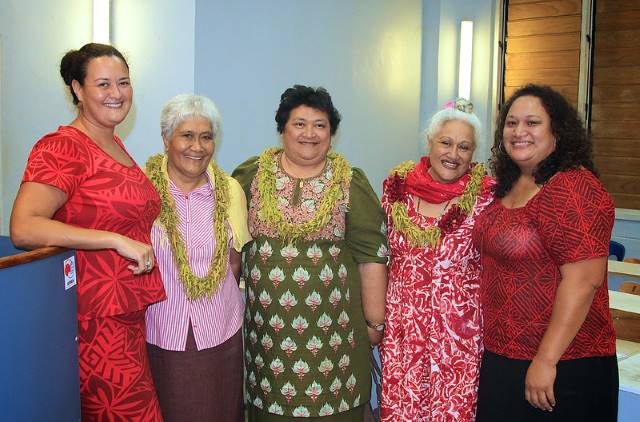
Women’s Rights in Samoa Samoa has had a long history of being considered a place where women’s rights have been hindered. Women’s voices in Samoa are often brushed aside when it comes to major issues such as domestic violence and politics. That being said, improvements on the basis of women’s rights in Samoa have occurred. U.N. Women has also worked to set up programs to support women’s equality in Samoa, which provides hope for the creation of more inclusive Samoan communities in the future.
The Samoan Woman’s Voice

Within the islands of the Pacific, where Samoa is located, the lowest rates of women’s participation in politics are found. Women within the Samoan culture are not encouraged to discover a sense of independent thought that they are willing to express. Because of this, women’s representation in governmental positions is a mere 10%. This minimum of 10%, however, will remain consistent due to an amendment of the Samoan constitution that was passed in 2013. The amendment states that women’s seats will be added into parliament if women are not elected, in order to ensure that at least 10% of parliamentary representation is women.

There are many cultural structures that greatly impact women’s rights when it comes to the expression of political opinions. One of these structures is the Matai councils that are in charge of local decision-making. Although women are allowed to join the Matai council, it is mainly considered a male council because of the low level of female members. The cultural family structures in Samoa also discourage women from reaching for political positions like becoming a Matai. Women mainly answer to their husbands within households so they feel a disconnect between having a desire for political power and their familial positions.

Violence Against Samoan Women

Only 22% of women that live in Samoa have not been a victim of some kind of domestic violence within their lifetime. Within the 78% of women who have experienced abuse, 38% said that the abuse was physical. Overlooked violence is one of the largest setbacks to obtaining more holistic women’s rights in Samoa. Women believe that the violence they face is not of importance. This can be justified by the fact that domestic violence was only reported to the police by 3% of women who experienced it.

3 Programs Improving Women’s Rights in Samoa

As many setbacks as there have been in gaining women’s equality in Samoa, U.N. Women has set up programs in order to empower women in Samoa.

  • The Women’s Economic Empowerment Programs: These programs work to ensure that women in Samoa can secure proper employment and are getting paid for the work they are doing. It also makes sure that women have access to assets and increased economic security.
  • The REACH Project: This program has worked to educate the general rural public of Samoa about general rights, including those of women. Although the goals of this program were extensive, one of them was to create equality of gender and to empower young girls for a better future. REACH accomplished its goals through the creation of sessions meant to increase awareness of rights and gender equality that citizens in rural areas could attend.
  • The Ending Violence Against Women Program: This program has created a fund in order to support women victims of violence within Samoa. It also works to change government policies that could support violence against women in any way. The information and support that this program gives to women who may not be aware of their right to speak up against violence against them is invaluable.

Overall, women’s rights in Samoa are progressing with the help of organizations like U.N Women fighting for the well-being and empowerment of women. Samoa has come a long way with regards to gender equality and the future looks hopeful for women in the country.

– Olivia Bay
Photo: Flickr

February 19, 2021
https://borgenproject.org/wp-content/uploads/borgen-project-logo.svg 0 0 Lynsey Alexander https://borgenproject.org/wp-content/uploads/borgen-project-logo.svg Lynsey Alexander2021-02-19 01:27:432021-02-19 01:27:43The Progression of Women’s Rights in Samoa
Global Poverty, Women's Rights

Examining Women’s Rights in Egypt

Women’s Rights in Egypt
Currently governed under Islamic Law as Egypt’s amended Constitution states, religion plays a major role within legislative policies. It has been a debate for several years as to whether the decline in women’s protection in Egypt is due to religious laws or the current socioeconomic environment. In order to approach the complexities of modern-day Egyptian society and women’s rights in Egypt, one must first understand the history of Islamic Law. Known for existing as more of an all-encompassing religion, Islam not only provides theological practices but also a way of living.

 Islamic Law

 Article 40 and 46 of Egypt’s present constitution explicitly states, “All citizens are equal before the law. They have equal public rights and duties without discrimination between them due to race, ethnic origin, language, religion or creed.” The second article of this same constitution declares “Islam is the religion of the state and Arabic is its official language. The principles of Islamic Sharia is the principal source of legislation.”

 Many women in Egypt (and other predominantly Islamic regions) are facing a dilemma concerning their religious and basic freedoms. Because Egypt incorporates Islam even within legal policies, it somewhat discourages other religions. This is why the second-largest religious community is Christianity, comprising approximately only 5% of the Egyptian population.

Women’s religious and basic human rights greatly differ from men’s rights and social roles. An example of this may include the regulations in regards to a woman’s attire. The hijab as well as other head and body coverings was initially symbolic of modesty within the Islamic religion. Moreover, although the Qur’an very clearly addresses men alongside women when proclaiming rules of “guarding their modesty,” men do not have to participate in the wearing of head/face coverings.

As of recently, though, the practice of adopting body and face veils into a woman’s everyday appearance has evolved into more of a preliminary societal standard. Because scripture claims that women exposing themselves to any man unrelated to them (besides children) is a sinful act, women experience pressure to adorn these religious coverings in public just to prevent shame, which only further enforces this oppression.

Socioeconomic Factors

This brings up the debate attempting to answer whether the lack of basic human rights for women is due to the Islamic nature of Egyptian society, or society itself? Women are hesitant to go into public without these coverings because of societal and religious pressures, but the act of preserving their modesty exists now as somewhat of a precautionary measure, as well.

In several impoverished countries or regions of extreme poverty, the economy is the primary factor in societal normalities. Women’s rights in Egypt undergo frequent testing, especially in areas of extreme poverty within the country. Because of scarce job opportunities and the dilapidated financial state of certain areas, women frequently endure mistreatment. They often cannot challenge their social or religious roles or financially provide for themselves. Their husbands, neighbors and, in some cases, their relatives, use this to their advantage which results in the very common sexual harassment of women.

Because of the different roles of Egyptian men and women, the deterioration of women’s rights in Egypt and sexual harassment of women has been a prominent issue since at least the ‘80s (this was the beginning of the selective documentation of sexual harassment cases in Egypt). Although the Qur’an prophesizes the equality of men and women under God, others in Egypt sometimes see women as lesser than. In this case, the argument that socioeconomic factors are separate from religious practices and laws is valid.

 Moreover, the United Nations conducted a census in 2013 revealing that an estimated 99.3% of women could encounter sexual harassment in Egypt. Meanwhile, another study concluded that about 86% of women reported that bystanders frequently ignore the aggression.

This demonstrates the frequency in which these dangerous acts happen in public. It is seemingly a social norm for women to not only have to uphold traditional religious roles but also to face arbitrary sexual aggression in public.

Solutions

As of 2014, however, Egypt is now addressing this violent aggression towards women. For the first time in Egyptian history, sexual harassers are undergoing prosecution and courts are holding them accountable. Egypt still requires more improvement, but more and more women are beginning to make others aware of this issue, even globally. The current economic state of Egypt is also developing. With an extreme poverty rate of 32% in 2018 and one of approximately 29% in 2020, Egypt is continuing to see a decline in extreme poverty.

 The societal and religious pressures persist, but Egypt is generating more discourse to help bring more attention to the issue of women’s rights in Egypt. Moreover, the debate over religion is increasing along with the dismantling of unjust socioeconomic systems.

– Caroline Kratz
Photo: Flickr

February 17, 2021
https://borgenproject.org/wp-content/uploads/borgen-project-logo.svg 0 0 Jennifer Philipp https://borgenproject.org/wp-content/uploads/borgen-project-logo.svg Jennifer Philipp2021-02-17 12:36:002024-06-07 05:08:12Examining Women’s Rights in Egypt
Economy, Gender Equality, Global Poverty, Women's Empowerment, Women's Rights

Creating Female Entrepreneurs in Afghanistan

Female entrepreneurs in AfghanistanIt is no secret that women’s rights in Afghanistan have been suffering due to decades of war and Taliban rule in the country. Afghan women have endured the denial of employment, education, health care and basic freedoms for years and faced violent punishment by the Taliban for attempting to find work or go to school. Years after Taliban rule, women are picking up the pieces of a broken society that drove them and many other Afghans into severe poverty. Organizations such as the Women’s Economic Empowerment Rural Development Project (WEERDP) and the Afghanistan Reconstruction Trust Fund (ARTF), both funded and backed by the World Bank, set up savings and loan associations in different communities to allow Afghan women to start their own businesses. Female entrepreneurs in Afghanistan have the potential to help the economy and reduce poverty within the country.

Women’s Empowerment Projects of the World Bank

International aid to Afghanistan is essential for empowering Afghan women and bringing communities out of poverty. The World Bank has a variety of programs dedicated to poverty eradication. It implemented the Afghanistan Rural Enterprise Development Project to support Village Savings and Loan Associations (VSLA). VLSAs operate as a community bank that gives out micro-loans to women to create employment opportunities to sustain economic growth. Examples of businesses started by women are hair salons, tailor shops and bakeries.

While the Afghanistan Rural Enterprise Development Program came to a close in 2018, WEERDP replaced it and continues to receive backing from the World Bank and the International Development Association (IDA) to ensure steady funding.

VSLAs receive funding from the World Bank and the IDA to ensure sustainable financial institutions are available in Afghanistan, with the hope that the VSLAs will partner with larger commercial banks in the future.

Benefits of Female Entrepreneurs in Afghanistan

There are roughly 275,684 Afghan women beneficiaries of the WEERDP. Many of them have had access to financial services for the first time with the program. Many others are taking loans, learning how to repay these loans and beginning to save for the future. These are valuable life skills for women who could not enter the workforce or gain an education in the past.

With the increase of women-run businesses in Afghanistan’s rural communities, VSLAs can begin to partner with larger banks to begin serving bigger loans to women after seeing the success of the businesses that began with micro-loans. The support of financial institutions is important to give women the confidence to become entrepreneurs, especially in a country where the percentage of women in the workforce is statistically low. Skills like leadership, management and problem-solving are derived from starting a business and female entrepreneurs can spread these skills throughout communities to strengthen the role of women in the economy.

These women can even pass down the skills through generations. Building a structure with programs like the WEERDP is vital for long-term economic growth and success because it can open doors for creativity and innovation for an economy that would benefit.

The Future of Female Entrepreneurs in Afghanistan

Increasing the number of women entrepreneurs with savvy financial skills can benefit the communities of Afghanistan in many ways. Successful women can begin to venture out into local politics and health care fields to build on their skills while sharing their talents with the community. Women have important input on what types of businesses their communities need and can reduce poverty in specialized ways.

Afghan women make up roughly half of the nation’s population, so their representation is necessary to drive economic and societal progress. The visibility of women in the business sector can allow for gender equality to improve in Afghanistan over time, improving the development of the nation as a whole.

– Julia Ditmar
Photo: Flickr

February 4, 2021
https://borgenproject.org/wp-content/uploads/borgen-project-logo.svg 0 0 Kim Thelwell https://borgenproject.org/wp-content/uploads/borgen-project-logo.svg Kim Thelwell2021-02-04 07:30:332022-05-11 07:59:51Creating Female Entrepreneurs in Afghanistan
Child Marriage, Developing Countries, Education, Gender Equality, Global Poverty, Women and Female Empowerment, Women's Rights

The Truth about Women’s Rights in Uzbekistan

women’s rights in UzbekistanA former Soviet Union territory, Uzbekistan has a population of 30 million. In recent years, there have been governmental and societal changes along with a new president, Shavkat Mirziyoyev. Women, who play a pivotal role in the Uzbek family structure, face different issues relating to their rights in the country. There are several key facts to know about women’s rights in Uzbekistan.

Societal Views Oppress Women

Women faced new setbacks after Uzbekistan obtained independence from the Soviet Union in 1991. The Soviets, after colonizing the region in the latter half of the 19th century, promised to emancipate women from the patriarchal customs of society, viewing these customs as oppressive to women. This movement encouraged female education, and in the 1980s, women formed an estimated 41% of university students.

However, after the independence of Uzbekistan in 1991, in a push to reestablish the Uzbek tradition, the progress of women’s rights in Uzbekistan took a hit when the nation reintroduced conservative social customs. Only six years later, in 1997, the number of women in higher education institutions dropped to 37% and estimates indicate that this percentage has fallen even more drastically in recent years.

The Prevalence of Child Marriage

Child marriage is still prevalent in Uzbekistan. Most Uzbek families believe that the role of a woman is to marry and run the household. This social concept encourages child marriage throughout the country, particularly in rural regions. With girls marrying at younger ages than boys, child marriage directly impacts female education as women are generally confined to the home after marriage.

Furthermore, Uzbek society expects women to give birth within their first year of marriage despite a lack of education about reproduction and childbearing. With young brides, female bodies are often not prepared or mature enough to give birth healthily. This has led to health complications such as infertility and chronic conditions. Child marriage hinders women’s rights in Uzbekistan as it limits female educational opportunities and leaves women with little chance to escape a life of housework and childrearing.

Domestic Violence is Not a Crime

In Uzbekistan, domestic violence is deemed a family issue and not an actual crime. Since independence from the Soviet Union, the push to reaffirm traditional values has meant that women have a subservient role within the household, and to a further extent, within society.

Outside of their homes, women face restrictions on how to live their lives, with limits on educational and work opportunities in favor of marriages and children. With women in rural areas at particular risk for domestic violence, Uzbekistan has largely ignored women’s rights within the home. Violence against women has reportedly increased in recent years.

Women’s Rights Reform at Governmental Level

President Mirziyoyev has taken promising action to address the lack of women’s rights in Uzbekistan. Elected in 2016, Mirziyoyev spoke about the importance of women within Uzbek society, noting their problem-solving skills and administrative capabilities. He urged for their involvement in government and industrial factions and even appointed Uzbekistan’s first female Head of Senate, Tanyila Narbaeva. With men dominating government positions for years, a female in an authoritative government position stands as a progressive shift and a promising sign of political changes.

Legislation to Protect Women

The fight for women’s rights in Uzbekistan is becoming more of a priority. In 2019, the nation introduced two new laws to protect women’s rights. The first is to ensure equal opportunities and freedoms for men and women and the second is to safeguard women from domestic violence and assault. Also, the nation has set up almost 200 shelters across the country to provide for women escaping violence. Unfortunately, there is very little funding for the subsistence of these shelters. While this undoubtedly stands as progress from the country’s more traditional views on the role of women in society, more significant action is necessary to defend these newfound rights and sustain protective services.

The Future of Women’s Rights in Uzbekistan

The push for women’s rights in Uzbekistan is made more difficult by the country’s history as a Soviet Union colony and the subsequent counterreaction to reestablish traditional cultural values. In recent years, societal pressures have pushed women to marry young and spend their lives taking care of the household. With limited opportunity to decide their own futures, women in Uzbekistan have not truly attained their human rights. Fortunately, however, President Mirziyoyev has expressed his desire to transform women’s rights in Uzbekistan. Hopefully, with a new female government official and progressive laws, women’s rights in Uzbekistan will continue to improve.

– Eliza Cochran
Photo: Flickr

February 4, 2021
https://borgenproject.org/wp-content/uploads/borgen-project-logo.svg 0 0 Kim Thelwell https://borgenproject.org/wp-content/uploads/borgen-project-logo.svg Kim Thelwell2021-02-04 01:30:452024-05-30 07:56:13The Truth about Women’s Rights in Uzbekistan
Page 19 of 41«‹1718192021›»

Get Smarter

  • Global Poverty 101
  • Global Poverty… The Good News
  • Global Poverty & U.S. Jobs
  • Global Poverty and National Security
  • Innovative Solutions to Poverty
  • Global Poverty & Aid FAQ’s
Search Search

Take Action

  • Call Congress
  • Email Congress
  • Donate
  • 30 Ways to Help
  • Volunteer Ops
  • Internships
  • Courses & Certificates
  • The Podcast
Borgen Project

“The Borgen Project is an incredible nonprofit organization that is addressing poverty and hunger and working towards ending them.”

-The Huffington Post

Inside The Borgen Project

  • Contact
  • About
  • Financials
  • President
  • Board of Directors
  • Board of Advisors

International Links

  • UK Email Parliament
  • UK Donate
  • Canada Email Parliament

Get Smarter

  • Global Poverty 101
  • Global Poverty… The Good News
  • Global Poverty & U.S. Jobs
  • Global Poverty and National Security
  • Innovative Solutions to Poverty
  • Global Poverty & Aid FAQ’s

Ways to Help

  • Call Congress
  • Email Congress
  • Donate
  • 30 Ways to Help
  • Volunteer Ops
  • Internships
  • Courses & Certificates
  • The Podcast
Scroll to top Scroll to top Scroll to top