• Link to X
  • Link to Facebook
  • Link to Instagram
  • Link to TikTok
  • Link to Youtube
  • About
    • About Us
      • President
      • Board of Directors
      • Board of Advisors
      • Financials
      • Our Methodology
      • Success Tracker
      • Contact
  • Act Now
    • 30 Ways to Help
      • Email Congress
      • Call Congress
      • Volunteer
      • Courses & Certificates
      • Be a Donor
    • Internships
      • In-Office Internships
      • Remote Internships
    • Legislation
      • Politics 101
  • The Blog
  • The Podcast
  • Magazine
  • Donate
  • Click to open the search input field Click to open the search input field Search
  • Menu Menu

Archive for category: Water

Water

Improving Water Quality in Brazil

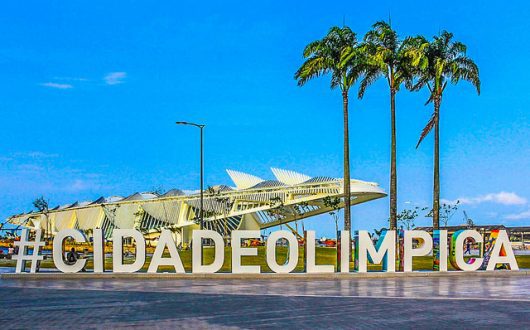
Water quality in BrazilAll eyes are on Brazil as the nation finalizes preparations for the Olympic Games while attempting to solve a decades-long water pollution crisis. According to 2016 statistics, only 65 percent of sewage was treated before reaching Rio de Janeiro’s waters; a number far behind the 80 percent officials pledged when Brazil first received the Olympic bid.

Efforts have been made to clean the waters near the Olympic stadium, but local waters remain as polluted as before.

“We’ve just been forgotten,” says Irenaldo Honorio da Silva during an interview with The Atlantic Magazine. A resident of Rio de Janeiro, Da Silva lives in one of 1000 favelas — informal housing structures that hold more than 1.5 million people. The low-income inhabitants of these favelas lack adequate sanitation systems, a problem faced by 30 percent of the Rio population.

“About three times a week, sewage overflows and trickles down the streets past the houses” Da Silva explains. When it rains, water pipes crack open and streets are flooded with filthy water.

Those who come into contact with contaminated water risk contracting diseases like hepatitis, worms, diarrhea and tetanus. More than 400,000 Brazilians were hospitalized in 2011 for illnesses related to the poor water quality in Brazil.

Olympians are bracing themselves for venues riddled with disease-causing viruses, which, according to the Associated Press (AP), “measured up to 1.7 million times the level of what would be considered hazardous on a Southern California beach.” The AP also found that those who ingest as little as three teaspoons worth of infected water have a 99 percent chance of infection.

Nevertheless, the risks for international athletes begin and end with the Olympic Games; Brazilians deal with these problems for life. Water quality is thus a critical issue that needs to be addressed.

Every year 217,000 workers miss an average of 17 hours of work due to gastrointestinal issues; infections caused by poor sanitation. Many children miss school for the same reason.

In fact, studies from institutions like the University of Chicago show that children with access to proper sanitation have higher educational attainment rates than those without. Furthermore, Trata Brasil, an organization dedicated to bringing universal sanitation to Brazil, recently revealed that a lack of proper sewage disposal was linked to lower life expectancies for citizens.

“The problems in [a favela] may be due in part to a lack of consciousness from its own people,” Marcello Farias notes during an interview with Huck Magazine in Rocihna, his hometown and one of the largest favelas in Rio. The majority of Brazilians cite health, security and drugs as the nation’s most pressing issues.

Diogo Rodrigues, a fellow Rocihna native, explains in the same interview that “if the government doesn’t do anything, [we] are the ones that have to be in charge.” He has worked with other favela residents to create different solutions to the water pollution crisis.

For example, the Surfer’s Association in Rodrigues’ hometown not only teaches local children how to surf but also offers environmental lectures and beach clean-ups. Meu Rio, an advocacy organization, holds demonstrations to raise awareness. In 2014, members sat on toilets on Guanabara Bay beaches every weekend for three months to shed light on the problem with water quality in brazil.

However, many view cooperation between the government, local authorities and civilians as the answer to improving water quality in Brazil.

Government officials announced that they plan to install eight sanitation plants in Olympic venues and upgrade favela water systems. Research from the University of São Paulo shows that investing in sanitation has other beneficial effects — it is more effective at alleviating poverty than spending on education, social security or welfare.

Change often occurs slowly. However, David Barbosa, a professional bodyboarder from Rocihna, encourages everyone to “keep up the momentum.”

“We may not always succeed, but we ‘gotta’ keep trying.”

– Ashley Leon

Photo: Flickr
July 23, 2016
https://borgenproject.org/wp-content/uploads/borgen-project-logo.svg 0 0 Borgen Project https://borgenproject.org/wp-content/uploads/borgen-project-logo.svg Borgen Project2016-07-23 01:30:312020-06-18 15:13:52Improving Water Quality in Brazil
Food & Hunger, Global Poverty, Water

The Difference Between Drought and Famine

https://borgenproject.org/the-difference-between-drought-and-famine/
The difference between drought and famine has the potential to be very confusing. Both result in an insufficient supply of food and water along with the wide and rapid spread of disease. Potentially both disasters could lead to the economic and social collapse of the community. However, the truth about both disasters is quite simple.

In the Merriam-Webster Dictionary, drought is defined as a period of dryness, especially when prolonged. Likewise, famine is defined as an extreme scarcity of food. While famine can sometimes be the outcome of a drought, it is considered to be more of a manmade disaster, therefore more preventable, and results from the lack of availability of food and water. A drought is solely the result of finicky Mother Nature and almost entirely unpreventable. In both cases, if aid is not immediately offered to the affected people, starvation, rampant disease, economic and social collapse and death will take its toll.

Here are eight quick facts that define these disasters in order to keep them straight.


Drought

  • The most common form of drought is a lack of water vapor in the atmosphere, which causes precipitation. A lack of moisture in the air causes wildfires that can damage communities and food supplies, ruin forests, or harm people and animals.
  • Of all the water on earth, only .003 percent is available fresh water that is not polluted, trapped in soil, or too far underground. During a drought, shared sources of water such as rivers, reservoirs, and groundwater for wells are in jeopardy of running dry.
  • Since the 1970s, the percentage of Earth’s surface affected by drought has doubled. Global warming is largely blamed.
  • Meteorologists predict drought based on precipitation patterns, stream flow, and moisture of soil over long periods of time.


Famine

  • Famines rarely happen because of a single event and often are the result of many years of struggling to grow food in a harsh environment.
  • Famine doesn’t usually cause the deaths of whole communities. Instead, it’s often old people and the youth who suffer from disease and malnutrition as they are the most vulnerable.
  • Different factors can trigger famine – the choice of crops planted, ineffective farming techniques, political systems and civil wars.
  • Famine happens when people don’t have the ability to cope during extreme natural conditions like drought.

-Kira Maixner
Source: Do Something, Merriam Webster Online
Photo: Asia News

May 20, 2016
https://borgenproject.org/wp-content/uploads/borgen-project-logo.svg 0 0 Borgen Project https://borgenproject.org/wp-content/uploads/borgen-project-logo.svg Borgen Project2016-05-20 05:38:432024-05-24 23:52:23The Difference Between Drought and Famine
Global Poverty, Water

NextDrop Targets Unreliable Water Systems

unreliable water systemsEven though half the world’s population now has water piped into their homes, access to the basic resource is not guaranteed. About 400 million people dwelling in cities in the developing world remain dependent on unreliable water systems, sometimes forced to wait up to 10 days if they miss the window of water supply.

Not surprisingly low-income households and small businesses are hit the hardest by water intermittency. Ultimately, unreliable water systems hinder health and economic development, especially in countries like India where 250 million people rely on imperfect water systems.

A University of California-Berkeley civil engineering graduate sought to address this issue when she created NextDrop, a phone-based program that notifies people when water will be available.

Founder Anu Sridharan and her team of fellow graduates began to put their idea into action after winning the Big Ideas@Berkeley contest in 2010. The year-long contest provides funding and support to teams of students who have innovative solutions for global challenges.

The system operates by collecting water flow information from valvemen who are responsible for opening and closing the valves that control water flow into various districts. By using NextDrop, households are typically alerted one hour before the valves open giving them peace of mind and the ability to carry out their daily tasks.

NextDrop has already reached 75,000 registered users in Bangalore, India. Now, USAID has announced plans to evaluate the effectiveness of the text message-based notification system and impact on quality of life.

If evidence from evaluations and surveys show NextDrop to be accurate and effective, funding will be provided for the service to be expanded into more major cities in developing countries.

As Phillip Denny, director of Big Ideas told USAID, “University-based programs like Big Ideas provide the perfect ecosystem for early-stage entrepreneurs by providing the resources, funding and ultimately the validation that allows ideas like NextDrop to thrive.”

– Emily Ednoff

Photo: Flickr

May 19, 2016
https://borgenproject.org/wp-content/uploads/borgen-project-logo.svg 0 0 Borgen Project https://borgenproject.org/wp-content/uploads/borgen-project-logo.svg Borgen Project2016-05-19 01:30:582024-12-13 17:54:28NextDrop Targets Unreliable Water Systems
Global Poverty, Water

The Life Sack: Providing Access to Improved Water Globally

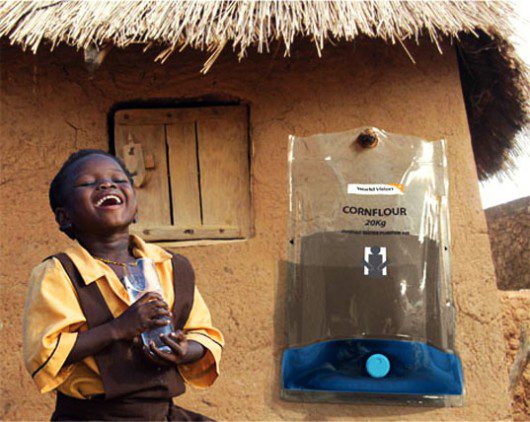
Life-SackApproximately 63 million people do not have access to clean water, according to the World Health Organization (WHO). To address this problem, industrial designers Jung Uk Park, Myeong Hoon Lee and Dae You Lee came up with the Life Sack.
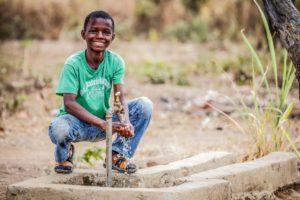
The Life Sack functions as a water purifier that utilizes solar water disinfection process (SODIS) technology. UVA radiation and thermal treatment work together to kill toxic microorganisms and bacteria.

Typically, UVA radiation and thermal treatment are individually harmful to microorganisms and bacteria. The combined effect, therefore, increases the efficacy of the purification process. Moreover, the polyvinyl chloride (PVC) composition lends the Life Sack a high sunlight penetration ratio and durability.

Fashioned as a backpack, the Life Sack also ensures ease of mobility, which is especially crucial for areas without sources of water. These areas rely on individuals to travel outside of the community to supply the water that they need.

Water purification is not the only way that the Life Sack can be used.

The designers were partly inspired by how nongovernmental organizations and other charities often sent their supplies, such as grain and other food staples, in sacks. The Life Sack can thus double as a storage unit, allowing users to easily store and transfer goods other than water when needed. According to CauseTech, some nongovernmental organizations now use the Life Sack rather than “conventional food bags” to send their goods.

Since the initial launch of the Millennium Development Goals (MDGs), great improvements have been made in global access to improved sources of drinking water. From 1990 to 2015, the percentage of the global population with access to improved sources of drinking water has risen from 76 percent to 91 percent.

Further improvements are still to be made. Of the 63 million without access to clean water, most are concentrated in Sub-Saharan Africa and Southern and Southeast Asia.

A lack of access to clean water increases the propensity for water-borne diseases. Figures from WHO indicate that 760,000 children under five die of diarrheal diseases every year. More universal access to clean water would help in reducing this number.

Goal six of the United Nations’ 2015 Sustainable Development Goals (SDGs) addresses the need to “ensure access to water and sanitation for all” by 2030. Innovations like the Life Sack may support this effort toward increasing global access to improved water sources.

– Jocelyn Lim

Sources: Inhabitat, SODIS, Tuvie, The United Nations, UNICEF

March 3, 2016
https://borgenproject.org/wp-content/uploads/borgen-project-logo.svg 0 0 Borgen Project https://borgenproject.org/wp-content/uploads/borgen-project-logo.svg Borgen Project2016-03-03 01:30:112024-12-13 18:05:48The Life Sack: Providing Access to Improved Water Globally
Development, Global Poverty, Water

Conference Calls for Clean Water

Clean WaterThe first West and Central Africa Innovative Financing for Water Sanitation & Hygiene conference recently convened in Dakar, Senegal to discuss efforts to increase access to clean water in rural areas.
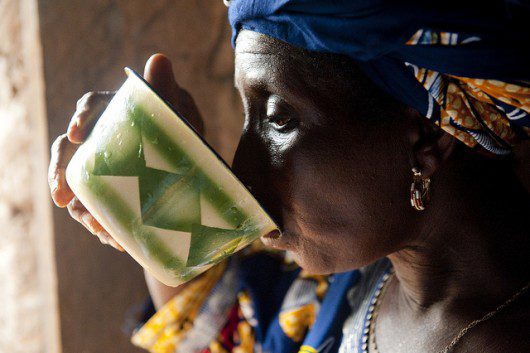
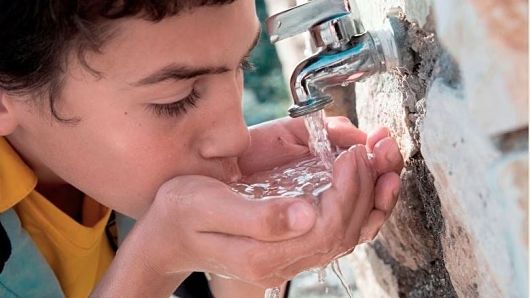
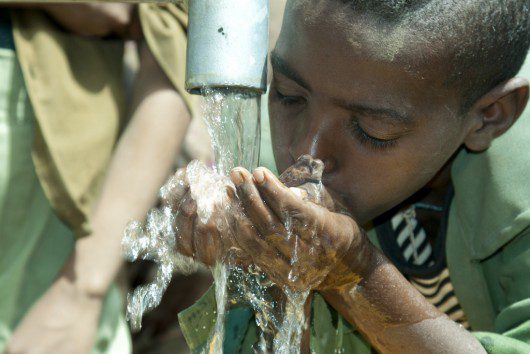
For three days, 24 governments in the sub-Saharan region had the opportunity to meet with major investment banks, international organizations, businesses and experts.

Their collective goal is to find new methods to raise an estimated $20 to $30 billion annually for the water, sanitation and hygiene sector. Success will bring universal access of those services to West and Central Africa, home to nearly half the global population currently living without access to improved drinking water.

The Joint Monitoring Report Update of 2015 estimates 663 million people globally still lack access to improved drinking water sources. 2.4 billion people have no access to improved sanitation facilities, and of that number, 946 million defecate in the open.

According to UNICEF, no country in West and Central Africa has universal access to improved drinking water and access to sanitation even rarer. In countries with the best coverage of the sub-Saharan area, as many as one in four people still lack adequate sanitation.

Within the last 25 years, the population of the sub-Saharan area has nearly doubled. Growing populations are outpacing government efforts to provide essential services. Access to improved sanitation and clean water has not kept pace with these changes. In fact, improved sanitation only increased by 6 percent and water only 20 percent within the same time period.

The number of people in the region who defecate in the open is higher now than it was in 1990.

Without speedy action, UNICEF warns the situation could drastically worsen within the next 20 years.

The UN estimates global economic losses due to inadequate water, sanitation and hygiene amount to $260 billion dollars per year. As the sub-region with the worst access, West and Central Africa carries a significant portion of this burden.

Clean_Water

Funding for the water, sanitation and hygiene sector is uneven and insufficient, noted UNICEF. No African country has allocated more than 0.5 percent of its gross domestic product to the sector.

Meanwhile, of the $3.8 billion overseas development aid (ODA) allocated for the water, sanitation and hygiene sector in 2012, approximately three-quarters went to water and the remaining quarter to sanitation.

Most ODA funding goes to countries that are already doing well, and while rural access to clean water is far behind urban access, both external and domestic funding go primarily to urban systems.

“While we know what needs to be done, we have to figure out a way to do it faster and better,” UNICEF Regional Director for West & Central Africa Manuel Fontaine said. “There are a lot of options on the table; what is not an option is to continue to allow children to pay for our lack of action.”

– Kara Buckley

Sources: WASH Finance, UN, UNICEF
Photo: Wikimedia Commons, Flickr

January 8, 2016
https://borgenproject.org/wp-content/uploads/borgen-project-logo.svg 0 0 Borgen Project https://borgenproject.org/wp-content/uploads/borgen-project-logo.svg Borgen Project2016-01-08 05:00:292024-06-11 02:48:17Conference Calls for Clean Water
Global Poverty, Water

Bringing Water to Thousands of Albanian Villagers

Bringing_Water_to_Thousands_of_Albanian_Villagers
Thanks to a new project designed to install new and improved water pumping stations throughout coastlines, Albanian villagers are enjoying improved community water sources and piped water for the first time.

The picturesque villages covering the Albanian countryside boast breathtaking views, but attracting reliable income from tourism has been a problem due to the villages’ lack of reliable potable water. Alexandra Spiro, a resident of the village of Lukove, expressed the daily trials associated with sporadic water supply. “Before, the water only came at certain times,” Spiro said, “and when the water came we filled every pot we had.”

Since then, the Integrated Coastal Zone Management project has introduced powerful new water pumping stations throughout the Albanian coast. The project, funded by the World Bank, has taken the original water network and done a major overhaul, making upgrades and adding improved features.

Vladimir Kumi, Former Mayor of Lukove Commune, which incorporates the 14 villages benefiting from the new project, said, “In all the villages of our commune, there were amortized water pipes from the 70’s and only public taps. People didn’t have water at home, and little water came to villages.”

To keep the new increase in water supply affordable for residents, each village has received metering systems. Compared to the previously charged flat rate, households now only pay for what they use, making the service more attainable for the lower income villagers.

The upgrades have had a great impact on the Albanian Villagers making their daily tasks, such as cooking, cleaning and laundry, faster and more efficient. However, the residents most impacted are the small business owners. Liljana Shehu, a cafe owner in Lukove, said the water upgrades have been good for business, “It helps us maintain better hygiene. Before, we didn’t have water and now we have water all the time, whenever we want just by turning on the tap. And the water is healthier too.”

Thanks to the project, these small-scale, entrepreneurial ventures are sprouting up around the region. Like Shehu, Miliano Bitri, from the village of Piqeras, owns a family-run small hotel that offers views of his farm and olive orchard. Since the project was completed, operations of the business for Bitri and his family and been, quicker, easier, and most importantly, more profitable.

– Claire Colby

Sources: CIA World Factbook, World Bank
Photo: Google Images

January 5, 2016
https://borgenproject.org/wp-content/uploads/borgen-project-logo.svg 0 0 Borgen Project https://borgenproject.org/wp-content/uploads/borgen-project-logo.svg Borgen Project2016-01-05 06:16:062024-05-27 09:28:37Bringing Water to Thousands of Albanian Villagers
Development, Global Poverty, Water

South African Company Makes Water from Air

Water_from_Air
In South Africa, one company is tapping into an alternative yet ubiquitous source for drinking water—the air.

Water From Air is pioneering technology for use in domestic settings that allows clean, drinkable water to be harvested from the humidity in the air.

Even though the technology used in Water From Air’s machines is not new, the company’s CEO Ray de Vries told news24 that his company is the first to make home units available.

The machines operate according to the humidity in the air, drawing it in and cooling it to allow condensation to form in a collecting tank. The collected water is then disinfected with ultraviolet light and filtered to remove further impurities.

Since the water is drawn from the air rather than the ground, it is already cleaner and excludes contaminants more commonly found in terrestrial sources. The result is “100 percent pure and clean” water, according to de Vries.

The company manufactures different sized machines powered through solar, diesel or gas. The most popular machine is the AW3 model designed for domestic use in households and clinics. Depending on the humidity of the surrounding air, the AW3 model is capable of capturing 32 liters of water per day.

Models designed for larger scale use are estimated to be capable of producing up to 1,500 liters of water per day. The company estimates that in cities such as Cape Town where humidity averages approximately 75 percent, the device might be able to provide an average of between 25 and 28 liters of water every day.

Water From Air has sold upwards of 400 units since its debut earlier this year. As severe drought conditions persist in South Africa, the company is trying to keep pace with the growing demand for its units.

The main idea behind marketing the devices is to provide households in drier regions with a more secure supply of water, especially in times of water shortage or drought. The Water From Air devices enable users to directly harvest water from the surrounding air instead of transporting the precious resource from other areas of the country.

Unlike more expensive alternatives such as desalination, Water From Air also offers a cost-effective and novel approach geared towards sustainability.

The machines are manufactured in the company’s native South Africa, “made by South Africans for South Africans” according to de Vries. Water From Air expects to provide 300 initial jobs to South Africans and potentially add another 600 as the company’s operations continue to grow.

– Jace White

Sources: Water From Air, Business Standard, News24
Photo: Flickr

December 15, 2015
https://borgenproject.org/wp-content/uploads/borgen-project-logo.svg 0 0 Borgen Project https://borgenproject.org/wp-content/uploads/borgen-project-logo.svg Borgen Project2015-12-15 01:30:442024-12-13 18:05:29South African Company Makes Water from Air
Development, Global Poverty, Health, Sanitation, Water

Water, Sanitation and Hygiene: Better Nutrition for The Poor

sanitation_and_hygieneExtreme poverty makes access to clean water and nutritional food difficult for millions of people. Sanitation and hygiene also suffer as survival becomes the focus.
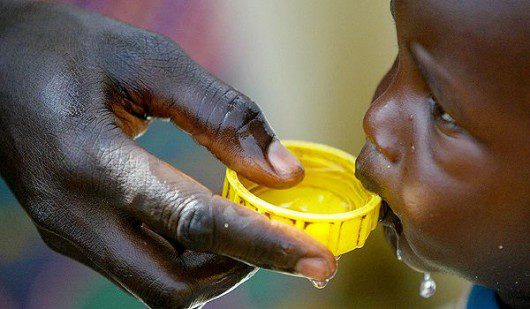
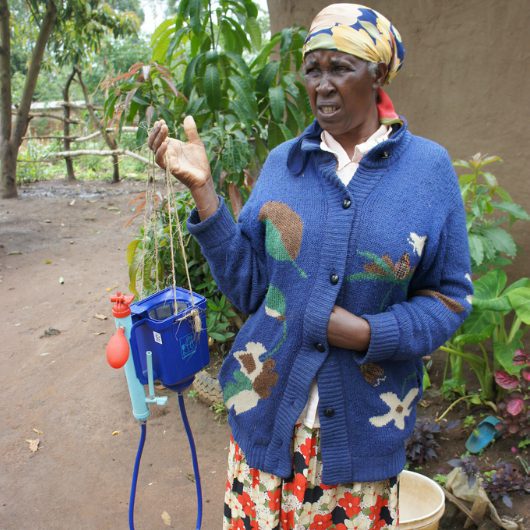
However, poor sanitation and hygiene often lead to diseases which cause diarrhea and fluid loss. These conditions can also result in malnutrition as more food is being expelled rather than processed and used. With a little help and knowledge, sanitation, hygiene and clean water can reverse the tide of disease and improve nutrition.

Take for example the situation in the Yarou Plateau village in Mali from the USAID blog:

“People used to use any open space for bathroom needs. Flies could easily find fecal matter lying around, and from there land on food, spreading diseases like diarrhea and intestinal worms. Fecal matter in open areas also contaminated the groundwater, which villagers use for drinking and preparing food. Diarrhea can worsen malnutrition, and the undernourished already have weakened immune systems — making them more susceptible to intestinal infections and more severe episodes of diarrhea.”

To combat the malnutrition these diseases cause, the World Health Organization has set some global targets for 2025:

  1. 40 percent reduction in the number of children under the age of five who have had their growth stunted
  2. 50 percent reduction in the number of women of a reproductive age who experience anemia
  3. 30 percent reduction in babies born with a low birth weight
  4. A halt in the increase of childhood obesity
  5. 50 percent increase in breastfeeding exclusivity during the first six months of a baby’s life

USAID says malnutrition “is an underlying factor in almost half of all child deaths” and also increases a child’s chance of dying from preventable illnesses such as pneumonia and diarrheal disease. These diseases cause anemia, loss of appetite and a decrease in the body’s ability to properly absorb nutrients.

Two years ago, conditions in the Yarou Plateau village changed for the better. The village has improved its sanitation by building more than 60 latrines and fixing ones they already had.

In addition to Yarou Plateau, more than 179 other villages have been able to improve sanitation and hygiene through support from USAID’s project WASHplus.

The program works not only to improve water, sanitation and hygiene but also to reduce “diarrheal diseases and malnutrition.” WASHplus introduces and promotes proper hand washing, water treatment and food preparation and storage.

Where proper sanitation and hygiene practices are initiated and properly implemented, the poor and those living in underdeveloped countries can avoid illness and get the nutrition they need to grow, thrive and break the cycle of poverty.

– Drusilla Gibbs

Sources: USAID, WHO
Photo: Flickr

December 5, 2015
https://borgenproject.org/wp-content/uploads/borgen-project-logo.svg 0 0 Borgen Project https://borgenproject.org/wp-content/uploads/borgen-project-logo.svg Borgen Project2015-12-05 01:30:502024-05-27 09:28:26Water, Sanitation and Hygiene: Better Nutrition for The Poor
Global Health, Global Poverty, Water

Addressing the Global Water Crisis

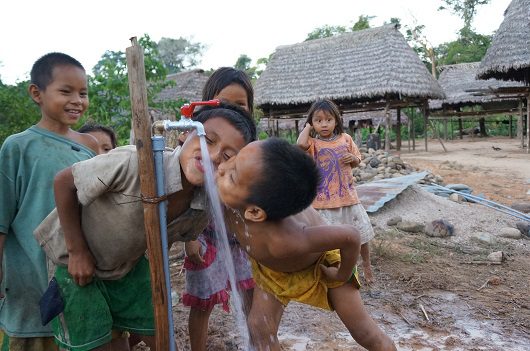
global_water_crisis
The statistics concerning the global water crisis are staggering, especially in developing countries.

  1. 1 in 9 people or roughly 783 million individuals globally are unable to obtain safe drinking water.
  2. In developing countries, one-third of all schools, as well as one-third of all health care facilities, lack safe water and adequate sanitation.
  3. According to the World Health Organization, 3,900 children globally die each day as a result of waterborne diseases.
  4. 1.8 million people die every year of diarrhoeal diseases obtained from drinking unclean water.
  5. The illnesses caused by drinking unclean water as well as the many hours a day devoted to collecting this water, take away from and severely decrease the quality of life for entire communities.
  6. According to the United Nations, by itself, Sub-Saharan Africa loses 40 billion hours per year collecting water.

These are just a few of the shocking statistics that highlight the seriousness of the global water crisis. However, by donating and investing in initiatives that are environmentally safe and cost-effective it is possible to turn back the tide of the growing global water crisis.

Students, especially girls, who no longer have to focus time and effort on collecting water, can devote more time to attending school. With the addition of safe and sanitary latrine areas, girls can also stay in school throughout their teenage years following puberty.

With access to water, food security can become a reality in developing countries. Fewer crops will be lost and schools can begin to feed their students through the use of their own gardens, which will slash costs.

Access to clean water also means clean hands which lead to healthier bodies. People can focus on ending the cycle of poverty instead of succumbing to water-related sicknesses.

Clear cut access to clean water can also help alleviate conflicts over 276 transboundary river basins. An improved understanding of proper sanitation can increase access to clean water and significantly reduce pollution through unsanitary practices such as waste dumping into these river basins.

According to The Water Project, access to clean water alone can go a long way towards breaking the cycle of poverty for millions of people. All that is needed is to act upon this knowledge.

– Drusilla Gibbs

Sources: World Water Council, Water, The Water Project
Photo: Occupy For Animals

December 4, 2015
https://borgenproject.org/wp-content/uploads/borgen-project-logo.svg 0 0 Borgen Project https://borgenproject.org/wp-content/uploads/borgen-project-logo.svg Borgen Project2015-12-04 01:30:172020-06-24 20:32:29Addressing the Global Water Crisis
Children, Global Poverty, Health, Water

LifeStraw Purifiers: Kenyan Schoolchildren with Drinking Water

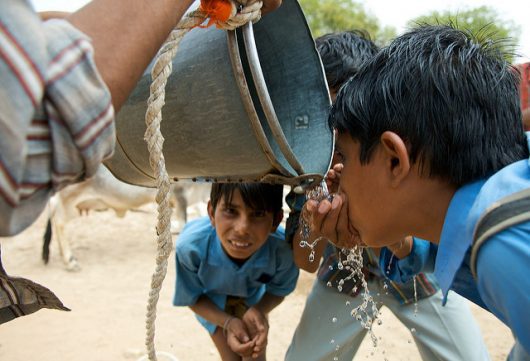
LifeStraw Purifiers Provide Schoolchildren with Clean Drinking WaterIn Eastern Africa, 70 percent of hospital visits are related to contaminated water. This is due to a lack of clean water sources. The majority of people in developing countries depend on water sources like rivers to drink and bathe, but serious illnesses like typhoid fever, dysentery and guinea worm disease are common diagnoses for those who consume dirty water. In fact, diarrhea is the third leading cause of death in Kenya.

Vestergaard, a Swiss global health company, created a water filtration system called LifeStraw to put an end to these water-related infections. LifeStraw is a lightweight, portable filter that uses hollow fiber technology to filter up to 1,000 liters of water. The filter is also chemical-free and does not require any electrical power — instead, it depends on the suction generated by its user.

Water enters the plastic container and flows through narrow fibers under high pressure. These fibers then trap bacteria and other toxins that are flushed out of the water via backwashing. The clean water travels through pores in the walls of these fibers.

With LifeStraw, households in these regions will no longer have to boil contaminated water to make it drinkable. As a result, there will likely be a reduction in indoor pollution and house fires. People will also burn less firewood, which helps lessen deforestation. According to Vestergaard, the use of LifeStraw reduces carbon emissions by nearly three tons per year, per filter.

Of note, luxury car manufacturer Jaguar Land Rover (JLR) invested in LifeStraw in 2013 in support of sustainability. In partnership with the carbon-offset company ClimateCare, the LifeStraw Carbon for Water project was born. This partnership has provided 1,900,000 people in western Kenya with LifeStraw filters.

Within the next few years, this investment will also provide 300,000 Kenyan schoolchildren access to safe water and filtration training programs. Once LifeStraw filters are installed at a school in Kenya, a JLR team will monitor its use once every term for five years. Teachers and students will also complete training to learn about the significance of clean water.

In 2014, the Follow the Liters campaign was created by 80 LifeStraw volunteers to provide schoolchildren with safe water. If a person purchases one LifeStraw water filter, the company will provide a child from the developing world with clean drinking water for an entire year.
Last year, 158,000 African students were provided with a LifeStraw filter and 300 more schools in western Kenya also received filters.

– Kelsey Lay

Sources: Business Fights Poverty, Jaguar Land Rover, LifeStraw, The Examiner
Photo: Flickr

November 15, 2015
https://borgenproject.org/wp-content/uploads/borgen-project-logo.svg 0 0 Borgen Project https://borgenproject.org/wp-content/uploads/borgen-project-logo.svg Borgen Project2015-11-15 09:12:192020-06-24 19:51:02LifeStraw Purifiers: Kenyan Schoolchildren with Drinking Water
Page 44 of 57«‹4243444546›»

Get Smarter

  • Global Poverty 101
  • Global Poverty… The Good News
  • Global Poverty & U.S. Jobs
  • Global Poverty and National Security
  • Innovative Solutions to Poverty
  • Global Poverty & Aid FAQ’s
Search Search

Take Action

  • Call Congress
  • Email Congress
  • Donate
  • 30 Ways to Help
  • Volunteer Ops
  • Internships
  • Courses & Certificates
  • The Podcast
Borgen Project

“The Borgen Project is an incredible nonprofit organization that is addressing poverty and hunger and working towards ending them.”

-The Huffington Post

Inside The Borgen Project

  • Contact
  • About
  • Financials
  • President
  • Board of Directors
  • Board of Advisors

International Links

  • UK Email Parliament
  • UK Donate
  • Canada Email Parliament

Get Smarter

  • Global Poverty 101
  • Global Poverty… The Good News
  • Global Poverty & U.S. Jobs
  • Global Poverty and National Security
  • Innovative Solutions to Poverty
  • Global Poverty & Aid FAQ’s

Ways to Help

  • Call Congress
  • Email Congress
  • Donate
  • 30 Ways to Help
  • Volunteer Ops
  • Internships
  • Courses & Certificates
  • The Podcast
Scroll to top Scroll to top Scroll to top