• Link to X
  • Link to Facebook
  • Link to Instagram
  • Link to TikTok
  • Link to Youtube
  • About
    • About Us
      • President
      • Board of Directors
      • Board of Advisors
      • Financials
      • Our Methodology
      • Success Tracker
      • Contact
  • Act Now
    • 30 Ways to Help
      • Email Congress
      • Call Congress
      • Volunteer
      • Courses & Certificates
      • Be a Donor
    • Internships
      • In-Office Internships
      • Remote Internships
    • Legislation
      • Politics 101
  • The Blog
  • The Podcast
  • Magazine
  • Donate
  • Click to open the search input field Click to open the search input field Search
  • Menu Menu

Archive for category: United Nations

Information and stories about United Nations.

Foreign Aid, Global Poverty, United Nations, USAID

What is International Aid & Why Should We Care?

What is International Aid
What is International Aid? International aid is any form of needed assistance by one country, or multilateral institution, to another.

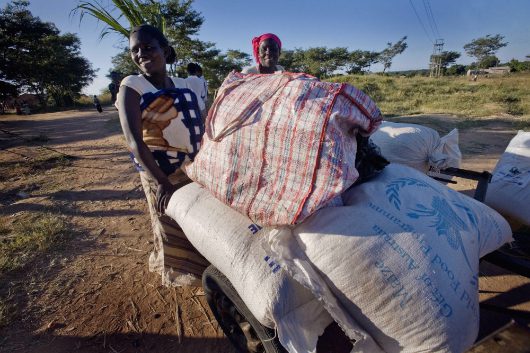
Aid is most commonly provided as official developmental assistance (ODA), which targets poverty reduction and the promotion of public welfare and economic development. The World Food Programme and the United Nations are examples of international organizations that provide significant amounts of aid to developing countries.

Investing in foreign aid is a just cause. The leading U.S. Government agency, USAID, alone saves more than 3 million lives each year through immunization programs. Over 850,000 people are educated about HIV prevention annually through USAID, and 40,000 have been trained to protect their countries for the long-term. Other forms of lasting education strategies include USAID’s population program, which serves more than 50 million couples worldwide, and USAID land cultivation training in Honduras that helps 21,000 families to practice subsistence farming and has reduced soil erosion by 70,000 tons.

Foreign aid is not just giving away money and resources; it means making a concerted attempt to restructure sectors in need of improvement. USAID invested $15 million in technical assistance for developing countries’ energy sectors, which created a $50 billion annual market for private power.

With all this good, would it surprise you that U.S. foreign assistance uses less than 1% of the total federal budget?

Less than 1% of the U.S. total federal budget values to about $50 billion. In comparison, the U.S. military defense budget totals to about $663 billion. To put this in per capita terms, The Guardian calculated that the U.S. spends $73 per person on aid and $1,763 per person on defense.

In 1970, The U.S. joined the ranks of many other wealthy nations with plans to give 0.7% of their gross national income as ODA. Of the twenty-three players, only five succeeded in 2011,and the U.S. was not one of them.

The U.S. gave 0.2% of their net ODA.

But why is this even a problem?

Other countries with fewer capabilities are doing more than their part while the U.S. is falling short. Public perception plays a huge role in how the budget is made and, subsequently, the degree of U.S. involvement in global aid. Americans, on average, estimated 28% of the federal budget is spent on foreign aid. Four in ten Americans also believe aid is given remotely, allowing the recipient to use it as they see fit. As a result, few people vote for budget increases.

In actuality, most U.S. foreign aid is issued to a specific issue and program with clear endpoints.

Most commonly, Americans believe foreign aid to be a waste of resources. Who does the money help and in what ways? In fact, it helps both the recipient and donor.

International aid strengthens national security, garners international support and establishes diplomatic ties between the donor and recipient countries.

Today, the donor-consumer relationship is far more influential than ever because developing countries and economies are in transition. Africa’s net growth momentum, for example, is expected to continue to rise with GDP growth increasing from 4.6% in 2015 to 4.9% in 2016. Home to five of the world’s twelve fastest growing economies, the supercontinent hosts a growing middle class and large youth population. While Africa’s political and economic history promises a challenge, its potential is enormous.

– Lin Sabones

Sources: Encyclopaedia Britannica, UN, The Guardian, OECD, USAID, CNBC
Photo: Flickr

June 15, 2015
https://borgenproject.org/wp-content/uploads/borgen-project-logo.svg 0 0 Borgen Project https://borgenproject.org/wp-content/uploads/borgen-project-logo.svg Borgen Project2015-06-15 08:33:402024-05-30 22:22:56What is International Aid & Why Should We Care?
Global Poverty, Refugees and Displaced Persons, United Nations, War and Violence

Jobs for Refugees at a Socially-Minded Business

Jobs_for_Refugees_at_a_Socially-Minded_BusinessIn 2013, 69,926 people were admitted into the United States as refugees, according to the 2014 Fiscal Year Refugee Admissions Statistics published by the U.S. State Department.
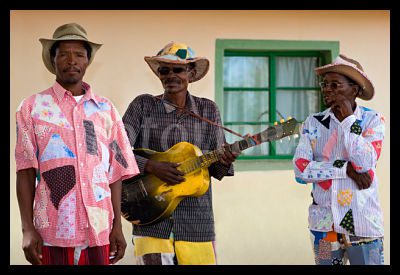
That number is increasing and will continue to grow in the coming year. In February 2015, the Office of Refugee Resettlement reported that 69,986 refugees came to the U.S. in 2014. The U.S., though, often does not have enough jobs for refugees that come into the country.

The reason for the rise in refugee amount is largely due to the crisis in Syria, which has displaced thousands. So far, about 647,000 people have been forced to flee the region.

The Syrian conflict has been called the largest migration by a single group of people since 1999 when war in Kosovo resulted in the displacement of more than 867,000 people.

The United Nations’ High Commission for Refugees releases an annual report on the total amount of people driven from their homeland. In June 2013, it was at 45.2 million people. This was the highest ever in recorded history.

The five countries most impacted by wars are Afghanistan, Somalia, Iraq, Syria and Sudan. In fact, these countries were the source of 55% of all refugees in 2013.

In the 2012 report, nearly half of the population of refugees were female, and about 46% were children aged 18 or younger.

In Lancaster, Pennsylvania, Srirupa Dasgupta owns a socially-minded restaurant. Beginning at first as a catering company in 2010, the restaurant opened in April 2014. Dasgupta wanted to create a place where refugees and other marginalized people could find jobs.

“I realized that Lancaster has a large refugee population,” says Dasgupta, “These women had the skills to get a job and had jobs in their country but they couldn’t get past the language barrier in this country.”

She saw that, hired as cooks, women did not have to read the recipes because they had curated them on their own. Currently, she has three regular employees that are each paid $14.50 per hour, which is twice the amount of minimum wage in Pennsylvania.

Dasgupta came to the U.S. from India to attend college in Massachusetts. Her grandparents fled Bangladesh in 1947 and their struggle, along with many others she has come across, inspired her to start her business.

“Upohar’s lead chef is Rachel Bunkete who grew up in the Democratic Republic of the Congo. She left her home in order to escape political, ethnic and religious conflicts in 2008, but was forced to do so without her husband and three children. Ever since she was allowed to come to the U.S., she has been working toward being reunited with her family.

Another chef, Tulsha Chauwan, fled Bhutan with her family and lived in refugee camps in Nepal for year before they were allowed to settle in the U.S.

Upohar, the name of the restaurant, is the Bengali word for ‘gift’.

So far, Dasgupta has yet to yield any profit from her restaurant, but she is thrilled just knowing that she has made a difference in the lives of those involved.

– Lillian Sickler

Sources: NPR, Upohar, Lancaster Online, International Rescue Committee, U.S. Department of State, The Guardian, Office of Refugee Settlement
Photo: Flickr

June 12, 2015
https://borgenproject.org/wp-content/uploads/borgen-project-logo.svg 0 0 Borgen Project https://borgenproject.org/wp-content/uploads/borgen-project-logo.svg Borgen Project2015-06-12 01:29:422024-12-13 17:51:27Jobs for Refugees at a Socially-Minded Business
Global Poverty, United Nations

Namibia as a Successful Peace Operation

NamibiaWhile there have been numerous peace operations, the United Nations peacebuilding mission in Namibia is regarded as one of the United Nation’s most prominent successes. Peace operations were not originally mentioned in the 1945 U.N. Charter, however the modern condition of warfare has allowed for flexibility in international law, norms, and actors. The extension of the definition of “threats to peace and international security” has broadened over time, as evidenced by legal positivism and treaties such as the Responsibility to Protect and the Universal Declaration of Human Rights.

It has been argued the Security Council embraced an innovative character throughout the late 1980’s and early 1990’s.  A large contribution to this was the extension of “threats to peace” after the Cold War to include widespread violations of international humanitarian law and the massive flow of refugees. Since the 1990’s, the Security Council has acted past its authorized powers by means of flexible interpretation of the charter, but mostly expressed consent.There have been numerous peace operations, specifically during after the 1990’s, and many of these operations have taken place in civil war conflict areas. While there are various debates on the efficacy of peace operations, the mission is Namibia provides a case of a successful and sustainable peace.

Namibia is a country that was colonized by the Germans until a defeat by South Africa in 1915. South Africa ruled colonized Namibia until the Security Council confirmed the illegality of South Africa’s presence in the Territory in 1970, and later declared the necessity to hold free elections in Namibia as to ameliorate the oppressive presence of the South African Administration on the Namibian peoples. The United Nations adopted Resolution 435 in 1978 for U.N. supervision over Namibia’s independence, the mission was titled United Nations Transition Assistance Group, also referred to as UNTAG.According to the U.N. Mandate, the mission aimed to “Assist the Special Representative of the Secretary-General to ensure the early independence of Namibia through free and fair elections under the supervision and control of the United Nations. UNTAG was also to help the Special Representative to ensure that: “All hostile acts were ended; troops were confined to base, and, in the case of the South Africans, ultimately withdrawn from Namibia; all discriminatory laws were repealed, political prisoners were released, Namibian refugees were permitted to return, intimidation of any kind was prevented, law and order were impartially maintained.”

UNTAG proved to be different from previous peace operations, for its goals were focused on political rather than military goals. The success of the mission in Namibia had many ingredients. Not only was the timing appropriate due to the regional desire for peace, but UNTAG involved a great deal of civilian involvement. This is a critical component, for civilian input is invaluable when a society is being constructed into a democratic entity. Since the United Nations had been involved in Namibia for a substantial amount of time, the personnel and senior offices were very familiar with the situation. This is significant, for outside parties need dense insight into the conflict of which they are intervening. The wide mandate of the UN, combined with the sense of legitimacy by the Namibian people was necessary for the lasting peace in the region. Namibia gained independence in March 1990 and joined the United Nations as an independent country in April 1990.

– Neti Gupta

Sources: Taylor & Francis Online, University of Colorado, United Nations 1, United Nations 2

Photo: Fotolibra

April 4, 2015
https://borgenproject.org/wp-content/uploads/borgen-project-logo.svg 0 0 Borgen Project https://borgenproject.org/wp-content/uploads/borgen-project-logo.svg Borgen Project2015-04-04 04:00:422024-06-05 01:58:26Namibia as a Successful Peace Operation
Development, United Nations

Private Sector Partners Further Development

The U.N.’s post-2015 development agenda — the framework for which is expected to be ratified in September of this year — will rely heavily on the private sector.
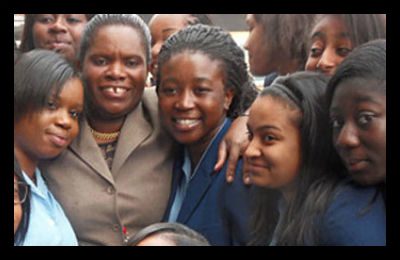

According to Martin Sajdik, president of the U.N.’s Economic and Social Council, including non-state actors in the development agenda is a crucial step in making the post-2015 development goals more feasible. “Our economic life, our social life is not only determined by state actors, so if we want to have a development agenda that is for all countries of the world — both developed and developing—we cannot ignore the fact there are many more actors,” said Sajdik.

The new Sustainable Development Goals, or SDGs, place particular emphasis on the importance of building multistakeholder partnerships across sectors. While the U.N. has involved private sector partners to a greater extent than it did when crafting the MDGs, some believe that the private sector’s role in setting the post-2015 agenda could be expanded further.

“Ultimately, we in the [Community Service Organization] community and World Vision understand this is a governmental process, that the ultimate decision will be taken by member states of the U.N. but our role is to influence those member states,” said World Vision external relations director Chris Derksen-Hiebert.

In recent years, cross-sector relationships have become increasingly common. One advantage of such relationships is that they harness the valuable expertise, resources and distribution channels of private enterprises.

One example of this movement is ColaLife. In 2012, the U.K. based charity began sending medicine kits to Zambia in cases of Coca-Cola. Rohit Ramchandani, ColaLife’s principal investigator, explained the organization’s philosophy: “Our model looks specifically at how we can partner with and leverage private sector distribution channels, these companies that are able to get their product out to that last mile in the most remote parts of the world.”

More recently, President Barack Obama’s Power Africa initiative received over $20 billion in private sector commitments, which will create millions of jobs, and fast-track the development of sub-Saharan Africa.

Andrew Herscowitz, USAID’s coordinator for both the Power Africa and Trade Africa initiatives, believes that governments will need to draw on the vast resources of the private domain in order to establish the expansive infrastructure needed to power the African continent. “Energy is one of the key constraints to economic growth in Africa, and only the private sector has the sufficient resources to build the necessary infrastructure,” he wrote.

Herscowitz also believes that the partnerships being forged within the Power Africa initiative are representative of a changing paradigm in the development world. “Our African partners are now looking less for the high-priced expert, who comes into a country to opine on what reforms a country may need to drive development,” he explained. “Rather, they want the deals themselves to drive the development.”

He went on to connect the role of private sector partners and government organizations: “The role that development institutions play in driving infrastructure development is being redefined, and the Power Africa partners are excited to be driving this new model for development.”

As policymakers continue to forge the post-2015 development agenda, it appears they will begin relying more heavily on the private sector’s diverse and valuable resources.

– Parker Carroll

Sources: The Brookings Institution, Businessweek, Devex 1, Devex 2
Photo: Wave Partnership

January 26, 2015
https://borgenproject.org/wp-content/uploads/borgen-project-logo.svg 0 0 Borgen Project https://borgenproject.org/wp-content/uploads/borgen-project-logo.svg Borgen Project2015-01-26 04:00:032024-06-05 01:58:22Private Sector Partners Further Development
Children, United Nations

International Youth Day 2014

On Aug. 12,  the U.N. hosted an International Youth Day event at its headquarters in New York City. The event focused on the importance of addressing the mental health concerns of youth around the world, thus making them less susceptible to homelessness, crime and conflict situations.

The theme of this year’s International Youth Day was “Mental Health Matters.” The half-day event in New York City brought together young people, youth organizations, U.N. Member State representatives, civil society and U.N. entities for a series of presentations including panelists and young artist performances.

This event marked the official launch of the U.N. Department of Economic and Social Affairs publication, Social Inclusion of Youth with Mental Health Conditions.

The report reveals “one-fifth of the young people around the world experience a mental health condition, with risks especially great during the transition from childhood to adulthood.”

The U.N. seeks to banish the stigma that plagues those suffering from mental illness. U.N. Secretary-General Ban Ki-moon warned in his opening remarks that failing to address access to mental health services makes affected youth “more vulnerable to poverty, violence, and social exclusion, and negatively impacting society as a whole.”

International Youth Day was marked overseas at a U.N. peacekeeping mission in Somalia, where the mental health of the young is of particular concern. Somali youth face violence and crime on a daily basis, and many are forced to join military groups or survive on the streets.

A traumatic childhood, like that experienced by youth in Somalia, breeds mental illness. According to Philippe Lazzarini, the U.N. Resident and Humanitarian Coordinator in Somalia, “We must be clear that what we need is nothing less than a paradigm shift in policies and attitudes towards the role of youth in order to empower and place them at the core of the development agenda.”

The population of those 25 years of age or younger is growing in countries like the Democratic Republic of Congo, where young people are 70 percent of the civilian body. It is especially important for countries like the DRC to focus on mental health because the youth “are not only the Congo of tomorrow, but also the Congo of today,” said a U.N. representative from the country.

The World Health Organization recommends a range of specific actions that should be integrated into national development plans in order to break the cycle of debilitating mental illness. These strategies include supporting access to school for children with mental disabilities, integrating mental health issues into broader health policies and creating employment for those suffering from mental illness.

Assembly President John Ashe summed up the objective of this year’s International Youth Day, urging, “We should be especially focused on addressing the needs of youth with mental health conditions, many of whom experience discrimination on a daily basis. We must work together to ensure that young people with mental health conditions can lead full and healthy lives.”

– Grace Flaherty

Sources: World Health Organization, United Nations, UN DESA
Photo: Idealist Careers

August 22, 2014
https://borgenproject.org/wp-content/uploads/borgen-project-logo.svg 0 0 Borgen Project https://borgenproject.org/wp-content/uploads/borgen-project-logo.svg Borgen Project2014-08-22 11:50:002024-06-05 01:58:06International Youth Day 2014
Activism, Education, Human Rights, United Nations

Understanding the UN: Peacekeeping

The United Nations has been deploying peacekeeping missions since the U.N. Truce and Supervision Organization mission in 1948 which monitored the Armistice Agreement between Israel and neighboring Arab countries. Since 1948, U.N. peacekeeping has evolved to better respond to the world’s ever-changing and increasingly complex conflicts. What started off as a peace monitoring mechanism has become a major international actor in stabilization and development efforts in some of the world’s most volatile and protracted conflicts.

U.N. peacekeeping is managed through the Department of Peacekeeping Operations, which was established to succeed the U.N. Office of Special Political Affairs in 1992 under Secretary General Boutros Boutros-Ghali. The DPKO may only deploy a peacekeeping mission after receiving the mandate through Security Council resolutions and missions may only be updated or changed through Security Council resolutions. There are three types of peacekeeping personnel that make up mission teams: uniformed personnel including military troops, police and military observers, civilian personnel both local and international and U.N. Volunteers.

Currently, there are 17 different peacekeeping missions around the world ranging in size depending on the nature and scale of the conflict. The largest is the U.N. Organization Stabilization Mission in the Democratic Republic of the Congo, which employs over 20,000 personnel and has been operating in various forms since 1999. The mission in Congo also represents a departure from the normal rules and procedures of peacekeeping. Due to necessity and the nature of the Congolese conflict, the first ever “offensive” peacekeeping mission called the Intervention Brigade was launched in 2013 in order to more effectively address instability in the eastern region caused by various rebel groups and militias.

There are three rules to all traditional peacekeeping missions: (1) all parties of the conflict must consent to the deployment of peacekeepers in the area, (2) peacekeepers must remain neutral at all times and take neither side in the conflict, they serve merely as a buffer zone, and (3) peacekeepers may use force only in instances of self-defense or in defense of the Security Council mandate. All uniformed personnel are affiliated with the U.N. Member States. There is no U.N. standing army, so the U.N. depends on the contributions and donations of its Member States to carry out its missions, particularly in the form of uniformed personnel.

Today, U.N. peacekeeping missions are much more than just a buffer zone between two warring parties, peacekeepers are a central part of the stabilization and early reconstruction efforts of the areas where they are deployed. Peacekeepers are actively engaged in rebuilding the rule of law, justice and corrections systems, strengthening social and civil conditions, assisting with elections, aiding security sector reforms, carrying out demining activities and education programs about the dangers of landmines, promoting gender equality and the empowerment of women, protecting civilians, protecting children in conflict areas, assisting with Disarmament, Demobilization, and Reintegration activities and fostering and maintaining respect for human rights.

Peacekeeping missions are a crucial part of the immediate post-war reconstruction phase in countries which are frequently prone to conflict. They are a valuable asset to development efforts in areas that are home to some of the most vulnerable populations on earth.

– Erin Sullivan

Sources: NY Times, United Nations, United Nations 2, United Nations 3, United Nations 4, United Nations 5, United Nations 6
Photo: NY Times

August 18, 2014
https://borgenproject.org/wp-content/uploads/borgen-project-logo.svg 0 0 Borgen Project https://borgenproject.org/wp-content/uploads/borgen-project-logo.svg Borgen Project2014-08-18 11:07:082024-05-27 09:21:10Understanding the UN: Peacekeeping
Refugees and Displaced Persons, United Nations

UN Concerned About Refugees in Libya

As the security situation quickly deteriorates in Libya, the United Nations says it is very concerned about the safety of asylum-seekers and refugees in Libya who are stranded in areas under heavy fighting.

U.N. Refugee Agency spokesperson Ariane Rummery said UNHCR is receiving calls from the mostly Palestinian and Syrian refugees in Libya who need assistance. About 37,000 people are recorded with UNHCR in Tripoli and Benghazi, areas of heavy violence between the military and insurgents.

“In Tripoli alone, more than 150 people from Eritrea, Somalia and other countries have phoned our protection hotline seeking help with medicines or a safer place to stay.”

UNHCR is especially concerned about one Palestinian and three Syrians who are trapped in between Libya and Egypt. They are asking Egyptian authorities to give the group access to food and water.

Rummery also said refugees in Libya see leaving as their only option. Many Libyan refugees are trying to leave the country by sea. The airport in Tripoli has been unavailable for days. Tunisia and Egypt are inaccessible for refugees, so the sea is the only way out. Smugglers are making use of the situation as these desperate people risk their lives to leave Libya and take the dangerous journey across the Mediterranean to Europe.

“We recently heard of a group of 500 Syrians who left in about three boats toward Italy from Benghazi, and this is a new and much more dangerous journey because it takes longer to reach Italy. Over 1,000 people have died in the Mediterranean this year and the latest casualties drowned last week off Al-Khums, which is about 100 kilometers (62 miles) east of Tripoli.”

UNHCR is advising Libyan authorities to lessen exit visa restrictions to let people leave Libya. They are also calling for Egypt and Tunisia to open their borders to the people trying to escape violence.

While the fighting continues in Libya, a newly elected parliament has met in hopes that they can bring peace. Libya has experience violent conflict since the 2011 uprising that overthrew Muammar al-Qadhafi.

– Colleen Moore

Sources: United Nations, UPI, Voice of America
Photo: United Nations

August 18, 2014
https://borgenproject.org/wp-content/uploads/borgen-project-logo.svg 0 0 Borgen Project https://borgenproject.org/wp-content/uploads/borgen-project-logo.svg Borgen Project2014-08-18 11:01:102024-06-05 01:58:00UN Concerned About Refugees in Libya
Advocacy, Aid Effectiveness & Reform, Global Poverty, United Nations

Girl Child Network Changes Attitudes in Zimbabwe

Girl Child Network
In Zimbabwe, it’s hard to be a girl. With a population of mostly youth, the country and its economy have been decimated by the AIDS epidemic. Up to 80 percent of the population in rural villages is unemployed and women are subordinated with gender violence and rape.

The Girl Child Network (GCN) is trying to change things. Founded by Betty Makoni, the network is designed to help change the policy and acceptability of rape. The program has grown to assist girls with education and housing.

Featured in the documentary Tapestries of Hope, Girl Child Network is trailblazing the way rape survivors are treated: with dignity and with agency. One of the easiest ways to explain GCN is through its use of the color blue. In Zimbabwe, blue is a color mainly for boys; GCN uses it everywhere.

While health and support are provided, Makoni emphasizes that access to education is among her priorities. A donation as little as $50 could provide a girl with tuition for a year.

Expanding upon the original goal of getting justice for survivors, GCN allows girls to envision futures for themselves. Many of these girls are orphans and some are even mothers themselves, but GCN empowers them. Girls are encouraged to dream and pursue education and careers.

While GCN’s staff advocates for the girls, the girls themselves have emerged as advocates. Some have publicly spoken out against violence against women at the United Nations. Others courageously shared their stories on the documentary.

The solution to the poverty they face isn’t simple. Will achieving a degree make a difference? Will they be able to get a job with the extraordinary high unemployment rate? The answers are unclear. The philosophy of GCN, however, is to maximize the potential and resources for these girls.

– Kristin Ronzi

Sources: Tapestries of Hope
Photo: TeachAids

August 18, 2014
https://borgenproject.org/wp-content/uploads/borgen-project-logo.svg 0 0 Borgen Project https://borgenproject.org/wp-content/uploads/borgen-project-logo.svg Borgen Project2014-08-18 08:18:122017-11-28 11:06:29Girl Child Network Changes Attitudes in Zimbabwe
United Nations

Emma Watson: UN Goodwill Ambassador

Emma Watson recently revealed that she has been named the United Nations Goodwill Ambassador for Women. The 24-year-old English actress and recent Brown University graduate now joins the ranks of Nicole Kidman, who was named a Goodwill Ambassador in January of 2006. Watson earned her humanitarian stripes advocating for girls’ education in Bangladesh and Zambia. She will now be tasked with promoting gender equality internationally.

U.N. Women was created by the United Nations General Assembly in July 2010 as the United Nations Entity for Gender Equality and the Empowerment of Women. Its creation marked a broad understanding by member countries of the U.N. that gender equality remains a prominent issue of the 21st century. So far, U.N. Women has proved invaluable in terms of advocacy for the marginalized women of the world, helping to organize the Convention on the Elimination of All Forms of Discrimination against Women.

In an era where globalization seems to have reached its zenith and global scrutiny has extended its reach to all issues, the continued subjugation of women is somewhat an anomaly. U.N. Women seeks to expose and root out this anomaly through advocacy that above all promotes equality. As an organization it is keenly aware of the cultural and socio-economic inroads it stands to make if successful in its mission. Mainly though, it is seeking to shed light on the disproportionate treatment of the sexes while reckoning with the systematic change that must take place to bring balance to society on an international level.

Though Watson might be most well known for her ability to cast spells and navigate the halls of Hogwarts, time-turner and all, her ability to navigate the din of media attention will prove of tremendous value to U.N. Women. Despite the multitude of opinions with which the average listener is constantly inundated, celebrities remain able to convey their message to some of the largest audiences imaginable. Watson’s brand of celebrity is only second to few.

– Taylor Dow

Sources: UN, The Independent, UN Women

July 29, 2014
https://borgenproject.org/wp-content/uploads/borgen-project-logo.svg 0 0 Borgen Project https://borgenproject.org/wp-content/uploads/borgen-project-logo.svg Borgen Project2014-07-29 04:00:362024-06-05 01:57:49Emma Watson: UN Goodwill Ambassador
United Nations

Eight Stages of Genocide

Raphael Lemkin first conceived the term “genocide” in 1944 in reaction to the Holocaust during World War II. The term was first used in a legal setting during the charter of the International Military Tribunal in 1945. In 1946, the United Nations General Assembly made genocide a crime punishable under international law. According to the U.N., Dr. George Stanton of the Department of State first outlined the stages of genocide in 1996.

Recognizing and being aware of stages of genocide are imperative for its prevention. The first six stages are considered the warning signs, and if governments wish to successfully prevent genocide, they must act during the first six stages.


8 Disturbing Stages of Genocide


1. Classification
Classification refers to a division of the population into racial, religious and ethnic divisions. In Rwanda, the population was divided into Tutsi and Hutu, an ethnic divide in which the Tutsi were considered nobility. The stark divide between culture and ethnicity in Rwanda created an environment prone to conflict. According to Genocide Watch, recognizing this, finding and closing the divide is a successful preventative to genocide.

2. Symbolization
Symbolization refers to labeling the classified group. The groups dividing society are identified by a certain name, language, type of dress, uniforms or religious symbol. In Cambodia‘s Khmer Rouge, people from the Eastern Zone were required to wear blue scarfs. Similarly, Nazi Germany required Jews to wear a yellow star. The symbolization of a certain ethnicity, race or religion easily and visibly differentiates that group, and the gap between two groups widens.

3. Dehumanization
Dehumanization, as the word suggests, is a process by which a particular group is marked as sub-human. This includes describing them as animals or disease. The process of dehumanization often involves negative propaganda campaigns. The U.N. provides the example that a Rwandan newspaper labeled the Tutsis as “cockroaches.” Currently, the Rohingya Muslims in Myanmar are referred to as illegal immigrants, and many government leaders refuse to recognize even the existence of the Rohingya. The process of dehumanization allows the government to violate the human rights of the targeted group without the widespread criticism of the country’s people, just as long as the propaganda efforts are successful.

4. Organization
Organization refers to the planning of action, as genocide requires both collective action and group identification. In the case of Nazi Germany, the Nazi’s created a “final solution.” However, the level of organization differs by group. For Nazi Germany, the genocide was highly bureaucratic. Genocide also argues that states employ militias, such as the Janjaweed in Darfur and Interahamwe in Rwanda, in order to avoid blame.

5. Polarization
In the polarization stage, groups are further driven apart by extremists. Those who did not participate in the previous stages are forced to separate themselves by the targeted group through intimidation by extremists. The U.N. cites Kristalnacht, when hundreds of synagogues were burned in 1938, as an example. In this stage, Dr. Stanton argues, moderates are key to preventing the furtherance of genocide. Involvement of outside groups would include providing security for these moderates and combating the extremists.

6. Preparation
In preparation, further planning takes place. For instance, “death lists” are created or people are segregated into camps. At these camps, the targeted groups are subjected to starvation and disease, mimicking the consequences of extreme poverty. Weapons are stored and, as the U.N. states, death camps are built. In this stage, Stanton recommends international military intervention but notes this only occurs if there is significant political will. In many instances, intervention, if any, only occurs during the extermination stage.

7. Extermination
The extermination stage is genocide. In Rwanda, almost 1 million moderate Hutus and Tutsis were killed in 100 days. During the Holocaust, five to six million Jews were killed. The Khmer Rouge killed nearly 2 million people in Cambodia. According to the UN, there have been over 70 million deaths due to genocide and politicides since its founding. These numbers evidence the importance of prevention in the first six stages of genocide. The willingness to intervene and political will must overcome doubts or fear of political costs.

8. Denial
In the final stage, the perpetrators attempt to cover up their crimes or refer to reports of genocide as overstated. In some cases, those who violated the human rights of another group refer to the conflict as a “civil war.” The failure of international crime tribunals or individual nations to refuse to recognize the denial perpetuates future genocides. Hitler justified his extermination of the Jews by referring to the unpunished Armenian genocide.

In many cases, those who are not subjected to direct violence by the perpetrators of violence are victims of extreme poverty, as their economic prospects are extremely limited by government abuses and bias. The key to preventing further genocides is to both punish perpetrators after they occur and intervene as the initial stages are occurring. However, this requires the political will to combat human rights abuses before violence and “extermination.”

– Tara Wilson

Sources: History Channel, UNITAR, Genocide Watch 1, Genocide Watch 2, New York Times, SURF Survivors Fund, World Without Genocide
Photo: Modern History Project 2012

July 28, 2014
https://borgenproject.org/wp-content/uploads/borgen-project-logo.svg 0 0 Borgen Project https://borgenproject.org/wp-content/uploads/borgen-project-logo.svg Borgen Project2014-07-28 04:00:202024-05-27 09:18:48Eight Stages of Genocide
Page 26 of 35«‹2425262728›»

Get Smarter

  • Global Poverty 101
  • Global Poverty… The Good News
  • Global Poverty & U.S. Jobs
  • Global Poverty and National Security
  • Innovative Solutions to Poverty
  • Global Poverty & Aid FAQ’s
Search Search

Take Action

  • Call Congress
  • Email Congress
  • Donate
  • 30 Ways to Help
  • Volunteer Ops
  • Internships
  • Courses & Certificates
  • The Podcast
Borgen Project

“The Borgen Project is an incredible nonprofit organization that is addressing poverty and hunger and working towards ending them.”

-The Huffington Post

Inside The Borgen Project

  • Contact
  • About
  • Financials
  • President
  • Board of Directors
  • Board of Advisors

International Links

  • UK Email Parliament
  • UK Donate
  • Canada Email Parliament

Get Smarter

  • Global Poverty 101
  • Global Poverty… The Good News
  • Global Poverty & U.S. Jobs
  • Global Poverty and National Security
  • Innovative Solutions to Poverty
  • Global Poverty & Aid FAQ’s

Ways to Help

  • Call Congress
  • Email Congress
  • Donate
  • 30 Ways to Help
  • Volunteer Ops
  • Internships
  • Courses & Certificates
  • The Podcast
Scroll to top Scroll to top Scroll to top