• Link to X
  • Link to Facebook
  • Link to Instagram
  • Link to TikTok
  • Link to Youtube
  • About
    • About Us
      • President
      • Board of Directors
      • Board of Advisors
      • Financials
      • Our Methodology
      • Success Tracker
      • Contact
  • Act Now
    • 30 Ways to Help
      • Email Congress
      • Call Congress
      • Volunteer
      • Courses & Certificates
      • Be a Donor
    • Internships
      • In-Office Internships
      • Remote Internships
    • Legislation
      • Politics 101
  • The Blog
  • The Podcast
  • Magazine
  • Donate
  • Click to open the search input field Click to open the search input field Search
  • Menu Menu

Archive for category: Nonprofit Organizations and NGOs

Information and stories about nonprofit organizations and NGOs

Human Rights, Nonprofit Organizations and NGOs

Protecting Human Rights in Nicaragua

Human Rights in Nicaragua

In recent weeks, the previously peaceful country of Nicaragua has been rocked as social protests have been combated with violent repression. At the end of April, citizens of Nicaragua took to the streets after President Daniel Ortega proposed cutting pensions and social security. Since then, Ortega has abandoned these plans, but Nicaraguans are now protesting and calling for his resignation. The government has responded violently to these anti-government protests, and an estimated 200 people have been killed; although, many have reported that this is a low estimate.

Despite this blatant disregard for human rights, the government’s violent response to these protests has received limited news coverage. It is for this reason that the work of human rights activists and defenders highlighted below is more important than ever. The first two organizations defend human rights as researchers and activists, and the last two organizations are working to provide basic human rights such as shelter, food and clothing. Each organization is protecting human rights in Nicaragua in different but equally important ways.

Amnesty International

This well-known organization is similar to The Borgen Project due to its focus on advocacy, campaigning and action. Amnesty International fights human rights abuse around the globe and campaigns for a world where everyone has human rights. One of the ways they help countries like Nicaragua is through researching and reporting on human rights abuses.

Throughout the current conflicts in Nicaragua, Amnesty International has both reported on the issues and called on countries and governments around the world to do more. At the end of May, the organization released a report on Nicaragua that explains the repressive strategies being used on protesters, which was used as a reference by larger news sources reporting on the country. Throughout the month of June, the organization continued to release news stories on the violence in the country and called for international leaders and organizations to not turn their backs on the Nicaraguan people. The spotlight and voice they are providing for victims of violence have been one of the ways they have fought to protect human rights in Nicaragua.

Inter-American Commission on Human Rights (IACHR)

Started in 1959, the IACHR is an independent body in service of The Organization of American States whose goal is to improve human rights in the American hemisphere through promotion and protection. It also operates with The Inter-American Court of Human Rights, or “The Court,” under a charter that calls for the full respect of human rights.

This organization plans to set up a Rapid and Integrated Response Coordination Unit (SACROI in Spanish) in order to focus attention on human rights in Nicaragua. By the end of May, the Commission had sent groups to four locations in Nicaragua. The purpose of these trips was to observe the human rights situation after the violence that happened in April, to document these events and to create recommendations for the current state of the country. The groups visited State facilities, hospitals, detention centers and healthcare facilities and produced a lengthy report of their findings.

The findings show that police violence, unlawful detentions and limiting access to medical care have been used to keep people from demonstrating. According to this report, as of June 19, 212 people had been murdered and 1,337 people injured. The report argues that the government’s repressive reaction to demonstrations has created a serious human rights crisis. Their findings were presented to the OAS and have shown how important it is to protect the Nicaraguan people.

Nicaragua Nonprofit Network (NNN)

The NNN is different than other nonprofits in Nicaragua because it’s mission is to bring development together by providing a common platform for all nonprofits in the country. Volunteers and organizations are able to share resources, knowledge, accomplishments and experiences with others to improve efficiency and development. Basically, it is a way for the people working for basic human rights in Nicaragua to work together to share what has worked and what hasn’t in order to have a bigger impact on the country.

Their technologies and strategies are extensive making the organization more effective. They include comprehensive profiles of nonprofits, search tools, like maps and databases, allow one to search for nonprofits in certain areas and what they do, forums for members, news and reporting, custom Google Map tools, event calendars and staff/volunteer listings. Currently, the NNN is made up of 152 organizations spread across the country who are using this platform to work together with other nonprofits.

Other than networking nonprofits together, the NNN has had an active Twitter feed throughout the protests in Nicaragua. They share updates and news stories about these human rights abuses and have acted as social media activists.

CARE

CARE is a nonprofit that protects the basic human rights of people all around the world in areas such as gender equality, social justice and fighting poverty.

In 1990, CARE started clean water, preventative health, and sanitation programs and is working to establish sustainable agriculture in rural areas. Through these programs, CARE has touched over 300,000 lives in Central America and provided food security to many families. Other areas of focus in Nicaragua include ending child poverty, improving girls’ education, youth empowerment and maternal health.

Each of these organizations is protecting human rights in Nicaragua in equally important yet different ways. As the Nicaraguan government continues to abuse its people, these organizations are working for good and will continue supporting human rights.

– Alexandra Eppenauer
Photo: Flickr
July 24, 2018
https://borgenproject.org/wp-content/uploads/borgen-project-logo.svg 0 0 Borgen Project https://borgenproject.org/wp-content/uploads/borgen-project-logo.svg Borgen Project2018-07-24 01:30:572024-06-06 00:08:01Protecting Human Rights in Nicaragua
Hunger, Nonprofit Organizations and NGOs

Key Organizations Fighting World Hunger

World Hunger
Over 815 million people suffer from hunger worldwide. The majority of these millions plagued by hunger come from lower income countries. Hunger and poverty are inextricably linked together in a cycle, poverty causing hunger through a lack of sufficient means, and hunger causing poverty due to high food prices and malnourishment, which affects performance in schools and in the workplace. Thus, in order to address hunger at any level, poverty must also be considered. There are a number of key organizations fighting world hunger as well as looking into its underlying factors.

Underlying Factors in World Hunger

In addition to stemming from poverty, world hunger can be the result of conflicts, climate change and economic and political issues that are seemingly unrelated. Long-term conflicts can interfere with food and agriculture production and also make humanitarian assistance very difficult. A poor economy can drive up prices, making food insecurity and hunger more prevalent. Natural disasters can decimate countries, leading to severe, temporary hunger; for example, El Nino is said to have been responsible for hunger in 20 million cases. Global climate change has also affected crop production as flooding or drought can destroy crops, which can lead to food insecurity.

In 2016, it was estimated that 10.7 percent of the world’s population faced chronic undernourishment.  This can lead to long-lasting physical and mental health impairments. Hungry people are 2.9 times more likely to have health issues. Over 3 million children die per year as a result of a hunger-induced illness such as stunting, vitamin deficiencies, and growth restriction (for babies and fetuses). There are also many diseases that can lead to death in which hunger is an underlying condition, and malnutrition magnifies the effects of all diseases including measles and malaria. Hunger can also exacerbate mental health issues; children who are hungry are four times more likely to need professional counseling.

Key Organizations Fighting World Hunger

In order to fight world hunger, there must be more education that inspires understanding and leads to action. A multitude of organizations exists to assist those experiencing food insecurity. The most influential organizations are those that address root issues rather than just addressing band-aid issues.

  1. Bread for the World addresses world hunger by lobbying world leaders to attack underlying causes, preaching that “we need to do more than just giving people a meal a day.”
  2. Results is another group that also uses education and lobbying as a tool to end world hunger through highly-trained advocacy volunteers.
  3. The Food Research and Action Center is a hub for an anti-hunger network of individuals and agencies seeking to improve public policies surrounding hunger and malnutrition in the U.S.
  4. Action Against Hunger eliminates hunger through detection and prevention measures as well as provides aid in treating malnutrition.
  5. The Hunger Project is committed to sustainable ways to end world hunger, empowering people to be self-reliant in the long run.
  6. Heifer International donates livestock to create long-term agricultural solutions and provide training in farming techniques.

These are but a few of the innovative organizations dedicated to helping the world’s hungry. The U.S., for example, assists in hunger reduction by providing emergency food aid, supporting long-term developmental agriculture programs and assisting with organizations in trying to achieve global food security.

In order to help reduce world hunger, it is important to support research and policy and give to dynamic organizations. When looking at where to donate, keep in mind creative initiatives, the desire to address the root causes of hunger and programs that promote self-sufficiency and sustainability in the long term.

– Jessie Serody
Photo: Flickr

July 18, 2018
https://borgenproject.org/wp-content/uploads/borgen-project-logo.svg 0 0 Borgen Project https://borgenproject.org/wp-content/uploads/borgen-project-logo.svg Borgen Project2018-07-18 07:30:312024-05-29 22:43:08Key Organizations Fighting World Hunger
Aid, Nonprofit Organizations and NGOs, War and Violence

Preemptive Love Coalition Provides Relief to War-Torn Countries

Preemptive Love
Founded in 2007 by Jeremy and Jessica Courtney, The Preemptive Love Coalition is a nonprofit that offers relief and job creation to the war-torn countries of Syria and Iraq. Unlike many of its peer organizations, Preemptive Love offers aid as close to the front lines as possible – sometimes just blocks away from active warring.

In 2016, The Coalition made $9.98 million. Of that revenue, $9.75 million was raised through contributions, grants and gifts. Preemptive Love uses that revenue to fund its aid projects.

In contrast to many similar aid organizations in Syria and Iraq, Preemptive Love works to ensure that the services they provide offer local solutions to local problems. As a result, people in an area are not stranded if The Coalition leaves; they will continue to have local sources of aid set up by The Coalition.

Background and Focus

Preemptive Love began by offering medical aid to those affected by the Iraq war, providing families with desperately needed surgeries and therapies for their children. However, while witnessing surgeries performed by doctors from around the world, The Coalition saw that none of the doctors were training the local people to perform these life-saving medical procedures.

In response, Preemptive Love began to bring doctors into Iraq to teach medicine to refugees. The Coalition soon expanded the practice to Syria. Now, there are many clinics run entirely by Iraqi and Syrian doctors and nurses who are capable of performing procedures for which war-torn families previously waited for months.

This led to a new focus for Preemptive Love. First and foremost, The Coalition seeks to provide immediate relief to pressing issues that refugees face. But after providing immediate aid, Preemptive Love stays in those areas and helps the refugees gain the education and tools they need to create a better future for themselves.

When ISIS fully formed in 2013, Preemptive Love saw a unique opportunity to help those affected. The Coalition was already a trusted relief organization thanks to six years of relationships built with the people of Iraq. Beginning in 2014, Preemptive Love began offering relief to people affected by ISIS in both Iraq and Syria.

Current Aid Efforts

Today, The Coalition offers various types of aid in five different categories: food and water, hygiene, medical care, emergency shelter, and various essentials.

For food and water aid, Preemptive Love offers long-lasting food packs, emergency kitchens and clean water. In this effort alone, Preemptive Love has provided 29,292,350 liters of water to families in conflict zones and given 411,690 people a month’s worth of food. The Coalition also offers hygiene kits that include sanitary pads, refugee-made soap, shampoo, detergent and other essentials. Medical care is provided by mobile clinics on the front lines of war in Syria and Iraq, supplying immunizations and training for refugee doctors to serve other refugees. Emergency shelters, as well as supplies to rebuild homes destroyed by war, are provided for families on the run from violence. The Coalition also offers various essentials to help families survive displacement due to war, enabling them to eventually return home.

Empowerment Through Business and Livestock

In addition to aid, Preemptive Love strives to meet and connect with the people of Syria and Iraq to help them lift themselves out of poverty. Preemptive Love creates jobs on a case-by-case basis by identifying skills each refugee already has, then empowering them to create their own income and fuel the economy of their local city.

Preemptive Love has also helped Syrian and Iraqi refugees start many businesses with empowerment grants, tools and business coaching. Sisterhood Soap and Kinsman Soap, organizations run by Iraqi refugees, provide a variety of hand-sewn products created and sold by women who fled from the Syrian civil war. Sales from hand-poured candles benefit widowed women in Baghdad. In addition to businesses, the livestock farming of chickens and sheep has provided nutrition and income for families, who benefit from the consumption and sale of the animals. Thanks to efforts like these, the return of bakeries, ice cream shops, restaurants and salons to cities across Iraq marks a shift to post-war normalcy.

Preemptive Love seeks to help those affected by war in Syria and Iraq regardless of location, socioeconomic factors or religion. Guided by their goal to “Love Anyway,” the nonprofit continues to make significant headway toward their goal of lessening the effects of war in Syria and Iraq.

– Savannah Hawley
Photo: Flickr

July 18, 2018
https://borgenproject.org/wp-content/uploads/borgen-project-logo.svg 0 0 Borgen Project https://borgenproject.org/wp-content/uploads/borgen-project-logo.svg Borgen Project2018-07-18 01:30:182019-09-13 20:05:50Preemptive Love Coalition Provides Relief to War-Torn Countries
Nonprofit Organizations and NGOs

International Book Donation Programs Everyone Should Know

International Book Donation Programs
A new book can mean everything. It can transport you to a new world, untouched by your reality; it can comfort you; it can teach you. From novels to textbooks, international book donation programs help to shape our world and educate those who its words touch.

International Book Donation Programs

International book donation programs are a beautiful thing. They are run by some of the most powerful organizations in the world, for example the World Bank, or by grassroots movements. According to the World Bank, the world literacy rate is at 86 percent, the highest it has ever been. This means it is the best time to donate books and that every book donated can make a significant impact.

Over 30 years ago, the World Bank started the International Book Bank (IBB). Its slogan, “Books save lives,” was once one of the world’s largest international book donation programs and supported smaller international book donation programs. Since its inception in 1987, the IBB has shipped over 30 million new books around the world.

Many of these books were donated by the publishers themselves and sent on to individual schools and charities to be utilized by local institutions. However, in 2016 the IBB had to change with the world. According to their website, the spread of terrorism in many of their areas of operation, coupled with rising shipping cost and publishers moving to electronic texts, meant a strategy restructure.

International Book Bank and The International Book Project

Instead of en-mass shipping, the IBB shifted its focus to smaller and more precise projects, such as Liberia 20/20. Liberia 20/20 was started in mid-2016 and is intended to strengthen the Liberian education and library system through modern times. The IBB helps to develop electronic indigenous material for children and young adults and encourage indigenous authors to share their work by teaching them about property rights and translation. 

In Kentucky, there exists a grassroots, NGO international book donation program called The International Book Project (IBP). The IBP was founded in 1966 by Harriet Van Meter and since its inception, the IBP has sent over 6 million books worldwide. By sending books around the world, the IBP sees its efforts as a way to teach Americans about their world neighbors.

With a valid mailing address, a single person or organization can have anywhere from a 100 books in separate boxes or an entire shipping container with 10,000 to 40,000 books. The IBP provides books from all different genres and types, and works closely with Habitat for Humanity and Kentucky Refugee Ministries. The Kentucky Refugee Ministries is an organization which provides assistance to refugees resettling in the United States.

Books for Africa and E-Readers

One of the largest international book donation programs in the world, and the largest one dedicated to the African continent, is Books For Africa. Over 41 million books have been shipped by Books for Africa. According to their website, they have donated three million books and 93 computers and e-readers in the last year.

Utilizing computers for reading is a practice quickly growing and vastly important. Not only are publishers focusing more and more on electronic text, but computer programs and games are also being used to learn to read. Although the feeling of a book in your hand cannot be replicated, research becomes much easier when one deals with large texts on a computer rather than in sixteen pounds of books. This reality is why many of these computers and e-readers came with books already installed.

A Book or Two

The World Bank completed many studies since the mid-1980s in African countries, and findings showed that each time students received donated books, they had a higher chance to retain what they learn and retain fluency in the language. The good news is that these are not the only programs donating and shipping books.

It is easy to donate a book or two yourself to one of these charities. The University of Buffalo has an easily navigable list of international book donation programs for you to choose from. So as you read this and think about all those extra books stuffed in your basement, remember they have the potential to do better elsewhere.

– Nick DeMarco
Photo: Flickr

July 15, 2018
https://borgenproject.org/wp-content/uploads/borgen-project-logo.svg 0 0 Borgen Project https://borgenproject.org/wp-content/uploads/borgen-project-logo.svg Borgen Project2018-07-15 01:30:322019-09-14 20:11:30International Book Donation Programs Everyone Should Know
Food & Hunger, Nonprofit Organizations and NGOs, Water

Addressing Food and Water Shortages in the Dominican Republic

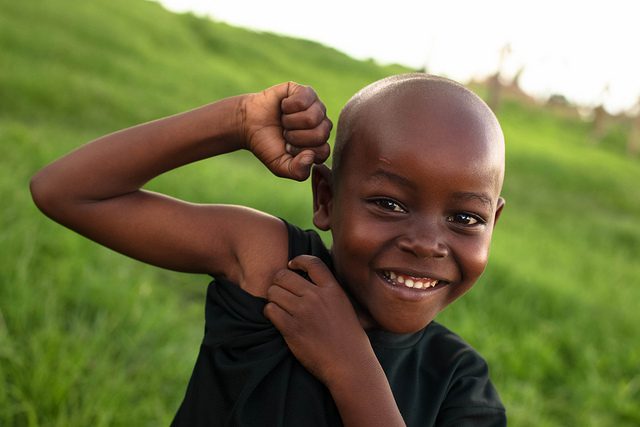
Food and Water Shortages in the Dominican RepublicNatural disasters are causing food and water shortages in the Dominican Republic, but the non-profit organization SERV International brings dry food goods and water filters to provide citizens with the basic necessities they need after severe storms hit.
Natural Disasters Bring Food and Water Shortages

Between 1980 and 2008, 40 natural disasters have affected 2.65 million people in the Dominican Republic, according to the Global Facility for Disaster Reduction and Recovery.

Hurricane season for the Caribbean Islands lasts from June to November, according to the Global Facility for Disaster Reduction and Recovery. Hurricanes bring heavy rains and high winds that can cause damage to infrastructure and crops. Flash floods and landslides are common aftereffects of these destructive storms.

Because agricultural jobs employ more than a fifth of the citizens in the Dominican Republic, the devastation of crops due to natural disasters not only destroys food for people to eat but also causes a loss of jobs. One of their most valuable crops, sugarcane, is the most affected by natural disasters, according to The World Bank.

Hurricanes and other tropical storms can also destroy pipes and sewage systems, leaving behind water polluted by fecal matter, which is where cholera thrives. The CDC defines cholera as an infectious bacterial disease that is contracted from drinking contaminated water. Side effects of this disease are vomiting, diarrhea and possible death. As of June 18, there have already been 56 confirmed deaths from cholera in the Dominican Republic this year.

On the opposite side of the spectrum, prolonged droughts are also frequent hazards that can cause food and water shortages in the Dominican Republic. UNICEF warns that droughts make finding clean water difficult and could potentially lead to malnutrition.

What is SERV International doing to help?

SERV International is a Christian-based organization that sends missionaries to deliver food and clean water to underdeveloped countries all over the world.

Katie Kasha, who is the daughter of the founder and CEO of SERV, talked to The Borgen Project about her experiences in the Dominican Republic in 2014 and 2015 after Hurricane Sandy had hit the previous year. “It all starts with food,” Kasha said. “As a result of going into communities and giving food, we have been able to build relationships and invest into those communities by planting wells and churches.”

Kasha and the rest of the SERV team have brought food to a small village called San Jose as well as a few other small sugarcane villages. Kasha described the food as a dehydrated blend of lentils, soy protein, potatoes, carrots and other vegetables.

Rachel Chapman, a sophomore at Brenau University, accompanied Kasha and the other missionaries on both trips in order to address the food and water shortages in the Dominican Republic. “When we got to the village the thing that was very interesting to me was that the people there were afraid of the rain and rainwater because of the storms they had experienced,” Chapman said. “I found it really ironic that water…the one thing needed to survive was the thing they were most scared of.”

“The villagers drank from a stone trough about 8 foot long and 4 foot deep,” according to Chapman. “There was a nasty lime green film covering the water and when you looked into the trough you could see the growth in the walls.” SERV brought water filters in hopes of providing the villagers with clean water. Chapman added that one water filter will last a family in the Dominican Republic for five years.

Kasha and Chapman will both return to the Dominican Republic in the future to continue giving out food to families and treating filthy water for those that have been affected by destructive natural disasters.

– McKenzie Hamby
Photo: Flickr

July 9, 2018
https://borgenproject.org/wp-content/uploads/borgen-project-logo.svg 0 0 Borgen Project https://borgenproject.org/wp-content/uploads/borgen-project-logo.svg Borgen Project2018-07-09 01:30:172024-05-29 22:43:02Addressing Food and Water Shortages in the Dominican Republic
Global Poverty, Nonprofit Organizations and NGOs

The Posner Center: Mobilizing Domestically

The Posner CenterIn the United States, there are thousands of organizations working to combat poverty. They run on volunteers, paid employees, and countless others who contribute through donations. They sustain themselves through their own hardwork, goodwill and the charity of others. In the heart of Denver, there is an organization called The Posner Center that is bringing these people together and getting them to mobilize domestically by providing many organizations a place to work, collaborate, learn and improve/pioneer methods for fighting global poverty.
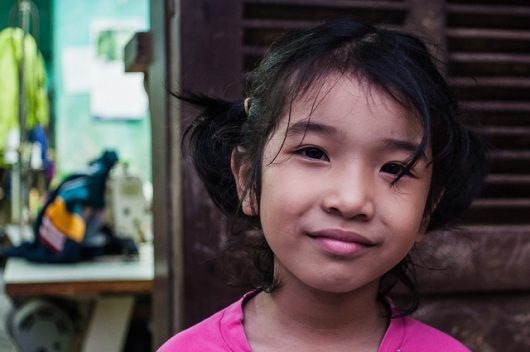
What is the Posner Center?

The Borgen Project conducted an interview with program director, Meg Sagaria-Barritt, about The Posner Center. When asked to give an overview of the organization, she informed that there are three main points of focus: “Convene, Connect, and Catalyze.” She then broke this down. “Convene means that we are Colorado’s home for international development. We have the membership of over 150 organizations that work in 100 different countries… 64 of these organizations are on-site tenants in our building.” She quickly interjected, “But we are much more than a building.” She then described what is meant by Connect, “We bring these organizations together to share their ideas. Their top executives get together to swap ideas and to improve their own organizations.” More than a building indeed, The Posner Center is an incubator for international development and collaboration. Lastly, Sagaria-Barritt explains what is meant by Catalyze, “This is the most important aspect of The Posner Center. Through Convening and Connecting, we create real change that is catalyzed right here at The Posner Center.” By mobilizing domestically, The Posner Center is bringing about change all over the world. For every staff member representing an organization in Denver, there are 37 more working internationally, 93 percent of these being native to the country in which they work.

Members Within The Posner Center

iDE is one of the organizations that holds a membership with The Posner Center. They operate on a broad spectrum, helping people from Bangladesh, Ethiopia, Nicaragua, and many more. Their main focus is on finding innovative technology that will improve the lives of the poor and destitute and then helping companies to market that technology. For instance, their WASH initiative has helped bring sanitation to thousands of homes around the world. But, the sanitation products are distributed at low cost without bankrupting the companies who produce them. The companies actually see profit from the endeavor, creating an ultimate win/win. This was one of the brilliant ideas catalyzed at The Posner Center.

On the opposite end of The Posner Center members is Starfish. Unlike iDE, they do not cover as broad a spectrum. There focus is solely in Guatemala where they invest in the lives of young girls who cannot afford education and training for employment advancement (if they are employed at all). They provide several kinds of educational programs from mentoring to university scholarships.

The Posner Center itself provides one more key function in the form of their International Collaboration Fund (ICF). The ICF offers grants to initiatives across the globe such as The Well-Siting Meter, to which they have allocated $10,000 for clean water in Cameroon and The United States. This is just one of many grants they have made, the rest of which you can find on their website where they have a transparent list of exactly where their funds are being allocated.

How To Get Involved?

Wondering how to get involved? First, The Posner Center is always taking on new tenants. Any organization that would like to take up residence and begin collaborating is welcome to apply. Secondly, The Posner Center has a newsletter, links for subscriptions can be found on the footer of their website. And lastly, visit their website and learn more about what they do. There are always ways to help out just by volunteering time.

The Posner Center is bringing people and development-oriented businesses together in Denver in order to bring about real-world change by mobilizing domestically. Its goal, according to The Nonprofit Centers Network, is to “spur innovation by enabling groups to cross-pollinate through the exchange of ideas, the overlap of programming, and the generation of more comprehensive and lasting solutions to global poverty.’”

– Zach Farrin

Photo: Flickr

July 8, 2018
https://borgenproject.org/wp-content/uploads/borgen-project-logo.svg 0 0 Borgen Project https://borgenproject.org/wp-content/uploads/borgen-project-logo.svg Borgen Project2018-07-08 15:41:282019-09-25 12:12:54The Posner Center: Mobilizing Domestically
Nonprofit Organizations and NGOs

Girls’ Education in Malawi

Girls' Education in Malawi
As of today, the literacy rate of children in Malawi is considerably higher than its neighboring countries in Africa, with 72 percent of the youth aged 15 to 24 able to read and write. But, closer inspection of data reveals that the state of girls’ education in Malawi is still in critical condition.

With more than 85 percent of its population living in rural areas, Malawi faces a critical problem of girls under-enrolled and outnumbered in the majority of its primary schools.

Furthermore, primary education attendance does not mean that students will automatically go on to pursue higher level education. Only 6 percent of girls graduate from high school each year, with only 2.9 percent going on to seek post-secondary education studies.

Barriers to Girls’ Education in Malawi

Multiple barriers still exist for girls to seek out proper primary and secondary education.

  • Child marriage in Malawi is still a prominent cultural practice, with more than 40 percent of girls married by the time they are 18.
  • The prevalence of HIV/AIDS is another barrier that prevents girls from finishing school. An estimated 12 percent of the current sexually active population in Malawi live with the HIV/AIDS virus.
  • Due to widespread poverty in Malawi, educating children is a heavy burden for many families. When faced with a choice, parents will often choose to invest in education for their sons instead of daughters. Therefore, there is a dire need to promote the education of women and children in Malawi in order to improve their quality of life.

Improvements to Girls’ Education in Malawi

The Girls Attainment in Basic Literacy and Education Program (GABLE) was launched in 1991 with support from USAID. Its main objectives were to increase the government’s financial resources used for education and to improve on the quality, availability, and efficiency of education, especially for young women.

The program was a success in reforming education policies from no longer requiring students to purchase and wear uniforms in 1992 to completely abolishing all school fees in 1994. There was also the significant advancement of girls’ education in Malawi, as leftover funds were used as scholarships to support young women in secondary school.

From 1994 to 2005, the number of girls enrolled in primary school has more than doubled.

Girls’ Education and Health

Organizations like Advancing Girls’ Education (AGE) in Africa are also currently working on the advancing girls’ education in Malawi. Through providing teenage girls with resources and information needed to complete their secondary education, the organization hopes to encourage young women to make healthy and educated life choices that will better their living conditions in adulthood.

Among their tactics is the education of young women in school about the HIV/AIDS virus. Studies show a link between education and a woman’s likelihood to abstain from sex and overall have fewer sexual partners. Since HIV/AIDS is so prominent in Malawi, it is extremely important that sexually active women, many of whom are under 18, are educated on the matter.

Opening up doors for girls to have access to primary and secondary education is a stride towards stopping the spread of the pandemic in Malawi.

Education is not only a fundamental right for the youth of today, but it is now seen as one of the many solutions to ending global poverty. Through the empowerment of young women in Malawi, organizations like AGE Africa are able to break through cultural walls that keep the girls from receiving the education they need and deserve.

– Winda Wanikpun
Photo: Flickr

July 4, 2018
https://borgenproject.org/wp-content/uploads/borgen-project-logo.svg 0 0 Kim Thelwell https://borgenproject.org/wp-content/uploads/borgen-project-logo.svg Kim Thelwell2018-07-04 15:40:532024-05-29 22:42:56Girls’ Education in Malawi
Education, Nonprofit Organizations and NGOs

Recovering: Nonprofits Improve Education in Cambodia

Education in Cambodia
During the rule of the Khmer Rouge, lasting from 1975-1979, education in Cambodia experienced a dramatic setback as schools were destroyed and teachers and educators were executed. In the aftermath of this destructive period, Cambodia attempted to rebuild its education system. But today, only about half of school-age children are enrolled.

Cambodian History

The Khmer Rouge, led by Marxist politician Pol Pot, came into power in 1975, when their army took hold of Cambodia’s capital and overthrew the former government. This time in history became known as “Year Zero,” a term derived from the new calendar set in place during the French Revolution. The regime became known for its repressive actions, paranoid ideology, and most importantly, widespread, systematic cruelty.

With the agenda of pursuing an agrarian ideal, the Khmer Rouge led the Cambodian genocide, expelling foreigners, minorities and anyone who resisted the government. The execution grounds — where over a million victims were killed and buried — were called the “killing fields,” and many who toiled in the farms also died from starvation or being overworked.

Intellectuals were seen as dissidents and often specifically targeted, and schools were frequently closed. Children were viewed as blank slates who could easily be manipulated to adhere to Khmer Rouge ideology. After the Khmer Rouge were driven out of Cambodia, the model of education in Cambodia had to be completely recreated from scratch, and schools very slowly began to reemerge in society.

Non-Profit Organizations in Cambodia

Non-profit organizations have helped to support the growth of Cambodia’s children by offering opportunities for education. The organization Tassel acknowledges that the country is still recovering from the trauma of the Khmer Rouge and faces setbacks such as poverty and the challenge of rebuilding itself socially.

Tassel offers children in rural areas free English language education, giving them the skills to read textbooks and sustain jobs later in life. Tassel operates in accordance with its values of compassion and quality, as well as with its volunteer-based structure. The program strives to lift Cambodia out of a darkened past when teachers were persecuted, in hopes of reconstructing the school system.

Programs such as Aziza’s Place, a non-profit learning and development center, enhance the development of underprivileged children in Phnom Penh. Founded in 2007, the organization holds tutoring sessions to support students who have missed school, helping them to gain footing in public schools. Aziza’s Place also provides English language lessons and computer classes, where children can learn to use Microsoft Office and Adobe Photoshop.

In addition, children have the opportunity to study the arts and participate in sports. Other programs such as Tuk Tuk for Children strive to bring children in rural Cambodia education, sanitation and entertainment. Tuk Tuk recognizes that many youngsters have to work to support their families, a reality that can interfere with their academic and social growth.

The organization hosts Tuk Tuk Theatre, which brings children fun activities and informal education on topics such as geography, yoga and sanitation. The group also created Tuk Tuk Mobile Library, a system that circulates books through six different preschools.

Education in Cambodia

The efforts of non-profits such as Tassel, Aziza’s Place and Tuk Tuk for Children have helped to restore vibrancy to the lives of children and provide them with educational opportunities. Cambodia is a country grappling with a harsh history, brought about by the destructive rule of the Khmer Rouge.

Under this regime, the education system was toppled, intellectuals were executed and schools were wiped out. Since this period, the nation has rebuilt its education system entirely from scratch. Organizations that support education in Cambodia have helped to offer the country a new direction in its children’s growth and, hopefully, a brighter future.

– Shira Laucharoen
Photo: Flickr

June 30, 2018
https://borgenproject.org/wp-content/uploads/borgen-project-logo.svg 0 0 Kim Thelwell https://borgenproject.org/wp-content/uploads/borgen-project-logo.svg Kim Thelwell2018-06-30 01:30:272024-05-29 22:42:55Recovering: Nonprofits Improve Education in Cambodia
Children, Homeless, Nonprofit Organizations and NGOs

Four Organizations Helping Homeless Children in Vietnam


Vietnam’s homeless children were coined “children of the dust” or “street children” and frequently live in large, bustling cities, like Ho Chi Minh and Hanoi. However, organizations have initiated direct community engagement and support for street children by building children’s shelters.

According to the Human Rights Watch, there were approximately 23,000 homeless children in Vietnam in 2006. As impoverished families become unable to support their children, many turn to the streets in search of work.

A majority of street children are boys who find cheap labor in cities, such as Hanoi. Common jobs include shoe-shining and street vending in public spaces. Due to the difficulty of maintaining a stable income on the streets, the Human Rights Watch reported that homeless children in Vietnam often earn an estimated 20,000 dong, about $1.25 each day.

To address these growing concerns, four organizations have made progress in aiding Vietnam’s street children.

Blue Dragon Children’s Foundation

Since 2004, the foundation has reached more than 2,000 children and currently has 400 children using their programs. The Step Ahead program focuses on caring for both street and disabled children, using “social workers, lawyers, psychologists, teachers and residential care staff” to provide children’s shelters, tutoring services and legal assistance.

Additionally, the Step Ahead program promotes an outreach team to directly provide healthcare and shelters for homeless children in Vietnam. A drop-in center is also available for children to socialize and meet with social workers.

Family 4

Family 4 currently operates several children’s shelters, which serve as home to 30 children, aged 6 to 18 years. According to Family 4, the children are “orphans, or children from extremely impoverished families whose parents could no longer provide for them.”

Four social workers, called “mothers,” are responsible for establishing a familial environment to create healthy relationships with the children, paying close attention to their health and developmental needs. Education is also encouraged by the shelter, spanning from kindergarten to college.

For example, Dat, a former child at Family 4, received his university degree in Agricultural Engineering and currently works as an organic strawberry farmer. Dat became a member of Family 4 in 2004, after his single mother struggled to afford care for him and his siblings.

Children of Vietnam

The organization focuses on reaching children through education, healthcare, housing, nutrition and disaster relief. For instance, scholarships are distributed for both education supplies and hospital bills.

In 2005, a tutoring program was implemented within the Da Nang Street Children program to increase high school graduation rates. For example, in 2013 alone, the program reached 154 children. Moreover, the Bright Scholars Club formed in 2012 to aid women toward financial stability, allowing greater privileges for their children.

More recently, in 2013, the program built six “new compassion houses,” ten toilets and made housing repairs for four families. Roof repair was also completed at the Hoa Mai orphanage. Children of Vietnam also provided 248 families with disaster relief for floods.

Friends of Hue Foundation

The children’s shelter is just one of several projects supported by this foundation. Founded in 2000, after a serious flooding in Hue, the foundation originally centered its mission on disaster relief, but has since expanded to programs, such as the children’s shelter.

The shelter implements “extracurricular activities and classes such as traditional Vietnamese music, piano, dance and art classes” in addition to career counseling and an English-language program. Since its initiation, the Friends of Hue Foundation has enabled 20 children to leave the shelter and pursue “formal education” and various careers.

“Children of the dust” now have greater access to shelters offering healthcare, education and safety from the streets. As organizations recognize and employ programming for street children, their futures look more hopeful than ever.

– Christine Leung

Photo: Flickr

June 25, 2018
https://borgenproject.org/wp-content/uploads/borgen-project-logo.svg 0 0 Borgen Project https://borgenproject.org/wp-content/uploads/borgen-project-logo.svg Borgen Project2018-06-25 01:30:252024-06-05 02:12:19Four Organizations Helping Homeless Children in Vietnam
Global Health, Global Poverty, Nonprofit Organizations and NGOs, Women's Empowerment

10 Facts About the Myna Mahila Foundation

Myna Mahila Foundation
The Myna Mahila Foundation is an NGO that was founded by Suhani Jalota in 2015 during her studies at Duke University. The organization’s goal is to create a social enterprise that can improve women’s access to menstrual healthcare.

In India, 23 million girls drop out of school early because they begin menstruating. The Myna Mahila Foundation aims to address this problem of girls missing school and limiting their potential because of their periods. The foundation has recently gained global attention due to high involvement with Meghan Markle, the Duchess of Sussex. The following are 10 facts about the Myna Mahila foundation that everyone should know.

10 Facts About the Myna Mahila Foundation

  1. The three goals of the foundation are improving menstrual hygiene affordability, generating female employment in slums and building women’s networks. The foundation manufactures low-cost high-quality sanitary napkins and sells them door to door, thus employing women in the Mumbai slums and providing affordable sanitary products to those in need.
  2. The foundation not only aims to have a direct impact by providing employment and affordable hygiene products, but it also wants to start a conversation about this issue and how it affects women in India and around the world.
  3. In 2018, founder Suhani Jalota was honored by Forbes 30 under 30 Asia. She was also previously honored with the Queen Young Leaders Award, the Melissa and Doug Entrepreneurship Fellowship and a Glamour Magazine Award.
  4. Meghan Markle wrote about the Myna Mahila Foundation for TIME in 2017. Additionally, Suhani Jalota attended the royal wedding of Prince Harry and Meghan Markle in May along with three other members of the foundation, Archana Ambre, Deborah Das and Imogen Mansfield.
  5. Less than a year after its creation, the foundation had already reached 1,500 women across five slums in Mumbai both through employment and hygienic products.
  6. There are over 3,000 regular users of Myna pads in India.
  7. Over 500,000 pads have been manufactured since the foundation was created.
  8. In addition to the menstrual hygiene initiative, the Myna Mahila Foundation also provides opportunities for women to work from home so they can take care of their children. The organization also collects donations such as books, toys and clothes and makes these available to people from the slums.
  9. The foundation empowers its staff by providing education in English, Math, health, computers and self-defense.
  10. The Myna Mahila Foundation was chosen by the Duke and Duchess of Sussex, Meghan Markle and Prince Harry, as one of the charities where guests were to send contributions in place of wedding gifts. This has brought a large amount of attention to the foundation and its efforts.

These important facts about the Myna Mahila Foundation reveal the organization’s enormous impact on Indian women and on the issue of menstrual hygiene. The organization is expanding beyond its original goal, changing lives with education and work opportunities and improving the way women feel about their bodies.  

– Luz Solano-Flórez
Photo: Flickr

June 24, 2018
https://borgenproject.org/wp-content/uploads/borgen-project-logo.svg 0 0 Borgen Project https://borgenproject.org/wp-content/uploads/borgen-project-logo.svg Borgen Project2018-06-24 01:30:092019-10-06 19:36:0910 Facts About the Myna Mahila Foundation
Page 33 of 60«‹3132333435›»

Get Smarter

  • Global Poverty 101
  • Global Poverty… The Good News
  • Global Poverty & U.S. Jobs
  • Global Poverty and National Security
  • Innovative Solutions to Poverty
  • Global Poverty & Aid FAQ’s
Search Search

Take Action

  • Call Congress
  • Email Congress
  • Donate
  • 30 Ways to Help
  • Volunteer Ops
  • Internships
  • Courses & Certificates
  • The Podcast
Borgen Project

“The Borgen Project is an incredible nonprofit organization that is addressing poverty and hunger and working towards ending them.”

-The Huffington Post

Inside The Borgen Project

  • Contact
  • About
  • Financials
  • President
  • Board of Directors
  • Board of Advisors

International Links

  • UK Email Parliament
  • UK Donate
  • Canada Email Parliament

Get Smarter

  • Global Poverty 101
  • Global Poverty… The Good News
  • Global Poverty & U.S. Jobs
  • Global Poverty and National Security
  • Innovative Solutions to Poverty
  • Global Poverty & Aid FAQ’s

Ways to Help

  • Call Congress
  • Email Congress
  • Donate
  • 30 Ways to Help
  • Volunteer Ops
  • Internships
  • Courses & Certificates
  • The Podcast
Scroll to top Scroll to top Scroll to top