• Link to X
  • Link to Facebook
  • Link to Instagram
  • Link to TikTok
  • Link to Youtube
  • About
    • About Us
      • President
      • Board of Directors
      • Board of Advisors
      • Financials
      • Our Methodology
      • Success Tracker
      • Contact
  • Act Now
    • 30 Ways to Help
      • Email Congress
      • Call Congress
      • Volunteer
      • Courses & Certificates
      • Be a Donor
    • Internships
      • In-Office Internships
      • Remote Internships
    • Legislation
      • Politics 101
  • The Blog
  • The Podcast
  • Magazine
  • Donate
  • Click to open the search input field Click to open the search input field Search
  • Menu Menu

Archive for category: Mental Health

Global Poverty, Mental Health, Refugees and Displaced Persons

Making Mental Health in Global Aid a Priority

Making Mental Health a Priority in Global AidMental health remains underrepresented in global humanitarian response. According to the World Health Organization (WHO), common mental health conditions account for 10% of the global disease burden, yet mental health programs receive less than 2% of international health funding. In humanitarian settings, mental health challenges are widespread: data from the United Nations High Commissioner for Refugees (UNHCR) indicates that up to one in three displaced individuals may experience depression, anxiety or post-traumatic stress. In conflict zones, refugee camps and low-income communities, unaddressed trauma and psychological distress hinder recovery, education and development. These conditions often go untreated, limiting the effectiveness of education, health and livelihood interventions.

Mental Health in Crisis Settings

Access to mental health care remains limited in many low-income countries. In Syria, more than half of displaced children report symptoms of depression and anxiety, but only a small portion receive psychological support, as reported by Médecins Sans Frontières. Children with untreated mental health conditions often struggle in school. Adults experiencing psychological trauma may find it difficult to participate in the workforce, while entire communities suffer from weakened social cohesion. These ongoing challenges perpetuate the cycle of poverty.

A Shift Toward Integrated Solutions

Several organizations now recognize the value of integrating mental health into humanitarian aid. The International Rescue Committee (IRC) equips local health workers in Lebanon and South Sudan with training in psychological first aid and ongoing mental health care. This approach ensures sustainability and culturally appropriate care while reducing stigma.

In Nepal, Transcultural Psychosocial Organization (TPO) runs community-based mental health programs that are both cost-effective and scalable. By training teachers, social workers and community leaders to identify and refer individuals with mental health needs, TPO Nepal ensures that services reach even the most remote areas. These community-based models improve sustainability and reduce stigma.

Mental Health Crisis Among Marginalized Groups

Even in high-income nations, marginalized communities face significant mental health challenges. Indigenous groups in Canada and Australia report high rates of suicide and depression linked to intergenerational trauma and systemic neglect. A 2023 report by the United Nations Permanent Forum on Indigenous Issues called for culturally grounded mental health services as part of international development partnerships.

In British Columbia, Canada’s First Nations Health Authority has launched community-led healing programs rooted in Indigenous traditions. These initiatives, supported in part by development funding, serve as a model for mental health in global aid that respects cultural identity while addressing clinical needs.

Likewise, refugee communities in Europe face significant barriers to mental health care. Programs like the Mental Health and Psychosocial Support Network bridge the gap by providing trauma-informed therapy to displaced people from Syria, Afghanistan and other war-torn countries. 

The Economic and Social Payoff

According to the World Bank, each dollar invested in mental health generates a $4 return through better health outcomes and increased productivity. According to the WHO, untreated depression and anxiety in low-income countries cost  $1 trillion annually. Moreover, mental health support enhances the effectiveness of other aid sectors. For instance, in education, children receiving psychosocial support are more likely to stay in school. In post-conflict reconstruction, communities with mental health services are better equipped to rebuild trust and social infrastructure.

Moving Forward

Expanding the role of mental health in humanitarian aid involves increasing financial investment, integrating psychological support into broader health initiatives and supporting community-based, culturally informed services. Training local health workers can potentially improve the accessibility and continuity of care while helping reduce stigma. As humanitarian needs become more complex, aligning mental health with long-term development efforts could enhance the overall effectiveness and sustainability of global aid.

– Rhasna Albuquerque

Rhasna is based in Fortaleza, Brazil and focuses on Good News and Celebs for The Borgen Project.

Photo: Flickr

May 23, 2025
https://borgenproject.org/wp-content/uploads/borgen-project-logo.svg 0 0 Precious Sheidu https://borgenproject.org/wp-content/uploads/borgen-project-logo.svg Precious Sheidu2025-05-23 07:30:142025-05-22 09:22:41Making Mental Health in Global Aid a Priority
Global Poverty, Homelessness, Mental Health

Mental Health and Homeless Youth in East Asia

Mental Health and Homeless YouthHomelessness and mental health are problems that exist around the world, developed and undeveloped countries alike. Among homeless youth in East Asia and Southeast Asia, mental health is a massive issue. These youth typically become homeless due to past abuse, and usually experience more while on the streets; past research has shown that homeless youth are highly susceptible to sexual exploitation and prostitution. 

This demographic of homeless youth reports high rates of mental health issues, such as depression, PTSD, bipolar disorder and suicidal ideation, with suicide being their leading cause of death, and 80% of the population having reported attempting suicide at some point. To cope with these issues, many turn to substance abuse and other maladaptive coping mechanisms. 66.7% report drinking problems, and 77.8% report smoking problems. 

Causes of Homelessness

There are various reasons why youth become homeless in the first place. It is worth mentioning that one primary cause of poverty in the East Asian Pacific region is natural disasters. Natural disasters like earthquakes and tsunamis affect East and Southeast Asia more than most other regions in the world, making them a significant and notable contributor to homelessness that might not necessarily apply or apply as much to other regions around the globe, according to a 2024 article.

Poverty can cause stress and subsequent dysfunction in the home, driving children and young people away. A 2024 article found that parental abuse was the most common reason (40.7%) for leaving home, especially from fathers. General family conflict follows at 29.6%. 

Cultural Differences

Treating these problems requires understanding and accommodating the differences in cultural attitudes between Eastern and Western societies. Due to the way Eastern cultures raise kids to view themselves, their obligation to and role within family and the way they view mental health itself, means that Western mental health techniques do not always transfer or have the same result.

For example, Western programs tend to emphasize working with direct service providers and place a lot of value on individual autonomy. Conversely, services and government interventions in the East Asian Pacific regions might put more emphasis on family and community support.

Few components of culture influence mental health and responses to mental health treatment. The first is emotional expression: depending on what level of emotional outburst or emotional behavior is considered acceptable in a given culture, it will be easier or harder to identify when a person needs help. The second and likely most influential element is shame: many cultures, especially Asian cultures, see mental illness as something shameful or born out of weakness.

Individuals may be hesitant to seek treatment because it means admitting to themselves and to a mental health professional that they are struggling. Individuals may also be reluctant to interact with a mental health professional because of the third element, “power distance,” according to the Frontiers in Public Health. Regulations on mental health treatment and the power given to mental health professionals vary from country to country, having varied implications about autonomy and the power dynamic within a therapeutic relationship. 

Results 

A 2024 article revealed the results of eight studies conducted throughout Malaysia, South Korea and the Philippines. These studies researched the impacts of various mental health interventions on homeless youth, including art therapies, cognitive behavioral therapy (CBT), life skills education (LSE) and government services.

A Philippines-based study found visual art and poetry psychotherapies to be effective for abused adolescents in reducing symptoms of PTSD and depression, measured via Child Report on Posttraumatic Symptoms (CROPS) and Self-Rating Depression Scale (SDS). It was noted that art therapies seemed to also help empower homeless youth to engage actively in their own treatment.

A study on CBT implemented in South Korea measured impacts on depression, self-efficacy, and self-esteem. While the treatment resulted in increased self-efficacy and a significant decrease in depression, there appeared to be no significant difference in self-esteem pre- and post-test. LSE treatment, however, was successful in increasing self-esteem, as well as decreasing anxiety, depression and stress, according to a study out of Malaysia.

Closing Thoughts

While these mental health interventions have appeared to be successful, one of the key takeaways is that it is difficult to treat this demographic when there is no universally accepted definition of homelessness. Every study and every country uses different definitions, which leaves large gaps in understanding both the nuance and variation within the “homeless” experience and the actual overall figures of the demographic. Whether or not an individual fits within a jurisdiction’s given definition of homelessness may determine whether or not mental health and homeless services are provided to them; this makes the varying definitions of homelessness a possible barrier to mental health services. 

– Sandhya Mathew

Sandhya is based in Los Angeles, CA, USA and focuses on Global Health for The Borgen Project.

Photo: Pixabay

May 19, 2025
https://borgenproject.org/wp-content/uploads/borgen-project-logo.svg 0 0 Lynsey Alexander https://borgenproject.org/wp-content/uploads/borgen-project-logo.svg Lynsey Alexander2025-05-19 01:30:032025-05-18 23:59:54Mental Health and Homeless Youth in East Asia
Global Poverty, Health, Mental Health

Cultural Expectations Shape Men’s Mental Health in Uganda

Men's Mental Health in UgandaIn Uganda, a country in East Africa, men’s mental health is an issue that tends to be ignored and often overlooked. Cultural expectations have left men with little to no room to bring their psychological problems forward. This results in “serious consequences, including untreated depression and increased risk of suicide.”

The Burden of Masculinity

Men in Uganda face the expectations of appearing physically and mentally strong. These expectations can put a strain on their mentality and ability to come forward with emotional struggles. Traditional gender norms view men’s mental health as insignificant. It is seen as a weakness if a man cannot restrain his emotions.

Masculinity in Uganda is traditionally achieved through authoritative attitudes, control and being the provider and protector of their families. The pressure to provide and always appear strong can cause built-up anger or depression, leading to domestic abuse and an absent role in the family. Societal expectations for men to suppress their emotions prevent healthy coping mechanisms, which is worsened by the lack of services available to confront men’s mental health issues.

Mental Health Challenges

Mental health is not prioritized in Uganda, leaving the country as one of the top six in Africa with depressive disorders. Indeed, out of the total 4.6% who live with depressive disorders and 2.9% with anxiety disorders, 3.6% consist of men. The most common mental health challenges among men in Uganda include depression, anxiety and high stress levels.

With a lack of mental health services, some men turn to alcohol and substance abuse, with the possibility of suicide attempts. Alcoholism stems from men’s mental health issues in Uganda. They “are estimated to have one of the highest alcohol per capita consumption levels in sub-Saharan Africa.” The number of men who depend on pure alcohol sits at an estimated 4.2%, with a total consumption of 16 liters each year.

Resources to combat men’s mental health are scarce and mainly based in urban centers. Uganda as a whole has 53 psychiatrists, approximately one psychiatrist per 1 million people. Kampala, the country’s largest city, has a single psychiatric hospital. This lack of access to services highlights the challenges individuals with mental health issues in Uganda face.

Support Networks for Ugandan Men

Multiple steps have been taken in recent years to address Ugandan men’s mental health challenges. Indeed, support groups for fathers in Uganda are one example.  It’s been shown that early involvement in their child’s life challenges stereotypes, creating a better individual and life at home.

Plan International has provided Ugandan men with an environment where they can speak openly about the issues they may be having at home. Furthermore, they advise on better communication and coping techniques. Similarly, local organizations such as StrongMinds are working to supply mental health care and bring further awareness to the cause.

StrongMinds has provided group therapy sessions where comfort is offered to men who go against cultural expectations and choose to express their emotions. Special programs have also been applied in Ugandan prisons and the Ugandan police force. In these programs, relationship issues, struggles with individual or gender roles and grief are discussed, offering empowerment through communal support.

Conclusion

Mental health remains a complex and often stigmatized issue for men in Uganda, however, meaningful progress is being made. Indeed, through support groups, therapy sessions, and targeted programs, more men are finding safe spaces to express themselves, challenge harmful stereotypes, and build healthier relationships.

– Sarina Francis

Sarina is based in Tallahassee, FL and focuses on Global Health for The Borgen Project.

Photo: Flickr

May 18, 2025
https://borgenproject.org/wp-content/uploads/borgen-project-logo.svg 0 0 Lynsey 2 https://borgenproject.org/wp-content/uploads/borgen-project-logo.svg Lynsey 22025-05-18 01:30:242025-05-18 00:55:41Cultural Expectations Shape Men’s Mental Health in Uganda
Global Health, Global Poverty, Mental Health

Bridging the Gap: Mental Health Care in the Philippines

mental health PhilippinesIn 2024, the Philippines, a country of more than 100 million people, counted only 1,821 mental health care specialists, falling drastically short of the World Health Organization (WHO) recommended standards. This substantial workforce shortage presents a significant obstacle to accessing mental health care in the Philippines.

Background

According to 2023 data from the Department of Health (DOH), more than 3.6 million Filipinos suffer from mental health conditions, neurological and substance use disorders. Among the most prevalent conditions are major depressive disorder, affecting more than 1.1 million people; bipolar disorder, affecting over 520,000; and schizophrenia, affecting more than 213,000, Inquirer reports.

The mental health crisis escalated during the pandemic. Suicide rates rose by 57.3% between 2019 and 2020, and by 2023, Eastern Visayas had nearly doubled its suicide cases. Additionally, surveys show that one in 10 students has attempted suicide.

For many Filipinos, stigma and shame continue to stand in the way of accessing mental health care in the Philippines. Furthermore, the public mental health infrastructure remains scarce, with only four mental hospitals, 46 psychiatric inpatient units and 29 outpatient facilities nationwide.

As a result, many Filipinos rely on private providers and NGOs, although these services are often unaffordable or unavailable, WHO reports.

Framing Mental Health Through National Policy

Recognizing these challenges, recent efforts have focused on strengthening mental health care in the Philippines through targeted reforms and international collaboration.

The Philippines was a part of WHO’s Special Initiative for Mental Health. This initiative assists a global effort to integrate high-quality mental health care into the core of universal health systems by enhancing access to quality and affordable mental health services.

As part of this special initiative, the WHO calls on governments to integrate mental health into Universal Health Coverage (UHC) systems to ensure access to care without financial hardship.

Philippine Council for Mental Health

Introduced in 2023, the Philippine Council for Mental Health (PCMH) Strategic Framework 2024–2028 aims to enhance treatment accessibility, expand community-based initiatives and uphold mental health as a fundamental human right.

This five-year strategic plan aims to reduce the susceptibility of individuals and communities to substance use, neurological and mental disorders and to prevent and treat substance abuse effectively. The PCMH advocates for the essential human right to mental health through the implementation of critical policies. Initiatives encompass enhancing referral mechanisms and instituting the Mental Health Internal Review Board. Media training is conducted to guarantee proper reporting and representation of suicide.

To close the mental health gap, the DOH provided training in mental health to both health and non-health professionals, boosting early intervention at the primary care service level. The primary care package offers mental health outpatient services, including 12 consultations, follow-up diagnostics, psychoeducation and psychosocial support through medicine access sites.

The National Center for Mental Health now operates crisis hotlines around the clock to provide continuous mental health support.

Expanding Mental Health Care Across Sectors

Aiming to construct more mental health-responsive communities, the government launched initiatives across various agencies and educational institutions. Indeed, these efforts led 78,449 private companies to implement mental health workplace policies that support employee safety and well-being, WHO reports. To help health workers manage stress, 54 hospitals applied “behavioral nudges” and government agencies launched the Healthy Learning Institutions (HLI) Framework in 273 last-mile elementary schools, implementing a broad range of mental health measures.

The DOH is incorporating mental health responsiveness into the UHC framework by reformulating medical education and licensure criteria to facilitate integration initiatives. New rules mandate that future doctors, nurses and allied health professionals receive training to recognize and address mental health disorders within primary care settings. These initiatives facilitate the integration of mental health support into the daily environments where individuals live, work and study.

Maintaining mental health investment in education, workforce, and financing sets the foundation for a more equitable UHC system and increases mental health care in the Philippines, improving community health and resilience.

– Imge Tekniker

Imge is based in London, UK and focuses on Global Health for The Borgen Project.

Photo: Flickr

May 5, 2025
https://borgenproject.org/wp-content/uploads/borgen-project-logo.svg 0 0 Naida Jahic https://borgenproject.org/wp-content/uploads/borgen-project-logo.svg Naida Jahic2025-05-05 01:30:282025-05-05 00:36:40Bridging the Gap: Mental Health Care in the Philippines
Global Poverty, Health, Mental Health

Mental Health in Palau

Mental Health in PalauPalau is a small country in the western Pacific Ocean and one of the first west-pacific islands that people settled, specifically those from Southeast Asia. It is a relatively isolated area surrounded by the ocean, with most of its islands lying within a large, extensive lagoon. With about 17,600 people, there is a great sense of community on the island, the people well-known for their hospitality and welcoming nature. Although the island is very healthy with a great ecosystem and marine environment, and the people have created a strong, invigorating community, mental health in Palau is still unstable due to the lack of specialized care.

The Facts 

Depression affects 5.2% of Palau’s adult population, including 6.7% of young adults and 6.5% of elderly adults suffer from depression. This makes up about 920 people out of Palau’s entire population. To put this into perspective, 5.2% of the United States of America’s population is about 16.3 million people.

Anxiety affects 4.3% of adults, 10.5% of young adults and 4.3% of elderly adults suffering from anxiety. Anxiety is significantly more prevalent in young adults compared to any other age group. 4.3% of Palau’s population is about 760 people.

About 2.3% of adults in Palau suffer from suicidal ideation, being significantly more prevalent in young adults. Meanwhile, about 8.5% of young adults and 0.6% of elderly adults suffer from suicidal ideation. Palau also has a high rate of schizophrenia, according to the National Library of Medicine.

Links Between Poverty and Mental Health

While it is often hard to recognize, depression and anxiety have a huge influence on a person’s work ethic. Depression often leads to a lack of motivation, exhaustion, careless attitude and reclusive tendencies. This behavior can prevent a person from keeping a job or pursuing a career, leading a person towards financial issues, and if not helped, can cause a person to slip into poverty.

Anxiety also creates challenges that affect work ethic. Anxiety tampers with energy, concentration and sleep. Oftentimes, it is difficult to make a decision or pay attention to the task at hand, lowering a person’s quality of work. Anxiety may also prevent a person from attending work due to fear of commitment or embarrassment. Similar to depression, this can manifest financial instability and lead to poverty.

Schizophrenia, among all other mental health conditions, is one of the most connected mental illnesses to poverty. A big part of this is due to schizophrenia’s impact on a person’s social life, such as reclusive behavior, trouble communicating and negative effects on social cognition, making employment a difficult task.

Those with poor mental health are more likely to have addictions to drugs and alcohol, another major influence on poverty due to low work performance and work ethic. While poor mental health can be a leading cause for poverty, oftentimes poverty is the cause of poor mental health, increasing stress and hopelessness, often resulting in social rejection and loneliness, making it hard to re-establish financial stability.

Lack of Services

As the country is small and isolated, accessible mental health care is sparse. Psychology is an ambitious field to pursue, and there are only so many people on such a small island who have the ability or desire to join a career in psychology. The further from the main island, the less the population, which further decreases the number of people who are interested or knowledgeable about mental health.

While it is difficult to pinpoint the exact number of behavioral health care professionals in Palau, an interview in 2019 of 17 health care professionals showed that there was only one in behavioral health care.

Current Solutions

Since 2008, when the United Nations Development Programme (UNDP) signed a Standard Basic Assistance Agreement, the UNDP has strengthened health systems, helped address the impacts of COVID-19 and rehabilitated three community health centers. These produce positive influences on mental health in Palau through the creation of stronger, more reliable health centers and helping those who COVID-19 impacted get back on their feet.

UNICEF Pacific Islands heavily focuses on children’s education and health care. It originated in 1997 and has made strong efforts to help children lead a good life. It helps not only Palau but also the entirety of the Pacific Islands. UNICEF Pacific Islands provide mental health assistance in emergency settings, and is working to integrate mental health into education and have established the Global Coalition for Youth Mental Health.

Since Palau gained its independence in 1994 and established diplomatic relations with the United States of America, the U.S. has provided a lot of government and economic assistance. Currently, the United States provides financial aid through the Compact of Free Association (COFA), which can be used to fund health care systems, education and take care of Palau’s architecture and environment, crucial for Palauans’ mental and physical health.

Looking Ahead

With the current help of these organizations and Palau’s already thriving community and healthy environment, the people can continue to improve and stabilize mental health through community support, providing a sense of belonging and safety that encourages people to speak out and advocate for mental health in Palau.

– Sevyn Whatley

Sevyn is based in Toronto, Ontario, Canada and focuses on Global Health for The Borgen Project.

Photo: Unsplash

May 1, 2025
https://borgenproject.org/wp-content/uploads/borgen-project-logo.svg 0 0 Jennifer Philipp https://borgenproject.org/wp-content/uploads/borgen-project-logo.svg Jennifer Philipp2025-05-01 01:30:372025-05-01 00:09:57Mental Health in Palau
Disability, Global Poverty, Mental Health

Disability and Poverty in Panama in 2025

Disability and Poverty in PanamaPanama struggles with poverty. As of 2019, 21.5% of the population in Panama is living in poverty. With the last recorded population count at around 4.459 million people, that would mean that almost 1 million are currently below the poverty line in the country. However, a major demographic within those impoverished in Panama is the disabled population.

The troubles of poverty can be amplified for those living with either physical or mental disabilities. As of 2010, about 5% of Panamanian adults suffer from functional difficulty. These people often have lower chances of finding a job or finishing their education, which in turn harms their ability to improve their standards of life. This can often lead to disability and poverty intertwining and reinforcing each other, making it harder for people with these disabilities to get themselves out of poverty. In fact, disabled people in Panama have a poverty rate of 46% as opposed to 19% for those without a disability.

The Panamanian Social Security Fund (CSS) has been an important organization for supporting the country’s disabled population, mainly by handling social security benefits to those in need since 1941. However, with a new law implemented, the country grows concerned over how much the organization will be able to help fight against disability and poverty in Panama.

New Law and What It Means for Panama

The Panamanian government officially implemented Law No. 462 on March 18, 2025. According to Morgan & Morgan, this law implements a number of structural changes to how the CSS will administer benefits, including automatically taxing independent professionals with a 9.3% tax income to cover a number of contributions. This will include benefits to the disabled.

However, Panamanian citizens have expressed concern over how this law will affect them, as unions express concern about a shift in focus towards individual workers for pensions. Protesters are also claiming that this law will mostly benefit the companies rather than the individuals that might need these pensions. However, it is unclear how this law will affect the fight against disability and poverty in Panama.

Organizations That Address Disability and Poverty in Panama

While it is unclear how this law will affect Panama in the long run, it is important that citizens from outside of the country know how poverty is heavily affecting the disabled population. As for what can be done, there are organizations outside of the CSS that have taken to also fight against disability and poverty in Panama. Here are a couple of examples:

  • Fundación Oír es Vivir: Fundación Oír es Vivir  is an organization that specializes in preventing and treating deafness, and it has partnered with the global organization Hidden Disabilities Sunflower to spread awareness and care for deaf Panamanians. Dr. Cynthia Guy founded Fundación Oír es Vivir in 2008 and the organization raised more than 15,000 pounds to restore hearing to 100 children in a current project. The organization’s end goal is to raise around 25,000 pounds to help families who cannot usually afford to restore their children’s hearing; this will serve as a great opportunity for all of these families to improve their chances of breaking the poverty cycle. Hidden Disabilities Sunflower also has a branch in Panama, although its website is exclusively in Spanish.
  • Special Olympics: Special Olympics is an organization working in Panama that promotes physical health for both physically and mentally disabled children and adults. It also promotes disabled athletes and has 2,565 athletes from Panama registered according to its fact sheet. Improved physical health may help disabled people and hopefully leave put in a better position to garner employment.

Looking Ahead

Poverty will always be difficult to combat, but those who struggle with a disability alongside poverty need even more special support, both within and outside the country. While the future of Panama is currently unclear, spreading more awareness and supporting the country’s disabled will help create a better Panama and hopefully improve its quality of life.

– Jose Gabriel Lopez

Jose is based in London, UK and focuses on Good News and Technology for The Borgen Project.

Photo: Pixabay

April 25, 2025
https://borgenproject.org/wp-content/uploads/borgen-project-logo.svg 0 0 Jennifer Philipp https://borgenproject.org/wp-content/uploads/borgen-project-logo.svg Jennifer Philipp2025-04-25 01:30:222025-04-24 10:10:30Disability and Poverty in Panama in 2025
Global Poverty, Mental Health, Natural Disaster

MHPSS Initiatives Lead Recovery After the Myanmar Earthquake

MHPSSEarthquake. Wreckage. Two realities for Myanmar, which on March 28, 2025, experienced the country’s second-worst earthquake. Known as the “Golden Land” due to its many golden temples that offer peace of mind, Myanmar’s mental health services remain under great strain and even more so under the current dilemma.

Effectively, a humanitarian crisis linked with Myanmar’s pre-existing vulnerability to natural disasters, like a 7.7 magnitude quake, coupled with cultural, economic and financial stressors, adversely impacting well-being, as poverty rates near 50% and a new death toll surpasses 3,000. While naturally physically devastating, many often discount or overlook the psychological implications of an earthquake and the relationship between natural disasters and poverty in lower socio-economic countries.

In Myanmar, the emotional recovery for those living on less than $1 a day may take longer than physical reconstruction. An approach that shows promise is addressing mental health and psychosocial needs as a core part of disaster recovery and poverty reduction.

Struggles by the Numbers

Since 2021, Myanmar has faced a worsening military takeover, civil unrest, armed conflict, mass internal displacement and a COVID-19-induced recession.

  • In 2023, poverty rates rose to 49.7% from 24.8% in 2017 (24.4% living in extreme poverty).
  • Women-headed households are 1.2 times more likely to live in poverty.
  • Four of Myanmar’s seven states reported median household incomes dropping by nearly 50%.

These conditions increased national instability and the need for relief in a country facing debilitating humanitarian, bureaucratic, financial and geographical constrictions. Compounded by the crippling March earthquake, the well-being of nearly 55 million people in Myanmar remain at risk, as one in three people continue to suffer from mental health issues related to population shocks. In 2021, post-traumatic stress disorder (PTSD), depression and anxiety made up 46.4% of mental health diagnoses in the country.

Rummaging Through Rubble

Earthquakes disproportionately affect developing countries, as poor infrastructure and a lack of resources often dictate the quality of preparedness and response to natural disasters. Decisions about reducing disaster vulnerability are often made collectively rather than by individuals.

Consequently, such differential impact disadvantages the impoverished, who usually are subjects of lower quality living and decreased socioeconomic opportunity. Although disaster preparedness and prevention can significantly reduce vulnerability, the poor are frequently excluded from decision-making processes due to political marginalization, leading to their interests being overlooked in favor of those with power and influence.

Regarding the relationship between psychological distress and exposure to earthquakes, researchers highlight a direct correlation and even a heightening effect on deteriorated mental health outcomes for vulnerable groups. Specifically, one study demonstrated how a 2006 earthquake increased anxiety, depression and sleep disorders by 8.39%, 10.47% and 7.37%, respectively. Moreover, the earthquake increased loneliness by 10% and decreased motivation, nutritional habits and employment by 10%, 12.37% and 2.11%, respectively. After an earthquake, women, children and the elderly are more likely to develop psychological distress than men.

Low-income households and those in rural areas face higher rates of psychological distress following earthquakes, often without access to treatment or support. An earthquake’s psychological impact can last more than eight years.

MHPSS

Mental Health and Psychosocial Support (MHPSS) programs provide targeted interventions for communities affected by crisis. In Nepal, MHPSS efforts following two major earthquakes in 2015 improved mental health outcomes in 54% of participants within six months. Among those with severe impairments at the start of the program, 89% reported improvements.

MHPSS can indirectly contribute to poverty reduction. By improving mental health and social integration, these programs help increase productivity and reduce health care costs. Research suggests MHPSS interventions may continue playing a significant role in long-term recovery by helping individuals build resilience and restore livelihoods.

Here are some of the key initiatives in Myanmar currently:

  • Minimum Service Package (MSP). Sponsored by WHO, UNICEF and the United Nations (U.N.), the MSP delivers immediate psychological and medical support to vulnerable populations. The program offers standardized MHPSS delivery by integrating psychological care with emergency services and health referrals.
  • National Emergency Health Care Plan for Disasters. This initiative brings together the Ministry of Health, Myanmar Red Cross, Department of Administration and Department of Relief and Resettlement. The goal is to lower financial barriers to care and establish a strong mental health infrastructure before, during and after natural disasters.
  • The Psychological Support Program (PSS). PSS operates at the community level to provide counseling and group support, focusing on trauma recovery and emotional stabilization after crises.
  • Program for Appropriate Technology in Health (PATH). PATH works across several regions in Myanmar to train local health workers, distribute mental health resources and offer basic mental health services to underserved communities.

Moving Forward

Natural disasters have claimed more than 1.23 million lives globally in the past two decades. Myanmar’s March earthquake adds to this toll and the estimated $2.97 trillion global disaster cost. It also highlights the urgent need to address mental health in poverty reduction strategies. As one in eight people worldwide live with a mental health condition, integrating MHPSS into emergency response may help Myanmar’s most vulnerable populations recover and thrive. These ongoing interventions offer not only psychological relief but a pathway toward economic and social well-being.

– Marcus Villagomez

Marcus is based in Galveston, TX USA and focuses on Good News for The Borgen Project.

Photo: Flickr
April 20, 2025
https://borgenproject.org/wp-content/uploads/borgen-project-logo.svg 0 0 Precious Sheidu https://borgenproject.org/wp-content/uploads/borgen-project-logo.svg Precious Sheidu2025-04-20 01:30:262025-04-23 19:38:51MHPSS Initiatives Lead Recovery After the Myanmar Earthquake
Activism, Global Poverty, Mental Health

The IRC Improving Mental Health in Syria

mental health in syriaAfter 13 years of civil conflict, President Bashar al-Assad was overthrown in December 2024 by a lightning insurgency organized by the Islamist organization Hayat Tahrir al-Sham (HTS) which put an end to his family’s more than 50-year rule. As soldiers loyal to Assad and those opposed to his government clash, along with Jihadist extremists from the Islamic State, more than 14 million people have been displaced from their homes.

Humanitarian Crisis

The prolonged civil conflict has claimed hundreds of thousands of lives, and many of the survivors live in appalling conditions and struggle with mental health illnesses, including depression, anxiety and hopelessness.

The humanitarian situation within Syria is extremely serious as well. More than 13 years after the catastrophe started, millions of people have experienced repeated displacement and are dealing with psychological and physical trauma that has changed their lives. Critical infrastructure has sustained significant damage as a result of conflict, severely restricting access to necessary services.

More than 90% of the population is now living in poverty as a result of a collapsing economy, which also forces families to choose between healthcare, education, and food.

The IRC Improving Mental Health in Syria

The changing circumstances also give Syrian refugees in nearby nations a glimmer of optimism that they will one day return to their home regions, according to the International Rescue Committee (IRC). Notwithstanding the most recent events in Syria, any talk regarding the return of refugees must remain focused on the necessity that they be voluntary, secure and supported by the provision of all the information necessary for them to make wise decisions regarding their futures.

In a refugee camp in northeastern Syria, Samia provides counseling services to displaced individuals and their families at a mental health clinic that the IRC established, BBC reports. She focuses on raising awareness in crises and enhancing her patients’ mental health despite the limited resources. The IRC has been working in Syria since 2012 and currently has more than 1,000 employees there who offer safety, early recovery assistance, and life-saving medical care.

Samia provides essential counseling services to displaced individuals and their families at a refugee camp in northeastern Syria while working at an IRC mental health clinic, the IRC reports.

She is steadfast in her resolve to enhance her patient’s mental health and increase public awareness of mental health issues despite her low resources. Her personal experience and her conviction that mental health support is essential to post-crisis recovery drive her work with camp inhabitants.

The Future

For Syrians to survive, recover and ultimately regain control over their futures following 13 years of a protracted crisis, the IRC urges all sides to commit to a lasting peace.

In addition to primary, reproductive and mental health services, they offer life-saving medical care, including assistance for medical facilities and mobile health teams that provide vital trauma care. Along with financial aid, early recovery, and support for the development of young children, the IRC also provides counseling and protective services for women and children, especially those who have experienced violence.

It is helping partners in Turkiye provide emergency financial aid, protection and medical treatment to people impacted by the 2023 earthquakes. Additionally, the IRC aids Syrian refugees in nearby nations.

The IRC is unwavering in their resolve to help Syrians in need, wherever they may be, even if the humanitarian needs in Syria are at an all-time high.

– Taylor Naquin

Taylor is based in Gilbert, AZ, USA and focuses on Good News and Celebs for The Borgen Project.

Photo: Flickr

April 13, 2025
https://borgenproject.org/wp-content/uploads/borgen-project-logo.svg 0 0 Naida Jahic https://borgenproject.org/wp-content/uploads/borgen-project-logo.svg Naida Jahic2025-04-13 07:30:132025-04-13 01:51:22The IRC Improving Mental Health in Syria
Children, Global Poverty, Mental Health

Initiatives Improving Palestinian Children’s Mental Health

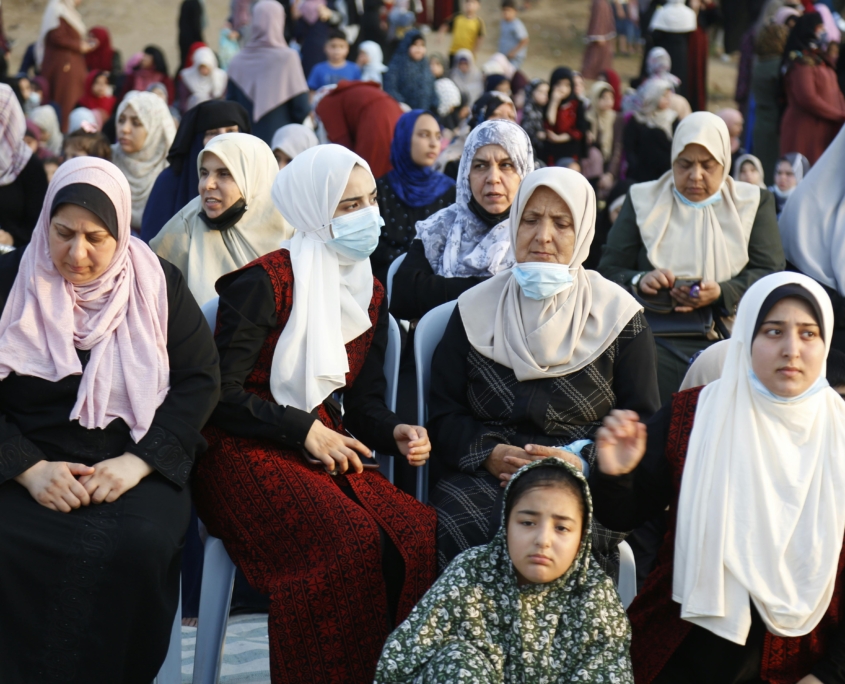
Palestinian Children’s Mental HealthAs the war in Palestine continues, Palestinians’ mental health is suffering. At least 10 children lose a limb a day and 17,000 children have been separated from their parents. Additionally, 96% of Palestinian children feel that death is impending. The numerous traumatic events the children undergo at a crucial time for their development have taken a toll. However, there are some vital initiatives in place aiming to tackle and improve Palestinian children’s mental health.

MAP Mental Health Services

Medical Aid for Palestine (MAP) is addressing Gaza’s mental health challenges in collaboration with the health ministry to improve access to mental health services. MAP has set up specific locations within the city to offer psychosocial and clinical support.

MAP also utilizes the close-knit community within Gaza by implementing a peer support model, enabling individuals with lived experience of mental health challenges to offer moral support to others facing similar struggles. This approach perpetuates the belief that everyone can help each other, hopefully bringing hope.

Furthermore, the organization is training its staff in psychological first aid, ensuring that they are prepared to support others and themselves through mental health challenges regardless of their role. This initiative helps ensure that as many people receive such help as possible.

GCMHP

The Gaza Community Mental Health Program (GCMHP), currently led by Dr. Yasser Abu Jamei, provides counseling over the phone. Additionally, they visit shelters and refugee camps to provide therapy. The initiative has clinics in Gaza City, Khan Younis and Deir al Balah, offering a range of services to support patients, including talking therapy, play therapy and occupational therapy.

In 2024, the GCMHP assisted more than 26,000 people in 298 days, offering care and support to individuals and families of all ages. It has also established Psychological First Aid (PFA) teams that visit camps and shelters to reach displaced families. These teams distribute toy bags to children, encouraging them to engage in familiar and enjoyable activities promoting calmness. Additionally, the teams assess whether anyone in these camps requires urgent intervention and ensure they are referred for specialized treatment.

Education and Mental Well-Being

The occupation has led to the destruction of many schools, with approximately 87.7% of educational buildings affected as of March 30, 2024. This disruption has severely impacted Palestinian children’s education and mental health, exacerbated by food, water and electricity shortages, as well as the loss of stability and educational infrastructure.

However, individuals like Israa Abu Mustafa are working to counter these challenges. She established a school for primary-aged children in Khan Younis in September 2024, starting with 35 students and expanding to 70. Despite lacking basic equipment like desks and chairs, the children continue to learn and participate in enjoyable activities. This initiative supports their well-being by restoring normalcy and safety through education.

Summary

The psychological well-being of Palestinian children is deeply impacted. However, several initiatives are offering support by providing mental health services, education and safe spaces, helping children regain a sense of stability and hope.

– Maryam Abdalla

Maryam is based in the UK and focuses on Good News and Politics for The Borgen Project.

Photo: Unsplash

April 6, 2025
https://borgenproject.org/wp-content/uploads/borgen-project-logo.svg 0 0 Lynsey 2 https://borgenproject.org/wp-content/uploads/borgen-project-logo.svg Lynsey 22025-04-06 07:30:472025-04-05 20:53:47Initiatives Improving Palestinian Children’s Mental Health
Global Poverty, Mental Health, Youth Empowerment

Navigating the Mental Health of Eswatini’s Youth

Mental Health of Eswatini’s YouthTeenagers in Eswatini have attempted suicide at a rate of 15%, as they reported feelings of anxiety, depression and self-dissatisfaction. The Eswatini Economic Policy Analysis and Research Centre (SEPARC) reports that poor mental health affects 8,229 people in Eswatini, with young people between the ages of 15 and 35 accounting for 40% of these cases. Despite the lack of national statistics, small-scale studies indicate that substance misuse and emotional distress are prevalent. Here is information about the mental health challenges of Eswatini’s youth.

The Mental Health Challenges of Eswatini’s Youth

A lack of economic prospects, recreational facilities, support systems and violence are all major contributors to worsening mental health among young people. UNICEF reported that 35% of Eswatini’s youth are neither employed nor enrolled in education or training, increasing the likelihood of engaging in risky behavior, resulting in adverse mental health outcomes. 

Violence detrimentally affects children’s development, cognitive ability and academic performance, leading to issues such as low self-esteem, emotional distress and depression. About 79% of children between the ages of 1 and 14 have experienced physical violence. Among adolescents, 32% of males between the ages of 13 to 24 reported experiencing physical violence in their lifetime. Meanwhile, 5.5% of females in the same age range reported experiencing violent incidents occurring before the age of 18.

How Violence Exacerbates HIV/AIDS in Eswatini

Furthermore, violence is a significant driver of HIV/AIDS, as it increases vulnerability to risky behaviors through trauma and its impact on emotion regulation. Among young people with a history of violence, the prevalence of HIV was 7.4% for females and 3.4% for males. In comparison, the HIV positivity rate for those without such experiences was 6.4% for females and 3.3% for males.

The country’s 27% HIV prevalence rate among individuals aged 15 to 49 further compounds the mental health challenges that Eswatini’s youth face, placing it among the highest globally. The dread of disclosure, which underscores the necessity of expanding disclosure programs for those who provide care with more comprehensive support for adherence and addressing mental health concerns, emotionally burdens Eswatini’s youth. The potential negative consequences of disclosing their HIV status to their spouse were a source of concern for 75.3% of HIV-positive men and 23.4% of HIV-positive women between the ages of 13 and 24.

Fortunately, some organizations like UNICEF and Education Plus are promoting change through institutional support and policy. Meanwhile, local organizations such as Young Heroes are focusing on vulnerable communities.

UNICEF’s Mental Health Support for Eswatini

UNICEF reached out to young people through social media and discussions to share information about mental health, sexual health, gender-based violence and violence against children in collaboration with non-governmental organizations (NGOs). These efforts allowed 1,782 young people to access mental health support.

Collaborating with Junior Achievement Eswatini (JAE), UNICEF implemented a Financial Literacy and Entrepreneurship Skills Program, helping 3,005 adolescents and providing opportunities through economic empowerment, allowing them to reduce engagement in risky behaviors, thereby lowering the likelihood of experiencing adverse mental health outcomes.

In partnership with the Ministry of Health, UNICEF supported teen clubs and mother-baby pairs clubs offering psychosocial support, counseling and health education. These initiatives have helped more than 13,350 young people access information on mental health, sexual and reproductive health and HIV prevention. 

Education Plus

A partnership of UN organizations leads the Education Plus Initiative. The initiative is a high-level global advocacy effort aimed to improve access to education, health care and economic opportunities, promoting stigma-free health care services. These efforts enable young individuals with HIV to seek help in a more supportive environment, reducing the likelihood of adverse mental health outcomes due to fear of discrimination.

The initiative safeguards adolescents by addressing fundamental needs and providing mental health care. Since a lack of recreational resources often lead to risky behaviors that undermine mental health, Education Plus aims to provide free secondary education for both girls and boys by 2025 to address this issue.

Furthermore, the initiative equips young people with the tools to achieve financial independence and stability. This is achieved through social protection, school-to-work transitions and economic empowerment. By fostering hope for a better future, it increases the likelihood of reducing the percentage of young people at risk of self-harm.

Young Heroes

Young Heroes is a charitable organization that aims to empower vulnerable youth and their caregivers in Eswatini through local initiatives. The organization collaborates with leading international partners, offering psychological support, social safety and prevention of gender-based violence. Programs for youth emphasize the importance of education, counseling, HIV-related support and treatment.

Young Heroes’ Sabelo Sensha project aims to increase mental health and resilience among Eswatini’s vulnerable young people. To support this, the project provides HIV treatment adherence assistance, counseling, support for caregivers, group referrals, positive parenting training, educational subsidies and socioeconomic empowerment programs.

Young Heroes supports disadvantaged children in Eswatini through Stepping Stones Sessions, which provide educational initiatives. Sessions teach essential life skills and offer opportunities for personal development. Babazile Bhila, a 20-year-old who endured psychosocial struggles and poverty, said Young Heroes’ Stepping Stones changed her life. Indeed, Babazile is now funded by CANGO’s Halt Project for her education. She thanked Young Heroes for enabling her to reach her full potential.

In August 2024, Young Heroes and the Ministry of Justice and Constitutional Affairs formed a partnership through Legal Aid Eswatini. This partnership is a critical step in addressing the vulnerabilities that children and adolescents face. Through this partnership, organizations will collaborate to mitigate the social and legal obstacles that Eswatini’s youth are encountering. Furthermore, this will foster greater emotional security and mental well-being.

Looking Ahead

Addressing the mental health challenges that Eswatini’s youths experience requires a multifaceted approach that includes mental health support, economic empowerment and community-based activities. However, the initiatives of world-renowned organizations demonstrate that there is hope for a better future for Eswatini’s youth.

– Imge Tekniker

Imge is based in London, UK and focuses on Global Health and Celebs for The Borgen Project.

Photo: Wikipedia Commons

March 29, 2025
https://borgenproject.org/wp-content/uploads/borgen-project-logo.svg 0 0 Jennifer Philipp https://borgenproject.org/wp-content/uploads/borgen-project-logo.svg Jennifer Philipp2025-03-29 01:30:142025-03-28 06:46:27Navigating the Mental Health of Eswatini’s Youth
Page 3 of 7‹12345›»

Get Smarter

  • Global Poverty 101
  • Global Poverty… The Good News
  • Global Poverty & U.S. Jobs
  • Global Poverty and National Security
  • Innovative Solutions to Poverty
  • Global Poverty & Aid FAQ’s
Search Search

Take Action

  • Call Congress
  • Email Congress
  • Donate
  • 30 Ways to Help
  • Volunteer Ops
  • Internships
  • Courses & Certificates
  • The Podcast
Borgen Project

“The Borgen Project is an incredible nonprofit organization that is addressing poverty and hunger and working towards ending them.”

-The Huffington Post

Inside The Borgen Project

  • Contact
  • About
  • Financials
  • President
  • Board of Directors
  • Board of Advisors

International Links

  • UK Email Parliament
  • UK Donate
  • Canada Email Parliament

Get Smarter

  • Global Poverty 101
  • Global Poverty… The Good News
  • Global Poverty & U.S. Jobs
  • Global Poverty and National Security
  • Innovative Solutions to Poverty
  • Global Poverty & Aid FAQ’s

Ways to Help

  • Call Congress
  • Email Congress
  • Donate
  • 30 Ways to Help
  • Volunteer Ops
  • Internships
  • Courses & Certificates
  • The Podcast
Scroll to top Scroll to top Scroll to top