• Link to X
  • Link to Facebook
  • Link to Instagram
  • Link to TikTok
  • Link to Youtube
  • About
    • About Us
      • President
      • Board of Directors
      • Board of Advisors
      • Financials
      • Our Methodology
      • Success Tracker
      • Contact
  • Act Now
    • 30 Ways to Help
      • Email Congress
      • Call Congress
      • Volunteer
      • Courses & Certificates
      • Be a Donor
    • Internships
      • In-Office Internships
      • Remote Internships
    • Legislation
      • Politics 101
  • The Blog
  • The Podcast
  • Magazine
  • Donate
  • Click to open the search input field Click to open the search input field Search
  • Menu Menu

Archive for category: Mental Health

Global Poverty, Homelessness, Mental Health

Addressing the Homeless Crisis in Slovakia

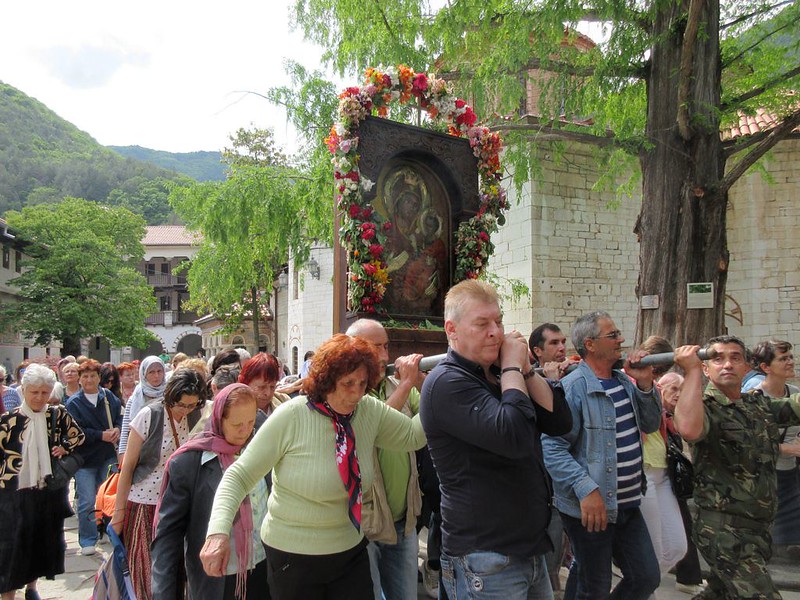
Homeless Crisis in SlovakiaThe picturesque landscapes and rich cultural heritage of Slovakia often belie the social issues simmering beneath its scenic veneer. The country is grappling with a homelessness problem that demands a compassionate, multifaceted response. This article addresses the homeless crisis in Slovakia in this in-depth exploration of the underpinnings of this societal challenge. Additionally, it provides information about the ongoing efforts to address homelessness.

Understanding the Homeless Crisis in Slovakia

While it is easy to dismiss homelessness as a problem limited to urban centers, the issue is pervasive across various regions of Slovakia. The causes have layers, from economic downturns and job loss to mental health issues and lack of affordable housing. The data is disheartening, with numbers showing an upward trajectory in homelessness, particularly in urban areas. For example, the 2022 population census for Slovakia recorded 71,076 people without homes versus the 23,483 homeless population recorded in the 2011 census.

Exposing the Challenges

Life on the streets is an unimaginable struggle. The lack of a stable home is just the tip of the iceberg for those experiencing homelessness in Slovakia. Affordable housing is scarce, and the domino effect includes limited health care provisions and the perpetual struggle to access social services. For example, according to World Habitat, the limited access to affordable housing in Slovakia is largely due to the fact that there is a shortage of rental properties. Since buying homes is more common than renting in this nation, those who cannot afford to purchase a property are left with limited affordable renting options.

Not to mention, the stigma attached to being homeless exacerbates the challenges of reintegrating into society. Life is incredibly challenging for those living without a stable home, and the men, women and children have access to limited resources.

Government and Community Initiatives

Fortunately, the response to this crisis has been a mix of official and grassroots efforts. The Slovakian government has implemented certain policies aiming to provide shelter and support services to people without housing. Alongside these, non-governmental organizations (NGOs) and community-led initiatives have sprung up to provide practical aid and reconnect people experiencing homelessness with society.

NGOs have led several campaigns to help bring awareness and improve the response to homelessness in Slovakia. For example, NGO volunteers have partnered with STOPA Slovensko to record the population consensus for Slovakia more accurately. A local campaign known as “We Are Not Invisible” also helped bring more awareness to the growing number of homeless individuals needing assistance housing.

Final Thoughts

Homelessness is not an intractable issue. Building a safety net for those who have fallen on hard times is possible with sustained effort. Addressing the homeless crisis in Slovakia has shown promising signs of a society willing to grapple with this crisis. The act of helping is not just about charity but also about justice and societal progress.

Brainstorming quality ideas can help this country, and others experiencing mass homelessness can help solve this issue more quickly. For example, they can build yurt communities for those without housing to live in. Yurts have a long lifespan and are relatively inexpensive shelters. Together, it is possible to create a home for all in Slovakia.

– Kelly Schoessling
Photo: Pexels

April 7, 2024
https://borgenproject.org/wp-content/uploads/borgen-project-logo.svg 0 0 Jennifer Philipp https://borgenproject.org/wp-content/uploads/borgen-project-logo.svg Jennifer Philipp2024-04-07 07:30:272024-07-30 01:21:32Addressing the Homeless Crisis in Slovakia
Global Poverty, Mental Health

Mental Health Crisis in Irish Travelers Community

Irish TravelersIrish Travelers, also known as Pavee or Mincéirí, are a peripatetic indigenous ethno-cultural population from Ireland. Approximately 0.7% of the total population of Ireland encompasses Travelers, with an estimated 31,000 calling the country home. Historically, Travelers are skilled craftsmen, traders and entertainers, traditionally engaging in tinsmithing, horse trading and storytelling.

This historic and culturally rich population continues to face some of the worst discrimination and poverty of any ethnic group in Europe. Their ongoing struggle, in turn, has engendered a widespread mental health crisis among Travelers groups. In a 2021 report conducted by an Irish parliamentary committee, it was found that 11% of all Travelers die from suicide and have a suicide rate six times higher than their stationary counterparts.

Life expectancy among the Travelers community is up to 15 years shorter than that of the wider population and only 3% live past age 65. These statistics, compounded with an alarming 80% unemployment rate, societal discrimination and lack of education, make the mental health struggles of Irish Travelers a glaring issue that has only been more thoroughly addressed in recent times.

Causes

One of the primary origins of this mental health crisis is the negotiation Travelers must have between assuming their cultural identity and adhering to settled Irish societal norms. This complex and often unbalanced dynamic is exacerbated by legislative measures that impinge upon Travelers and their traditional lifestyle. This includes making it illegal for Travelers to camp on land where they have been for generations and forcing them to rest in halting sites and purpose-built residential accommodations for travelers. Furthermore, economic shifts have rendered traditional Traveler employment scarce, heightening stress and anxiety within the community.

There have even been cases of physical segregation being put into effect, such as walls to separate Travelers from settled people, further symbolizing their social marginalization and actively deepening the population’s feelings of exclusion. Furthermore, pervasive prejudice and discrimination against Travelers persists and profoundly impacts the mental well-being of this group.

The complex and systemic marginalization of this indigenous Irish population by their government and their settled counterparts demands further attention. It calls for a more excellent representation of Travelers in legislative spaces where they can actively challenge the discriminatory practices they are facing.

Efforts

Recognizing the disparities Travelers face, the Minister for Health, Stephen Donnelly, along with other government officials and the Health Service Executive (HSE), unveiled the National Travelers Health Action Plan (NTHAP) 2022-2027. This initiative marks a significant step towards addressing the mental health crisis the Irish Travelers population faces.

In line with the broader objectives of enhancing healthcare accessibility, the plan underscores the importance of preventive measures, promoting healthcare and fostering collaborative engagement with Traveler communities. The comprehensive inclusion of various mental health interventions and robust monitoring mechanisms within the NTHAP can address the vulnerability and risks that Travelers encounter in their efforts to maintain their traditional way of life for hundreds of years.

Final Remark

Through sustained collaboration and investment, the NTHAP represents a landmark initiative fostering mental health resilience and inclusivity within the Travelers community. By addressing systemic factors perpetuating mental health challenges, the plan heralds a future of improved outcomes and greater societal equity for Irish Travelers.

– Ani Gonzalez Ward
Photo: Pexels

April 3, 2024
https://borgenproject.org/wp-content/uploads/borgen-project-logo.svg 0 0 Lynsey 2 https://borgenproject.org/wp-content/uploads/borgen-project-logo.svg Lynsey 22024-04-03 01:30:512024-04-03 03:26:40Mental Health Crisis in Irish Travelers Community
Developing Countries, Global Poverty, Mental Health

3 Initiatives Improving Mental Health in Kuwait

Mental Health in KuwaitIn the past, much of the stigmatization around mental health in Kuwait has stemmed from the idea that parents are to blame for the mental illnesses of their families and that those seeking help and relief have done so at the cost of their reputations. However, in recent years, Kuwait has been doing much to reframe this narrative in three major ways:

Kuwait’s First Mental Health Law

The Kuwait government issued Law No. 14 in February 2019 to protect individuals with mental health issues. This marked a major stride in the country’s efforts to improve its response to mental health concerns, mainly because there was no previous law governing mental health in Kuwait. Before the implementation of the Mental Health Law, individuals experiencing mental health challenges couldn’t be held at a facility, even if leaving posed a risk of harm. However, Article 11 of the Mental Health Law grants physicians the authority to detain patients for up to 72 hours during an evaluation period (the “Assessment Period”). This detention protects patients and others around them from danger. It also provides a clear guideline for what to do when one is incapable of self-care or consenting to voluntary assessment or treatment.

Additionally, the law sparked the creation of the Mental Health Coordinating Council (MHCC), whose members are responsible for following up on the application of the law and its regulations. The implementation of the MHCC means that for mental health in Kuwait, there is a body of individuals dedicated to protecting the rights of mental health patients by developing policies in their best interests. One of these rights includes the fact that, under the Mental Health Law, those with mental health conditions should not be prohibited from obtaining a job, marking the law’s intent to prevent stigma and isolation for mental health patients in the workforce.

Kuwait’s Response to the Impact of the COVID-19 Pandemic

As a result of the pandemic, rates of anxiety and depression, especially among the elderly and those with disabilities, increased, possibly due to fears about harboring the disease in conjunction with isolation and lockdowns limiting access to medical support. In response, the Kuwait Ministry of Health, through the country’s Center for Mental Health and Central Administration for Primary Care, launched several new initiatives to both improve health care access and overcome the limitations of isolation and lockdowns:

  • The Kuwait Center for Mental Health launched a hotline (+965 2462 1770) that operates daily from 9:00 AM to 5:00 PM.
  • The Ministry of Health launched an interactive platform called “Shlonik,” which provides health information to patients, monitors their safety and provides psychosocial support.
  • Specialized psychiatric clinics delivered psychotropic medicines to patients’ homes, allowing for the continued progress of their treatment.
  • Mental health care providers working in the private sector utilized social media, newspapers and TV channels to provide education regarding coping with psychological problems. Some providers even offered frontline workers free remote psychosocial support.

Nonetheless, it’s crucial to acknowledge that migrant workers and stateless individuals residing in Kuwait, often living in close-knit communities, have disproportionately felt the impact of COVID-19. This is due to their disadvantaged position, as they do not have access to free secondary health care. Access to mental health services remains a significant issue for this demographic, given the steep costs associated with diagnosis, psychiatric consultations and therapy sessions, which are considerably higher than those for Kuwaiti nationals.

The Improvement of Mental Health and Wellness Services in Kuwait

The Fawzia Sultan Health Care Network (FSHN), founded in 2006, is Kuwait’s first and only nonprofit mental health provider. It has been providing many health care services, including family medicine, cardiology, physiotherapy, occupational therapy, speech therapy and psychological services in research and education settings.

While it started as a specialized physiotherapy clinic, the organization soon realized that the health care needs of Kuwait ran much deeper. So, its approach expanded and became much more multidisciplinary. This expansion marked a shift in attitudes regarding mental health in Kuwait and is likely one of the factors that ultimately led to the creation of the Mental Health Law in 2019. The early efforts of FSHN and the later development of the Mental Health Law serve as evidence of the impact that dedication to a specific cause can have, even if that impact is only realized years later.

Final Remark

In a region where mental illness is still considered taboo, the Mental Health Law, along with the impact of health organizations and wellness services, highlights a continuous effort in Kuwait to improve protections for patients with mental illnesses.

– Avery Fuller
Photo: Pexels

April 1, 2024
https://borgenproject.org/wp-content/uploads/borgen-project-logo.svg 0 0 Jennifer Philipp https://borgenproject.org/wp-content/uploads/borgen-project-logo.svg Jennifer Philipp2024-04-01 07:30:282024-03-31 08:47:323 Initiatives Improving Mental Health in Kuwait
Africa, Global Poverty, Health, Mental Health

Mental Health in the Gambia

Mental Health in the GambiaManagement of mental illnesses represents a significant challenge yet to be adequately addressed in numerous low and middle-income nations. Such conditions not only escalate the expenses of health care and social support but also correlate with diminished quality of life, unemployment, heightened disability risk and premature mortality.

The Gambia has long marginalized and stigmatized mental health, leading to a gradual rise in mental wellness crises within the nation. With a population nearing 2.8 million as of 2023, the Gambia possesses only one psychiatric hospital in the capital city of Banjul, referred to as Tanka-Tanka, alongside a singular psychiatric outpatient clinic catering to the entire populace. The Tanka-Tanka mental hospital accommodates 100 beds and employs 58 practitioners. These facilities shoulder the responsibility of addressing all documented cases of mental illness throughout the country.

Mental Health in the Gambia Is Still a Major Issue

Widespread societal attitudes that downplay or disregard mental health issues are pervasive in deeply religious nations, perpetuating stigma and discrimination against individuals grappling with such conditions. This trend notably occurs in the Gambia, a predominantly spiritual country. According to the Central Intelligence Agency World Factbook’s (CIA) 2022 publication, approximately 96.4% of the population identifies as Muslims, underscoring the notion that prevailing social perspectives have adversely impacted mental health perceptions in the Gambia.

In Gambian tradition, manifestations of mental disorders frequently get ascribed to spiritual assaults or alleged demonic possession. Unorthodox healing modalities address the presumed “Spiritual Root Cause” through religious and traditional approaches, such as herbal remedies or ceremonial purification rituals. Among these methods, traditional healers also practice soaking and ingesting Quranic verses inscribed on paper. Regrettably, these treatments often disregard the effectiveness of medical interventions.

In a 2015 paper authored by A. Sulaimon and published in the Journal of Health Care for the Poor and Underserved, The paper highlighted how cultural beliefs perpetuate myths suggesting that mental illness is contagious or that individuals struggling with such conditions are inherently violent and unstable. Consequently, this leads to the social ostracization and mistreatment of affected individuals, as families often conceal afflicted relatives to evade community stigma.

Additionally, there is a troubling surge in substance abuse among urban youths, primarily rooted in mental health challenges. The absence of specialized services for addressing drug and alcohol addiction exacerbates this issue. Furthermore, the prevalence of prostitution among young and underage girls, coupled with the underreported and unaddressed problem of sex trafficking, collectively compound the societal challenges impacting mental health.

Initiatives Addressing Mental Health Challenges

The World Health Organization (WHO), through its Mental Health Gap Action Programme (mhGAP), initiated in 2008 and the Mental Health Leadership and Advocacy Programme (mhLAP), introduced in 2010, has emphasized the necessity of expanding mental health services within the country. WHO acknowledges that the presence of sufficient mental health professionals and facilities is essential to address the needs of existing mental health patients adequately. Additionally, such expansion is crucial for implementing an effective early intervention and preventive care strategy.

Mobee Gambia, a Non-Governmental Organization (NGO) dedicated to assisting individuals with mental health challenges, has undertaken initiatives to address mental health concerns in the Gambia. In February 2024, the organization orchestrated an educational event and mental well-being promotion involving a cohort of young individuals. The event centered around the theme of drug and alcohol issues impacting the mental well-being of young people in our communities.

Mobee is currently in the planning stages of establishing offices for administrative purposes to facilitate the implementation of psychoeducation programs to enhance individuals’ physical, social, psychological and emotional health. Additionally, discussions are underway with the Gambia Red Cross and Wyce.org.uk. The collaboration aims to deliver mental health services and programs geared towards enhancing cognitive health in the Gambia.

Conclusion

The involvement of international organizations and government initiatives signifies a positive shift towards addressing mental health in Gambia. While progress may be gradual, the collective impact of various programs and assistance is poised to become increasingly evident over time.

– Olusegun Odejobi
Photo: Pixabay

March 25, 2024
https://borgenproject.org/wp-content/uploads/borgen-project-logo.svg 0 0 Lynsey 2 https://borgenproject.org/wp-content/uploads/borgen-project-logo.svg Lynsey 22024-03-25 01:30:352024-03-24 03:47:05Mental Health in the Gambia
Global Poverty, Mental Health

Creative Writing Helps Isolated Individuals Find a Community

Creative WritingCreative writing often emerges as a valuable coping mechanism for mental health challenges. With many individuals experiencing situational depression, such as isolation, creative writing can serve as a means to connect and find solace within a community. Writing groups have increasingly become a famous avenue for individuals to gather, share their passions and support one another. In Brazil, where mental health services are overseen by the Psychological Care Network, i.e., Rede de Atenção Psicossocial (RAPS), incorporating creative writing initiatives into existing support structures could offer isolated individuals a pathway to community connection and emotional well-being.

Challenges in Mental Health Care: The Landscape in Brazil

In Brazil, individuals with disabilities are categorized as disability-adjusted life years (DALY), accounting for more than 7.5% of the nation’s mental health patients. Additionally, there are individuals classified as Institute for Health Metrics and Evaluation (IHME), encompassing a range of physical and psychological health conditions. Regrettably, the prevalence of mental health disorders has been increasing by 0.5% annually, resulting in 57.7% of the population experiencing such conditions as of 2023.

With more than half its population grappling with mental health issues, Brazil finds itself among the nations with the most significant challenges in mental health care. Despite efforts such as World Mental Health Day and other awareness campaigns, considerable strides are needed to address the nation’s mental well-being. In 2020, the COVID-19 pandemic profoundly impacted the globe, imposing lockdown measures in many countries and exacerbating isolation for individuals battling depression. Among the people of Brazil, those residing in the northern regions bore the brunt of the pandemic, with around 84% experiencing depression or anxiety induced by isolation.

Strategies for Coping With Severe Depression

Individuals grappling with severe depression are frequently provided with coping mechanisms aimed at alleviating their anxieties. These strategies encompass a range of approaches, including breathwork, engaging in physical activities, practicing mindfulness and seeking support from loved ones or professional therapists.

Many therapists and mental health advocates endorse writing as a means to express and manage emotions, particularly anger or sadness, offering individuals a sense of empowerment over their narratives. The University of Cumbria promotes writing poetry as a therapeutic activity for National Poetry Day, encouraging students to explore a common theme and gather to share their creations.

In the United Kingdom (U.K.), poetry clubs have emerged as popular venues for isolated individuals to connect with like-minded peers and bond over shared literary interests while enjoying tea or coffee. Established organizations like the Poetry Society, which has been operating since 1909, offer platforms for writers worldwide to showcase their work, including through competitions. Notably, the organization has expanded its reach to publish the works of poets from countries beyond the U.K., such as Brazil, featuring poets like Adelia Prado.

Empowering Mental Health Initiatives 

Regrettably, the mental health campaign in Brazil has not reached as many individuals as intended, possibly due to inadequate funding for mental health services and historical reports of patient mistreatment in psychiatric hospitals during the ‘70s and ‘80s, which has left many Brazilians distrustful of such institutions.

Establishing a creative writing society in Brazil is an attainable goal. Taking inspiration from organizations like UK’s Poetry Society, a Brazilian-based website dedicated to creative writing, could gain traction swiftly and independently without relying on government funding.

 With access to the internet and basic computer skills, individuals can learn to set up and publish their websites, showcasing their literary creations to a global audience. Utilizing website builder tools like HubSpot, WiX, Adobe and IONOS, individuals can customize their platforms and even feature works from friends and family. This endeavor can evolve into a prominent creative writing platform, fostering community engagement and artistic expression. Pre-made platforms like YouTube or TikTok dedicated to content creation can be viable alternatives for those hesitant about website creation.

Individuals without internet access or those who prefer in-person interaction can distribute invitations via community boards or public information centers to promote poetry or creative writing gatherings. Numerous community facilities across Brazil offer spaces for both educational and recreational purposes, serving as ideal venues for hosting writing groups.

In 2018, an exceptional community center called Community Center Camburi was opened. It was built entirely from bamboo! Building the center from bamboo it saves Brazilian financial resources. Centers like Camburi can be used to serve as a place for creative writing groups and those artists can use their creative writing skills to influence others to be more environmentally friendly.

Conclusion

Through diligence, commitment and leveraging available resources, individuals in Brazil can unite around a common theme, fostering connections and reducing feelings of isolation as they exchange thoughts and ideas. Socializing can provide a reprieve from negative thoughts for those experiencing depression, igniting their interests and engaging with others, ideally leading to a more optimistic, vibrant and innovative future.

– Phoebe Vaughan
Photo: Unsplash

March 22, 2024
https://borgenproject.org/wp-content/uploads/borgen-project-logo.svg 0 0 Lynsey 2 https://borgenproject.org/wp-content/uploads/borgen-project-logo.svg Lynsey 22024-03-22 21:52:242024-03-26 04:53:37Creative Writing Helps Isolated Individuals Find a Community
Global Poverty, Health, Mental Health

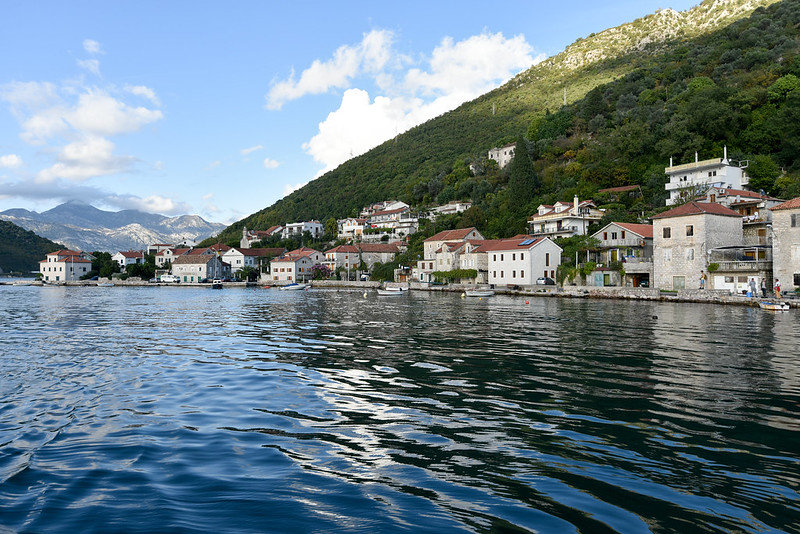
Mental Health in Luxembourg

Mental Health in LuxembourgOf all of the countries in the world, Luxembourg is among the richest. Luxembourg has one of the highest GDP per capita, after Liechtenstein and Monaco in the top spot. Additionally, according to almost every ranking system, including the World Health Organization (WHO), Luxembourg has one of the best health care systems in the world. Based on this, it would be correct to assume that Luxembourg’s mental health levels are high regarding its citizens and their wellbeing.

Mental Health and Happiness

According to the World Happiness Report, which conducts an extensive study into the mental well-being of people all across the globe, Luxembourg consistently ranks in the top 10 in average life evaluation and ranked 9th in 2023. Furthermore, according to the same report, Luxembourg ranks 9th again when it comes to happiness equality across the wealth spectrum. This is undoubtedly correlated with the numerous mental health resources available to the citizens, enabling them to properly care for and maintain a high level of mental health in Luxembourg.

Even though Luxembourg has a fantastic health care system in place, in a 2017 Eurostat report, 9.5% of the population reported experiencing chronic depression, which is above the 6.7% average of the group as a whole. The COVID-19 pandemic further exacerbated this, during which 37% of people between the ages of 18 and 44 reported declining mental health during the pandemic.

Therapy Access

In Luxembourg, the public health care system covers the cost of a therapist for anyone who is under the age of 18 and part of the social security system. The doctors can also prescribe therapy for up to 27 sessions. As for anyone older than 18, health care system reimburses for 70% of the total price. Finding a psychiatrist should be no issue, as Luxembourg has more than 20 psychiatrists per 100,000 people, which ranks it 8th in the EU.

Resources Available to Citizens

When it comes to governmental spending on health care, Luxembourg spends $6,436 per capita, which makes up about 5.8% of its total GDP and is the lowest in the European Union. Luxembourg primarily follows the WHO when it comes to procedures regarding mental health and has enacted many changes to destigmatize using the many mental health resources available to the people.

In conclusion, Luxembourg should be a guidebook for the rest of the world when it comes to mental health resources and how to address this issue. Its incredible health care system, the destigmatization of getting help, the large pool of mental health care professionals available and the ability for anyone to get the help they need have resulted in Luxembourg being one of the world leaders in combating mental health issues.

– Steven Gulkowitz
Photo: Unsplash

March 15, 2024
https://borgenproject.org/wp-content/uploads/borgen-project-logo.svg 0 0 Jennifer Philipp https://borgenproject.org/wp-content/uploads/borgen-project-logo.svg Jennifer Philipp2024-03-15 01:30:452024-03-14 05:41:44Mental Health in Luxembourg
Africa, Global Health, Global Poverty, Mental Health

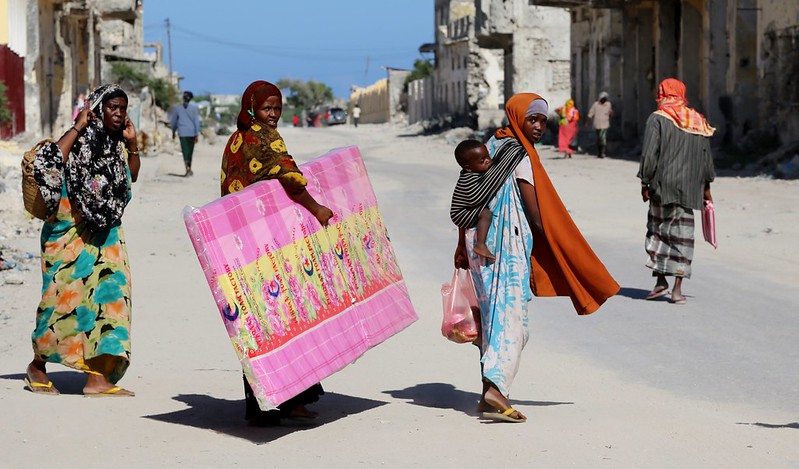
Suicide Prevention in the Central African Republic

Suicide Prevention in the Central African RepublicTragically, 1 in 100 deaths results from suicide, with the Central African Republic among several countries experiencing a devastatingly high suicide rate. Suicide prevention in the Central African Republic is crucial, as countless families face devastation. Survivors of suicide attempts in the country continue to struggle with severe depression. Therefore, preventing suicide and providing care for individuals who have previously attempted suicide are essential in the Central African Republic.

Factors Contributing to the Decline in Suicide Rates

Fortunately, the Central African Republic has seen a 3.91% decline in suicide rates per 100,000 individuals. Addressing other problems like drug abuse, unemployment and food scarcity helps relieve depressed individuals from further stress, contributing to this decline.

In addition, between 2004 and 2008, the United Nations (U.N.) reported multiple drug seizures of cocaine and other illicit substances from parts of West Africa. By 2024, Amphetamine-type stimulants (ATS) and methamphetamine have become two of the most common forms of drug use in Africa, alongside cannabis.

Michael Groat, director of psychology at Silver Hill Hospital in New Canaan, explained that suicide and addiction stem from a desire to end pain. The combination of depression and drug use can be lethal, leading to addiction and possibly intentional or unintentional overdose.

Addressing Substance Abuse and Mental Health Issues

RehabPath has created a referral page for several treatment facilities for those struggling with substance abuse in the Central African Republic. Moreover, RehabPath recommends facilities like the Continental Brain Clinic and Synapse Azalea, which dedicate themselves to helping people recover from addiction and hopefully prevent some from committing suicide via drug overdose.

Drug use is not always the reason for suicide as mental health problems are considered one of the biggest factors for suicide. Mental health issues can include but are not limited to anxiety, depression, or bipolar disorder which can be situational-based or even genetically linked. Not every individual who suffers from depression or another form of mental illness will commit suicide however, it is still recommended that those who are struggling seek help before their health deteriorates further.

Funding Challenges for Mental Health

Those struggling with mental health in the Central African Republic have limited options due to low government investments. The African government lends 311.53 XAF, the United States (U.S.) equivalent of $00.50, to mental health practices. Strong Minds Uganda is currently trying to raise awareness of Africa’s unfunded mental health care system. In addition, the organization has managed to raise enough awareness for an article on the World Health Organisation (WHO) website.

Success of Group Therapy Initiatives

Recently, both WHO and Strong Mind have provided group therapy sessions to more than 160,000 women and young people in both Uganda and Zambia. Fortunately, approximately 80% of these figures have reported a significant levity in their depression. Whilst this news is encouraging there are thousands more who need help, especially men as it has been reported more males are likely to commit suicide than females on a 3:1 ratio.

Socio-Economic Factors and Suicide Rates

The men living in Africa are not the only ones who struggle. It is reported suicide rates have become increasingly high in multiple black communities including countries such as the U.S.Psychiatrist Patricia Harris, who is Everyday Health’s chief health and medical editor suggests multiple reasons for the increase including cyber-bullying, pressure to live up to a ‘strong black person’ image and the lack of representation in mental health services.

Moreover, the Central African Republic has an abysmal lack of funding. With 70% of the country living in extreme poverty, it is no surprise that men fall into despair and want to end their lives. The World Bank has suggested strengthening the human capital of Central Africa to invest in agricultural pursuits thus boosting agriculture further to decrease poverty.

Furthermore, this could potentially save lives as the people of the country will feel less pressure regarding feeding their families and maintaining a healthy household. For now, both men and women rely on the compassion of others. Interaction with other individuals can be beneficial to a person’s mental health and prolonged isolation can worsen symptoms of depression. Isolation can be caused by feeling unwanted or like an outcast around a particular group of people.

Efforts to Combat Mental Health Stigma and Isolation

The World Health Organization (WHO) started World Mental Health Day in 2022. This day is dedicated to raising awareness of suicide and mental illness in the Central African Republic. This campaign aimed to reach 10 million African people, help them seek treatment for any of their medical conditions and support their families and friends in the interim.

In 2024, the Central African Republic has put new plans into place to help the most isolated citizens. Plans include efforts for suicide prevention in the Central African Republic. These plans include vital multisectoral assistance to 1.9 million vulnerable people and localizing humanitarian responses. Looking forward, these plans with the help of donations from humanitarian organisations, should provide those struggling with their mental health some form of hope to achieve a healthier, happier future.

– Phoebe Vaughan
Photo: Unsplash

March 12, 2024
https://borgenproject.org/wp-content/uploads/borgen-project-logo.svg 0 0 Precious Sheidu https://borgenproject.org/wp-content/uploads/borgen-project-logo.svg Precious Sheidu2024-03-12 01:30:142024-03-11 06:59:20Suicide Prevention in the Central African Republic
Global Health, Global Poverty, Mental Health

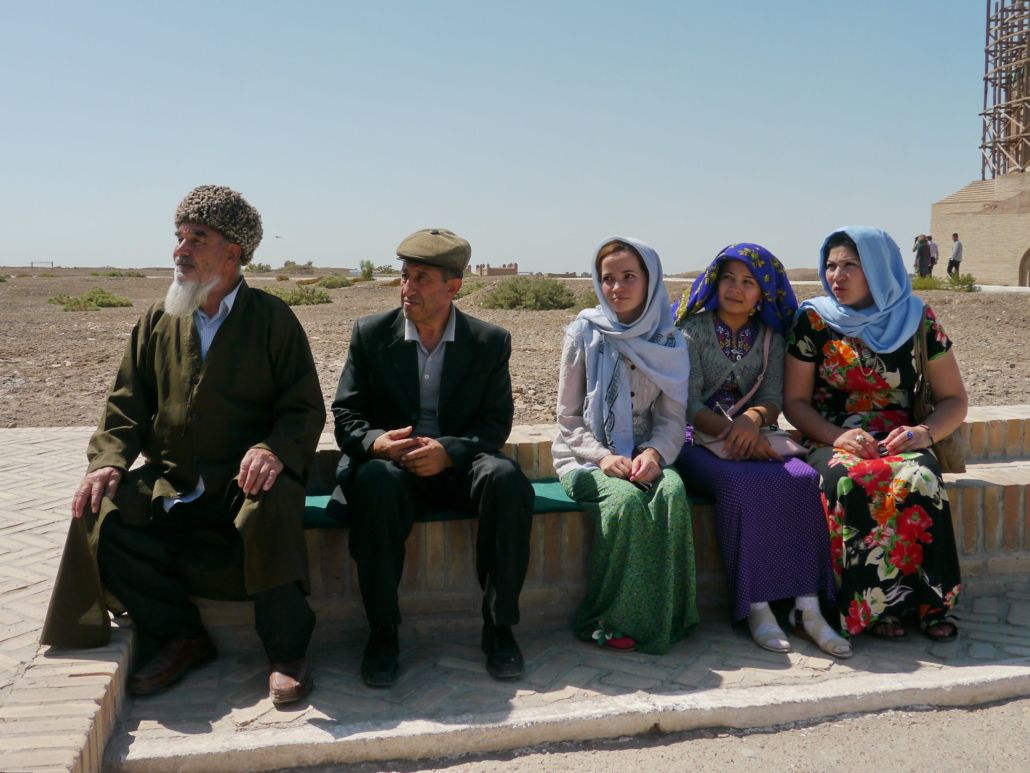
What To Know about Mental Health in Uzbekistan

Mental Health in UzbekistanUzbekistan has taken a series of initiatives to address the mental health crisis, which affects one in eight people worldwide, according to the World Health Organization (WHO). Improving mental health in Uzbekistan has the potential to yield an impressive return on investment. The WHO estimates almost half a trillion Uzbekistani sum (UZS) return over the next decade. According to the International Psychiatry country profile, the Uzbek government has already made great strides in tackling the mental health crisis since it became a public health priority in Uzbekistan in November 1998.

Obstacles

Historically, mental health care in Uzbekistan has relied on institutions grappling with understaffing and inadequate funding. These obstacles have resulted in increased rates of mental health issues. This includes a 15% increase in registered mental disorders between 1991 and 2017 and a suicide rate being 8.0 per 100,000 people in 2019, according to WHO.

The journey to implement mental health reforms has been met with challenges. This has included stigmatization and low political support, according to the Central Asian Journal of Global Health. The stigma surrounding mental health is a global issue that hinders people’s ability to seek treatment.

Recent Initiatives

On April 20, 2023, the Uzbek Senate held a meeting to discuss the mental health and well-being of Uzbek youth. During this meeting, the working group for adolescent mental health discussed educational work to address the mental health crisis, bringing thousands of examples of how media can help this.

On June 19, 2023, Uzbek President Shavkat Mirziyoyev signed a decree outlining initiatives to improve the public mental health service. These initiatives include implementing the World Health Organization’s Mental Health Gap Action Programme (mhGAP) and integrating Social Emotional Learning (SEL) into school curriculums.

The Mental Health Gap Action Programme (mhGAP)

mhGAP consists of 48 recommendations that aim to empower nations in confronting the mental health crisis head-on, with a specific focus on addressing neurological, mental and substance abuse disorders. These evidence-based recommendations range from training and intervention strategies to medication guidance.

The training that mhGAP Intervention Guide (mhGAP-IG) provides has been particularly impactful. A 2020 International Journal of Mental Health Systems study revealed this training has the power to boost participants’ knowledge and skills in mental health care despite obstacles such as resistance among staff and lack of financial resources. Since this initiative has only been present in Uzbekistan since 2023, there is not yet a record of its impact. However, past studies paint a promising picture for the future of mental health in Uzbekistan.

Education and Social and Emotional Learning (SEL)

SEL can be a powerful tool in the prevention and early intervention of mental disorders by promoting general mental well-being. It consists of five components: “self-awareness, self-management, social awareness, relationship skills and responsible decision-making.” These pillars not only promote personal development and well-being but also contribute to fostering resilient communities.

A few examples of how this could look in Uzbek classrooms are mindfulness practices or intentionally integrating skills such as cooperation or listening into daily activities, according to Be You. Implementing SEL in secondary schools can reach more youth as a result of Uzbekistan’s recent education reforms.

Other preventative educational initiatives include training sessions and seminars that the Republican Specialized Scientific and Practical Medical Center for Narcology conducted in hundreds of schools aiming to assist students in identifying signs of substance abuse, according to the Uzbek Senate.

Regional Collaboration

Uzbekistan is not alone in the ongoing battle to tackle the mental health crisis. In April 2023, Uzbekistan hosted talks about strengthening mental health care in Central Asian countries through community-led initiatives and partnerships. Further collaborative efforts occurred in October 2023 when Uzbek mental health representatives and professionals joined three other Central Asian countries for a study visit to Trieste, Italy. There, they learned about community-based mental health reform.

Looking Forward

In the ongoing battle against the mental health crisis, Uzbekistan stands alongside fellow Central Asian countries striving to address the issue through evidence-based reforms. With each strategic step, more than 30 million Uzbeks move closer to enhanced mental wellness.

– Madison Paulus
Photo: Flickr

March 9, 2024
https://borgenproject.org/wp-content/uploads/borgen-project-logo.svg 0 0 Jennifer Philipp https://borgenproject.org/wp-content/uploads/borgen-project-logo.svg Jennifer Philipp2024-03-09 07:30:052024-03-08 02:27:09What To Know about Mental Health in Uzbekistan
Page 7 of 7«‹567

Get Smarter

  • Global Poverty 101
  • Global Poverty… The Good News
  • Global Poverty & U.S. Jobs
  • Global Poverty and National Security
  • Innovative Solutions to Poverty
  • Global Poverty & Aid FAQ’s
Search Search

Take Action

  • Call Congress
  • Email Congress
  • Donate
  • 30 Ways to Help
  • Volunteer Ops
  • Internships
  • Courses & Certificates
  • The Podcast
Borgen Project

“The Borgen Project is an incredible nonprofit organization that is addressing poverty and hunger and working towards ending them.”

-The Huffington Post

Inside The Borgen Project

  • Contact
  • About
  • Financials
  • President
  • Board of Directors
  • Board of Advisors

International Links

  • UK Email Parliament
  • UK Donate
  • Canada Email Parliament

Get Smarter

  • Global Poverty 101
  • Global Poverty… The Good News
  • Global Poverty & U.S. Jobs
  • Global Poverty and National Security
  • Innovative Solutions to Poverty
  • Global Poverty & Aid FAQ’s

Ways to Help

  • Call Congress
  • Email Congress
  • Donate
  • 30 Ways to Help
  • Volunteer Ops
  • Internships
  • Courses & Certificates
  • The Podcast
Scroll to top Scroll to top Scroll to top